REVIEW · MARRAKECH
Vegetarian and vegan cooking class
Book on Viator →Operated by Dounia Alaoui · Bookable on Viator
Mint tea and tagine magic in the medina. In Marrakech, this small-group vegetarian and vegan cooking class pairs souq shopping with hands-on Moroccan cooking at Dounia Alaoui’s home. You’ll make a plant-forward menu and finish with mint tea and the meal you cooked.
I really like that you start with a walk through the old souk to choose fresh ingredients, so the cooking feels grounded in how Moroccans actually shop. I also like the family-style setup and the practical, step-by-step pace guided by hosts including Dounia, Kawtar, and Khimsa.
One thing to consider: this isn’t marketed as exclusively vegan for every participant. It’s possible you’ll share the space while other people cook meat dishes.
In This Review
- Key Takeaways You’ll Care About
- Marrakech Meeting Point at Bab Doukkala Mosque: Where It Starts
- Souk Shopping for Vegan Moroccan Cooking Ingredients
- Dounia’s Medina Kitchen: Hands-On Tagine and Starter Work
- Moroccan Mint Tea: The Lesson Behind the Pour
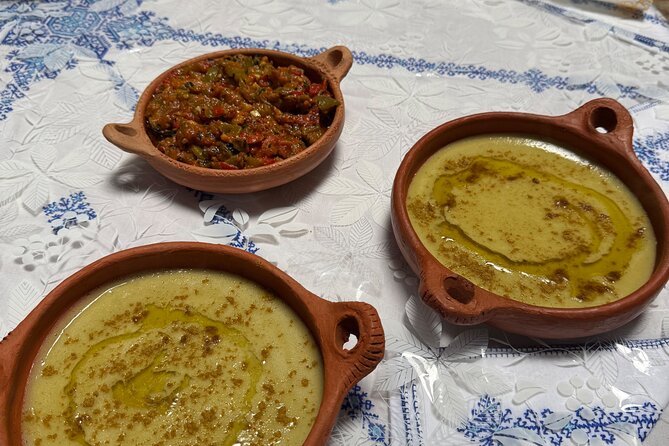
- What You’ll Cook and Eat: Expect a Full Meal, Not Snacks
- Mixed Menu Reality: How to Keep Your Experience Fully Plant-Based
- Price and Time: Is $44.32 Worth It?
- Practical Tips That Make the Class Easier
- Who This Class Is Best For (and Who Might Want Something Else)
- Should You Book This Vegan-Forward Cooking Class?
- FAQ
- How long is the vegetarian and vegan cooking class in Marrakech?
- What does the class include?
- Is the experience exclusively vegan for everyone?
- Where is the meeting point?
- How many people are in the group?
- Can the host adapt the class for allergies or dietary requirements?
- How much does it cost, and when should I book?
Key Takeaways You’ll Care About
- Old souk ingredient shopping: You’ll pick produce and pantry items before cooking, not after.
- Small group size (max 8): You get real time with the hosts instead of watching from the back.
- Hands-on Moroccan techniques: Expect to learn how tagines and starters come together, not just assemble plates.
- Moroccan mint tea together: Tea is part of the lesson, not an afterthought.
- Vegan-forward but not exclusive: The menu you cook can be 100% vegan, while the overall class may include meat at neighboring stations.
- Ask about kitchen basics: There have been comments about cutting boards being worn, so if hygiene is a top priority, bring it up calmly.
Marrakech Meeting Point at Bab Doukkala Mosque: Where It Starts
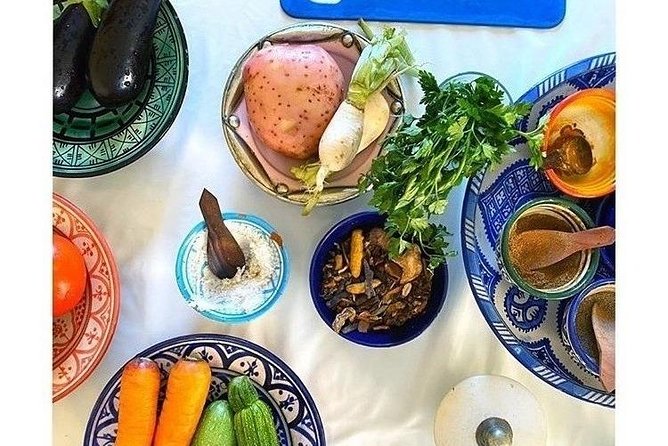
The experience begins at Bab Doukkala Mosque in Marrakech, and the good news is that this is a clear, easy-to-find landmark in the medina. You’re not hunting for a mystery door in an alley that looks like every other alley. From there, the plan is simple: meet, head out for ingredient shopping, then return to the hosts’ home for the cooking and meal.
Because this area is dense, it helps to arrive a few minutes early and wear shoes that work on uneven medina streets. Also, plan on a little walking. The souk visit is part of the value here, not a quick photo stop.
A few more Marrakech tours and experiences worth a look

Souk Shopping for Vegan Moroccan Cooking Ingredients
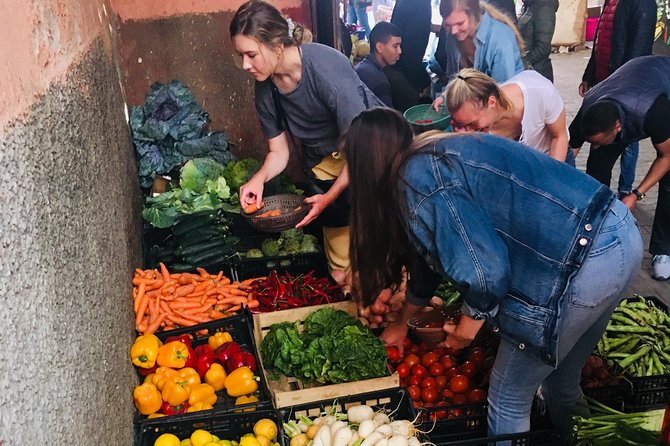
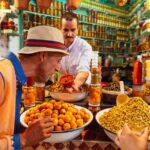
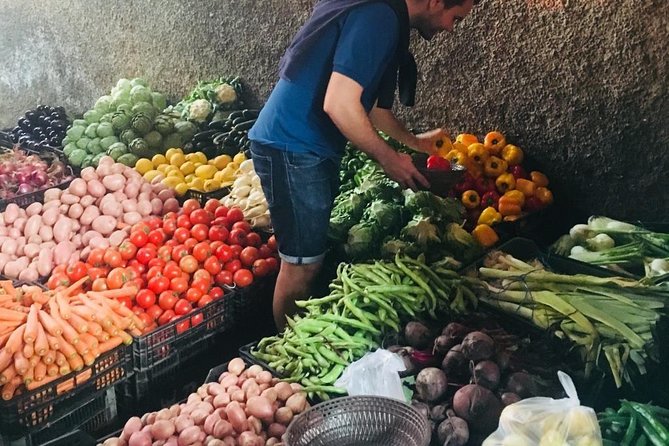
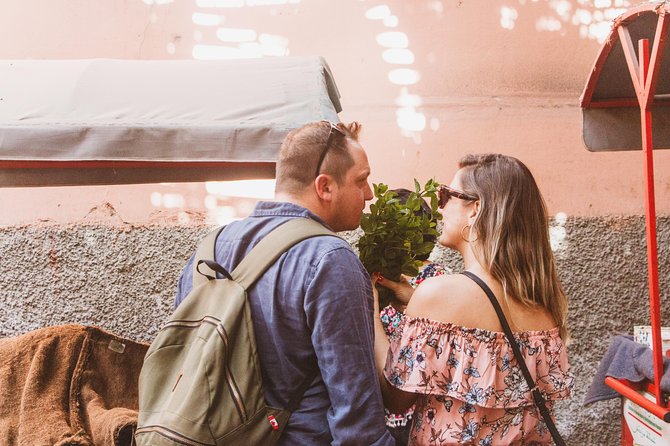
The morning starts the way a lot of Moroccan cooking starts: with ingredients. You’ll walk through the old souk to buy the fresh items used in the dishes you’ll make. It’s one of the best parts for anyone who wants their vegan Moroccan cooking to taste like Morocco, not like a guess.
Why this matters for you: Moroccan flavor comes from basics chosen well—fresh herbs, spices you buy in person, and vegetables that aren’t tired or watery. The hosts guide you through what to get and how to think about it, so when you cook later at home, you know what role each ingredient plays.
This is also where you can ask direct questions. If you have an allergy or a dietary requirement, you’ll have a chance to bring it up before the prep work gets underway. Dounia specifically says she can adapt the class for allergies and dietary needs, so this is the moment to speak up.
Dounia’s Medina Kitchen: Hands-On Tagine and Starter Work
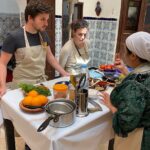
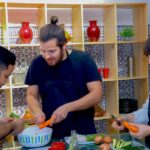
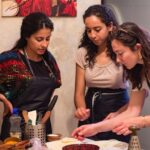
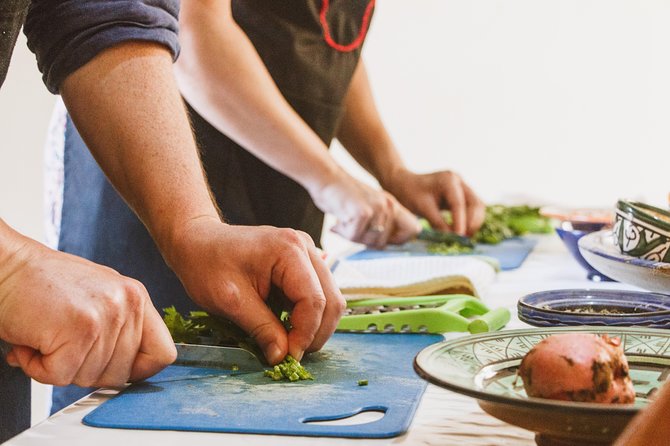
Once you’re back at the house in the heart of the medina, you shift from browsing to doing. The lesson is structured around typical Moroccan dishes, and you’ll prepare food together as a group.
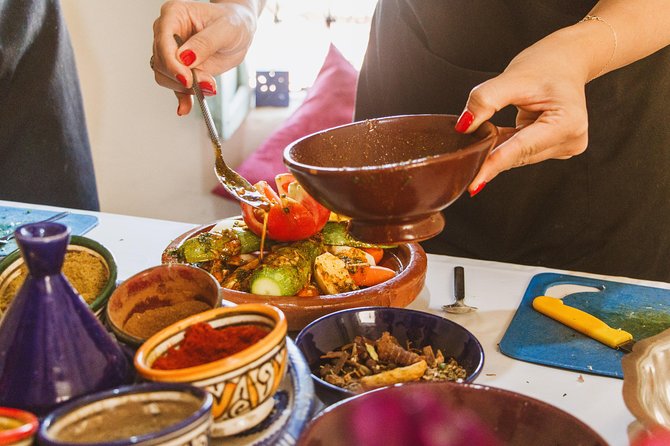
In practice, that means you’re not just watching someone else move through the steps. You’ll participate in the prep and cooking process, which is why this class tends to be a trip highlight for people who care about learning techniques. Some class menus focus on Moroccan tagine-style cooking, and you may make a vegetarian tagine alongside other dishes like starters and salads, depending on the group.
A big plus: the hosts (including Kawtar and Khimsa, alongside Dounia) are accommodating to different comfort levels. If you’re a confident cook, you’ll likely move faster and ask more questions. If you’re newer, you’ll still get your hands in the process without feeling lost.
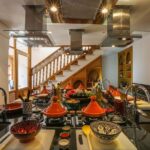
One practical note: because it’s a home kitchen in the medina, the setup is rustic. That’s part of the charm, but it also means you should pay attention to small kitchen details. One experience mentioned cutting boards that looked past their best. If that would worry you, politely ask what they use for prep and how they keep tools clean.
Moroccan Mint Tea: The Lesson Behind the Pour
Moroccan mint tea is not just served. It’s made with you, together. After you finish the cooking, the group prepares mint tea in the way you’ll see across Morocco—sweet, fragrant, and served with ceremony.
This is one of those skills that sounds simple until you try it. Getting the right balance and handling the tea properly is part of why Moroccan tea tastes like Moroccan tea. Since the class includes the tea-making step, you leave with a small but useful takeaway you can actually use at home.
And yes, you’ll drink the tea with the meal you cooked. That shared sitting-down moment matters. In a cooking class, it’s the difference between a demo and a real experience.
What You’ll Cook and Eat: Expect a Full Meal, Not Snacks
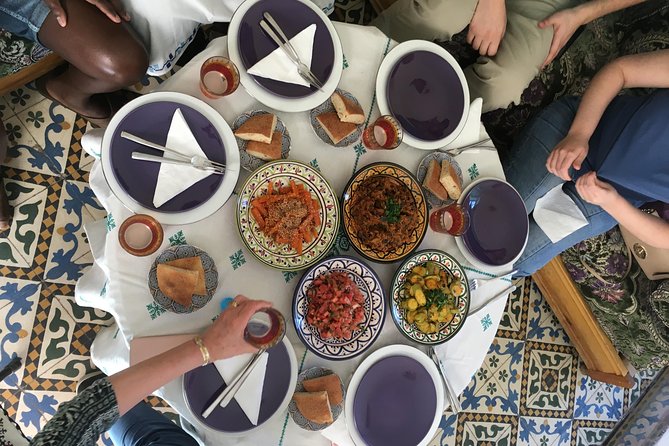
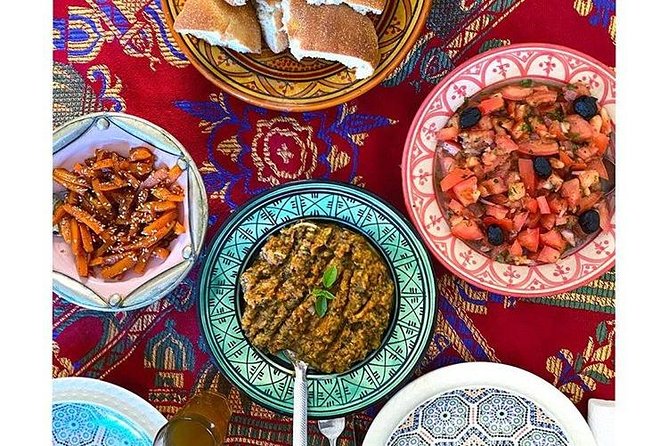
The structure is built around a full Moroccan meal experience: you shop ingredients, you cook multiple dishes, and you sit down together to enjoy the food plus traditional mint tea.
From the menu types that show up in this class, you can expect a combination like:
- Moroccan starters (often more than one course)
- A vegetarian/vegan tagine-style main
- A dessert course in many cases
You should also know the class is not framed as exclusively vegetarian/vegan for everyone in the room. The host says she welcomes you for a vegan and vegetarian Moroccan meal, but the overall event can include other participants cooking different menus. That means your table is designed for your dishes, while nearby stations may do meat-based cooking.
If you’re strictly vegan and want to protect every course, you’ll want to ask a direct question about dessert. One participant reported that dessert wasn’t vegan in their session, so don’t assume the sweet course is automatically plant-based even if your main is.
You can also read our reviews of more cooking classes in Marrakech
Mixed Menu Reality: How to Keep Your Experience Fully Plant-Based
Here’s the honest balance: you can absolutely join for a vegan-leaning cooking experience, but you should go in with eyes open. This isn’t advertised as a private, all-vegan-only cooking session for every person involved.
In real terms, you might share the space while other cooks prepare chicken tagine or other meat dishes. One reason to book anyway is that your menu can be 100% vegan, and the hosts are accommodating. The value is in the Moroccan techniques and the plant-forward dishes you’ll learn to make.
My advice to you: message or ask the host up front with your definition of vegan. If your vegan needs include avoiding any cross-contact concerns or specific ingredients, say so clearly. If it’s mostly about what ends up on your plate, you’ll still have a great time as long as you’re comfortable sharing the room with mixed menus.
Price and Time: Is $44.32 Worth It?
At $44.32 per person for about 3 hours, you’re paying for more than a cooking demo. You’re paying for:
- the souk ingredient shopping walk,
- hands-on time in a real medina home kitchen,
- cooking instruction,
- the meal you eat,
- and Moroccan mint tea as part of the experience.
To judge value, think about what this replaces. If you’d otherwise spend money on a restaurant meal plus a guided market visit, the price can feel fair fast. The small group size also matters. With a max group of 8, you’re more likely to get individualized guidance rather than speed-watching.
Also, booking tends to happen around 12 days in advance on average, so if you have travel dates, try not to wait until the last minute. Confirmation is stated as received within 48 hours of booking when possible.
Practical Tips That Make the Class Easier
A few small moves will make your time smoother:
- Bring your dietary needs early. Dounia says she can adapt for allergies and preferences, but you’ll get the best results if you tell her up front.
- Wear grippy shoes. The medina is uneven underfoot, and you’ll walk to the souk and back.
- Expect a hands-on rhythm. Even if the pace varies with the group, you’ll be doing real prep and cooking steps.
- Ask about dessert if vegan is strict for you. One session reportedly included non-vegan dessert, so check your expectations early.
- If you like spice, don’t rush through the end. There’s mention of an option to buy spices after the class, and it’s not pushed. It’s a good chance to grab what you used while it’s still fresh in your mind.
If you’re hoping for a social, family-energy experience, the class tends to deliver that. The hosts are described as warm and friendly, and the instructions are clear enough that beginners can keep up.
Who This Class Is Best For (and Who Might Want Something Else)
This is a great fit if you:
- want Moroccan cooking skills you can repeat at home,
- like learning through market-to-kitchen shopping,
- enjoy eating what you cook (and having it explained as you go),
- and prefer small groups.
It’s also a smart choice for couples, solo travelers, and small groups who want conversation without being stuck in a giant crowd.
You might want to look at another option if:
- you need a fully private, strictly vegan session with no meat cooking nearby,
- or you are highly sensitive to any kitchen cross-contact concerns and don’t want to ask questions.
Should You Book This Vegan-Forward Cooking Class?
Book it if you want authentic Moroccan technique, souk-to-kitchen learning, and a meal that tastes better than anything you’ll make from a cookbook alone. The combination of fresh ingredient shopping, step-by-step cooking, and shared Moroccan mint tea is exactly the kind of “small group, big memory” experience that turns into repeat value.
If you’re vegan and very particular, don’t guess—ask. Confirm that your menu is 100% vegan for every course you care about, especially dessert, and clarify how they handle dietary requirements. If you do that, you’ll be set up for a fun afternoon in a real medina home.
FAQ
How long is the vegetarian and vegan cooking class in Marrakech?
It runs for about 3 hours.
What does the class include?
You’ll start with a visit to the old souk to buy fresh ingredients, then return to the host’s house to prepare Moroccan dishes. You’ll also make and enjoy Moroccan mint tea and eat the meal together.
Is the experience exclusively vegan for everyone?
The experience is described as vegan and vegetarian, and the menu you make can be 100% vegan, but it is not exclusive vegetarian/vegan overall. Other people may cook different menus (including meat) during the same class.
Where is the meeting point?
You meet at Bab Doukkala Mosque in Marrakech.
How many people are in the group?
The class has a maximum of 8 travelers.
Can the host adapt the class for allergies or dietary requirements?
Yes. Dounia says she can adapt the cooking class for allergies, dietary requirements, and preferences if you let her know.
How much does it cost, and when should I book?
The price is $44.32 per person. On average, it’s booked about 12 days in advance.