REVIEW · MARRAKECH
3 Days Desert Tour From Marrakech To Merzouga Dunes & Camel Trek
Book on Viator →Operated by Morocco Global Adventures · Bookable on Viator
A long road. A quick world upgrade. This 3-day Marrakech-to-Merzouga route is built around the Erg Chebbi camel trek and the UNESCO Kasbah Ait Ben Haddou stop, plus serious Sahara scenery at sunrise and sunset. I love that you get both the culture-driving day (Atlas passes, kasbahs, gorges) and the big-ticket desert moments (camel crossing, sandboarding, camp night). The one real drawback to weigh is that this is a shared, mostly on-the-road tour with long bus days—and a few people report basic comfort issues (camp/hotel facilities, food value, and extra stops).
What makes this tour interesting is how it stacks highlights without wasting your time jumping between companies. You leave Marrakech early, cross the Tizi n’Tichka High Atlas pass, visit Ait Benhaddou, then roll on to Todra Gorge and the oasis area before you finally reach Merzouga and Erg Chebbi. I also like that the timing is set up so you can see light change on the dunes, not just arrive and sleep.
In This Review
- Key points at a glance
- Marrakech to Merzouga: The route that spends your time wisely
- A note on expectations
- Day 1: High Atlas pass, Ait Benhaddou, and reaching Tinghir by evening
- El Kelaa M’gouna and the Atlas rhythm
- Ait Benhaddou: UNESCO stop, plus lunch time
- Ouarzazate and Rose Valley before Tinghir
- Day 2: Todra Gorge, Merzouga base, and the Erg Chebbi camel trek
- Todra Gorge and oasis contrast
- Arriving in Merzouga: pack strategy for the dunes
- Camel ride at sunset and sandboarding at the dunes
- Day 2 night: Berber tents, comfort trade-offs, and what to pack
- What you’ll likely feel on the ground
- The meal setup: basic but included
- Day 3: Sunrise dunes, camel return, shower, and the long road back
- How to make the ride back easier
- Price and logistics: does $115.86 feel fair for what you get?
- Budget for extras (this is where people get surprised)
- The guide factor: what good leadership changes
- Should you book this 3-day Marrakech to Merzouga tour?
- FAQ
- What time does the tour start in Marrakech?
- Where does the tour start and where does it end?
- What are the main places you visit?
- Do I get a camel ride?
- Is sandboarding included?
- What accommodation is included?
- What meals are included and what’s not?
- Is a local guide included for Ait Benhaddou?
- How big are the groups?
- What’s the cancellation option?
Key points at a glance
- High Atlas crossing to Tizi n’Tichka: big views and traditional Berber villages along the way.
- UNESCO Kasbah Ait Ben Haddou: a designated world-heritage stop in the middle of the route.
- Todra Gorge and Tinghir oasis: green contrast before the Sahara takes over.
- Erg Chebbi sunset and sunrise: camel ride for the dunes’ best light.
- Berber desert camp night + sandboarding: the classic Merzouga add-ons are included.
- Shared minibus group trip: great value, but expect long travel time and crowding.
Marrakech to Merzouga: The route that spends your time wisely
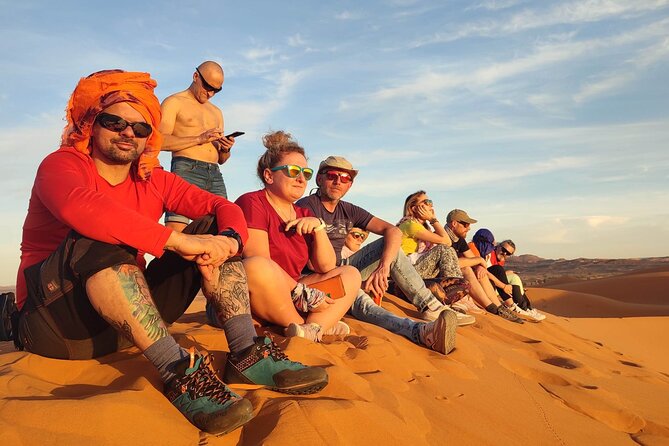
The heart of this tour is simple: you don’t just get to the desert. You travel there by doing Morocco’s “best-of” in a tight loop: High Atlas passes, Ait Benhaddou, Todra Gorge, and then Merzouga dunes. The shared-group format keeps the price within reach, but it also means your day starts early and ends late on the return.
Your pickup point is right in Marrakech at the Hôtel Restaurant Café de France near Jamaa el-fna, with a start time around 7:30 am. From there you’re on an air-conditioned minibus with fuel included. That matters because the driving is a big part of the experience here—some reviews praise the guides for keeping things organized, and the best-case scenario feels smooth, not chaotic.
You can also read our reviews of more hiking tours in Marrakech
A note on expectations
This is not a private “slow travel” trip. It’s a value-focused 3-day sampler. If you want zero bus time and lots of free wandering, you might feel rushed. But if you want a clear plan with major sights included, this type of itinerary is exactly why people book it.
Day 1: High Atlas pass, Ait Benhaddou, and reaching Tinghir by evening
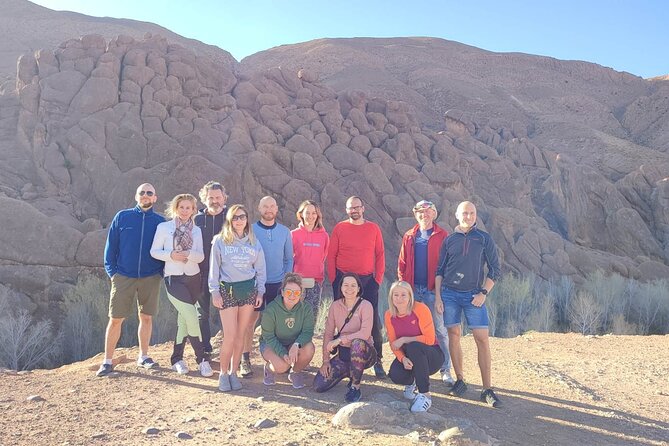
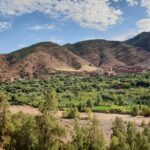
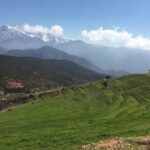
You start with the classic Atlas transition. After pickup, the route heads out early and builds you up to the big pass: Tizi-n-Tichka. The drive includes far-reaching views over the mountains and stops that show traditional High Atlas Berber villages rather than just highway scenery.
El Kelaa M’gouna and the Atlas rhythm
The plan includes a stop associated with El Kelaa M’gouna, then you continue toward the pass. This part is less about one single monument and more about Morocco’s “in-between.” You see how villages sit in the Atlas terrain, and you get those early-photo moments before the day’s main set piece.
Ait Benhaddou: UNESCO stop, plus lunch time
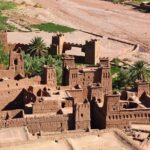
After the pass and village views, you reach Kasbah Ait Benhaddou, the UNESCO World Heritage site. This is the day’s most famous architectural stop, the kind of place you recognize even if you don’t know the name.
The itinerary includes lunch at Ait Benhaddou. That’s helpful because you’re not forced into a frantic search for food at a busy site. Also, your tour specifically lists that a local guide in Ait Ben Haddou Kasbah is not included, so you’ll rely on your group guide or your own observations while walking through the kasbah area.
What I like about this structure: you arrive with enough time to enjoy it, not just a quick photo sprint. What to watch for: kasbah sites can feel a bit “wind up, look around, move on.” If you really care about detailed stories, budget extra for a local guide on-site.
A few more Marrakech tours and experiences worth a look
Ouarzazate and Rose Valley before Tinghir
You also stop in a supermarket in Ouarzazate and continue via Rose Valley toward Tinghir. That supermarket stop isn’t glamorous, but it’s genuinely useful for water, snacks, and anything you forgot to pack. Then you check in to a hotel in Tinghir for dinner and breakfast included.
Comfort reality check: Tinghir’s hotel base is part of the value. It’s listed as included, but comfort can vary by departure. The key point is that you’re saving your biggest comfort night for the desert camp—so don’t expect a resort vibe in the middle of the journey.
Day 2: Todra Gorge, Merzouga base, and the Erg Chebbi camel trek
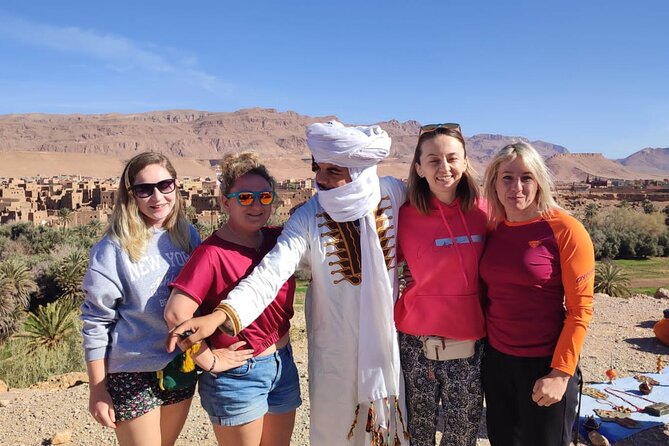
Day 2 is the pivot day. Breakfast happens in Tinghir, then you drive toward Erg Chebbi dunes in Merzouga. Along the way, the route passes through areas that bring variety before the desert takes over: Todra Gorges, an oasis area, then towns like Tinjdad, Jorf, and Erfoud. You also move through the start of the Tafilalet oasis zone.
Todra Gorge and oasis contrast
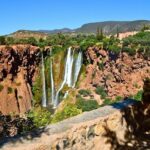
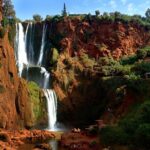
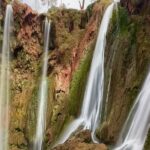
This is one of those “good break before the big jump” moments. Todra Gorge gives you the rocky canyon feeling, and the oasis area adds a contrast that helps you understand why people settled here. You’re going to spend a night in sand; this makes the route feel more complete.
Arriving in Merzouga: pack strategy for the dunes
You continue on to Merzouga and reach a hotel base where you can relax briefly. Then comes an important practical step: you take only a small bag for the overnight camp and leave the rest of your luggage at the hotel.
This system is worth doing well. Bring what you need for the night and for the next morning—plus essentials like sunscreen, a hat, and basic layers for temperature swings. (Even if the desert looks hot during the day, it can cool off at night.)
Camel ride at sunset and sandboarding at the dunes
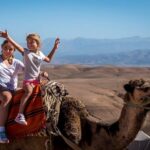
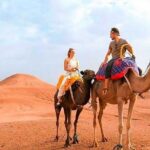
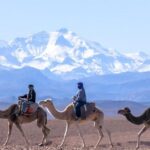
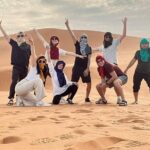
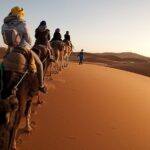
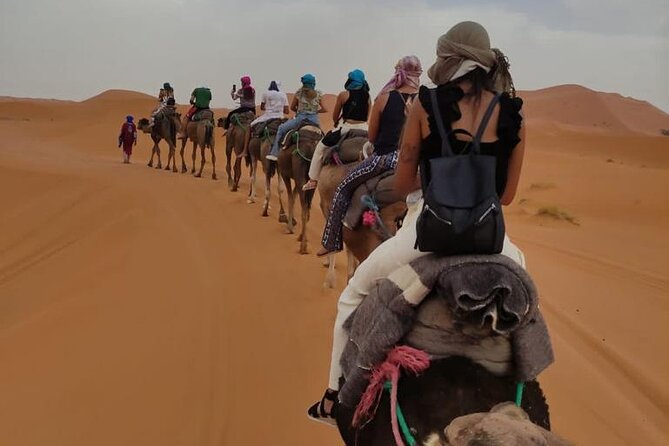
This is the big highlight: you ride camels across the dunes for sunset, then you’ll return early next day for sunrise. The tour includes one camel each, so you’re not sharing in a way that feels cramped.
When you reach the camp area, you leave the camels and walk to the highest dunes for:
- Sandboarding
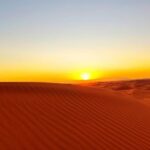
- Watching the sunset
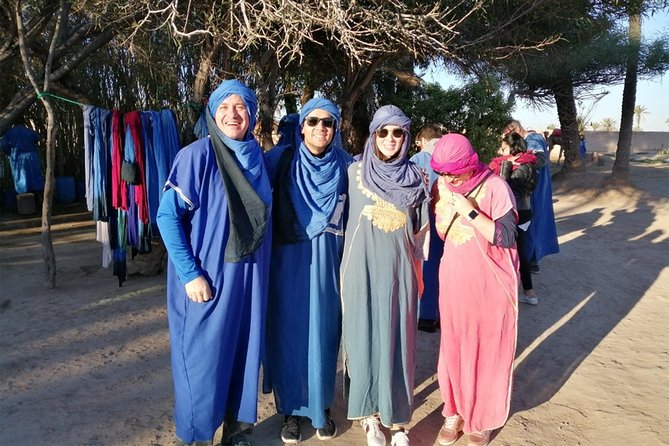
- Then an evening in Berber desert camp tents, with music described as drums music in the camp
Why this is good value: the classic Merzouga combo is built in—camel ride, sandboarding, and camp night. You’re not piecing together activities on the fly.
One caution I’d take seriously: a small portion of complaints mention concerns around camel handling and extra selling pressure along the way. You can’t fully eliminate that risk on any desert trek, but you can protect yourself by staying calm, asking direct questions about what’s included, and refusing any pressure to pay more for things that should be part of the basic experience.
Day 2 night: Berber tents, comfort trade-offs, and what to pack
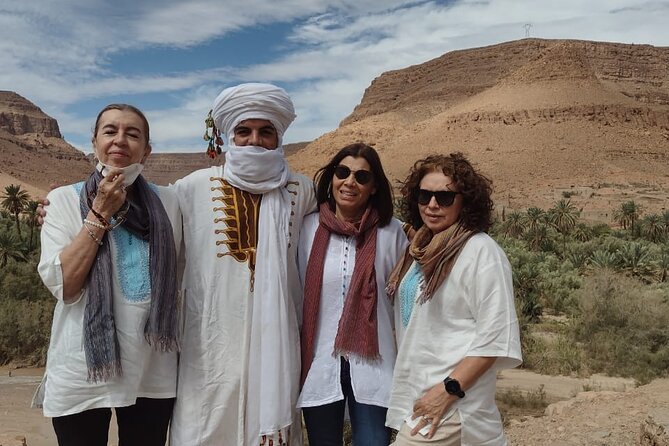
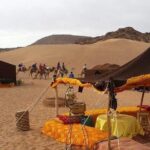
Sleeping in a “Berber tent” setup is part of the magic here. The camp is described as Berber nomad tents. That means you’re in a more basic environment than hotels—often with thick blankets and a starry sky, but not always with the kind of consistent hot water and strong water pressure you’d expect at home.
Some departures include a shower setup, and there’s mention that people can take a shower in camp after returning. Still, a few complaints specifically call out issues like hot water not being available or low water pressure, even when extra options for a private shower were requested.
What you’ll likely feel on the ground
Even in well-run camps, expect:
- Dust in your gear
- Changes in temperature
- Facilities that are more functional than luxurious
- Meals that are filling rather than fancy (and sometimes not as varied as you hoped)
The meal setup: basic but included
The tour includes dinner in the package. Lunch and drinks are not included. In other words, you’ll spend more money on the day’s biggest meal break, so plan for that.
A few people have also complained that meal choices were pricey compared with the quality. That doesn’t mean every camp meal is bad, but it does mean you shouldn’t assume desert dinner is automatically a bargain feast. Bring a flexible mindset and consider carrying a small snack for the road stops.
Day 3: Sunrise dunes, camel return, shower, and the long road back
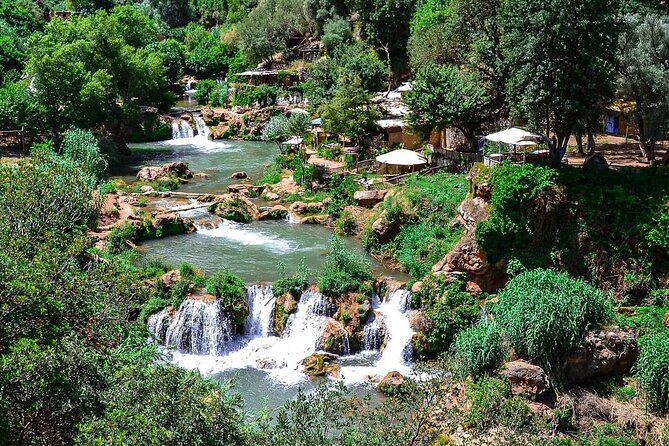
Day 3 starts with an early wake-up for sunrise in the dunes. Then you do the second part of the camel experience: the return ride back toward Merzouga.
After that you have breakfast, and the itinerary says you can take a shower in camp. Then you head back toward Marrakech, passing through different Berber villages and using the route back via Ouarzazate again. The shared tour ends around 7:30 pm, with a drop-off at your hotel or the nearest accessible point to your riad.
How to make the ride back easier
This is the day you’ll feel the bus time most. Some reviews call out that the drive can be long and cramped in the minibus. A few practical moves help:
- Wear layers so you’re comfortable as temperature changes across stops
- Keep water handy whenever you can buy it at stops
- Bring something small for your legs (a compact cushion can help on long seating)
Price and logistics: does $115.86 feel fair for what you get?
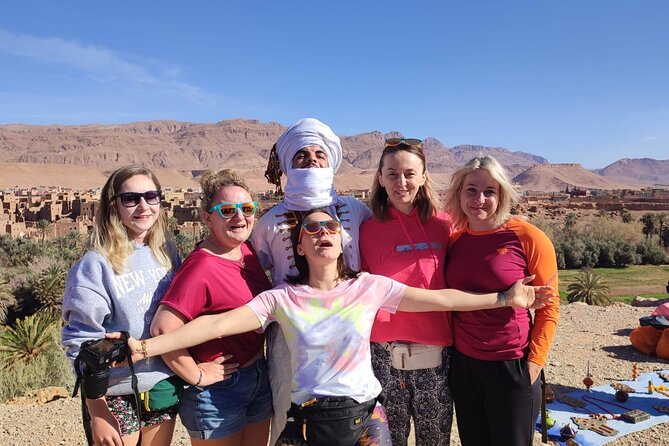
Let’s talk value in real terms. At about $115.86 per person, you’re paying for a package that includes:
- Transport by air-conditioned minibus
- Accommodation in a hotel in Tinghir
- Accommodation in the desert camp in Merzouga
- Camel ride for sunset and sunrise (one camel each)
- Sandboarding
- Breakfast (2) and dinner (2)
- Mobile ticket
What’s not included:
- Lunches and drinks
- Local guide in Ait Ben Haddou Kasbah
- Tips and gratuities
So where does the money go? Mostly into driving logistics, camp and hotel beds, and the desert activities. That’s why this tour hits a sweet spot: you’re not paying separately for a desert camp night and a camel trek day.
Budget for extras (this is where people get surprised)
One review advice that keeps coming up is to bring cash for local guides/tips and small purchases. Someone suggested having at least 500 dirham. Even if your personal spending is lower, it’s a solid anchor number for water, snacks, and optional local guiding.
Also, keep in mind that some stops along the road may involve shops or “cooperative” demonstrations tied to selling. You can be friendly without buying. If something feels like pressure, you have the right to pass.
The guide factor: what good leadership changes
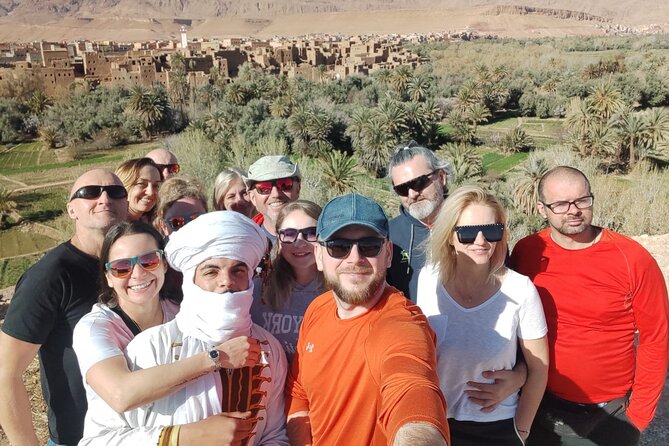
On a trip like this, your guide is not just background noise. They shape timing, expectations, and how smooth the day feels. The names that pop up again and again for positive experiences include guides such as Abdul, drivers like Hammid, and teams that included Yassine and Khalid, Hassan and Yassine, and Iddir. People also mention a strong driver experience with Mohamed Ait Ouaghlad and a guide described as organized and helpful.
That doesn’t mean every departure will have the same team. But it’s a reminder that in Morocco desert routes, your day can feel either calm or chaotic depending on who’s at the wheel and who’s managing the schedule.
What to look for when you meet your team: clear instructions about what’s included, where to store luggage, when you’ll stop for breaks, and practical reminders about sunscreen and water. The better the briefing, the less stressful the long drive feels.
Should you book this 3-day Marrakech to Merzouga tour?
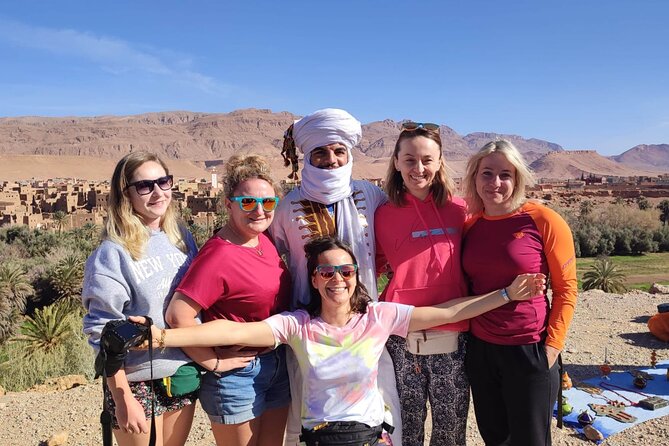
Book it if:
- You want the big Morocco highlights in one trip: Atlas pass, Ait Benhaddou, Todra Gorge, and Erg Chebbi
- You like a planned route with camel sunset + sunrise built in
- You’re fine with shared transport and you won’t mind early starts
Skip or think twice if:
- You’re very sensitive to comfort levels (some people report basic hotels and camp water issues)
- You dislike tours that include lots of shop stops where selling is part of the flow
- You want long, slow free time in each place
My take: this is a strong value desert intro when you go in with the right mindset—see it as a well-run loop with major sights, not a luxury retreat. If you pack smart, budget for lunch and tips, and stay flexible with the comfort level, you’re likely to leave with photos that actually feel like Morocco.
FAQ
What time does the tour start in Marrakech?
The start time is listed as 7:30 am, with pickup at Hôtel Restaurant Café de France near Jamaa el-fna.
Where does the tour start and where does it end?
It starts at the Hôtel Restaurant Café de France in Marrakech and ends back at the meeting point area, with drop-off at your hotel or the nearest accessible point around 7:30 pm.
What are the main places you visit?
The route includes the Tizi n’Tichka High Atlas pass, Kasbah Ait Benhaddou (UNESCO), Todra Gorges, the Tinghir oasis area, and the Erg Chebbi dunes in Merzouga.
Do I get a camel ride?
Yes. You get a camel ride for sunset and sunrise, with one camel each.
Is sandboarding included?
Yes, sandboarding is included.
What accommodation is included?
You get accommodation in a hotel in Tinghir and a desert camp in Merzouga.
What meals are included and what’s not?
Included: 2 breakfasts and 2 dinners. Not included: lunches and drinks.
Is a local guide included for Ait Benhaddou?
No. A local guide in Ait Ben Haddou Kasbah is listed as not included.
How big are the groups?
This activity lists a maximum of 100 travelers.
What’s the cancellation option?
You can cancel for a full refund up to 24 hours before the experience starts.