REVIEW · MARRAKECH
Moroccan Cooking Workshop in Marrakech
Book on Viator →Operated by La Maison Arabe · Bookable on Viator
Moroccan cooking stops being a show and turns into a hands-on lesson. At La Maison Arabe, you cook with fresh local ingredients at your own workstation, then you taste what you make. It’s practical, culturally grounded, and small enough to feel personal.
What I really love is the way the class builds from Moroccan mint tea into food you can actually repeat at home. You’ll also get a bread-making demonstration and then cook with a Moroccan cook (the Dada leads the kitchen time), with helpful instruction in French and/or English through an interpreter.
One thing to consider: drinks are not included, and children under 12 can’t join for security reasons, so you’ll want to plan your day (and your babysitting or timing) accordingly.
In This Review
- Key things I’d bookmark before you book
- Why This Marrakech Cooking Workshop Feels Like a Real Kitchen Lesson
- La Maison Arabe Setup: Private Stations and a Calm, Professional Flow
- The Course, Step by Step: Tea, Bread, Then Cooking at Your Station
- Welcome and the Moroccan tea ceremony
- Bread-making demonstration
- Hands-on cooking with the Dada
- Dégustation (tasting) and optional Moroccan wine discovery
- What You’ll Learn Beyond the Recipe: Spices, Tajine Logic, and Timing
- Eating What You Make: Afternoon Tea, Lunch, and the Tasting Moment
- Price and Value: What $34.76 Covers in Real Terms
- Drinks, Wine, and What to Expect at the Table
- Who Should Book This (and Who Might Prefer Another Format)
- Getting There, Timing, and How to Fit It Into Your Marrakech Day
- Should You Book This Moroccan Cooking Workshop at La Maison Arabe?
- FAQ
- How long is the Moroccan cooking workshop in Marrakech?
- What’s included in the experience besides cooking?
- Are drinks included?
- Where does the workshop start and end?
- Can children join the class?
- How does free cancellation work?
Key things I’d bookmark before you book
- Your own workstation means you can follow steps without crowding and confusion.
- Tea ceremony + bread demo give you context before you touch the food.
- Dada-led hands-on cooking focuses on technique you can reuse.
- Tasting afterward lets you eat your results right away.
- Moroccan wine discovery is optional if you want that extra layer.
- Max 2 travelers makes it feel more like a private class than a big group event.
Why This Marrakech Cooking Workshop Feels Like a Real Kitchen Lesson
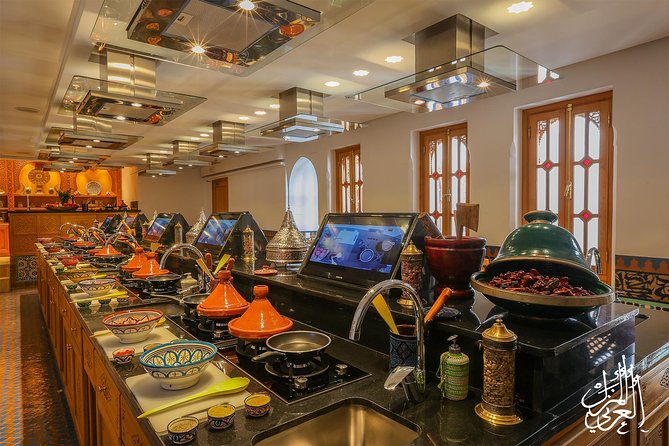
Marrakech has plenty of places to eat, but a cooking class changes the trip in a smart way. Instead of just tasting Moroccan flavors, you learn how the flavors are built—spices, sauces, timing, and the way Moroccan dishes come together.
This one is run by La Maison Arabe, and the format matters. You’re not watching from the back of a room. You’re working at a personal station with fresh local ingredients, guided step-by-step. The result is that you leave with a clearer sense of why things are done a certain way, not just what you ate.
I also like that the class is paced with cultural beats. The Moroccan tea ceremony comes first. Then you get a bread-making demonstration. That gives your brain something to hold onto while you cook, so the tajine and sides feel connected to daily life—not random tourist food theater.
You can also read our reviews of more cooking classes in Marrakech
La Maison Arabe Setup: Private Stations and a Calm, Professional Flow
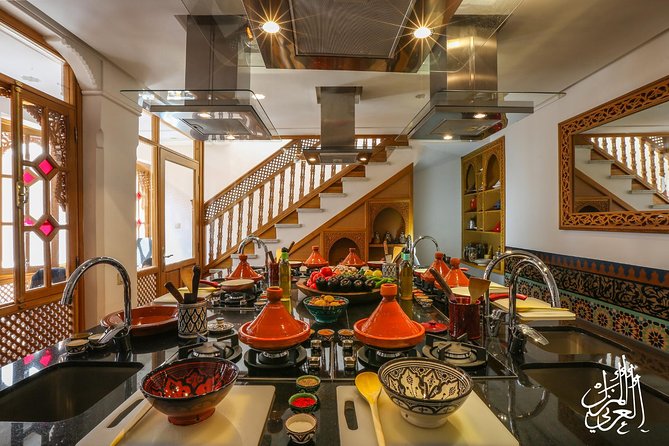
The workshop is designed for comfort and focus. Your workstation is set up so you can prepare a meal hands-on, without constantly moving around or losing your place. That’s a big deal in a busy city like Marrakech, where everything can feel chaotic fast.
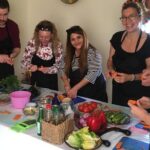
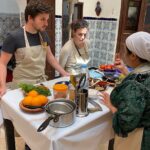
La Maison Arabe also keeps the class experience fairly controlled: it’s listed with a maximum of 2 travelers, which usually means more attention from staff and less waiting for help. In past sessions, cooks and assistants have included people like Mohammad (who’s been praised for explaining spices) and kitchen leaders referred to as Dada (including names like Dada Habiba). Interpreters such as Hasina/Hasna have supported the process too, so you’re not stuck guessing what’s happening.
One practical note: the start and end point is the same place—Hotel La Maison Arabe, at 1 Derb Assehbi, Marrakesh 40000. That makes it easier to plan your day without adding extra transfer time.
The Course, Step by Step: Tea, Bread, Then Cooking at Your Station
Here’s what the class flow looks like, in the order you’ll experience it.
Welcome and the Moroccan tea ceremony
You’ll be welcomed by an interpreter in French and/or English and introduced to the course. Then the Moroccan tea ceremony kicks things off. This isn’t just a drink stop. It sets the tone for the workshop and helps you understand why hospitality matters in Moroccan food culture.
In a lot of Marrakech experiences, tea can feel like a quick prop. Here, it’s part of the program, so you get that cultural grounding before you cook.
Bread-making demonstration
Next comes a demonstration of Moroccan bread fabrication. Even if you’re not baking in the moment, watching the steps teaches you what to look for—texture cues, handling, and the kind of practical rhythm that Moroccan cooking often relies on.
This also helps you later when you’re cooking dishes that assume bread will be on the table.
A few more Marrakech tours and experiences worth a look

Hands-on cooking with the Dada
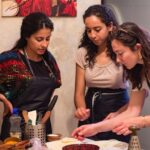
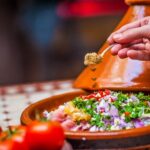
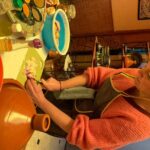
After the bread demo, you’ll move into the main event: the cooking class led by the Dada. In practical terms, expect a “do it with me” style lesson, with staff moving around to support you when you hit a tricky step.
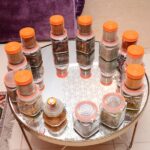
The dishes vary by session, but the standout theme in this class is tajine cooking—and the way spices are used. If you’ve ever wondered why a tajine tastes like it does, this format helps you connect the flavor to the steps.
Dégustation (tasting) and optional Moroccan wine discovery
The workshop wraps with tasting of the dishes you prepared. There’s also a discovery of Moroccan wines as an option, which can be a fun add-on if you want to understand how the meal’s flavors pair with local styles.
What You’ll Learn Beyond the Recipe: Spices, Tajine Logic, and Timing
The best cooking classes don’t just hand you a recipe. They teach you the logic behind it—how to recognize when something is right.
This workshop is built around that idea. You’ll learn how Moroccan cooking uses local ingredients and spices in a way that creates depth without needing complicated techniques. People often leave surprised at how much they understood in a short 1 hour (approx.) session, especially when the instructor explains what different spices are doing.
A tajine is the star of the show for many sessions. You’ll get hands-on practice that helps you understand things like:
- how spices are layered rather than dumped
- how sauces develop as ingredients cook together
- how to keep your attention on timing so the dish tastes balanced
Instructors in this program have been praised for being patient during the steps, too—so if you’re the type who worries about messing up, you’ll likely feel supported instead of rushed. Names that show up in feedback include Mohammad and assistants like Wafa and Fatiha, which suggests a team approach where help is available right when you need it.
Eating What You Make: Afternoon Tea, Lunch, and the Tasting Moment
One of the quiet advantages here is that you don’t “make food” and then leave hungry. The experience includes both afternoon tea and lunch, plus a dedicated food tasting at the end.
That matters because Moroccan cooking is often best understood in context. You can follow steps perfectly and still miss the point if you don’t eat the final dish the same way it’s intended. Here, you do. You cook, then you sit down and taste what you created.
The tasting time is also where you’ll learn most easily. If something tastes too strong, too mild, or just off—this is the moment to notice what you did and how it affected the outcome.
If you want to make the most of it, arrive a little early. One helpful tip from prior participants: if you get there with time to spare, you can settle in at the hotel and enjoy a coffee/tea or cold drink before the class starts. It’s a small thing, but it keeps your afternoon from feeling like a sprint.
Price and Value: What $34.76 Covers in Real Terms
At about $34.76 per person, this class looks affordable on paper—and the value improves when you break down what’s included.
You’re getting:
- afternoon tea
- lunch
- food tasting of what you cook
- a structured cooking lesson with demonstrations (tea ceremony and Moroccan bread included)
- on-site instruction in French and/or English support through an interpreter
- live entertainment (listed as part of what’s included)
Also, the workshop is at a hotel setting with a professional setup and individual workstations, which usually means less stress than a basic “come watch and stand near the kitchen” class.
What’s not included is also worth knowing: drinks are not included. So if you’re thinking about soda, juice, coffee, or extra alcohol beyond the optional Moroccan wine discovery, you’ll likely pay for that separately. Planning around that keeps the final cost closer to what you expect.
Drinks, Wine, and What to Expect at the Table
If you care about alcohol or pairing: there’s an optional component for Moroccan wine discovery during the tasting portion. Some people enjoy it as part of the “one-time learning” experience.
But since drinks aren’t included, don’t assume you’ll get unlimited beverages. Bring your own preferences: if you want tea only, you’ll likely be fine. If you want coffee or other drinks, budget for it.
This is also where your timing matters. You’ll be eating more than a snack-sized sample. You’ll likely want water available, especially in Marrakech heat.
Who Should Book This (and Who Might Prefer Another Format)
This workshop is ideal if you want an authentic, repeatable food experience rather than just a meal out.
It suits you if:
- you want a hands-on skill (spices, tajine method, bread context)
- you prefer a smaller, more personal class setup
- you’d like cultural anchors like tea ceremony before cooking
- you want the meal included, not just the cooking
You might skip it if:
- you’re expecting your own transportation to be provided (it isn’t)
- you need a class that allows children under 12 (the program does not permit them)
- you’re looking for a long deep-detailed day of cooking (this one is listed around 1 hour, though there are duration options)
Also, this experience is designed for people who want instruction in a language they can follow. The program includes French and/or English interpretation support, and that’s a practical advantage if you don’t want to rely on gestures.
Getting There, Timing, and How to Fit It Into Your Marrakech Day
The class starts and ends at Hotel La Maison Arabe on 1 Derb Assehbi. The listing also says it’s near public transportation, so you’re not stuck with private car logistics.
It’s about 1 hour (approx.), with the ability to choose options for class length. If you only have a small window in Marrakech, the shorter format is a smart choice because it gives you a complete experience: cooking plus tasting plus lunch.
If you’re building your day, plan it like this:
- schedule it earlier so you don’t feel rushed before or after
- keep a little buffer for getting to the hotel meeting point
- avoid booking it so tightly that you’d panic if you run late
Since there’s no transportation included, you’ll want to already know how you’ll get there. A taxi or ride option tends to be easiest for many people in Marrakech, but the key point is simple: plan your route yourself.
Should You Book This Moroccan Cooking Workshop at La Maison Arabe?
If you want a Marrakech experience that teaches you something you can use later, I’d book it. The combination is strong: tea ceremony + bread demo + hands-on tajine-style cooking + tasting—and you also get afternoon tea and lunch built in.
The biggest reasons to choose it are practical: you’ll cook at your own workstation, you’ll likely get close attention in a small group, and you’ll leave with a clearer sense of Moroccan flavors and how they’re put together.
Just make sure you’re comfortable with the trade-offs. Drinks aren’t included, and the class has a child under 12 restriction. If that fits your plans, this is a high-value, skill-building meal experience in Marrakech.
FAQ
How long is the Moroccan cooking workshop in Marrakech?
The class is listed as about 1 hour (approx.), and it also offers options for choosing how long you want your cooking class to be.
What’s included in the experience besides cooking?
The experience includes afternoon tea, food tasting, lunch, and live entertainment.
Are drinks included?
No. Drinks are not included, though Moroccan wine discovery is offered as an option during the tasting.
Where does the workshop start and end?
It starts at Hotel La Maison Arabe, 1 Derb Assehbi, Marrakesh 40000, Morocco, and ends back at the same meeting point.
Can children join the class?
Children under 12 years old are not permitted in the cooking classes for security reasons.
How does free cancellation work?
You can cancel up to 24 hours in advance for a full refund. If you cancel within 24 hours of the start time, the amount paid isn’t refunded.