REVIEW · MARRAKECH
Moroccan Cooking Workshop LAMAI CHEF
Book on Viator →Operated by LAMAI CHEF · Bookable on Viator
Moroccan cooking classes work best when they teach you both flavor and technique. At LAMAI CHEF in Marrakech, you get structured instruction that covers spices, bread, tagines, salads, and dessert, then you eat what you make.
I especially like the spice presentation tied to Morocco’s history and ingredient choices, and I like that the class is hands-on, not just watching from the sidelines. One consideration: the session is about 3 hours 30 minutes, and you’ll leave full since the tasting is built around lunch or dinner.
In This Review
- Key Highlights Before You Go
- A Marrakech Cooking Class That Feels Like a Real Home Workshop
- Where You Meet and How You’ll Flow Through the Day
- The Spice Workshop: Where Moroccan Flavor Starts
- The Theoretical Part: Mint Tea, Pastry, and Flavor Language
- Hands-On Cooking: Bread, Tajine, Salads, and Sweets
- Bread Preparation
- Chicken Tagine with Candied Lemon and Olives
- Vegetarian Berber Tagine Demonstration
- Two Moroccan Salads: Cooked + Fresh
- Pancakes with Honey and Almonds
- What You Actually Eat: Tasting Session as the Payoff
- Pricing and Value: Is $69.52 a Good Deal?
- The Practical Stuff That Makes This Easier
- Plan your timing
- Bring curiosity, not perfectionism
- Use the spice session
- Who This Workshop Suits Best
- Should You Book Moroccan Cooking Workshop LAMAI CHEF?
- FAQ
- What is the duration of the Moroccan Cooking Workshop with LAMAI CHEF?
- Where does the workshop start in Marrakech?
- Does the workshop offer pickup?
- Is this a private tour or shared with other groups?
- What dishes and parts of the meal are included?
- Do you eat during the class?
- What is the price per person?
- When is the workshop available?
- How does free cancellation work?
Key Highlights Before You Go
- Spice workshop + mint tea ceremony to set up how Moroccan flavors actually work
- Bread and main dishes are cooked during the class, not only demonstrated
- Chicken tagine with candied lemon and olives, plus saffron flavoring (Taliouine saffron is mentioned)
- Vegetarian Berber tagine demo if you want to understand how Berber-style cooking handles vegetables
- Two Moroccan salads (one cooked, one fresh) so you get contrast, not just one-note sides
- You eat your results during the tasting, then end with a graduation ceremony
A Marrakech Cooking Class That Feels Like a Real Home Workshop
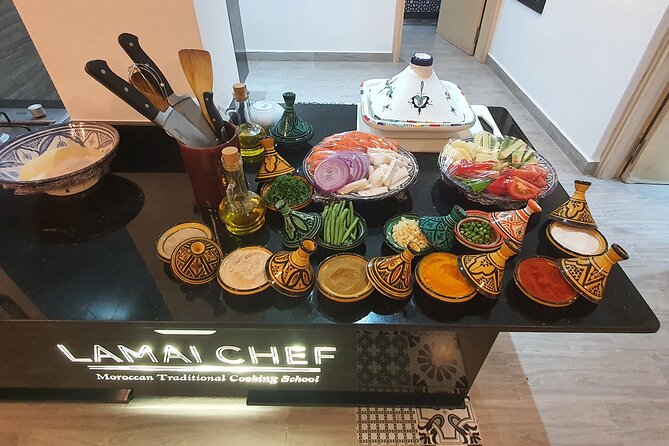
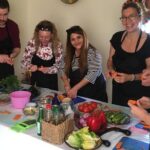
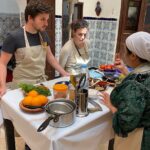
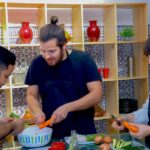
This workshop takes place in a residence in Marrakech, which matters more than it sounds. In cooking classes, the setting changes the vibe: you’re not stuck in a sterile classroom, and you’re more likely to get practical, kitchen-style coaching.
The course is also a private activity, meaning it’s only your group. If you enjoy asking questions or you simply don’t want to share equipment and attention with strangers, that private setup is a big plus.
You’ll want to plan for a full, focused block of time. The experience runs about 3 hours 30 minutes, and it’s built around moving from learning to cooking to eating, in that order.
You can also read our reviews of more cooking classes in Marrakech
Where You Meet and How You’ll Flow Through the Day
You start at LAMAI CHEF Marrakech, 177, lot riad de palais, Marrakech 40150, Morocco, and the activity ends back at the same meeting point. That back-to-back setup is convenient: fewer last-minute transfers and less time spent figuring out what comes next.
Pickup is offered, which is helpful in Marrakech where traffic and navigation can turn a simple errand into a 20-minute puzzle. Even with pickup, you’ll still appreciate that the meeting point is near public transportation—it gives you a backup plan if your schedule shifts.
Opening hours run Monday through Sunday from 9:00 AM to 10:00 PM, so you can usually match it with your sightseeing rhythm. And because this is on average booked about 28 days in advance, it’s smart to lock in your spot sooner rather than later if you’re traveling during peak dates.
The Spice Workshop: Where Moroccan Flavor Starts
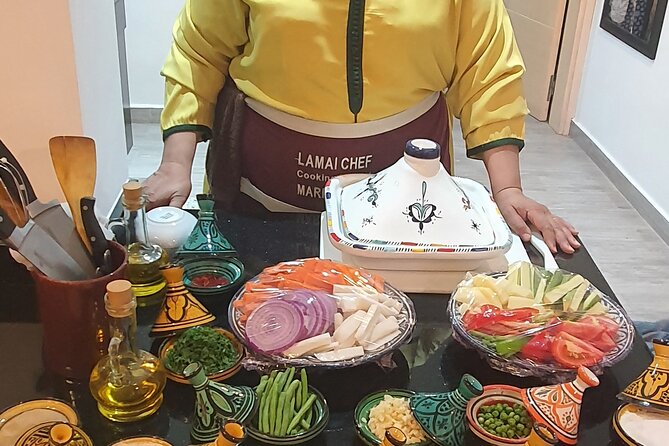
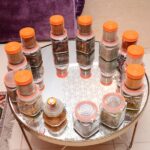
Right when you arrive, the structure is clear. You’ll get a presentation that’s part kitchen briefing, part flavor education. The theme: Morocco’s location in a caravan crossroads helped bring spices through the region, and those spices then shaped family recipes over generations.
You’ll learn why Moroccan cooking tastes layered instead of heavy. Spices aren’t just sprinkled at the end here. The training sets up when to use them and why specific ingredients work together—especially in dishes like tagines and salads.
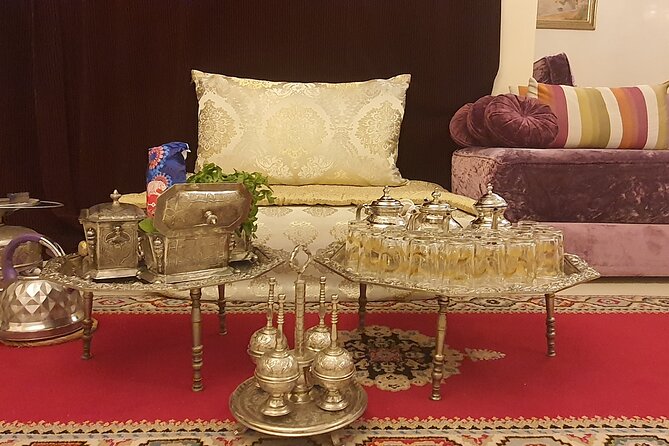
You also get a spice workshop alongside a mint tea ceremony and Moroccan pastry. That combination is more than a cultural extra. Tea and pastry are often used in Moroccan hospitality to slow the pace down and create a “settled in” moment. In a cooking class, that shift helps you pay attention to details instead of rushing through the early stages.
A practical note: if you like taking notes, this is the time. The spice session is your best chance to connect smells you notice later with the ingredients you’re actually using during cooking.
The Theoretical Part: Mint Tea, Pastry, and Flavor Language
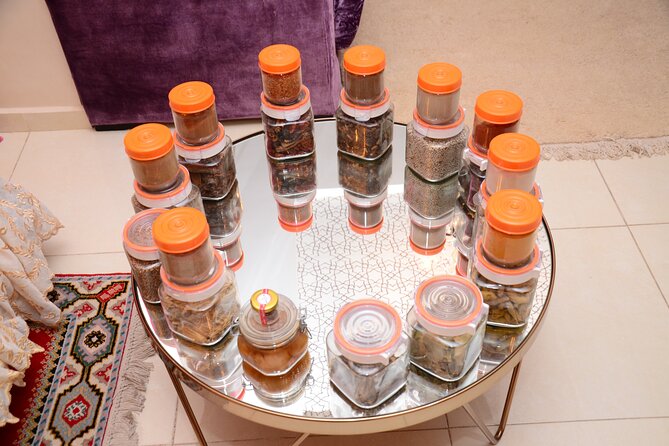
After that initial welcome, you’ll go through the theoretical part. You’ll hear the concept of how the school approaches traditional ingredients and family culinary traditions. The idea is simple: Moroccan cooking is tied to households and repeatable methods, not just “fancy food.”
The mint tea ceremony with Moroccan pastry sets the tone for the rest of the class. You get a break from the bus ride and heat outside, and then you’re back to learning while you’re mentally ready. It also helps you understand the class isn’t trying to speed-run Moroccan culture. It gives you time to feel the rhythm.
This is also where the workshop references the broader food lineup you’ll be working with across their range, including emblematic dishes like tajines, briouates, pastillas, couscous, and even traditional Sephardic plates. Even if you don’t make everything in one sitting, it helps you place your meal in the bigger Moroccan menu.
Hands-On Cooking: Bread, Tajine, Salads, and Sweets
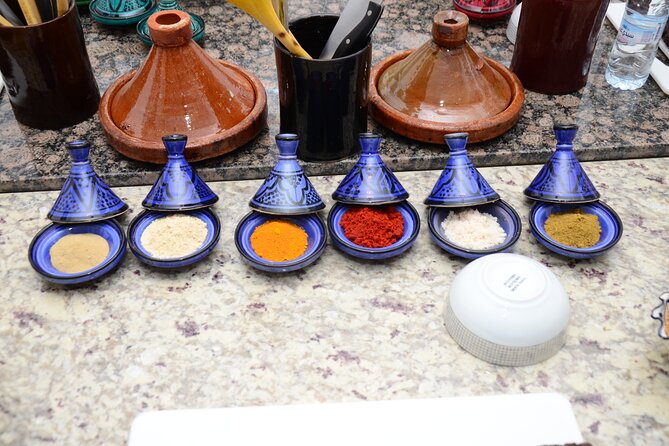
Now for the part you’re paying for: the practical cooking. This section is built like a guided workflow, and it matters because Moroccan cooking often depends on timing and technique.
A few more Marrakech tours and experiences worth a look

Bread Preparation
You start with bread. Learning bread early is smart in a class like this because it sets you up for the rest of the meal. Bread isn’t just a side dish in Morocco—it’s how you scoop, taste, and handle sauces and salads.
Chicken Tagine with Candied Lemon and Olives
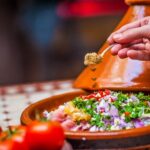
Next comes the highlight: chicken tagine with candied lemon and olives, using Taliouine saffron. Tagine cooking is one of the best ways to understand Moroccan flavor. You’re working with a dish where spices bloom through heat, and citrus and preserved elements add sweetness and depth.
Even if you’ve eaten tagine before, making it is where the difference shows. You’ll see how ingredients interact and how the dish turns from separate components into a unified flavor.
Vegetarian Berber Tagine Demonstration
You’ll also get a demonstration of vegetarian Berber tagine. You might prefer hands-on participation for everything, but demonstrations can be valuable too, especially when technique matters and the instructor wants to show a method step-by-step. Vegetables in tagine style cooking can surprise you if your usual frame is meat-first meals.
Two Moroccan Salads: Cooked + Fresh
Then you’ll prepare two Moroccan salads—one cooked and one fresh. This is a great move because it teaches balance. Cooked salads often bring warm spices and softer textures, while fresh salads give crunch and brightness.
In practice, this helps you build a full plate at home, not just a single main. Moroccan meals usually hit multiple textures and temperatures, and this class reflects that logic.
Pancakes with Honey and Almonds
Finally, you’ll make pancakes with honey and almonds. Desserts are where many cooking classes fall short, but honey-and-almond style sweets are straightforward and rewarding. You’ll get a sweet ending that fits the Moroccan theme and doesn’t require complicated equipment to understand.
What You Actually Eat: Tasting Session as the Payoff
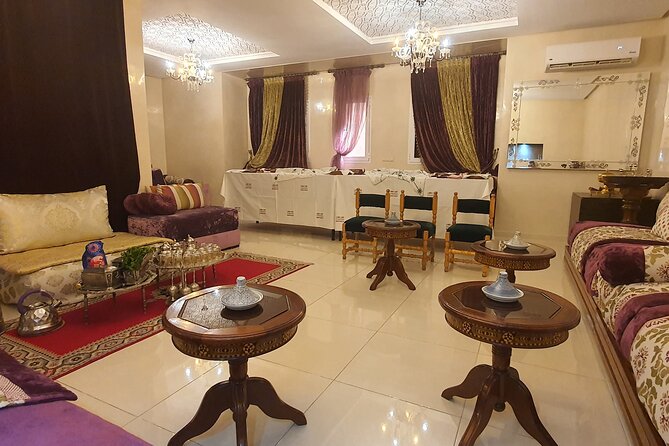
At the end, there’s a tasting part, where lunch or dinner is served based on what you prepared. This part is the reward engine of the workshop. You taste your own food while it’s still at its best, and you can compare what you think you did with what it tastes like.
This also helps with learning. When you can connect a flavor to a dish you made with your own hands, your next attempt at home is usually much easier. You’ll remember the saffron note, the lemon-olive profile, and the cooked-versus-fresh salad contrast because you experienced it as a complete meal.
Then comes the graduation ceremony and the end of services. That might sound formal for cooking, but it’s usually a nice closure—like the moment you’ve finished learning and you can relax and enjoy the fact that you made an entire Moroccan menu.
Pricing and Value: Is $69.52 a Good Deal?
At $69.52 per person for about 3.5 hours, the value comes down to what you get for that time. Here’s how I’d size it up:
- You’re paying for instruction plus hands-on cooking, not a lecture.
- You’re eating what you make, so the class isn’t competing with a separate restaurant bill.
- The menu components covered in the practical portion—bread, chicken tagine with candied lemon and olives, vegetarian Berber tagine demo, two salads, and pancakes—add up to a real meal, not just a snack class.
If you’ve ever taken a cooking class where you learn “some techniques” but don’t actually end up with enough food to feel satisfied, this one is structured differently. The tasting is built in as the core payoff.
It’s also booked ahead on average, which usually signals steady demand. You’re not just buying the recipe list—you’re buying the chance to get guided technique in a setting designed for it.
The Practical Stuff That Makes This Easier
A few details make a difference once you’re in Marrakech:
Plan your timing
With a 9:00 AM to 10:00 PM window, you can choose a time that fits your day. If you’re also doing markets or museums, I’d treat this like one of your main scheduled activities, not an add-on.
Bring curiosity, not perfectionism
Cooking classes in Morocco teach by doing. You’ll likely adjust your pace as you go. If you’re used to structured restaurant meals, the class format will feel more like learning a system than following steps like a robot.
Use the spice session
If you take notes during the spice presentation, you’ll get more out of the practical portion. The early “why” makes the later “how” stick.
Who This Workshop Suits Best
This is a strong fit if you want:
- Authentic, home-style Moroccan meals taught with technique and ingredient logic
- A class that’s hands-on and then rewards you with a sit-down tasting
- A morning or afternoon plan that feels cultural without being vague or overly touristy
It’s also a good choice if you like small-group energy. Since it’s a private activity for your group only, it can feel more personal and less rushed.
If you prefer only watching cooking happen, you might find hands-on time a bit demanding. But if you’re the kind of person who likes to eat what you make, this class is built for you.
Should You Book Moroccan Cooking Workshop LAMAI CHEF?
I’d book this workshop if you want a practical way to learn Moroccan flavors beyond what you can copy from a menu. The combination of spice education, bread and tagine cooking, salads that show texture differences, and a tasting that includes what you made makes it feel like real training, not a short performance.
I’d skip it only if your travel style is mostly “see, walk, photograph, leave” and you don’t want to spend your time cooking. Otherwise, this is a well-rounded class with strong satisfaction signals—especially the warmth and clear guidance people highlight.
If you’re traveling in a busy season, book early since it’s commonly reserved about 28 days ahead on average.
FAQ
What is the duration of the Moroccan Cooking Workshop with LAMAI CHEF?
It lasts about 3 hours 30 minutes.
Where does the workshop start in Marrakech?
The meeting point is Lamai Chef Marrakech, 177, lot riad de palais, Marrakech 40150, Morocco.
Does the workshop offer pickup?
Yes, pickup is offered.
Is this a private tour or shared with other groups?
This is a private tour/activity, so only your group participates.
What dishes and parts of the meal are included?
The practical cooking includes bread, chicken tagine with candied lemon and olives, a vegetarian Berber tagine demonstration, two Moroccan salads (one cooked, one fresh), and pancakes with honey and almonds. You also attend a spice workshop and mint tea ceremony.
Do you eat during the class?
Yes. There is a tasting part where lunch or dinner is served based on what you prepared.
What is the price per person?
The price is $69.52 per person.
When is the workshop available?
It runs Monday through Sunday from 9:00 AM to 10:00 PM (as listed for the activity dates provided).
How does free cancellation work?
Free cancellation is available up to 24 hours in advance for a full refund; within 24 hours, the amount paid is not refunded.