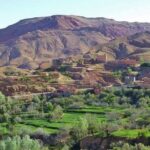
The ride toward the Sahara starts with UNESCO walls. This 3-day private desert tour connects Ait Ben Haddou and Merzouga with camel time, desert night camp, and sunrise moments that feel like a reset button.
What I like most is the mix of big-name sights (Kasbah Ait Ben Haddou, Todgha Gorge) plus real desert pacing in Amazigh tents. I also like that breakfasts and dinners are included for the long days, so you’re not hunting for meals. One thing to keep in mind: the schedule moves fast—short stops plus very early starts—so plan for a full-throttle itinerary, not a slow wander.
The best way to think about this trip is as a highlight-to-highlight journey with comfort. You get an air-conditioned vehicle, pickup options, and a private setup where only your group rides together. If you’re the type who gets cranky with early mornings and long drives, this route may feel like “go, go, go.”
In This Review
- Key Things That Make This Marrakech-to-Sahara Tour Worth It
- Why a 3-Day Private Merzouga Desert Tour Fits Well From Marrakech
- Meeting at Jemaa el-Fna and the 8:00 AM Start
- Day 1 at Ait Ben Haddou: UNESCO Kasbah and Salt Road Power
- Ouarzazate as the Film-Set Stop: Gladiator and Game of Thrones
- Dades Gorges First Night: Roses, Amazigh Villages, and Gorge Roads
- Day 2 Todgha Gorge: The 300m Red-Cliff Walk in Tinghir
- Lunch by Rissani or Erfoud, Then Merzouga Golden Sand
- Camel Trek to the Desert Camp: Tea, Sunrise, and Amazigh Tents
- Day 3 Sunrise, Shower at the Village, and the Tizi n Tichka Return
- Price and Inclusions: Is $447.65 a Fair Value?
- Comfort Notes for a Trip That Moves Fast
- Should You Book This Marrakech-to-Merzouga Private Desert Tour?
- FAQ
- What does the tour include besides the desert camp?
- Are lunches included in the price?
- Where does the tour start in Marrakech?
- What are the key highlights you’ll see on the way?
- How does the desert experience work on day 2 and day 3?
- What’s the end of the tour like in Marrakech?
- Can I cancel for a full refund?
Key Things That Make This Marrakech-to-Sahara Tour Worth It
- Ait Ben Haddou (UNESCO) with Salt Road storytelling plus film-movie context
- Ouarzazate film studios ties Morocco landmarks to famous productions
- Todgha Gorge walk in the Tinghir region with dramatic red cliffs
- Merzouga Merzouga camp time that includes tea, camel trekking, and a night under Amazigh tents
- Day 3 sunrise and Tizi n Tichka Pass on the way back toward Marrakech
Why a 3-Day Private Merzouga Desert Tour Fits Well From Marrakech
This is a smart format if you want the Sahara without adding extra travel days. In three days, you cover classic Morocco stops: UNESCO Kasbah life, gorge walking, and that “golden sand” moment in Merzouga that most people dream about. It’s the kind of trip that gives you variety. You won’t spend all day staring at sand from the same spot.
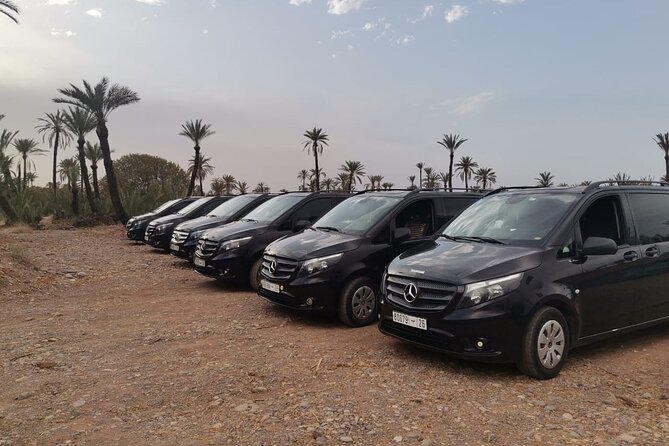
The private part matters. You’re not sharing the driving rhythm with strangers. That can make pickups smoother around Jemaa el-Fna, and it usually means fewer waiting-around moments. Also, the vehicle is air-conditioned, which is a big deal when you’re crossing Morocco by road for extended stretches.
The tone here is efficient, not relaxed. You’ll see a lot. If your idea of a perfect vacation is long stays in one place, you might feel slightly rushed at some stops. But if you want one trip to cover major highlights—this does that.
You can also read our reviews of more private tours in Marrakech


Meeting at Jemaa el-Fna and the 8:00 AM Start
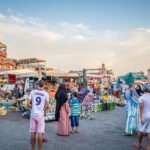
The day begins at Jemaa el-Fna with a start time of 8:00 am, and the tour ends back at the meeting point. If you’re using this as a full-day connection from your hotel, aim to be ready a little early. Moroccan mornings can move quickly, and you don’t want to waste time getting everyone together.
You also have options for where you finish on day 3. The tour ends back at the meeting point, but you can ask the driver to drop you at your hotel or the airport, depending on what works for your plans.
This start time is part of why the itinerary can pack in UNESCO, studios, gorges, and desert camp. It’s also why you should think of day 1 and day 2 as road days with “important stops,” not days with lots of leisure.
Day 1 at Ait Ben Haddou: UNESCO Kasbah and Salt Road Power
Ait Ben Haddou is where the trip gets cinematic fast. You visit the Kasbah, described as a historic collective living structure nominated as a UNESCO heritage site in 1987. It’s not just walls and views; it’s tied to how people lived, traded, and survived in a desert-edge landscape.
What I love about this stop is the context. Ait Ben Haddou sits on the old Salt Road routes, where caravans came from different regions to trade slaves, gold, ivory, and salt. That mix of commerce and hardship explains why fortresses like this existed in the first place.
And yes, there’s film relevance. The area has been connected with major movie productions, including The Man Who Would Be King (1975) and others. Even if you’re not a cinema nerd, it changes how you look at the scenery. You start seeing it as a set of choices—defense, travel, water, and shelter—built into architecture.
Expect about 1 hour at the Kasbah, so it’s enough to walk the core areas and absorb the atmosphere, but not enough for deep study. Bring curiosity, not a need for a full museum pace.
Ouarzazate as the Film-Set Stop: Gladiator and Game of Thrones
After Ait Ben Haddou, the tour heads to Ouarzazate, often treated as the gateway toward the larger Sahara. Here, you’ll visit the Filming Studios, with references to productions like Gladiator and Game of Thrones.
This stop works best if you enjoy the behind-the-scenes angle. Even with limited time, it helps explain why this region gets used again and again in film. You’re looking at a place that can double for different eras and landscapes, which is exactly why producers keep coming back.
Time is short—about 30 minutes. If you want a long studio experience, this may feel like a quick glance. But as part of a 3-day route, it’s a fun “bonus stop” that connects Morocco’s physical look to global pop culture.
Dades Gorges First Night: Roses, Amazigh Villages, and Gorge Roads
Day 1 continues toward the Dades Valley via the Kalaat Magouna area and the Skoura Amazigh villages. The rose growing reputation matters here. Kalaat Magouna is known for extensive rose fields, especially in May, so even if you’re not traveling in rose season, the area’s identity stays with the route.
Then comes the Dades Gorges area, where you spend the first night. The drive through the gorge region is part of the point. It’s not just transportation; it’s scenery plus the sense of moving through different Morocco “worlds” as you head south.
One practical reality: day 1 is long. The schedule shows about 8 hours for this day segment. That means your night in Dades is a reset. Expect to arrive ready to eat and sleep—especially because the next morning brings more driving and a gorge walk.
A few more Marrakech tours and experiences worth a look
Day 2 Todgha Gorge: The 300m Red-Cliff Walk in Tinghir
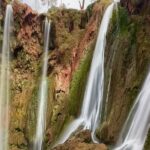
Day 2 starts with Todgha Gorge in the Tinghir region. You get a walk through the river area and a chance to see the dramatic red cliffs—described as reaching around 300 meters high.
This stop has a built-in wow factor. The cliffs look like they mean business, and the area is noted as a favorite for rock climbers. Even if you’re not climbing, you’ll feel why people do. It’s the kind of place where you instantly understand how the rock walls became an outdoor gym.
You’ll have about 30 minutes here, so again: enough time to experience the gorge’s scale and do a simple walk, not enough to linger for hours. If you’re the slow-picture type, you may want to prioritize your favorite angle and plan quick stops for photos.
Lunch by Rissani or Erfoud, Then Merzouga Golden Sand
Next comes lunch time in either Rissani or Erfoud (your timing depends on the plan). These are described as oasis towns linked to desert life.
Erfoud is associated with fossil and fossil products, while Rissani is positioned as another oasis-based stop before continuing toward Merzouga. Lunch isn’t included, so you should budget for it separately. That’s one cost point to plan for early, especially compared to the included breakfasts and dinners.
Then you move on to Merzouga, specifically framed as the village of golden sand. Expect a warm welcome with mint tea, followed by checking in at a hotel (as described) before camel riding to the camp. This part of the day matters because it transitions you from “tour mode” into “desert time.” You’re not just looking anymore; you’re moving.
Camel Trek to the Desert Camp: Tea, Sunrise, and Amazigh Tents
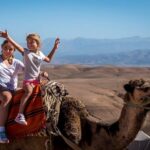
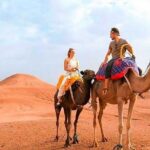
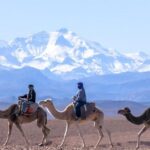
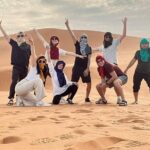
One of the highlights here is the camel trekking piece plus an overnight stay in the desert. From Merzouga, you ride camels into the camp area to enjoy sunrise and spend the night under Amazigh tents.
Also, the trip description includes a sand bath, which you should expect as part of the desert camp program. It’s one of those activities that feels simple but ends up being memorable because it’s so sensory—warm sand, slow time, and the feeling that you’re really inside the Sahara rather than just visiting it.
This is also where I think the private format can help. In a small group, camp time and meal rhythm tend to feel more controlled. And the pace gives you a clear emotional arc: drive in, tea and camp check-in energy, camel movement, then sunset and stars.
One caution: camel trekking and a desert night aren’t for people who want everything comfortable and predictable. If you’re sensitive to motion or you’re expecting a five-star lodge vibe, you should adjust your expectations before you go.
Day 3 Sunrise, Shower at the Village, and the Tizi n Tichka Return
Day 3 starts early again for sunrise, with the guide waking you up to watch the Sahara glow. Then you return by camel to the auberge at the village, take a fresh shower, and have a breakfast.
I like this structure because it handles a real travel problem: you get the desert experience, then you get to reset before the long drive back. It’s not just “camp forever.” You finish day 3 feeling cleaner and ready for roads again.
After that, you pass small Berber villages along the way, including Agdez as an example from the route description. Then comes the big highway moment: Tizi n Tichka Pass, described as the highest road in Morocco. Even if you’re not a mountain-driver fan, it’s the kind of stop that makes the return trip feel like part of the story, not just backtracking.
Finally, you land in Marrakech with flexible drop-off (meeting point, hotel, or airport).
Price and Inclusions: Is $447.65 a Fair Value?
At $447.65 per person, you’re paying for a lot of “moving parts”: private transport, multi-day scheduling, and the desert components that can’t be done casually on your own. What helps the value story is what’s included.
Included items:
- Air-conditioned vehicle
- Breakfast (2) and Dinner (2)
- Desert-night arrangements tied to the Merzouga camp experience
Not included:
- Lunches
So the math isn’t only about the ticket price. You should factor in lunch each day you’re out on the road. Still, the included meals help. A three-day desert trip can get expensive fast once you start adding lunch on top of everything else.
The admission note also matters. Several key stops show Admission Ticket Free in the plan you’ll follow. While that doesn’t mean every attraction is covered, it does suggest your guided route is designed to limit extra paid entrances.
If you’re comparing options, the private setup plus two dinners and two breakfasts often pushes this into a better value lane than the cheapest group versions. If you want comfort and coordination—private tends to feel worth it.
Comfort Notes for a Trip That Moves Fast
This itinerary is built to hit major sites in limited time. You’ll spend about 1 hour at Ait Ben Haddou, roughly 30 minutes at Ouarzazate studios, 30 minutes at Todgha Gorge, and then more driving time between them. That means you’ll see a lot, but you won’t have hours and hours at each location.
The flip side: you get to experience multiple regions in one go. It keeps boredom away. Also, the early mornings on both day 2 and day 3 are part of what makes Merzouga special—sunrise in the desert is a different kind of moment than sunset.
Finally, consider your own tolerance for long road days. The schedule suggests substantial travel time on day 1 and day 2. The air-conditioned vehicle helps, and the private group format can reduce delays, but the drive is still the drive.
Should You Book This Marrakech-to-Merzouga Private Desert Tour?
If you want a well-structured route that hits Ait Ben Haddou, Todgha Gorge, and Merzouga desert camp in one 3-day push, this tour is a strong fit. It’s especially good if you like the idea of sunrise camel moments and sleeping under Amazigh tents, without needing to coordinate transport between regions yourself.
I’d skip it or rethink it if you:
- hate early starts
- need long, slow time in one place
- want lunches fully handled inside the price
If you do book, you’ll get the best experience by treating this as a Morocco sampler: architecture and film stop in the north, gorge scenery in the middle, and sand-and-stars time at the end.
One more helpful note: the company behind the tour is Prime Morocco Tours, and reviews highlight a host named Khalid who organized plans well and suggested stays. If you have preferences (pace, photo time, special occasions), it’s worth communicating them ahead so your driver-guide can shape the day.
FAQ
What does the tour include besides the desert camp?
The tour includes an air-conditioned vehicle plus 2 breakfasts and 2 dinners. The desert part includes camel trekking and an overnight stay in Amazigh tents, and the tour description also mentions a sand bath.
Are lunches included in the price?
No. Lunches are not included, though lunch time is scheduled in either Rissani or Erfoud on day 2.
Where does the tour start in Marrakech?
It starts at Jemaa el-Fna in Marrakech, with a 8:00 am start time.
What are the key highlights you’ll see on the way?
You’ll visit Kasbah Ait Ben Haddou (UNESCO), Ouarzazate filming studios, Todgha Gorge, then reach Merzouga for camel trekking and an overnight desert camp. On the return, you pass Tizi n Tichka Pass.
How does the desert experience work on day 2 and day 3?
On day 2, you arrive in Merzouga, have mint tea, check in (as described), then take camels to the desert camp for desert time and sunrise. On day 3, you go out very early for sunrise, then return by camel for shower and breakfast.
What’s the end of the tour like in Marrakech?
The tour ends back at the meeting point. If you want, you can ask the driver to drop you at your hotel or the airport, or you can spend extra time in Marrakech attractions.
Can I cancel for a full refund?
Yes. You can cancel up to 24 hours before the experience starts for a full refund. If you cancel less than 24 hours before, the amount paid isn’t refunded. The tour can also be changed or refunded if it’s canceled due to poor weather.