REVIEW · MARRAKECH
Medina Stories Marrakech Food Tour with 15+ Tastings
Book on Viator →Operated by A Chef's Tour · Bookable on Viator
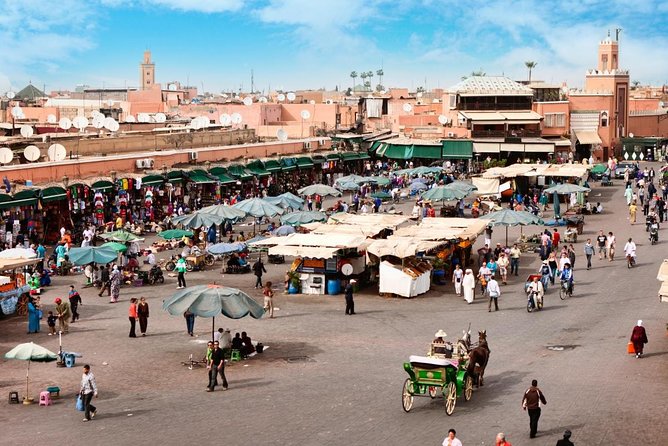
Eat your way through the Marrakesh Medina. In 4 hours, this small-group food tour guides you from the alleyways around Bab Doukkala to Jemaa el-Fnaa, with nonstop stops built around real street food and the stories behind it.
I love two things right away: first, the sheer amount of tasting—15+ bites and sips packed into a tight route. Second, Rashid keeps things practical, explaining ingredients and how dishes are made while you’re standing right where the food is prepared.
One consideration: you should expect a lot of walking on uneven Medina streets. The tour asks for moderate physical fitness, and if you’re not steady on your feet, the pace may feel like work instead of fun.
In This Review
- Key highlights I’d plan around
- Why this Marrakesh Medina food tour works so well
- Small group size (max 8) makes it feel personal, not rushed
- Where the route starts and where you end
- Stop around the Medina maze: how the food tells the city’s story
- Fired-oven and charcoal cooking: the Medina’s best way to make flavor
- The itinerary rhythm: markets, grills, bakeries, and pastry shops
- What you’ll likely taste (and why it’s more than a random sampler)
- Learning by watching: how the guide turns food into a map
- The walk and pacing: plan your day around 4 hours of Medina time
- Vegetarian considerations: plan for fewer tastings
- Alcohol and drinks: what’s included and what to plan for
- Price and value: $45 for a guided food education
- Who should book this tour
- Should you book it?
- FAQ
- How long is the Medina Stories Marrakech Food Tour?
- Where does the tour start and end?
- Is alcohol included?
- How many tastings are included?
- What if I’m vegetarian?
- What should I do if the weather is poor?
Key highlights I’d plan around
- 15+ tastings in 4 hours, so you’re not just sampling one or two “signature” foods
- Small group (max 8), which makes it easier to ask questions and move at a comfortable pace
- Rashid’s market-to-grill route, including places you’d struggle to find solo
- Fired and ember cooking, with stories tied to hammam-style cooking and communal ovens
- A real finish at Jemaa el-Fnaa, with a coffee/tea rhythm that keeps energy up
- Vegetarian trade-off: you’ll generally have 4–5 fewer tastings since not every stop can offer vegetarian options
Why this Marrakesh Medina food tour works so well
Marrakesh’s Medina can feel like sensory overload. Smells, noise, carts, calls to prayer, and a thousand ways to get hungry fast. What makes this tour valuable is that it gives you a map for how to eat confidently—what to try, what to expect, and what to look for when you’re ordering on your own later.
I like that it’s built around a simple promise: if you go hungry, you’ll leave properly fed. The tour is not “here’s one snack, take a photo.” It’s a real food route through markets, bakeries, pastry shops, grills, and stalls, with bottled water included so you can keep going without hunting for supplies.
You also get context while you’re eating. That matters, because in Morocco food isn’t just a flavor—it’s a method, a season, and a community habit.
You can also read our reviews of more food & drink experiences in Marrakech

Small group size (max 8) makes it feel personal, not rushed
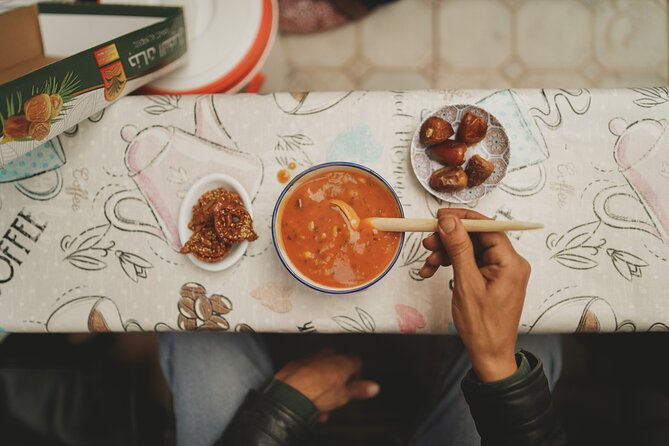
With a maximum of 8 travelers, the experience is easier on your feet, your questions, and your stomach. In a big group, food tours often turn into a line shuffle. Here, the guide can slow down when someone needs a second to understand what they’re tasting.
This also helps with timing. You move stop to stop without feeling like you’re constantly sprinting. And if you’re unsure about something on the menu, this group size makes it more likely you’ll get a clear answer instead of a quick nod and a shrug.
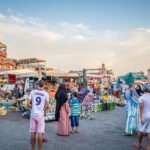
It’s also a practical choice if you’re doing your first day in Marrakesh. The tour ends in the main square, Jemaa el-Fnaa, so you finish somewhere you’ll recognize again when you plan dinner.
Where the route starts and where you end
The tour starts near Bab Doukkala, at Optma Conseil Plus (Boussalem Mohamed Standard), D1 Résidence Bab Doukala, Entree A, Marrakech. You’ll also get help from your guide if you need directions, and the end point is Jemaa el-Fnaa, close to many accommodations.
Why I care about this: getting the starting point wrong in the Medina can waste a lot of time. Starting near a named gate like Bab Doukkala helps you orient faster. And ending at Jemaa el-Fnaa makes it easier to keep your momentum afterward, whether you head for a rest or for a post-tour stroll.
Stop around the Medina maze: how the food tells the city’s story
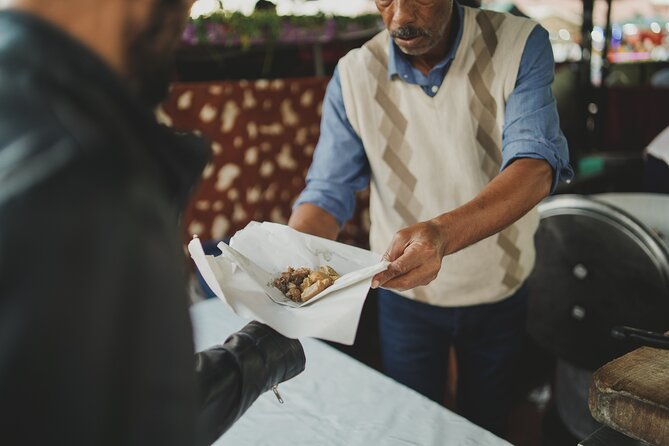
Right at the start, the setting is classic Marrakesh: tight lanes, street grills, calls to prayer drifting through, and the constant movement of people and carts. But the focus stays on food and how locals actually eat.
This part of the experience is where the tour earns its keep. You’re not just tasting; you’re learning what each type of stop is good at. Street grills are about speed and smoke. Bakeries and ovens are about dough timing. Market stalls are about what’s in season and what’s prized today.
You’ll also get explanations tied to the ingredients and to the methods—why certain spices show up together, and why some dishes feel “slow” even when they’re being served right now.
Fired-oven and charcoal cooking: the Medina’s best way to make flavor
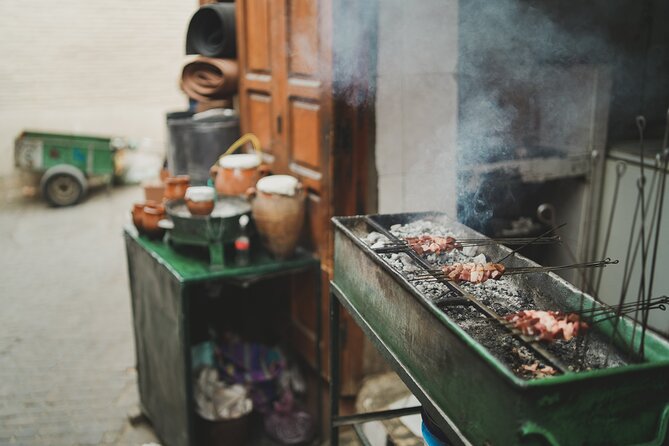
One of the most memorable parts is the cooking style. Morocco loves time and heat, and this tour shows you how that plays out in real life.
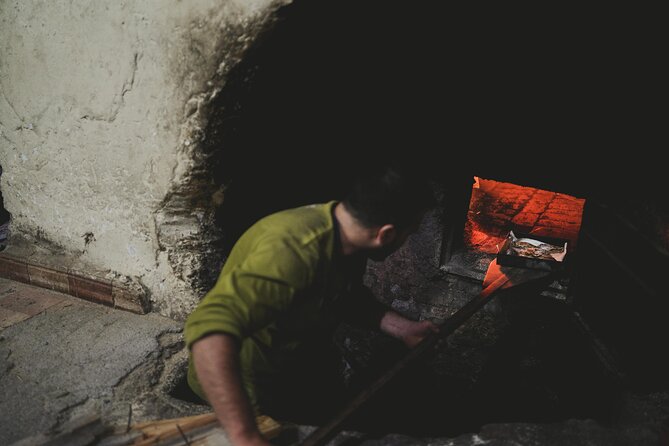
You’ll get tastings associated with wood-fired baking—including items like sardines crackling with cumin. You’ll also encounter smoky charcoal skewers, where the heat is direct and the aroma is part of the meal.
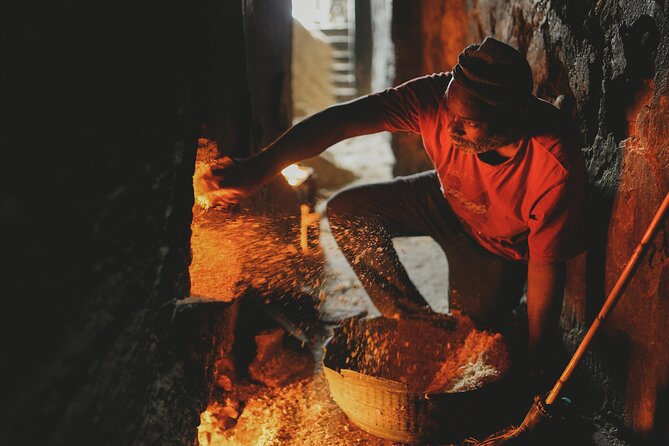
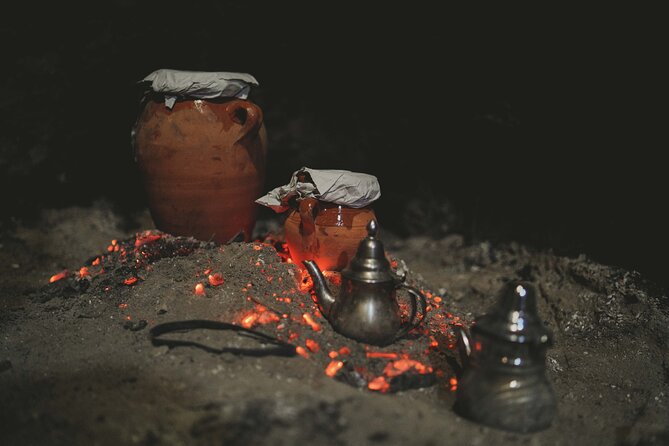
A standout detail from descriptions shared in the experience: the tour includes stories connected to cooking in and around hammam-style setups. One review mentions a furnace under hammam baths where food is slowed in the heat from embers or ashes for locals. Even if you’ve never seen anything like that before, the way the guide explains it makes it easier to picture why certain dishes taste the way they do.
A few more Marrakech tours and experiences worth a look
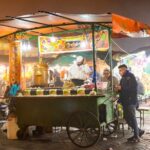

The itinerary rhythm: markets, grills, bakeries, and pastry shops
Rather than bouncing randomly, the route has a flow. You’ll typically spend time in the Medina areas where each food category lives, then move on while you’re still hungry enough to appreciate the next stop.
Here’s the practical pattern you can expect:
- Markets and stalls first, where you learn what ingredients are common and what people are buying
- Bakeries and pastry shops next, where dough-based snacks and sweets come in
- Grills and ember cooking for savory heat and smoke
- A warm pause mid-tour for coffee, so you don’t drag after the walk
This rhythm matters because it prevents the usual food-tour fatigue. If everything hits back-to-back, you stop tasting. Here, the coffee break and the variety of cooking styles help your palate stay awake.
What you’ll likely taste (and why it’s more than a random sampler)
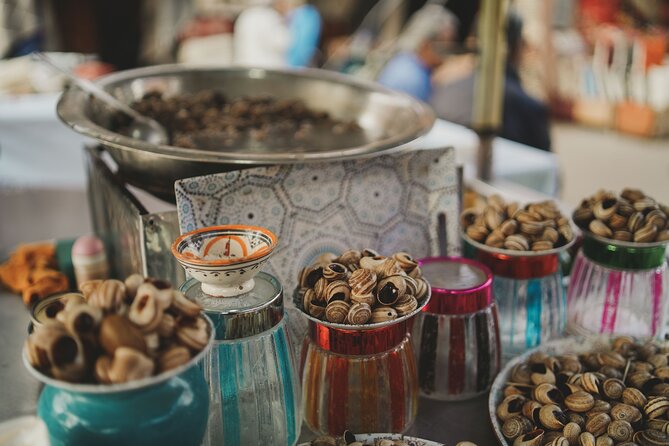
This tour is built for variety. The tastings run across savory, sweet, and spiced snacks—so you leave with a mental “menu” you can recreate when you’re eating on your own.
From the descriptions of what’s expected, you may see items such as:
- Sardines flavored with cumin, served hot from a wood-fired bakehouse style preparation
- Smoky chicken skewers grilled over charcoal
- Escargot simmered with spices like ras el hanout
- Harira (a comforting soup) paired with sweet-caramel dates
- Tagine-style flavors cooked in embers (including descriptions tied to hammam heat)
- Bread and pastry experiences, including a quick chance to shape traditional pastries in a bakery setting (you’re not just watching—there’s a hands-on moment mentioned)
- Sweets and nuts, plus strong Moroccan coffee during the tour
Is it spicy? You might find some dishes bring heat, especially where spice blends are used. But the bigger point is that you’re tasting across methods: soup, skewers, bread snacks, slow-cooked dishes, and sweets.
That’s why this tour is useful. You’ll start recognizing Moroccan flavors faster later, because you’ve tasted the same spice family in different forms.
Learning by watching: how the guide turns food into a map
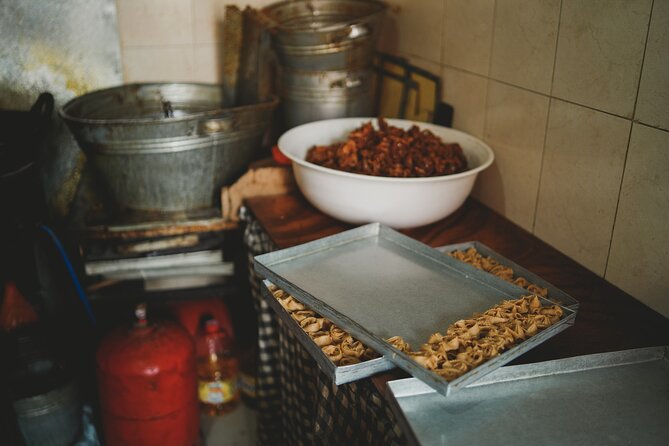
Rashid’s role isn’t just “handing you food.” The tour is timed so you learn as you go: what you’re looking at, what’s inside, and what makes it Moroccan.
In reviews, people call out that the guide explains ingredients and how dishes are made, and that the explanations feel direct rather than long. I’d agree with that style. It’s the kind of teaching that helps you order later without needing a guidebook.
One practical tip I’d copy from the mindset shared: go hungry and come rested. Several descriptions stress that you’ll end up very full. That isn’t a marketing line—it’s the point of the tour format.
The walk and pacing: plan your day around 4 hours of Medina time
Expect roughly 3.5 to 4 hours, depending on group pace. The walk is a key part of the experience because it’s what lets you move between market areas and cooking spots.
So plan like this:
- Wear shoes you can trust on uneven stone
- Don’t schedule a tight dinner reservation right after unless you’re close to the square
- Drink the included water and pace your bites; you’re tasting often, not eating one heavy plate at a time
If you’re traveling with someone who tires easily, the group size helps. But the route is still Medina walking, and you should treat it like a proper half-day commitment.
Vegetarian considerations: plan for fewer tastings
If you’re vegetarian, this tour can still be interesting, but you should set expectations. The experience notes that vegetarian participants typically have 4–5 fewer tastings because options aren’t available at every stop.
That means the tour won’t simply replace everything with a vegetarian version. You’ll still get multiple tastings and explanations, but your total might be smaller than the standard.
My advice: message or confirm preferences early if that’s an option for your booking, and tell the guide your limits at the start so they can guide you to the best available choices.
Alcohol and drinks: what’s included and what to plan for
The tour includes bottled water. Alcoholic beverages are not included, so if you want wine or beer with your meal stops, you’d need to handle that on your own.
Also watch your caffeine strategy. Reviews mention a coffee boost around the middle, and the tour can include a tea finish at the end. If you’re sensitive to caffeine, you may want to keep that in mind as you plan your day.
Price and value: $45 for a guided food education
At $45 per person for about 4 hours, the value comes from three places.
First, it’s not a light tasting tour. The 15+ tastings are the core value driver. You’re getting enough food that you usually skip a big meal afterward, which makes the cost feel more like a meal plan plus a guide.
Second, you’re paying for access and context. In a place like the Medina, ordering randomly can lead to false starts. A guide helps you avoid wasting time and helps you understand what you’re eating so you can repeat it later.
Third, the small group size matters. You’re not packed into a crowd. You get a better flow, and that makes the guide’s explanations actually land.
If you’re the kind of traveler who eats well and wants a head start on local ordering, this is one of the smarter “first days in town” investments you can make.
Who should book this tour
This is a strong fit if:
- You want a confident way to eat Moroccan street food without guessing
- You like markets, bakeries, and cooking methods more than just food photos
- You enjoy learning while you eat, but you don’t want lectures
- You’re traveling with a small group or want the calm feel of a max-8 tour
It’s also a good option for families who can handle walking. One review mentions doing it with a 16-month-old and a 9-year-old and praising the guide’s patience.
It may be less ideal if:
- You can’t handle uneven walking (the route asks for moderate physical fitness)
- You’re strict about vegetarian availability everywhere (you’ll likely have fewer tastings)
Should you book it?
Yes—if you’re eating in Marrakesh and you want your day to be more than just wandering. The big win is the combination of 15+ tastings, a small group, and Rashid’s ability to translate Moroccan food into something you can repeat later.
Book it when you still have energy in your schedule, ideally early in your stay. Finish in Jemaa el-Fnaa, and you’ll have a much clearer idea of what you want for your next meal—what to order, what to expect, and where the city’s flavors actually come from.
FAQ
How long is the Medina Stories Marrakech Food Tour?
It runs about 3.5 to 4 hours, depending on the group’s pace.
Where does the tour start and end?
It starts near Optma Conseil Plus at Bab Doukkala and ends at Jemaa el-Fnaa in the central square.
Is alcohol included?
No. Alcoholic beverages are not included.
How many tastings are included?
You can expect 15+ tastings over the 4-hour experience.
What if I’m vegetarian?
Vegetarians typically have 4–5 fewer tastings because vegetarian options aren’t available at every stop.
What should I do if the weather is poor?
This experience requires good weather. If it’s canceled due to poor weather, you’ll be offered a different date or a full refund.