REVIEW · MARRAKECH
Half-Day Cooking Class with Local Chef Laila in Marrakech
Book on Viator →Operated by Chef Laila cooking classes · Bookable on Viator
A market-to-table cooking class in Marrakech. This half-day experience pairs Chef Laila’s teaching with real Moroccan flavors, starting with produce and spices and ending with a sit-down 3-course meal. You’ll learn practical techniques you can actually repeat later, like how to spot good ingredients and how to build flavor with signature spice blends.
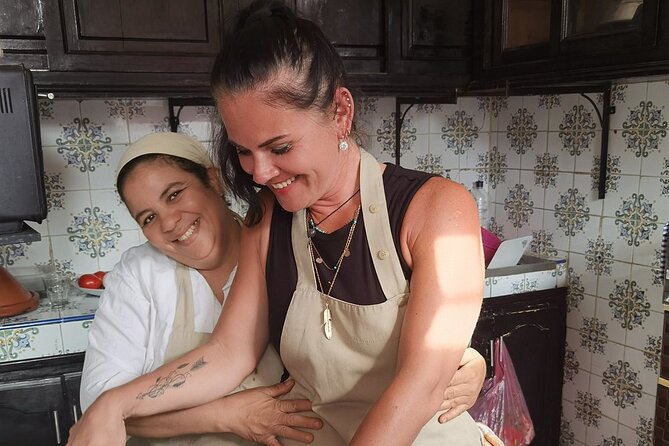
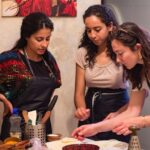
I especially like the hands-on setup and the social, family-style atmosphere Chef Laila brings to the kitchen. It’s not just watching someone else cook. You’ll join the chopping and cooking steps, then enjoy what you make.
One consideration: depending on the group and who’s leading, some sessions can feel more like guided prep than full-on cooking every minute. You’ll still eat well, but if you’re expecting nonstop stove time, aim for the mindset of teamwork.
In This Review
- Key things I’d circle first
- Entering Chef Laila’s Marrakech Kitchen Rhythm
- Timing, length, and why 4.5 hours works
- From produce quality to Moroccan tea: the first real lesson
- The Ras el Hanout main course: your takeaway spice skill
- Desserts and the three-course payoff
- Vegetarian, vegan, and allergy-friendly planning that doesn’t feel like an afterthought
- Market time: what to expect and why it’s not guaranteed in every session
- Who’s in the kitchen with you (and why it can be even better)
- How hands-on you’ll be: prep work vs nonstop cooking
- Group size, location, and getting there without stress
- Price and value: why $34.76 can be a smart Marrakech move
- Who should book Chef Laila, and who should be cautious
- Should you book this half-day cooking class?
- FAQ
- Is this cooking class in Marrakech?
- How long is the class?
- How much does it cost?
- Is there a morning and afternoon option?
- Does it include a market visit?
- What do you cook during the class?
- Can the menu be adapted for vegetarians or vegans?
- Do they handle food allergies?
- How big is the group?
- What if the weather is poor?
- Is it worth it if I’m not a confident cook?
Key things I’d circle first
- Market shopping for spices and produce: You’re taught how to judge quality, not just what to buy.
- Moroccan tea lesson: Expect a focused moment dedicated to getting the tea right.
- Ras el Hanout main course: You’ll work with a core spice blend that defines many Moroccan dishes.
- Vegetarian and vegan menu options: The class can be adapted, including separate choices for different diets.
- Small group size: Maximum of 20 travelers keeps the class from feeling like a conveyor belt.
Entering Chef Laila’s Marrakech Kitchen Rhythm
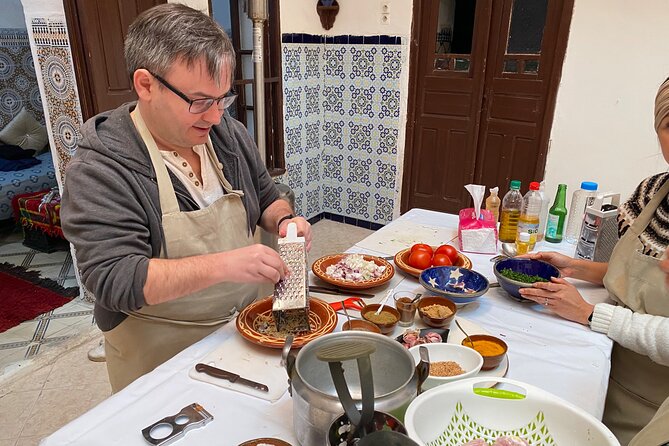
This cooking class is built around a simple idea: if you want Moroccan food to make sense, you need to learn it from ingredients first, then methods, then flavors. Chef Laila teaches in a way that feels welcoming rather than stiff. The tone from the family running the session is consistently friendly, with a sense of humor that helps a group gel fast.
You’ll start with an easy check-in process that focuses on food needs. The class begins by confirming whether anyone has allergies, then choosing a suitable menu for the full group, including vegetarians and vegans. That matters because Moroccan cooking often uses ingredients that aren’t obvious to home cooks—so it’s good they handle this up front.
The end goal is the best part: you make an appetizer, a main course, and dessert, then you sit down and eat what you cooked. That’s the difference between a lesson and a memory. You leave with new skills, but you also leave full.
You can also read our reviews of more cooking classes in Marrakech
Timing, length, and why 4.5 hours works
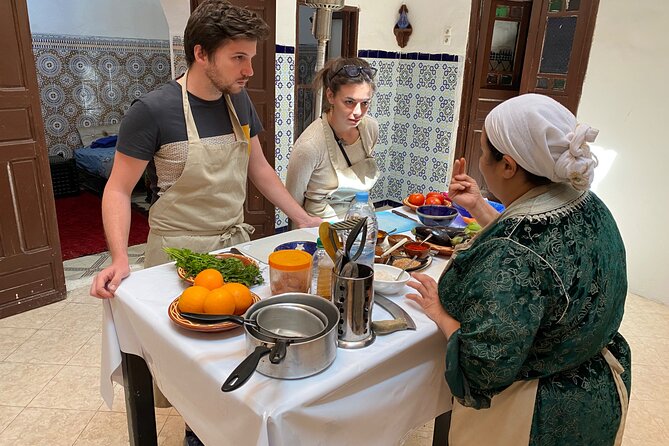
The class runs about 4 hours 30 minutes, and you choose either a morning (lunch) or afternoon (dinner) slot. That time window is long enough to teach spice basics, let you participate in the cooking, and still have a proper meal at the table.
In practical terms, it’s a good match for a Marrakech day. You get an experience that feels cultural and active, without consuming your whole day like some full-day tours do. It also slots nicely if your itinerary is heavy on sights, because food is a natural reset. After this, you’ll often wander differently—more aware of herbs, spices, and what you’re smelling in the souks.
Also, it’s held in a real kitchen with enough space for the group. The setup is designed so you can cook, then enjoy the meal afterward rather than just taking photos and rushing out.
From produce quality to Moroccan tea: the first real lesson
Before you start cooking, the class focuses on how to choose ingredients. You’ll learn how to determine the quality of the produce, which is one of the most useful “transferable” skills in the whole session. Marrakech is full of markets and stalls, but the hard part for visitors is knowing what good looks like and what will taste right in a dish.
Then you move into a traditional tea moment. The class includes instruction on making Moroccan tea, and it’s not treated like a quick add-on. It’s part of the learning flow, so you understand the ritual alongside the flavor.
Why this matters: Moroccan cooking isn’t only about recipes. It’s about rhythms—how the day starts, how you taste, and how you balance sweet, aromatic, and savory notes. When you learn tea in this context, it gives the rest of the meal more meaning.
The Ras el Hanout main course: your takeaway spice skill
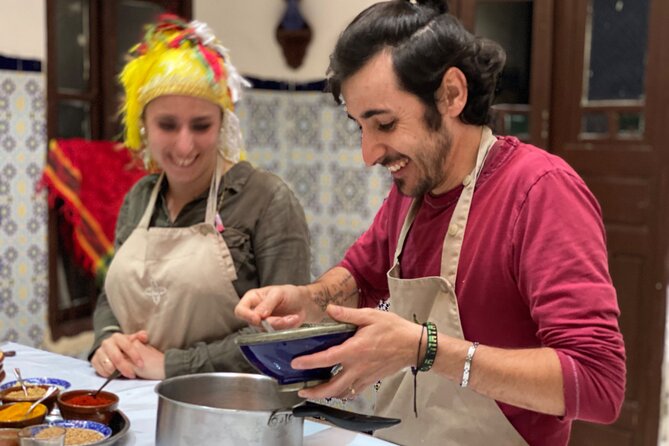
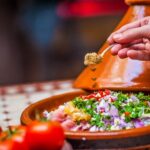
One of the clearest anchors of the menu is the main course built with Ras el Hanout. That’s the spice blend you’ll hear about again and again in Morocco, and here it’s treated like a working tool rather than an exotic souvenir.
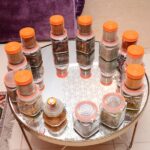
In a practical class like this, the point isn’t to memorize every spice on the label. The point is to learn how the blend behaves in cooking—how it perfumes the kitchen, how it changes the aroma of vegetables or meat, and how it supports deeper flavor rather than just adding heat.
This is exactly the kind of learning that helps after you get home. When you find a blend you like, you’ll know what it’s supposed to do in the dish. And when you try to adjust it, you’ll understand the role spices play in the bigger picture.
Desserts and the three-course payoff
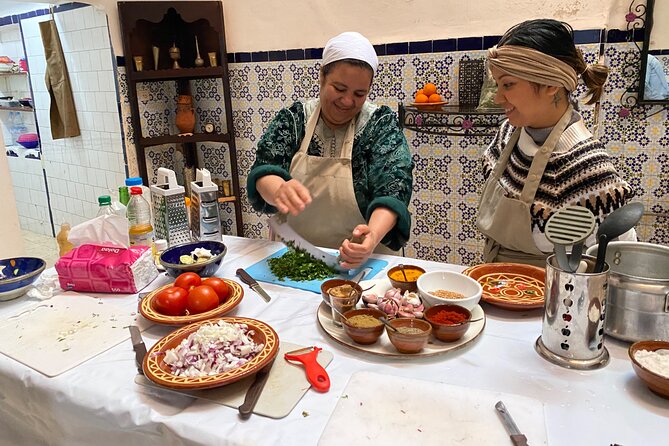
After working through the main course, the class continues into dessert. Your meal ends with something sweet that fits the Moroccan style, and the timing is designed so you can enjoy your work while it’s still warm and fresh.
The class is described as a full three-course meal, which typically means appetizer plus main plus dessert. In practice, the exact dishes can vary based on the chosen menu. Some sessions include items like salads and tagines, with vegetarians and vegans offered choices that still feel Moroccan rather than substituted.
The payoff is simple: you don’t just learn. You eat a full meal that you helped create. In Marrakech, that’s huge value because restaurant-quality food can be expensive, and you don’t get this kind of ingredient-and-technique education at a table.
A few more Marrakech tours and experiences worth a look

Vegetarian, vegan, and allergy-friendly planning that doesn’t feel like an afterthought
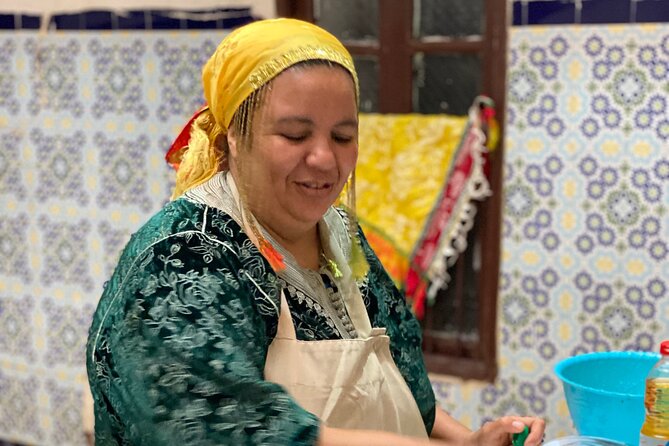
This class is set up for diet needs from the start. After meeting, they check for allergies and then choose menu options suitable for everyone in the group, including vegetarian and vegan diners.
That’s the right order. Allergies can change what spices or ingredients are safe, and veg/vegetarian changes what you cook and how you build flavor. When that planning happens before you head into the kitchen, your meal is less likely to feel awkward or “modified” in a way that ruins the experience.
If you’re traveling with dietary restrictions, I’d treat this as a positive signal. It’s not presented as a special request at the last second. It’s part of how the class runs.
Market time: what to expect and why it’s not guaranteed in every session
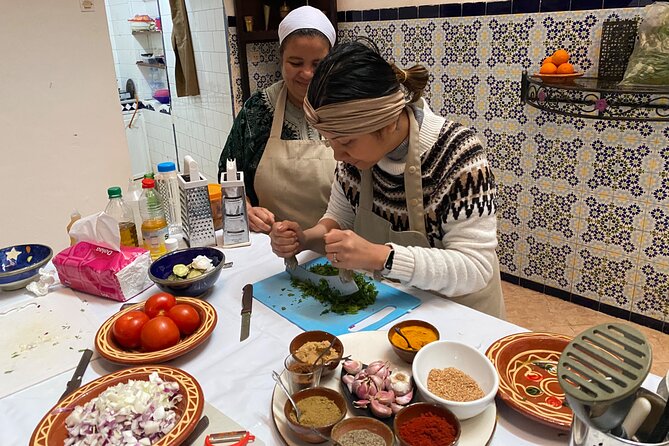
The highlights say you’ll visit the local market to shop herbs, spices, and fresh produce. The class is also described as teaching you how to evaluate produce quality, so market learning fits naturally.
That said, one practical caution comes from the way real experiences sometimes run: there are indications that in some sessions, the market component may not happen the way it’s described. If a market stop matters a lot to you, I’d plan mentally with flexibility. The cooking lesson itself is still the core, and the ingredient-quality teaching is part of that even when shopping time changes.
Even without the market walk, the class is designed around ingredient choices. So you still come away knowing what to look for when you’re shopping on your own.
Who’s in the kitchen with you (and why it can be even better)
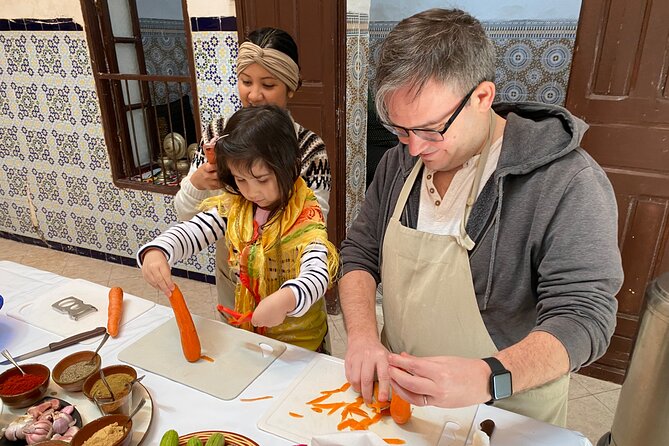
Chef Laila is the headline, but the class is run by her family too. If Laila isn’t available, family members such as Hamza have led sessions, sometimes with other relatives helping. You can also expect friendly, family-centered hospitality that makes the group feel included.
In some sessions, instruction is given in more than one language (English and French show up in the feedback). That helps you follow steps even if you’re not fluent in the local language.
You’ll also notice how the family approach turns into a culture lesson without making it preachy. People share small stories, explain what ingredients do, and keep things moving with humor. That’s why the class often feels more memorable than a purely technical cooking workshop.
How hands-on you’ll be: prep work vs nonstop cooking
This is a real cooking class, but it’s also a group experience. With a maximum of 20 people, you’re not stuck in a tiny student-to-chef ratio, and that affects the pace.
In the most common flow, you’ll do hands-on tasks like chopping and preparation, then cook alongside the instructors where appropriate. Some feedback points out that large-group sessions can mean more prep than full stove time, but the meal itself is still excellent and you’ll still participate in key steps.
My advice: come with the right expectation. Think of the class as a guided, team-based cooking day where you learn multiple small skills. If you want total control of every pan, you might feel frustrated. If you want to learn how Moroccan flavors come together, you’ll likely enjoy it.
Group size, location, and getting there without stress
The start point is 3 Rue Riad Zitoun el Jdid, Marrakesh 40000, Morocco, and the activity ends back at the meeting point. It’s described as near public transportation, which matters in Marrakech where traffic and wandering can eat time.
A mobile ticket is provided, which usually makes day-of logistics easier. The class is also described as requiring good weather, so if conditions are bad, you might be offered an alternate date or a full refund. In a city where plans can shift, that kind of weather clause is a reminder to check the day before.
For your own scheduling, treat this as a half-day block and plan a lighter evening afterward. You’ll likely eat more than you expect, and you won’t want to rush straight into a long food crawl right after.
Price and value: why $34.76 can be a smart Marrakech move
At $34.76 per person, this class is priced in the “still feels like a bargain” zone for Marrakech, especially because it’s more than a cooking demonstration. You’re paying for:
- Instruction that covers spices and cooking decisions (not just a recipe dump)
- A structured 3-course meal you sit down to eat
- Hands-on participation and food-tasting time
- The chance to learn Moroccan tea and a spice blend like Ras el Hanout
- Menu adaptation for vegetarian/vegan needs, plus allergy checking at the start
If you compare it to paying for a restaurant meal plus a separate spice or culture activity, the math often makes sense. Here, you get a full meal experience and skills in one go. It’s also a great way to make your Marrakech trip feel less like a checklist and more like learning how locals actually eat.
Who should book Chef Laila, and who should be cautious
This class is a strong fit if you want:
- A fun, social half-day activity that still teaches you real food skills
- A family-run experience with humor and patient instruction
- A Moroccan meal you can recreate, starting with spices and ingredient quality
- Vegetarian or vegan-friendly cooking with real options
It may be less ideal if you:
- Want strict nonstop cooking time from the first minute to the last
- Are only interested in market shopping and would be disappointed if that part shortens or changes
Overall, it’s a good “middle” activity: it’s hands-on but not exhausting, cultural but not vague, and it ends with the best proof—your taste buds.
Should you book this half-day cooking class?
Yes, I think you should book it if you’re looking for a high-value Marrakech experience that goes beyond photos. Chef Laila’s class is widely praised for being memorable, friendly, and genuinely educational. You’ll leave with Moroccan tea skills, spice knowledge anchored around Ras el Hanout, and a full meal you helped create.
If you’re the type who loves food as a language—spices, herbs, and technique—this is right in your lane. Just go in expecting teamwork and guidance, not a private chef-controlled show.
FAQ
Is this cooking class in Marrakech?
Yes. It takes place in Marrakech, Morocco, and the meeting point is 3 Rue Riad Zitoun el Jdid, Marrakesh 40000.
How long is the class?
It runs about 4 hours 30 minutes.
How much does it cost?
The price is $34.76 per person.
Is there a morning and afternoon option?
Yes. You can choose a morning (lunch) or afternoon (dinner) tour.
Does it include a market visit?
The highlights describe a local market visit to shop herbs, spices, and fresh produce. Some class runs may differ, so it’s smart to keep a flexible expectation.
What do you cook during the class?
You’ll create a meal that includes an appetizer, a main course, and dessert. The main course includes Ras el Hanout, and you’ll also learn Moroccan tea.
Can the menu be adapted for vegetarians or vegans?
Yes. The class can be adapted for vegetarians and vegans, and the menu is chosen to suit the group.
Do they handle food allergies?
Yes. The class begins with a check for allergies before the menu is chosen.
How big is the group?
The class has a maximum of 20 travelers.
What if the weather is poor?
The experience requires good weather. If canceled due to poor weather, you’ll be offered a different date or a full refund.
Is it worth it if I’m not a confident cook?
Yes. It’s designed for regular participants and focuses on clear instruction and hands-on tasks. Just come with an appetite.