REVIEW · MARRAKECH
North to South in 6 Days
Book on Viator →Operated by Our real morocco · Bookable on Viator
Blue cities, desert nights, and real Berber towns. This 6-day north-to-south route from Marrakech is interesting because it strings UNESCO sites and mountain gorges together with camel treks at sunrise and sunset in the sand. Along the way, you also get time in Fez and the blue streets of Chefchaouen.
I like how the trip builds in real guidance, not just drive-by stops. Aït Benhaddou gets a proper visit with a local guide, plus a lunch with a panoramic view over the kasbah walls. And in Fez, the Museo Nejjarine area is a slow, lived-in walk through the medina’s working trades and narrow alleyways, complete with spices, dried fruit, leather goods, and plenty of cats acting like they own the place.
One possible drawback: the schedule moves fast and the desert night is in a standard tent camp, so pack for cold evenings and early starts. Also, budget for lunches, drinks, and tips, since those are not included.
In This Review
- Key highlights worth your attention
- North-to-south Morocco in 6 days: what the route really does for you
- Marrakech pickup and getting oriented without the stress
- UNESCO Aït Benhaddou: the kasbah visit is the whole point
- Erfoud and the dates market: a stop that tastes like real Morocco
- Ifrane and the monkey spotting near protected areas
- Fez at Museo Nejjarine: where the medina feels alive
- Dades Gorge and Todra Gorge: canyon time that feels big for the effort
- Merzouga desert camp: camel treks at sunset and sunrise
- Chefchaouen free day: how to enjoy the blue without rushing
- Ouezzane and the ride back to Marrakech: why the drive matters
- Price and value: what you’re really paying for
- Who this Morocco north-to-south trip suits best
- Should you book this tour?
- FAQ
- How long is the north-to-south Morocco tour from Marrakech?
- Is pickup in Marrakech included?
- What language support is provided during the tour?
- How big is the group?
- What meals are included in the price?
- Which sights are covered during the 6 days?
- Are camel rides included, and when do they happen?
- What accommodation is included for the desert night?
- What happens if weather conditions are poor?
Key highlights worth your attention
- Small group (up to 6) keeps the pace flexible when roads, crowds, or timing get weird.
- English-speaking driver plus local connections means fewer dead ends in places where signage can be… a suggestion.
- Aït Benhaddou with a local guide gives context, not just photos.
- Ifrane + natural areas includes a chance to see wild monkeys near protected park areas.
- Sunrise and sunset camel treks make the desert time feel like two different worlds.
- Chefchaouen with a full free day lets you explore at your own speed instead of rushing through shops.
North-to-south Morocco in 6 days: what the route really does for you
This is a classic Morocco “thread the needle” plan. You start in Marrakech, then head north-ish and back south again across big-name stops that show very different sides of the country. In just six days, you’ll see the high-stone drama of kasbahs, the canyon cuts in the Atlas region, the softer textures of the desert camps, and then the cool-toned calm of Chefchaouen.
The pacing is the big deal. You’re not here for one city and a lazy week. Instead, you’re doing a moving itinerary where each stop earns its place. That works best if you enjoy being on the road as part of the experience—watching Morocco’s terrain shift under the bus windows and then getting off for the parts that need your attention.
There’s also a practical upside: a small group of up to six travelers makes the logistics easier. It’s the difference between being herded and having space to ask questions, request a quick detour, or simply take a longer walk when a medina alley begs you to go around the corner.
A few more Marrakech tours and experiences worth a look
Marrakech pickup and getting oriented without the stress
The tour is based in Marrakech, and pickup is offered. That matters because day one in Marrakech can feel like a swirl—traffic, lanes, and the sheer number of things to do at once. A pickup means you don’t waste your first hours hunting for your meeting place or negotiating a ride while you’re still adjusting to the city.
You’ll travel with an English-speaking driver, which helps a lot for two reasons. First, Morocco runs on conversation. Second, good language support helps you understand what you’re seeing—especially in places like old kasbahs and medinas where the “why” adds meaning fast.
Also note the tour is designed for most travelers, and service animals are allowed. If you’re traveling with mobility needs, the key question is still how much walking you’re comfortable with in uneven medina streets and at canyon viewpoints.
UNESCO Aït Benhaddou: the kasbah visit is the whole point
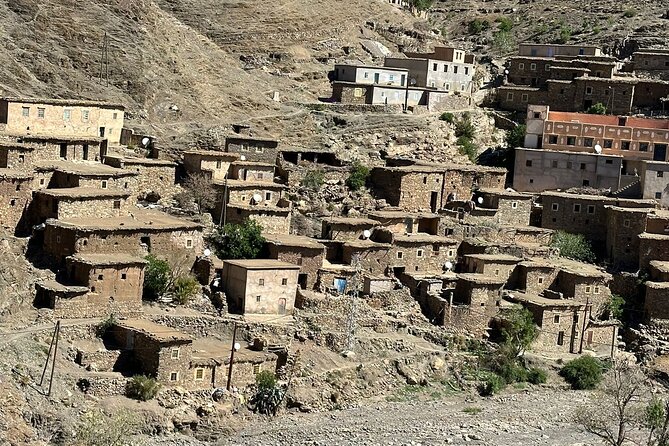
Aït Benhaddou is one of those places that looks like a movie set—until you actually stand there. The tour gives it a proper visit with a local guide. That local explanation is what turns the kasbah from a “cool building” into a place with stories you can follow while you walk the alleys and viewpoints.
You’ll also have a lunch stop with a panoramic view over the kasbah. Even if lunch timing runs like it does in many parts of the world (slow and scenic), you’re getting something rare: food while you’re still looking at the walls you just heard about. That pairing—guide first, view next—is smart.
Practical tip: bring a layer even if it’s warm. Kasbahs and canyon areas can feel cooler in the shade, and the air can shift quickly once you’re up and exposed.
Erfoud and the dates market: a stop that tastes like real Morocco
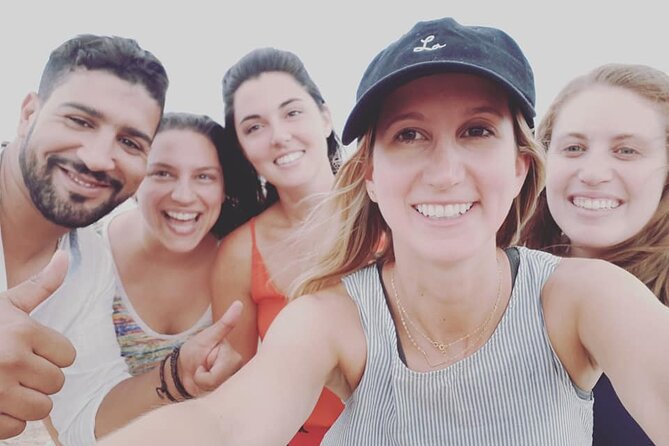
Erfoud is a quick but memorable pivot toward the desert side of the country. You’ll visit a dates market and then see a fossil-focused stop: the biggest fossil factory in the country.
This is one of those stops that’s easy to skip if you’re only chasing famous monuments, but it’s worth it. Dates connect you to everyday life in the region—food production that’s practical and ancient in its own way. And the fossil factory gives you a surprising angle on the desert. Morocco is full of places where geology and trade meet, and this is a clear example.
If you like seeing how products go from raw materials to finished goods, this day will feel grounded, not touristy. It’s also a relief to break up the longer drive segments with something more hands-on and local.
Ifrane and the monkey spotting near protected areas
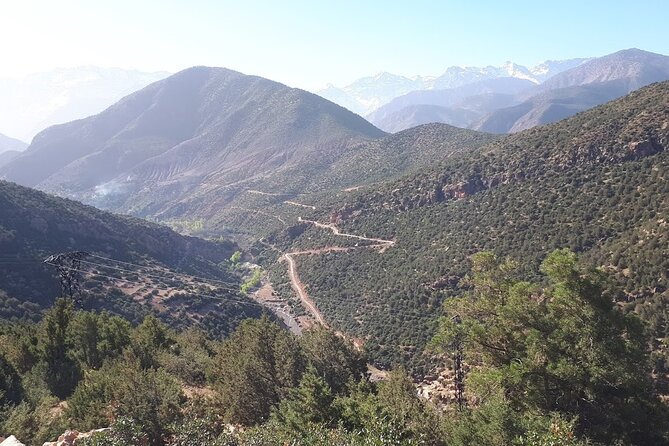
Ifrane is a change of pace. It’s a city that feels different from the hotter, dustier places many people imagine. On the outskirts, you’ll have time connected to protected natural areas, including Ifrane National Park, the Cedar Forest, and the Ifrane Game Reserve.
One of the stated highlights here is watching wild monkeys. That’s not something you can schedule like a museum ticket, but the tour is built to set you in the right area and time window to have a realistic chance.
What I like about this stop is the mix of town feel and nature edges. You can do a quick look at Ifrane itself, then step out toward the greenery and watch how quickly the environment shifts. In a six-day plan, that balance keeps the trip from feeling like a checklist.


Fez at Museo Nejjarine: where the medina feels alive
Fez can overwhelm you if you wander alone. This is why the Museo Nejjarine stop works well. You’ll walk along narrow, uneven alleyways with daylight filtering down from above, and you’ll see stalls with spices, dried fruits, fresh fish, silk, and leather goods.
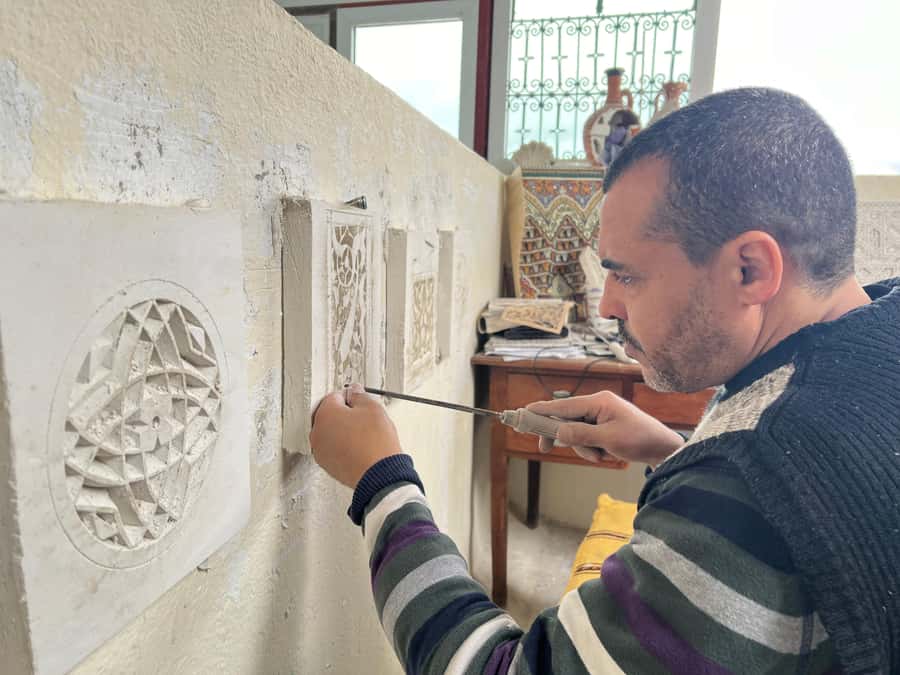
What makes this area special is that it’s not only about old buildings. It’s about the people doing work—hand metalwork, longtime trade patterns, and the daily rhythm of the medina. Cats are everywhere too, in that very specific way they seem to choose alleys like it’s prime real estate.
I also like that you’re given a longer block of time here. Five hours is enough to take the slow route, ask questions, and not feel like you have to run through it while your guide keeps time with a stopwatch.
Practical note: medina surfaces can be rough. Wear shoes that can handle uneven stone and small surprises.
Dades Gorge and Todra Gorge: canyon time that feels big for the effort
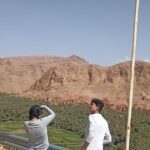
The itinerary includes time in Dades Gorge Valley and Todra Gorge. Even without naming every viewpoint, you should expect dramatic rock walls and the kind of canyon scale that makes you stand still for a minute.
This is a good segment for people who want more than city photos. You’re getting a “stretch your legs, look up, breathe” kind of break. And canyon areas usually have a strong sense of place—sound carries, the air changes, and the light shifts across stone surfaces.
The main consideration is stamina. Canyon stops usually mean walking some uneven paths and spending time in viewpoints. If you like short, clear routes and photos that actually capture size, this part delivers.
Merzouga desert camp: camel treks at sunset and sunrise
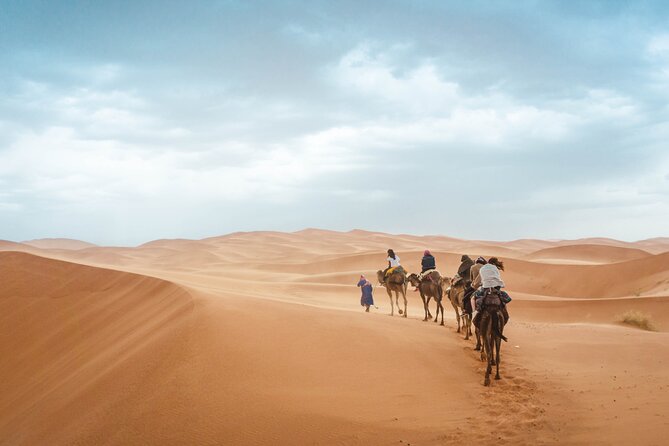
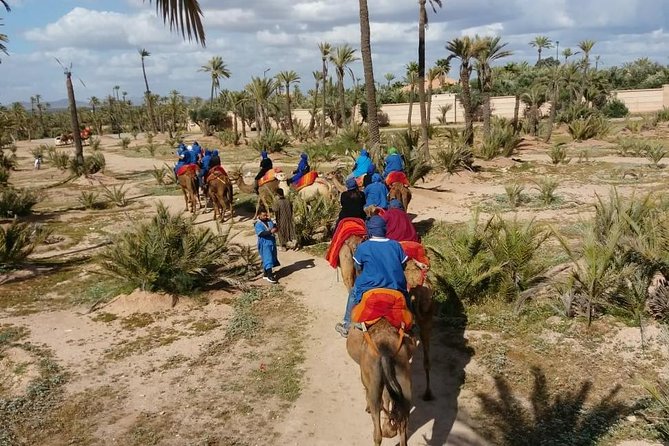
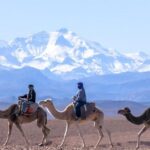
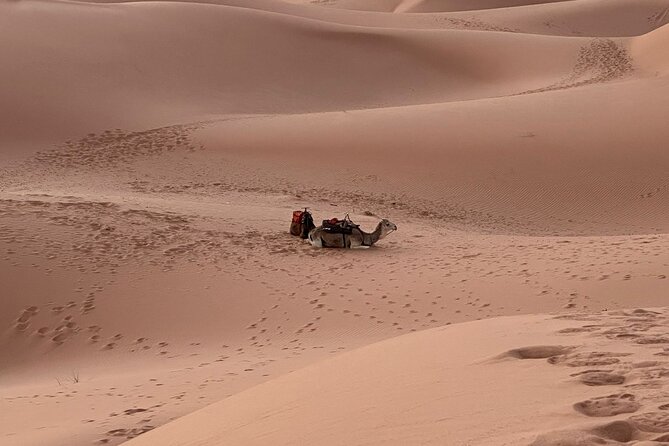
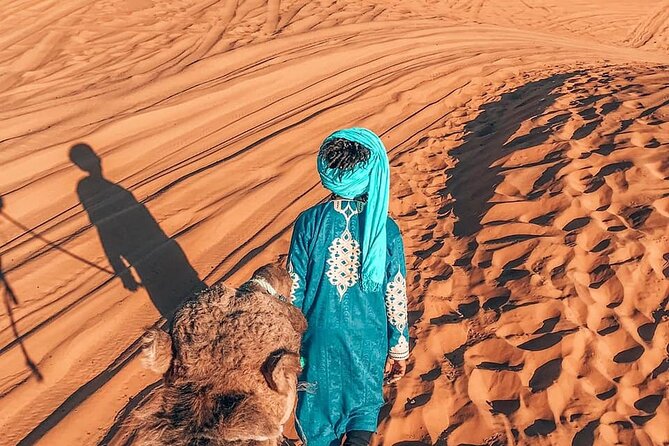
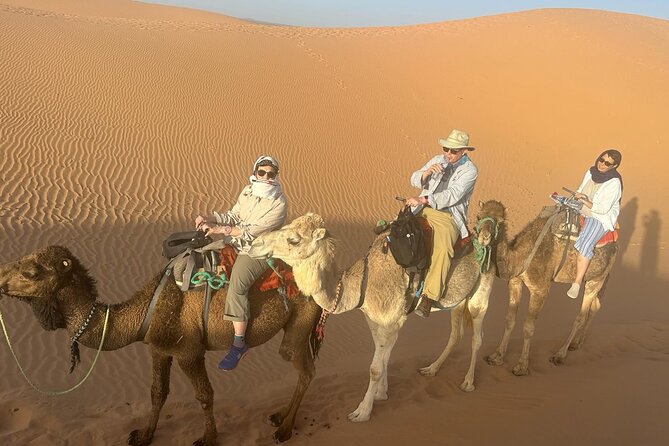
This tour’s desert piece is structured around two camel treks—one at sunset and one at sunrise. That timing is the whole magic. Sunset gives you color and long shadows. Sunrise is colder and often quieter. Doing both turns the desert night from a single moment into a full arc.
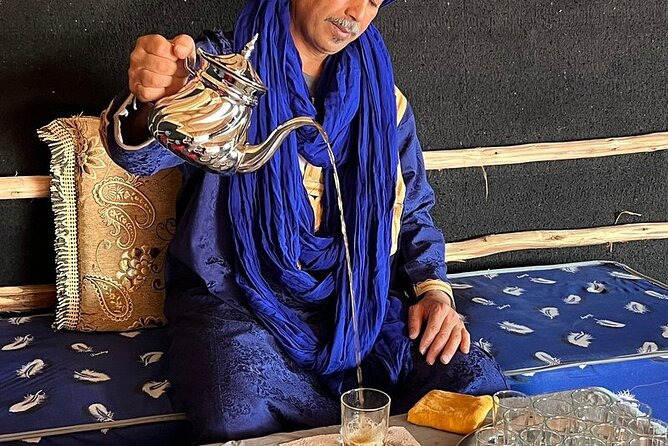
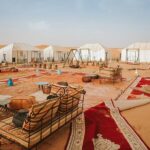
You’ll also spend one night in a standard tent in a desert camp, with breakfast and dinners provided on multiple days (the tour lists 6 breakfasts and 4 dinners total). That means you’ll be planning around camp routines, not figuring out meals at every stop.
What to pack mentally: even if the day felt warm, desert evenings can cool down fast. Bring layers. And be ready for early wake-ups when sunrise is part of the plan.
If you want a trip where the desert isn’t just a photo and a quick ride, this structure is one of the best-value parts. Two treks means more time with the camels, more time with the sky, and less “one and done” desert energy.
Chefchaouen free day: how to enjoy the blue without rushing
Chefchaouen is a whole mood. The tour drives you there with arrival near lunch time, then gives you the rest of the day free to explore.
That free block is important. Some tours rush through the blue streets like they’re racing for a photo quota. Here, you can slow down. You can wander up and down the slopes, find small viewpoints, and shop if you want—but you don’t have to. The goal is to experience the town at your pace.
Chefchaouen also works well after the desert and canyons. It’s not just another stop; it’s a reset. The temperature, the walking rhythm, and the color palette all change how the day feels.
Practical tip: bring cash for small purchases, and plan your comfort for lots of stairs and uneven streets.
Ouezzane and the ride back to Marrakech: why the drive matters
On the way back, you’ll drive from Chefchaouen to Marrakech via highway for about 6 hours, with breaks for coffee and lunch. You also make a stop connected to the Province of Ouezzane.
The drive segment sounds simple, but it affects how you enjoy the trip. After days of walking and watching, you’ll appreciate having planned breaks. The coffee stop is more than caffeine—it’s a chance to regroup and reset your body before the final return to Marrakech.
This part can feel long if you’re not into riding in a car for hours. If you hate being stuck, bring something for the journey (water, a light snack if allowed, and anything that makes the ride easier for you). The tour’s breaks help, but it’s still a major travel day.
Price and value: what you’re really paying for
At $2,945.06 per person for around 6 days, this isn’t a budget trip. The value depends on what you want from Morocco.
Here’s what you’re getting that you’d otherwise have to assemble yourself:
- Transport and an English-speaking driver
- Core entrance visits, including Aït Benhaddou and Museo Nejjarine
- Major sight time like Dades Gorge Valley and Todra Gorge
- Camel treks at both sunrise and sunset
- One night in a standard desert tent camp
- Meals covered in a meaningful way: 6 breakfasts and 4 dinners
What you don’t get is also clear: lunches, drinks, tips, and personal shopping are on you. That’s normal for tours like this, but it affects real cost.
So I’d frame value like this: you’re paying to reduce planning stress, bundle the big-ticket moments (especially the desert experience), and get guidance that helps you actually understand what you’re seeing. If you want a DIY trip where you’re hopping between independent guides and booking everything separately, you might find cheaper routes. If you want the trip to run like a plan—with the hard parts handled—this one makes sense.
Who this Morocco north-to-south trip suits best
This tour is a good fit if you want:
- A structured route from Marrakech that hits the big regions: Aït Benhaddou, desert area experiences, Fez, and Chefchaouen
- Small-group energy (up to 6 travelers) so you’re not swallowed by a crowd
- A desert plan with two camel treks, not just one
- Time in Fez that focuses on how the medina trades work, not only monuments
- A free day in Chefchaouen, so you control how quickly you move
It may be less ideal if you:
- Prefer one city and slow travel with minimal driving
- Struggle with long car days and walking on uneven surfaces
- Don’t want to manage extra costs for lunches, drinks, and tips
One more note on guides: in past experiences, Hicham Bouhalba shows up as a name tied to friendly, flexible guiding and good local connections. While your exact guide can vary, the style of service is clearly built around explanation plus practical help.
Should you book this tour?
If your dream Morocco trip includes desert time with sunrise and sunset camel rides, plus Fez and Chefchaouen without the stress of building it yourself, I’d say it’s worth serious consideration. The strongest parts are the moments that need timing and guidance: the kasbah visit, the medina walk, and the desert camp rhythm.
Just go in with clear expectations: it’s six days of movement, not a slow coast-by. Pack for temperature swings, wear solid shoes, and set aside a daily budget for lunches and drinks. Do that, and you’ll end up with a trip that feels like multiple Morocco chapters stitched into one run.
FAQ
How long is the north-to-south Morocco tour from Marrakech?
It lasts about 6 days.
Is pickup in Marrakech included?
Yes, pickup is offered.
What language support is provided during the tour?
You travel with an English-speaking driver.
How big is the group?
The maximum group size is 6 travelers.
What meals are included in the price?
Breakfast is included 6 times, and dinner is included 4 times. Lunches and drinks are not included.
Which sights are covered during the 6 days?
The tour includes Aït Benhaddou, Erfoud (dates market and a fossil factory), Ifrane, Fez at Museo Nejjarine, Chefchaouen, plus canyon visits in Dades Gorge Valley and Todra Gorge.
Are camel rides included, and when do they happen?
Yes. Camel treks are included at sunset and again at sunrise.
What accommodation is included for the desert night?
You get 1 night in a standard tent in a desert camp.
What happens if weather conditions are poor?
The tour requires good weather. If it’s canceled due to poor weather, you’ll be offered a different date or a full refund.