REVIEW · MARRAKECH
3-Day Marrakech to Merzouga Desert Tour: Camel Rides & Overnights
Book on Viator →Operated by Marrakech City Life · Bookable on Viator
Three days, two deserts, one long drive. This Marrakech to Merzouga tour blends mountain roads, UNESCO Kasbah scenery, and a real desert night with a camel trek into the dunes. I love the way it strings together Tizi n’Tichka views and Ait Ben Haddou before you hit the Sahara, because you get more than one kind of Morocco. I also like that camel rides, dinner, and breakfast are built in, so you spend money on the highlights instead of hunting for extras. One possible drawback: it’s a driving-heavy trip, and you only get about one short stretch of desert time after the long day on the road.
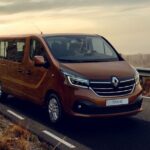
You’ll move in an air-conditioned minibus with an experienced driver-guide, and the group stays small (up to 19). If you get a guide like Omar, Mehdi, Jawad, or Hakim (names that come up in customer feedback), the pace tends to feel fun rather than rushed. The desert camp experience is the big payoff, but it’s not the kind of place where you should expect polished luxury in every corner.
In This Review
- Key things to know before you go
- Why this Marrakech to Merzouga route can feel like a smart shortcut
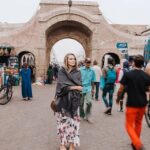
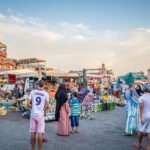
- Marrakech morning and the first big photo stop: Jemaa el-Fna and Tizi n’Tichka
- Ait Ben Haddou Kasbah: UNESCO sights and the film-set angle
- Ouarzazate and the rose valleys: the day gets slower, then suddenly scenic again
- Dades and Tinghir: the hotel night that helps you recover
- Todra Gorge with locals: why this stop adds real texture
- From Erfoud to Erg Chebbi: fossils, villages, and the dunes reveal
- Camel trek plus included sandboarding: the practical adventure combo
- The Berber desert camp night: music, dinner, and expectations
- Day 3 roses valley lunch and the drive back over the Atlas
- Price and value: what $115.86 buys you and what it doesn’t
- The smooth parts—and the not-so-smooth parts
- Who should book this tour, and who should consider another option
- A practical packing list for camel, dunes, and long drives
- Should you book the 3-day Marrakech to Merzouga desert tour?
- FAQ
- What time does the tour start?
- How long is the tour?
- What’s included in the price?
- Are lunches and drinks included?
- Where do we sleep overnight?
- What’s the cancellation policy?
Key things to know before you go
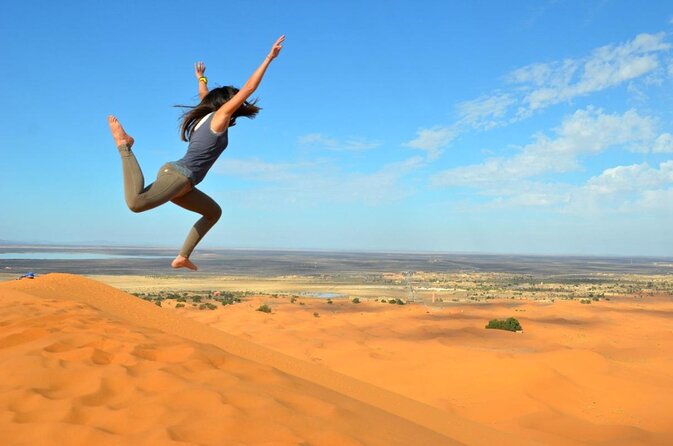
- Erg Chebbi camel ride at sunset and a second ride around sunrise timing
- Ait Ben Haddou UNESCO Kasbah plus film-set context (yes, Hollywood shows up here)
- Sandboarding included when you reach the dunes area
- One hotel night + one desert night, with dinner and breakfast provided
- Driving-heavy schedule with major sights packed into three days
- Group size capped at 19, so you’re not lost in a huge crowd
Why this Marrakech to Merzouga route can feel like a smart shortcut
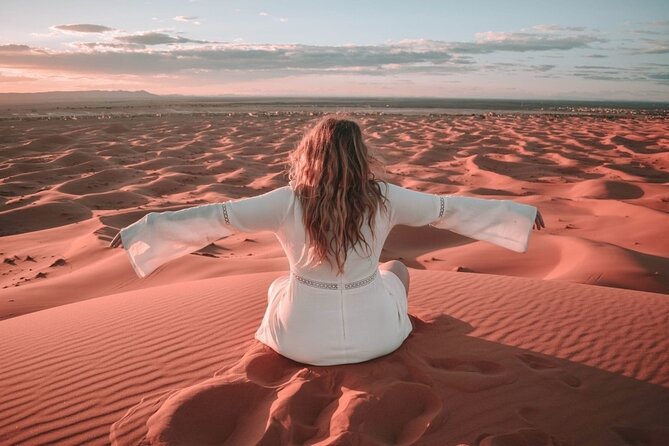
This is the right tour when you have limited time but still want the big Morocco hits: Atlas Mountains, a UNESCO Kasbah, Todra Gorge, and then the Sahara at Erg Chebbi. The best part is how the trip keeps moving from one scenery “world” to the next, instead of dropping you in the dunes with nothing before it. You’re also not left figuring out meals—dinner and breakfast are included—so the value stays more predictable.
For many people, the desert is the main reason to go. But I like that this tour also includes real stops along the way, like the rose-valley break and the Todra Gorge visit, so your time doesn’t feel like dead transit. The tradeoff is that you’ll spend long stretches in a vehicle. If you hate car rides, consider a longer tour or a different base plan.
A few more Marrakech tours and experiences worth a look
Marrakech morning and the first big photo stop: Jemaa el-Fna and Tizi n’Tichka
Your day starts early from a central Marrakech meeting point near Hôtel Restaurant Café de France on Rue des Banques, with departure around 7:30 am. The early start matters because you’ll want daylight for the mountain pass and for the quick viewpoint stops.
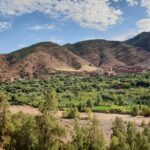
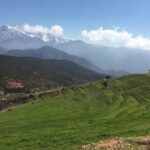
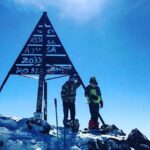
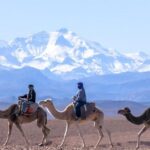
From Marrakech, you’ll head toward the High Atlas and hit the Tizi n’Tichka pass (about 2260m). This is one of those places where even a short stop feels worth it, because the winding road and layered peaks make great photos with minimal effort. You’ll also get the kind of quick orientation you need in Morocco: where the paved roads end, how the valleys open, and what the scale of the Atlas really looks like.
Practical tip: sunrise and sunset rides in the desert are part of the package, but mornings in the Atlas region can still be chilly. Dress in layers so you don’t freeze on the pass photo breaks.
Ait Ben Haddou Kasbah: UNESCO sights and the film-set angle
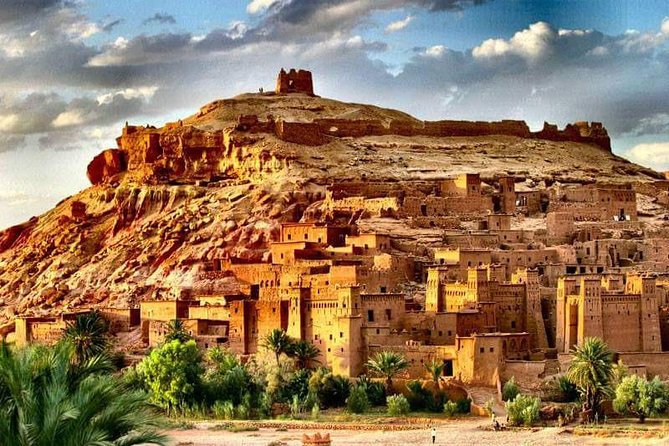
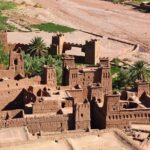
One of the most memorable stops is Ksar of Ait Ben Haddou, a UNESCO-listed fortified village. You’ll have a couple of hours to explore at a relaxed pace—enough time to wander the kasbah lanes, cross the river separating the kasbah from the road, and get a feel for how people historically lived inside these thick-walled compounds.
What makes Ait Ben Haddou especially interesting here is the extra context you’ll likely hear on the road: it’s been used as a set for major Hollywood epics like Lawrence of Arabia, Gladiator, and The Kingdom of Heaven. Even if you’re not a movie buff, the point is the visual power. The kasbah looks like it belongs to another era, which is exactly why it’s so widely filmed.
Watch-outs: your time here is great, but the rest of day 1 still moves fast. If you like to linger, plan to do it during your allotted exploration window, because the schedule will keep you moving toward the next region.
Ouarzazate and the rose valleys: the day gets slower, then suddenly scenic again
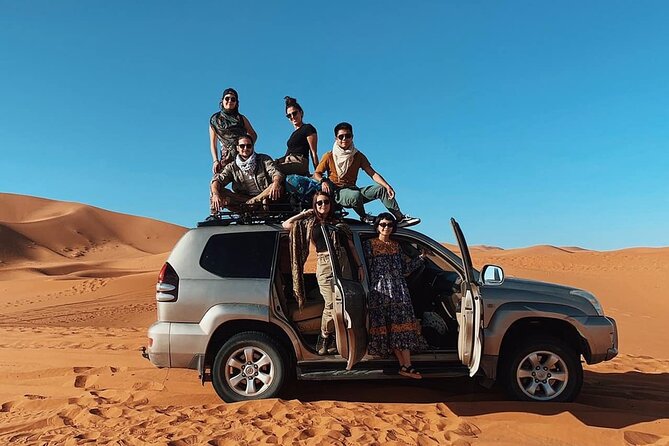
After Ait Ben Haddou, you’ll pass through Ouarzazate for quick sightseeing—think photo breaks and studio-area views rather than a long museum day. It’s a nice palate cleanser after the kasbah, because the vibe shifts from fortress lanes to a more modern film-and-production town feel.
Then you’ll stop at Vallee des Roses, where the roses valley is known for rose picking that starts in April, plus a three-day festival in the first week of May. Even if you go outside the blooming season, the stop still works because it breaks up the day and sets you up for the later gorge and desert scenery. You’ll also have a short coffee and traditional tea break, which is exactly the kind of reset that keeps a long tour bearable.
In the real world, these short stops are what make a three-day tour feel like it has character. They stop you from feeling like you’re only doing checklists.
Dades and Tinghir: the hotel night that helps you recover
By late afternoon you’ll reach the Dades region for panoramic viewpoints, then continue to Tinghir for an overnight stay in a private room with half-board included. Tinghir is a good choice for recovery because it gives you a proper bed after a busy day.
This hotel night matters more than it sounds. Day 2 starts with a breakfast and a gorge visit, then you’ll gradually head toward the dunes. If you’re tired, that’s when people start skipping small moments—like enjoying the gorge with locals—or rushing through the desert day too stressed.
If your schedule is tight, this is also a smart move logistically. It splits the driving load so you’re not stuck doing everything in one day.
Todra Gorge with locals: why this stop adds real texture
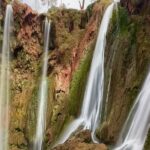
In the morning you’ll head to Todra Gorge, including time around the grove area. The visit is built to feel local rather than purely touristy—there’s even a visitor center stop tied to the experience. It’s not just “big canyon, take photos, leave.” The gorge gives you a sense of how water and agriculture shape daily life in southern Morocco.
The practical win: Todra is close enough to the desert route that it fits without adding too much extra driving. But it’s different enough from the Kasbah and Atlas scenery that your brain doesn’t feel like it’s watching the same movie on repeat.
If you like short walks, this is a good time for it. Don’t plan to wear heavy hiking gear—comfortable shoes are usually enough for a gorge visit like this.
From Erfoud to Erg Chebbi: fossils, villages, and the dunes reveal
Day 2 continues via the route toward Erfoud, often described as the capital of fossils. You’ll also pass through places like Tinejdad with Berber villages along the way. These stops matter because they make the trip feel connected to Morocco’s human geography, not just scenery.
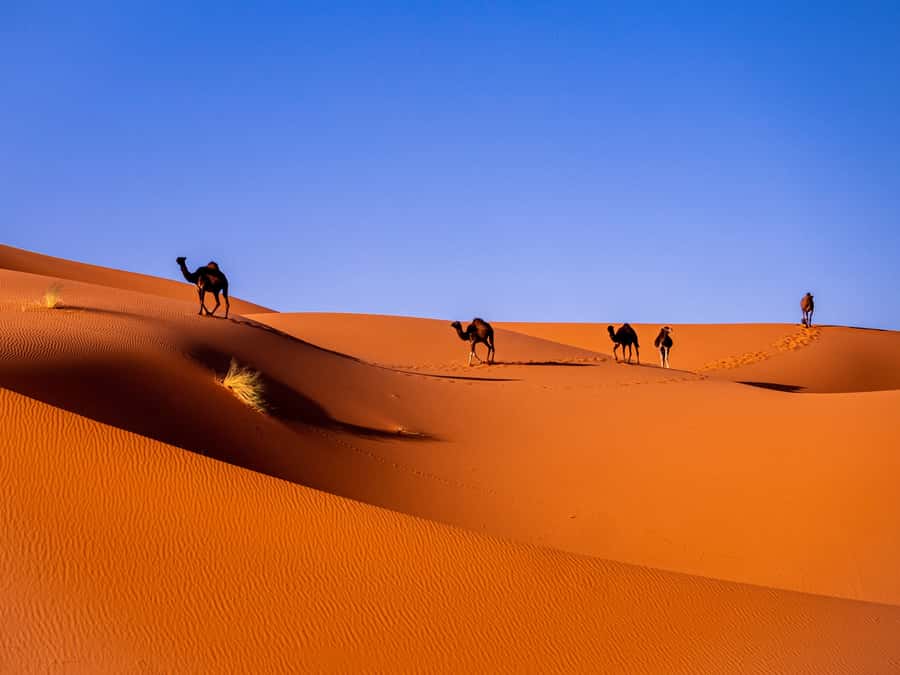
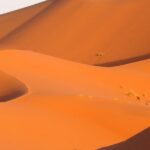
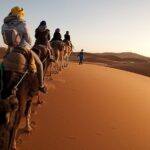
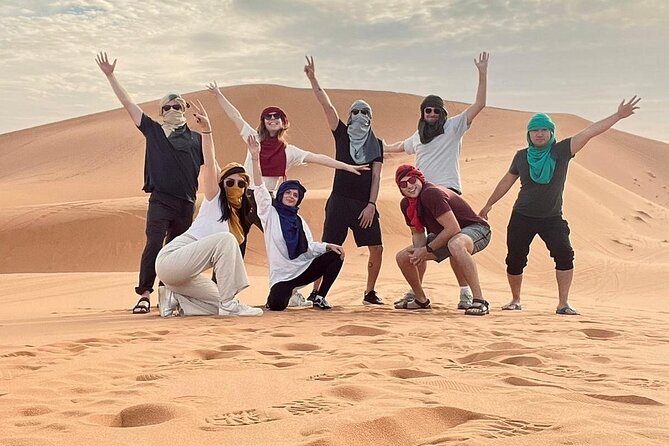
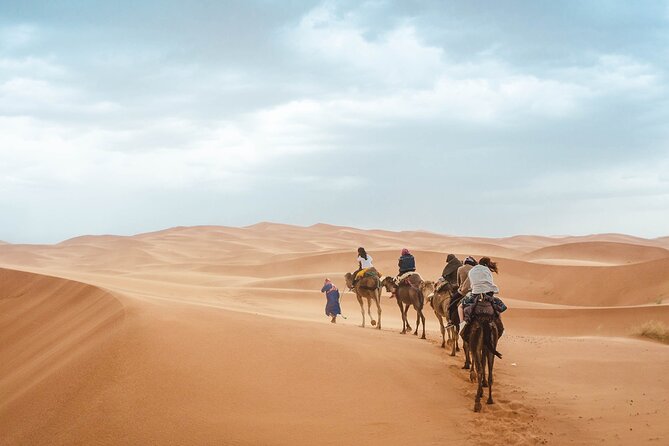
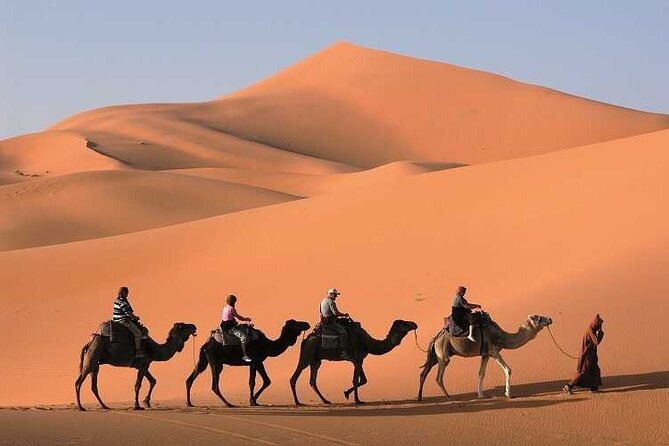
Then you reach Merzouga and the famous Erg Chebbi dunes. This is the moment where the tour turns from “road trip” into “Sahara experience.” You leave the vehicle for the camel trek into the dunes, and you’ll spend the night in a desert bivouac setup.
What you can expect: long sweeping dunes with a huge sense of space. The experience is not just about getting to the camp. The camel ride itself is part of what makes the dunes feel real, because you’re moving across sand the same way people historically traveled across it.
Quick note: if you get motion-sick easily, camel rides can be a bit bumpy. A light breakfast beforehand can help, and it’s worth taking slow breaths during the ride.
Camel trek plus included sandboarding: the practical adventure combo
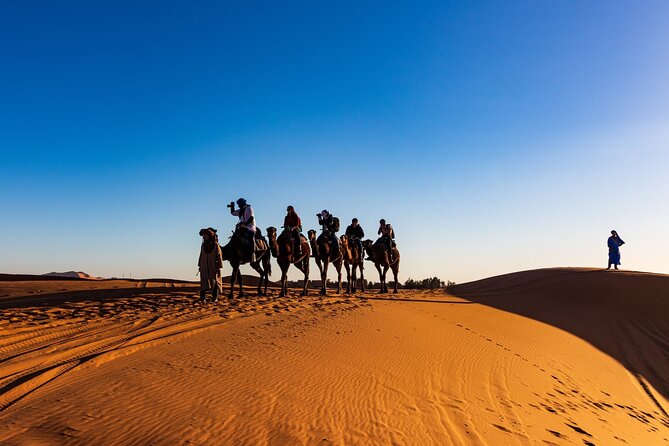
This tour includes sunset and sunrise camel rides, plus a sandboarding experience. That combination is great because it gives you two very different desert vibes in one trip.
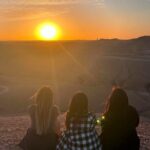
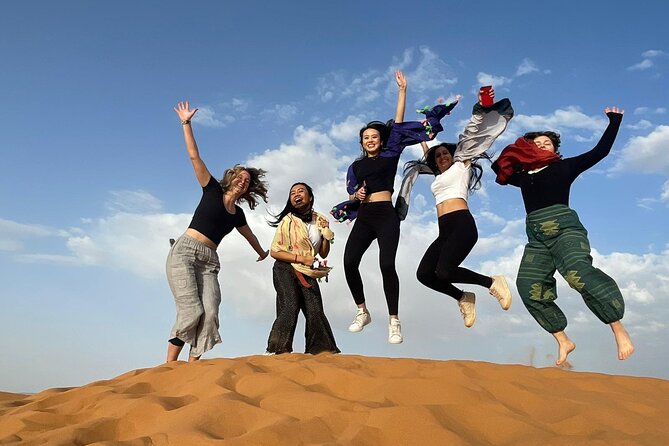
At sunset, you get the classic dunes color shift as the light changes. Early morning is different: cooler air, calmer atmosphere, and that bright, crisp desert sky. And sandboarding gives you something physical to do in the dunes, which can feel like a fun add-on even if you’re not an adrenaline junkie.
From the way the trip is structured, the desert activities aren’t “sprinkled.” They’re treated like the core event, which is what you want on a short 3-day schedule.
The Berber desert camp night: music, dinner, and expectations
The overnight in the desert is where most people feel the biggest emotional payoff. The plan includes dinner, and you’ll also get live entertainment at the camp, plus time to enjoy the silence and star visibility that desert nights are known for.
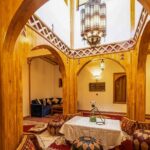
That said, I think it’s smart to manage expectations about camp comfort. One customer described an upgrade where tents had air-conditioning and even flushing toilet and shower, but still noted that the facilities weren’t what they expected from a glamping-style setup. In other words: the scenery and the experience drive the value, not hotel-grade finish details.
What I recommend you do:
- Bring a small overnight bag and keep essentials easy to reach
- Plan for limited privacy and basic camp routines
- Expect a warm, friendly atmosphere, even if English support is limited at times
Food is included for dinner and breakfast, so you won’t be left hungry while you’re far from town. But if you’re picky, don’t assume it will be fine dining. Desert dinner is more about the experience than the menu.
Day 3 roses valley lunch and the drive back over the Atlas
On the final morning, you’ll have early breakfast and then start heading back toward the main road to meet your driver. The tour includes a stop in Kelaat Mgouna (another roses valley area), where you’ll have a lunch break. After that, you’ll pass back through Ouarzazate and return over the Tizi n’Tichka pass before reaching Marrakech and being dropped back at the meeting area by the end of service.
Yes, this last day has more driving. But it also means you get to carry the desert experience back into daylight views, and you’re not leaving the dunes with nothing to look at. The rose-valley lunch is a nice “soft landing” after desert night intensity.
If you’re prone to road fatigue, treat your last day like a recovery day. Keep water handy and avoid scheduling extra activities immediately after you arrive in Marrakech.
Price and value: what $115.86 buys you and what it doesn’t
At $115.86 per person, the value comes from what’s bundled. You’re paying for round-trip transfers, an air-conditioned minibus, camel rides (including sunset and sunrise), dinner and breakfast (both nights), and accommodation for the nights you’re away from Marrakech. You also get sandboarding, which can be pricey when added separately in other tour models.
What’s not included: lunches and drinks. That’s normal for this type of tour, but it matters for budgeting. Plan on spending something each day for lunch/snacks, especially on long driving blocks when you might be hungry at odd times.
Also note: the tour description mentions that a local guide in Ait Ben Haddou isn’t included. If having deep historical narration in the kasbah matters to you, you might rely on your driver-guide for context rather than a specialist guide.
The smooth parts—and the not-so-smooth parts
The smooth parts are easy to recognize:
- Camel rides and desert camp are treated as the centerpiece
- The route adds stops that vary from mountain pass to kasbah to gorge
- Small group size (max 19) keeps it from feeling chaotic
The not-so-smooth parts are also worth naming so you can plan around them:
- Driving is heavy. You’re going to spend long hours on the road, especially on the return day.
- Desert camp comfort can be more functional than fancy, depending on your exact setup.
- If you need fast answers from the tour office, communication can be hit or miss for some people.
None of these points ruin the trip. They just help you choose with open eyes.
Who should book this tour, and who should consider another option
This tour is a great fit if you want a classic Marrakech to Merzouga desert experience in a short time, and you don’t mind a packed schedule. It’s also strong if you want activities included—camel rides at sunset and sunrise, sandboarding, and a camp night with dinner and entertainment.
You might want a different plan if:
- You hate long bus days and want a slower pace
- You expect luxury camp facilities without tradeoffs
- You’re very sensitive to discomfort from riding and basic amenities in remote areas
If you’re traveling with older kids or mixed-age groups, this can work well because it offers a variety of sights without requiring you to change hotels every few hours.
A practical packing list for camel, dunes, and long drives
For this kind of trip, I’d pack for two climates: cool mornings in the Atlas and the desert temperature swings at night. Bring:
- A light jacket or layers for early starts
- Comfortable closed-toe shoes (for gorges and kasbah walking)
- A small overnight bag for the desert night
- Sunglasses and sunscreen for dune time
- Snacks for the road, since lunches aren’t included
One more tip: keep your essentials easy to grab when you switch from vehicle to camel to camp. You don’t want to hunt through bags while the day keeps moving.
Should you book the 3-day Marrakech to Merzouga desert tour?
I’d book it if you want the full “first taste” Morocco desert combo: Atlas Mountains, Ait Ben Haddou, Todra Gorge, then Erg Chebbi dunes with camel rides and an included camp night. The price feels fair because so much is already rolled into the total, especially the desert activities and meals.
I’d think twice if you’re hoping for a relaxed, slow travel rhythm or if camp comfort is your top priority. This tour is about motion and memories, not lounging.
If you book, go in with a good attitude about the driving day, pack smart, and let the desert night be the main event. That’s when this tour does its best work.
FAQ
What time does the tour start?
The tour starts at 7:30 am, with pickup from Hôtel Restaurant Café de France near Jemaa el-Fna.
How long is the tour?
It runs for 3 days (approx.).
What’s included in the price?
Round-trip hotel transfers are included, along with an air-conditioned minibus and an experienced driver-guide. Camel rides (sunset and sunrise), sandboarding, accommodation for nights away from Marrakech, and dinner and breakfast are also included.
Are lunches and drinks included?
No. Lunches and drinks are not included.
Where do we sleep overnight?
You’ll have accommodation in the region such as Tinghir or Kelaat Mgouna, plus an overnight stay at a Berber desert camp.
What’s the cancellation policy?
You can cancel for a full refund up to 24 hours in advance. The experience requires good weather, and if it’s canceled due to poor weather, you’ll be offered a different date or a full refund.