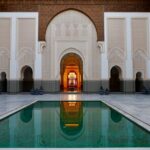
Cooking at a family home beats tours. This Marrakech cooking class takes you into a quiet neighborhood away from the tourist-zone chaos, with Yassine and Ayoub. You also start with a shopping trip so you know exactly what goes into your meal.
Two things I especially like: the spice education (including practical ways to buy without getting steamrolled in the market) and the hands-on meal choices. You pick one main dish—royal chicken pastilla, beef tagine, lamp tagine, chicken tagine, or tangia marrakshia—and you build a full Moroccan menu with salads and dessert.
One consideration: you’ll do this in a home-style setup and the class encourages eating with your hands, which may feel too casual for some people.
In This Review
- Key highlights at a glance
- A Marrakech cooking class in a quiet local neighborhood
- Getting there: meeting next to Le Notr Patisserie and a short taxi ride
- The first act: grocery shopping for spices, meat, and vegetables
- Welcome at the family house: warm, funny, and hands-on
- Your Moroccan menu choices: pastilla, tagines, and tangia
- How the choice affects the flavor day
- Inside the cooking: learning spices and technique from scratch
- The “waiting time” break: Moroccan tea or coffee with herbs
- Eating together: starter, hands-on main, and dessert
- Value for the money: what $35.32 buys you in Marrakech
- Who should book (and who might not)
- Quick practical tips before you go
- Should you book this Marrakech cooking class?
- FAQ
- How long is the cooking class in Marrakech?
- Where is the meeting point?
- What dishes can I choose from?
- What else is included besides the main dish?
- Is there coffee or Moroccan tea included?
- Is the class vegetarian or vegan friendly?
- Is there a group size limit?
- What is included for tickets and confirmation?
Key highlights at a glance
- Shop first, cook second: You walk through groceries and learn what to look for in spices, herbs, meat, and vegetables
- Pick your signature dish: Royal chicken pastilla or several tagine-style mains, plus tangia marrakshia
- Real family atmosphere: Yassine and his mother make it feel like you’re eating in their world, not performing for yours
- Tea and waiting time that matters: While your food cooks, you get Moroccan tea or coffee with herbs and Moroccan sweets
- A small group cap: Up to 20 people, so instruction feels closer than in bigger cooking setups
A Marrakech cooking class in a quiet local neighborhood
This experience is built around one simple idea: you get better Moroccan food when you see how it starts. Instead of only standing near a kitchen counter, you go to where the ingredients come from. That shift matters in Marrakech, because the city can feel loud and commercial fast. Here, you’re headed to a calmer part of town, in a family house setup, where the day moves at a comfortable pace.
It also helps that you’re not locked into one menu. You choose between several classics, so you can match your mood—something flaky and celebratory like royal chicken pastilla, slow-and-saucy comfort like tagines, or tangia marrakshia if you want something very Marrakechi.
One more thing I appreciate: it’s not just cooking theater. The class aims to teach you the why behind the flavors—how spices and herbs get used, how to buy them sensibly, and how to cook so the dish makes sense at the end, not only in the moment.
You can also read our reviews of more cooking classes in Marrakech
Getting there: meeting next to Le Notr Patisserie and a short taxi ride
Your day begins at the meeting point near Le Notr Patisserie. From there, you take a taxi to the family home for a 5€ ride. This is a helpful detail because it means you’re not expected to wander through Marrakech on pure instinct before you even start.
Logistically, it’s also designed to be easy to plan around. The activity notes that it’s near public transportation, and it ends back at the same meeting point. That kind of round-trip simplicity is worth something—especially in Marrakech, where crossing the city can add time and stress.
The first act: grocery shopping for spices, meat, and vegetables
The shopping spree is a big deal here, and not just because it adds fun. It’s the difference between buying random ingredients and understanding them.
You’ll buy what you need for the day: spices and herbs, plus the meat and vegetables for your chosen main and the sides. Since the class is explicitly about learning how spices work, seeing the ingredients in the market setting helps you connect names with smells, and smells with flavor.
You’ll also get guidance that goes beyond cooking. One of the best practical pieces from the experience is learning how not to get scammed in the market. That doesn’t mean you need to become a market expert overnight, but it does mean you walk away more confident when you’re out on your own afterward.
If you care about value, this part matters. Buying ingredients yourself usually costs time and effort. Here, the class turns that effort into part of the learning, and you still get to cook what you buy.
Welcome at the family house: warm, funny, and hands-on
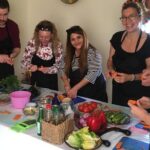
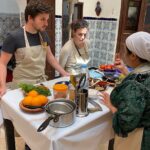
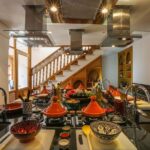
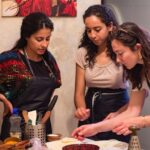
Once you reach the home, the tone changes from market hustle to kitchen focus. You’re welcomed as if you’re joining a Moroccan family meal day. Yassine and his mother are the core hosts—warm, easygoing, and very tuned in to keeping the experience moving.
This style is one of the reasons the class earns top marks. The warmth isn’t just about friendliness; it affects how comfortable you feel asking questions and trying steps yourself. You’re not passed off to a screen or a pre-recorded instruction. You’re walking through the process with support.
Another cultural note: the class includes learning the hang of eating with your hands. That’s not just a cute detail. In many Moroccan meals, eating with your hands is part of how the food is meant to be enjoyed. If you’re open to it, it makes the whole experience feel more complete.
Your Moroccan menu choices: pastilla, tagines, and tangia
Here’s the heart of the class: your main course choice. You can pick one from the menu list:
- Royal Chicken Pastilla
- Beef Tagine
- Lamp Tagine
- Chicken Tagine
- Tangia Marrakshia
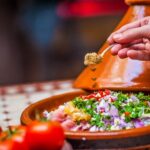
Alongside your main, you’ll make three cooked vegetables and salads. Your menu also includes a starter, a main course, and a Moroccan dessert.
What I like about this structure is that it covers a full Moroccan meal rather than only a single dish. Tagines are often the headline, but the sides and salads are where the meal becomes balanced—bright, herby, and grounded by the spice profile you’re learning.
A few more Marrakech tours and experiences worth a look

How the choice affects the flavor day
Even if you don’t know the differences, you’ll feel them in the process. Pastilla tends to be more layered and celebratory, while tagines usually lean on slow, saucy comfort. Tangia marrakshia points toward a Marrakechi identity, which is a strong reason to choose it if you want something less generic.
Inside the cooking: learning spices and technique from scratch
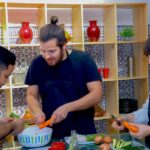
The class is built to walk you through cooking from the start. You learn the secrets of their cooking experience and follow the whole process step by step. That’s not the same as being told what to do while someone else cooks. The goal is for you to create the dish yourself—with guidance.
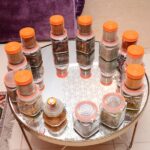
A major theme is spices. The class doesn’t just list ingredients; it teaches how they’re used. That’s useful even after the day ends. When you understand the role of herbs and spices in the flavor chain, you can recreate something similar later without guessing.
You’ll also get instruction on how to put the dishes together so you end up with a plate that makes sense as a Moroccan meal—not just a pile of components.
The “waiting time” break: Moroccan tea or coffee with herbs
While your food cooks, you don’t just sit there. You share a break that feels like part of the event.
You can enjoy a cup of coffee or Moroccan tea, with herbs from your choice, served with Moroccan delights. This matters more than it sounds. Cooking takes time. A good class treats that time like a conversation, not a delay.
It’s also a smart pacing tool. You get to reset your senses, sip something fragrant, and let the kitchen rhythm do its job. Then you return ready to finish and eat.
Eating together: starter, hands-on main, and dessert
Once everything is ready, you eat the meal you made. The class includes a starter, then your chosen main (pastilla or tagine or tangia style), then Moroccan dessert.
You’ll also practice eating with your hands, which is part of how the food is traditionally enjoyed. If you’ve never done that before, don’t panic. The point here is learning the feel of it during a guided, friendly meal—not doing it perfectly on your own at a restaurant later.
This shared meal is where the experience becomes more than a cooking lesson. It turns into a full family-style lunch or dinner format, and you leave with more than recipes. You leave with the memory of a real table.
Value for the money: what $35.32 buys you in Marrakech
At $35.32 per person for about 4 hours, this class sits in the mid-range. The value comes from what’s included beyond the cooking itself:
- you get market shopping for spices, herbs, meat, and vegetables
- you cook a full menu: starter + main + Moroccan dessert
- you also make three cooked vegetables and salads
- you get Moroccan tea or coffee with herb options and Moroccan delights
- the group is capped at 20 travelers, which helps with instruction
The practical catch is the 5€ taxi from the square to the house. Still, even with that extra, you’re getting a lot of structured time and food output for one set price.
If you like cultural food experiences where you learn plus eat, this is a strong bargain. If you only want a quick recipe and don’t care about spices or market sense, you might find the learning-heavy approach less aligned with your goals.
Who should book (and who might not)
This cooking class is a great fit if you want:
- a local, calm Marrakech experience that avoids the tourist churn
- to learn about spices and herbs in practical terms
- a menu that lets you choose between several Moroccan classics
- a small-group vibe with a real family focus
- a meal that includes more than one dish, plus tea and dessert
It may feel less ideal if you dislike:
- eating with your hands (it’s part of the plan)
- home-kitchen style setups
- a market segment that takes time before the cooking starts
Also, the class says vegetarian and vegan are welcome, which is a big plus for dietary flexibility. If you’re vegan or vegetarian, make sure you book with that in mind and be ready to follow the class direction for substitutions.
Quick practical tips before you go
A few choices can make your day smoother:
- Go in hungry. You’re cooking and then eating a full Moroccan menu.
- If you’re picky about textures or spicy food, let your hosts know early while the day is still being planned.
- Bring curiosity for spices and shopping. The market part is where you pick up the most lasting value.
- If you’re new to eating with your hands, treat it like a learnable skill, not a test.
Should you book this Marrakech cooking class?
I’d book it if you want a real Marrakech meal experience that goes beyond recipes. The combination of market shopping, spice instruction, and a full menu with tea and dessert makes it feel like more than a ticketed activity. Add the small group size and the family atmosphere with Yassine and his mother, and you get a day that feels personal without being complicated.
I’d skip it only if you want a purely hands-off experience or if eating with your hands would genuinely make you uncomfortable. Otherwise, it’s one of the smarter ways to spend a half-day in Marrakech—because you learn the ingredients and the mindset, not just what ends up on a plate.
FAQ
How long is the cooking class in Marrakech?
The experience lasts about 4 hours.
Where is the meeting point?
You start next to Le Notr Patisserie. The class ends back at the same meeting point.
What dishes can I choose from?
You can choose one main dish: Royal Chicken Pastilla, Beef Tagine, Lamp Tagine, Chicken Tagine, or Tangia Marrakshia.
What else is included besides the main dish?
Besides your main course, you’ll also have a starter, three cooked vegetables and salads, and a Moroccan dessert.
Is there coffee or Moroccan tea included?
Yes. While your dish is cooking, you’ll have coffee or Moroccan tea with herbs you choose, plus Moroccan delights.
Is the class vegetarian or vegan friendly?
Yes. Vegetarian and vegan are welcome.
Is there a group size limit?
Yes. The activity has a maximum of 20 travelers.
What is included for tickets and confirmation?
You get a mobile ticket, and you’ll receive confirmation at the time of booking. The experience is also noted as near public transportation.