REVIEW · CASABLANCA
Morocco One-Week Itinerary (7-Day Private Tour)
Book on Viator →Operated by Morocco Top Trips · Bookable on Viator
Seven days. One Morocco story.
This private route strings together Marrakech sights, Atlas passes, and an overnight in the Sahara around Erg Chebbi dunes. I like that the desert moment is built in the right way, starting with an early dune sunrise and ending with a starry camp night.
I also like the people side. The Morocco Top Trips team is known for quick, friendly coordination led by Mohammed, with guides such as Mr. Said and Hassan showing up in guests’ stories. Add in local guides in Fes and Marrakech, and the trip feels like it has real on-the-ground steering, not just a driver watching the clock.
One thing to consider: it’s a full itinerary with long driving days. Expect long stretches of road time, including roughly 7–8 hour travel segments, and plan for a moderate physical pace with early starts.
In This Review
- Key highlights you’ll feel fast
- Why this 7-day Morocco circuit works for first-timers
- Day 1: Marrakech arrival, hotel check-in, and Jemaa el-Fnaa orientation
- Day 2: Marrakech’s best monuments in one day (Koutoubia, Bahia, El Badii, Majorelle)
- Day 3: Over the High Atlas to Ait Ben Haddou and onward to Dades
- Day 4: Todra Gorge, Rissani fossils, and an Erg Chebbi camel trek night
- Day 5: Desert sunrise wake-up, then the long drive to Fes via Ziz and Ifrane
- Day 6: Fes medina walking with Bu Inania Mosque, madrassas, and Nejjarine Square
- Day 7: Free time based on your flight, plus one important timing rule
- Price and value: what you’re really paying for at about $2,086 per person
- What’s included vs. what you’ll plan for yourself
- Who this private tour fits best (and who should tweak expectations)
- Should you book this one-week private Morocco tour?
- FAQ
- What cities does this one-week private tour cover?
- Where do I start, and is pickup included?
- How long is the trip?
- Is the camel trek included?
- Are there overnight stays on the route?
- What meals are included?
- How long is the drive from the desert to Fes?
- What sightseeing is included in Marrakech and Fes?
- What if my flight leaves in the morning from Casablanca or Marrakech?
- Is there free cancellation?
Key highlights you’ll feel fast
- Sahara sunrise + camel trek at Erg Chebbi that’s timed for the light, not just a ride
- Local-guided medina time in Fes and Marrakech with focused stops like mosques, squares, and markets
- Ait Ben Haddou UNESCO kasbah experience via the High Atlas route
- Film-studio stop in Ouarzazate tied to famous movies shot nearby
- Dades and Todra gorges walks that trade city crowds for serious canyon scale
- Door-to-door airport transfers that reduce first-day stress
Why this 7-day Morocco circuit works for first-timers
This is the kind of trip that makes sense when you have limited time but want a real cross-section of Morocco. In one week you get medinas and souks, High Atlas mountain driving, kasbah culture, gorge hiking, the desert’s quiet drama, and then Fes, the country’s oldest imperial city.
The value is partly in logistics. You’re not piecing together buses, coordinating riad check-ins, or hunting down guides city-by-city. You get private transportation, airport transfers, and multilingual support. And in Marrakech and Fes, you also get private sightseeing with local guides, which is where many first trips either go right or fall flat.
The other value is pacing. Yes, you’ll ride in the car a lot, but the day structure is built around changing scenery. You’re not just driving; you’re driving between stops that have meaning: a UNESCO kasbah, dramatic gorge walks, and an overnight desert camp where sunrise is the point.
You can also read our reviews of more private tours in Casablanca
Day 1: Marrakech arrival, hotel check-in, and Jemaa el-Fnaa orientation
On day one, you arrive (either in Marrakech or Casablanca), meet the driver, and transfer to your riad or hotel in Marrakech. After you settle in, you get a short orientation sightseeing tour aimed at helping you get your bearings quickly.
Jemaa el-Fnaa is the headline stop. It’s one of those places where you feel Morocco before you even learn the street names: evening energy, food stalls, and a sense that the city runs on stories. You don’t stay for the whole night on this plan, but you do get the first taste and the layout of where things are.
What I like here is that it respects reality. Travel days can be messy. This itinerary gives you a relaxed first evening so you’re not forced into big museum schedules the moment you land.
Day 2: Marrakech’s best monuments in one day (Koutoubia, Bahia, El Badii, Majorelle)
After breakfast, the plan turns into a full Marrakech day focused on major historical and architectural sights. You’ll hit the core landmarks that define the city’s reputation as the Pearl of the South.
The morning is structured around big-ticket stops such as:
- Koutoubia Mosque (seen from the outside and as part of the city’s visual identity)
- Manara Pavilion with olive plantations nearby
- Saadian sultan tombs
- Bahia Palace and other palace architecture
- El Badii Palace
- Majorelle Gardens (a calmer pocket of color)
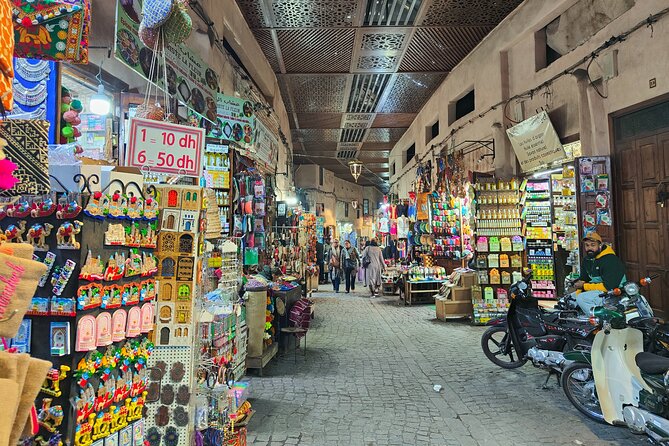
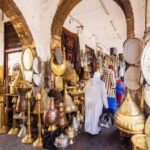
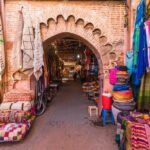
Then you shift after lunch to the market side. You’ll spend time at one of Marrakech’s most colorful souk areas, where the point isn’t shopping for shopping’s sake. It’s learning what you’re looking at—materials, craft types, and how stalls are arranged—so you don’t feel lost when you return later on your own.
Possible drawback: Marrakech can be intense. A full day of palaces and gardens plus market time means comfortable shoes matter, and you’ll want to pace water breaks. If you hate crowds, choose your moments and let the guided timing do the work.
Day 3: Over the High Atlas to Ait Ben Haddou and onward to Dades
This is the day where the itinerary earns its keep: you move from palace gardens to stone villages and canyon scale.
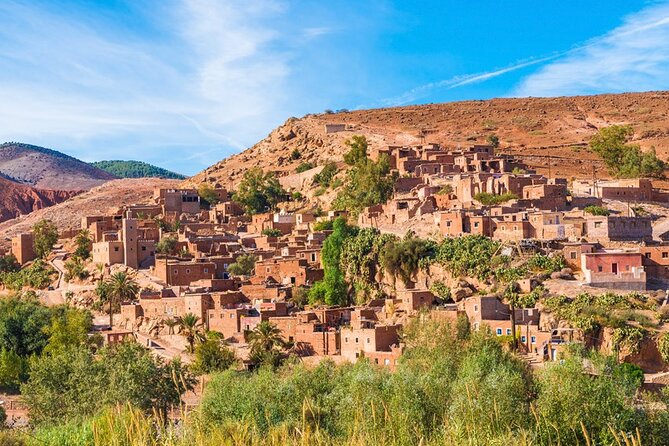
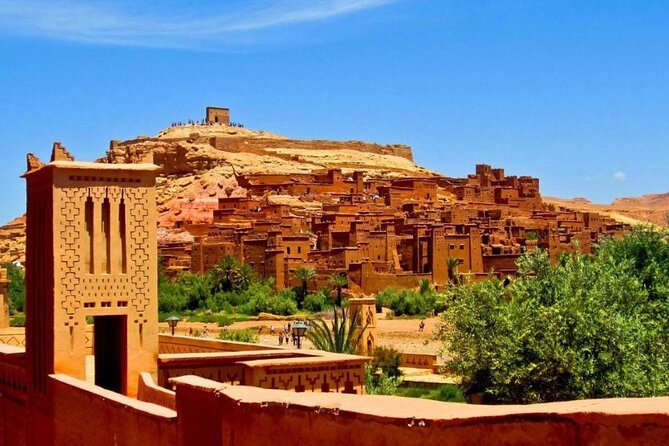
You drive via the High Atlas route through Tizi-n-Tichka, a key mountain pass with classic winding roads and big views. The main stop is Kasbah Ait Ben Haddou, a UNESCO World Heritage site and one of Morocco’s most recognizable kasbah scenes. It’s the kind of place where the architecture looks like it belongs in the landscape—because it does.
Then you continue to Ouarzazate, where the itinerary includes time at the area described as a large African filming studio. The itinerary specifically mentions famous productions shot there, including The Mummy, Gladiator, and Kingdom of Heaven. Even if you’re not a movie-set superfan, it helps you understand why the region shows up on film so often: the terrain is dramatic, and the kasbah style photographs well from many angles.
Lunch is taken in Ouarzazate, and you keep driving to Dades Gorges for the overnight stay. The plan includes dinner and breakfast at the hotel that night, which is a relief after a travel-heavy day. Between Ouarzazate and Dades, you also pass by Kelaat M’Gouna, known for its annual roses festival. Even if you’re not there during the festival dates, the stop adds character to the route.
Day 4: Todra Gorge, Rissani fossils, and an Erg Chebbi camel trek night
Day four blends canyon walking with desert transition, so you don’t go from mountains to sand in one jump.
First, you stop near the picturesque town of Tinghir for a panoramic photo amid a large palm oasis. It’s a quick win: a reminder that Morocco’s changes aren’t just in distance, they’re in agriculture and color too.
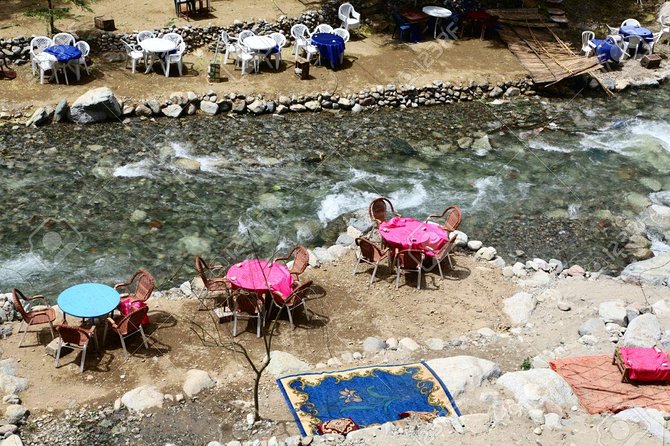
Then you visit Todra Gorge and walk along the gorge and river. This is where you feel the scale—tight canyon walls, cool shade when you’re inside the gorge, and a natural sense of space compared to city medinas.
After that, you head to Rissani, including a stop described as “the fossil factory,” where you can see fossils from the region. It’s not a long museum-style detour; it’s a roadside reality check that this area’s story runs deep in time.
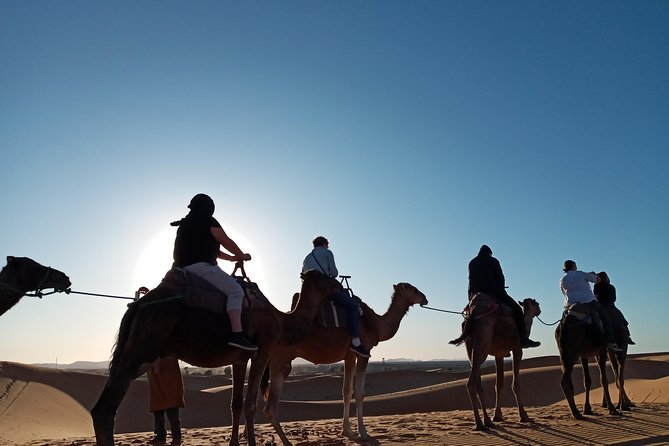
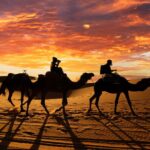
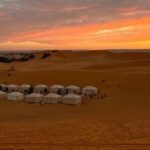
Finally, you reach Merzouga and start the camel trek among the dunes of Erg Chebbi, heading to a luxury desert camp for the night. This is where the itinerary becomes the classic Morocco memory: slow travel on sand, golden light, and a camp experience that’s designed around night in the desert—not just a quick ride and exit.
Practical note: camel treks aren’t for everyone. Keep expectations realistic, and let your guide set the pace.
A few more Casablanca tours and experiences worth a look

Day 5: Desert sunrise wake-up, then the long drive to Fes via Ziz and Ifrane
Your day starts early so you can see sunrise over the sand dunes. The itinerary calls out that you wake with the first rays of light, and that timing is a big deal. Desert sunrise isn’t just pretty; it’s cooler, quieter, and it gives you that slow, magical shift from night to day.
After breakfast, you depart for Fes, and this is one of the longer segments of the trip—around 7 hours of driving excluding stops. The route includes the Ziz River valley, described as one of the longest valleys in Africa. You’ll also stop in Midelt for lunch.
As you get nearer to Ifrane, you can admire Atlas cedar trees and, on the way to Azrou, you may feed friendly wild monkeys. That moment is short, but it’s memorable because it breaks the day’s rhythm with something immediate and playful.
Once you arrive in Fes, you’re not spending the rest of the day doing everything. You’re setting up for day six’s guided medina exploration, which is the right move. Long driving days need decompression time, even on a structured itinerary.
Day 6: Fes medina walking with Bu Inania Mosque, madrassas, and Nejjarine Square
Day six is about stepping into Fes as a living old city. You’ll do sightseeing in the cultural and religious capital of Morocco, focusing on the medieval medina atmosphere and the city’s Moorish architectural style.
Your guided route includes:
- Bu Inania Mosque
- Madrassas (Muslim universities)
- Nejjarine Square and a fountain
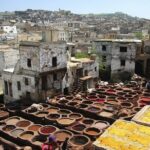
- Time in the handicraft quarters, where you can see leather and other crafts
What I like about this approach is that it’s not random wandering. Fes can be disorienting fast if you go in without structure. Here, the itinerary focuses on anchors: mosques, squares, educational buildings, and craft areas. That gives your brain something to connect to, so the medina becomes readable instead of just maze-like.
One consideration: expect a lot of walking on uneven streets. If you have mobility limits, you’ll want to manage the pace with your guide and plan breaks before you feel tired.
Day 7: Free time based on your flight, plus one important timing rule
Day seven is intentionally flexible. If your flight departure time allows it, you may have free time in Fes before heading to the airport.
There’s also a key rule: if your departure flight is from Casablanca or Marrakech in the morning, you’ll need to leave Fes the day before after the guided tour. That detail matters, because it affects how much time you get for last looks, shopping, or simply sitting in a café and watching the city move.
So I’d treat day seven as a planning day. Before you commit to activities, check your flight schedule closely and ask your driver-guide to confirm timing in advance.
Price and value: what you’re really paying for at about $2,086 per person
At $2,086.31 per person for a 7-day private tour, this is not a budget itinerary. But it also isn’t priced like a luxury-free-for-all. The value comes from what you’re buying:
- Private transportation for the whole route, including mountain and desert travel
- Airport transfers for arrival and departure
- Multilingual driver/guide
- Private sightseeing tours with local guides in Marrakech and Fes
- Camel trek in Erg Chebbi dunes
- 6 nights in good accommodations
- Breakfast for 6 days and 2 dinners
That’s a lot of “foundational costs” wrapped into one number. If you tried to build this yourself—private guides in two cities, desert camp logistics, and coordinated airport transfers—you’d likely spend hours negotiating and still end up paying similar totals once you add real guide time and transport.
What’s not included helps you plan: meals not mentioned, personal expenses, and drinks. In other words, you’re covered for the core meals and major experiences, but you should still budget for day-to-day spending.
What’s included vs. what you’ll plan for yourself
The itinerary is structured around included breakfast and two dinners, plus the major sights and transport. That means you’ll spend less time thinking about logistics and more time using your energy for actual Morocco moments.
Still, you should plan for the extras:
- Lunches and snacks unless the plan explicitly mentions otherwise
- Drinks throughout the trip
- Any personal purchases in souks and craft areas
If you want the smoothest trip possible, bring cash for small purchases and keep a bit of buffer in your budget for drinks and lunches. It’s the kind of small planning that keeps the day from feeling rushed.
Who this private tour fits best (and who should tweak expectations)
This tour fits best if you want a guided, efficient Morocco route with a desert night, and you don’t want to stitch together logistics across multiple cities.
You’ll likely enjoy it if you:
- Like seeing big highlights in a short window
- Are comfortable with long car days and early starts
- Want local-guided medina time in Fes and Marrakech
- Care about the desert experience being more than a day trip
You might want to adjust expectations if you:
- Hate driving time and prefer slow travel
- Need lots of downtime between major stops
- Have limited mobility for medina walking
The itinerary does note moderate physical fitness as a guideline, which is honest. The camel trek and walking stops are part of the experience, not optional add-ons.
Should you book this one-week private Morocco tour?
I think it’s a strong pick for a first Morocco trip, especially if your top goals include Marrakech, the High Atlas route, Ait Ben Haddou, gorge walking, and a real Erg Chebbi desert night with sunrise. The included private transport plus local guides in Fes and Marrakech is the big reason this works; it saves you from the typical first-time Moroccan “where do we go next?” stress.
Before you book, double-check your flight timing for the Fes-to-airport rule on morning departures from Casablanca or Marrakech. Also, be honest about car time. If that sounds like too much, you may prefer a slower itinerary with fewer transfers.
If you want a well-paced, highlight-heavy week with strong guiding support from a team known for responsiveness (including Mohammed, Mr. Said, and Hassan), this is the kind of plan that makes Morocco feel clear instead of chaotic.
FAQ
What cities does this one-week private tour cover?
It covers Marrakech, the Atlas Mountains route with stops like Ait Ben Haddou and Ouarzazate, Dades Gorges, Merzouga and Erg Chebbi desert, and then Fes, with airport transfers included.
Where do I start, and is pickup included?
The tour starts around 9:00 am, and airport pickup plus arrival and departure transfers are included.
How long is the trip?
It’s a 7-day private tour.
Is the camel trek included?
Yes. The itinerary includes a camel trek in the Erg Chebbi dunes.
Are there overnight stays on the route?
Yes. The tour includes 6 nights in good accommodations, including an overnight desert camp stay.
What meals are included?
Breakfast is included for 6 days, and dinner is included for 2 days. Meals not mentioned, personal expenses, and drinks are not included.
How long is the drive from the desert to Fes?
The drive to Fes is described as around 7 hours excluding stops.
What sightseeing is included in Marrakech and Fes?
Marrakech includes major sites such as Koutoubia Mosque, Bahia Palace, El Badii Palace, Saadian sultan tombs, Manara Pavilion, Majorelle Gardens, plus time in colorful market areas. Fes includes Bu Inania Mosque, madrassas, Nejjarine Square, a fountain, and handicraft quarters.
What if my flight leaves in the morning from Casablanca or Marrakech?
The plan says you may need to leave Fes the day before if your departure flight is in the morning from Casablanca or Marrakech.
Is there free cancellation?
Yes. You can cancel up to 24 hours in advance for a full refund.