REVIEW · OUARZAZATE
Marrakech: 3-Day Luxurious Desert Tour to Fes via Merzouga.
Book on GetYourGuide →Operated by Morocco traditional Travels · Bookable on GetYourGuide
That long stretch from Marrakech to Fes can feel huge. Yet this tour turns the road into the point, with Ait Benhaddou and the Sahara built into a smooth 3-day loop. Along the way, you’ll see Atlas passes, palm groves, and desert dunes, plus you get a guide like Omar or Mustapha who helps the scenery make sense.
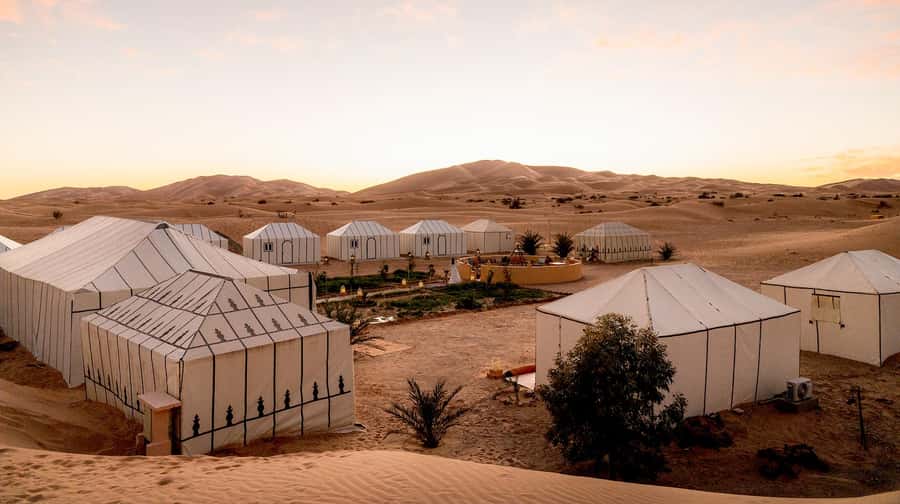
Two things I really like: the desert night is done in proper comfort for the category, including a luxury camp at Merzouga (private bathroom, shower, and hot water in the luxury option), and you’re not stuck doing one-time desert photos. You get a sunset camel ride into camp and an early desert sunrise, plus extras like sand-boarding and a Berber music show.
One drawback to consider is the time in the van. You’re looking at about 5h 30min on Day 1, 4h 45min on Day 2, and 7h 15min on Day 3, so it’s not for people who hate long drives. If you’re traveling in winter, pack warm layers too, because the desert cools down fast.
In This Review
- Key highlights to know before you go
- Why this Marrakech to Fes route feels like a proper journey
- Day 1: Atlas passes, Ait Benhaddou, Ouarzazate, and Dades Valley
- Day 2: Todra Gorge cliffs, Merzouga dunes, and a luxury camp under real stars
- Day 3: desert sunrise, cedar-forest monkeys, and arriving in Fes
- Luxury camp and guesthouse comforts: what you actually get
- The guide makes the difference on this long road trip
- Pace, food, and timing: how to avoid the common annoyances
- What to pack (and what the tour forbids)
- Costs and extras: what you’ll pay on top
- Who should book this tour (and who should skip it)
- Should you book this Marrakech: 3-Day Luxury Desert Tour to Fes via Merzouga?
- FAQ
- How long is the tour and where does it start and end?
- What does the tour include for meals?
- Is hotel pick-up and drop-off included?
- Do I get a camel ride and sand-boarding?
- What kind of accommodation do you get in Merzouga?
- Are there entry fees or extra guides needed at Ait Benhaddou?
- Is there Wi-Fi and air-conditioning?
- What languages are offered?
- What should I bring and what isn’t allowed?
- Can I cancel for a full refund?
Key highlights to know before you go
- Luxury Merzouga camp with private bathroom and hot water in the luxury option
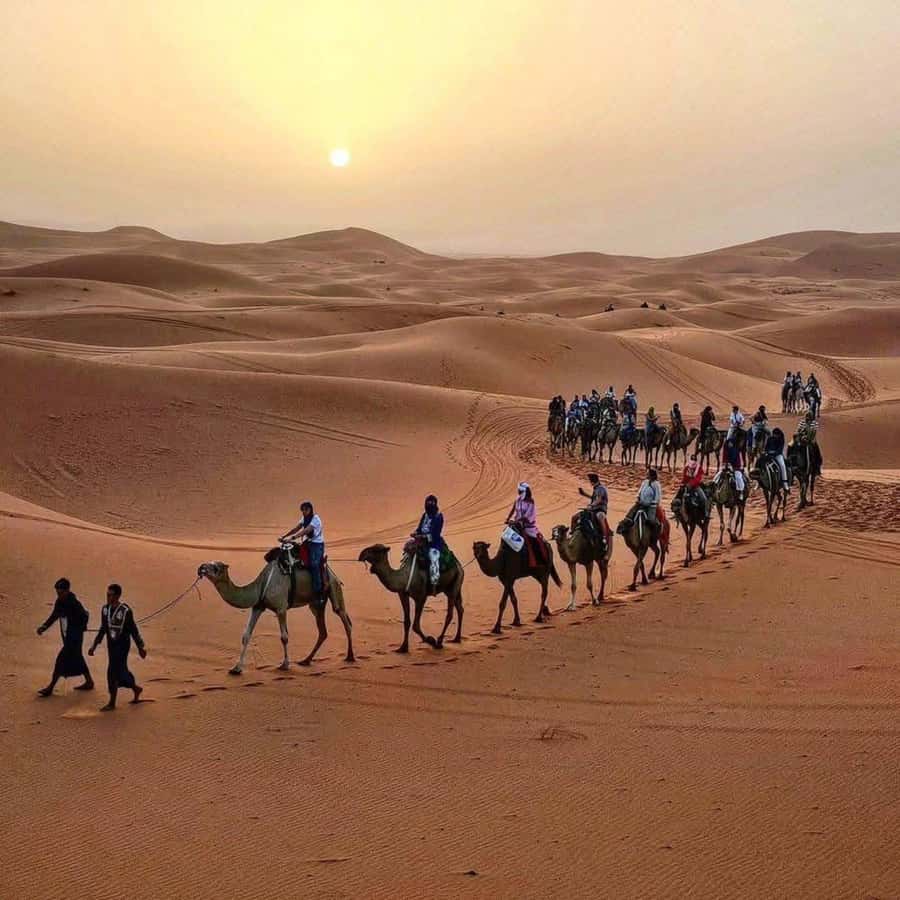
- Camel rides at sunset and sunrise plus sand-boarding in the dunes
- UNESCO-listed Ait Benhaddou with film-location energy and great photo angles
- Todra Gorge viewpoints where cliff walls and clear water steal the show
- Middle Atlas stops for Barbary macaques and cedar-forest views
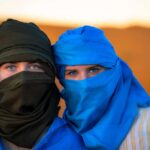
- Guide-driven culture moments like Berber music, henna, and trying traditional clothing
Why this Marrakech to Fes route feels like a proper journey
A lot of Morocco itineraries treat the Sahara like a quick stop. This one treats it like the main event, and it earns that spotlight by building in variety. You start with Marrakech energy, swap to Atlas mountain roads, then shift to kasbah and desert culture, and finally roll into Fes with Middle Atlas nature stops along the way.
What makes the route work for most people is the rhythm. You get long travel segments, yes, but they’re broken up with purposeful stops: the UNESCO kasbah, the canyon at Todra, the dune sunset, then the sunrise, fossils and palm groves, cedar forests, and finally Ifrane before reaching Fes. It’s a road trip that still feels structured.
A few more Ouarzazate tours and experiences worth a look
Day 1: Atlas passes, Ait Benhaddou, Ouarzazate, and Dades Valley
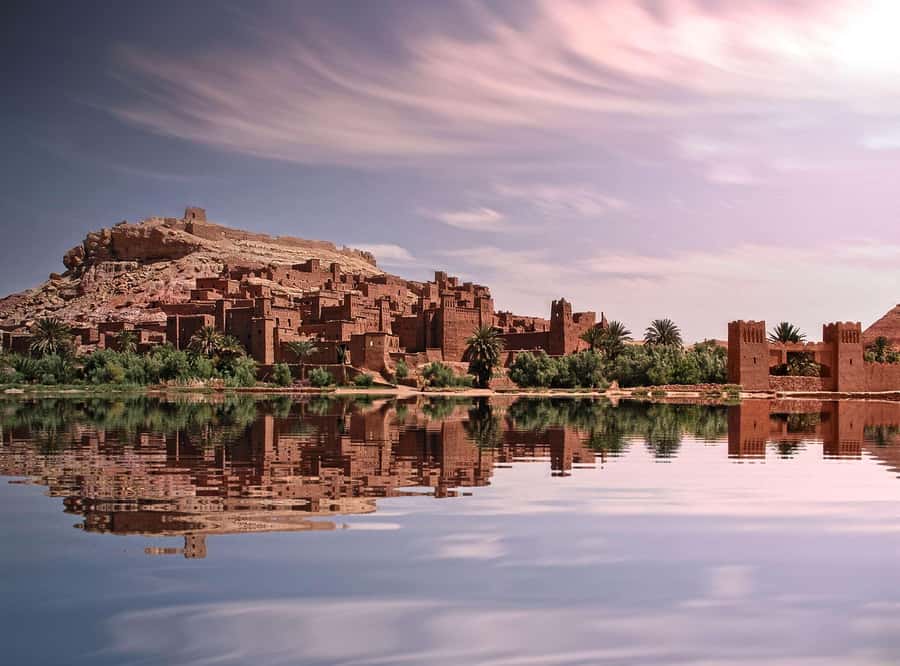
Day 1 is where Morocco starts feeling epic. You leave Marrakech and cross the High Atlas Mountains via the Tizi n’Tichka pass, with panoramic views that make the climb feel worth it. Even if you’re not a big “scenic drive” person, this is one of those segments where you’ll understand why people keep coming back.
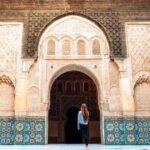
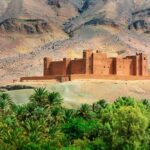
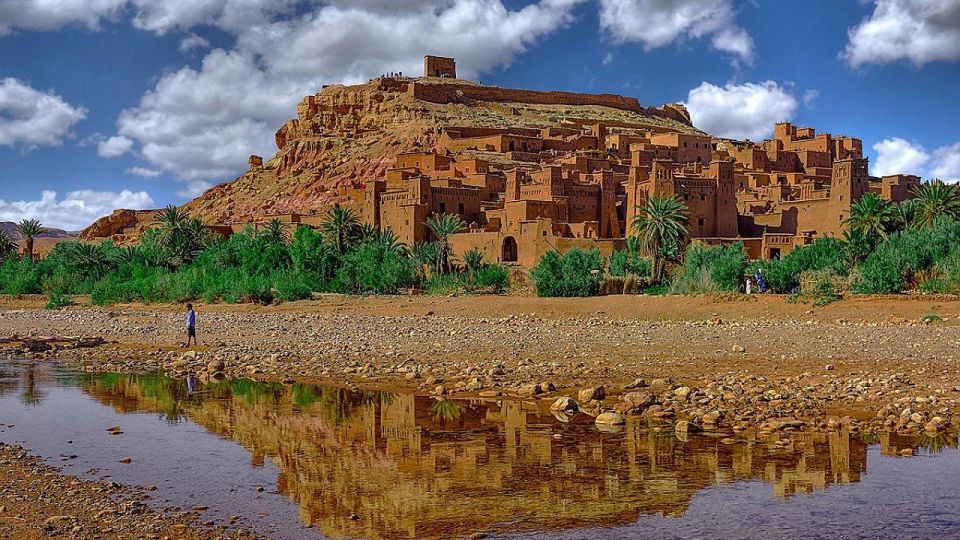
Next you visit Ait Benhaddou Kasbah, UNESCO-listed and famous as a film backdrop. It’s not just a pretty set piece. The kasbah layout and earthen architecture help you picture how communities used to live and defend themselves in harsh terrain. If you like history that you can actually walk through, this stop lands well.
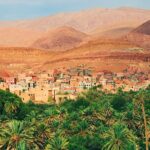
Then it’s on to Ouarzazate, nicknamed the Hollywood of Africa. You’ll pass through Skoura’s palm groves, which act like a visual breather between big-ticket sights.
In the evening, you arrive in Boumalne Dades for the night at a traditional Amazigh guesthouse. One detail I love here: there’s a swimming pool on the first day. After hours on the road, it’s a simple way to reset before tomorrow’s gorge and dunes.
Practical note: Day 1 is a lot of motion, so bring snacks if you’re the kind of person who gets cranky between toilet stops. One good tip that keeps coming up is not to rely on lunch stops being great or cheap.
Day 2: Todra Gorge cliffs, Merzouga dunes, and a luxury camp under real stars
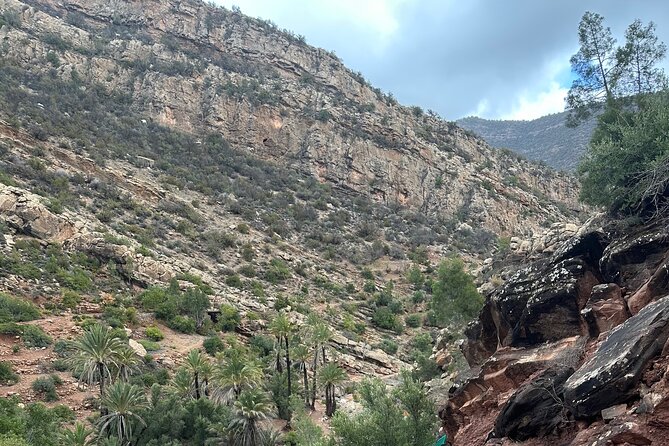
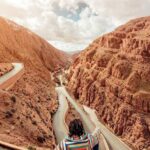
Day 2 starts with the Todgha/Todra Gorge area, where tall limestone cliffs meet clear water. This is one of those places where you don’t need a guide to know it’s impressive. You’ll get viewpoints and walking paths that feel built for photos, but also for just standing and soaking in the scale.
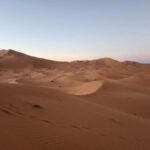
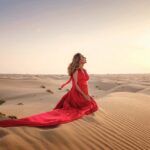
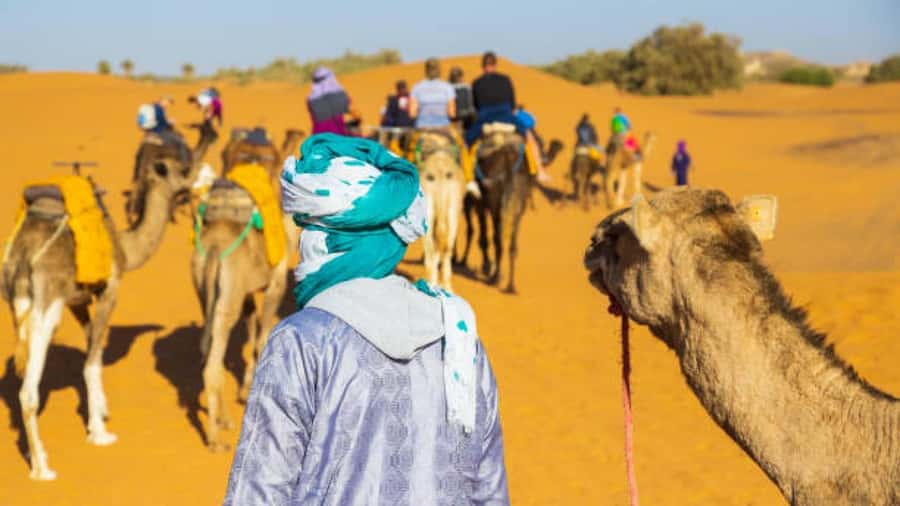
After that, you continue toward Merzouga, where the desert takes over the view. The big moment is the camel ride across the golden dunes at sunset. A camel ride isn’t just a cute activity here. It’s the transition tool: you go from towns, trees, and road sounds to silence and horizon lines. It changes the mood fast.
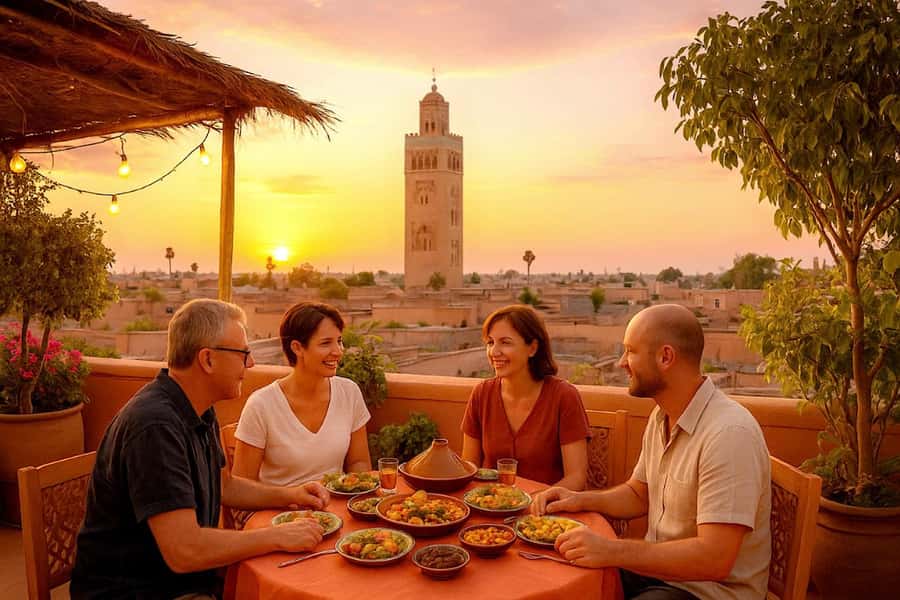
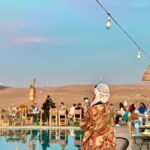
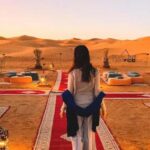
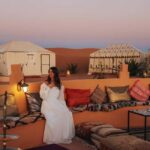
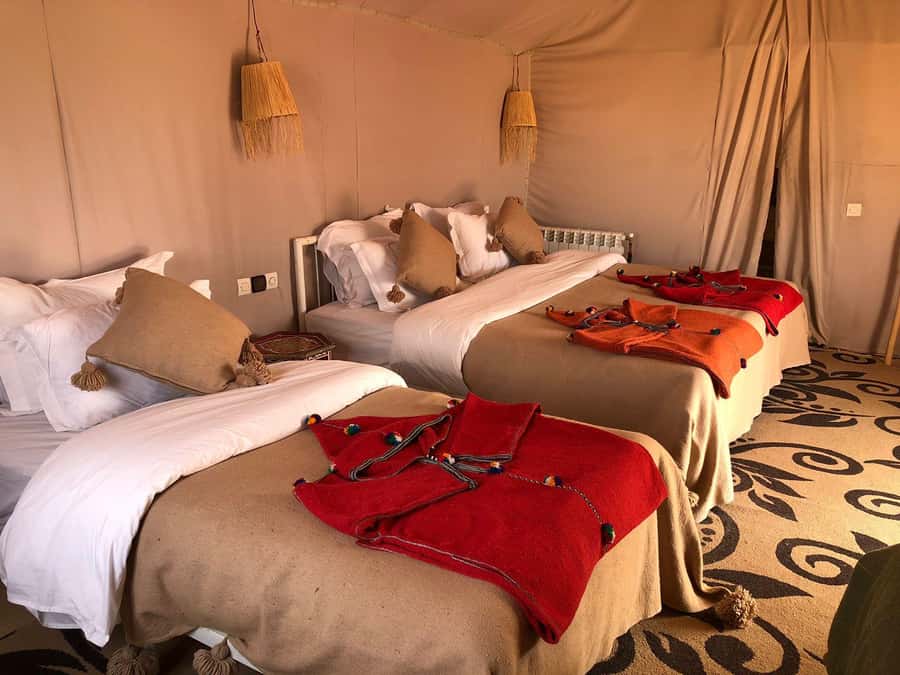
Then you sleep in the luxury camp. Expect a traditional Moroccan dinner, local music, and time to stargaze by the campfire. This is where the “premium” part matters. The luxury camp is described with private bathrooms, showers, and hot water in the luxury option, which makes a huge difference after a day of dust, walking, and cold-night air.
You also get sand-boarding in the dunes, which is a fun add-on if you want something more active than just watching sunsets. And yes, you’ll want warm layers. Even when days feel mild, desert nights can turn chilly quickly.
One small caution from experience-style feedback: not every camp setup is perfect. I’ve seen notes about toilet flush issues in at least one instance, so if comfort is your top priority, keep expectations flexible and consider bringing a small pack of tissue/wipes for backup.
Day 3: desert sunrise, cedar-forest monkeys, and arriving in Fes
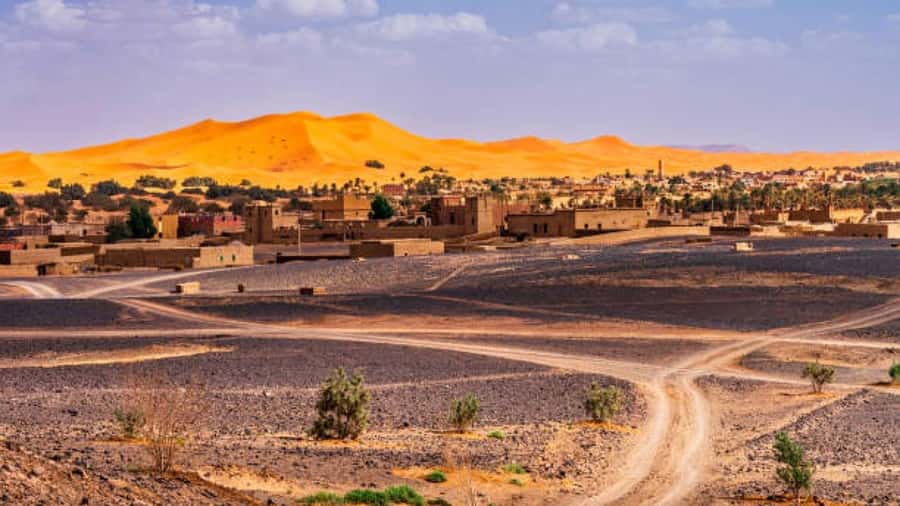
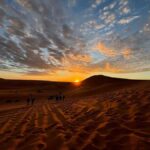
If you only remember one moment from this tour, it might be the desert sunrise. You start the day in Merzouga with the early morning light hitting the dunes, then you head out. This is also one of the best times for your camera, because the sky and sand textures look completely different than they did the night before.
You’ll then travel through Erfoud, known for fossils, and continue via the Ziz Valley, with palm groves that break the monotony of driving through open terrain.
Next comes the Middle Atlas stretch. You stop in Azrou’s cedar forests to spot Barbary macaques. This is a nice change of pace from desert imagery. Cedar trees add shade and a different smell to the day, and the chance to see monkeys in the wild-style setting feels like an extra “Morocco bonus stop” rather than a random drive-by.
Then you visit Ifrane, often called Little Switzerland. It’s not that it’s literally Swiss, but the town’s feel and architecture are distinct compared to the rest of the trip. It’s a pleasant visual shift right before the arrival in Fes.
Finally, you arrive in Fes, where the tour concludes. After two long travel days, reaching the city feels like a payoff: you’ve spent the journey in mountain roads and desert edges, and now you land somewhere you can slow down again.
Luxury camp and guesthouse comforts: what you actually get
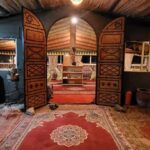
This tour doesn’t just promise comfort in words. The “luxury” piece is tied to practical things you’ll notice: washing, hot water, and a private bathroom option in the Merzouga camp for the luxury version. After camel rides, sand, and long travel days, that matters more than you’d think at booking time.
You also get daily rhythm support:
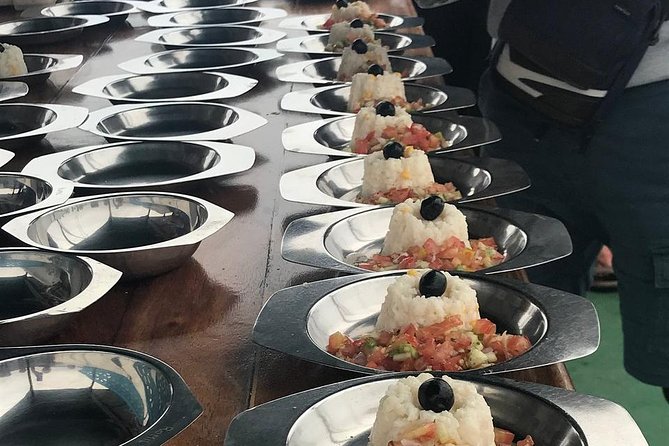
- Guided meals: 2 Moroccan breakfasts and 2 Moroccan dinners are included, with a vegetarian option for dinners.
- Entertainment built in: Berber music is part of the desert camp night.
- Luggage handling: there’s secure luggage storage and handling, so you’re not dragging bags around camp.
Also, there are pools planned: one on Day 1 at the hotel, and one after lunch on Day 2. That’s a nice quality-of-life detail for a tour where most of your day is outside the car.
If you’re the kind of traveler who equates “luxury” with hotel-grade consistency, you should still remember you’re sleeping in the desert. I’d frame it as comfort for this setting, not the same as a city resort. But for many people, it’s the right balance: you get a memorable desert experience without giving up basic comfort needs.

The guide makes the difference on this long road trip
On a 3-day tour with hours in transit, your guide isn’t just explaining things. They’re shaping how you experience the whole journey: pacing, timing, cultural context, and whether you feel looked after.
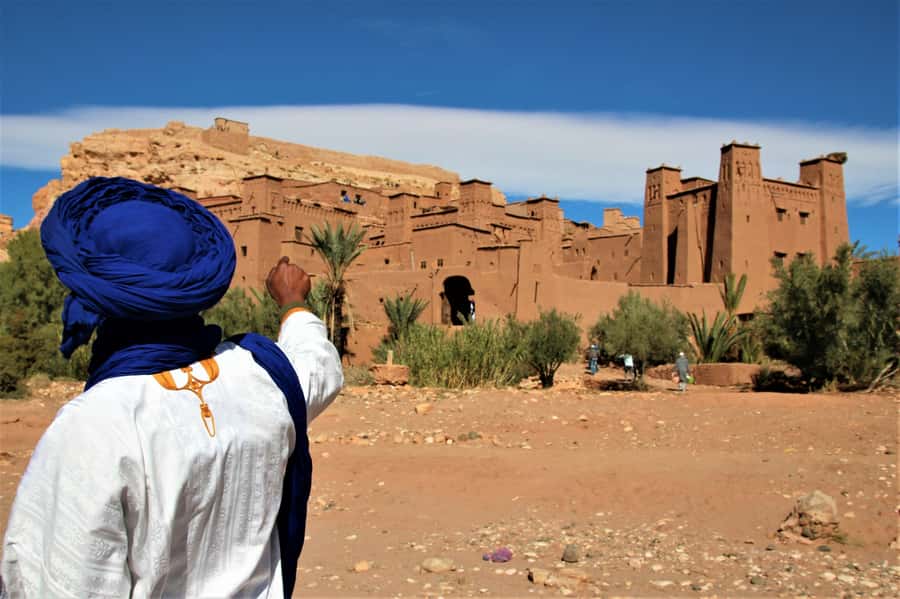
You’ll hear different names across bookings, and they all show a similar pattern: helpful, careful, and willing to answer questions. Some examples you might see associated with this tour include Omar, Mustapha, Mohamed (and guides named Mohammed el qayed and Yusuf), plus drivers like Dawd and David. People also call out guides such as Badr and Zaid for attentiveness, and Simo for friendliness.
What I’d look for in your own decision: a guide who does more than read a script. The most satisfying trips are the ones where you learn why a stop matters. Here, the added cultural moments—Berber music, henna, and trying traditional clothing—make the itinerary feel human instead of like a checklist.
And yes, being able to communicate helps. The tour includes live guidance in English, French, and Spanish, plus audio support in the same languages.
Pace, food, and timing: how to avoid the common annoyances
Let’s talk about the part nobody puts in the brochure: the car time. Day 3 in particular is long, roughly 7h 15min from Merzouga toward Fes. That’s not automatically bad. Long drives can be fine when you’re busy with views and your guide keeps breaks frequent.
The practical difference comes down to breaks and food. Lunches aren’t included, and drinks aren’t included either. Some feedback mentions that lunch stops can feel overpriced or just okay, so if you’re picky about food or want to save money, plan ahead with snacks. Even a simple snack strategy keeps the day smooth.
Also, pack for weather swings. The desert can feel comfortable in the daytime and colder at night. Warm layers were specifically called out as a must in colder seasons, and it makes a big difference once you’re outside near campfires for the evening.
What to pack (and what the tour forbids)
This tour is straightforward about essentials, which I appreciate. Bring:
- Passport or ID card
- Sunglasses
- Camera
- Biodegradable sunscreen
And don’t forget a practical clothing plan for desert temperatures—especially if you’re going in winter. Warm layers make the camp night and early morning much more enjoyable.
Not allowed:
- Smoking in the vehicle
- Firework use
- Nudity
Costs and extras: what you’ll pay on top
The stated price is $102 per person, which is unusually competitive for a 3-day route that includes transportation, multiple meals, a desert camp night, camel rides, and a packed cultural itinerary.
Still, you should know what’s not included:
- Lunches
- Drinks
- Cinema tickets (if you’re interested in the studio visit)
- A local guide fee in Ait Benhaddou Kasbah: 2€ per person
- Quad biking in the Sahara: listed as 50£ single and 60£ double
Then there’s the “included but optional-feeling” part: things like sand-boarding and camel rides are included, but you can choose how much you want to do in between. If you want maximum activity, bring your energy. If you want photos and rest, you’ll still have plenty of downtime moments.
Who should book this tour (and who should skip it)
This tour fits best if you want:
- A classic Morocco route without the stress of planning connections
- Desert time with comfort upgrades, not just a one-night budget camp
- A mix of history (Ait Benhaddou), nature (Todra Gorge and cedar forests), and culture (Berber music and craft touches)
It’s not suitable for people with mobility impairments, based on the provided details. Also, if you hate long driving days, you might find the schedule tiring.
If you’re traveling as a couple, friends, or a solo traveler who likes small-group or private-style attention, this is a strong match. People also describe the experience as organized with plenty of stops for leg stretches, toilets, and photos, which is exactly what you want on a multi-day road trip.
Should you book this Marrakech: 3-Day Luxury Desert Tour to Fes via Merzouga?
I’d book it if you’re aiming for a “big Morocco experience” in three days and you want the Sahara to feel special rather than rushed. The combination of Atlas scenery, UNESCO kasbah time, Todra Gorge, sunset and sunrise camel moments, and a luxury camp night gives you variety and emotional payoff.
I’d think twice if:
- You really don’t want long van days (the total driving is a lot)
- You’re very sensitive to comfort variations in remote settings
- You travel in colder seasons and expect to be warm without packing layers
If that sounds like you, then you can still make it work. Just pack smart, plan for lunches and drinks, and treat the ride times as part of the story. Morocco rewards patience on the road—and this itinerary is built to help you enjoy it.
FAQ
How long is the tour and where does it start and end?
It lasts 3 days, starting in Marrakech and ending in Fes.
What does the tour include for meals?
It includes 2 Moroccan breakfasts and 2 Moroccan dinners. Vegetarian options are available for the dinners. Lunches are not included, and drinks are also not included.
Is hotel pick-up and drop-off included?
Yes. The tour includes hotel pick-up and drop-off.
Do I get a camel ride and sand-boarding?
Yes. You’ll do a camel ride in the golden dunes to and from the camp, and sand-boarding is included.
What kind of accommodation do you get in Merzouga?
You spend 1 night in a luxurious desert camp in Merzouga. In the luxury option, private bathrooms with shower and hot water are available.
Are there entry fees or extra guides needed at Ait Benhaddou?
A local guide in Ait Benhaddou Kasbah is not included and is listed as 2€ per person.
Is there Wi-Fi and air-conditioning?
Yes. Transportation is air-conditioned and there is onboard Wi-Fi.
What languages are offered?
The live guide is available in English, French, and Spanish. Audio support is also included in English, French, and Spanish.
What should I bring and what isn’t allowed?
Bring passport or ID card, sunglasses, a camera, and biodegradable sunscreen. Smoking in the vehicle is not allowed, and fireworks and nudity are also not allowed.
Can I cancel for a full refund?
Yes. Free cancellation is offered up to 24 hours in advance for a full refund.