REVIEW · MARRAKECH
Combined Tour: Atlas Mountains Trek and Sahara Desert 5 days Tour
Book on Viator →Operated by Toubkal Guide · Bookable on Viator
Toubkal climbs and desert nights, five days. This Morocco combo tour takes you from Imlil high in the High Atlas to the Erg Chebbi dunes for a Berber tent night under the stars.
What I like most is how much is already handled for you. You get a small group (up to 8 people), plus accommodation and meals built into the plan, so you’re not juggling where to sleep or what to eat after a long day.
The one thing to weigh: the driving days are long. You’ll spend hours in the vehicle crossing major routes like the Tizi n’Tichka Pass, and lunches and drinks are not included, so plan around that if you want more control.
In This Review
- Key points worth knowing
- Why This Atlas-to-Sahara Route Makes Sense
- Days 1–2: Imlil to Toukbal Refuge and the Summit Attempt
- Day 3: Tizi n’Tichka Pass, Ait Ben Haddou, and the Dades Valley Break
- Day 4: Todra Gorge Then Erg Chebbi Dunes and Berber Tent Night
- Sleeping in Berber Tents: Sunrise Time and a Different Kind of Quiet
- Day 5: The Long Drive Back to Marrakech (and How to Handle It)
- Price, Value, and What Your Money Covers
- Who This Tour Fits Best (and Who Should Think Twice)
- What to Pack and How to Prepare Without Overthinking
- Should You Book This Atlas Mountains Trek and Sahara Desert 5-Day Tour?
- FAQ
- What is the duration of this tour?
- Where does the tour start, and what time does it begin?
- What is included in the price?
- Are lunches and drinks included?
- How large is the group?
- Can I cancel and get a full refund?
Key points worth knowing
- Toubkal summit attempt starts with a steady climb from Imlil and a first-night stop at Toukbal Refuge (3206m)
- Berber culture is more than scenery, with time in mountain villages and a real night in tented camp
- Ait Ben Haddou + Todra Gorge give you cultural and dramatic variety between trekking and dunes
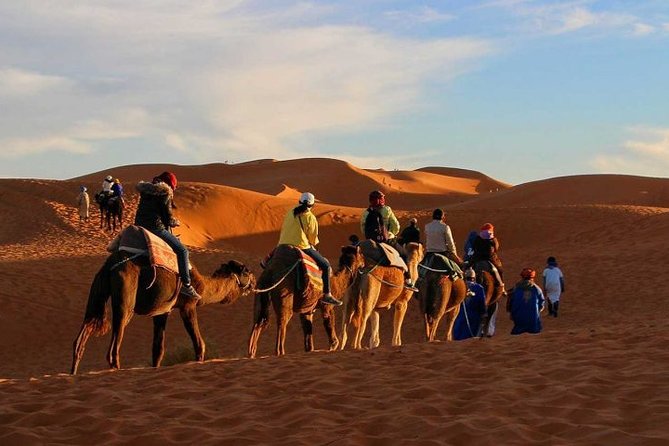
- Erg Chebbi timing matters: you arrive around 4 pm, ride camels into the dunes, then watch sunrise the next morning
- Max 8 travelers keeps it personal for both mountain hiking and desert logistics
- Meals are mostly covered (4 breakfasts, 4 dinners, 2 lunches), which helps a tight schedule
Why This Atlas-to-Sahara Route Makes Sense
This tour is built around a simple idea: do the hardest part early, then let Morocco’s variety roll in around you. Day 1 and 2 are all about the High Atlas climb and the summit attempt of Jebel Toukbal (Toubkal). After that, the experience shifts into travel momentum: high passes, UNESCO-linked Kasbah scenery at Ait Ben Haddou, and dramatic canyon time at Todra Gorge before you drop into the desert.
For you, that means you’re not bouncing randomly between places. You hike first while you’re fresh, then you travel with the fatigue already in your bones. That order matters. Walking uphill for hours is one kind of effort. Sitting in a vehicle for hours is another. This itinerary makes sure the big physical ask comes before the long road.
It also helps that the operator keeps group size tight. When you’re near the snowline and the trail narrows, it’s easier to manage pace and safety with fewer people. When you’re doing a camel ride and switching to camp life, it’s less chaotic, too.
You can also read our reviews of more hiking tours in Marrakech
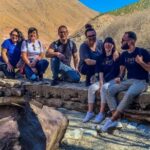
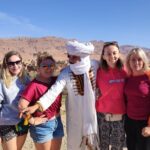
Days 1–2: Imlil to Toukbal Refuge and the Summit Attempt
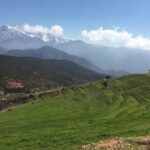
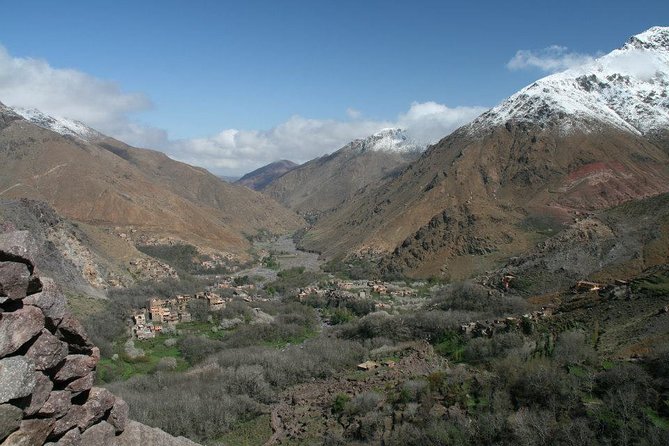
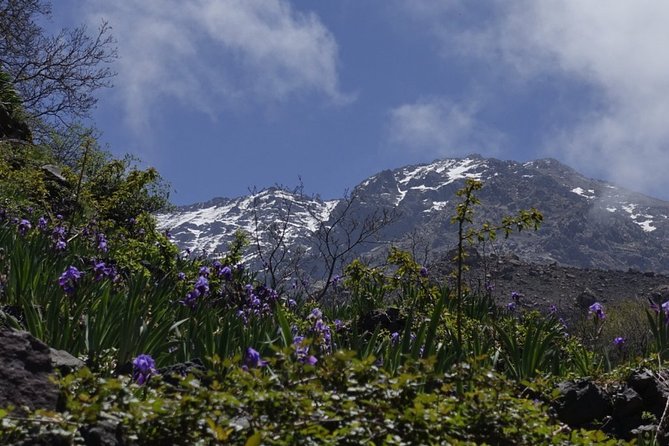
You start in the small village area of Imlil. From there, you begin a steady ascent that snakes upward in zigzags toward the snowline. The first night stop is Toukbal Refuge at 3206 meters. The itinerary lists about 8 hours for the climb, which is a serious day even if you’re fit.
Here’s the part you should plan for: altitude and temperature can change your comfort fast. Even if the main weather is mild, the climb is slow and your body works hard. You’ll be better off if you dress in layers you can adjust. Bring or wear breathable hiking shoes you trust. A lot of people think of Toubkal as a single peak day. In practice, Day 1 is the foundation: if you manage effort well, Day 2 feels possible.
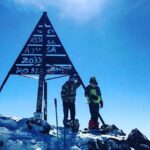
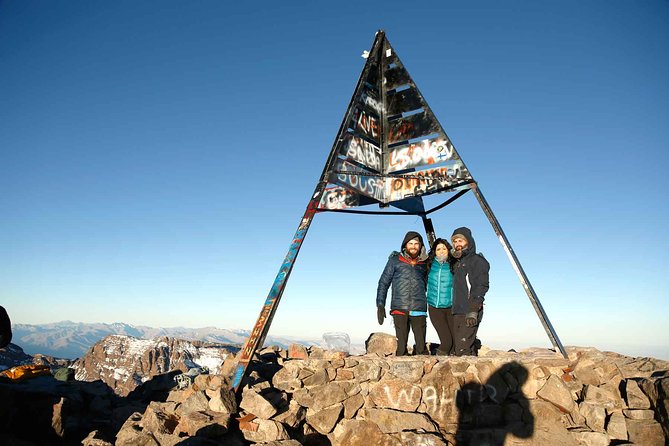
Day 2 is an early morning summit attempt on Jebel Toukbal, the highest peak in Northern Africa. The payoff is the summit vista: wide views across the surrounding terrain, with that feeling that you’re standing above everything else in the region. The plan then brings you back down to Imlil for the night in a guesthouse, and the itinerary lists 8 hours again.
Also note the real-world rhythm: the itinerary says attempt the summit. That matters because conditions and pace can change outcomes. In past experiences with this operator, guides like Moha, Abdul, and Ibrahim are often singled out for helping hikers make smart calls and keep moving at a pace that matches the group. That kind of decision-making is what you want on summit day, because it’s not just about willpower.
Practical tip: if you want your best shot at the top, you’ll do best with a calm start and steady breathing on the ascent. Save your sprinting for the moments you need it, not the whole mountain.
Day 3: Tizi n’Tichka Pass, Ait Ben Haddou, and the Dades Valley Break
After breakfast you leave Imlil and switch from boots to seats. The big highlight here is crossing the Tizi n’Tichka Pass in the High Atlas. This route is one of the main reasons the tour feels like more than a hike-and-go. It turns the day into a moving panorama of mountain roads, switchbacks, and changing air.
The itinerary also builds in a stop at Kasbah Ait Ben Haddou on the way to Dades. Even if you’ve seen photos, it’s one of those places that hits different in person because you’re standing in the living geometry of the kasbah. The buildings are built to match the land and the climate. You get a feel for how communities have lived in this kind of terrain for generations.
Overnight is in Dades. That’s a smart staging choice because it keeps the next day focused. Todra Gorge and Erg Chebbi are the kinds of stops that reward a clear mind, not a late-night struggle to find dinner or sleep.
What you’re really getting on Day 3 is variety without adding extra planning tasks. You don’t have to figure out road timing, tickets, or where to break. And since the tour includes an air-conditioned vehicle, you have a small comfort buffer during the long drives.
Day 4: Todra Gorge Then Erg Chebbi Dunes and Berber Tent Night
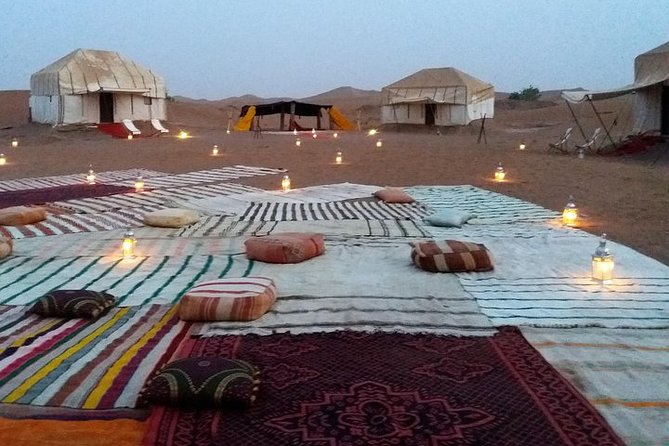
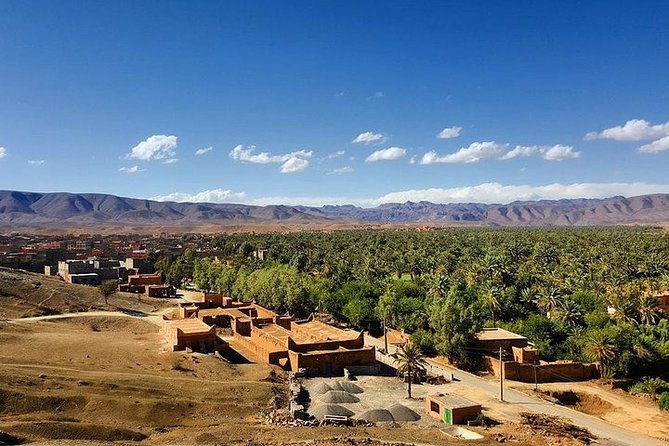
Day 4 is a hinge between Morocco’s mountains and its desert mood. You’ll head to Todra Gorge, with a short stop along the way, then continue on to Erg Chebbi dunes. The schedule says you arrive around 4 pm, then you get a break before the camel ride.
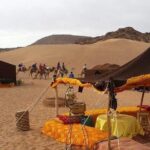
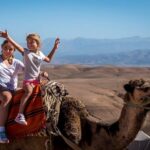
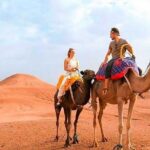
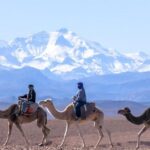
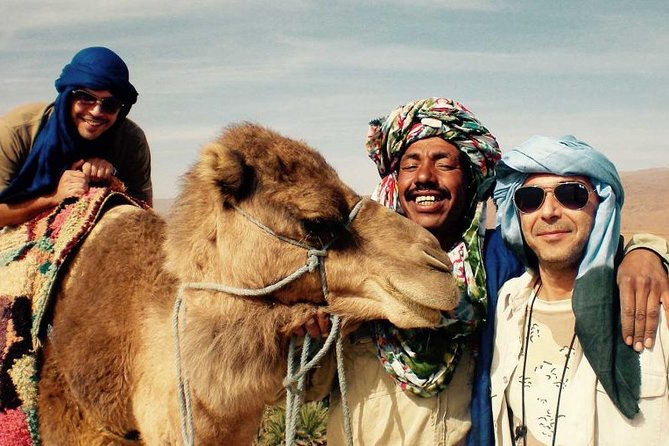
That camel ride is a key moment. You don’t just see dunes from a viewpoint and leave. You ride into them and spend the night in Berber tents. The itinerary lists B/D for this day, so you get dinner as part of the camp experience.
Why the 4 pm arrival is useful: it gives you enough light to feel the desert change from late afternoon. You get the sense of scale before the sun drops. You’re also not rushing straight into darkness. This matters for comfort, because desert nights can feel colder than you expect if you come from city weather.
On the drive and transitions, strong driver support can make a big difference. People who’ve done multi-day trips with this operator often praise drivers like Jamal for being calm and safe, especially on narrow mountain roads and during heavy Marrakech traffic. That’s not just a nice-to-have. It helps you arrive at the next stop with less stress, and you’ll feel it once you’re on a schedule that includes camels and camp setup.
Practical tip: pack a light layer for camp and consider what you’ll want after the camel ride. The day is partly travel, partly walking, and partly stillness in a tented setting.
Sleeping in Berber Tents: Sunrise Time and a Different Kind of Quiet
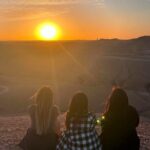
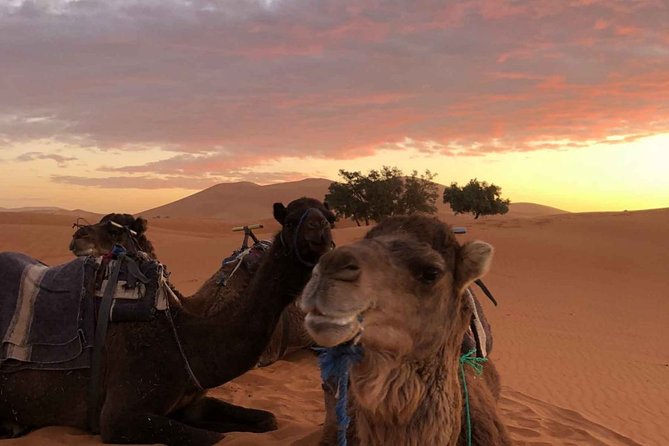
The camp setup is designed around one simple goal: you get desert time without cutting the night short. After camel rides and dinner the first night, the next morning begins with a sunrise moment and breakfast at the camp site.
The itinerary then says you ride the camels back to the auberge and start the long return drive to Marrakech. In other words, you’re not only paying for a photo moment at the dunes. You’re getting that slow shift from dark to light, plus a morning routine that feels different from urban mornings.
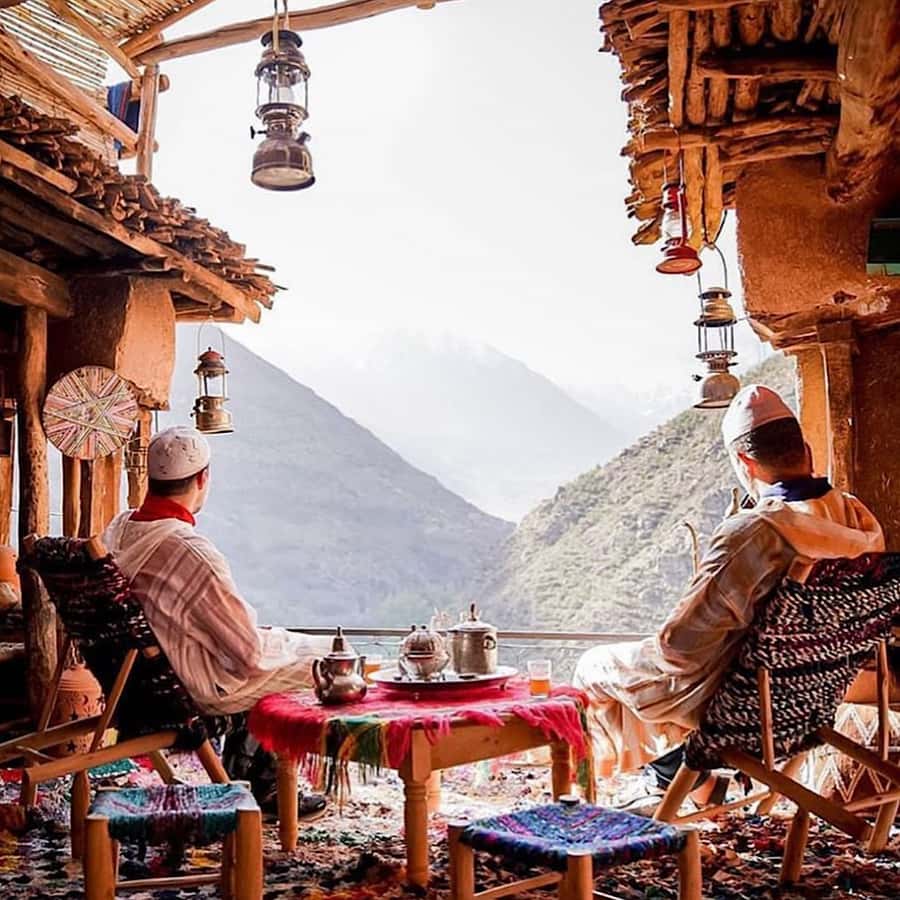
In many Moroccan desert experiences, the biggest value is the change in pace. At night, there’s less noise and fewer distractions. You’re surrounded by the sand forms and the quiet that comes with being far from cities. If you like stargazing or you just like having time to look up, this part delivers.
If you’re comparing options, this tour is appealing because the tent night and camel ride from and back to camp are included. That removes the common hassle of trying to piece together a desert camp experience separately. Also, because the tour includes dinners and breakfasts for the days that matter, you spend less mental energy planning food at the exact moments you’ll want to relax.
A few more Marrakech tours and experiences worth a look

Day 5: The Long Drive Back to Marrakech (and How to Handle It)
Your final day is a “get your legs back, then spend the day in motion” scenario. After sunrise and breakfast, you return by camel, then you’re in the vehicle for a long drive back to Marrakech, again via Tichka Pass.
The itinerary lists 10 hours for Day 5. That’s not a casual ending. If you tend to get restless in cars, bring something to occupy your time. Also consider that you may be coming off a summit day and a desert night. Your body might be tired before the vehicle engine even starts.
But there’s a silver lining. Having a full itinerary means you end without figuring out how to get from camp to a city on your own. When the plan includes the road and the transfers, you can treat the end day like transport, not a mini-adventure you have to troubleshoot.
Price, Value, and What Your Money Covers
At $580.73 per person, the tour is priced as a bundled experience rather than a cheap do-it-yourself backpacker route. The value comes from four big areas:
- Logistics and transportation
You’re not coordinating multiple legs of travel. The tour includes an air-conditioned vehicle and handles the route between Imlil, mountain stops, and the desert.
- Accommodation and most meals
The itinerary includes 5 days of accommodation and meals, with 4 breakfasts and 4 dinners plus 2 lunches. That’s a lot of cost you’d otherwise pay separately, especially once you’re away from major city choices.
- The desert and camel ride components
The overnight in Berber tents and the camel ride to and from camp are both included. Those pieces are often priced individually in other setups.
- Small-group mountain experience
With a maximum of 8 travelers, you generally get a more controlled trekking environment. When climbing on steep trails, this can matter as much as comfort.
The parts that are not included are also clear: lunches and drinks. Gratuities and personal spending aren’t included either. So if you’re a water-and-snack planner, budget a bit for drinks and any extra lunches you want. Also, bring some flexibility. Mountains and desert timing can be different from what you expect, and a guided group plan is the trade-off for convenience.
One more useful note: this tour is often booked around 80 days in advance on average. If you’re traveling in a popular season, booking earlier helps you lock in a spot with less stress.
Who This Tour Fits Best (and Who Should Think Twice)
You’ll probably love this if you want a trip with two “different muscles.” You’ll hike hard on the Atlas mountains, then switch into a slower rhythm with gorge scenery and a desert camp night. The experience also suits you if you like seeing Morocco in motion rather than staying in one region for the whole week.
This is also a good match if you value a guided balance. The mountain portion requires real effort and the desert portion requires coordination, and here it’s all handled: lodging, meals, transport, and camel logistics.
Who should think twice? If you dislike long car days, the itinerary may feel like too much time in transit, especially Day 3 and Day 5. The other consideration is the physical demand of a summit attempt day. The tour says most travelers can participate, but you’re still choosing a route that includes an early climb and a high-altitude segment.
Families and teens sometimes join tours like this when they’re comfortable hiking long days and being on schedule. Still, the main question isn’t age. It’s comfort with long uphill walking, cold air near high points, and a multi-day plan that doesn’t stop because you’re tired.
What to Pack and How to Prepare Without Overthinking
This tour’s itinerary gives you clues about what will matter most:
- Hiking shoes and layers for a climb that goes up toward the snowline
- A warm layer for the high altitude refuge night and the camp night
- Simple, quick-dry clothing so you don’t feel gross after active climbing
- A small day bag for essentials during long walks
- Snacks and water plan for the parts where lunches and drinks are not included
You don’t need to pack like you’re climbing Everest. But you do want comfort in the basics, because the schedule includes serious walking and then big drives.
Also consider phone battery planning. You’ll be in desert areas and mountain villages where charging is not guaranteed. Mobile ticketing is included, which is helpful, but it still helps to carry a power bank if you rely on maps or photos.
Should You Book This Atlas Mountains Trek and Sahara Desert 5-Day Tour?
Book it if you want one price that covers transport, lodging, and most meals, while still delivering the feeling of doing two totally different Morocco experiences: a High Atlas summit attempt and a desert camel-and-tent night with sunrise.
Don’t book it if you hate sitting in a vehicle for long stretches and you want a trip with fewer transitions. This itinerary spends real hours on the road, and it’s part of the package, not an optional extra.
If you’re deciding, I’d focus on two questions:
1) Can you handle an 8-hour hiking day at altitude and an early summit attempt day?
2) Are you comfortable trading a bit of freedom for a guided plan that takes care of the hard logistics?
If the answer is yes, this is a solid way to see Morocco’s extremes without turning your vacation into a calendar puzzle.
FAQ
What is the duration of this tour?
It runs for 5 days (approx.), starting in the Marrakech area and finishing back in Marrakech.
Where does the tour start, and what time does it begin?
The tour starts in Marrakech with a start time of 9:00 am.
What is included in the price?
Accommodation and meals are included as per the itinerary, plus an air-conditioned vehicle, and the camel ride from/to the tented camp. Breakfasts (4), dinners (4), and lunches (2) are listed as included.
Are lunches and drinks included?
Lunches and drinks are not included, so you’ll want to budget for them or plan snacks.
How large is the group?
This tour has a maximum of 8 travelers.
Can I cancel and get a full refund?
Yes. You can cancel up to 24 hours in advance of the experience’s start time for a full refund. After that, the amount you paid won’t be refunded.