REVIEW · MARRAKECH
5 Days Tours From Marrakech to Fes via Merzouga
Book on Viator →Operated by Morocco Happiness Tours · Bookable on Viator
Five days, three empires, one Sahara night. This route is interesting because you stitch together mountain roads, UNESCO kasbahs, canyon scenery, and a desert camp experience that includes Berber music, dinner, and stargazing. I especially like the UNESCO stop at Ait Benhaddou and the full-on Erg Chebbi camel trek. One possible drawback: the schedule packs in long driving days, and lunch isn’t included, so you’ll want to plan for that rhythm.
You’re also not doing this as a random free-for-all. It’s a private tour/activity, with an air-conditioned vehicle, WiFi onboard, and an experienced local driver/guide (the name Hicham comes up again and again in feedback). Add in breakfast (4) and dinner (3), and you’ve got a smoother baseline for a trip that otherwise covers a lot of ground.
In This Review
- Morocco Happiness Tours: Key Highlights You’ll Actually Feel
- Day 1: Marrakech to Dades Valley Through the High Atlas and Ait Benhaddou
- Day 2: Todgha Gorge to Merzouga, Then the Camel Trek Into Erg Chebbi
- Day 3: Sunrise Over the Dunes, Then Middle Atlas Cedars to Midelt
- Day 4: Azrou and Ifrane Stops to Fes el-Bali’s Guided Medina Walk
- Day 5: Rabat’s Monuments to Casablanca’s Hassan II Mosque
- Price and What You’re Really Paying For ($871.43 Per Person)
- How Hicham’s Style Affects the Experience
- Who This Tour Suits Best (And Who Might Want a Different Plan)
- Should You Book This Marrakech-to-Fes Desert Route?
- FAQ
- What is the duration of the Marrakech to Fes tour via Merzouga?
- What does the tour include for meals?
- Is pickup included, and is it a private tour?
- What are the main Sahara-related experiences?
- Which cities and sights are covered besides Marrakech and Fes?
- Are any admission tickets included?
- Is WiFi available during the trip?
- Can most people participate?
- What if I need to cancel?
Morocco Happiness Tours: Key Highlights You’ll Actually Feel
- High Atlas crossing via Tizi n’Tichka: big mountain views early, not hours later.
- UNESCO Ait Benhaddou: an ancient kasbah and famous film location, easy to picture once you’re there.
- Todgha Gorge on the way to Merzouga: dramatic canyon walls plus a river setting.
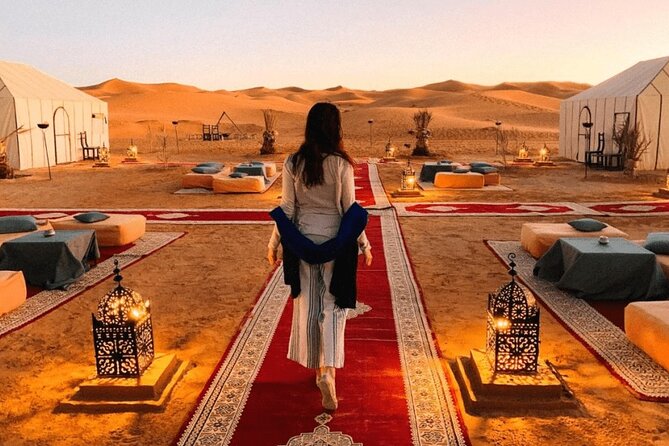
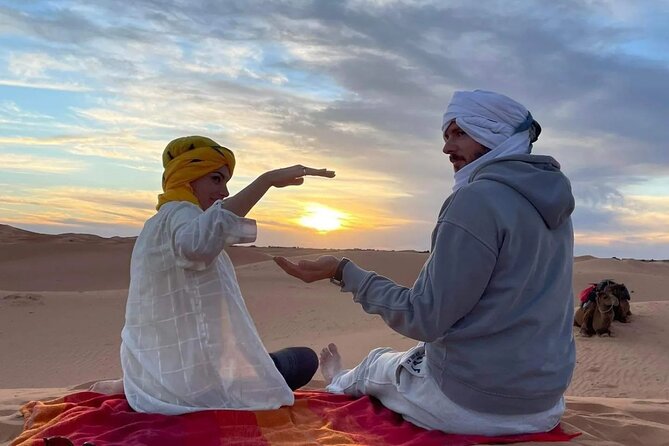
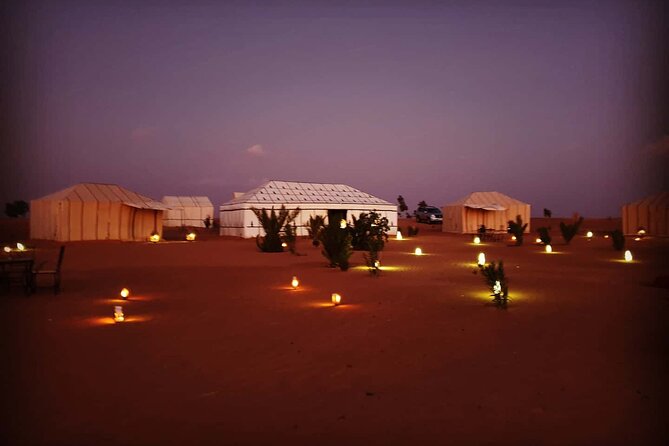
- Erg Chebbi camel trek + luxury desert camp: sunset, stargazing, dinner, and traditional Berber music.
- Barbary macaques in Azrou and cedar forest scenery: a nature stop before the medieval pull of Fes.
- Guided medina walk in Fes el-Bali: you visit major landmarks like Al-Qarawiyyin University and Bou Inania Madrasa.
Day 1: Marrakech to Dades Valley Through the High Atlas and Ait Benhaddou
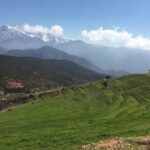
Day 1 starts with the kind of driving that sets the tone for the whole trip: you leave Marrakech and climb into the High Atlas Mountains over Tizi n’Tichka Pass. The outline lists the pass stop as free, and even if the main “ticket” part is minimal, the payoff is the view line—you’re getting perspective fast. If you’re the type who likes seeing Morocco’s geography change in real time, this opening day works.
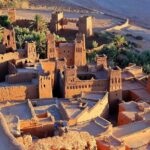
Next comes Ait Benhaddou, a UNESCO-listed kasbah and a well-known film location. That matters because it’s not just a pretty village. It’s the kind of place where the architecture helps you understand how Moroccan communities built for defense and living in a harsh environment. Even with a short stop window, it’s the sort of stop that sticks in your mind because you can connect what you see to movies and stories you already know.
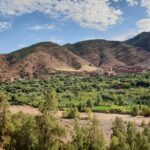
Then you roll onward to Boumalne Dades and the Dades Valley, described through the scenic Valley of Roses. You’ll arrive for an overnight in the Dades Valley. This is a good pacing choice: after long road time and a culture stop, you land where you can reset. The itinerary is structured so the day doesn’t just end when the sun goes down—you’re set up to enjoy the next morning’s shift toward Todgha and the desert.
Watch-out for this day: plan your expectations for time. By the time you’ve crossed the Atlas and toured the kasbah, you’re already stacking several “big moments” inside one day.
A few more Marrakech tours and experiences worth a look

Day 2: Todgha Gorge to Merzouga, Then the Camel Trek Into Erg Chebbi
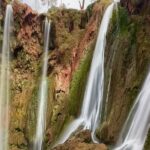
Day 2 is all about contrast. First stop: Todgha Gorge. The outline calls out the canyon walls and a river setting. This is one of those places where photos can help, but being there makes it feel taller and more carved-out than you expect. The route gives you a short window—about 30 minutes—so it’s best to treat it as a look-and-walk stop: quick photos, breathe in the canyon air, then keep moving.
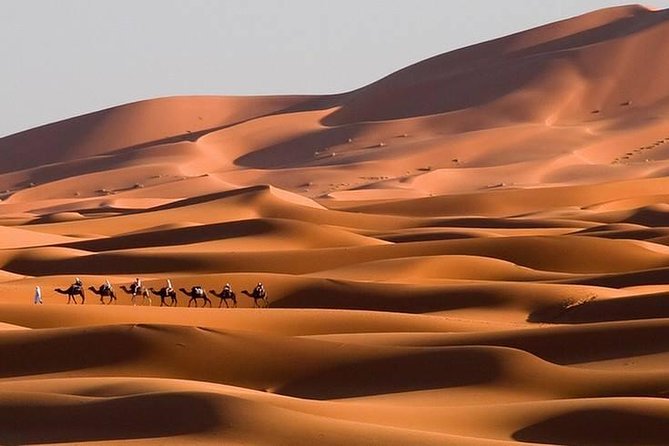
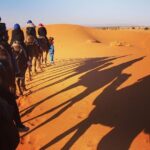
Next you head to Merzouga to start preparing for your camel trek into Erg Chebbi dunes. The trek is described as taking about 1 hour (the time listed for the Merzouga portion), with your overnight set for a luxury desert camp. This is the heart of the trip for most people. Not because it’s trendy, but because it’s a different pace of life. Once you’re in the Erg Chebbi area, you stop thinking in highway terms and start thinking in light and horizon terms.
That night is built for the “Sahara evening” mood: the camp experience includes a dinner under the stars, plus traditional Berber music and stargazing. It’s a rare combo—most places give you one of those elements. Here, the rhythm is designed so that food, sound, and sky all land together.
Possible drawback to consider: camel treks aren’t for everyone. The outline doesn’t mention physical constraints or alternatives, so if you have mobility concerns, you’ll want to ask the operator about comfort and any options before you book.
Day 3: Sunrise Over the Dunes, Then Middle Atlas Cedars to Midelt
Day 3 begins with the payoff morning view: watching sunrise over the Sahara dunes in the Merzouga area. Then you return to Merzouga by camel. That order matters. If you’re only there for a sunset, you get one kind of magic. If you add sunrise, you see how quickly desert light transforms, and you’ll notice more texture in the dunes when the sun is lower.
After that, the itinerary pivots north into the Middle Atlas Mountains. You’ll pass through cedar forest country with panoramic views. Then you land in Midelt, described as a peaceful mountain town and nicknamed the Apple Capital of Morocco.
This day works well because it doesn’t force you to choose between nature and culture—you get both, just in smaller doses. The cedar forests and mountain roads are the reset after the desert. Midelt is more about atmosphere than landmark sightseeing, which can be a relief if your first two days feel full.
Tip for your expectations: Midelt is a “breather” stop in the outline, not a whirlwind city tour. That’s a good thing. It prevents the Fes arrival from feeling like a nonstop finish line.
Day 4: Azrou and Ifrane Stops to Fes el-Bali’s Guided Medina Walk
Day 4 is where the trip becomes distinctly Moroccan city-mode again. You start with Azrou, in the cedar forests, where the highlight is the chance to see Barbary macaques. The outline gives you a short stop window. Treat it as a wildlife moment—watch quietly, take photos if you can, then move on.
Next is Ifrane, often described as Little Switzerland because of its European-style architecture. Even if that label sounds like a marketing shortcut, the point here is texture: you’re switching scenery again, and the change helps you understand how Morocco’s regional identities differ from place to place.
Then you arrive in Fes el-Bali, described as Morocco’s spiritual and cultural heart. This part is more than a drop-off. You get a guided walking tour through the ancient medina, with stops at major landmarks including Al-Qarawiyyin University, Bou Inania Madrasa, and the Chaouwara Tanneries. Those three spots are an efficient way to experience different sides of Fes at once:
- education and tradition (Al-Qarawiyyin),
- architecture and craftsmanship (Bou Inania Madrasa),
- and a working craft system (Chaouwara Tanneries).
You overnight in Fes. The walking tour is listed as about 4 hours with an admission ticket included for the Fes segment. That duration is meaningful: it gives you time to get your bearings fast instead of trying to decode a maze on your own.
One consideration: medinas can feel intense. The itinerary wisely includes a guide, which makes your time more about seeing and understanding rather than getting lost.
Day 5: Rabat’s Monuments to Casablanca’s Hassan II Mosque
Your final day moves from Fes to Morocco’s capital area, then finishes at the country’s coastal powerhouse.
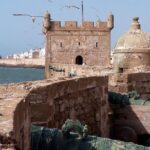
First: Rabat. The outline highlights Hassan Tower, an unfinished mosque with a minaret dating back to the 12th century. Then you visit the Mausoleum of Mohammed V, described as modern Moroccan architecture and housing the tombs of Moroccan royalty. You also stroll through the Kasbah of the Udayas, with white-and-blue painted streets overlooking the Bou Regreg River.
Rabat is a good wrap-up city because it feels planned compared to Fes. You’ll get monuments and viewpoints rather than narrow market lanes. That contrast can actually make your last day easier to enjoy.
Then you continue to Casablanca, the economic hub. The big finish is Hassan II Mosque, described as one of the largest and most magnificent mosques in the world, set dramatically by the Atlantic Ocean. The stop is about 1 hour in the outline, so it’s a photo-and-awe stop more than a slow stroll day. But that kind of ending makes sense: you’re ending with a landmark that commands attention even in a short visit.
Practical note: if you’re sensitive to travel fatigue, this is the day to pace yourself. Two city changes in one day means less time per place, even if the stops are well chosen.



Price and What You’re Really Paying For ($871.43 Per Person)
At $871.43 per person, this isn’t the cheapest way to see Morocco. But it also isn’t priced like a bare-bones route where you do everything yourself. Here’s what your money is doing in the itinerary:
- Transportation in an air-conditioned vehicle (including fuel surcharge and parking fees).
- Guiding (a guiding licence is listed).
- WiFi onboard, which sounds small until you need it for maps or messaging.
- Meals: breakfast is included for 4 days, and dinner is included for 3 days.
- Overnights: the outline lists overnights in Dades Valley, a luxury desert camp, Midelt, and Fes.
- Sahara experience that includes the camel trek and a camp night with music, dinner, and stargazing.
When you compare that to building the trip piece-by-piece, the desert camp night and the multi-day routing often become the most expensive parts. By rolling them in, this price can feel fair—especially because the schedule includes the “signature” Morocco highlights (Atlas pass, UNESCO kasbah, Todgha Gorge, Erg Chebbi dunes, and Fes medina landmarks).
What’s not included is also clear and worth budgeting: lunch isn’t included, and there are also no restroom onboard (noted as not included). The outline also says airport/departure tax isn’t included.
How Hicham’s Style Affects the Experience
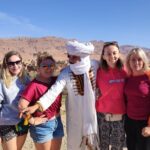
The strongest pattern in feedback is the role of Hicham. He’s mentioned as an excellent guide/driver, described as friendly, accommodating, funny, and attentive to questions. That kind of human detail matters on this route because the itinerary changes gear constantly—mountains, kasbah, gorge, dunes, cedars, medina, then monuments.
A good guide also helps you get more out of short stops. The itinerary has limited minutes at several sights, like Todgha Gorge and the Rabat monuments. In that setup, a guide who knows where to pause and what to focus on makes the difference between “we were there” and “we understood it.”
If you want a smoother ride across long distances, the name Hicham is a promising sign.
Who This Tour Suits Best (And Who Might Want a Different Plan)
This 5-day Marrakech-to-Fes route is a strong fit if you:
- want a structured trip across multiple regions without planning each leg yourself,
- care about the big signature stops (Erg Chebbi, Ait Benhaddou, Fes medina),
- like the idea of a desert camp night rather than a quick drive-by,
- enjoy guided walking time in Fes el-Bali so you don’t spend your day figuring out directions.
It might be less ideal if you:
- hate long driving days,
- want lots of free time in each city (this itinerary is stop-heavy, not slow and lingering),
- need lunch included every day, since lunch isn’t listed as included.
Should You Book This Marrakech-to-Fes Desert Route?
I’d say book it if you want the Morocco “greatest hits” with real structure—especially if the Sahara night is non-negotiable. The value feels tied to the included desert camp experience, the multi-day transport, the guided medina time in Fes, and the fact that meals (breakfast and some dinners) are handled.
But go into it with eyes open: this is a packed route. You’ll spend a lot of the trip on the road, and you’ll want to budget for lunch. If that trade-off sounds fine, the rewards are the kinds of memories that don’t fade—sunrise dunes, Berber music under the stars, and a guided walk through Fes that turns the medina from chaos into context.
FAQ
What is the duration of the Marrakech to Fes tour via Merzouga?
The tour runs for about 5 days.
What does the tour include for meals?
Breakfast is included for 4 days, and dinner is included for 3 days. Lunch is not included.
Is pickup included, and is it a private tour?
Pickup is offered, and it’s a private tour/activity, so only your group participates.
What are the main Sahara-related experiences?
You’ll do a camel trek into Erg Chebbi and spend a night in a luxury desert camp with traditional Berber music, dinner, and stargazing. You’ll also watch sunrise over the dunes and return to Merzouga by camel.
Which cities and sights are covered besides Marrakech and Fes?
You pass through Merzouga, Rabat, and Casablanca, with stops including Ait Benhaddou, Todgha Gorge, Azrou, Ifrane, and Hassan II Mosque.
Are any admission tickets included?
The itinerary lists admission tickets as free for several stops, and the Fes el-Bali guided tour segment shows an admission ticket as included. Exact inclusions can vary by stop, but the outline highlights these as included/free where noted.
Is WiFi available during the trip?
Yes, WiFi is listed as available on board.
Can most people participate?
The tour indicates that most travelers can participate.
What if I need to cancel?
Free cancellation is available. You can cancel up to 24 hours in advance for a full refund, based on the experience’s local time.