REVIEW · MARRAKESH
Marrakech: Guided 2-Day Trek to Imlil and Imnan Valleys
Book on GetYourGuide →Operated by Marrakech Day Trips - Tours · Bookable on GetYourGuide
Atlas peaks and village life, two days straight. This 2-day trek from Marrakech to the Imlil and Imnane valleys is one of those routes where the days feel simple—walk, eat, sleep—but the scenery and people keep changing. You’ll move from active valley life around Imlil to more agricultural rhythm in Imnane, with stops in villages like Ait Souka, Tamatert, and Tachedirt.
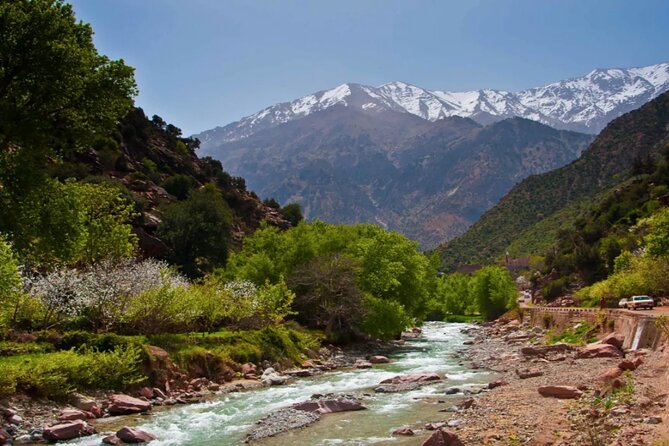
What I like most is the way you get Toubkal views (around the 4167m summit) without needing to climb the mountain. And I really enjoy the human side: mint tea at the start, long pauses for orange juice or quiet looks from a pass, plus a night in a Berber guesthouse with real meals made for hikers.
One consideration: this is serious walking in altitude country, and you’ll want good traction and warm layers—even when the days feel pleasant. If you show up in worn shoes or thin clothing, the trail and the cold night in the lodge can feel more stressful than it needs to be.
In This Review
- Key Things You’ll Notice on This Imlil–Imnane Trek
- Why Imlil and Imnane Feel Like Two Different Moroccos
- Starting in Imlil: Mint Tea, Mules, and the Trail Rhythm
- Day 1 Itinerary: Tizi n’Tamatert to Tacheddirt (2270m → 2400m)
- Berber Guesthouse Night: Food, Quiet, and Cold-Wise Planning
- Day 2 Itinerary: Imnane Valley Life to Tizi n’Aguersioual and Aguersioual
- About Those Toubkal Views: Big Mountain Energy Without the Summit Pressure
- Guides, Pacing, and Altitude: Why a Small Group Matters
- Price and Value: What $112 Really Buys You
- What to Pack for Mud, Stone, and Cold Nights
- Who Should Book This Trek (and Who Should Skip It)
- Should You Book This Marrakech to Imlil and Imnane Trek?
- FAQ
- How long is the Marrakech: Guided 2-Day Trek to Imlil and Imnan Valleys?
- What’s included in the price?
- What’s the pickup arrangement from Marrakech?
- Do I need to bring hiking shoes and walking sticks?
- What languages are available for the live guide?
- Is this trek suitable for pregnant women or older adults?
- Is free cancellation available?
Key Things You’ll Notice on This Imlil–Imnane Trek
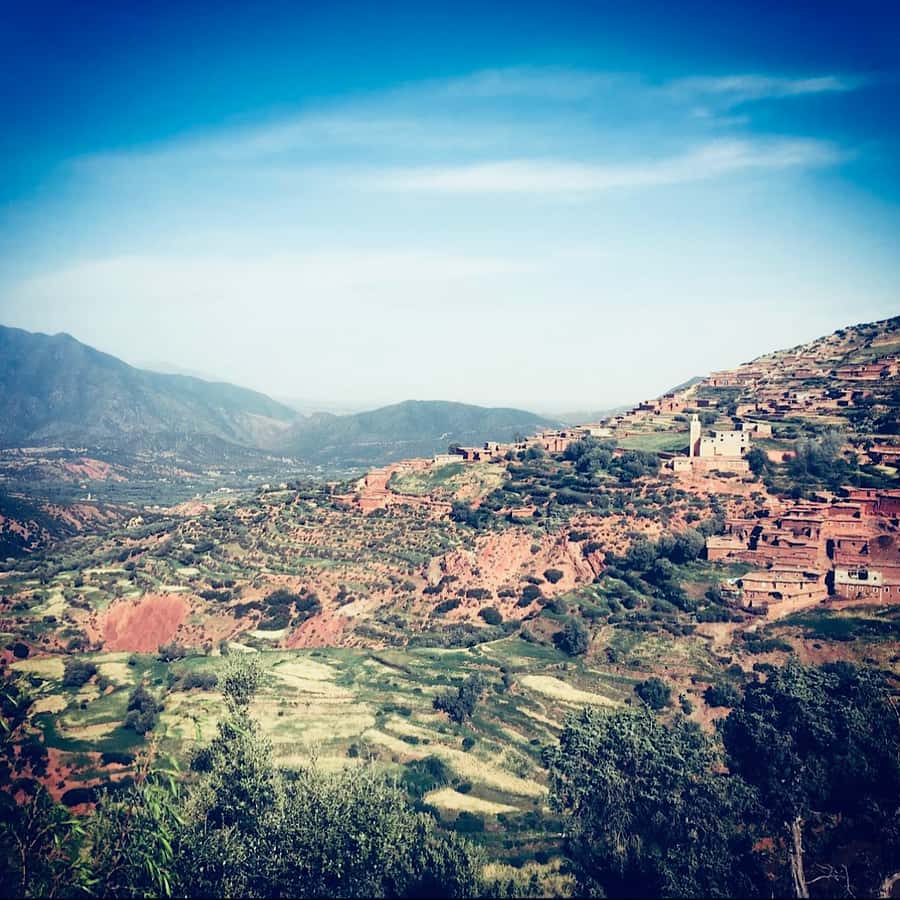
- Two valley styles, one trek: modern development and farms around Imlil, then quieter agriculture in Imnane.
- Mule-supported trekking: your guide and mule team handle part of the load, so you can focus on your feet and breath.
- Pass viewpoints: Tizi n’Tamatert (2270m) and Tizi n’Aguersioual (2100m) give you that “high Atlas” sense of space.
- Village walking, not roadside sightseeing: you pass lived-in Berber communities like Tachedirt and Aguersioual.
- Small group size (max 6): pacing is easier to manage, especially if someone feels altitude effects.
- Overnight in a mountain lodge or Berber guesthouse: meals come with the package, so you’re not hunting food after hiking.
Why Imlil and Imnane Feel Like Two Different Moroccos
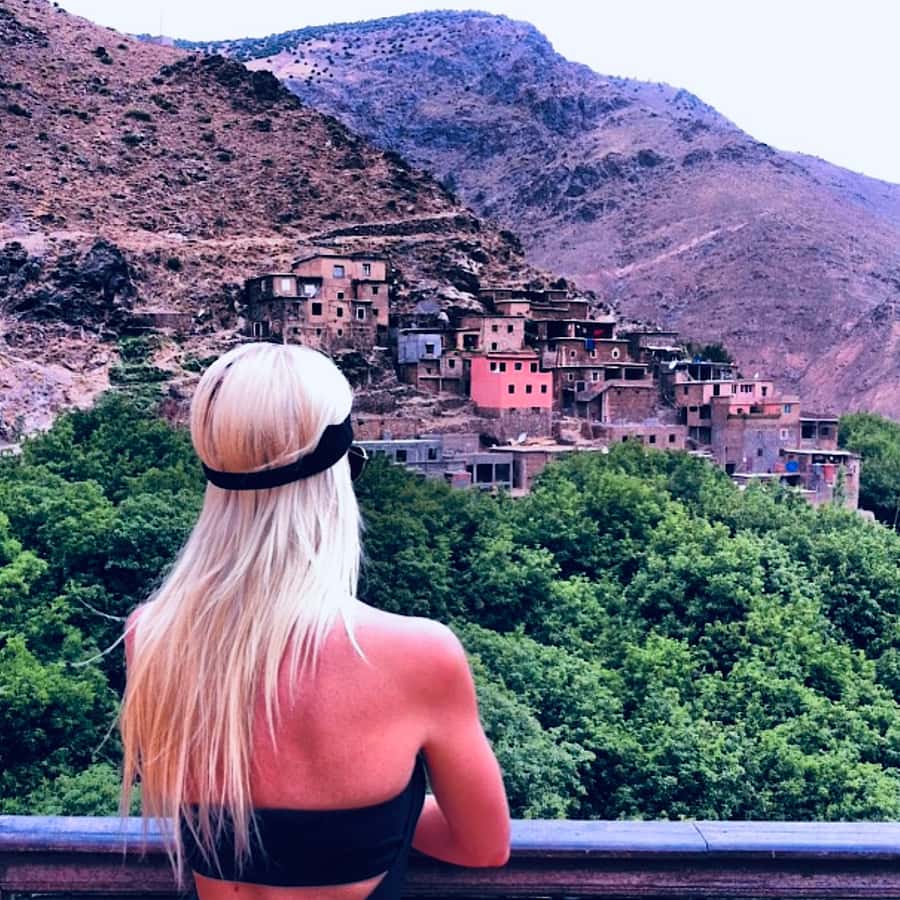
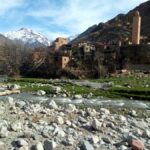
If you’ve only seen Morocco from cities, this trek gives you a fast education in how life changes from valley to valley. The walk intentionally crosses the contrast between Imlil and Imnane. Imlil feels more “in motion”: new buildings, shops, and restaurants that serve visitors and workers. Imnane feels more “in rhythm”: agriculture, herding, terraced fields, and a day-to-day pace that doesn’t look built around tourists.
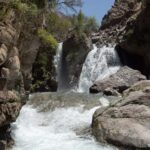
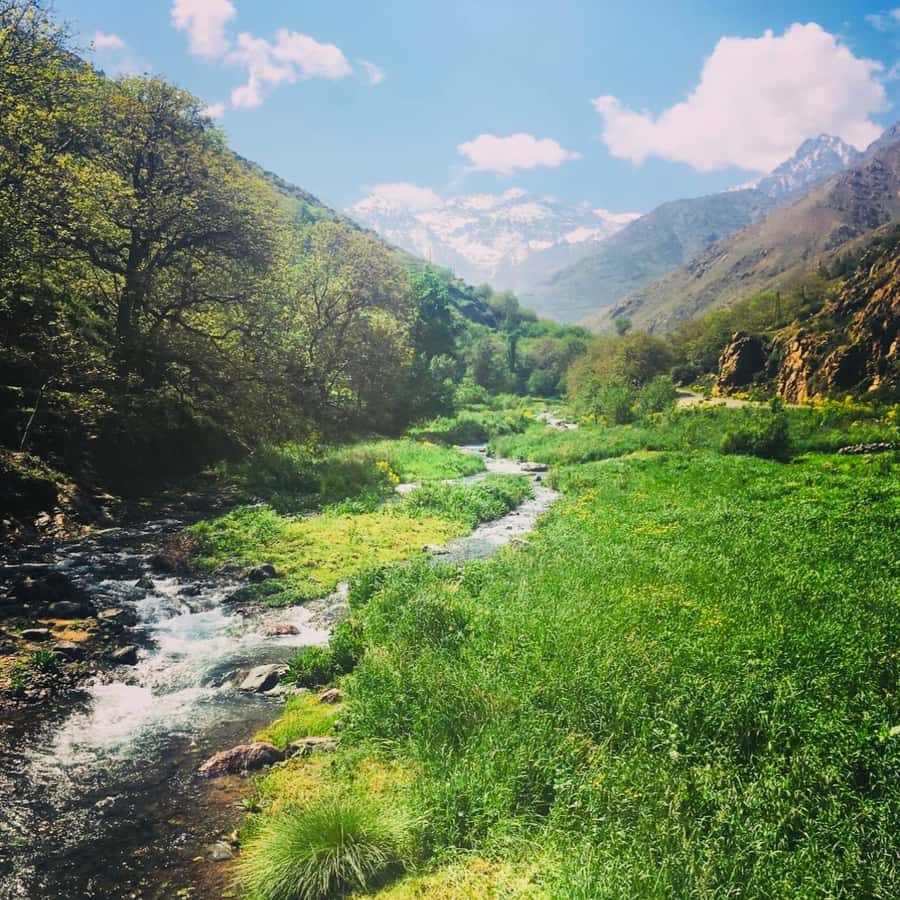
The best part is that you’re not just staring at differences from a distance. You’re on foot, moving slowly enough to notice how people farm, how paths connect houses to fields, and how the trail threads through valleys that still feel functional. Even the river splitting terraced plots into sections creates that sense of order in a place that could otherwise feel overwhelming.
And yes—you’ll also get big mountain moments. The trek is known for outstanding views over Toubkal from the passes and high points. You don’t need a summit plan to enjoy the scale. The mountain’s presence changes how everything else looks.
You can also read our reviews of more guided tours in Marrakesh

Starting in Imlil: Mint Tea, Mules, and the Trail Rhythm
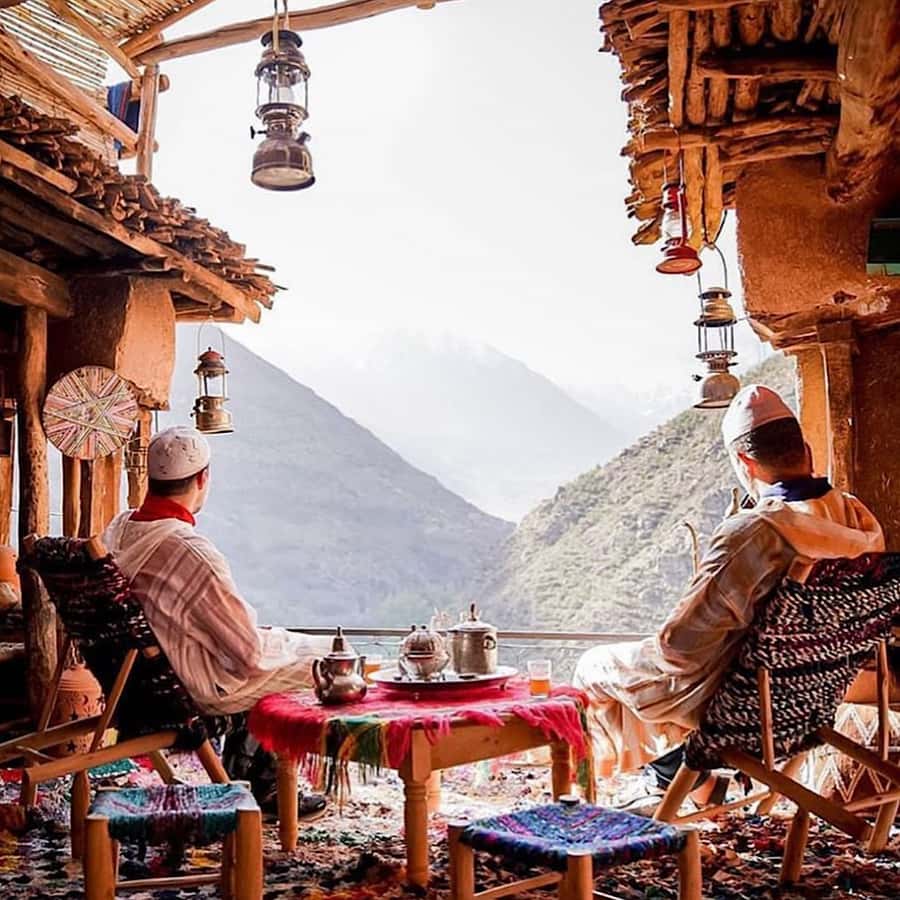
You meet your guide in the morning in Imlil, where the day begins with mint tea and a gear shuffle. Your heavier items are stowed on the mule team, so you can hike with a pack that feels manageable. This matters because the terrain has plenty of up-and-down and loose stone. Lighter daypacks make that easier, especially on the first climb toward Tizi n’Tamatert.
From the start, the trail gives you a clear goal: a pass you can see ahead/left as you look up the valley. You’ll pass through villages such as Ait Souka and Tamatert, then leave the village edges behind for forested trails that climb toward the pass at 2270m.
One small thing I love about this kind of trekking route is how often you get chances to stop without it feeling staged. At the pass, there’s time to rest, and you can even buy a freshly squeezed orange juice at a small kiosk. That pause isn’t just for sugar—it’s when you really take in the views, because the trail forces your body to slow down anyway.
Day 1 Itinerary: Tizi n’Tamatert to Tacheddirt (2270m → 2400m)
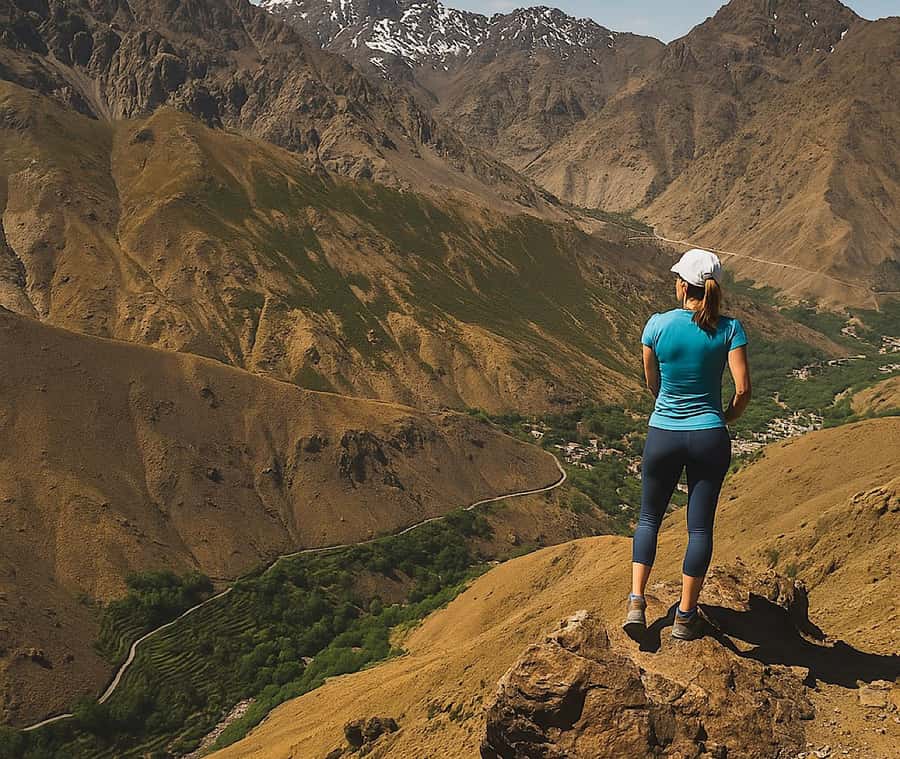
Day 1 is the “get up into the high Atlas” day. Here’s how it typically unfolds:
1) Imlil (1740m) → Tizi n’Tamatert (2270m)
You hike through villages (Ait Souka, Tamatert), then up forested trails. The pass is where the views open dramatically. Even if you’ve seen mountains before, this is the moment when it feels like you’ve truly left the lower valley world.
2) Drop to the valley floor for lunch
After the pass, the route drops back down. Lunch happens at the valley floor level, giving you a breather from altitude and a reset before the evening climb.
3) Valley hike up to Tacheddirt (2400m)
After lunch you continue trekking up the valley toward Tacheddirt, where you’ll spend the night in a local gite or mountain lodge.
What to watch for on Day 1:
- The trail can be rocky and uneven. Good soles help more than fancy gear.
- The first big pass can feel harder than expected if you’re not used to altitude. A small-group guide makes a difference here—slower, safer pace can be the smart move.
Also, you’ll likely feel a difference between the “modern” valley edges you pass earlier and the more rural, working-feeling valley later. That shift is exactly why this trek works.
Berber Guesthouse Night: Food, Quiet, and Cold-Wise Planning
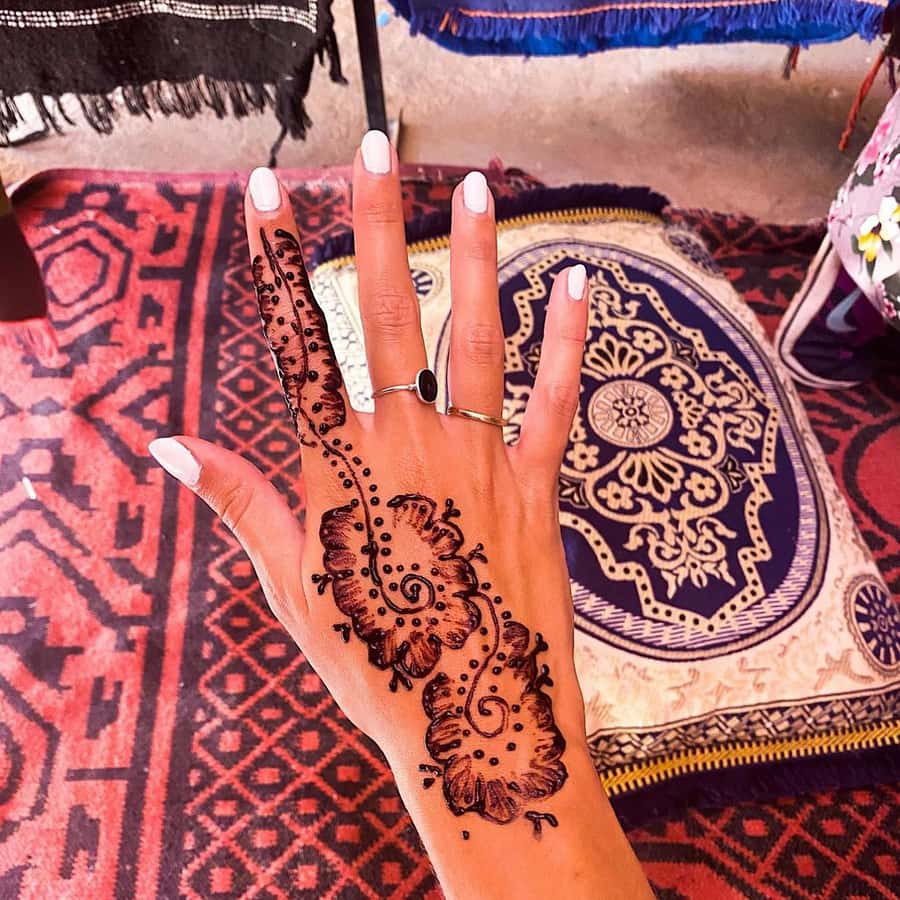
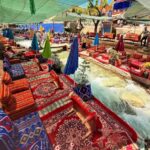
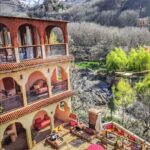
The overnight stay is part of the value here. You’re not just paying for a bed—you’re paying for the package: meals, a place to sleep, and a night that makes sense after trekking. The accommodation is described as a Berber guesthouse or mountain lodge, and the setup is typically simple and functional.
This is also where you’ll see what kind of traveler you are. If you like rustic comforts—layers, tea, and conversation—you’ll settle in fast. If you expect modern heating or hotel-level warmth, you might feel the cold.
A couple of practical notes from the experience details: some guests have pointed out that heating in the night lodging can be limited in winter months. So if you’re traveling in colder periods, you’ll want to bring warm clothing and plan to feel the mountain chill in the evenings. Even the best meal can’t fix cold hands.
The meal side is a strong point. You’ll get dinner and breakfast as part of the trek, and people describe the food as generous and well handled by the cook attached to the day’s logistics. The key is that meals are timed around hiking, not around city hours—so you eat when you’re actually hungry.
Day 2 Itinerary: Imnane Valley Life to Tizi n’Aguersioual and Aguersioual
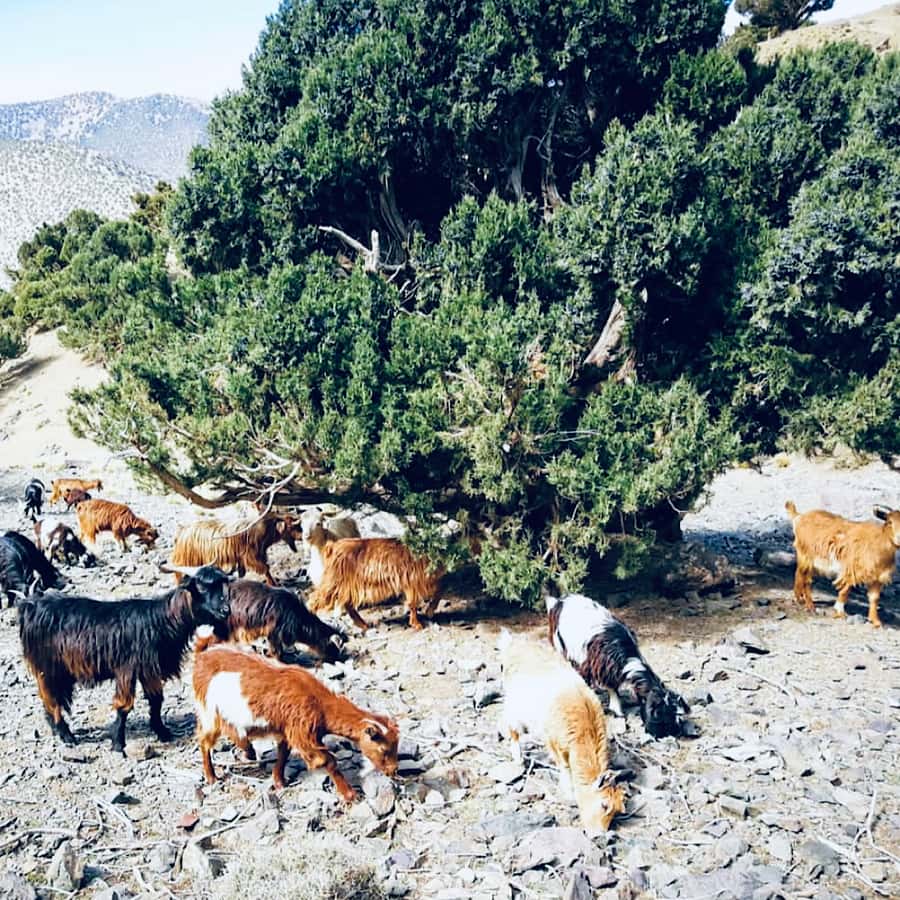
Day 2 is where Imnane’s slower agricultural life shows up more clearly. After breakfast, the mule team is packed and you start again.
You’ll follow the valley through several Berber villages, giving you up-close views of daily routines: tending crops, feeding animals, and living around terraced plots. This is the kind of walking where you’re not just passing buildings—you’re noticing how households connect to the landscape through work and water.
Then comes the second key high point: the uphill stretch to Tizi n’Aguersioual (2100m). At this pass, the viewpoint is about more than height. You’ll be able to “read” the valley from above—seeing how the two sides of the area relate and how the trail connects villages along the slopes.
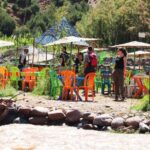
From there, the trek descends. You’ll pass villages perched on the mountain side, then eventually reach Aguersioual (1650m), a roadside village where transport is waiting. Lunch happens in the valley by the river, which is a nice payoff after the morning hiking effort.
One nice option: after finishing, you can return to Marrakech, or you can choose to stay nearby in Imlil or another village if you want extra time in the mountains instead of rushing straight back to city life.
You can also read our reviews of more hiking tours in Marrakesh


About Those Toubkal Views: Big Mountain Energy Without the Summit Pressure
You’ll hear people talk about climbing Toubkal, Morocco’s highest peak (over 4167m). This trek is not a summit attempt. It’s a view-and-village trek designed for travelers who want the high Atlas feeling without tying themselves to a summit schedule.
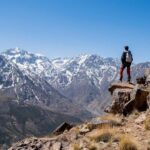
So what does that mean for you? It means you’ll likely see Toubkal clearly from elevated passes and viewpoints, when the air is crisp and the valley layout frames the mountain. It’s a different kind of awe. You’re standing in a real working region, not a crowded base-camp scene, and the mountain becomes a constant reference point rather than a single goal line.
If you’re not sure you want the intensity of a summit climb, this is a smart compromise. You get the dramatic setting, the hard-working local valleys, and a hike that fits into a two-day window.
Guides, Pacing, and Altitude: Why a Small Group Matters
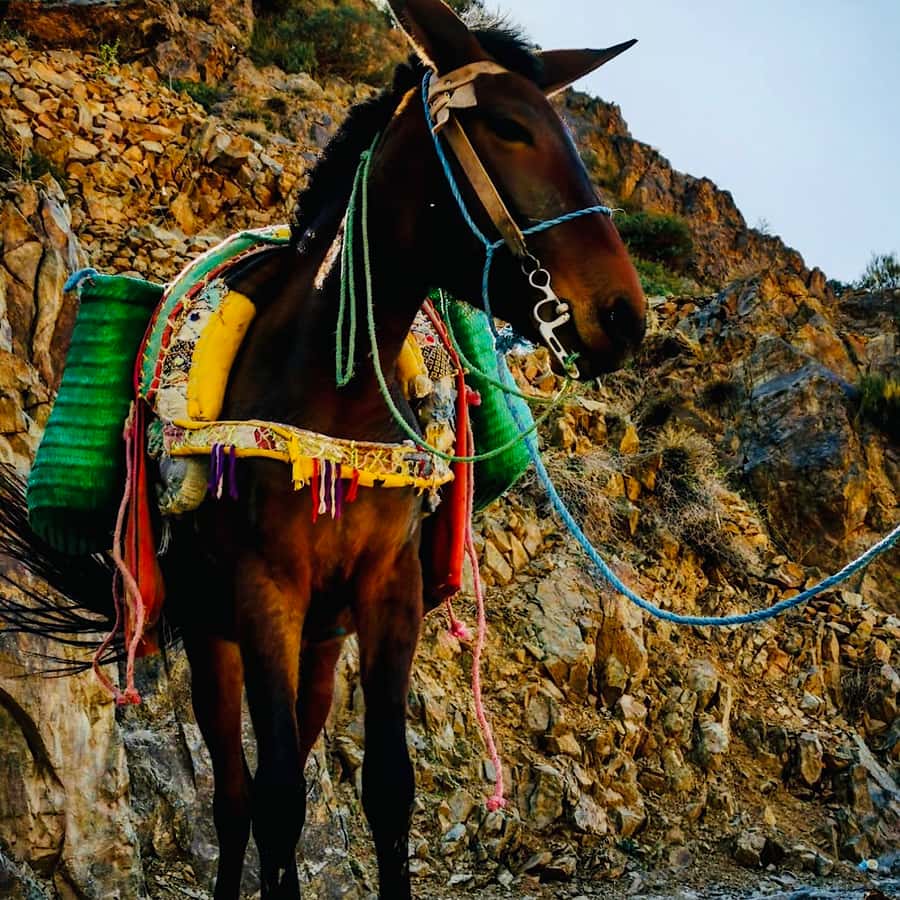
This trek runs with a small group capped at 6 participants. That’s not just for comfort—it’s for safety and flexibility. When altitude or footing gets tricky, you want a guide who can adjust pace without making everyone feel rushed.
The experience details include examples of guides who adapt quickly when someone feels altitude effects. For instance, a guide named Houssain is described as taking excellent care when altitude sickness showed up, adapting the hikes while keeping a steady, calm motto around safety. Another guide, Mohamed Bewajamor, is credited with making sure the pace worked for different hikers, and even combining that with extra tea and village visits.
And guide quality shows up in the details you’d feel, not just see: answering questions without turning the walk into a lecture, timing pauses so everyone can catch their breath, and coordinating the cooks and lodge support so you’re fed properly.
If you want the trek to feel like your pace—not a forced march—this small-group format is a real advantage.
Price and Value: What $112 Really Buys You
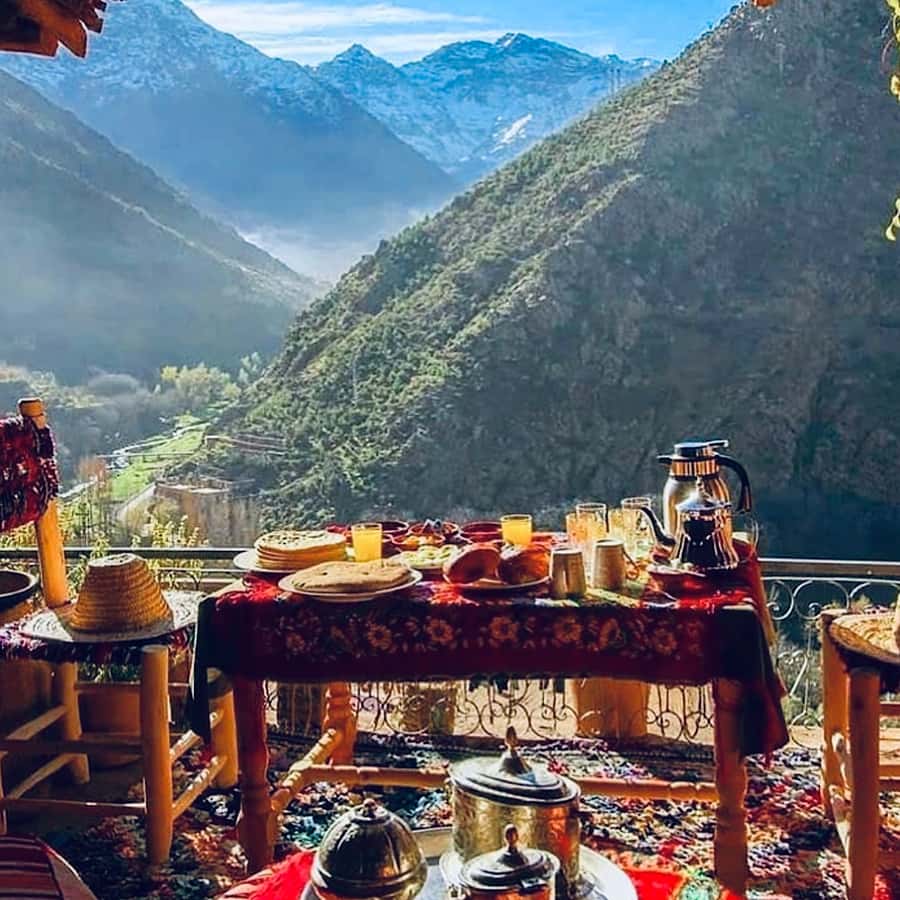
At $112 per person for a 2-day trek, the best way to judge value is by what’s included. You’re getting:
- a professional local mountain guide (English/French-speaking)
- round-trip transport from Marrakech to Imlil and back
- all meals during the trek (lunch, dinner, breakfast)
- mineral water and mint tea
- an overnight stay in a Berber guesthouse or mountain lodge
- a mule team to support gear carry
If you tried to piece this together yourself, the “invisible costs” add up fast: hiring a guide, arranging a driver or shared transport, booking the lodge, and making sure meals line up with hiking hours. Here, those pieces are handled so you can focus on the walk.
The only extra you might pay for is hiking items like walking shoes or sticks, because rentals are not included. So if you’re coming straight from Marrakech with city shoes, budget for the fact that you may need proper footwear.
What to Pack for Mud, Stone, and Cold Nights
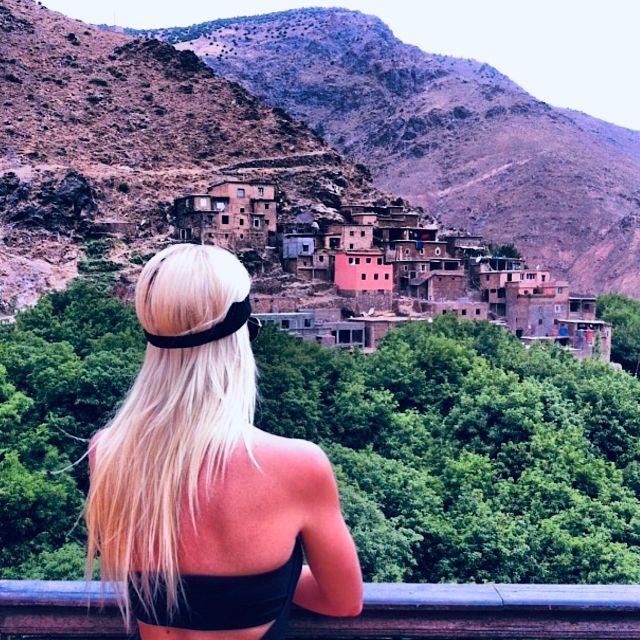
The trail involves passes around 2270m and 2400m on Day 1, plus a second pass around 2100m on Day 2. That usually means cool air, changing conditions, and ground that can be slippery.
You’ll want to bring:
- comfortable shoes with grip (this is non-negotiable)
- comfortable clothes you can layer
- a camera if you want those pass-and-valley viewpoints
- passport and cash
- weather-ready layers (check conditions before you book)
For gear, I’d also treat trekking poles (sticks) as useful rather than optional. Some guests specifically found sticks necessary, especially on the second day when conditions can feel more challenging.
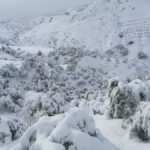
And for cold nights: if you’re traveling in December or other cold seasons, pack like you’re hiking in layers all day and still need warmth in the lodge after dark. Even if the lodge is fine for summer, winter can be another story.
Who Should Book This Trek (and Who Should Skip It)
This works best if you:
- like hiking but don’t want a multi-day expedition
- want culture through daily village life, not just photo stops
- enjoy small groups and guides who keep an eye on pacing
- want Toubkal views while staying grounded in the valleys
You might skip it if:
- you’re pregnant, since it’s listed as not suitable for pregnant women
- you’re planning for very limited mobility, or you’re close to the upper age limit (people over 95 years aren’t recommended)
- you’re not comfortable with uneven, rocky trails and altitude
If you’re fit enough to walk for hours with breaks, this trek is a very practical way to experience the Atlas Mountains from Marrakesh.
Should You Book This Marrakech to Imlil and Imnane Trek?
Yes, if you want a two-day Atlas experience that feels real and manageable. The best reason to book is that the trek gives you both: mountain views (including Toubkal) and village life across Imlil and Imnane. You also get a strong value package—guide, transport, meals, and overnight—without having to coordinate all the moving parts yourself.
Before you book, be honest about two things. First, bring proper hiking shoes and plan for cool weather at altitude. Second, be ready for lodging that’s simple and can run cold in winter—so don’t treat this like a spa weekend.
If those check out for you, this is the kind of trip that leaves you with a clear memory: tea at the start, passes with big views, and a quiet river lunch while the valley keeps doing its work.
FAQ
How long is the Marrakech: Guided 2-Day Trek to Imlil and Imnan Valleys?
It’s a 2-day trek.
What’s included in the price?
The package includes a local mountain guide (English/French-speaking), round-trip transport from Marrakech to Imlil and back, an overnight stay in a Berber guesthouse or mountain lodge, all meals during the trek (lunch, dinner, breakfast), and mineral water and mint tea.
What’s the pickup arrangement from Marrakech?
You meet your guide at your hotel reception when the road access allows it. If the hotel isn’t accessible by car, the provider contacts you via WhatsApp or email 24 hours before the start to confirm the meeting point.
Do I need to bring hiking shoes and walking sticks?
Comfortable shoes are recommended. Hiring items like walking shoes or sticks costs extra if you want to rent them.
What languages are available for the live guide?
The guide can work in Arabic, English, and French.
Is this trek suitable for pregnant women or older adults?
It’s not suitable for pregnant women. People over 95 years are not recommended.
Is free cancellation available?
Yes. You can cancel up to 24 hours in advance for a full refund.