REVIEW · MARRAKECH
2-Day Zagora Tour from Marrakech Including the Atlas Mountains, Camel Trek and Desert Camp
Book on Viator →Operated by Ando Travel SARL · Bookable on Viator
First you stare out the window for hours. Then the desert changes everything. This 2-day Zagora tour is built around the long drive south, the big cultural stops along the way, and two camel moments in the dunes. You’ll roll over the Tizi-n-Tichka pass, see the UNESCO Kasbah Aït Ben Haddou, and spend a night in a Berber desert camp under real stars.
I really like the mix of Morocco you get for your time: Aït Ben Haddou and Ouarzazate bring history and film-studio energy, while the Zagora day brings camel trekking and quiet desert nights. I also like that transport is handled by an air-conditioned minivan, with pickup and drop-off for selected hotels—so you’re not fighting logistics right from Marrakech.
The main drawback is also the biggest theme of the trip: plan for a lot of road time. Reviews and the route timings line up with roughly 8 hours of driving per day, and some people find the stops are more “drive-and-go” than “slow explore.”
In This Review
- Key Things To Know Before You Go
- High Atlas Road Trip: Tizi-n-Tichka Pass and Berber Village Stops
- Aït Ben Haddou: UNESCO Kasbah Time Without the Rush (Too Much)
- Ouarzazate and Taourirte Kasbah: Where Trading Routes Meet Daily Life
- Zagora Arrival: Desert Light, Markets, and What You Should Expect
- Camel Trek in the Dunes: Sunset Magic and Morning Rhythm
- Desert Camp Night: Private Tent Comfort, Dinner, and Stars
- Price and Logistics: Is $111.66 Good Value for Two Days?
- Who This Tour Suits Best (And Who Might Feel Let Down)
- Should You Book This Zagora Desert Tour?
- FAQ
- What time does the tour start in Marrakech?
- How long is the trip?
- Is hotel pickup and drop-off included?
- What meals are included?
- Is camel trekking included?
- Where will I sleep overnight?
- Do we visit Aït Ben Haddou?
- Are drinks included with the meals?
- How much driving time should I expect?
- What should I pack or wear for the desert?
Key Things To Know Before You Go
- High Atlas views: The route crosses the Tizi-n-Tichka pass with mountain villages and wide panoramas.
- UNESCO stop at Aït Ben Haddou: You get free time at the kasbah, with optional add-on guiding if you want it.
- Ouarzazate and Kasbah Taourirte: A real sense of how people traded and gathered in the Atlas region.
- Camel trekking in Zagora: One camel ride happens early and another is timed for desert light, depending on the day’s flow.
- Overnight in a Berber camp: Expect a private tent and a night program that usually includes dinner and entertainment.
- Zagora is not pure Sahara dunes: It’s often mixed terrain—sand, palms, and rocky edges—not the single-wall of dunes some people imagine.
High Atlas Road Trip: Tizi-n-Tichka Pass and Berber Village Stops
You start early in Marrakech, with pickup around 7:00 am, then head out in an air-conditioned minivan. The point of the morning is simple: get you up and out of the city while the light is good and the roads are easier.
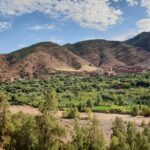
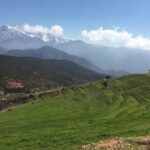
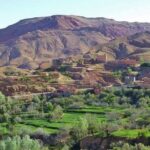
The big moment on Day 1 is the drive through the High Atlas via the Tizi-n-Tichka pass. Along the way, you’ll pass through small Berber villages where you can see shepherd life and scattered homes tucked into the mountains. Even if you’re tired of sitting, these are the views that make the trip feel like more than just transportation.
There’s also a practical travel benefit here. You’re moving with a driver who knows the route, and you’re not stuck arranging local guides and transfers between stops. If you get a driver who’s calm and communicative—many groups have praised people like Abdelaali, Youssef, Aziz, Said, and Hussain—that long road time feels easier.
Heads up: the route is timed with breaks. One stop for views is around 20 minutes, so don’t plan to “linger” like you would in a city. Bring water and keep your camera ready.
You can also read our reviews of more hiking tours in Marrakech
Aït Ben Haddou: UNESCO Kasbah Time Without the Rush (Too Much)
Once you’re past the mountain driving, the tour slows down for culture at Kasbah Aït Ben Haddou, a UNESCO World Heritage site and a famous filming location. This is one of Morocco’s most photographed places for a reason: the kasbah walls and stacked shapes look like they were built to last for centuries, because they were.
You’ll have free time on site. That’s good. You can wander at your pace, take photos, and decide whether you want to pay for local interpretation. Some people prefer doing their own walking here; others like hiring a local guide for extra context on the kasbah layout and how the settlement worked.
Then the day continues toward Ouarzazate. If you’re the type of traveler who likes both architecture and the stories behind it, this segment hits well. Aït Ben Haddou gives you the postcard view, then Ouarzazate gives you the regional “how did people live and trade here” angle.
Ouarzazate and Taourirte Kasbah: Where Trading Routes Meet Daily Life
Ouarzazate is often treated as a stopover city, but the tour actually gives you a meaningful chunk of time, including a visit to Taourirte Kasbah (also sometimes called Kasbah Taourirte). It’s a place that reflects how people from different valleys met, traded, and socialized over time.
You’ll get a rest break during the drive, then more time later depending on how the schedule works. Some tours build in a chance to see Taourirte on Day 1; others do it on Day 2 if you missed it. Either way, it’s worth your attention because it connects the mountains to the wider south.
One practical note: site visits are paced, not free-form. You’ll be steered by a timetable, and lunch is usually “own expense.” If you’re hungry, pack patience—and if you’re careful about spending, plan to eat where you feel comfortable.
Zagora Arrival: Desert Light, Markets, and What You Should Expect
Zagora is where the trip starts feeling like a different planet. The tour includes time around the Zagora markets area, plus an optional early desert sunrise stroll. If sunrise is a priority, the key is timing: it’s an early start, and you’ll want your clothes ready without wasting minutes.
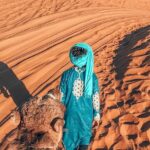
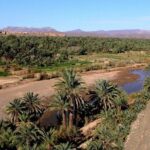
This is also where it helps to manage expectations. Zagora is famous for desert scenery, but it’s not always the endless sea of identical dunes you see in some Sahara photos. Based on what people have shared, you can find mixed terrain—palm areas, rocky stretches, and then sandier sections. That’s not bad. It’s just more varied than the single-dune postcard.
When you reach camp, you’re swapping minivan seats for real desert air. The air can be surprisingly different at night. If you’re going in warmer months, tents can feel hot. In cooler seasons, it can be cold. Bring layers either way. Also, keep your conservative clothing in mind: the tour recommends covering upper body and knees, and skipping shorts is a sign of respect.
Camel Trek in the Dunes: Sunset Magic and Morning Rhythm
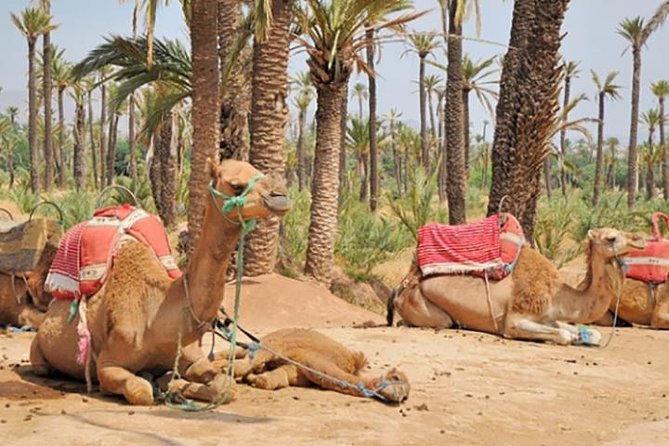
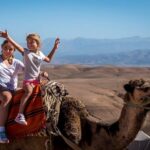
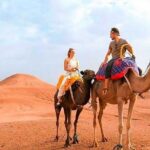
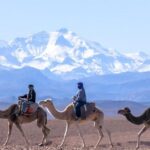
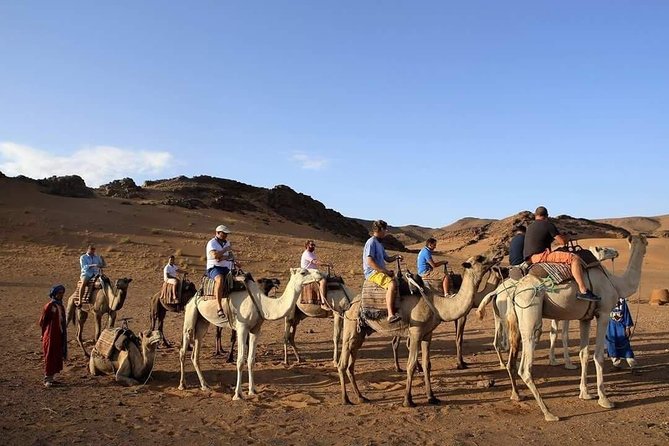
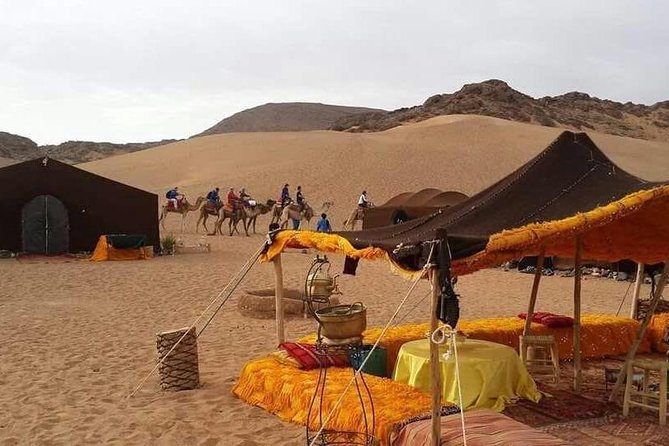
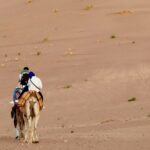
The headline activity is the camel trekking portion, and you should plan for at least one longer camel ride as part of the experience. People describe it as fun, scenic, and memorable—especially when timed with desert light.
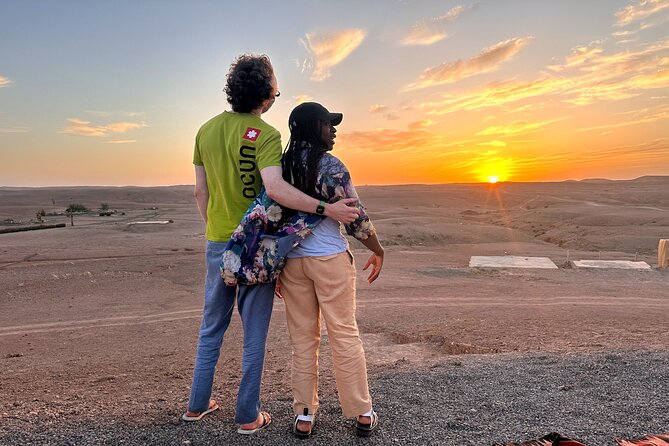
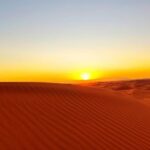
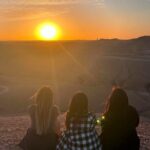
Depending on how your day unfolds, you may experience camel riding near sunset and again early in the morning. Some groups specifically mention a camel ride around 1–1.5 hours, with sunset scenery and later sunrise views. Even if timing shifts slightly, the pattern tends to be: ride, feel the change in silence, then return for camp dinner and/or breakfast.
Here’s a grounded expectation check: you’ll be riding across an area that includes sand and uneven ground. Wear shoes you can trust, and don’t expect a smooth ride like a tourist carriage. Good boots or supportive sneakers matter more than you’d think.
Also, keep your camera strategy simple. You’ll want photos, but don’t spend the whole time behind a lens. The best moments here are the ones you feel, not only the ones you shoot.
A few more Marrakech tours and experiences worth a look
Desert Camp Night: Private Tent Comfort, Dinner, and Stars
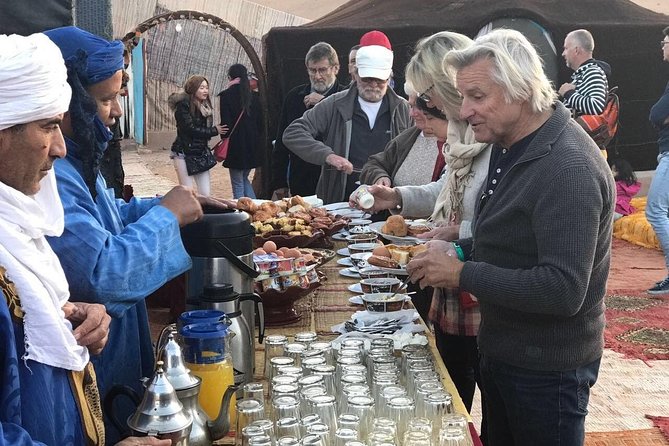
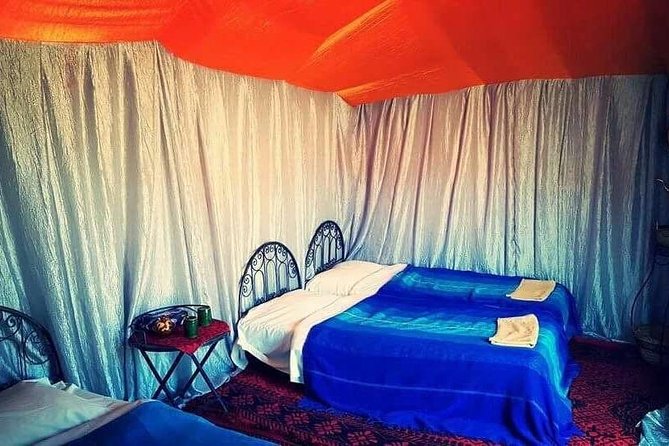
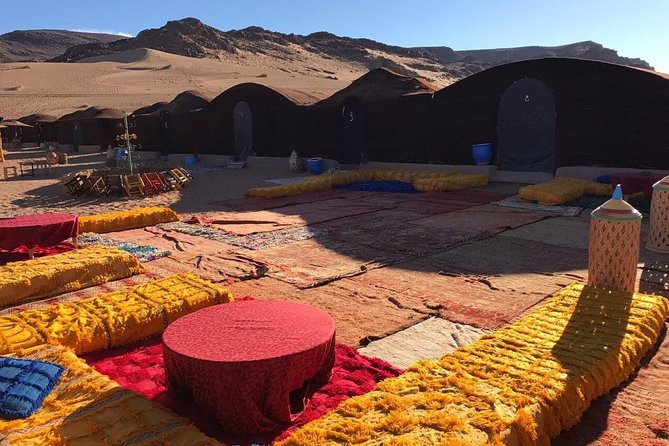
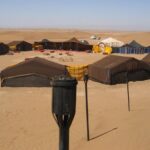
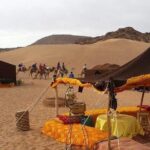
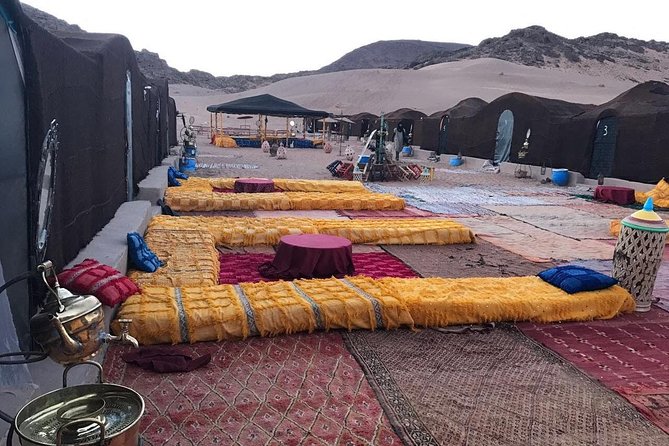
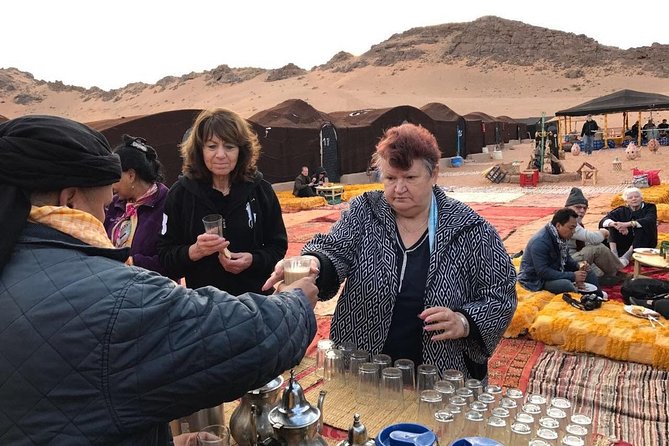
Overnight is in a private tent at a Berber camp in the Zagora desert. This is the “main event” night, because it’s where the tour stops feeling like a schedule and starts feeling like place.
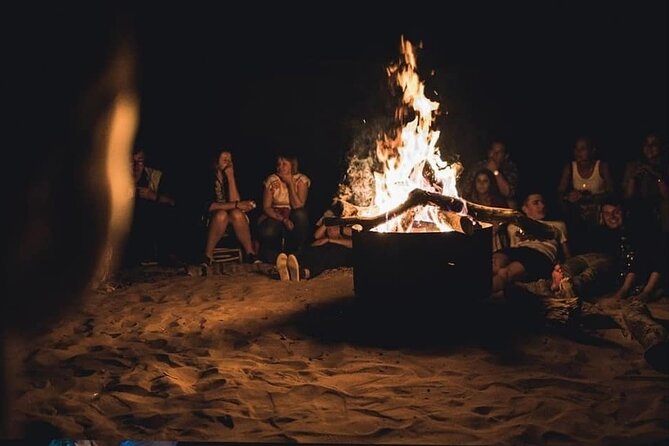
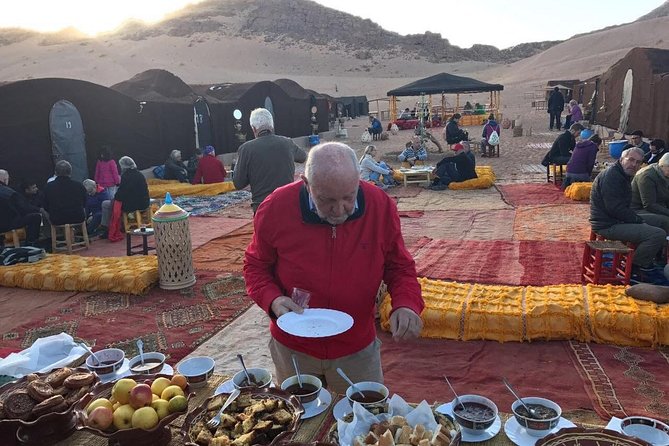
Dinner is included, and many people praise the food—often describing it as solid and home-style, with tagines and variety. There’s also usually entertainment under the stars, including music and dancing in some camp setups. If the night program runs, it’s one of the best ways to understand the camp’s social rhythm, not just the tourist version.
Sleep is the variable. Some camps have tent features that help—like windows—while others can feel hotter or less ventilated. A few people even said they slept outside under the stars to stay comfortable. So pack for flexibility: light clothing for warm weather, and a warm layer for cooler nights. A small head covering can also help if dust gets into the air.
One more point: some people note camps can be set back from the most dramatic dune crests, with sand dunes nearby but not always right under your tent. The tour promises desert camp life, and most people get it—but Zagora’s geography is mixed, so check your own mental image. You’re there for stars, food, and camel time more than you’re there for a pure dune resort.
Price and Logistics: Is $111.66 Good Value for Two Days?
At $111.66 per person for a 2-day tour, this sits in the value zone for Morocco desert experiences—especially because transport, lodging in a private tent, camel trekking, and two meals (breakfast and dinner) are included. You’re also getting long-distance travel managed from Marrakech, which is the hardest part to DIY when you’re not driving yourself.
But you should match the price to your priorities. If you want a “lots of walking, few car hours” trip, this isn’t it. The route spends roughly 8 hours driving each day, and the schedule includes relatively short sightseeing windows at each stop.
Where value improves is that the drive is not random. You’re not just passing through empty roads—you’re crossing the Atlas, hitting Aït Ben Haddou, and spending real time around Ouarzazate and the desert camp.
A smart way to plan your spending: lunch and drinks aren’t included. So budget for at least one lunch day and expect to pay for refreshments during stops (including an Agdz stop for refreshment on the return route).
If you can handle a long ride and you want the desert night plus UNESCO and kasbah stops, the value is there.
Who This Tour Suits Best (And Who Might Feel Let Down)
This tour fits you if:
- you want a 2-day Marrakech-to-Zagora trip without planning transfers
- you like a mix of mountains + kasbah history + desert camping
- you’re excited about camel trekking and a night under stars
- you’re okay with short stop times as long as the big highlights are hit
You might feel frustrated if:
- you hate long drives and want more time at each site
- you expect luxury accommodations or lots of downtime
- you’re hoping for nonstop cultural time; most of the cultural value is concentrated at key stops like Aït Ben Haddou and Taourirte Kasbah
- you’re very sensitive to camp location details (Zagora dunes can look different than other Sahara areas)
Language is another soft factor. Some groups report that English can be limited depending on who you get in your group, so if you want deeper narration, bring a friendly curiosity and be flexible.
Should You Book This Zagora Desert Tour?
I think it’s a good booking for the right traveler. If you want the classic Morocco combo—High Atlas pass views, UNESCO Aït Ben Haddou, camel trekking, and a Berber camp night—this gives you a lot for the money and keeps the logistics simple.
I’d only hesitate if your top priority is minimizing time in a vehicle. If that’s you, consider a Morocco plan with fewer long-distance transfers. But if you’re the type who enjoys watching the scenery change and you’re happy to trade comfort and time for desert magic, book it.
FAQ
What time does the tour start in Marrakech?
The start time is 7:00 am.
How long is the trip?
It’s a 2-day tour.
Is hotel pickup and drop-off included?
Yes. Hotel pickup and drop-off are included for selected hotels, and you return to the meeting point/activity end in Marrakech.
What meals are included?
You get breakfast and dinner included. Lunch is not included.
Is camel trekking included?
Yes. Camel trekking in the Zagora desert is included.
Where will I sleep overnight?
You’ll sleep in an overnight accommodation in a private tent at a Berber camp in the Zagora desert.
Do we visit Aït Ben Haddou?
Yes. You visit Kasbah Aït Ben Haddou, listed as part of the experience and described as a UNESCO World Heritage site.
Are drinks included with the meals?
No. Drinks are not included.
How much driving time should I expect?
Due to long distances, about 8 hours of driving each day is noted.
What should I pack or wear for the desert?
You’re advised to bring good walking shoes, sunscreen, and sunglasses, and to wear conservative clothing (cover upper body and knees). It can also be cold at night, so pack layers.