REVIEW · MARRAKECH
5-Day Morocco Tour with Merzouga Desert Tour from Marrakech
Book on Viator →Operated by Morocco Tours Services · Bookable on Viator
Marrakech to Merzouga in five days sounds intense. What makes this one work is the back-to-back scenery—High Atlas passes, UNESCO Ait Benhaddou, canyon roads, then Merzouga dunes—with real time for sunrise and a guided Marrakech finish. The route is also built around comfortable transfers in an A/C vehicle and at least one guided highlight at each end of the trip.
I especially like how you get two “wow” desert moments: a camel trek into the dunes and a sunrise on the great sand before you head back. I also appreciate the smart mid-trip pacing—Dades and Todra are included as separate canyon experiences instead of one rushed stop—so you get variety without feeling like you’re just passing by.
The main drawback to consider is communication: the driver and main contact may have limited English, so it helps to keep your questions simple and go with the flow. Also, lunches are not included, so you’ll want some spare cash for food along the way.
In This Review
- Quick hits before you go
- The route in plain terms: how you move across Morocco
- Starting in Marrakech Menara Airport: pickup and your first easy night
- Day 2 over the High Atlas: Tizi n’Tichka, argan oil, and Ouarzazate vibes
- Ait Benhaddou kasbah: the UNESCO stop that actually changes the tone
- Dades Gorge and Todra Gorge: two canyon days with different feels
- Merzouga desert night: camel trek, sunset stop, and camp comfort
- Sunrise on the dunes and the long drive back: Draa Valley and Anti-Atlas
- Marrakech medina day with Fatima: palaces, souks, and Jemaa el Fna
- Price and Logistics: is about $289.31 worth it?
- Who this tour suits best (and who should think twice)
- Should you book this 5-Day Marrakech to Merzouga desert tour?
- FAQ
- FAQ
- How long is the tour?
- Where does the tour start and end?
- What’s included in the price?
- Are lunches included?
- Do you ride camels in Merzouga?
- Do you return from Merzouga by camel or 4×4?
- Which guided sites do you visit in Marrakech?
- What’s the maximum group size?
- Can I cancel for a full refund?
- What type of ticket do you get?
Quick hits before you go
- High Atlas over Tizi n’Tichka: photo stops plus panoramic mountain views on the drive out of Marrakech
- Ait Benhaddou guided entry: UNESCO kasbah visit with a local guide
- Dades + Todra together: two different canyon vibes in one trip
- Merzouga camel trek + welcome tea: the desert experience starts right when you arrive
- Sunrise and a shower at camp: you wake early, then freshen up before heading back
- Marrakech medina finish with Fatima: palace sites plus souks and Jemaa el Fna with a local guide
The route in plain terms: how you move across Morocco
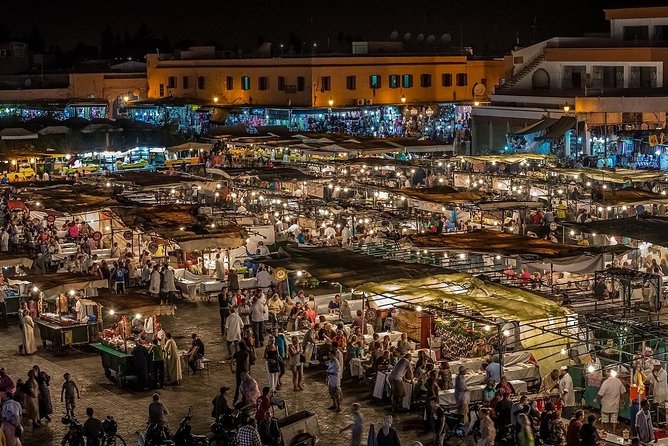
This tour is a classic “loop” from Marrakech out to Merzouga and back, using major valleys and mountain crossings. You’re mostly on the road, but it’s not random driving—each day adds a strong visual stop, then ends in a place to sleep properly.
Itinerary timing is built around road travel plus a few anchor activities per day. That matters because the desert is not a quick photo stop. It’s the main event, and the schedule gives you more than one chance to feel it.
A few more Marrakech tours and experiences worth a look

Starting in Marrakech Menara Airport: pickup and your first easy night
The experience begins at Marrakesh Menara Airport, where you meet your driver holding a sign with the agency name. From there you transfer to your hotel and get the afternoon free, which is genuinely useful if you land with jet lag or just want to reset.
You’ll sleep in a hotel with breakfast included, so you start the next day with a full meal and less stress. If you’re the type who likes to explore on your own first, this free time helps you do that before the long drive days begin.
Day 2 over the High Atlas: Tizi n’Tichka, argan oil, and Ouarzazate vibes
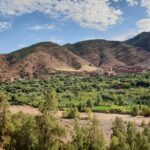
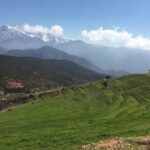
On the second day you depart around 8:00 am, heading toward the desert through the Atlas Mountains. The route includes the Tizi n’Tichka pass with stops for photos and those big mountain panoramas where the air feels different even on a short stop.
You also visit an argan oil cooperative, where you can see how oil is extracted and used. This is more than a quick shop stop if you pay attention—argan is one of Morocco’s most important local products, and the cooperative angle keeps it connected to real work and local production.
From there you go toward Ouarzazate, often described as the door of the desert, and you pass through scenic stops like the Valley of Roses and areas around the Skoura palm grove and Boumalne. You end the day sleeping in the Dades gorges area, setting you up for canyon roads the next morning.
What to watch for: you’ll likely spend a long chunk of the day in the vehicle, so pack water and something to nibble in case meal timing doesn’t match your personal rhythm. Lunch isn’t listed as included, so that’s another reason to plan ahead.
Ait Benhaddou kasbah: the UNESCO stop that actually changes the tone
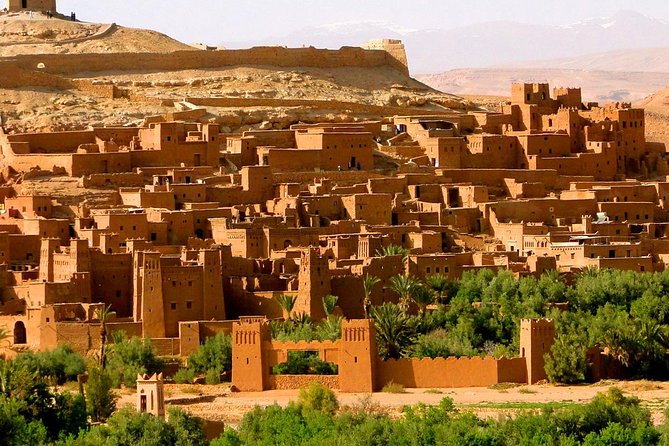
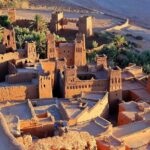
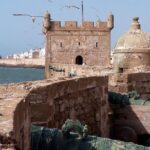
One of the most meaningful parts of this trip is the guided visit to Ait Benhaddou, a UNESCO World Heritage kasbah. A local guide accompanies the entrance, which can make a big difference because you’re walking through places that have layers of purpose—trade, defense, community life—not just pretty walls.
The drive-through region is also tied to famous movie history, including productions like Gladiator and The Jewel of the Nile. Even if you’re not chasing film locations, that reference helps explain why the kasbah looks the way it does: it’s dramatic, isolated, and built to last.
This is also the moment where the “color” of Morocco starts shifting from city textures to desert-edge textures. You go from organized stops (airport, hotel, palaces later) into a place that feels raw and older than the idea of a tourist route.
Potential consideration: you’ll be on the move afterward, so treat this like your key midday reset. Wear sun protection and comfortable shoes—your feet will thank you.
Dades Gorge and Todra Gorge: two canyon days with different feels
On day 3, after breakfast, you travel toward Merzouga through Todra Gorge. This is the day where the scenery gets noticeably more dramatic, because Todra is all about steep rock walls and a narrow feeling that changes your sense of scale.
The tour includes a free lunch on that day (meaning you handle it yourself). That’s important: bring some flexibility. If you need halal options, vegetarian food, or specific timing, it can be easier if you communicate early with your driver or simply plan to eat wherever you’re guided to stop.
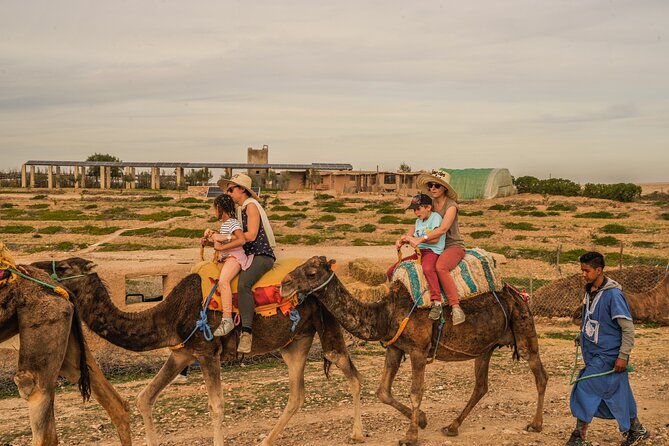
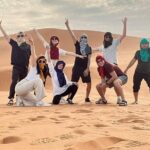
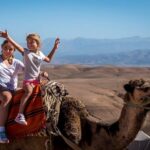
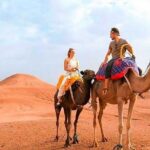
After Todra, you reach Merzouga and the real desert intro begins. You check out the dunes, enjoy a welcome tea, and then you pack for the desert night. The plan includes leaving behind what you won’t need, then getting onto a camel caravan for about an hour to the tent camp.
The canyon-to-desert transition is one of the strongest practical parts of the itinerary. It prevents the desert from feeling sudden or too “travel day-ish.” You get lead-in views, then the dunes arrive with proper impact.
Merzouga desert night: camel trek, sunset stop, and camp comfort
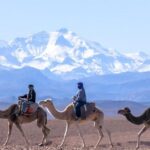
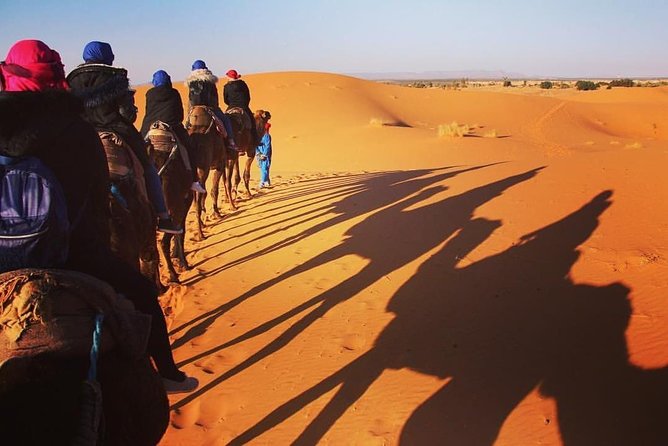
This is where the trip earns its reputation. The sequence is: arrive at the dunes, welcome tea, then camel trek to the camp. Once you’re on the camel ride, you’re no longer watching the desert from a bus window—you’re moving through it at a slower, human pace.
At some point during the journey, there’s a stop halfway to catch the sunset in the countryside, followed by a traditional dinner and typical music at camp. That combo matters because sunset changes everything about how dunes look. It turns the sand from “flat” into “sculpture,” and the timing is built into the experience rather than tacked on.
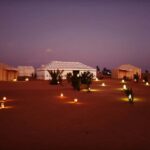
Overnight, you sleep in a tent camp, and the included note says you’ll have a night in “good” camp accommodations. Based on the overall rating and one clear theme in feedback, this is a value-focused desert sleep—comfortable enough that you don’t feel like you paid for hardship.
One realistic planning tip: the desert can be cool at night even when the day was warm. Bring a layer you can actually wear when you get back from the camel trek and you’ve settled in.
Sunrise on the dunes and the long drive back: Draa Valley and Anti-Atlas
Day 4 starts early, with a wake-up before sunrise to watch the dunes turn from dark to gold. You get breakfast and a shower at the camp, which is a huge practical upgrade. It means you’re not just leaving the desert still dusty and tired—you’re resetting before the long road day.
Then you return either by camel or by 4×4, depending on the flow of the day. That flexibility is worth knowing because it affects energy levels. If you want to keep it fully camel-based, you may be able to match the schedule. If you’d rather conserve time and stamina, the 4×4 option can help.
After the desert, you drive back across arid areas toward the Draa Valley, then cross the Anti Atlas to reach Ouarzazate. You stop for lunch at the hotel, then cross the High Atlas again to arrive in Marrakech around 7:30 pm.
This is an all-day transfer day, but it isn’t “wasted time.” You’re seeing different bands of terrain—desert edge, valley greenery in pockets, then high mountain roads—so the day stays visually interesting even when you’re sitting.
Marrakech medina day with Fatima: palaces, souks, and Jemaa el Fna
Ending in Marrakech is handled well because you don’t just drop into the medina alone at the end of a long trip. After breakfast, you get a guided day with Fatima, a local guide.
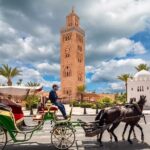
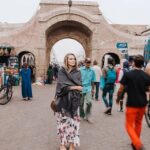
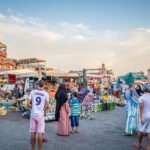
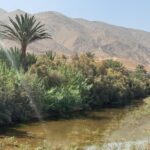
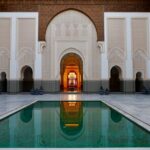
The schedule includes stops like Koutoubia and Bahia Palace, which give you quick context for what makes Marrakech feel special. After that you move into the souks and Medina, ending at Jemaa el Fna square. You also get time to walk with a local guide through the streets and market areas, with the tour adjusted depending on flight time.
This is a smart way to finish because you’re not trying to understand the city map on your first full day. By this point you’ve already seen how Morocco’s different regions work—now Marrakech feels like the cultural center it is.
Practical note: dinners in Marrakech are not included, so plan for one meal on your own after the tour ends. Use the guided time to get recommendations, not just directions.
Price and Logistics: is about $289.31 worth it?
At $289.31 per person for five days and four nights, you’re paying for a lot more than a bus ticket. You’re covering long-distance transfers in A/C vehicles, two desert “anchor moments” (camel trek and sunrise), and guided access to Ait Benhaddou.
Your included meals also reduce daily stress. The trip includes 4 breakfasts and 2 dinners (with the traditional desert dinner tied to your Merzouga night). What’s not included is lunches, plus anything in Marrakech evenings. That’s the tradeoff: you’re paying to structure the big-ticket parts, not to pack every meal.
Group size is capped at 50 travelers, which is not tiny, but it’s also not a mass-coach experience. The “mobile ticket” detail helps keep your on-the-day process simple.
If you’re comparing value, look at what’s actually expensive in this kind of route: the distance, the desert camp logistics, the camel trek coordination, and guided entrance fees. This tour includes those pieces up front, so you’re less likely to get surprised by add-ons once you’re already committed.
Who this tour suits best (and who should think twice)
This tour fits best if you want the classic Morocco highlights in one line, without trying to stitch together transport on your own. It’s ideal for first-timers who want High Atlas scenery + UNESCO kasbah + Merzouga desert and still want a guided wrap-up in Marrakech.
It’s also a good match if you like structured days. The itinerary is built around specific times—like sunrise and scheduled guided stops—so you don’t have to make those decisions yourself after long drives.
If you hate long driving days, you should be aware: day-to-day travel is a real chunk of the schedule. Also, if you rely heavily on very detailed English communication, plan for possible language limits with the driver/main contact, based on what’s been flagged.
Should you book this 5-Day Marrakech to Merzouga desert tour?
I’d book it if your priority is a smooth route that hits the big names—Ait Benhaddou, Dades and Todra, Merzouga dunes, then Marrakech with Fatima—without you having to plan every connection. The included camel trek plus sunrise is the kind of “this won’t be the same later” experience that’s hard to DIY cheaply.
I might skip it or look for another option if you want lots of free time to wander villages on your own, or if you dislike vehicle-heavy days. In that case, you may prefer a shorter desert stay that trims the driving.
Before you decide, make peace with two practical realities: no included lunches, and communication may be limited at times. If that doesn’t bother you, this is a strong value way to see a lot of Morocco in five days.
FAQ
FAQ
How long is the tour?
It runs for about 5 days (approximately 5 days and 4 nights).
Where does the tour start and end?
It starts and ends back at Marrakesh Menara Airport.
What’s included in the price?
The tour includes a driver, camel trek in Merzouga, comfortable A/C transfers, nights in good riad/kasbah/hotel/camp, airport transfer (round trip), guided entrance to Ait Benhaddou, 4 breakfasts, and 2 dinners.
Are lunches included?
No. Lunches are not included, so you’ll pay for them yourself.
Do you ride camels in Merzouga?
Yes. There is a camel trek in Merzouga to the tent camp (about an hour).
Do you return from Merzouga by camel or 4×4?
You return either by camel or 4×4, depending on the trip flow.
Which guided sites do you visit in Marrakech?
The final day includes guided visits in Marrakech to Koutoubia, Bahia Palace, the souks/Medina, and Jemaa el Fna, with a local guide named Fatima.
What’s the maximum group size?
The tour has a maximum of 50 travelers.
Can I cancel for a full refund?
Yes. You can cancel up to 24 hours in advance for a full refund.
What type of ticket do you get?
The tour provides a mobile ticket.