REVIEW · MARRAKECH
5 Days Desert Trekking from Marrakech
Book on Viator →Operated by Sahara Vibe · Bookable on Viator
Desert quiet starts fast. This 5-day trek runs from Marrakech over the High Atlas via Tichka Pass, then down to M’Hamid and through the dunes with camel-supported walking and desert nights in tents. The route is built for people who want real scale: long horizons, real silence, and a few key cultural stops that break up the driving.
I especially like two things: the hands-on guidance from a nomad professional guide and the way the days mix walking with calm rest stops. You’ll also get memorable waypoints like Ait Benhaddou on the way out and the sanctuary visit at Sidi Naji during the trek, so it’s not just sand and sky the whole time.
One consideration: this trip asks for moderate physical fitness. You’ll be trekking for several hours across multiple days, and the camps are described as nomadic standard rather than hotel-style comfort.
In This Review
- Key highlights you’ll care about
- Marrakech to the Sahara Gate: what makes this trek work
- Day 1: High Atlas views, kasbah stops, and arrival near M’Hamid
- Day 2: M’Hamid walking, Palm Grove shade, and Sidi Naji
- Day 3: Erg Zahar dunes, border country feel, and campfire time
- Day 4: Kraat Jamal, Lahdybat lunch, and Draa Valley silence
- Day 5: back to Marrakech by car, with a 6 PM arrival
- Guides and the private-tour touch that changes everything
- Food, tents, and what is actually included
- Price and logistics: is $569.33 good value
- Who this trek is best for
- Should you book this 5-day Marrakech-to-desert trek?
- FAQ
- Where does the tour start in Marrakech?
- How long is the Marrakech to Sahara trek?
- What time will I be back in Marrakech on the last day?
- Is pickup included?
- Are camels part of the experience?
- Are meals included, and is vegetarian food available?
- What’s not included in the tour price?
- Is it a private tour or shared group?
- What’s the cancellation policy?
Key highlights you’ll care about
- High Atlas to Sahara routing through Tichka Pass with classic Morocco views
- Ait Benhaddou and Tamnougalte stops that add real cultural context to the drive
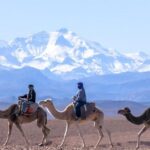
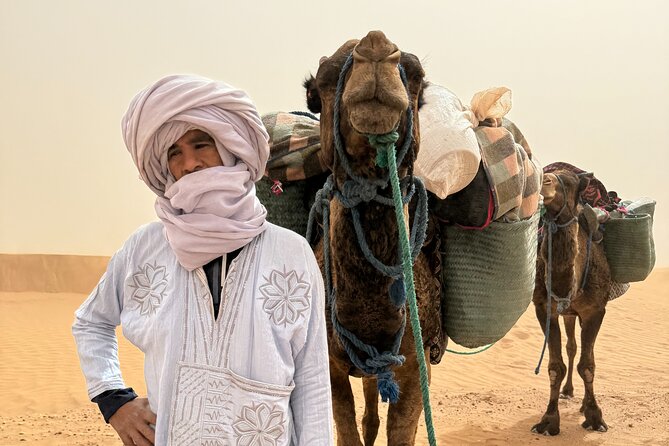
- Camel caravan + on-foot trekking for a slower, more tactile desert experience
- Palm Grove breaks and Tamaris shade with tea and lunch during the walk
- Erg Zahar and Kraat Jamal camps with campfire evenings and big night-sky time
- Private tour feel with a guide team that handles coordination closely (including Abdellah)
Marrakech to the Sahara Gate: what makes this trek work
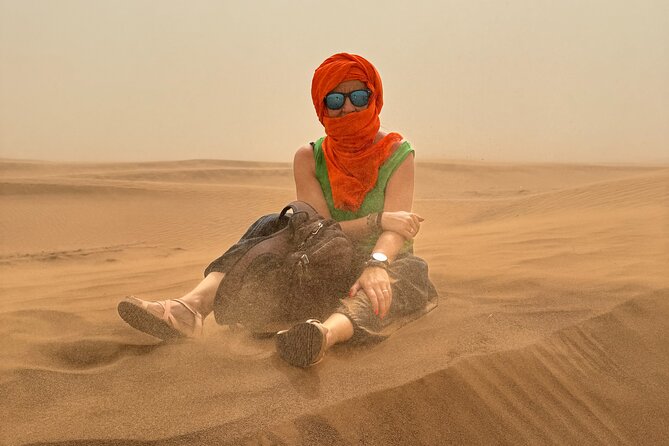
The best desert tours don’t just drop you at dunes. They build the story first, by dragging you through the big geography of Morocco before you ever reach the sand. Here, that means early departure from Marrakech, a memorable mountain crossing over Tichka Pass (2260 m), then a long shift into the date-and-palm world before the actual trek begins.
What I like about the format is that it respects how the desert feels. You’re not sprinting through everything. You walk meaningful stretches, then you stop for shade, tea, and food, and you finally settle into camp with enough downtime to actually enjoy the quiet. This is a good match if you like your days paced and your nights focused.
One more plus: the trip is set up as a private tour. That usually matters in the Sahara, where a small change in rhythm or timing can make a big difference to your comfort and photos and overall stress level.
You can also read our reviews of more hiking tours in Marrakech

Day 1: High Atlas views, kasbah stops, and arrival near M’Hamid
Day 1 starts early from your Marrakech hotel area (the start point is Hôtel AliRue Moulay Ismail, Marrakech 40000). The drive takes you across the High Atlas Mountains using Tichka Pass, Morocco’s highest road pass, and it’s one of those routes where the scenery changes as you climb and descend. You also pass through village areas and see multiple kasbahs along the way, including Tamnougalte.
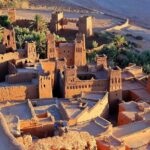
A key stop is Ait Benhaddou, a UNESCO-listed kasbah site dating to the 16th century. It’s also well known as a filming location, so if you’ve ever seen Morocco on screen, this is the kind of place that makes you connect the dots. Even if film trivia isn’t your thing, it’s a strong “this is why people build here” moment, because the architecture is so tied to the terrain.
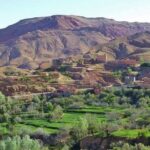
After that, you continue through the Draa River valley, which is lined with palm trees. The day also includes reaching Zagora, described as the capital of dates, before pushing on toward the gates of the Sahara at Mhamid. Dinner and the first night are spent in a nomadic-standard camp.
Practical takeaway for Day 1: you’ll spend the day in transit. That’s not a downside if you expect it, but it does mean you should plan for a long sit and keep essentials handy for comfort.
Day 2: M’Hamid walking, Palm Grove shade, and Sidi Naji
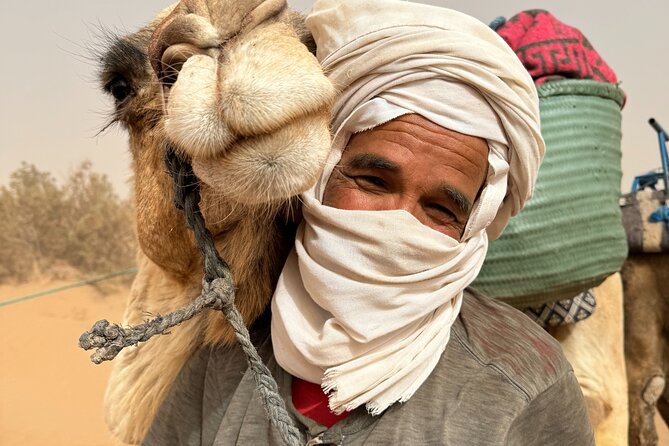
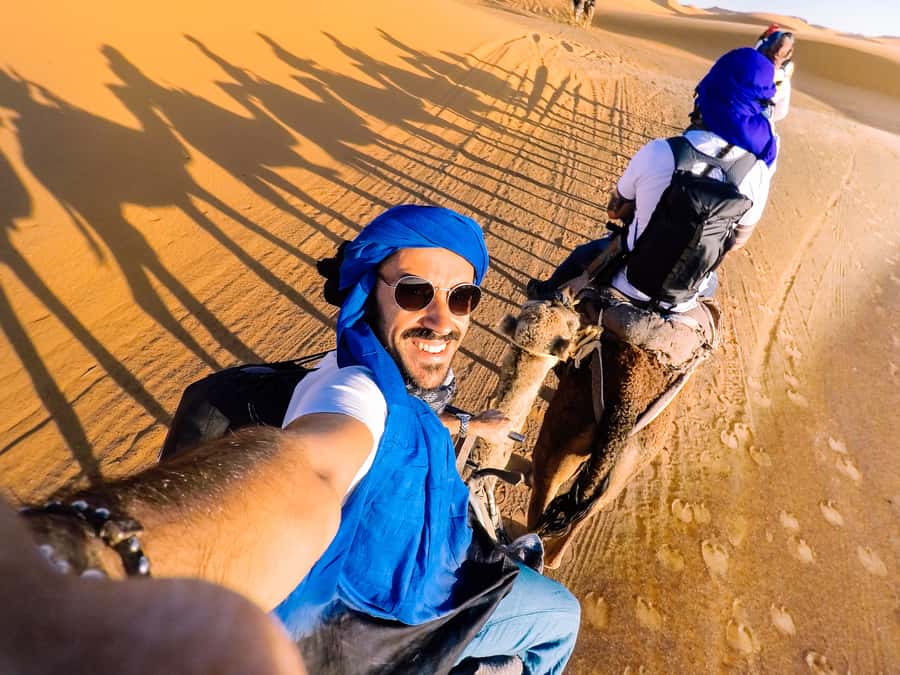
Day 2 is when the trek becomes the main event. After breakfast in camp, you leave Mhamid on foot with your guide and the camel caravan. This setup matters. The camel support helps you keep the walk enjoyable while still feeling fully “in it,” instead of doing a purely motorized experience.
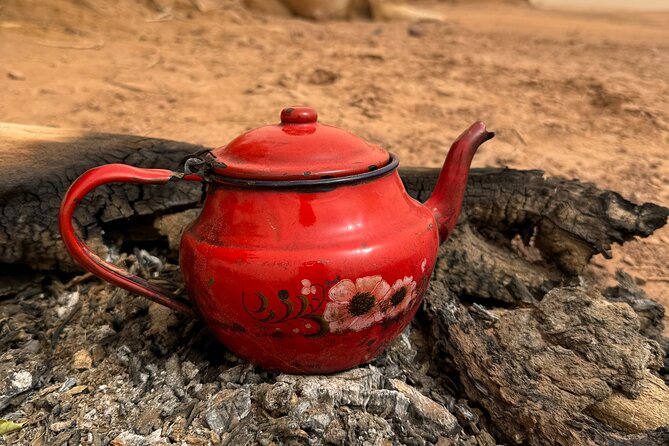
You head toward the Palm Grove, where tea and lunch are served in the shade of tamarisks. That shade break is the kind of detail that can save a day. It turns the walking from a grind into something more like a steady hike with real stops, rather than constant heat-management.
After resting, you continue to the sanctuary of Sidi Naji. There’s a local legend that a marabout lived here, and the visit is described as tied to history and local custom. It’s one of the few moments where the trek shifts from nature observation to people-and-beliefs observation, which I think adds depth.
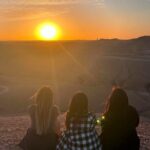
Then you set a bivouac at the foot of the dunes. You get free time until dinner, and the night includes a “star bath” moment along with desert silence. That’s exactly the kind of pause that makes a trek like this feel different from a checklist tour.
Consideration for Day 2: you’ll likely feel the day more than Day 1, because you’re walking. If you’re sensitive to uneven ground or long hours, pace yourself and let the guide’s rhythm guide your effort.
Day 3: Erg Zahar dunes, border country feel, and campfire time
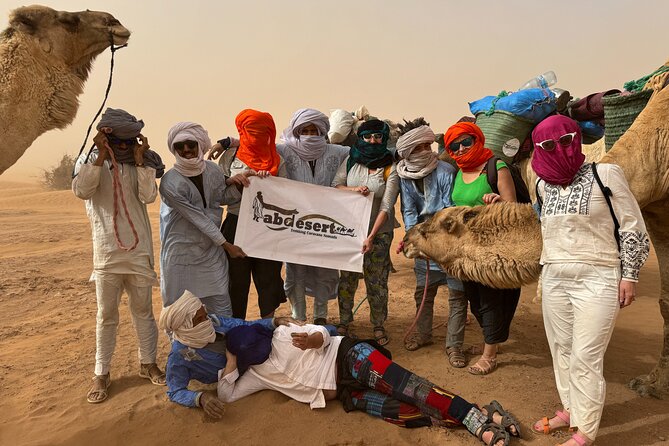
The rhythm continues on Day 3. You have breakfast, then head toward Erg Zahar. The trek to the dunes is described as around 4 hours of walking, after which you see the golden dunes and the mountains stretching further out.
This day also notes you’re close to the Algerian border. You don’t cross it, but the reference helps you imagine the remoteness: you’re out in a wide-open area where the “edge of the map” feeling is real.
Once you arrive, you set camp and meet by the campfire. Free time follows before dinner. That’s the part I think many people remember most: not the exact walking distance, but the way evenings in the desert let conversation slow down and your brain finally stop buzzing.
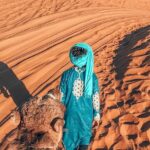
If you’re the type who likes photos, this is also a day where the light changes fast. Even without chasing perfect shots, you’ll find the dunes look different as the day shifts, because the terrain is so close and so textured.
Day 4: Kraat Jamal, Lahdybat lunch, and Draa Valley silence
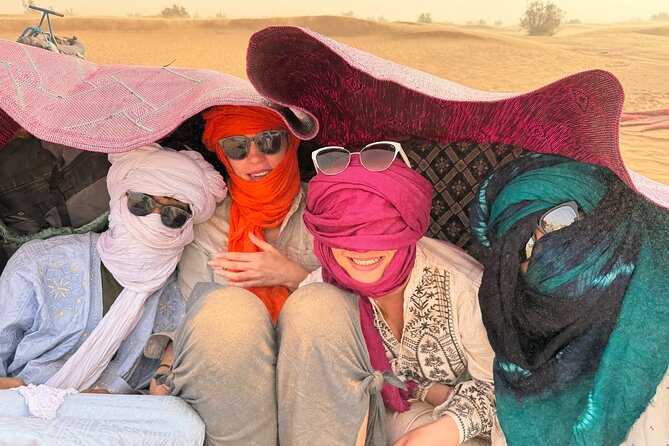
Day 4 brings you from Erg Zahar toward Kraat Jamal. The route includes passing by Lahdybat, where lunch is served. There are also mentions of roads lined with tamarisk trees, which helps break up the visual monotony of only dunes and sand-colored horizons.
After lunch, you’re surrounded by the Daraa Valley. It’s another reminder that this trek isn’t just a single biome. You’re moving through an area where palms, river valleys, and desert edges all blend into each other in how people travel and live.
This is also your last night in the desert. The tour description emphasizes wild beauty and silence, and with how the other nights are structured (campfire and free downtime), you can expect a final night that feels like the culmination of the whole trip: quiet, slow, and focused on the night sky and the stillness between dunes.
What to watch for on Day 4: energy. You’ve been walking for multiple days now, so keep your pace easy. Your guide’s job is not just to get you somewhere, but to manage the day so you arrive in the right mood, not wrecked.
A few more Marrakech tours and experiences worth a look

Day 5: back to Marrakech by car, with a 6 PM arrival
On Day 5, the trek portion ends and you return to Marrakech by car. The tour notes that you’ll be seen back in your riad at around 6 PM.
The experience also states the activity ends back at the meeting point, and it confirms a pickup-like flow at the start. Translation: you’re not left guessing. The schedule is designed so you return with enough time to clean up and still make plans for dinner back in Marrakech.
If you’re building your overall Morocco itinerary, keep your final day in Marrakech flexible. You’ll want a buffer for getting back, showering, and dealing with the slow “I’m still dusty” feeling.
Guides and the private-tour touch that changes everything
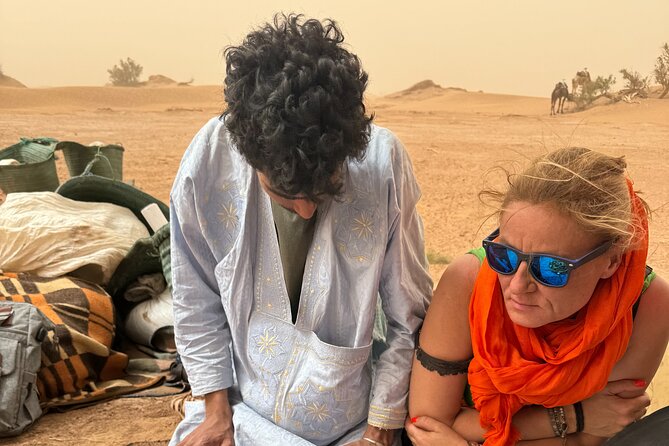
The difference between an average desert tour and a standout one is often simple: who’s holding the plan together. This one is led by a nomad professional guide, supported by a driver/guide, and it’s arranged as a private tour for your group.
Names matter here because the feedback includes them: Abdellah (the owner) is described as staying in contact from the planning stage and meeting travelers in Marrakech to start the trip. The guiding team is also named in responses and reviews, including Abdullah/Abdul and support from Chef and Said. That kind of continuity tends to show up in the details: food timing, getting you where you need to be, and answering questions in a way that feels natural rather than scripted.
Also, coordination can happen informally through WhatsApp for some bookings. That’s useful if you want to ask practical questions quickly before you go.
What you should take away: you’re not just buying transport and a tent. You’re hiring a small team that’s meant to manage the whole flow, including the parts that don’t appear on a brochure.
Food, tents, and what is actually included
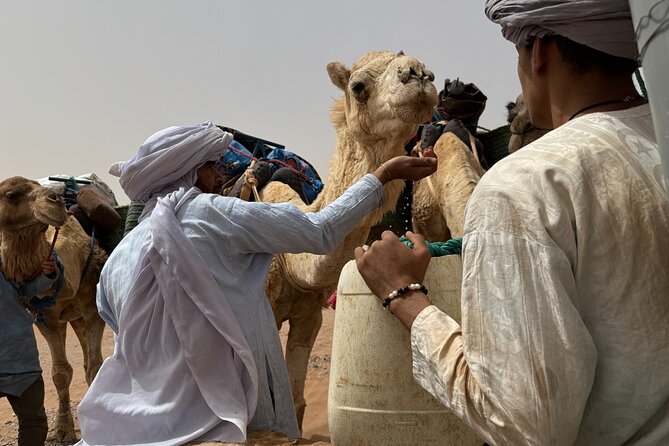
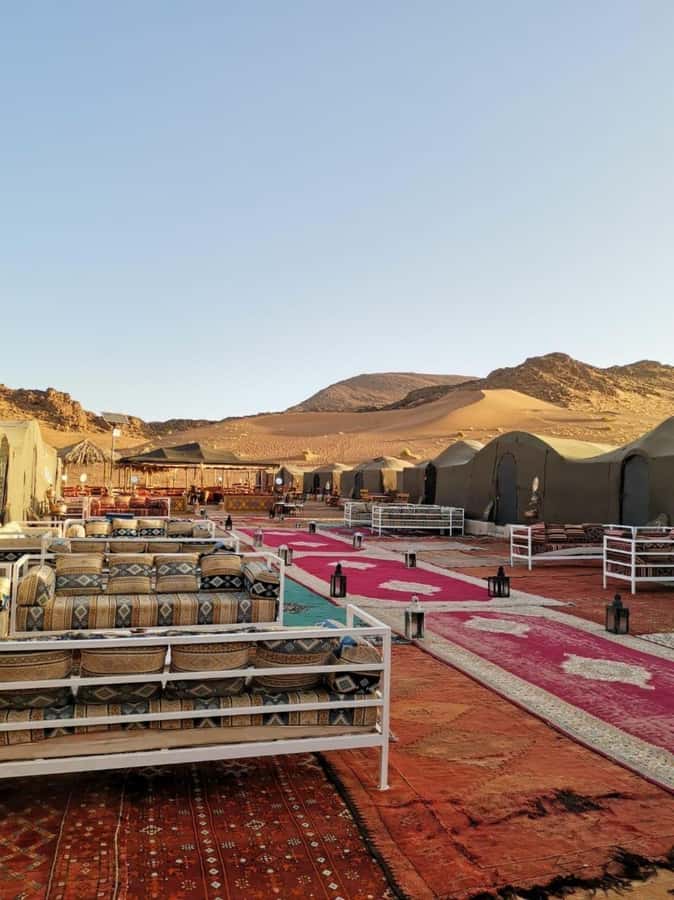
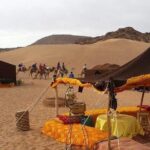
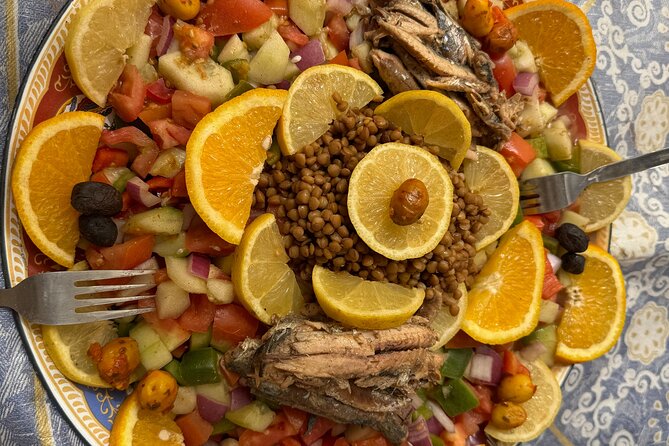
The trip includes 4 nights accommodation in tent plus the camel support, so you can treat “camp” as part of the core experience, not an add-on. The camp is described as nomadic standard. That usually means functional comfort: the focus is on being in the desert and having a warm, safe base at night.
Meal coverage is fairly clear:
- Breakfast: 4
- Dinner: 4
- Lunch: 3 (with additional lunches on the way not included)
- Vegetarian food is included
- Coffee and/or tea are included
So you won’t starve, and you won’t have to hunt for vegetarian options mid-trek. Still, the tour lists that tips are not included, and Lunch x 2 (on the way) is not included either. That’s worth planning for if you’re trying to keep the trip budget tight.
A smart planning move: carry some extra small snacks you enjoy, just in case. The itinerary has long days, shade breaks, and scheduled meals, but you’ll feel better if you can top off quickly.
Price and logistics: is $569.33 good value
At $569.33 per person, you’re paying for a full package: desert trekking structure, camel support, private transportation, a guide team, and a lot of meals. Many lower-cost options cut corners on one or more of those pieces, like private transport, consistent meals, or the level of guide time.
Here, the value comes from stacking inclusions:
- Private transportation from Marrakech
- Camel caravan support
- Nomad professional guide
- Tent nights (4)
- Vegetarian meals across the trek days
- Local taxes
- Coffee/tea
Where the price may not feel “cheap” is that this is a true commitment: multiple trekking days, multiple nights under desert skies, and a lot of on-the-road time before you even start walking. If you’re the type who wants comfort-first travel, you might feel that the tour is intense for the money. If you want the desert experience done properly, the price starts to make more sense because you’re not paying separately for a lot of core parts.
Also, the tour notes free cancellation up to 24 hours in advance for a full refund. That reduces booking risk if your dates are still fluid.
Who this trek is best for
This trek fits best if you:
- Want a 5-day desert experience with real walking and desert nights, not just a day trip
- Prefer a private tour so the pace and timing feel less rushed
- Enjoy learning from a guide about the land, the traditional nomadic way of life, and local practices
- Can handle moderate physical effort across several days
It may not be ideal if you:
- Want very low walking time every day
- Need hotel-style bedding and comfort on night one through night four
- Have strict time limits in Marrakech that can’t absorb a Day 1 early departure and Day 5 return around 6 PM
Should you book this 5-day Marrakech-to-desert trek?
I’d book it if your goal is simple: spend real time in the Sahara with people who explain what you’re seeing, and do it with a team that handles the whole route from Marrakech through Mhamid and onward. The repeated themes in the feedback point to strong care and an experience that feels local and traditional, not overly staged.
I’d think twice if you’re worried about getting tired from walking, because the itinerary includes trekking days with several hours on your feet and at least one leg described as about 4 hours. Also, budget for tips and the two lunches not included on the way.
If you want a desert trek that combines the big Morocco road trip feel with actual dune time, this one is a strong contender.
FAQ
Where does the tour start in Marrakech?
It starts at Hôtel AliRue Moulay Ismail, Marrakech 40000, Morocco.
How long is the Marrakech to Sahara trek?
It runs for 5 days (approx.).
What time will I be back in Marrakech on the last day?
The car returns you to Marrakech, and you’ll be seen in your riad at around 6 PM.
Is pickup included?
Yes, pickup is offered, and private transportation is included.
Are camels part of the experience?
Yes, camels are included, and they support the trek.
Are meals included, and is vegetarian food available?
Yes. The tour includes 4 breakfasts, 4 dinners, and 3 lunches, and the food is vegetarian. Coffee and/or tea are included too.
What’s not included in the tour price?
The tour lists tips as not included, and Lunch x 2 (on the way) is also not included.
Is it a private tour or shared group?
It’s a private tour/activity, so only your group participates.
What’s the cancellation policy?
You can cancel for a full refund up to 24 hours in advance of the experience start time. Canceling less than 24 hours before start time isn’t refundable.