REVIEW · MARRAKECH
Best of Moroccan Sahara: 5-Day Guided Tour from Marrakech
Book on Viator →Operated by CLICK EXCURSIONS · Bookable on Viator
A real Sahara trip starts with a long morning drive. This 5-day private route strings together High Atlas passes, desert villages, and that classic night under thousands of stars. You also get the comfort of an air-conditioned vehicle plus real stops for culture, not just driving through.
What I really like is the way the trip mixes sleeping styles: riads one night, a desert bivouac tent another, and a comfortable hotel at the right time. I also appreciate the hands-on pacing—there’s a private driver and a private guide, so questions and detours don’t feel like an interruption.
One drawback to think about: it’s a full circuit with long road days. If you hate sitting in a car for hours, plan for breaks, sun protection, and a patient mindset.
In This Review
- Key takeaways before you go
- The route makes sense: Marrakech to the Sahara (without it feeling random)
- Day 1: Marrakech → Ouarzazate → Zagora, with Ait Benhaddou in the mix
- Day 2: Zagora → Tazzarine → Alnif → Merzouga, then a desert night at the camp
- Day 3: Merzouga → Erfoud → Tinghir, palm groves and Todra Gorge cliffs
- Day 4: Tinghir → Dades Valley → Ouarzazate, the kasbah road and Roses country
- Day 5: Ouarzazate → Marrakech over Tizin-Tichka, with mountain snow when it happens
- Sleeping and comfort: riads, a 4-star hotel, and a real desert bivouac
- Meals and what you should budget for (lunch + drinks)
- Your private guide and air-conditioned vehicle: how it affects the whole trip
- Price and value: is $677 per person a fair deal?
- Who this tour suits best (and who should think twice)
- Should you book the Best of Moroccan Sahara 5-Day Guided Tour?
- FAQ
- What’s included in the tour price?
- Are there meals included or do I need to budget for food?
- Is this tour private?
- Do you provide pickup in Marrakech?
- What’s the start time?
- Where do you sleep during the trip?
- How long is the tour?
- Is there a camel ride?
- What’s the cancellation policy?
- Is the tour suitable for families and kids?
Key takeaways before you go
- Private guide + driver means you’re not stuck in a “follow the leader” shuffle.
- A UNESCO stop at Ait Benhaddou gives you a real cultural anchor early on.
- Desert bivouac night is built into the experience, not added as an optional extra.
- Todra Gorge and its rock cliffs deliver a dramatic change from dunes and palms.
- Camel ride is included, so you can focus on the moment instead of logistics.
- Half-board is included (breakfast + dinner), but you’ll still need to budget lunch and drinks.
The route makes sense: Marrakech to the Sahara (without it feeling random)
This tour is designed as a southbound storyline. Day one pulls you out of Marrakech and up into the High Atlas world, then drops you into kasbah country. Days two and three shift from roads and villages into palm groves and cliff scenery, and only then do you spend the night in a proper desert setting.
That order matters. Starting with the mountains helps you adjust to the big distances. Once you reach Merzouga, the desert night lands with more impact because your body has already moved through the region’s rhythm—curving roads, changing villages, and wide-open views.
You’ll also notice the route hits both famous and practical sights: a UNESCO kasbah, rose-and-valley towns along the way, Todra Gorge, and then the Sahara camp experience. It’s not just “dunes and done.”
You can also read our reviews of more guided tours in Marrakech
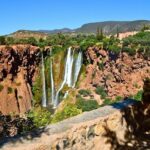
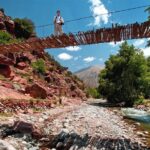
Day 1: Marrakech → Ouarzazate → Zagora, with Ait Benhaddou in the mix
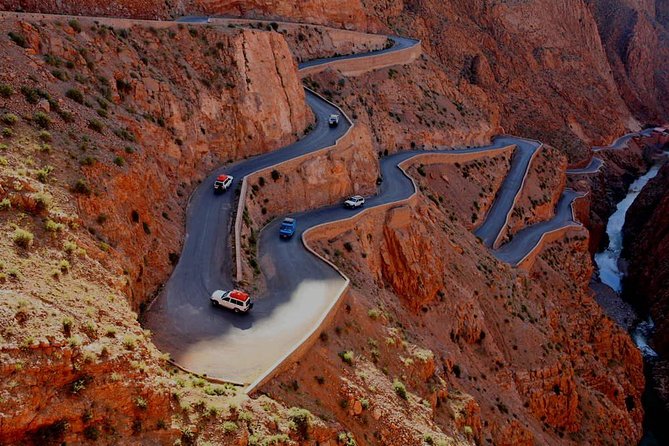
Your day starts early, around 7:30 to 8:00 am. You drive from Marrakech toward Ouarzazate, gateway to the Deep South, crossing the High Atlas via Tizin-Tichka (listed at 2260 m). Expect big road views and lots of “this is why Morocco has variety” moments.
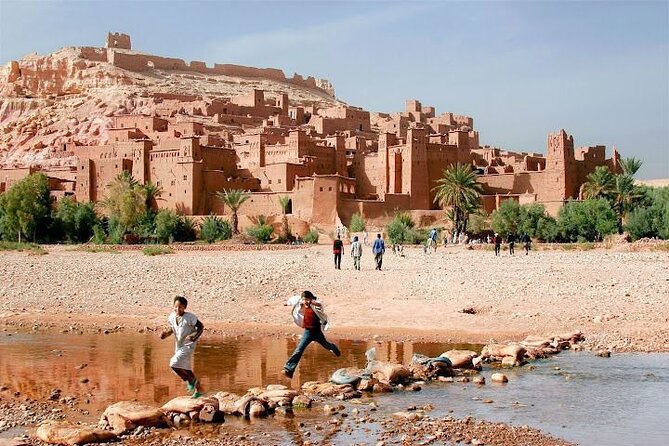
Before continuing, you’ll visit Ait Benhaddou, a UNESCO-listed kasbah known worldwide and also used as a filming location for major productions. Even if you don’t care about movie sets, the place is visually striking—fortified clay architecture shaped for defense and survival. It’s one of those stops where you can slow down and actually look.
After lunch in Ouarzazate, the day continues by road along the Draa River valley toward Zagora. The vibe shifts from the kasbah landmark to the long stretches between settlements. You’ll finish with dinner and an overnight camping stay.
Practical note: day one is long by design. If you want lots of photos without rushing, bring a charged phone/camera and keep a water bottle within easy reach.
Day 2: Zagora → Tazzarine → Alnif → Merzouga, then a desert night at the camp
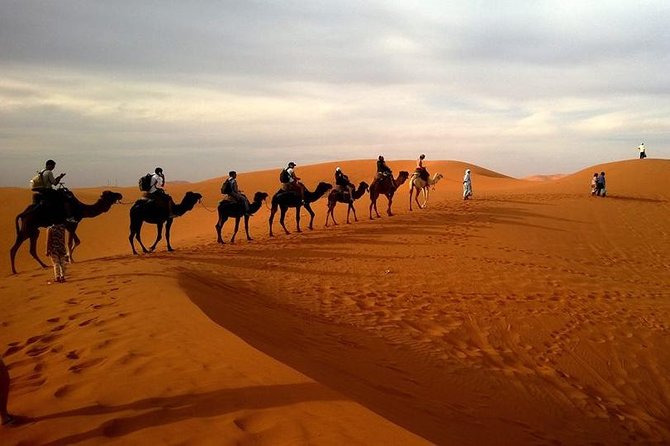
Breakfast kicks things off, and the route continues through villages such as Tazzarine, then onward via Alnif and a rocky plain. The driving day is more about texture than single “headline sights”—small towns, desert-edge terrain, and stretches where the road feels like it’s cutting through wide emptiness.
Lunch is included in Tazzarine. Then you head farther toward Merzouga and Rissani areas. The day ends with dinner and an overnight in a bivouac in Merzouga.
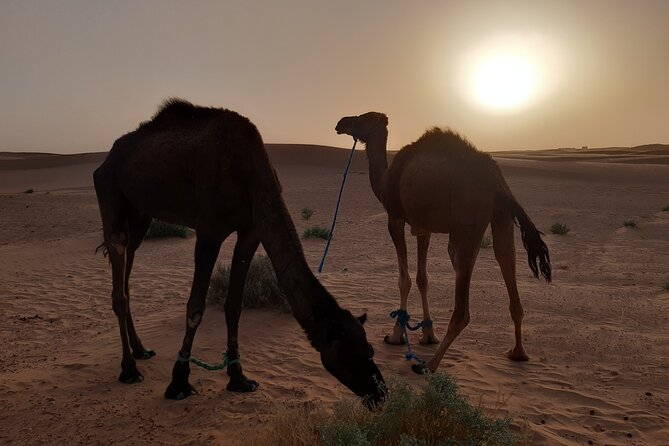
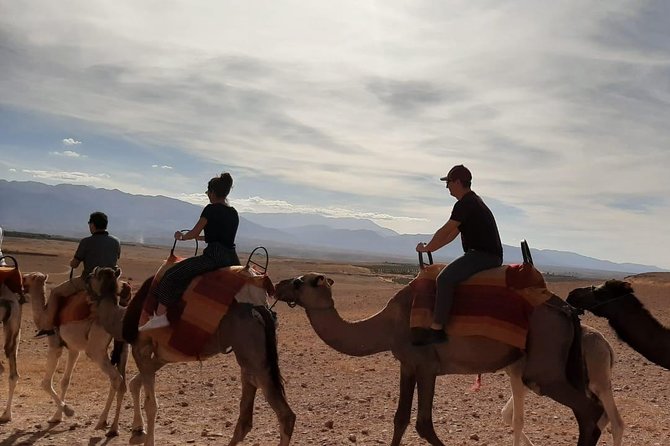
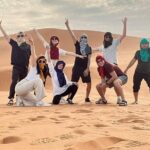
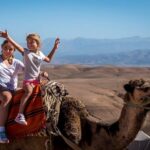
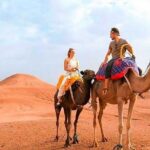
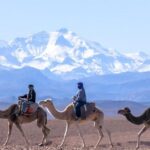
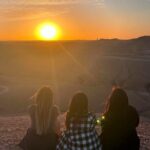
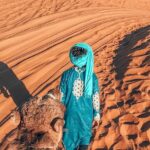
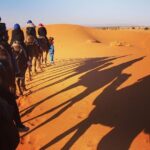
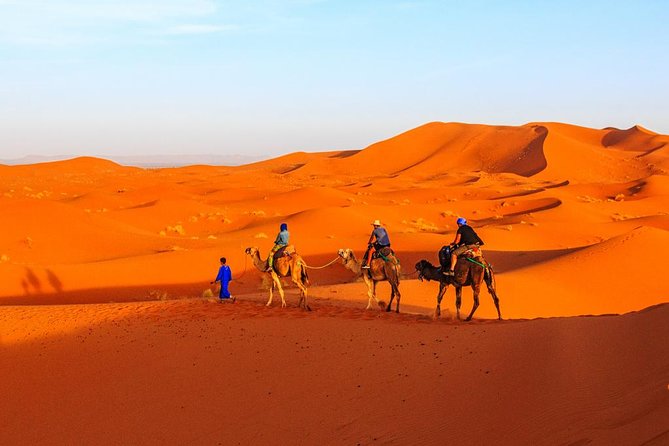
And yes, there’s a camel ride included. The best way to think about this part is as a gentle transition: it’s not just a photo stop—it’s the step that helps you switch from road-travel mode to desert-experience mode.
Consideration: camel rides are fun, but if you have mobility concerns or strong discomfort with animals, tell your guide early so you can plan. Even with included activities, you should feel comfortable saying what works for you.
Day 3: Merzouga → Erfoud → Tinghir, palm groves and Todra Gorge cliffs
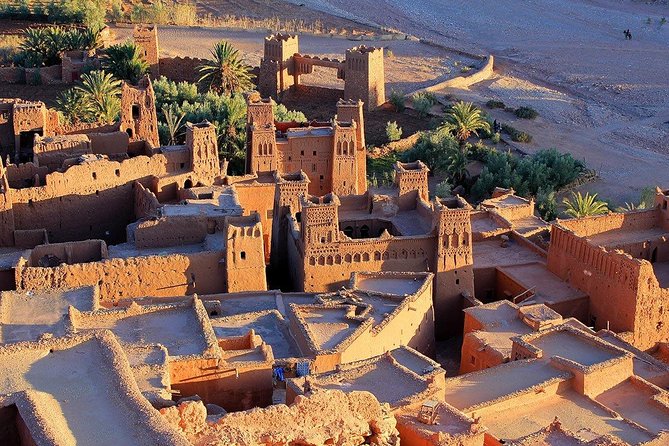
Day three starts with breakfast and heads toward Erfoud. There’s a city tour here, then you continue to Tinghir, which is known for its palm grove. This is a nice reset day—palms and green pockets break up the visual sameness that can happen when you’re deep in desert geography.
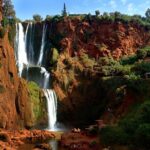
Lunch is included in Tinghir. After that, you visit Todra Gorge, famous for its high, rocky cliff walls. This is one of the best “wow changes” on the entire circuit: you go from open desert space to tight canyon-like angles where the air feels cooler and the stone looks like it rises straight up.
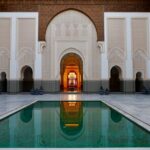
Dinner and overnight are in a traditional riad in the Tinghir area. Staying in a riad here is smart because it gives you a real night in Moroccan home-style lodging while you’re still close to the dramatic natural sights.
If you like walking, bring shoes with decent grip. Gorge paths can be uneven, and you’ll want stable footing when the views tempt you to linger.
Day 4: Tinghir → Dades Valley → Ouarzazate, the kasbah road and Roses country
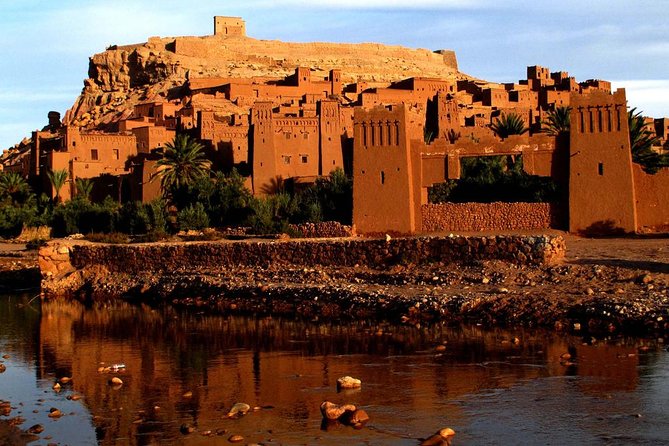
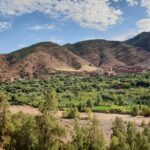
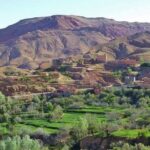
After breakfast, you head back toward Ouarzazate, traveling via the Dades Valley and the road known for thousands of kasbahs (a famous stretch for fortified villages and clay architecture perched on slopes).
On the way, you’ll pass Klaa M’Gouna, described as the city of Roses. Even if you visit outside peak rose season, the stop is still a useful culture-and-place moment—another reminder that Morocco’s desert region isn’t only dunes. It’s orchards, valleys, local life, and seasonal rhythms.
Then it’s on to Ouarzazate for an afternoon visit. Dinner and overnight are at a 4-star hotel, which is a welcome reset after a camping-style night and riad stay. This is also the day where you’re most likely to appreciate laundry-friendly clothing, a shower that feels truly luxurious, and a quiet room before the final drive.
A few more Marrakech tours and experiences worth a look

Day 5: Ouarzazate → Marrakech over Tizin-Tichka, with mountain snow when it happens
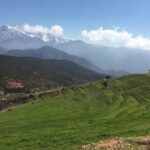
Your final day is the return leg to Marrakech. You’ll cross the Tizin-Tichka again, described as the highest pass in the country and still sometimes snow-covered much of the year.
Arrival in Marrakech is in the afternoon. By then, you’ll have done the full “from Marrakech to the desert, then back through the mountains” loop—so the last day isn’t just travel. It’s the bookend of the scenery you already started to understand on day one.
Practical mindset: by day five, you’ll likely feel tired in a normal human way. That’s a good sign. The desert experience hits better when you’re not over-starring every moment.
Sleeping and comfort: riads, a 4-star hotel, and a real desert bivouac
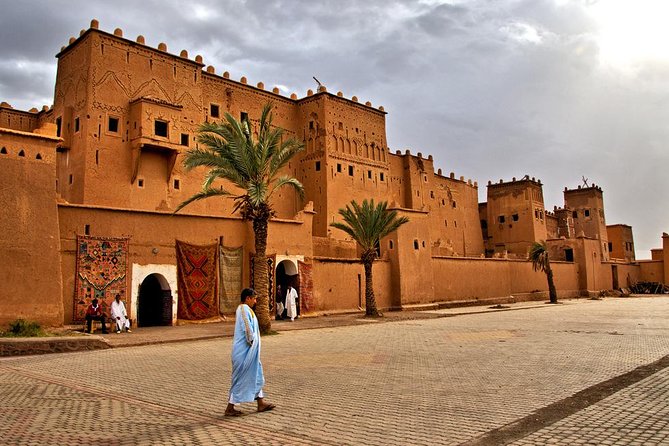
This trip handles comfort in a smart sequence.
- Riad nights: You get that traditional guesthouse feel—Moroccan style, calmer evenings, and the chance to slow down away from the road. Riads also usually make dinner feel more like an event than a stop.
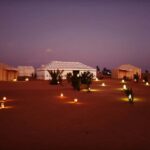
- Desert bivouac tent: This is the part that turns the tour into a story you remember. Even though “bivouac” can sound rough, the tour includes half-board (dinner and breakfast), so you’re not hunting for meals after the day’s exertion.
- 4-star hotel night in Ouarzazate: This is the pressure-release valve. It gives you a cleaner landing spot before the drive back, and it helps the overall experience feel less harsh.
One thing to keep in mind: desert nights can be chilly compared to daytime. The tour doesn’t list temperature gear, so pack for big swings in weather—warm layers help.
Meals and what you should budget for (lunch + drinks)
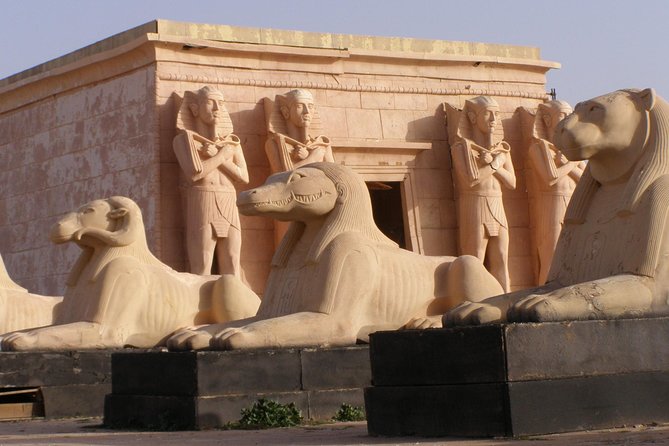
Half-board is included across the trip: dinner and breakfast at the camps and accommodations. Lunch is not included, and drinks aren’t included either.
This matters for value. If lunch weren’t included, you’d want more detail on where you’d eat. Here, lunch appears to be handled at specific towns along the route (such as Ouarzazate on day one and Tazzarine on day two), which suggests you’ll have practical meal stops rather than “good luck, figure it out” moments.
Budget tip: set aside cash for lunch and any drinks you want during stops. If you’re the type who likes soda, juice, or coffee with each break, it can add up quickly.
Your private guide and air-conditioned vehicle: how it affects the whole trip
Because this is a private tour, your pace is yours. A private driver reduces stress on long distances—especially on mountain stretches and in places where road signs can be less straightforward than you expect.
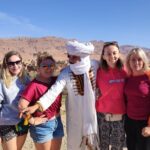
A private guide is even more valuable than people realize. When you can ask what you’re seeing—about kasbah life, valley geography, or local village culture—each stop becomes more than a drive-by photo. The feedback tied many experiences to guides by name, including Nomad, Imad, Simo, Khalid, Otman, Abdel, and Mohamed Ouzanzoul. That’s a sign this is the kind of tour where the guide role truly matters.
If you do book, start your trip with a simple goal: tell your guide what you care about most—architecture, desert camps, gorge scenery, or everyday Moroccan life. Then let them shape the small moments around your interests.
Price and value: is $677 per person a fair deal?
At $677 per person for about 5 days, you’re paying for a bundled circuit: private guide + private driver, air-conditioned vehicle, accommodation across three lodging styles, and included dinners/breakfasts plus a camel ride.
Here’s what makes it “value” rather than just “cheap or expensive”:
- You’re getting multiple lodging types (riads, bivouac, and a 4-star hotel), which usually costs more if booked separately.
- The included meals reduce daily planning friction.
- You’re not negotiating rides between towns. The route is built to flow from Marrakech down through the atlas region and back.
What might make it feel high is if you’re mostly interested in only the desert night and don’t care about the kasbahs, valleys, and gorge. In that case, you’d probably be happier with a shorter desert-focused option.
But if you want the full “Marrakech to Sahara and back” story with culture stops and natural highlights, $677 starts looking like a reasonable package.
Who this tour suits best (and who should think twice)
This tour is a strong fit if you:
- Want a guided, private experience rather than a bus-and-wait style day.
- Enjoy the “slow reveal” approach—mountains first, then villages, then palms, then cliffs, then dunes.
- Like the idea of staying in a traditional riad and also doing a proper desert bivouac.
It may be less ideal if you:
- Have very limited patience for car time.
- Want a desert trip with more free time for solo wandering (this one is structured and moves daily).
- Are highly sensitive to weather swings at night in the desert area.
Should you book the Best of Moroccan Sahara 5-Day Guided Tour?
Yes—if you want the Sahara as part of a full Moroccan journey, not a day-trip add-on. The mix of UNESCO Ait Benhaddou, Todra Gorge, riads, and the desert bivouac night gives the trip shape. And because it’s private, the guide and driver can tailor small things to your group.
Book this one when your travel style matches road-trip geography: you like moving through different regions, stopping for culture and scenery, and letting the desert night be the peak moment. If that’s your vibe, you’ll likely find this tour hits the right balance of comfort and authenticity.
FAQ
What’s included in the tour price?
The price includes an air-conditioned vehicle, dinners and breakfasts (half-board), accommodations in a desert bivouac tent, traditional riad guesthouses, and a 4-star hotel (with half-board), plus a pretty camel ride.
Are there meals included or do I need to budget for food?
Breakfast and dinner are included. Lunch and drinks are not included, so you’ll want to budget for those each day.
Is this tour private?
Yes. It’s a private tour/activity, meaning only your group participates.
Do you provide pickup in Marrakech?
The tour indicates pickup is offered.
What’s the start time?
The meeting start time is listed as 8:00 am, and the route description mentions a morning departure at about 7:30 am. Plan for an early start.
Where do you sleep during the trip?
You’ll sleep in a desert bivouac tent for one night, in traditional riads for nights during the route, and in a 4-star hotel on another night.
How long is the tour?
It’s listed as 5 days (approx.).
Is there a camel ride?
Yes, a camel ride is included.
What’s the cancellation policy?
Free cancellation is available up to 24 hours before the experience start time for a full refund. If you cancel less than 24 hours before, the amount paid is not refunded.
Is the tour suitable for families and kids?
Most travelers can participate. Children must be accompanied by an adult.