REVIEW · MARRAKECH
2 Days Hiking & Toubkal Ascent and Berber Valleys From Marrakech
Book on Viator →Operated by Morocco Luxe Tours · Bookable on Viator
Toubkal is no day hike.
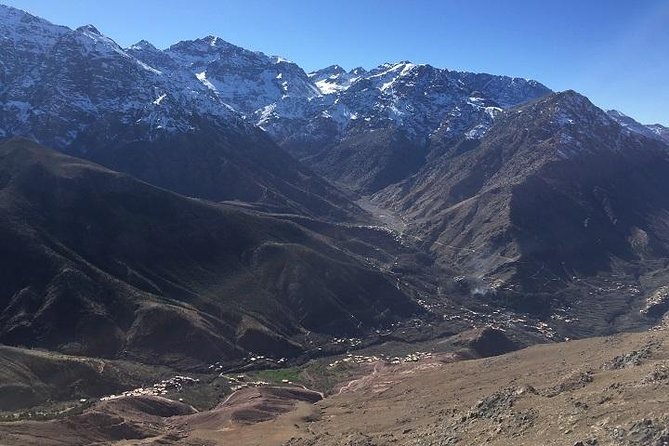
This 2-day trek from Marrakech walks you through Imlil and Berber villages in the High Atlas, then pushes up to North Africa’s top peak, Mount Toubkal at 4167m. You get to set your pace with a guide, and the summit payoff is the kind of view you remember for years.
I especially liked two things: the pickup-to-drop-off convenience and the way the trip handles the hard parts for you (guides, mule/cook team organization, and all meals). The overnight at the base camp or in a tent keeps it feeling like a real mountain experience, not just a long walk and a bus ride.
One consideration: it’s a full-on hike, and the trip doesn’t include mountains gear, so you’ll want solid footwear and layers before you go—plus you’re relying on good weather.
In This Review
- Key Points That Matter Before You Go
- Marrakech Start: How The Trek Gets Rolling
- Day 1 Through Imlil Valley: Tea, Towns, And Base Camp Reality
- Why The Overnight At Base Camp Is A Big Deal
- Day 2 Summit Strategy: A Long Climb With A Simple Goal
- The Guide Factor: What Makes This Trek Feel Smooth
- What’s Included: You’re Paying For Mountain Support
- What’s Not Included: Gear Is On You
- Weather, Pace, And The Reality Of “Good Conditions”
- Who This Trek Suits Best (And Who Might Hesitate)
- Practical Tips To Make It Better
- Should You Book This Mount Toubkal Trek?
- FAQ
- How long is the Mount Toubkal trek from Marrakech?
- What time does the tour start in Marrakech?
- Is the climb technical?
- What fitness level do I need?
- What’s included in the price?
- What about cancellation and weather?
Key Points That Matter Before You Go
- Private tour, private pace: only your group goes, and your guide adjusts speed as you need.
- All meals included: breakfast, lunch (2), dinner (2), plus snacks/tea moments along the route.
- Overnight at ~3207m: you sleep close to the main climb, which helps the logistics.
- No technical climbing: it’s hiking to the summit, but expect scree and loose rock near the top.
- Guide names you may hear: Abdul and Rachid show up in the local guide feedback, both praised for care and support.
- Be ready for a long day: Day 2 runs about 11 hours, including summit time and the descent.
Marrakech Start: How The Trek Gets Rolling
Most Mount Toubkal treks start with an early morning push, and this one begins at 8:00am from the Hôtel AliRue Moulay Ismail area in Marrakech. You’ll ride about 1.5 hours to Imlil, the usual gateway town for the Toubkal area.
That drive matters more than people expect. When you leave early enough, you avoid the midday heat in the valleys and you’re already mentally in “hiking mode” when you arrive. One helpful note from past hikers: it’s often better if you start early in warmer months.
You can also read our reviews of more hiking tours in Marrakech
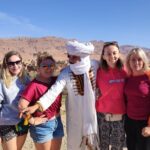

Day 1 Through Imlil Valley: Tea, Towns, And Base Camp Reality
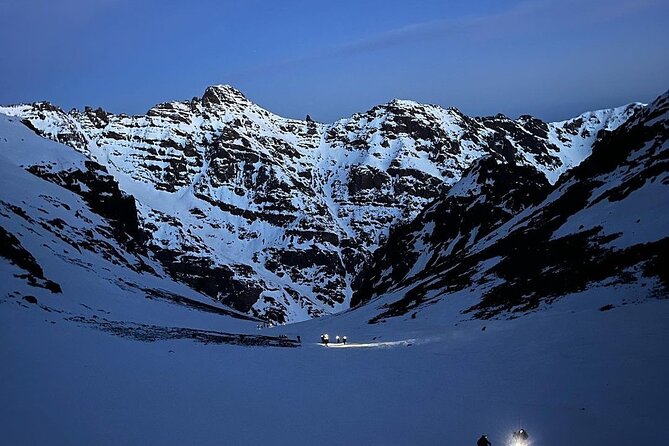
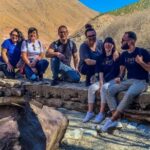
Day 1 starts in Imlil with a warm welcome and meeting your team: your guide, plus the mule and cooker team that keeps the trek running smoothly. From there, the walking begins through the valley toward Chamhaouch.
The route is built around real mountain rhythm, not just hours on a track. You’ll stop in Chamhaouch for tea and then continue to lunch with a view of large mountains and waterfalls. It’s one of those breaks that feels small on paper but hits big in person: you get a pause, warm drink, and a chance to watch the terrain you’ll be walking tomorrow.
After lunch, you keep moving toward the base camp at about 3207m for the night. This is the part of the trek that changes the trip from a day outing into a mountain experience. At higher altitude, the air feels different, the light shifts fast, and every quiet moment feels more “Atlas” than “Marrakech.”
What you’ll get on Day 1 (timing-wise): about 6 hours of hiking. You’re building endurance, not racing. The plan also explicitly supports a pace you can manage with your private guide.
Why The Overnight At Base Camp Is A Big Deal
Sleeping near 3207m is one of the trip’s best logistics choices. It shortens the Day 2 scramble, and it gives your body time to adjust to altitude while you’re already in the hiking environment.
Also, there’s a practical benefit: you’re not trying to cram everything into one brutal day. That split is one reason this trek can feel “accessible” for most travelers with moderate fitness. You still work hard, but you’re not starting from Marrakech and expecting to climb comfortably.
Day 2 Summit Strategy: A Long Climb With A Simple Goal
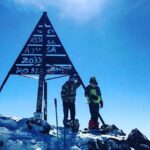
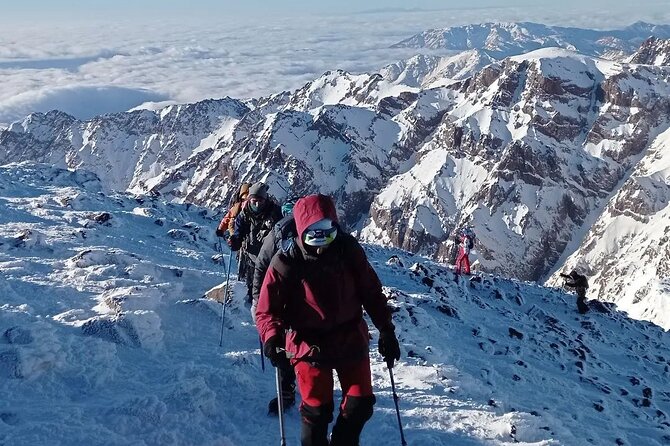
Day 2 is the big one. You’ll have an early breakfast, then begin the climb toward Mount Toubkal’s summit at 4167m. The ascent goes step by step through mountain passes, which is exactly how you should think about it: not as a single heroic push, but as repeated small wins.
After around 3 hours of hiking, you reach the summit. Then you do the key thing: you stop, take photos, and watch the panoramic view—reported as covering the Moroccan Desert and even out toward Marrakech in the distance when conditions are clear.
This is also where good hiking shoes earn their keep. Near the top, you can run into scree and loose rocks. One practical tip from past hikers: bring footwear that can handle that surface without slipping or grinding your feet to dust.
After summit time, you head back to base camp for lunch, then you walk down into the Imlil valley before the drive back to Marrakech. Day 2 runs about 11 hours total, so plan for the day to feel long even though the climbing is non-technical.
The Guide Factor: What Makes This Trek Feel Smooth
A lot of Toubkal trips claim they’re organized. Here’s what matters in real life: can your guide keep things moving without making it stressful, and can they read your pace?
In feedback, guides like Abdul and Rachid were praised for being caring, reliable, and helpful with speed control. That’s not just nice—on steep terrain, pacing is everything. When your guide watches your breathing and footing, you spend less energy fighting your own rhythm and more on enjoying the views and the walk through the valleys.
They also bring cultural context. Past hikers noted stories about Berber culture, which helps you see the villages not as background scenery, but as living communities you’re passing through respectfully.
A few more Marrakech tours and experiences worth a look
What’s Included: You’re Paying For Mountain Support
At about $91.89 per person, this trek is priced for what you actually get on the ground. You’re not just paying for route planning—you’re paying for the whole support system that makes the climb doable.
Included highlights:
- Pick up and drop-off from Marrakech (so you’re not sorting transport on your own)
- Local speaking guide (and the pace support that comes with it)
- Berber cooking
- All food during the adventure: breakfast, two lunches, and two dinners
- Overnight at base camp or in a tent
- Safety equipment
- Public transportation is listed as part of the offering, which likely supports the transfers around town and meeting areas
When you’re comparing value, think in terms of “logistics solved.” If you try to DIY this, the cost quickly rises once you price a guide, meals, and the overnight setup.
What’s Not Included: Gear Is On You
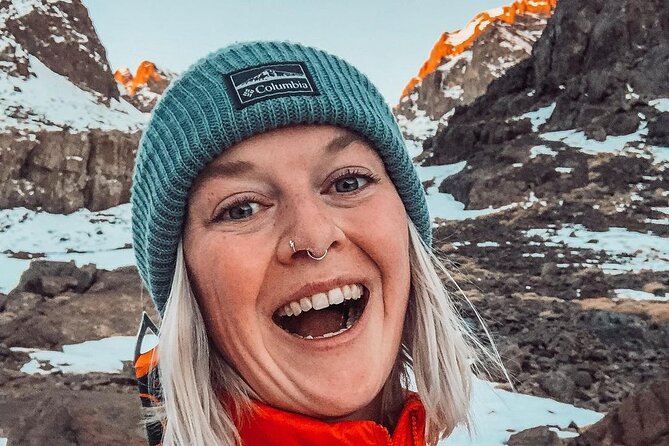
The one big omission is straightforward: mountains gear isn’t included. That means you should prepare yourself for cold nights near base camp and for rocky footing on the summit day.
Bring:
- sturdy hiking boots (or shoes that grip well on loose rock)
- layers (valley warmth can differ a lot from higher elevations)
- a daypack and rain protection, since weather is a real factor in the Atlas
Because the trek is hiking rather than technical climbing, you don’t need ropes or climbing gear—but you do need comfort and traction.
Weather, Pace, And The Reality Of “Good Conditions”
This experience requires good weather. If it gets canceled due to poor conditions, you’ll be offered a different date or a full refund. That’s the right approach for a mountain trek, because fog and bad weather change everything: visibility, footing, and safety.
Your best move is to be flexible and keep expectations tied to conditions. Even if the route stays the same on paper, the summit experience can feel totally different depending on cloud cover and wind.
Who This Trek Suits Best (And Who Might Hesitate)
This is a strong fit if:
- you want a real summit without technical climbing
- you have moderate fitness and you can handle a long day on Day 2
- you like guided hiking where the guide handles route flow and pacing
You might hesitate if:
- you’re expecting a short hike with minimal exertion
- you don’t want to think about footwear, layers, and rocky terrain
- you get stressed by long schedules (Day 2 is about 11 hours)
Practical Tips To Make It Better
Here are a few things I’d treat as non-negotiable for Toubkal-style hiking:
- Pack good traction for loose rocks near the top.
- Start early when possible; past hikers noted it can help avoid heat in summer months.
- Trust your guide’s pace. Even when the summit is the goal, steady movement wins.
- Bring your patience. The hike is scenic and full of breaks, but it’s still work.
And one small mindset shift: think of this as a two-day walk through mountain life—valleys, villages, meals, altitude—rather than just “get to the summit, take pics, go home.”
Should You Book This Mount Toubkal Trek?
If you want a straightforward, well-supported Mount Toubkal ascent from Marrakech—plus time walking through Berber valleys—this is an easy choice. The standout value is that you get the summit goal plus the full mountain package: guide support, all meals, overnight near 3207m, and transport.
I’d book it if you’re comfortable with a long Day 2 and you’ll show up with proper boots and layers. If you want a walk that feels paced, organized, and culturally grounded, this trek delivers.
If you want, tell me your travel month and your hiking comfort level (easy/moderate/strong), and I’ll help you sanity-check what to pack and how hard Day 2 will feel.
FAQ
How long is the Mount Toubkal trek from Marrakech?
The trek runs for about 2 days.
What time does the tour start in Marrakech?
Pickup/starting is listed for 8:00am at the meeting point in Marrakech.
Is the climb technical?
No technical climbing is mentioned. It’s described as accessible for most travelers with the right fitness level, with hiking to the summit.
What fitness level do I need?
The experience calls for moderate physical fitness.
What’s included in the price?
Included items are breakfast, lunch (2), dinner (2), pickup and drop-off service, a local speaking guide, Berber cooking, safety equipment, and overnight at the base camp or in a tent, plus all food during the adventure.
What about cancellation and weather?
You can cancel for a full refund up to 24 hours before the experience’s start time. The trip requires good weather, and if it’s canceled due to poor weather you’ll be offered a different date or a full refund.