REVIEW · MARRAKESH
Marrakech: Private Food Tour – 10 Tastings with Locals
Book on GetYourGuide →Operated by Withlocals · Bookable on GetYourGuide
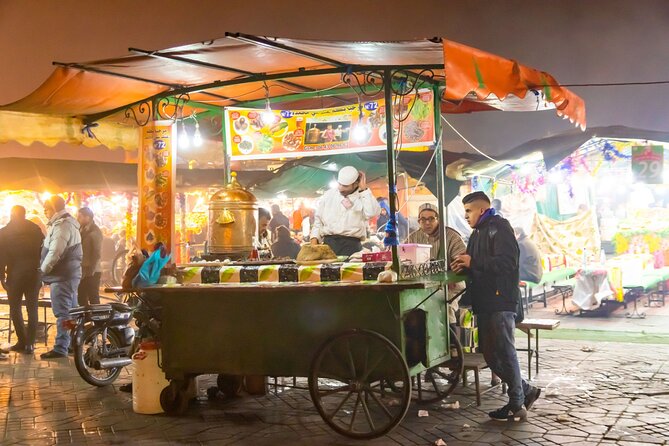
Marrakech tastes better with a local route. This private food tour strings together 10 tastings with major sights, so your meal tour also functions like a city walk with context. In about four hours, you’ll move between local hotspots and landmarks like El Badii Palace and Koutoubia Mosque, then circle back for classic Moroccan bites.
I really like the way the tour balances food with place. The tastings include a signature mix of dates and vegetable tanjia, served in settings that feel made for locals, not just passing crowds. I also love that the guide keeps it cultural while you eat, with explanations that help you understand what you’re seeing along the way, including time in areas such as the Mellah fruit and vegetable market.
One drawback to plan for: this is a walking-focused experience, and there’s no hotel pickup. Wear comfortable shoes, and if you’re dealing with mobility limits, this tour is not suitable for wheelchair users or people with mobility impairments.
In This Review
- Key highlights worth marking on your mental map
- How the 4-hour private route starts at Mellah Square (and why that matters)
- The food plan: 10 tastings in savory-to-sweet rhythm (plus drinks)
- Dates and vegetable tanjia: the classic pairing you’ll remember
- El Badii Palace and Koutoubia Mosque: eating with better city context
- Mellah fruit and vegetable market: watching ingredients at street level
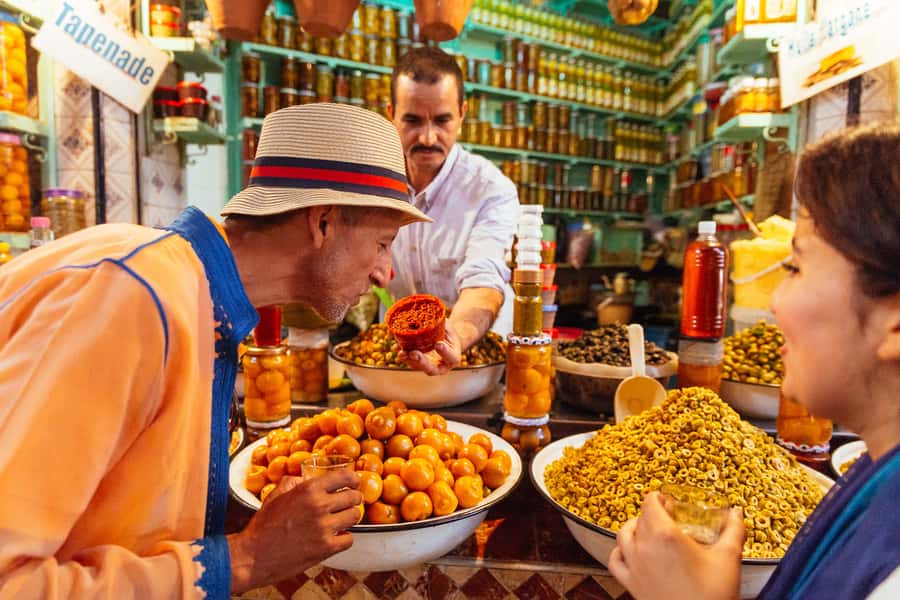
- Souks, small shops, and the berber pharmacy stop
- Guide quality makes or breaks a private tasting tour
- Who this tour suits best (and who should skip it)
- Price and value: why $93 can make sense here
- Should you book this Marrakech private food tour?
- FAQ
- Where is the meeting point for the tour?
- How long is the Marrakech private food tour?
- What’s included in the price?
- Is the tour vegetarian-friendly?
- What language is the live guide?
- Is this tour suitable for wheelchair users or people with mobility impairments?
Key highlights worth marking on your mental map
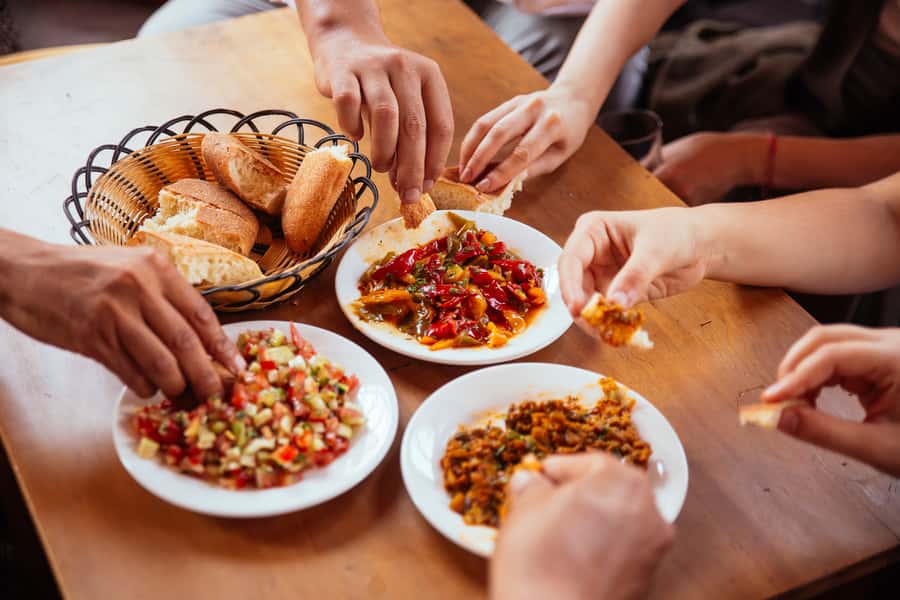
- 10 tastings plus 2 non-alcoholic drinks, with vegetarian alternatives if you tell your guide at the start
- Dates and vegetable tanjia at authentic local spots, not just sample plates
- El Badii Palace and Koutoubia Mosque stop-ins that connect food to the city
- Mellah fruit and vegetable market where you can see ingredients partway through the story
- A real souk-style walk, including stops like a berber pharmacy/apothecary experience (depending on the route)
- Private guide time, with English support and room for the route to flex a bit
How the 4-hour private route starts at Mellah Square (and why that matters)
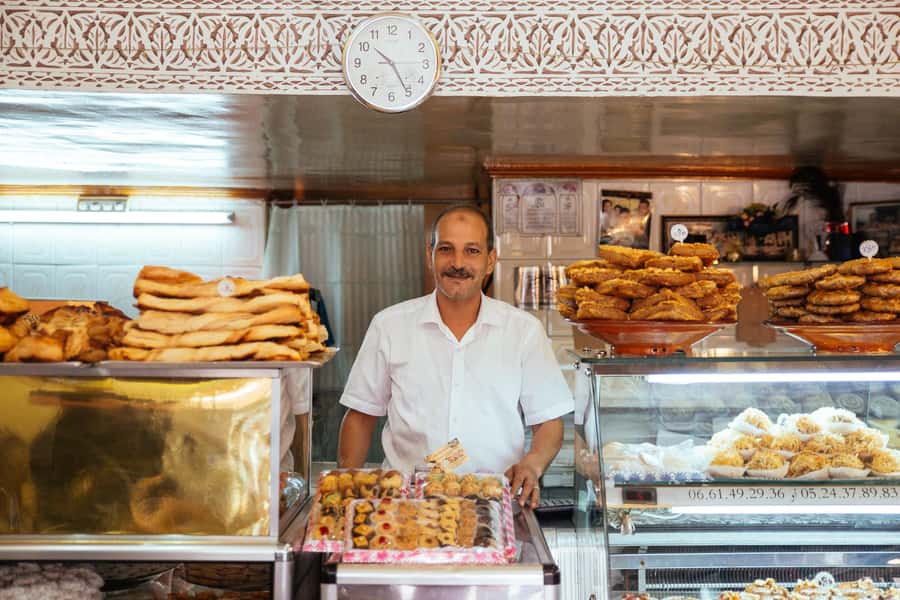
The whole experience is built around meeting you where the day’s energy is already happening. Your host meets you at Mellah Square, in front of Le Tanjia Restaurant. Since there’s no hotel pickup or drop-off, you’ll want to plan an easy way to reach that point on your own (a short taxi ride, or a walk if you’re already settled nearby).
Because it’s a private group, the guide isn’t juggling lots of people at different paces. That sounds like a small detail, but it changes the vibe: you can ask questions mid-walk, linger for a second to take in what’s going on, and get a smoother flow between food stops and sightseeing.
The tour runs about 4 hours, which is a sweet spot for Marrakech. Long enough to feel like a proper food journey, short enough that you still have time left for a second meal later. The trade-off is simple: you’ll be on your feet for most of that window. Comfortable shoes are not optional.
You can also read our reviews of more food & drink experiences in Marrakesh
The food plan: 10 tastings in savory-to-sweet rhythm (plus drinks)
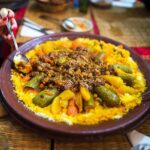
What makes this tour feel like more than a snack sampler is the structure. You’re not just counting bites; you’re moving through the classic mix of savory, sweet, and local non-alcoholic drinks across 10 tastings.
The menu is adapted if you want vegetarian alternatives. You just tell the guide at the beginning, and the route and tastings should adjust for you. That matters in Marrakech, where some dishes lean on meat by default. Here, you’re explicitly covered.
Since tastings are the point, pace is part of the experience. You’ll want to treat each stop like a “course,” not a quick nibble. Even with 4 hours, you can get full fast, especially with sweets and drinks in the mix. I’d keep your own expectations realistic: think of this as your main food event, not something you tack on as an appetizer before dinner.
Dates and vegetable tanjia: the classic pairing you’ll remember
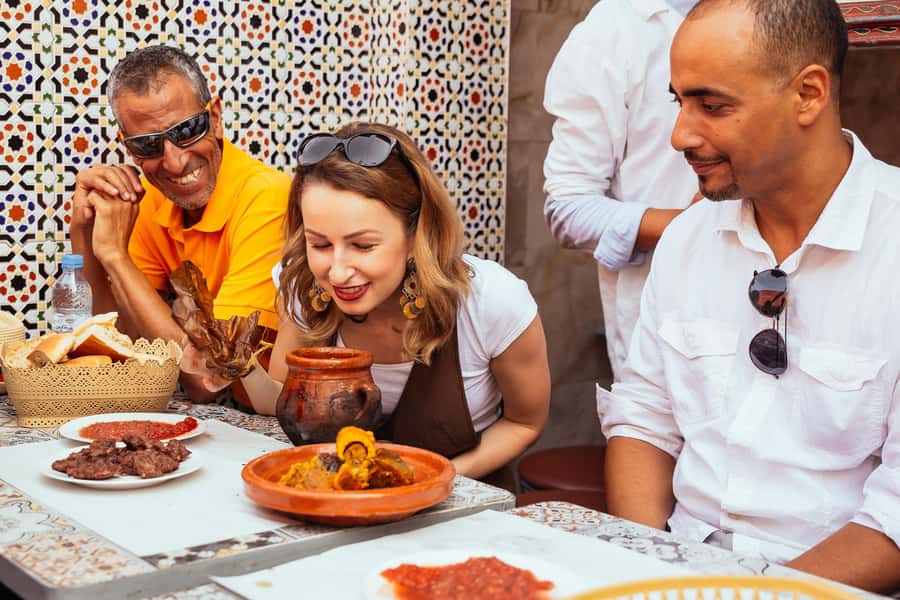
This tour’s signature moment is a classic pairing: dates plus vegetable tanjia. It’s the kind of combination that tells you something about Moroccan taste—sweet and savory living side by side.
What’s smart is that the tour doesn’t treat tanjia like a single tasting item in isolation. You try it as part of a broader food story, then you get the “why” from your guide while you’re tasting. The result is that the food lands in your brain as a pattern, not just a flavor.
You should also know what you’re signing up for. Dates are sweet, and tanjia here is vegetable-based (so it’s not the meat version some people expect). If you don’t like very sweet bites, you can still enjoy the savory sides—but you’ll want to go into the dates portion with an open mind rather than a strict rule of taste.
El Badii Palace and Koutoubia Mosque: eating with better city context
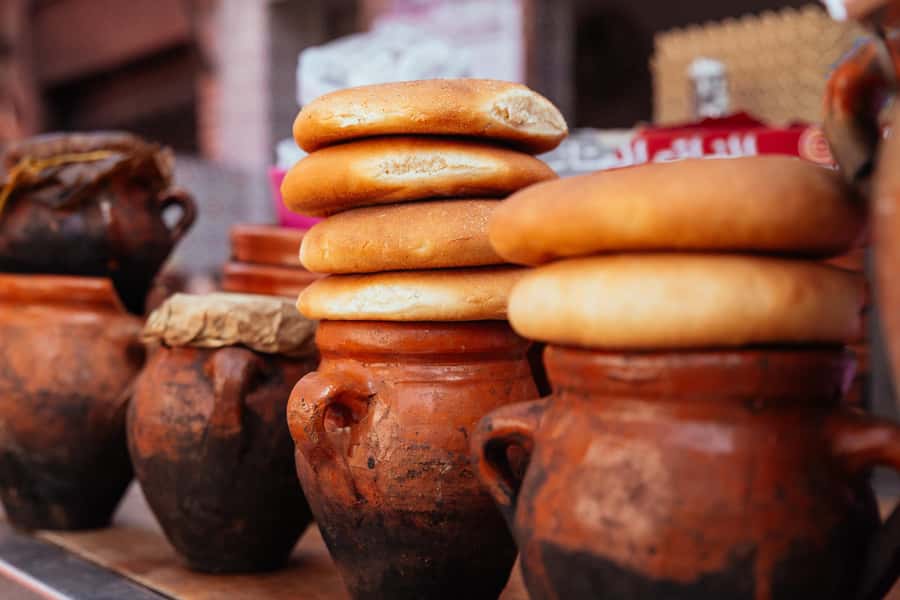
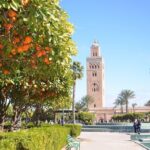
One of the reasons this tour rates so well is that it doesn’t lock you in a food-only loop. You’ll stop at landmarks that most people recognize from photos, including Koutoubia Mosque and El Badii Palace.
These stops do two useful things for you.
First, they help you build orientation. Marrakech can feel like a maze of lanes and turns, and the moment you connect a landmark to a route, you stop feeling lost. You get a sense for where sights sit relative to the neighborhoods you’re walking through.
Second, they give your food stops meaning. A guide can explain how a place’s character affects daily life, markets, and what people cook and buy. Even if you only catch a few key points at each landmark, it’s enough to turn food into a map.
If you’re the type who loves learning background but hates a lecture, you’ll probably like the pace here. The landmark moments appear between tastings, so the information stays tied to what you’re doing, not floating above it.
Mellah fruit and vegetable market: watching ingredients at street level
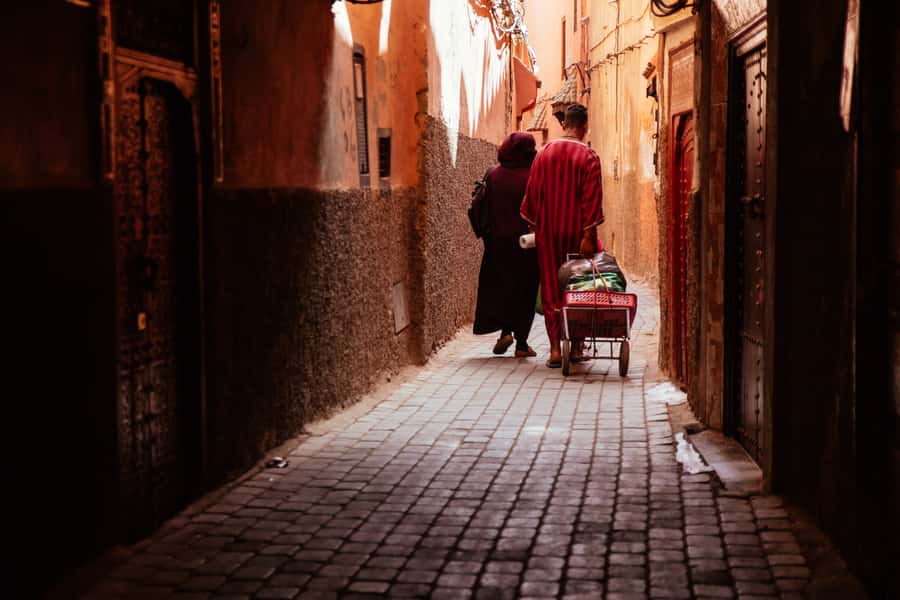
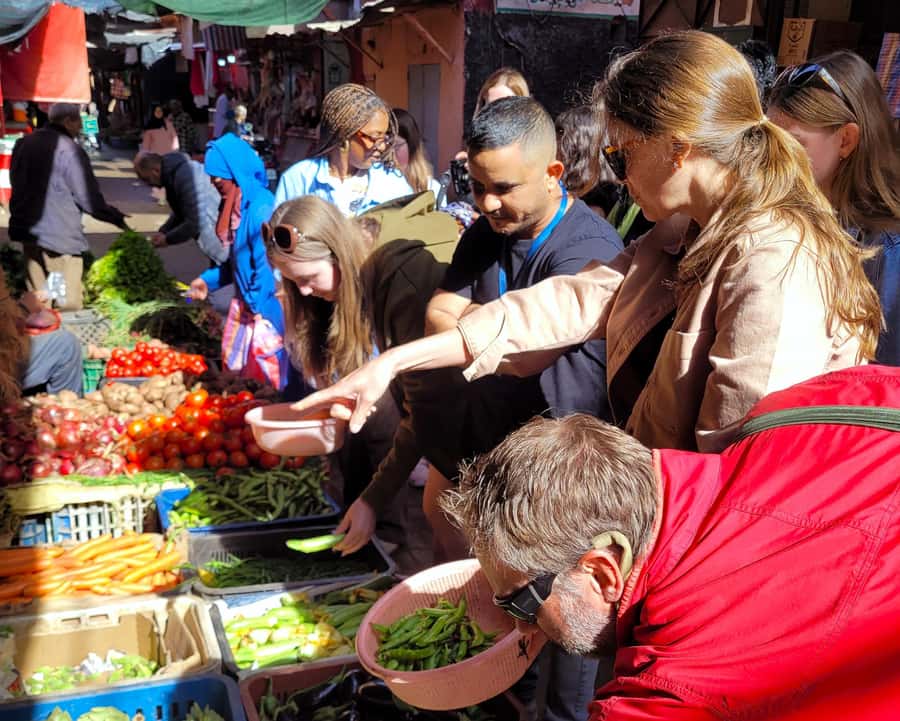
The tour includes a stop at the Mellah fruit and vegetable market, one of those places where you see the supply chain in real time. Instead of thinking about Moroccan food as a dish served in restaurants, you start thinking about it as ingredients pulled from daily trade.
Even if you don’t buy anything, you’ll get value from just watching. You’ll see how vendors present produce and how shoppers move through the space. Then you connect that to the tastings later on. It’s a practical kind of cultural learning.
Also, markets in Marrakech are sensory. You’ll smell spices and fresh goods, hear the pace of bargaining and conversation, and see hands doing the work. That can feel intense if you prefer quiet sightseeing, so take it slow and let your guide steer you when things get crowded.
A few more Marrakesh tours and experiences worth a look
Souks, small shops, and the berber pharmacy stop
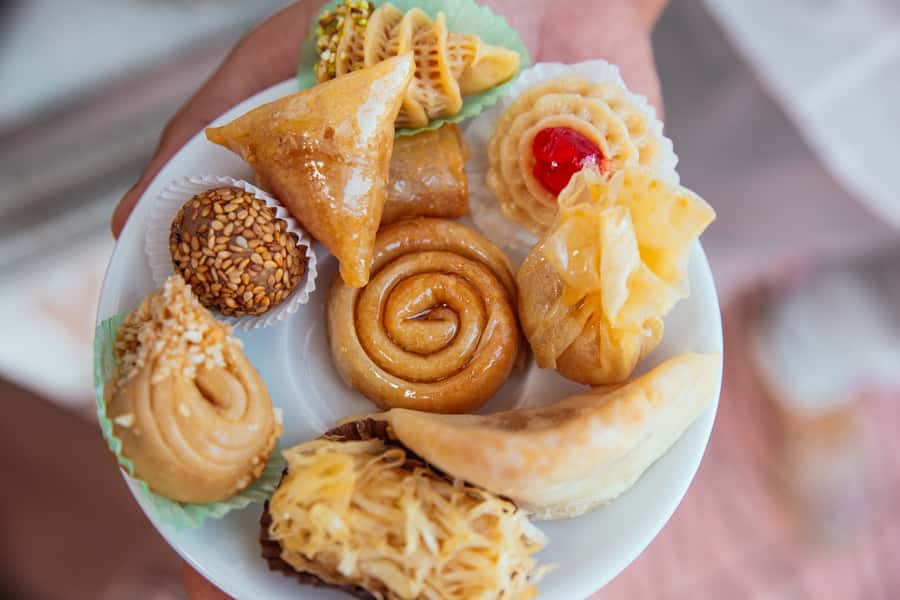
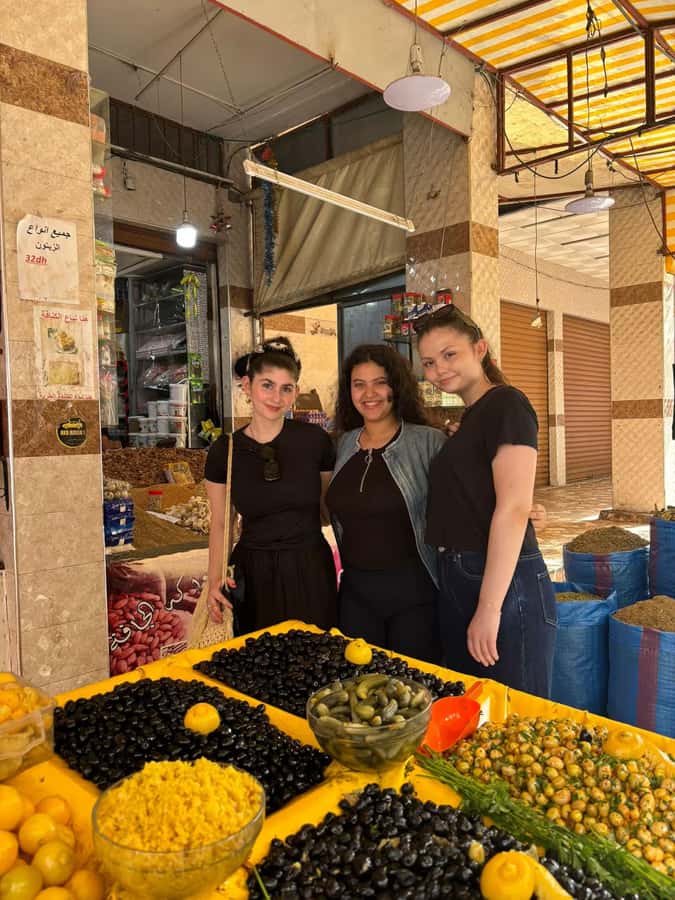
A highlight from the experience is the way the route leans into side lanes and local storefronts. One review specifically calls out a stop described as a berber pharmacy experience, alongside a memorable final tanjia moment. That tells me the “other remarkable spots” aren’t just photo stops.
What you should expect from these side stops is a chance to see the ingredients and everyday products behind Moroccan cooking and health traditions. Your guide can point things out and explain what they’re used for, which makes the walk feel personal rather than scripted.
One practical note: these are the kinds of stops where you might not always get big panoramic views. The value is in the close-up details—how people work, what they sell, and how traditions show up in daily life. If you like food culture that’s hands-on, this is a good fit.
Guide quality makes or breaks a private tasting tour
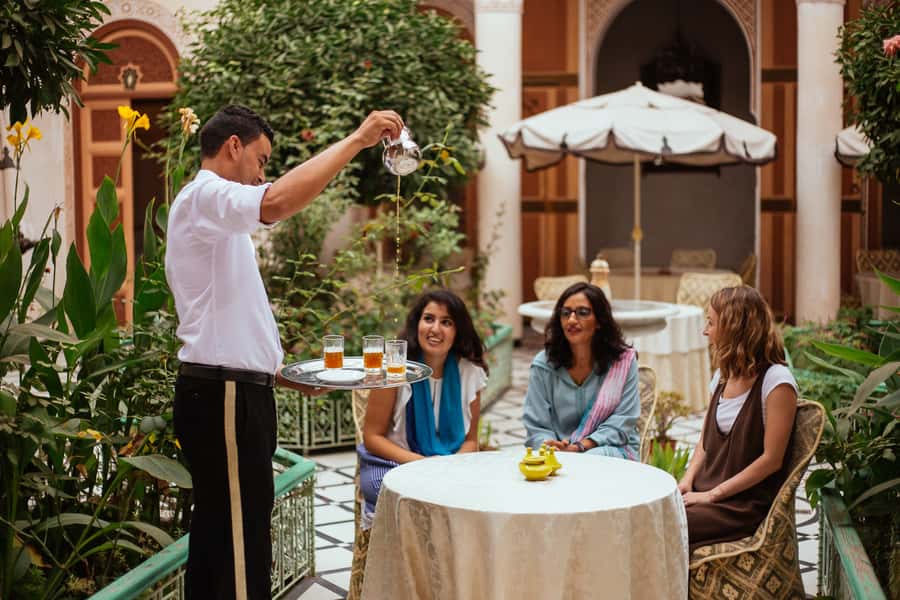
With a private food tour, your guide is basically the engine. The reviews consistently praise two things: strong English and a relaxed, funny, respectful style that keeps the experience light while still informative.
For example, Mohammed is mentioned for meeting at the designated point, staying in touch via WhatsApp when the start location shifted slightly, and guiding people through “unusual places” where the food feels more local. Ouidad is praised too, including excellent English, helpful cultural explanations, and a smooth walk through souk-style lanes. One review notes that having a woman guide made the day feel extra comfortable and friendly.
You can’t choose your guide with certainty from the information here, but you can choose your approach. Ask questions early. Let your guide know your food preferences (especially if you’re vegetarian, sensitive to spice, or want to avoid certain textures). The better you communicate, the more your route tends to fit your tastes.
Who this tour suits best (and who should skip it)
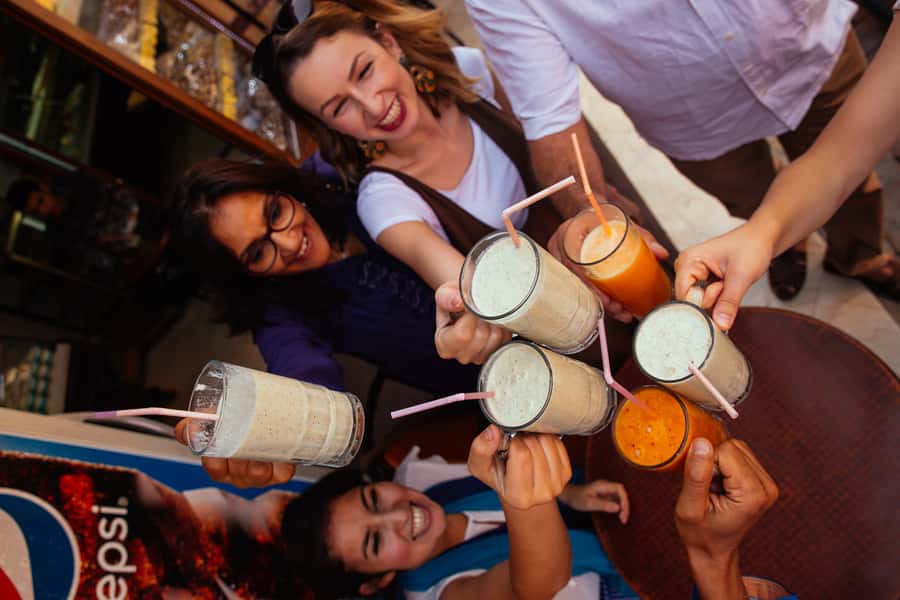
This is ideal if you:
- love Moroccan cuisine and want a structured way to sample it
- enjoy city sights but prefer them woven into daily life rather than separate ticket stops
- want a private guide with time for questions
- travel with someone who also wants food and culture in the same afternoon
It’s not a fit if:
- you need wheelchair access or have mobility impairments, since the route is walking-heavy
- you hate walking on uneven surfaces (bring shoes with real grip)
- you’re extremely picky and want a totally predictable menu, because tastings are meant to introduce you to local favorites, not only familiar foods
Price and value: why $93 can make sense here
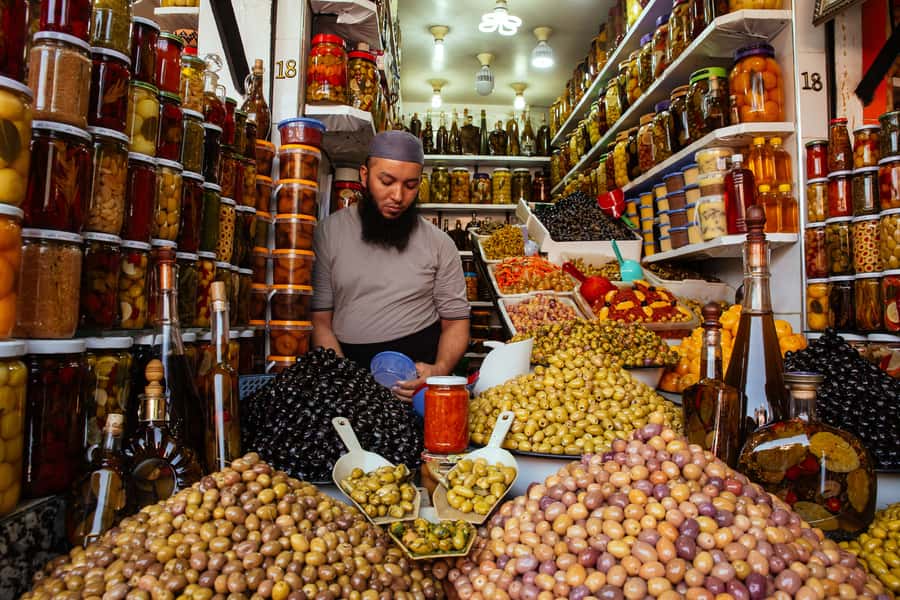
At $93 per person for a 4-hour private tour, the price can feel either high or fair depending on what you compare it to.
Here’s the value logic: you’re paying for a local guide, plus 10 tastings and 2 non-alcoholic drinks. You’re also getting a route that includes major sights like El Badii Palace and Koutoubia Mosque, along with time at a busy market such as the Mellah fruit and vegetable market.
If you were to recreate this yourself, you’d pay for food anyway, and you’d likely spend more time trying to figure out where to go and what to order. A good private guide removes that uncertainty. Based on the reviews, the guiding style also matters—people remember the humor, the respect, and the practical cultural explanations as much as the dishes.
So for me, the price only feels like a problem if you want a low-effort experience with minimal walking. If you’re okay with shoes-on movement and you truly want to eat your way through the city, this is a reasonable way to turn a single afternoon into a real culinary overview.
Should you book this Marrakech private food tour?
I’d book it if your ideal Marrakech day looks like this: you meet in a lively square, you walk with a guide who knows the city’s food pulse, and you finish with the feeling that you ate like the neighborhood eats. The mix of dates and vegetable tanjia, the landmark stops, and the market time make it more balanced than many food tours that only chase bites.
I’d think twice if you want a super relaxed ride-and-sit plan, because this is walking-focused and not suitable for wheelchair users or people with mobility impairments. Also, since there’s no hotel pickup, make sure you’re comfortable getting to Mellah Square on your own.
If you’re on the fence, here’s my simple decision rule: if you’re excited about tastings and you enjoy learning while moving through neighborhoods, this will likely land well. If you only want views or only want one “big” meal, you may get more value elsewhere.
FAQ
Where is the meeting point for the tour?
The host meets you at Mellah Square, in front of Le Tanjia Restaurant.
How long is the Marrakech private food tour?
The duration is 4 hours.
What’s included in the price?
It includes a local guide, 10 food tastings, and 2 non-alcoholic drinks. A vegetarian alternative is available.
Is the tour vegetarian-friendly?
Yes. If you let the guide know at the beginning of the tour, the menu will be adapted for vegetarian alternatives.
What language is the live guide?
The live tour guide speaks English.
Is this tour suitable for wheelchair users or people with mobility impairments?
No. It is listed as not suitable for people with mobility impairments or wheelchair users.