REVIEW · CASABLANCA
Casablanca : Traditional Moroccan Cooking Class with Locals
Book on GetYourGuide →Operated by Discover with Inas · Bookable on GetYourGuide
Dinner starts in a family kitchen.
This 4-hour Moroccan cooking class in Casablanca is all about learning from Inas and her family, not a studio demo. I love how the lesson happens in a real local home, where you cook iconic dishes like tagine, couscous, and pastilla using time-honored techniques.
Second, I like that it is genuinely hands-on, with fresh local ingredients and clear step-by-step guidance in Arabic, French, or English. You also get the cultural side built in—stories, customs, and a family meal at the end.
One thing to consider: transportation is not included. If you do not already know your way around Casablanca, you’ll want to plan how you’ll get to the meeting point without stress.
In This Review
- Key highlights you’ll feel from the first hour
- Why this Casablanca class feels more local than touristic
- Your 4-hour flow: what happens from start to finish
- 1) Welcome and getting oriented in the kitchen
- 2) Hands-on prep for classic Moroccan dishes
- 3) Cooking and finishing, with the small “secrets”
- 4) Sit down together: the family meal
- What you’ll cook: tagine, couscous, pastilla, plus salads
- Tagine: not just a pot, a method
- Couscous: steam, texture, and balance
- Pastilla: the dish that teaches you finesse
- Moroccan salads: the “fresh” counterpoint
- The teaching style: patient, step-by-step, and small-group focused
- Ingredients and techniques: what makes this class feel different
- Expect to learn more than a recipe card
- Eating with the family: why the meal is part of the point
- Price and value: is $60 fair for 4 hours in a family home?
- Where to meet (and how to plan for an easy arrival)
- Who should book this cooking class in Casablanca
- Should you book this Casablanca cooking class?
- FAQ
- What dishes will I learn to cook?
- How long is the cooking class?
- How much does it cost?
- Is this class in a restaurant or a home?
- What languages are offered for the instructor?
- Is the class group small?
- Do I eat what I cook?
- Do I need to arrange transportation?
Key highlights you’ll feel from the first hour
- Small-group limit (10 people max) keeps the cooking personal and the questions coming.
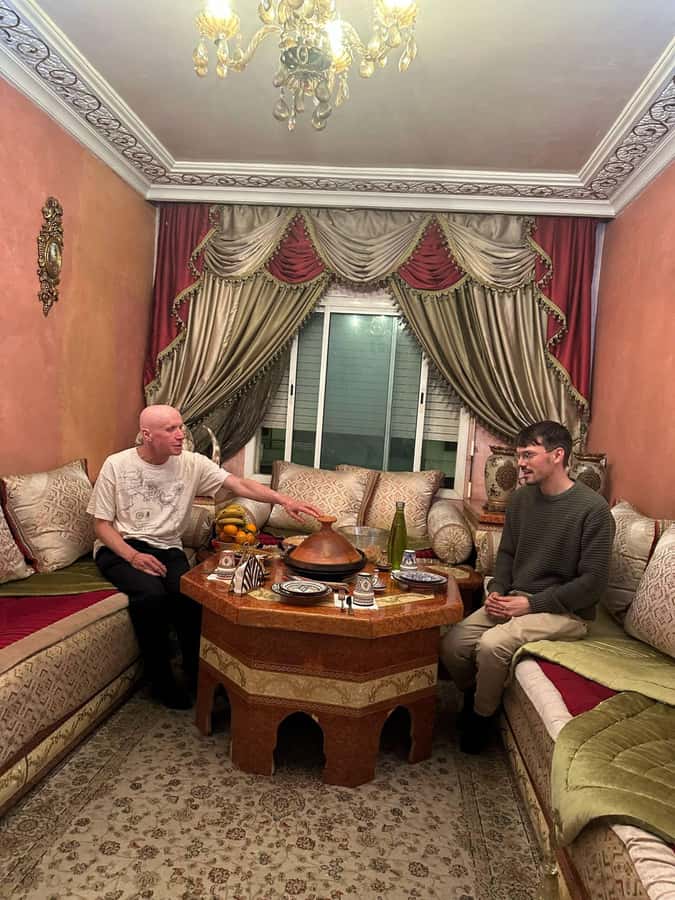
- A family-home setting means you learn Moroccan food as locals actually make it.
- Hands-on lessons for tagine, couscous, and pastilla, with fresh, local ingredients.
- Secret tips passed down through generations, taught by Inas, who learned from her mother and grandmother.
- Shared meal with the family so you eat what you cooked, surrounded by conversation and warmth.
- Language options (Arabic, French, English) help you follow the steps without guessing.
Why this Casablanca class feels more local than touristic
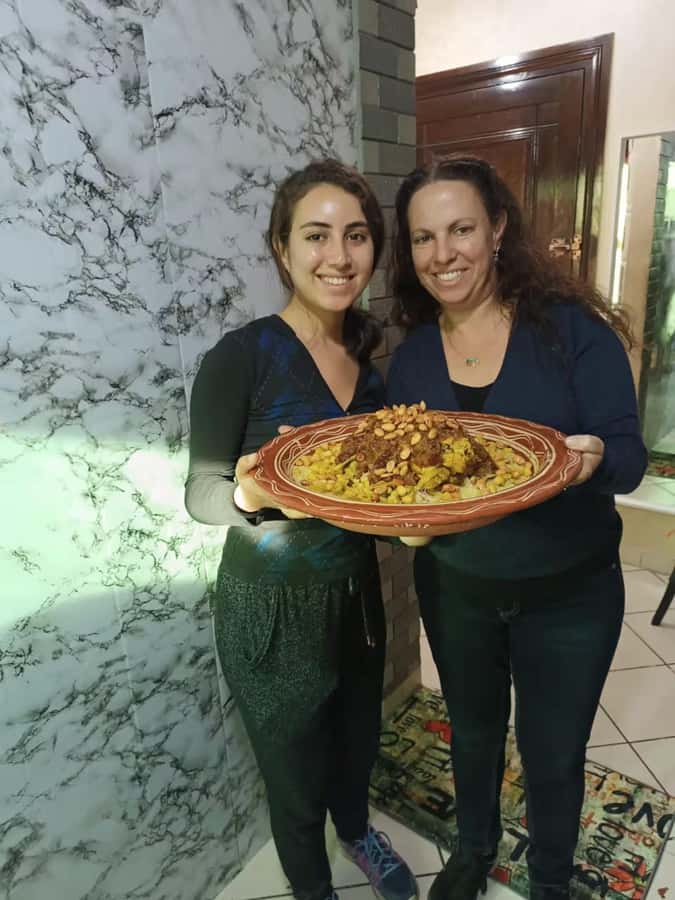
Casablanca can be easy to experience in quick, surface-level ways. This class slows you down, in the best possible way. You’re not in a showroom kitchen or following a script. You’re in a lived-in space where food is part of daily life, and cooking has rules, rhythms, and small details that matter.
The biggest win for me is the combination: real home environment + practical cooking skills. The second win is the way the class connects food to people—stories and customs show up naturally while you work. If you care about learning how Moroccan cuisine actually works (not just what it looks like), you’ll appreciate the tone and pacing.
You can also read our reviews of more cooking classes in Casablanca
Your 4-hour flow: what happens from start to finish
This experience is designed to fill about four hours with learning, cooking, and eating. Here’s the typical order of events based on what the class includes.
1) Welcome and getting oriented in the kitchen
You start by meeting your host in the family home setting. Inas teaches in Arabic, French, or English, so you can pick the language that matches your comfort level. The group stays small (up to 10), which helps you get personal attention instead of being one face in a crowd.
Expect a friendly, relaxed setup. You’ll be shown the ingredients and tools you’ll use, then brought into the process step by step. The goal is not to rush you. The goal is to get you cooking with confidence.
2) Hands-on prep for classic Moroccan dishes
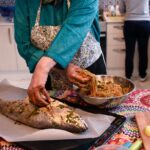
Next comes the work part: you help prepare iconic dishes such as tagine, couscous, and pastilla (and you’ll also work with Moroccan salads). The class focuses on ancestral techniques—methods learned and refined over decades in a family kitchen.
The dishes are not treated like “one-time recipes.” Inas teaches how the steps connect: how one element affects another, and why Moroccan cooking often relies on balance rather than heavy sauce tricks.
3) Cooking and finishing, with the small “secrets”
As you cook, you’ll hear the kinds of tips that rarely show up in cookbooks. Things like how to manage flavor building, texture, and timing—practical guidance meant to help your results at home. One review noted guidance was clear, patient, and motivating, which is exactly what you want in a hands-on class.
The class is built for you to leave with more than a list of ingredients. You should walk away understanding the process.
A few more Casablanca tours and experiences worth a look
4) Sit down together: the family meal
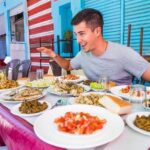
After the cooking session, you eat together with the family. This is included, and it’s where the whole experience clicks. You’re not only tasting Moroccan food—you’re tasting it in context, with conversation around the table.
This part matters more than you might think. It turns the class into a cultural exchange, not just a meal you paid for. Several participants highlighted how welcoming the family felt, and that by the end of the evening the interaction felt more friendly than formal.
What you’ll cook: tagine, couscous, pastilla, plus salads
Moroccan cuisine can be intimidating if you’re used to restaurant versions. Here, you’ll learn the dishes in a way that makes them feel doable.
Tagine: not just a pot, a method
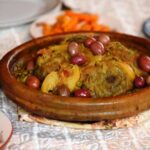
Tagine is the headline dish, and you’ll likely spend real time on it. The class treats tagine as a technique: controlling heat, layering flavors, and building toward the final texture.
If you’ve ever wondered why tagine tastes different from other stews, this is where you’ll start understanding the “why.”
Couscous: steam, texture, and balance
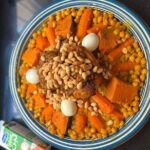
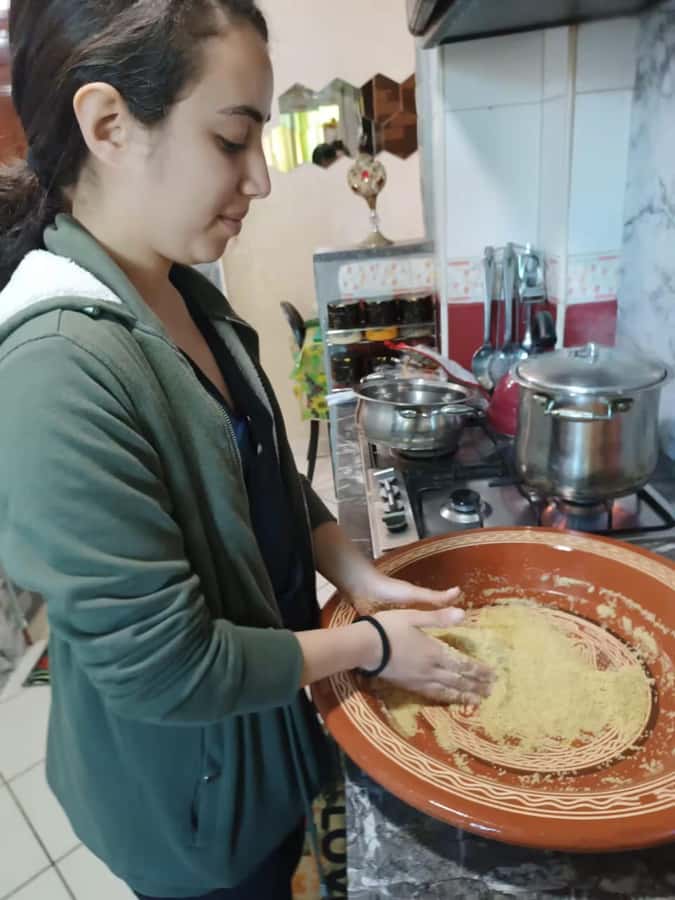
Couscous is another core dish you’ll prepare. The focus tends to be on getting the texture right and pairing it with vegetables and flavors that make sense together. One review mentioned couscous with vegetables, and that’s the kind of classic combination you can recreate later if you remember the key steps.
Pastilla: the dish that teaches you finesse
Pastilla can feel fancy because it can look layered and complex. In a home cooking class, it becomes learnable. You’ll work on the components and understand how sweetness, savory flavors, and texture come together.
If you like the idea of mastering a Moroccan showpiece dish without relying on restaurant magic, you’ll find pastilla especially rewarding.
Moroccan salads: the “fresh” counterpoint
You may also make Moroccan salads as part of the experience. These are important because they balance richer dishes. They also give you ideas for what to serve alongside tagine and couscous without overcomplicating things.
The teaching style: patient, step-by-step, and small-group focused
Inas teaches with patience and clarity. Multiple participants described her explaining each step and guiding them through the process carefully. That matters, because home cooking is not the same as following a YouTube video in fast-forward.
Because the group is limited to 10, you’re more likely to get feedback while you cook, not just at the end. That means you can correct small mistakes early—like texture issues or mixing habits—while it still feels manageable.
Also, it is a multilingual setup (Arabic, French, English). If you’re traveling with people who do not all share one language, this is a big practical advantage. You can follow along rather than “watch and hope.”
Ingredients and techniques: what makes this class feel different
This is not about expensive gourmet ingredients. It is about fresh, local ingredients and time-honored techniques. That’s the real value here. Moroccan cooking is full of small decisions: what you add first, how long something needs, and when you stop cooking.
You’ll also hear and practice the kind of know-how that families pass down. One key theme from the experience is “secret tips” that are not written down like a standard recipe. In plain terms, those are the details that make your finished dish taste like it belongs in Morocco.
Expect to learn more than a recipe card
I find these classes are only worth it when they teach you the logic. This one does. You’ll get a better sense of:
- how flavors are layered
- what texture should look like as you cook
- how to approach timing so dishes finish together
When you can do that, cooking Moroccan food at home stops feeling like a guessing game.
Eating with the family: why the meal is part of the point
The shared meal is included, and it is not an afterthought. It’s part of the cultural exchange. You’ll sit down with the family after cooking and share the food you made together.
Several people highlighted warmth and hospitality—being welcomed like family, and ending the evening with new friends. That matters because Moroccan hospitality is not just manners. It shapes the whole experience, from how questions get answered to how comfortably you can ask about customs.
If you want Morocco through everyday life—food, talk, and relationships—this meal is where you feel it most.
Price and value: is $60 fair for 4 hours in a family home?
At $60 per person for about 4 hours, this is fairly good value for what you get. You’re not just paying for ingredients. You’re paying for:
- a hands-on class in a small group (max 10)
- guidance from a host with decades of family-taught cooking experience
- fresh local ingredients
- and a shared meal with the family
The main cost “watch-out” is that transportation is not included. If you rely on taxis and you’re starting far from the meeting point, that can add up. Still, if you can get there without a headache, the package is strong: you’re learning, cooking, and eating with locals, not spending the day chasing exhibits.
Where to meet (and how to plan for an easy arrival)
You meet at Résidence El fath, street Abdellah Ibrahim, at BIM Attacharok. That’s specific enough to use with a taxi driver or navigation, as long as you have the name correctly.
A practical approach: plan to arrive a bit early so you can settle before cooking starts. And if parking is part of your plan, one review mentioned indoor protected parking being available via the host. That’s not something you should assume in every case, but it’s worth asking ahead if you’re driving.
Who should book this cooking class in Casablanca
This is a great fit if you:
- want authentic Moroccan cooking in a family-home setting
- like hands-on lessons where you actually make the food
- enjoy cultural storytelling alongside practical skills
- travel with a small group or want a class environment that stays personal
It may not be the best fit if you want a big, high-energy group activity or you’re not comfortable navigating a residential neighborhood for the meeting point. Also, if you have strict dietary needs, it’s smart to communicate those in advance—at least one participant said Inas was accommodating with dietary requests.
Should you book this Casablanca cooking class?
I’d book it if your goal is to bring something real home: cooking skills, technique understanding, and a story tied to a real Moroccan household. The combination of small group size, hands-on cooking, fresh local ingredients, and the family meal gives you strong value for the time and money.
Skip it only if you want a purely sightseeing style experience, or if transportation planning would be a hassle you can’t solve. Otherwise, this is one of those activities that turns Morocco from a place you visited into a place you understood.
FAQ
What dishes will I learn to cook?
The class focuses on Moroccan staples such as tagine, couscous, and pastilla, and it may also include Moroccan salads.
How long is the cooking class?
It lasts 4 hours.
How much does it cost?
The price is $60 per person.
Is this class in a restaurant or a home?
It is conducted in a local family’s home in Casablanca.
What languages are offered for the instructor?
The instructor teaches in Arabic, French, and English.
Is the class group small?
Yes. It’s limited to 10 participants.
Do I eat what I cook?
Yes. The experience includes a shared meal with the family after the cooking session.
Do I need to arrange transportation?
Transportation to and from the location is not included, so you’ll need to plan how to get to the meeting point.