REVIEW · MARRAKESH
Marrakech: Authentic Moroccan Food Walking Tour & Dinner
Book on GetYourGuide →Operated by One Life Trips · Bookable on GetYourGuide
Your food guide in Marrakech is your map. This 3-hour walk through the Old Medina uses local stories and tastings to help you read everyday Moroccan life, not just collect photos. It can also switch routes depending on the day, so the evening still feels fresh.
I love how the tour pushes you into food spots off the main tourist trail while keeping the experience friendly and organized. I also like the range of bites, from filling soups like harira to sweet favorites such as raïb, with a proper dinner to finish the job.
One heads-up: you’ll walk a fair bit, and some stops include more adventurous items (snails or sheep’s head). If you’re squeamish, come ready to choose what you’re comfortable trying.
In This Review
- Quick hits before you go
- Why walking the Old Medina beats guessing your way to food
- Meeting at Poste du Maroc: start point, start mindset
- Route options: two ways to eat your way through Marrakech
- Route 1: macaroons, snails, msemmen, and raïb-style dessert
- Route 2: stuffed pancakes, Shakshouka-style eggs, and cool-down drinks
- The real “value” is the ordering help, not just the food
- What each tasting teaches you about Moroccan food culture
- Dinner choices: tajine comfort or open-air grillade
- Herbalist stop and tea breaks: a small pause that pays off
- Tips to avoid food-tour stress (and actually enjoy every bite)
- Who this Marrakech food tour fits best
- Should you book this Marrakech food walk and dinner?
- FAQ
- Where is the meeting point?
- How long is the Marrakech food walking tour?
- How much does it cost?
- Is hotel pickup or drop-off included?
- What language is the tour guide?
- What food will I taste during the tour?
- Is dinner included?
- Will I walk the Medina the whole time?
- Should I bring comfortable shoes?
- Is there a break for a restroom during the tour?
- What is the cancellation policy?
Quick hits before you go
- Two tasting routes: different classic snacks and savory plates, chosen by the guide and the flow of the evening
- Harira with the fast-breaking feel: dates and Chebakia paired in the way locals traditionally break Ramadan fasting
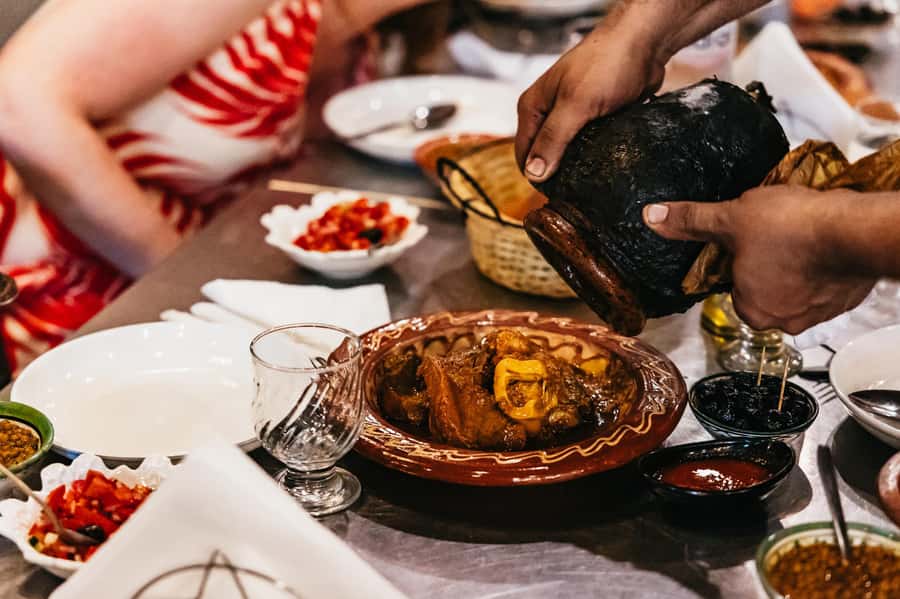
- A real dinner, not just bites: either tajine at a restaurant or open-air grillade with grilled meats
- Mint tea included as a rhythm: you’ll get it with snacks and sometimes during a stop at a herbalist
- Memories built from small things: olives, nuts, pastries, and breads you’d likely miss wandering alone
Why walking the Old Medina beats guessing your way to food
The Old Medina can feel like a maze at first. Narrow streets, loud markets, and lots of tempting smells. A guided food walk helps you move with confidence, because the guide isn’t just translating menus. They’re pointing out where people actually eat, what makes a dish Moroccan, and how flavors fit together across a meal.
You’re also getting a practical kind of cultural education. Instead of learning Morocco from a distance, you learn it through taste and routine: mint tea breaks up the walk, soups and pastries warm you, and the dinner ties it all into a full evening meal.
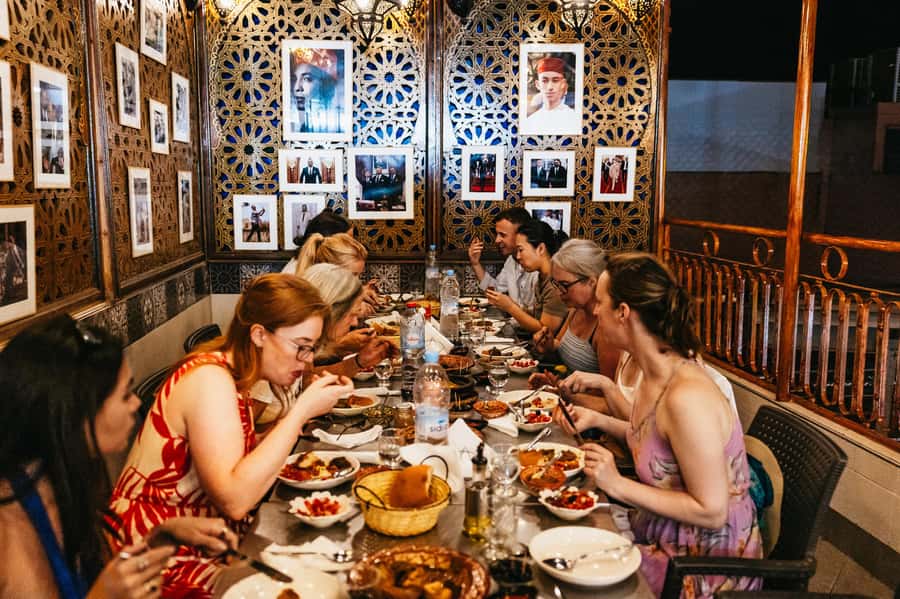
And yes, there’s a fun social side. You’re with other visitors in one shared loop of tastings. That makes it easier to try things you might otherwise skip, especially with guides who explain what you’re about to eat and why people order it.
You can also read our reviews of more walking tours in Marrakesh
Meeting at Poste du Maroc: start point, start mindset
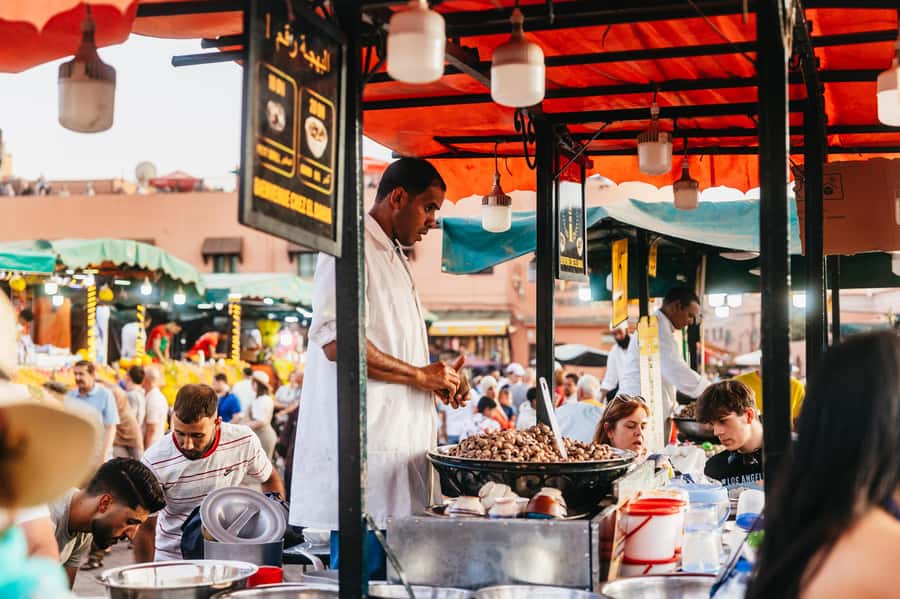
You meet in front of Poste du Maroc, Rue Beni Marine. It’s an easy landmark, and it sets you up to walk straight into the Medina atmosphere rather than spending time hunting for the group.
This tour is built for an evening pace, not a sprint. Still, you should wear comfortable shoes. The Medina is uneven and busy in places, and the best part of the tour is the steady rhythm of short walks and quick tastings.
Bring the right mindset too: go hungry, but not reckless. One of the most common takeaways from people is that they wish they’d eaten less before the tour, because the snacks add up fast. (Think of it like a guided sequence of small meals, then dinner.)
Route options: two ways to eat your way through Marrakech
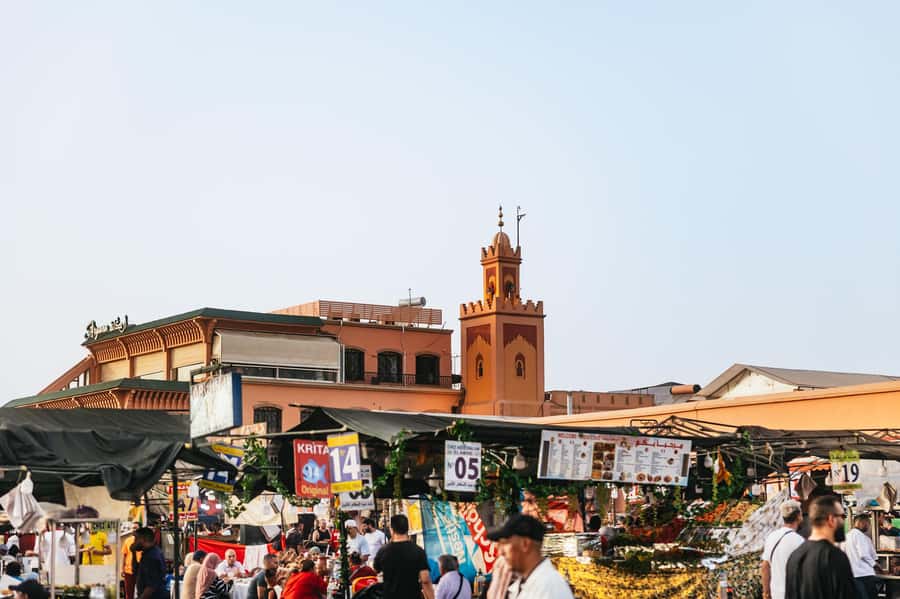
Your evening may follow one of two routes. Both are local, both are carefully planned around flavors, and both include multiple tastings plus a dinner. The differences come down to the snacks and dishes you’ll hit along the way.
Route 1: macaroons, snails, msemmen, and raïb-style dessert
If your guide takes you on the Route 1-style lineup, you’ll start with Moroccan sweets and then shift into savory comfort food.
You might begin with Moroccan coconut macaroons, a kid-friendly sweet that also works for adults who want something gentle before the more fragrant bites.
Then comes Kaab Ghzal (gazelle ankles): a pastry filled with almond paste and aromatized with orange blossom water. It’s one of those desserts that makes you understand why Moroccans treat sweets like a whole art form, not an afterthought.
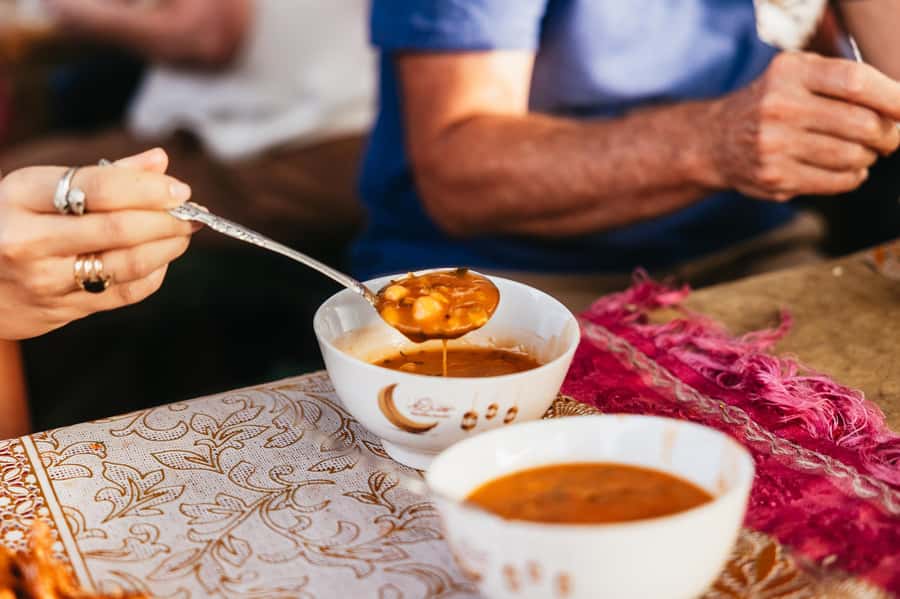
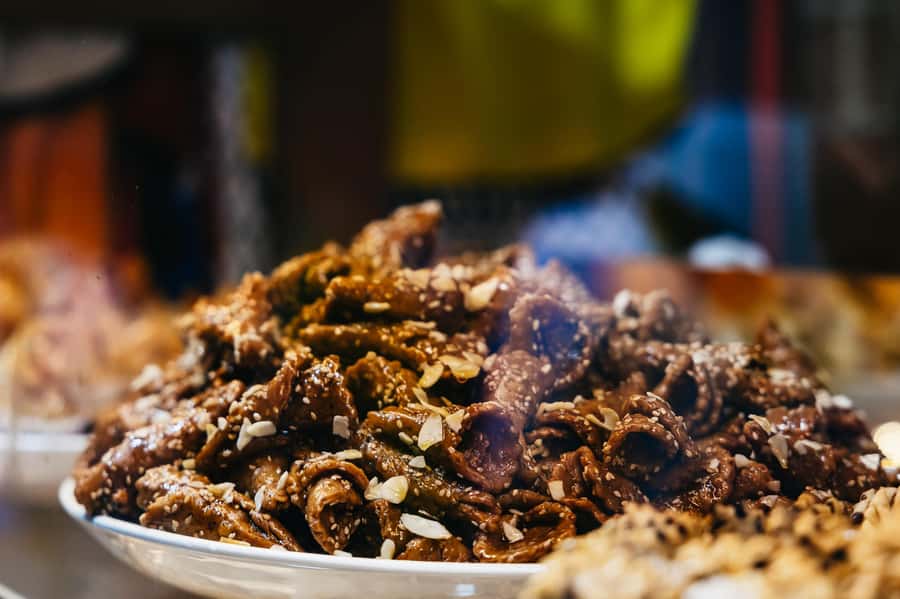
Next, you’ll likely taste traditional Harira, served with dates and Chebakia. If you’re in Marrakech around Ramadan, this pairing lands differently, because it echoes the way families break the fast—warm, comforting, and meant to reset your appetite.
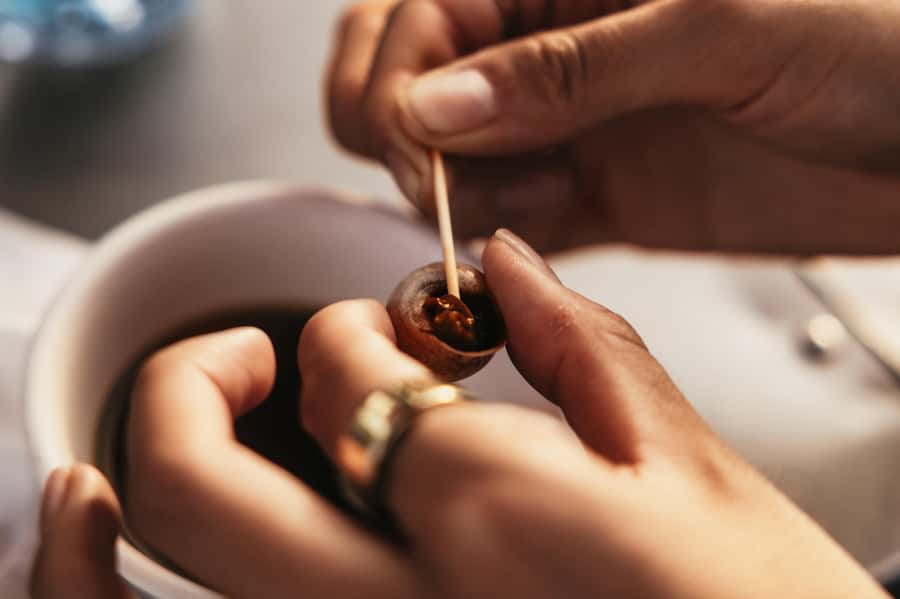
From there, you may try babbouche, which is snails slowly cooked in an aromatic herbal broth. This is the kind of dish where having a guide matters. You get context for the flavor and the process, not just the fact that it’s snails.
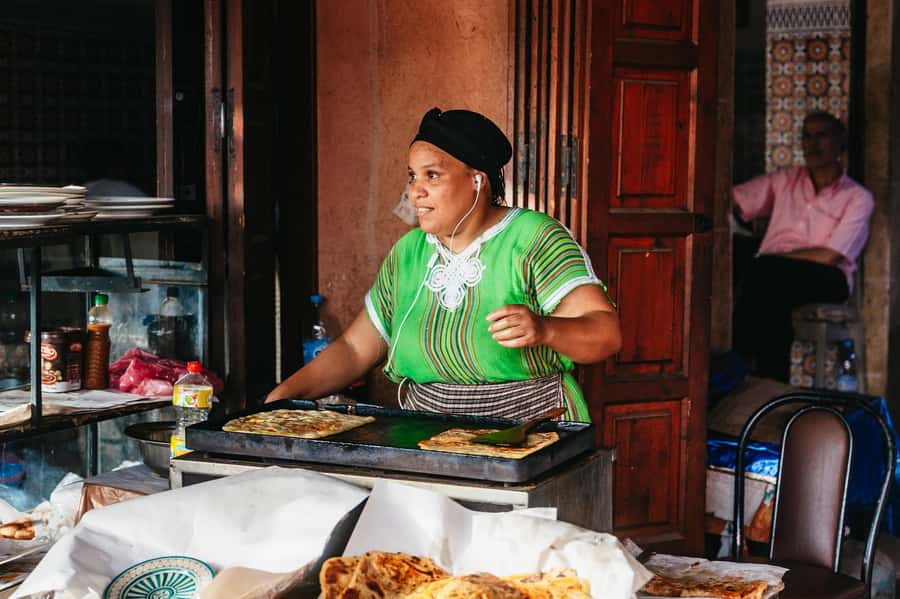
You’ll also likely hit mint tea and msemmen. Msemmen are pan-fried pancakes that arrive with a mix of honey and cheese—crispy edges, soft interior, and a sweet-salty balance that feels very Marrakech.
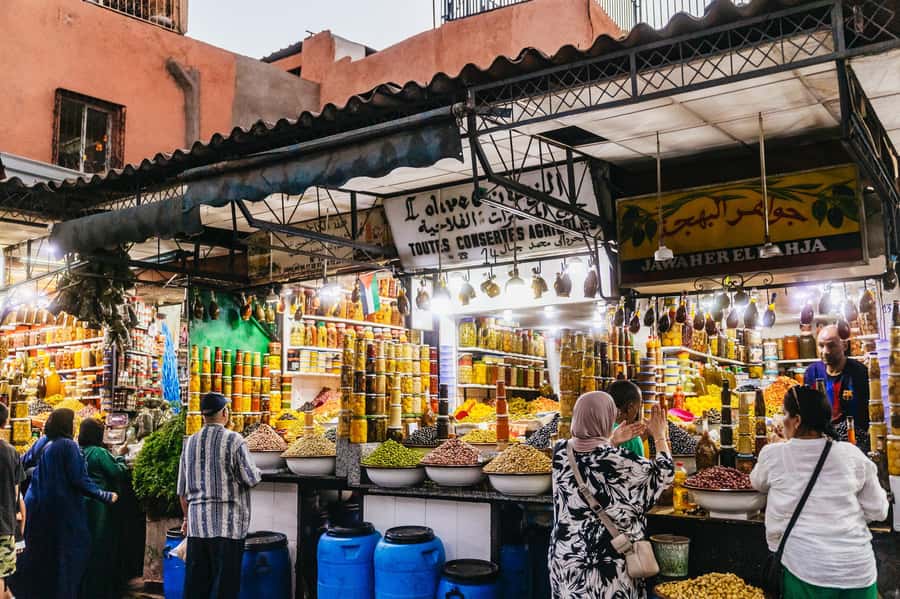
Other stops on this route can include Fakya, a festive mix of dried fruits and nuts often shared among families and friends during celebrations, plus Moroccan olives—greens with a creamy texture and reds tossed with herbs like parsley and cilantro.
Then you finish with dinner at a local restaurant: fresh Moroccan salad plus a hearty tajine. For dessert, you’re offered raïb, a homemade yogurt drink that people tend to describe as creamy and divine.
Route 2: stuffed pancakes, Shakshouka-style eggs, and cool-down drinks
Route 2 leans a bit more into street-snack energy and a wider spread of drinks and savory plates.
You might start with Msemen Amer, Moroccan pancakes stuffed with savory fillings, often spiced vegetables. It’s a typical teatime comfort dish, and it’s a nice bridge between the sweet and savory tastings.
Then you’ll likely get Harira and Chebakia again, because that pairing is one of Morocco’s most recognizable food rituals. After that, the lineup can shift into Makkla bel Kefta, a Moroccan take on the Shakshouka idea—seasoned eggs with a savory base.
Street food shows up in the form of Sfenj, Moroccan donuts: crisp outside, airy and chewy inside. It’s easy to eat while walking, which makes it a practical stop as well as a tasty one.
For something cooling, you may try Lhindiya, cactus fruit. In hot weather, it works like a palate reset—refreshing and lighter than the heavier savory bites.
Then there’s Rass Mbekher, delicately steamed sheep’s head seasoned with cumin. This is one of the most serious “adventure” items on the tour. If you’re not interested, the tour may replace it with chawarma (chicken) or crispy falafel, depending on the day and options available.
You can also see Panaché, a colorful fruit smoothie made from seasonal fruit, and Khoudenjal, a hot herbal infusion made from galangal root. It’s a digestion-and-comfort kind of drink, great if you’re feeling the heat of Marrakech or you just want something soothing near the end.
Dinner on this route is an open-air grillade experience, with juicy grilled meats like beef, turkey, and liver. That’s a very old-school Marrakech way to end the night: smoke, conversation, and food that comes out hot and straightforward.
You can also read our reviews of more food & drink experiences in Marrakesh



The real “value” is the ordering help, not just the food
At $52 per person for a 3-hour experience, you’re paying for more than ingredients. You’re paying for someone who knows where to go, what to eat, and how to keep the flow moving through the Medina.
That matters in Marrakech because street food decisions can be stressful if you’re navigating alone. You can find places to eat, sure. But the guide removes the guesswork: they lead you from one stop to the next and explain what each dish is so you taste it with understanding.
Also, the tour includes authentic mint tea and a dinner (tajine at a restaurant or open-air barbecue), which turns the whole night into a real meal plan rather than a snack collection. If you treat this as your dinner anchor, the math starts making sense quickly.
There’s one more value point: you learn by repetition. Instead of sampling one random dish, you taste a connected sequence—soup, bread, sweets, drinks—so flavors make more sense by the time you reach dessert or dinner.
What each tasting teaches you about Moroccan food culture
Here’s how the menu pieces fit together, and what to pay attention to as you go.
- Harira (with dates and Chebakia): Harira is hearty and built for real hunger. The dates and Chebakia make it feel ceremonial, especially when the timing aligns with Ramadan evening. It’s comfort food with a social role.
- Msemmen and Moroccan pancakes: These aren’t just snacks; they’re a flexible bread-basis for sweet and savory moments. When honey and cheese show up, you taste Morocco’s love of balancing flavors.
- Orange blossom and almond (Kaab Ghzal): Scent matters here. Orange blossom water gives floral perfume, and almond paste adds richness. This is how Moroccan sweets often feel like more than sugar.
- Snails in herbal broth (babbouche): This is about patience in cooking and layers in flavor. If you try it, notice how the broth carries the herb notes instead of overpowering them.
- Sfenj donuts: Crisp outside, airy inside. It’s the kind of texture that makes you understand why street snacks are so satisfying in Marrakech evenings.
- Lhindiya cactus fruit: Think of it as a cooling contrast. You’re getting something lighter after heavier bites.
- Khoudenjal galangal infusion: Hot herbal drinks are part of Moroccan digestion-and-comfort culture. Even if you skip a strong flavor, the idea is useful for planning your own meals later.
- Fakya and olives: Nuts, dried fruit, and olives show the social side of eating in Morocco. It’s meant for sharing and conversation, not just personal consumption.
Dinner choices: tajine comfort or open-air grillade
Dinner is where this tour stops being just a tasting loop and becomes a proper Moroccan meal.
If you’re on the restaurant path, you’ll get fresh Moroccan salad and a hearty tajine. That combo is classic: vegetables and herbs at the start, then slow-cooked richness in the tagine. If dessert is included in your route, you’ll likely finish with raïb, which stands out as a cool, creamy end to a warm meal.
On the open-air route, dinner is a grillade under the sky with grilled meats like beef, turkey, and liver. Open-air barbecue in Marrakech often means you taste food that’s seasoned for smoke and fire, not just simmered sauces. It’s louder, more social, and very “this is dinner as locals do it.”
One detail worth knowing: dinner isn’t available during Ramadan in the way it’s normally presented. If you’re visiting during that time, you’ll still get the important tasting moments tied to fasting and breaking fast, but the dinner format changes.
Herbalist stop and tea breaks: a small pause that pays off
Depending on the pace of your walk, you might make a quick stop at a traditional herbalist shop. You’ll get a short break, a chance to learn about Moroccan spices, and you’ll sip mint tea there too.
This is more than a bathroom stop (though people mention needing restroom breaks). It also gives you a mental shortcut: when you later taste soups and herbal broths, you’ll recognize the idea of spice layering. Even if you don’t buy anything, you’ll understand what you’re smelling and why it works.
Tips to avoid food-tour stress (and actually enjoy every bite)
A few practical tips help you get the best night:
- Wear comfortable shoes. The walk matters as much as the eating.
- Come with an appetite. If you eat a big lunch, you’ll still enjoy the tour, but you may miss out on the full flavor arc.
- Be ready for strong-flavor foods. Snails, herbal broths, and sheep’s head aren’t “light.”
- If you’re cautious about certain items, tell your guide. You can choose what you try, and the tour may have alternatives like swapping out sheep’s head for other options on the day.
- If you want vegetarian-friendly choices, it’s worth asking. There’s evidence the guide team works to accommodate at least some vegetarian needs during tastings.
Also, pick your comfort level. Guides often vary by personality, and you might have a guide like Mehdi, Mohammed, Ali, Yaya, Yahya, or Rachid depending on the group. The consistent theme is that they explain what you’re tasting and keep things fun, even when the menu gets unusual.
Who this Marrakech food tour fits best
This is a great fit if you want:
- A first trip to Marrakech and you want your bearings fast
- A food-focused night that also teaches you why dishes are served the way they are
- A mix of street snacks, desserts, and a real dinner
- A guide-led plan through the Medina, instead of wandering hungry and guessing
It’s especially helpful for people who feel overwhelmed by the Medina at sunset and want a guided route with clear stops. It also works well for families and mixed groups, because the tour includes familiar sweets like coconut macaroons alongside more adventurous dishes.
If you strongly dislike the idea of trying snails, sheep’s head, or grilled liver, you might want to read the menu items carefully and decide how adventurous you want to be. This is a “taste widely” experience, not a mild tasting sampler.
Should you book this Marrakech food walk and dinner?
I think you should book it if you want Marrakech to hit your senses in a structured way. For $52, you get a certified English-speaking local guide, multiple tastings with mint tea, and dinner (with a Ramadan adjustment), all within a manageable 3 hours. It’s one of the easiest ways to turn the Medina from confusing streets into a sequence of delicious food moments.
Skip it only if you hate walking, are extremely picky about foods, or know you won’t try anything more adventurous than basic bread and sweets. If you can meet the tour halfway, you’ll come away with a stronger feel for Moroccan everyday eating, plus a shopping list for what to hunt down later in the trip.
FAQ
Where is the meeting point?
Meet your guide in front of Poste du Maroc, Rue Beni Marine.
How long is the Marrakech food walking tour?
The tour lasts 3 hours.
How much does it cost?
It costs $52 per person.
Is hotel pickup or drop-off included?
No. Hotel pickup and drop-off are not included.
What language is the tour guide?
The tour is guided in English by a live tour guide.
What food will I taste during the tour?
Expect Moroccan specialties like harira, Chebakia, msemmen, mint tea, sweets such as Moroccan coconut macaroons and Kaab Ghzal, and savory items such as babbouche (snails). The exact menu can vary by route.
Is dinner included?
Yes. Dinner is included either at a local restaurant with tajine or as an open-air grillade. Dinner isn’t available during Ramadan in the standard way.
Will I walk the Medina the whole time?
Yes, it’s a walking tour through the Medina with street-food style stops and tastings.
Should I bring comfortable shoes?
Yes. Comfortable shoes are recommended.
Is there a break for a restroom during the tour?
There may be a stop at a traditional herbalist’s shop depending on the tour pace, and that can include time to use the restroom if needed.
What is the cancellation policy?
Free cancellation is available up to 24 hours in advance for a full refund.