REVIEW · MARRAKESH
4-Day Marrakech Atlas Mountains & Sahara Desert Tour
Book on GetYourGuide →Operated by Desert Family Tour · Bookable on GetYourGuide
A long drive turns into a real route story through Morocco’s big contrasts. I like the way this trip builds from the High Atlas to the UNESCO kasbah of Ait Ben Haddou, then pushes you out to the Erg Chebbi dunes for a true desert night. The camel trek is also a highlight, and the handling of the animals is treated with respect on this kind of outing. One thing to consider: the schedule is active and travel-heavy, so you’ll want to be comfortable with early starts and long hours in the car.
This is a practical, mid-length desert tour (4 days, 3 nights) with a clear rhythm: mountain passes, gorge walks, oasis villages, and then sand at sunset. You’ll also get kasbah-style lodging options and a hotel stop in the Dades Valley, plus a real desert camp sleepover with dinner and breakfast. If you’re after deep, slow hiking time, you might feel a bit rushed, but for most people it’s the sweet spot for seeing a lot without needing weeks.
In This Review
- Key things that make this tour work
- Getting out of Marrakech: pickup timing and medina reality
- Tizi n’Tichka Pass to Ait Ben Haddou: the Morocco postcard route
- Dades Valley and Kasbah Safari Rose nights: comfort where it counts
- Todra Gorge and the road to Merzouga: oasis walks and real village life
- The Erg Chebbi camel trek: sunset, tents, and a calmer pace than you expect
- Sunrise and the return through Dades: Monkey Fingers photos with an easy pace
- Day 4 back to Marrakech: the long ride with planned viewpoint breaks
- Price and value: what $182 covers (and what it doesn’t)
- Who should book this 4-day Atlas and Sahara trip
- Should you book this tour?
- FAQ
- FAQ
- What time is pickup in Marrakech?
- Do I need to arrange transport to get to the tour pickup point?
- What meals are included during the trip?
- Is a local guide included for Ait Ben Haddou?
- What should I pack for the desert camp?
- Is sandboarding included?
- Who shouldn’t take this tour?
Key things that make this tour work
- Tizi n’Tichka Pass views: you travel through the famous High Atlas switchbacks at altitude (about 2,260 m).
- Ait Ben Haddou with a local guide: a guided walk through the UNESCO kasbah area.
- Dades and Todra gorges: gorge scenery plus photo stops that don’t require expert hiking skills.
- Erg Chebbi camel trek: a sunset climb and a night in nomadic-style tents under the stars.
- Nomad-camp vibe with drums: expect evening music with a big sense of place.
- Good value on food: breakfast and dinner are included at your overnight stops, while lunches are typically on your own.
Getting out of Marrakech: pickup timing and medina reality
Most of the friction on Marrakech day tours comes from one thing: getting you out of the medina. This tour handles it by picking you up at your hotel or at the nearest accessible point by car. If you’re staying inside the old city, the driver meets you where vehicles can actually reach, so you’re not doing an awkward half-hour scramble with luggage.
The start time is early: departing at 08h30 from your riad or hotel (with the exact pickup time confirmed the day before). That matters because the route out toward the Atlas Mountains only gets more scenic as you climb, and you don’t want to arrive at viewpoints in the late-day light.
You’ll likely do a few roadside stops for photos and for small breaks like coffee. Keep a small amount of cash with you for drinks or tips. Mobile signal can be spotty as you head deeper into the route, so a power bank is a smart move if you plan to post or navigate.
A few more Marrakesh tours and experiences worth a look
Tizi n’Tichka Pass to Ait Ben Haddou: the Morocco postcard route
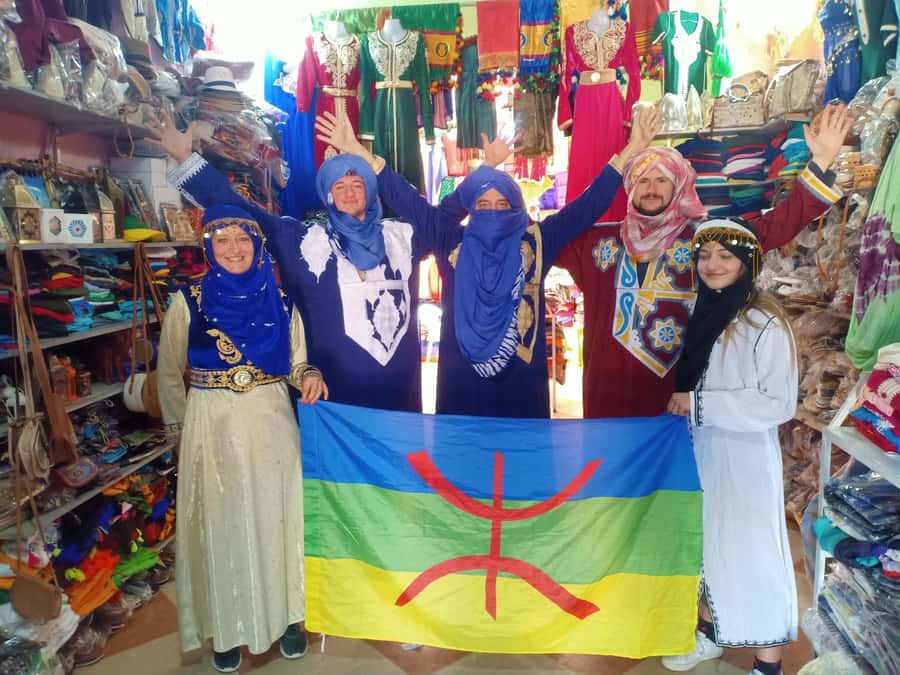
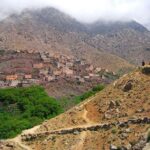
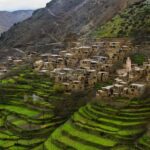
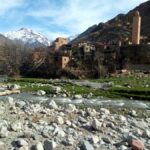
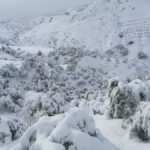
The drive over the Tizi n’Tichka Pass is the classic move for a reason. The pass rises to roughly 2,260 meters, so the air changes, the views widen, and the mountain villages show up in layers—homes clinging to slopes, switchbacks carving the ridges, and valleys dropping away below.
Along the way, you pass Berber villages and you’ll see the landscape change in a very obvious way: from city edges into mountain terrain, then toward the dramatic kasbah region. You don’t need to be a geography nerd to enjoy it. You just need your camera ready and a willingness to stop when the views are good.
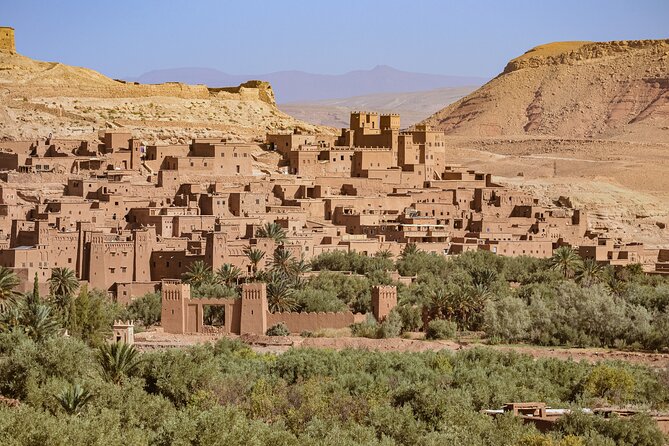
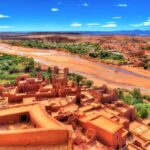
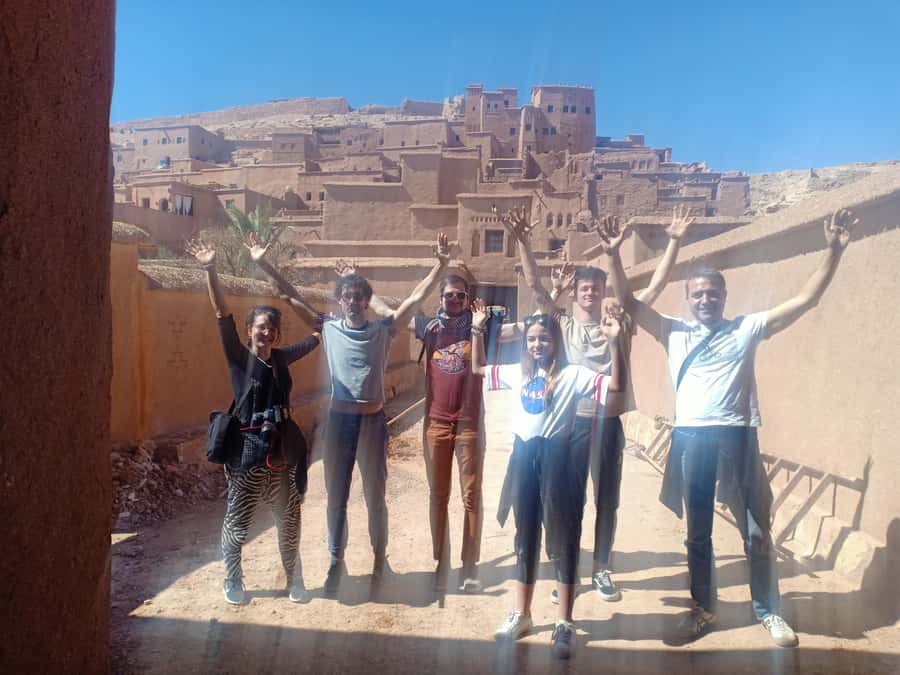
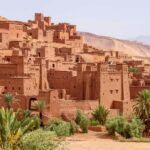
Then comes Ait Ben Haddou, a UNESCO World Heritage Site and one of the most photogenic kasbah settings in Morocco. You’ll explore the kasbah area with a local guide, and there’s also a note that this local-guided portion costs 2.5€ per person. That extra guide time is usually worth it here. Ait Ben Haddou is not just buildings—it’s a story of defenses, living quarters, and how communities adapted to harsh conditions. A guide helps you read the place instead of just taking snapshots.
Also, this is one of those sites where timing matters. You want enough time to walk the lanes and viewpoints without feeling like you’re racing through. Ait Ben Haddou is usually the part people remember most from this whole mountain-to-desert progression.
Dades Valley and Kasbah Safari Rose nights: comfort where it counts
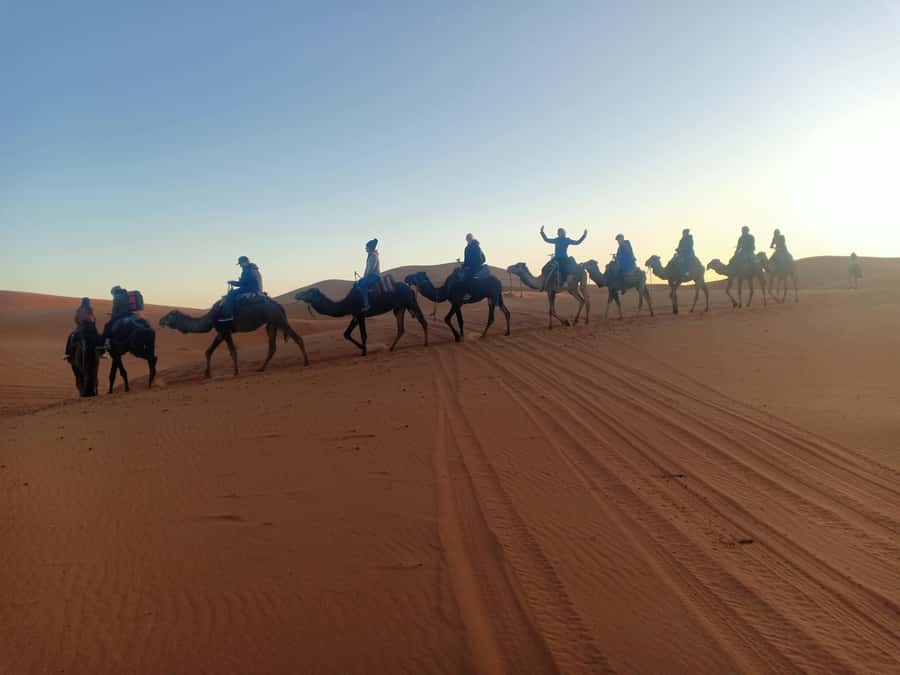
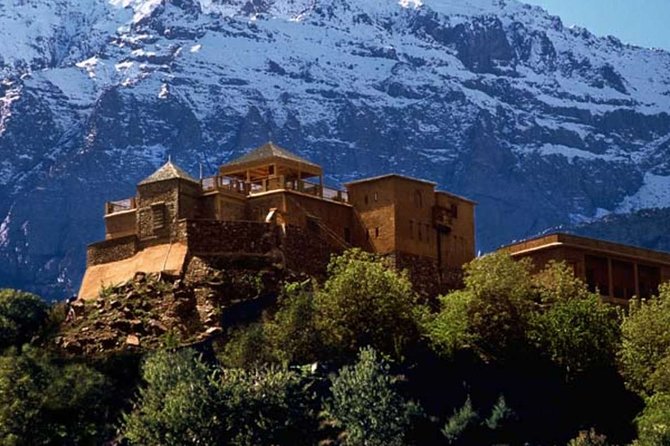
By the end of Day 1, you reach the Dades Valley area, a part of Morocco that feels both rugged and livable. You’ll pass through places like Ouarzazate and the Klaa Mgouna region, then arrive for your first overnight stay at Kasbah Safari Rose Dades (or a similar property).
This is a good stage of the trip to settle in. Included with your stay are dinner and breakfast, plus you’ll get towels and access to the property’s swimming pool. Even if you don’t swim, it’s nice to have that reset option after hours on the road. The Dades Valley also gives you a sense of terrain variety before the desert nights get colder and the days get hotter.
Practical tip: bring a light layer for evenings in the mountains and desert regions. Daytime is often warm, but night temperatures can drop. The tour specifically flags that desert nights can be cold, so don’t pack your whole trip like you’re only visiting summer beaches.
Todra Gorge and the road to Merzouga: oasis walks and real village life
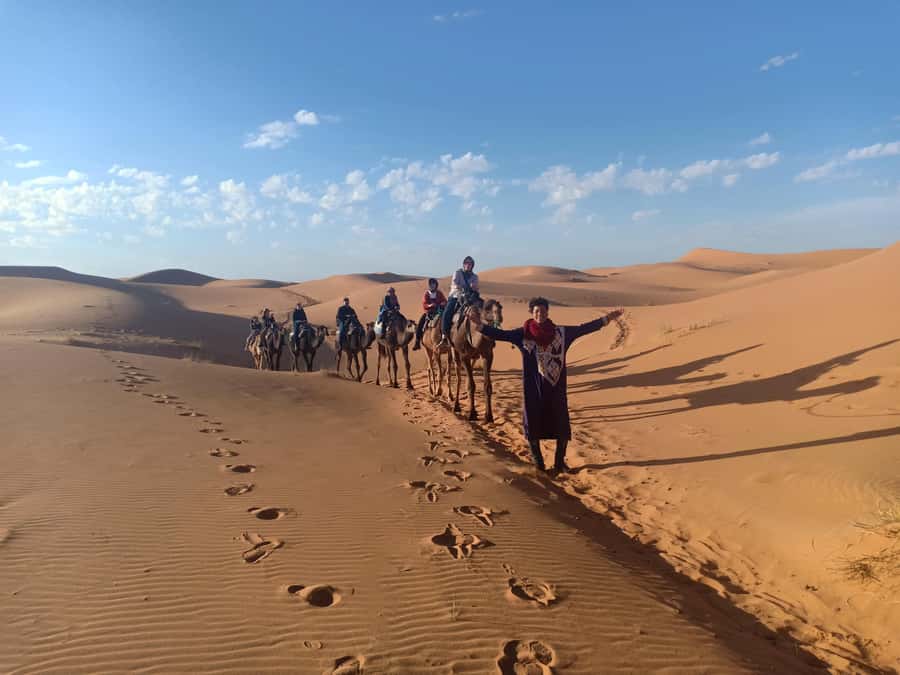
Day 2 is where the trip shifts from mountains into the route toward the Sahara. After breakfast, you head toward Erg Chebbi in Merzouga. The drive includes scattered Berber villages, which helps you understand that this is not just a sightseeing corridor—it’s a lived-in region.
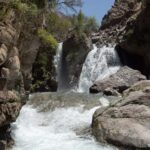
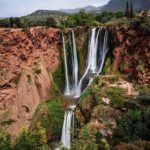
You’ll also visit Todra Gorge (often spelled Todgha or Todrha in different contexts). Expect canyon walls and a shaded gorge feel, plus you’ll walk there with a local guide. Gorge walks are one of those travel bargains: you get big scenery without needing special gear or long technical trails. Just wear closed shoes, because the ground can be uneven.
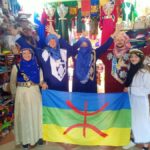
There’s also a stop connected to local culture: Cooperative Nomades in Tinghir. This is the kind of stop that can add meaning beyond photos, especially if you want to see how crafts connect to daily life. If you’re interested in textiles and local handiwork, this is a good moment to slow down and watch how things are made or explained.
For food timing, you’ll continue through Tinjdad for lunch (not included) and then onward to Erfoud and finally the dunes area of Erg Chebbi. Once you reach Merzouga, you’ll have a breather before the camel trek. That’s important, because the next day is less about sitting and more about walking in sand.
The Erg Chebbi camel trek: sunset, tents, and a calmer pace than you expect
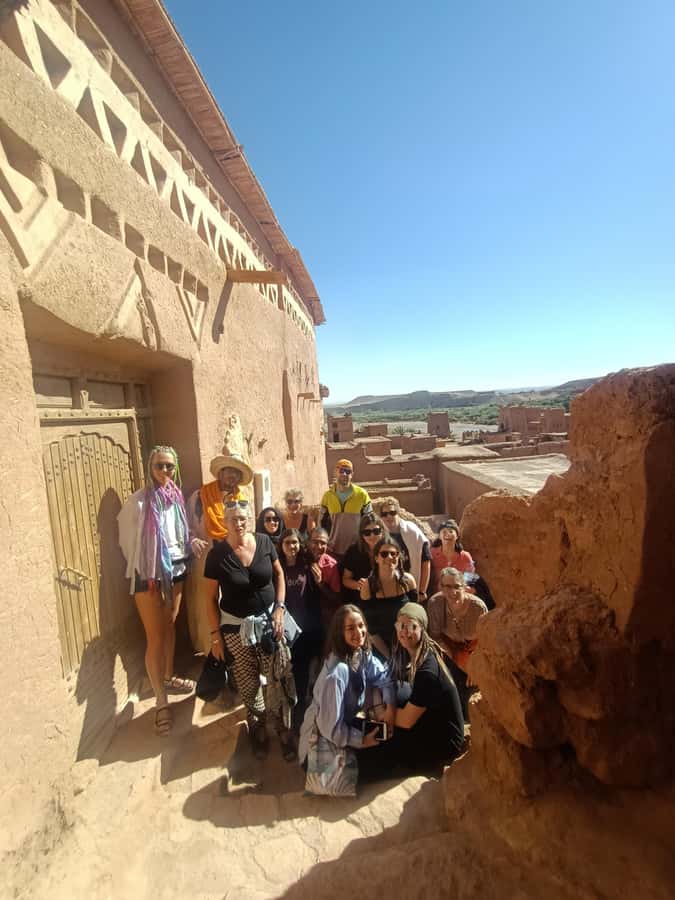
Merzouga’s dunes are the main event. After relaxing in town, you pack a small overnight bag for the desert camp. The key idea: leave larger luggage in the vehicle. You’ll want essentials ready because the camp experience is separate from your main transport.
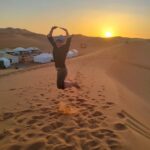
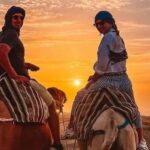
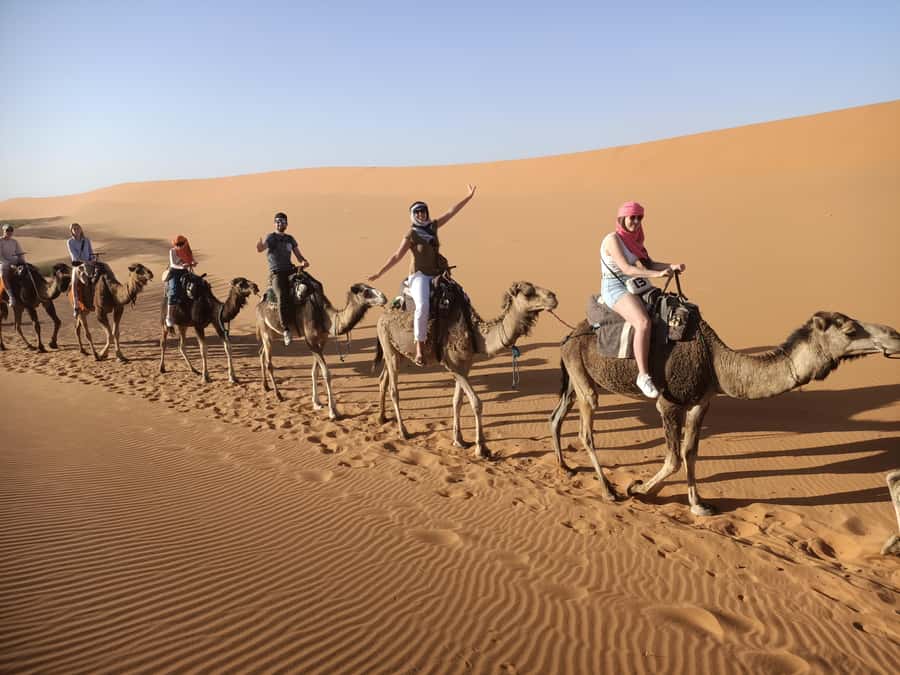
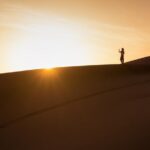
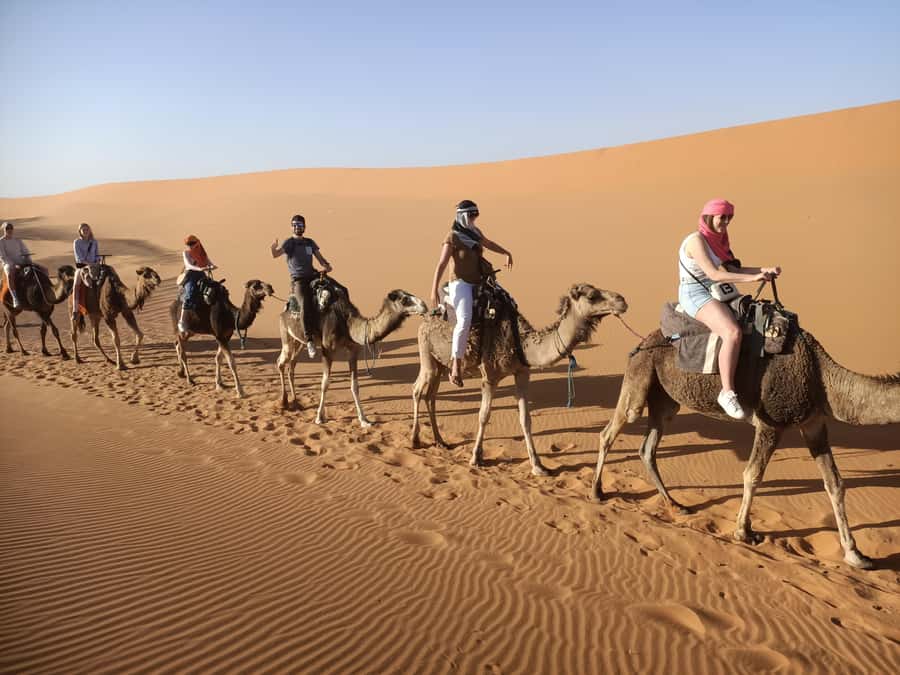
The camel ride is set up so you each get a camel—one camel per person—and then you trek into the dunes to reach the highest dunes for sunset. Sunset in Erg Chebbi is usually spectacular, but what matters for your comfort is how you dress and how you manage your expectations. You’re moving at a camel pace over sand, so bring sunscreen and sunglasses, and wear shoes you can handle in the dunes.
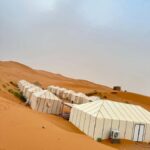
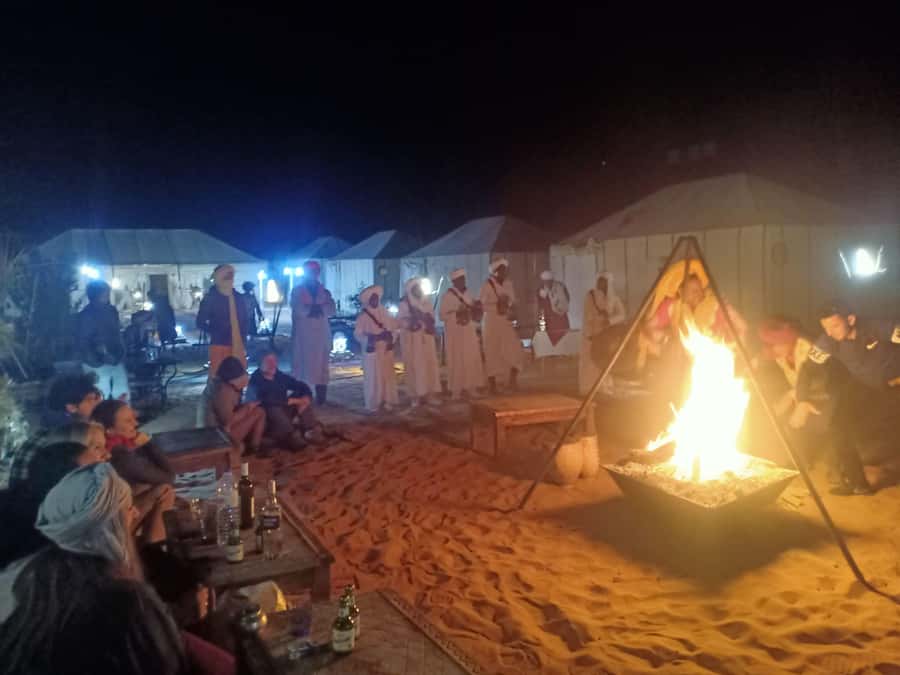
At the camp, you’ll arrive, leave the camels, and then take in the desert evening. Dinner and breakfast are included, and the trip notes that you’ll sleep in nomadic Berber tents under the stars, with drums playing in the middle of the Sahara. That combination—simple camp structure plus music plus sky—creates a strong sense of “place,” even if you’re not the type to get emotional about stargazing.
One more detail that’s worth caring about: the camel handling. A guest specifically highlighted that the camels were treated with respect, with no force and no beating used. That’s exactly the thing you should pay attention to when choosing desert experiences, because the setting is only as good as the way animals are treated on the ground.

Sunrise and the return through Dades: Monkey Fingers photos with an easy pace
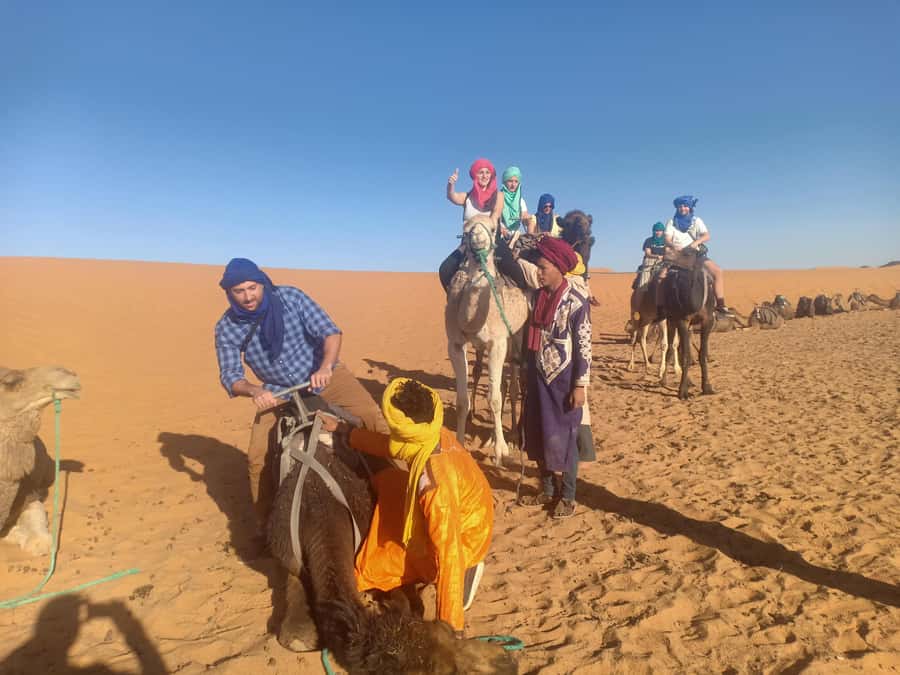
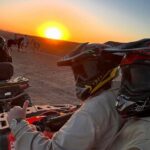
Day 3 starts with a sunrise over the Sahara, and then you remount camels for the return. This morning rhythm is common for desert camps, and it’s a big reason many people love Merzouga: you get the dunes twice—once with sunset light and again with morning color.
Once back, you move toward the Dades Valley again and fit in a gorge-adjacent walk and photo stops. One highlight named on this route is Monkey Fingers, which refers to rock formations. These formations are fun to photograph because they look like something between a natural sculpture and a pile of artful shapes. The walk time is noted as 1 or 2 hours, and it’s described as suitable for different levels. For most people, it’s an afternoon walking effort with big visuals rather than a strenuous trek.
If you care about comfort, plan your pace. Walking on rocks and uneven ground can fatigue you faster than expected, especially after camel travel. Still, it’s a great chance to stretch your legs before the final long drive back toward Marrakech.
Day 4 back to Marrakech: the long ride with planned viewpoint breaks
On Day 4, you retrace toward Marrakech. The route climbs back over the Atlas Mountains again via Tizi n’Tichka, which you’ll appreciate even more on the return because you’re not just arriving—you’re leaving, and you can see how far you traveled.
The pass is around 2,260 meters, so viewpoint stops along the road are part of the day’s value. The tour includes “plenty of stops” for scenery and photography. Lunch is at leisure, not included, so you’ll likely eat based on what’s available at the time.
You should expect to reach Marrakech by 7 or 8 PM. That’s late enough to feel it in your legs and back if you’re not used to long drives, but it also means you don’t lose the whole final day. You’ll end the trip with enough evening left to shower and get dinner on your own.
Price and value: what $182 covers (and what it doesn’t)
At $182 per person for 4 days and 3 nights, this tour is priced to be realistic for a Marrakech-to-Sahara route. The value comes from three big inclusions: transportation with an English or French speaking driver, overnight lodging with dinner and breakfast, and the main desert experience—the camel ride plus desert camp night.
Here’s what’s included:
- Pickup from your hotel or nearest car-accessible point in the Marrakech area
- Transport throughout the route
- English or French speaking driver
- First night in Kasbah Safari Rose Dades (or similar), with dinner and breakfast
- Second night in a Merzouga desert camp, with dinner and breakfast
- Third night back in the Dades area at Kasbah Safari Rose Khmis Dades (or similar)
- Pool access at Kasbah Safari Rose (or similar)
- Towels
- Camel ride (one camel each)
- Vegetarian dinner and breakfast options are available
What’s not included:
- Entrance fees
- Lunches and soft drinks
- Private expenses
- Local guide fee of 2.5€ per person
The big budgeting point is lunches. If you want to keep costs predictable, plan to spend on lunches along the way (and possibly small snacks during stops). Entrance fees can also vary based on what you choose to pay for. The tour doesn’t promise every gate is included, so it’s smart to carry some cash for minor extras.
If you’re weighing this against cheaper options, check what’s actually included for the desert night and how transport is handled. The biggest reason this price can make sense is that you’re getting two different kinds of lodging experiences—kasbah comfort on the Dades side and a camp night in Merzouga—plus meals where they matter.
Who should book this 4-day Atlas and Sahara trip
This tour is a strong fit if you want:
- A complete “big sites” route from Marrakech to the Sahara in a short time
- Gorge scenery plus kasbah architecture plus dunes, without needing to plan daily logistics
- Camel time that’s meant to be calm and respectful, not rushed
It may not fit if:
- You hate early starts or long drives. The schedule runs with early pickup and full road days.
- You need mobility-friendly routing. The tour is explicitly not suitable for people with mobility impairments.
- You’re traveling during sensitive health conditions. It’s noted as not suitable for pregnant women.
- Your age falls outside their limit. It’s not suitable for people over 95 years.
Should you book this tour?
Yes, if you want Morocco’s Atlas-to-Sahara route in one package and you’re okay with a busy, high-contrast itinerary. The combination of Tizi n’Tichka Pass, Ait Ben Haddou with a local guide, and a desert camp camel trek gives you the essentials without requiring you to stitch together multiple bookings.
Before you say yes, make sure you’re honest about your comfort level: you’ll spend serious time in vehicles, and desert nights can feel cold even when daytime is hot. If you pack right and keep a calm mindset, you’ll get exactly what this route promises—mountain passes, gorge walks, village culture, and one memorable night under desert stars.
FAQ
FAQ
What time is pickup in Marrakech?
The tour departs from your hotel or riad at 08h30. The exact pickup time is confirmed the day before, so you’ll want to be ready at least 10 minutes early.
Do I need to arrange transport to get to the tour pickup point?
Pickup is included from your accommodation, or from the closest location accessible by car. If you’re staying in the medina (old city), the driver meets you at the nearest reachable point.
What meals are included during the trip?
Your lodging nights include dinner and breakfast: dinner and breakfast on the first night in the Dades kasbah hotel, dinner and breakfast in the Merzouga desert camp, and dinner and breakfast on the third night in the Dades area.
Is a local guide included for Ait Ben Haddou?
You’ll explore Ait Ben Haddou with a local guide, and there is a noted cost of 2.5€ per person for the local guide.
What should I pack for the desert camp?
Bring comfortable shoes and weather-appropriate clothes. You’ll also need a small overnight bag for the desert camp; larger luggage can stay with the vehicle. Desert nights can be cold, so dress in layers.
Is sandboarding included?
Sandboarding may be available at the camp, but it isn’t guaranteed as part of the included program.
Who shouldn’t take this tour?
The tour is noted as not suitable for pregnant women, people with mobility impairments, and people over 95 years.