REVIEW · MARRAKESH
Ourika valley And Oulmes River day trip & Camel all Included
Book on GetYourGuide →Operated by Tours From Marrakech · Bookable on GetYourGuide
Four valleys in one day means serious Atlas scenes. You’ll start with Ourika Valley waterfalls, then keep climbing through Berber villages and High Atlas viewpoints, finishing back down toward Marrakech. I especially like the combo of an organized mountain hike with a local professional mountain guide, and the fact that lunch happens in a real Berber home setting. The main drawback is the day runs full-throttle with plenty of driving plus walking, so bring comfortable shoes and a steady pace.
The human touch is a big part of what makes this day trip land well. In the recent experiences I reviewed, guides such as Oussama and Mustapha (with a warm, helpful driving partner like Hassan) were singled out for clear explanations and safe, confident driving. If you’re sensitive to altitude or long road time, plan for that before you commit—this route climbs high enough that you may feel it.
In This Review
- Key highlights worth your attention
- A quick reality check on time, roads, and walking
- From Marrakech to Ourika Valley: waterfalls, river scenes, and argan oil
- The waterfall hike: what it’s really like and how to prepare
- Oukaimeden’s mountain road: villages, altitude, and color shifts
- Ait Fares: lunch in a Berber house and the best place to reset
- Asni and High Atlas vistas: Toubkal in the distance and Tahanaout routing
- Camel ride: the fun moment that still needs common sense
- Guide quality and safety: why names like Oussama, Mustapha, and Hassan matter
- Price and value: is about $23 actually a good deal?
- Who this tour suits best (and who should skip it)
- Should you book this Ourika and Atlas valleys day trip with camel ride?
- FAQ
- How long is the trip?
- Where does pickup happen?
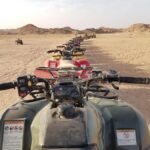
- How do you get around during the tour?
- What parts of the day include guided activity?
- How long is the Ourika Valley waterfall hike?
- What’s included in the price?
- Is travel insurance included?
- Are there multiple language options?
- Are there weekly market days you can visit?
- Who should not take this tour?
Key highlights worth your attention
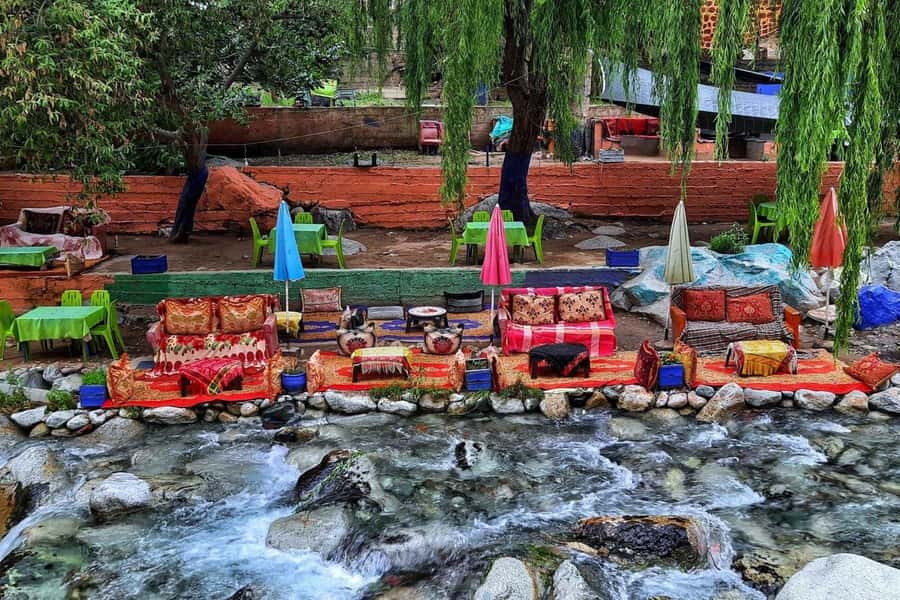
- 90-minute round-trip waterfall hike in Ourika with a local mountain guide
- Berber women’s cooperative for argan oil (a real, practical side of Moroccan life)
- Four valleys in one day—Ourika, Oukaimeden, Ait Fares, and Asni-style scenery
- Berber house lunch with soup, tajine, couscous, dessert, and mint tea
- A camel ride included as a short, photo-friendly break from the trail
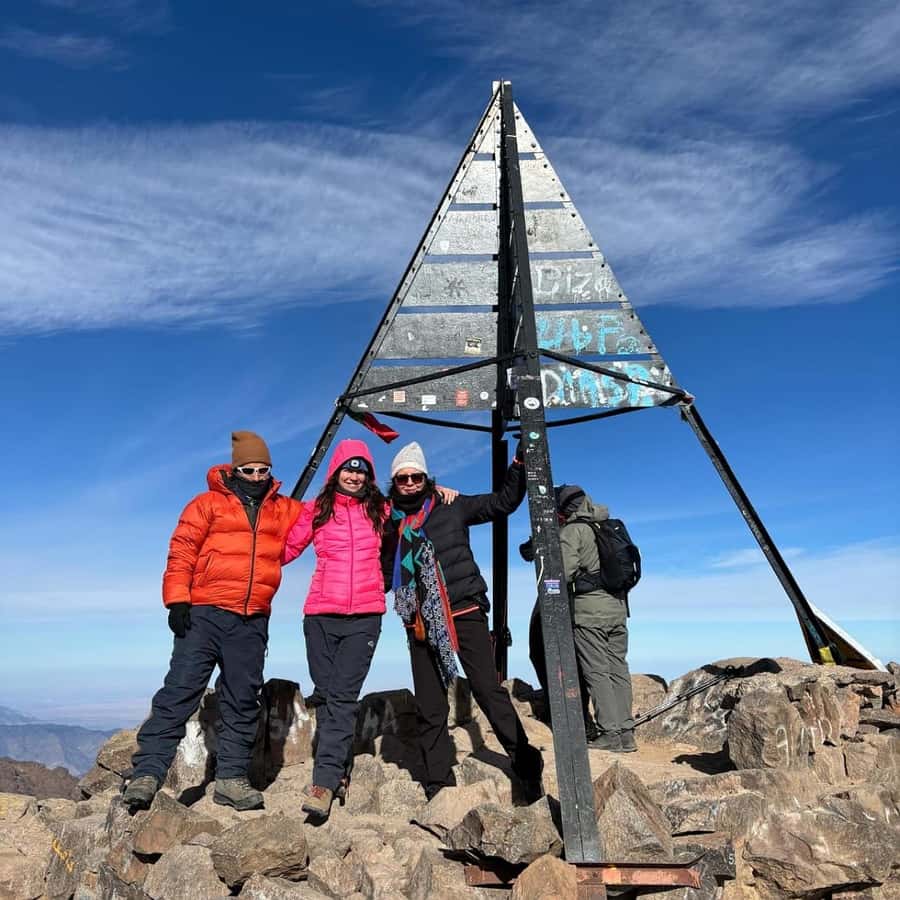
- High Atlas views toward Toubkal (4,167 m) on clear days, plus panoramas of nearby lookouts and Kasbah Tamadot
A quick reality check on time, roads, and walking
This is a one-day circuit out of Marrakech, and you should treat it like a full day in the mountains, not a relaxed half-day outing. You get pickup from your hotel or riad, and the trip moves by air-conditioned minivan or 4-wheel-drive vehicle—useful when you’re leaving town and starting to climb. Expect a packed schedule with multiple valleys, stops, and the kind of “always something happening next” rhythm.
The hiking piece matters. In Ourika Valley, you take a 90-minute round-trip scenic hike tied to the waterfall area. The tour also notes it’s not suitable for people with heart problems, which is a clear signal that you should listen to your body if you’re managing any health concerns. Even if you’re generally fit, wear shoes that won’t slip on uneven paths.
Also note that your day may include time in the Imlil area (the tour schedule lists a guided visit there and a lunch break). That’s not a bad thing—it’s often where the mountain context clicks—just understand that you’re not only “rushing from view to view.”
A few more Marrakesh tours and experiences worth a look
From Marrakech to Ourika Valley: waterfalls, river scenes, and argan oil
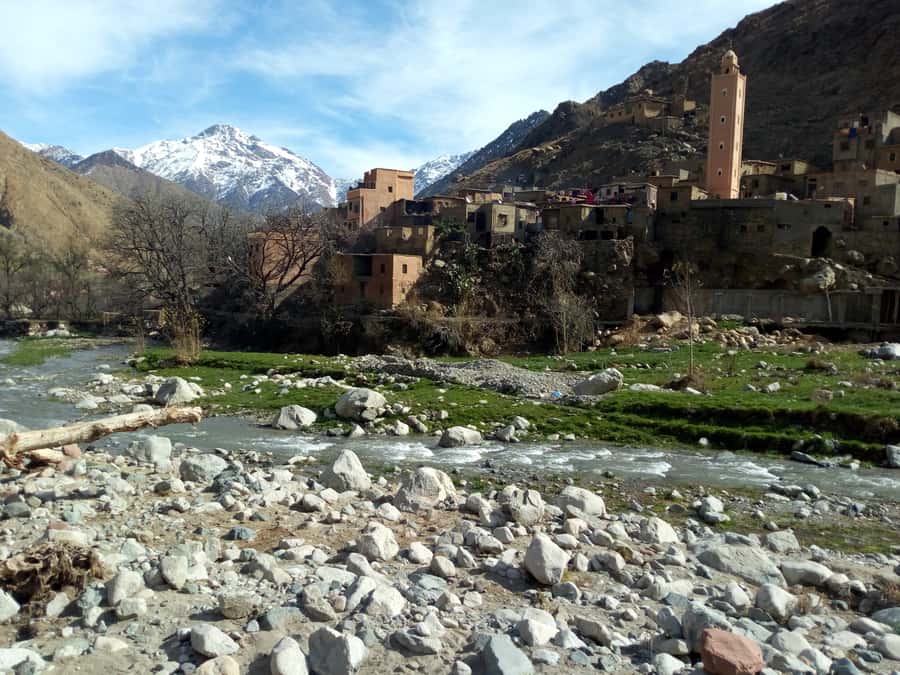
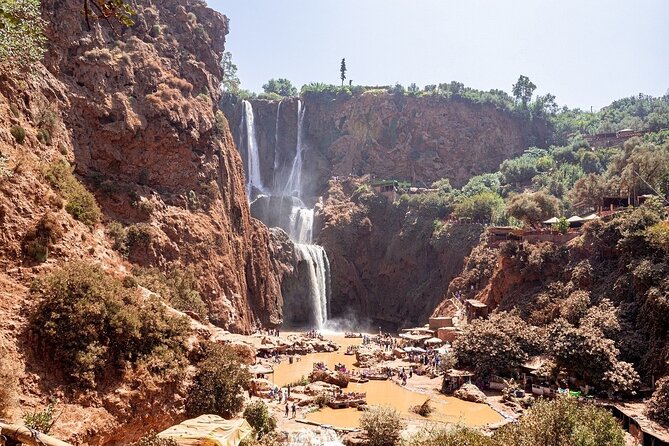
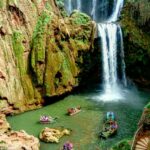
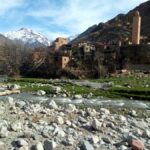
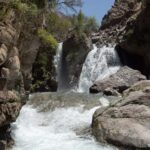
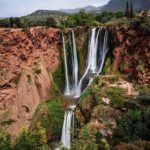
The day kicks off with leaving Marrakech and heading toward Ourika Valley, about an hour away. Ourika is famous for cascades, and that’s the heart of what you’re coming for: water cutting down through the mountains, with green and rock textures changing as the trail goes.
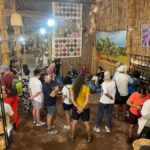
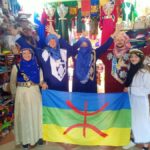
What I like is that this isn’t only sightseeing. You also have a visit linked to a Berber women’s cooperative where argan oil is extracted. That matters for two reasons. First, it turns a common Moroccan product into something you can connect to hands-on work and local structure. Second, you’ll usually come away with more respect for how the region’s economy supports families, not just a quick souvenir stop.
If you’re hoping to time the day around local market life, you’ll want to know that Ourika has a weekly souk every Monday. The tour info lists that as an option, so if your trip lines up, it can add texture beyond the mountain scenery.
The waterfall hike: what it’s really like and how to prepare
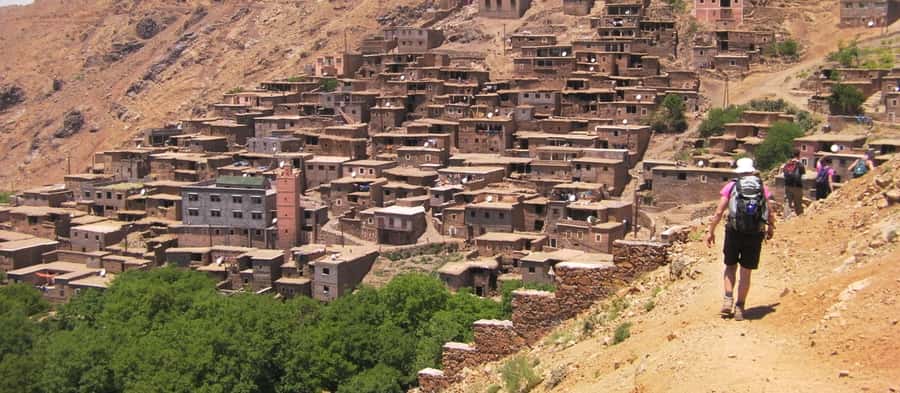
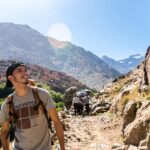
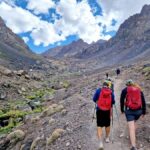
In Ourika, the hike is set up as a 90-minute round-trip scenic trek with a local professional mountain guide. That’s a big plus if you don’t want to guess your way through trails. A guide also helps you understand what you’re looking at—trees, rock type, and how the valley changes as you walk.
The tour is clear that you’ll get varied landscapes and views that stretch out as far as you can see. Translation: it’s not just a “go there, take photos, leave” walk. You’re moving through the valley’s geography, so the pace feels like a sequence of small reveals rather than one flat viewpoint.
Practical prep that actually helps:
- Comfortable shoes are non-negotiable here.
- Bring a camera, but also save a few frames for the guide’s explanations.
- Sunscreen helps, even if it’s not beach weather.
One more thing: you’ll want a relaxed attitude. The waterfall area tends to draw people, and you may share parts of the path with others. If you’re prone to stress, slow your brain down early—this hike rewards patience.
Oukaimeden’s mountain road: villages, altitude, and color shifts
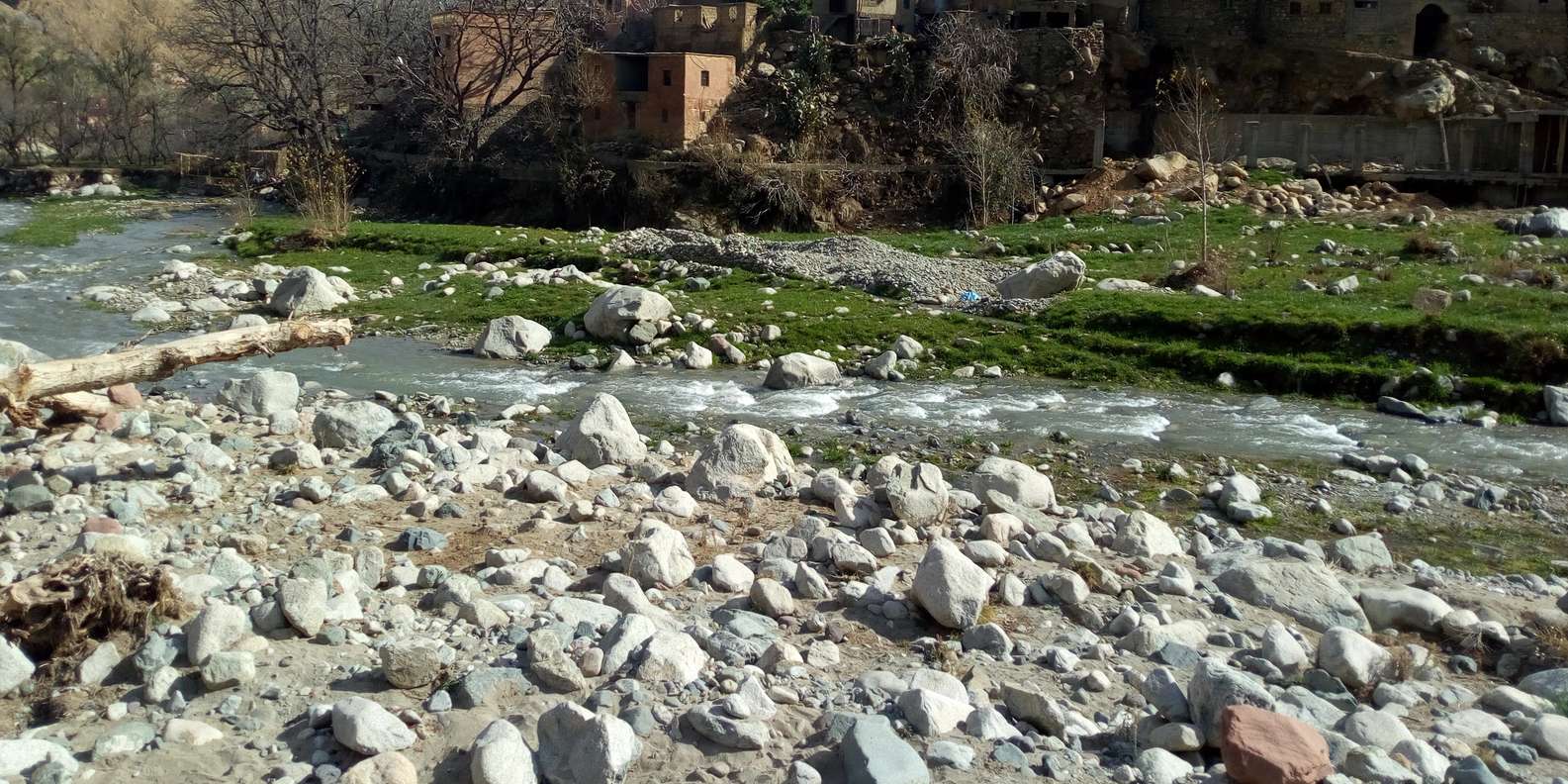
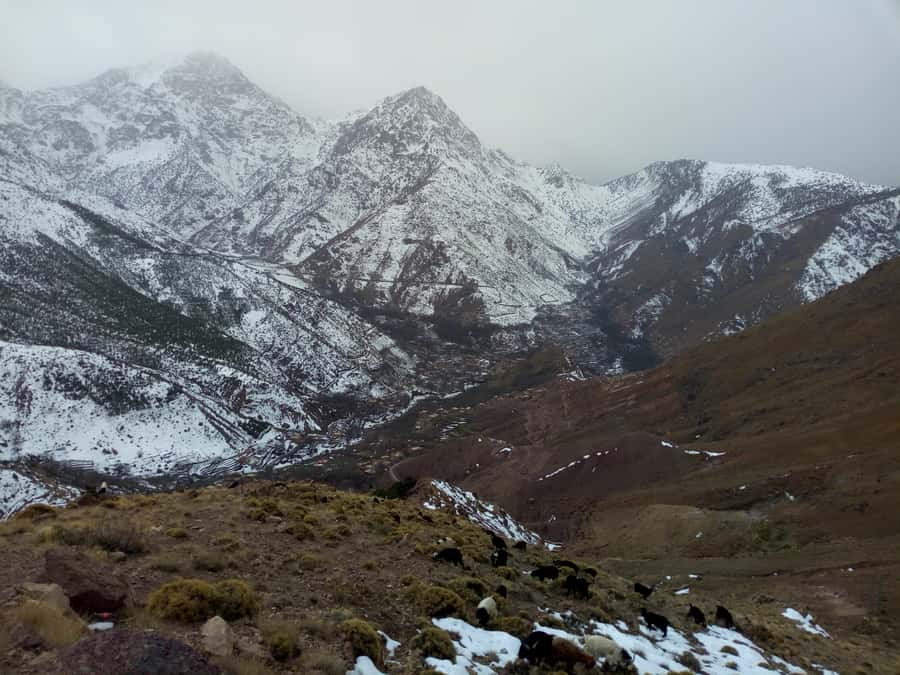
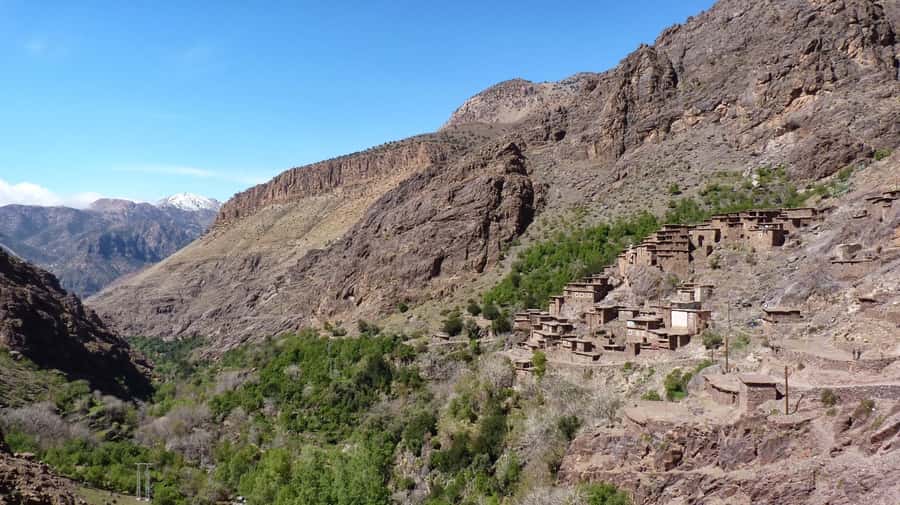
After Ourika, the route climbs toward Oukaimeden, a second valley reached via a secluded mountain road at about 1,800 meters above sea level. This is where the day shifts from river-green to wide Atlas contrasts.
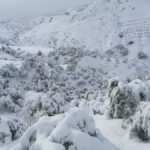
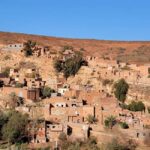
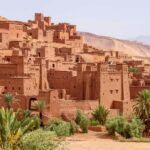
The tour description highlights traditional local areas and Berber villages built from adobe and stones. That building style isn’t just a visual detail—it’s part of how people adapt to the mountain environment. As the road continues, you’re also told to look for striking color differences: red, brown, and yellow clays against blue sky, green forests, and sometimes white snow at higher elevations.
A key advantage here is flexibility. The tour notes you can stop anywhere you want during the smooth drive. That’s great if you spot a viewpoint that the guide didn’t plan to highlight. Just keep stops quick so you don’t slow down the rest of the route.
If you’re traveling in cooler months, you may catch snowy summits in the distance. If you’re traveling in warmer months, you might still see dramatic peaks, just without the snow look. Either way, the color shifts are part of the fun.
Ait Fares: lunch in a Berber house and the best place to reset
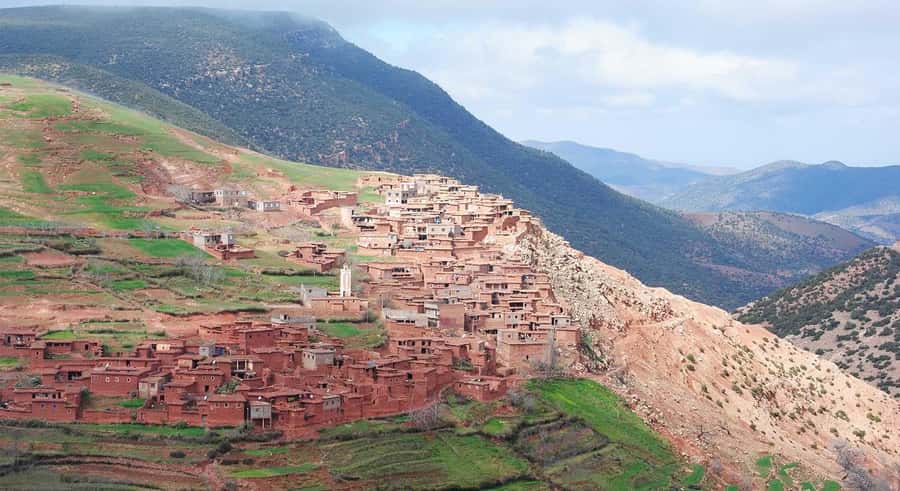
Then you reach the third valley, Ait Fares, where lunch is served in a local home. This is the part of the day I’d protect for two reasons: you get fed properly, and you get a slower moment away from photos and driving windows.
The meal is described as substantial and varied: soup, salad, Berber tajine, couscous, dessert, mint tea, and mineral water. If you’re worried lunch will be a rushed sandwich situation, this schedule suggests the opposite. It’s designed as a shared meal in a home setting, surrounded by breathtaking scenery.
What makes this lunch especially valuable is the setting. Eating in a Berber house (rather than only in a café) gives you a clearer sense of everyday life—materials, routines, and hospitality style. Even if your Arabic is limited, the structure of the meal and the mint tea ritual usually does a lot of the communication work for you.
In the tour schedule you’re also listed to have a 1.5-hour lunch break around the Imlil time window. Translation: you won’t just be sprinting through food. It’s a real break, and you’ll want that for the afternoon views.

Asni and High Atlas vistas: Toubkal in the distance and Tahanaout routing
In the fourth valley, the tour heads to Asni, known for fruit trees. This is the “Atlas outside the dramatic peaks” moment—fertile enough to feel different from the higher, rockier roads. You also get a strong viewpoint window again, including observation points for the High Atlas and panoramic shots.
The tour info specifically calls out views toward Toubkal (4,167 meters), plus forests ranger lookouts and Richard Branson’s luxury retreat (Kasbah Tamadot). You won’t be walking inside that property (the tour doesn’t suggest that), but the view is part of the point: you’re seeing how famous peaks connect to modern luxury and local landscapes at the same time.
As with the snow-capped summits, what you see depends on conditions. If the air is clear, Toubkal’s presence can feel close even from a distance. If clouds roll in, you’ll still enjoy the layered ridgelines and valley depth, just with less “wow mountain silhouette” detail.
Also helpful for timing: Asni has a weekly souk every Saturday, and Tahanaout has one every Tuesday. If your travel dates line up with those days, you can plug in extra local market texture before heading back down.
Camel ride: the fun moment that still needs common sense
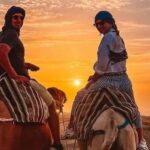
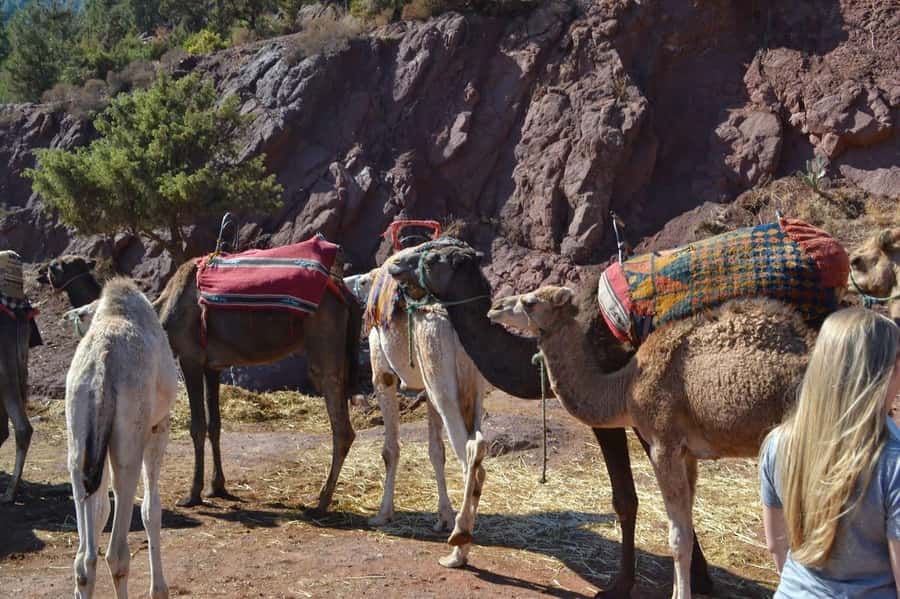
A camel ride is included, and that’s usually the add-on people remember most because it’s so different from hiking and driving. Keep your expectations realistic: it’s typically a short ride, more about the experience and photos than any long “camel trek” story.
To get the most out of it, treat it like a simple equipment moment. Wear closed-toe shoes, hold steady, and listen when the handler tells you how to sit. The tour’s overall emphasis on comfortable transport and a guided hike suggests you’re not being left to figure things out on your own, but you still should ride smart.
If you’re on the fence, the camel ride is one of those “worth it if you’re curious” inclusions. It’s not a substitute for the hike, but it does break up the mountain day into a more playful memory.
Guide quality and safety: why names like Oussama, Mustapha, and Hassan matter
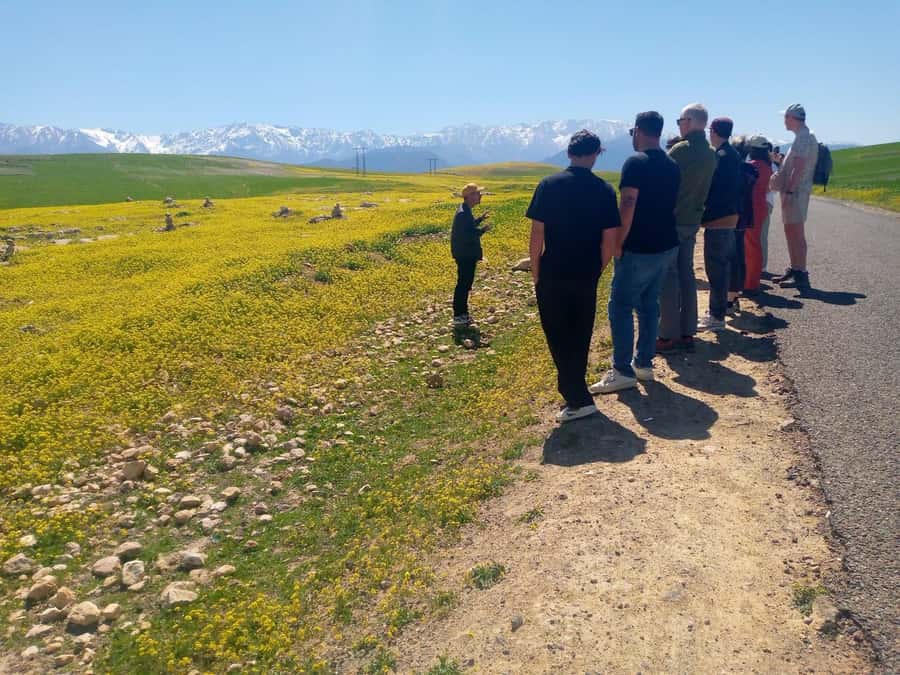
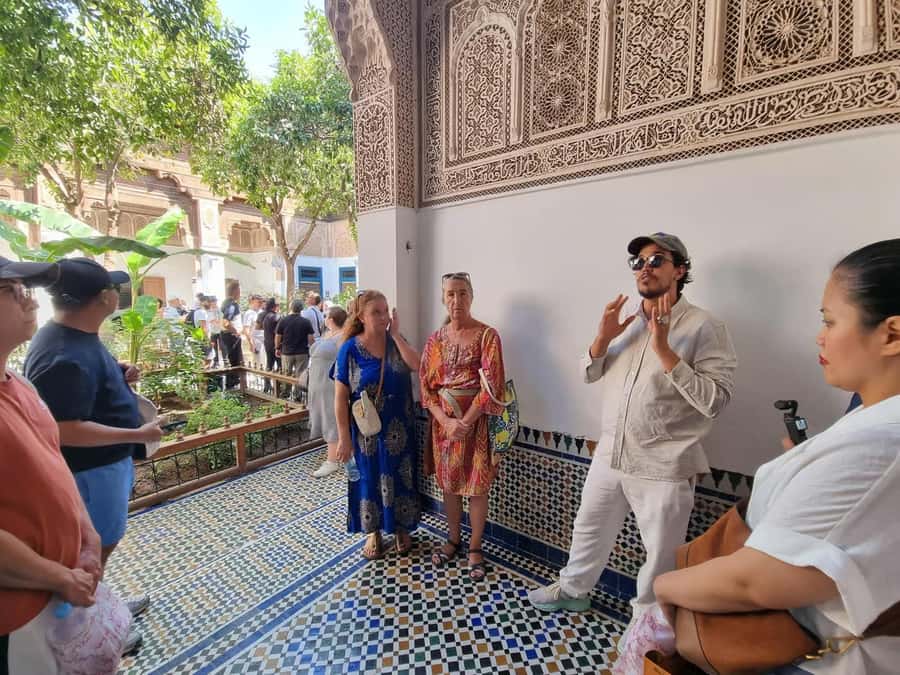
This is one of those trips where the guide makes a real difference. In the recent experiences tied to the tour, Oussama was praised for being friendly and very good at English, with explanations that helped the day feel understandable instead of just scenic. Mustapha was also highlighted for detailed kindness and helpful support during the hike when the walk felt a bit tough.
Then there’s the driving side. Hassan was specifically mentioned as kind and for safe driving, which matters on mountain roads where you want calm confidence behind the wheel.
So here’s how to use that info. If you get a guide named Oussama or Mustapha, you’re likely in good shape for story + clarity. But even if you get someone else, use the same principle: ask questions early, pay attention during the hike briefing, and don’t be shy about saying you want the pace adjusted.
Price and value: is about $23 actually a good deal?
At $23 per person for a full day, the value is strong—if you care about both culture and countryside. You’re not only paying for seats in a van. You’re also paying for guide time, the mountain hike with a local professional mountain guide, lunch in a Berber home, and the added activity of a camel ride.
Let’s sanity-check what that means. A properly hosted lunch with tajine, couscous, tea, and mineral water is not a “cheap add-on.” Add in mountain guiding for the 90-minute hike and you can see where the money goes. Even the inclusion of drinks (water and tea) helps, since you’re away from easy convenience stops.
You should also know what’s not included: insurance. That’s standard for a lot of day trips, but it’s a reminder that you should travel with your own coverage plan if you want full peace of mind.
If you’re watching budget, this is the kind of trip that makes sense because you’re getting multiple mountain regions in one go. If you’re only chasing one waterfall photo and nothing else, a smaller hike-focused option might cost less. But if you want a whole Atlas day, this price-to-experience ratio looks fair.
Who this tour suits best (and who should skip it)
This tour is a good match if you:
- Want a one-day introduction to the Atlas without planning everything yourself
- Like structured time outdoors, especially the Ourika waterfall walk
- Enjoy cultural touches like a Berber women’s argan co-op and a Berber house lunch
- Prefer having guides handle the explanations and logistics
It may be a poor fit if you:
- Have heart problems (the tour explicitly says it’s not suitable)
- Struggle with long driving days or moderate walking
- Want a slow travel pace with lots of free, unscheduled time
Also think about season. If your goal is snow-capped peaks and crisp high-mountain views, clear weather helps. If it’s foggy or rainy, you may still enjoy valley scenery, but visibility will shrink.
Should you book this Ourika and Atlas valleys day trip with camel ride?
I’d book it if you want a single day that covers a lot of Atlas texture: river waterfalls, village life, and high-mountain viewpoints—plus lunch that feels like you’re eating with people, not just buying food. The two standouts for me are the Ourika guided hike and the fact that lunch is in a Berber home, with real dishes and mint tea.
I’d hesitate only if you know you can’t handle full-day movement or you’re managing a health issue that could be affected by hills and altitude. If that’s you, choose a shorter, gentler option and keep the mountain memories for when you’re feeling safer.
If you do book, pack for walking: comfortable shoes, sunscreen, and your camera. Then show up ready to ask questions on the way up—this trip gives you the best results when you treat it like a guided cultural day, not just a view-hunting drive.
FAQ
How long is the trip?
It’s a 1-day experience.
Where does pickup happen?
Pickup is included from your hotel or riad in Marrakech.
How do you get around during the tour?
You travel by air-conditioned minivan or 4-wheel-drive vehicle, depending on the route.
What parts of the day include guided activity?
There’s an English-speaking guide, plus a local professional mountain guide for the Ourika waterfall hike. The schedule also includes a guided tour in Imlil.
How long is the Ourika Valley waterfall hike?
The Ourika waterfall hike is 90 minutes round-trip.
What’s included in the price?
Included: transportation from your hotel and back, driver, English-speaking guide, lunch in a Berber house, drinks (water and tea), camel ride, and all taxes.
Is travel insurance included?
No. Insurance is not included.
Are there multiple language options?
Yes. The tour guide is listed as available in Spanish, English, French, and Arabic.
Are there weekly market days you can visit?
Yes. The tour info lists souks: Ourika on Mondays, Asni on Saturdays, and Tahanaout on Tuesdays.
Who should not take this tour?
It’s not suitable for people with heart problems.