REVIEW · MARRAKESH
From Marrakech: 3-Day Merzouga and Sahara Desert Tour
Book on GetYourGuide →Operated by MOROCCO TRIP · Bookable on GetYourGuide
Three days and the desert goes full movie-mode. From Marrakech you’ll swing through the Atlas Mountains, hit UNESCO kasbah highlights like Ait Ben Haddou, then end at Merzouga for dunes, camels, and a Berber camp night under a sky that feels way bigger than you expected. I love how this trip builds real contrast: film-set Morocco one minute, Sahara silence the next.
My favorite part is the two big dune moments: the camel ride at sunset and the early sunrise over Erg Chebbi, both timed to make the desert look like it’s changing color every few minutes. One trade-off to plan for: it’s a long, road-heavy 3 days with early starts, so this isn’t the kind of trip where you sleep in and take your time.
In This Review
- Key highlights you’ll actually feel on the ground
- From Marrakech to Merzouga in 3 days: how the route makes sense
- The long drive that still feels manageable: comfort and stops
- UNESCO stops that don’t feel like a checklist: Ait Ben Haddou and Ouarzazate
- Atlas Mountains and the road to the gorges: where the scenery changes fast
- Todra Gorges: the stop that makes Morocco look dramatic
- Erg Chebbi at sunset: camel rides, sandboarding, and that first dune feeling
- Sleeping in a Berber desert camp: what to expect at night
- Sunrise over Erg Chebbi: the early wake-up that feels worth it
- Price and value: is $134 a good deal for this full package?
- Who should book this tour (and who should skip it)
- Packing and money tips that keep the trip smooth
- Should you book this 3-Day Merzouga and Sahara Desert Tour?
- FAQ
- What’s included in the tour?
- Is lunch included?
- Do you offer vegetarian, vegan, or gluten-free meals?
- Do I need a local guide at Kasbah Ait Ben Haddou?
- Will I ride camels?
- Is sandboarding guaranteed?
- What should I pack for the desert night?
- How cold are desert nights in winter?
- How much cash should I bring?
- How does pickup confirmation work?
- Can I cancel for a refund, and do I pay right away?
Key highlights you’ll actually feel on the ground
- Camel sunset and sunrise on Erg Chebbi with that classic dune color shift
- Kasbah Ait Ben Haddou (UNESCO) with the option to add a local guide
- Ouarzazate and film-set country vibes during the drive down to the desert
- Todra Gorges for a dramatic stop where the scenery turns steep fast
- A traditional Berber camp night with music and drumming
- The small-backpack reality: large luggage stays in the vehicle, so pack smart
From Marrakech to Merzouga in 3 days: how the route makes sense
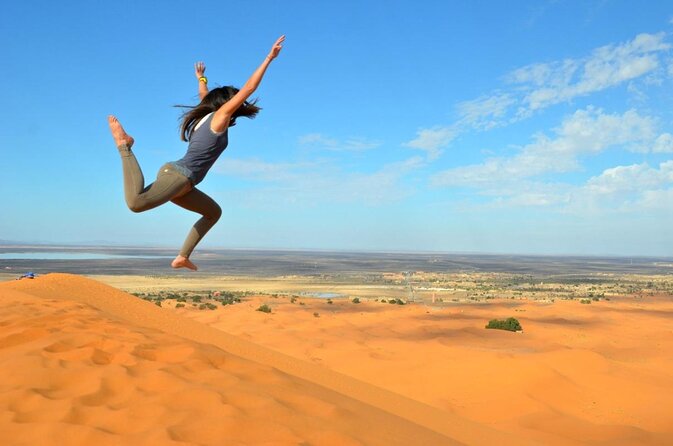
This is a classic “big-Morocco, fast” itinerary. You’re not just going to the Sahara; you’re getting Morocco’s regional mix in a tight window: city pickup, mountain roads, UNESCO stops, gorges, then dunes.
The smart thing here is pacing through variety. The drive days keep you moving, but they also load in stops that break up the trip so you’re not staring out the window for hours on end. When you finally reach Erg Chebbi, you’re primed for it—because you’ve already seen enough Morocco to understand what makes the desert feel like a reset button.
And yes, you’ll ride camels. That’s the whole point for most people. But the value isn’t only the camel ride. It’s the timing, the atmosphere, and the fact that the desert night is built into the schedule, not tacked on as a short photo stop.
A few more Marrakesh tours and experiences worth a look
The long drive that still feels manageable: comfort and stops
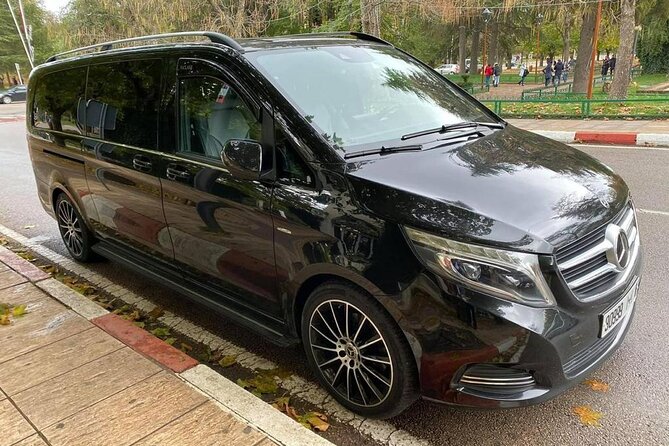
Three days from Marrakech to Merzouga means time on the road. The good news: the transport is air-conditioned, and the tour is designed with breaks for stretching, refreshments, and bathroom stops. Multiple riders mention frequent stops and a driver who keeps things running on schedule, which matters a lot when your day is split between mountains, kasbahs, and early desert activities.
One small consideration: group seating can be a bit hit-or-miss depending on the vehicle setup. A rider noted that a couple of passengers didn’t have ideal window views. If the window view matters to you, tell your operator you’d like the best-position seats available when you board.
UNESCO stops that don’t feel like a checklist: Ait Ben Haddou and Ouarzazate
The route gives you two major UNESCO stops with a story Morocco is unusually good at telling.
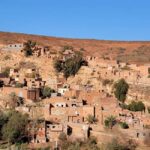
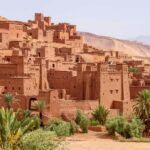
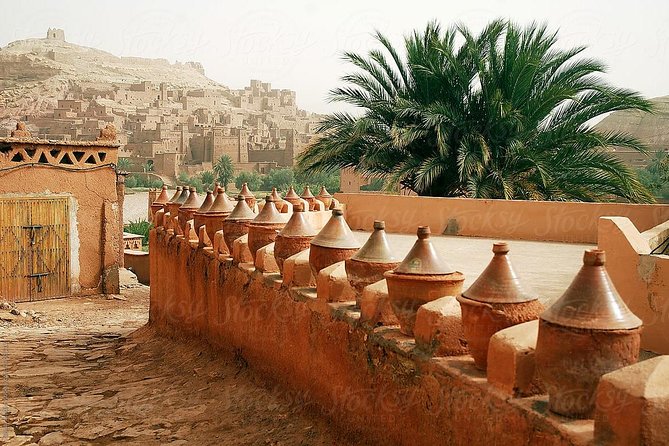
Kasbah Ait Ben Haddou is where you start to see why this place became famous beyond Morocco. It’s been used as a filming location many times, and walking through it helps the whole “movie set” thing click. The kasbah isn’t just a wall and a view—you get lanes, textures, and layers of buildings that make you understand how people lived here and how the site has endured.
Inside the kasbah area, you can add a local guide for a small extra fee (given as €2 per person). If you want the context—names, family histories, what to notice—this is worth doing. If you just want photos and vibes, you can skip it and keep moving at your own pace.
Then there’s Ouarzazate, another UNESCO-linked stop tied to Morocco’s film world. Even if you’re not a movie buff, it helps you connect the dots between desert drama and the production boom that grew around it.
The practical value: these are stops where you’ll spend enough time to see details, not just pass by. And because they’re on the route to the dunes, they don’t feel like detours.
Atlas Mountains and the road to the gorges: where the scenery changes fast
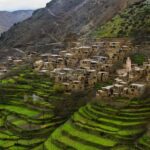
Between Marrakech and the desert, you’ll go through Atlas Mountain country. This is more than pretty scenery—this is the real transition from Morocco’s populated life to the stretch where towns become sparse and the sky dominates.
One of the points of the overnight in the mid-route area (in the Kelaat Mgouna–Boumaln Dades zone) is to keep you from getting crushed by nonstop driving. You get your first proper night in a hotel with an air-conditioned room and private bathroom. That matters because the desert night is the one you’ll remember—so it helps to have decent recovery time before the dunes.
The mix of mountains plus kasbah country also changes how the light hits everything. Your photos will look different each day, and that makes the whole trip feel like a progression, not a single long commute.
Todra Gorges: the stop that makes Morocco look dramatic
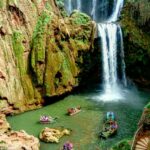
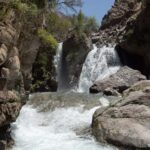
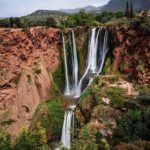
Todra Gorges is the “vertical moment” on the way. It’s one of those places where the rock walls feel close enough to lean on. Even if you don’t do a long walk, just standing in the gorge gives you scale—how the route carved its way through and why travelers and locals moved through places like this for centuries.
From a tour-planning point of view, this kind of stop breaks your drive day cleanly. You stop, stretch, take photos, and reset your brain before you head onward. It also helps you mentally shift from kasbah/road scenery into desert scenery, where the main features become time, distance, and light.
Erg Chebbi at sunset: camel rides, sandboarding, and that first dune feeling
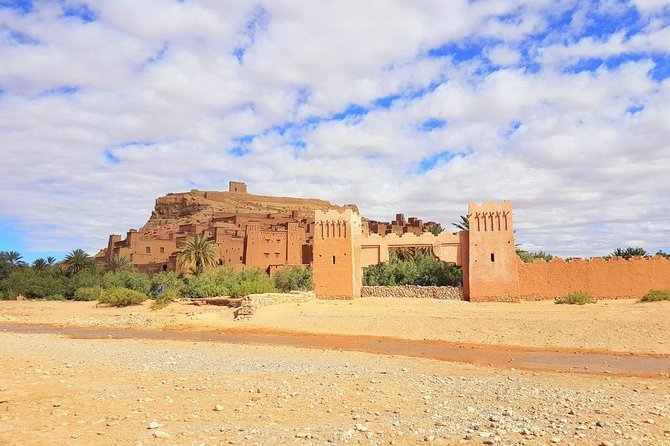
When you reach Erg Chebbi, the trip hits its core theme: the desert as an experience, not a backdrop.
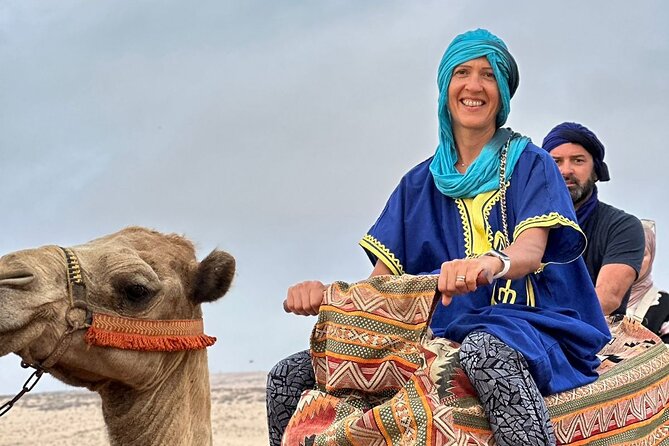
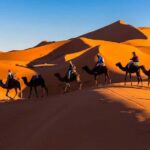
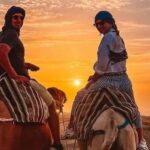
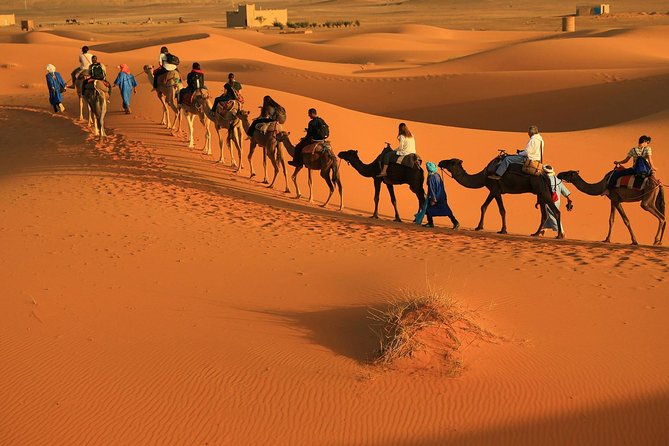
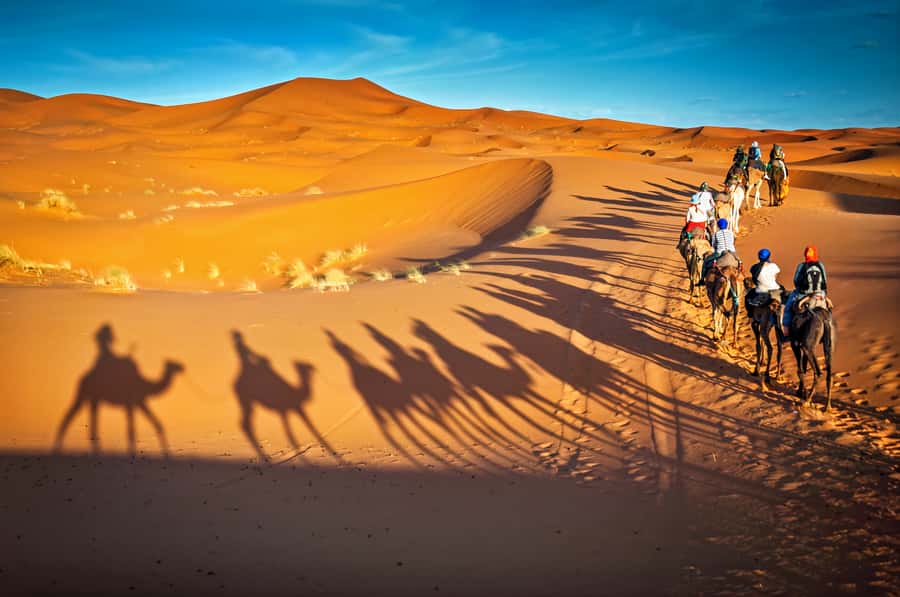
You’ll do a camel ride into the dunes as the light turns soft. This is the part where the whole world gets quiet—because you can’t rush. Camels move at a pace that forces you to slow down, and the dunes look different every few minutes as the sun drops.
Sandboarding is included as well (noted as available), so if the timing and conditions work, you’ll likely get a go. Even if you’re not a sports person, it’s one of those activities that makes desert feel playful instead of just spiritual.
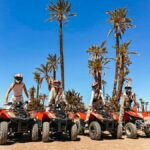
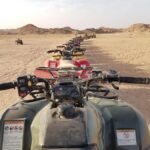
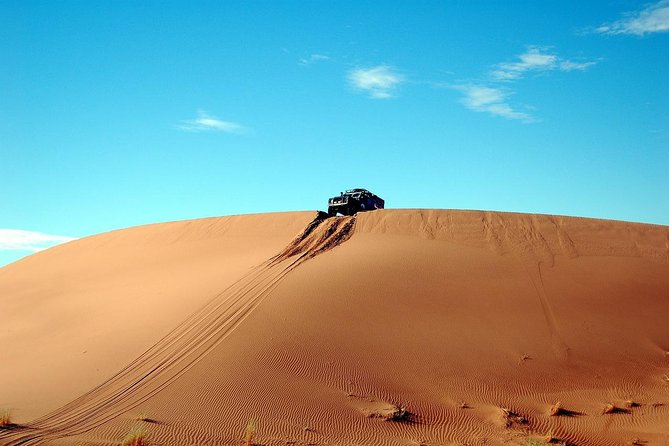
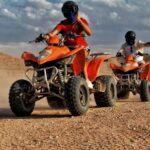
A heads-up: some operators also offer optional quad/ATV rides around sunrise and sunset. Several riders specifically call out quad rides as a highlight, and one notes a price around €50 for a shared bike setup. If that interests you, ask when you’re in camp so you can judge costs and timing on the spot.
Sleeping in a Berber desert camp: what to expect at night
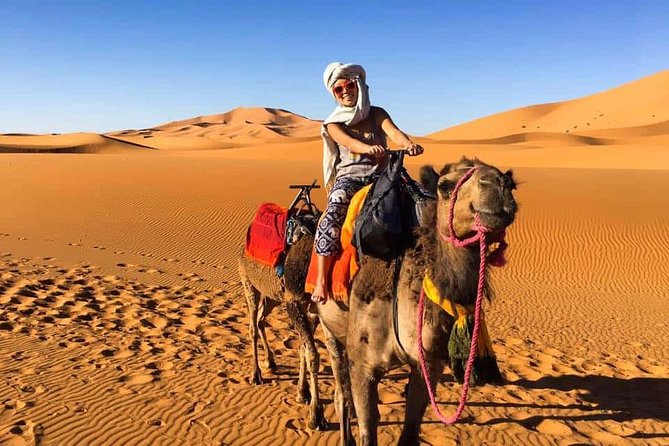
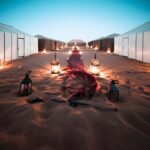
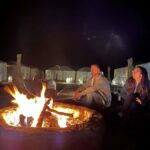
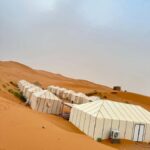
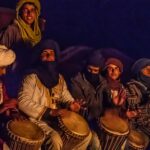
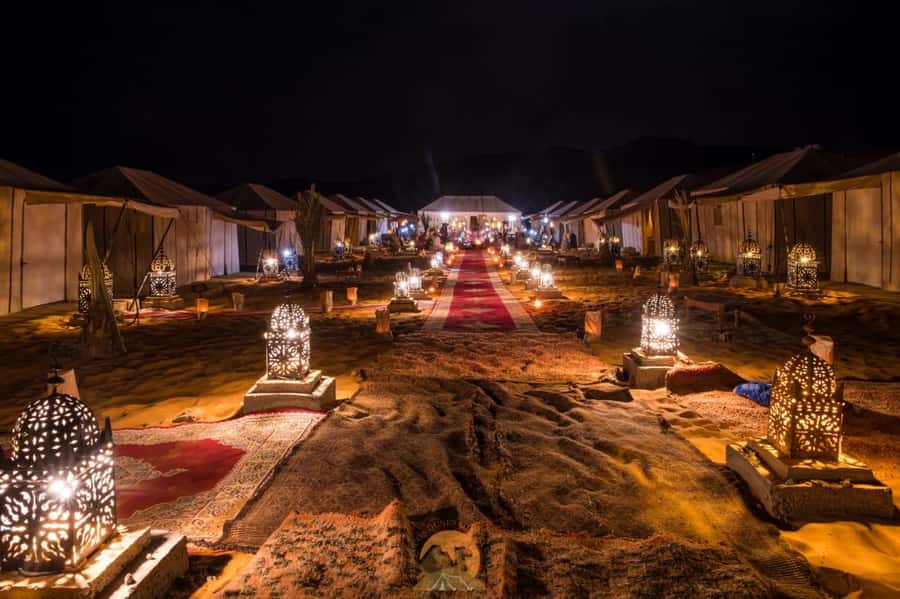
The desert camp night is where the trip turns personal. You’re in traditional Berber camp surroundings, and the included evening program includes Berber drumming and music. This isn’t just entertainment—it’s the kind of shared cultural moment that makes people relax, talk, and stop treating the trip like a checklist.
Accommodations vary by option, but the tour includes at least one night at a desert camp near Erg Chebbi. Here’s the practical part I think matters most:
- If you travel in Nov–Feb, desert nights can drop to 0°C–5°C.
- Standard tents do not have heating (warm blankets are provided).
- Luxury tents come with heating.
So if you’re going in cold months, pack accordingly. A jacket and layers can make the difference between enjoying the night air and rushing through it.
Also plan for the desert logistics. Cash matters here: ATMs aren’t available in the desert, and lunch/drinks (and tips) come from your pocket. Even if you’re not drinking much, having some EUR or MAD helps.
Sunrise over Erg Chebbi: the early wake-up that feels worth it
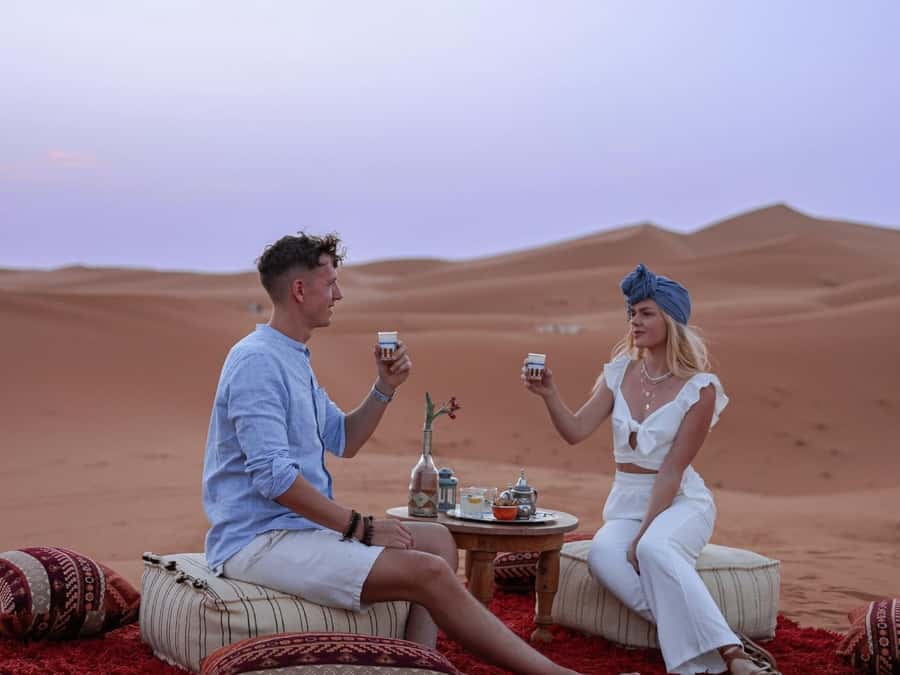
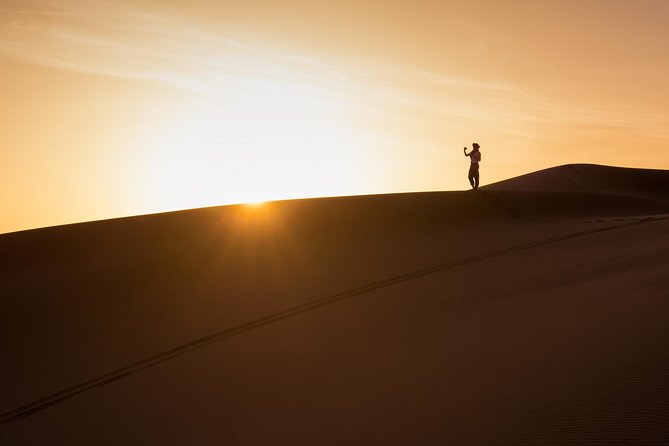
The morning ride is the payoff. You’ll wake up early for sunrise, when the dunes look like they’re lit from inside. The color change is what you’re chasing, but the bigger reason it feels special is the contrast: you go from darkness to daylight with almost no noise around you.
After breakfast, you ride your camel back toward the village. It’s not the kind of “ride off into the sunset” ending that’s only for movies. It’s a clear, structured close: you did the desert night, you saw the morning light, and then you’re back to real-world roads toward Marrakech.
Price and value: is $134 a good deal for this full package?
At $134 per person for a 3-day, Marrakech-to-Merzouga route, this is aimed at people who want the core Sahara experience without building it themselves day-by-day.
What you’re paying for here is the heavy lifting:
- transport with air-conditioning
- a driver-guide
- multiple major stops (UNESCO kasbah + Ouarzazate + Todra Gorges)
- one hotel night with private bathroom
- one desert camp night
- camel rides and sandboarding
- meals: breakfasts and dinners with stated vegetarian/vegan/gluten-free options
- included camp entertainment (drumming and music)
Lunch is not included, and drinks aren’t included. That’s normal for Morocco road trips and it’s easy to manage if you budget cash for about €10–13 per meal (as given). The real value question is simple: if you want the whole package—desert night plus camel sunrise and sunset plus the UNESCO stops—this price is competitive for what’s bundled.
If you prefer slow travel, or if you hate early mornings and long drives, you might feel the cost but not the payoff. This is best for people who want one “big” weekend plan that hits the highlights.
Who should book this tour (and who should skip it)
This tour is a strong fit if you:
- want first-timer Sahara access from Marrakech in a short time
- like cultural stops (Ait Ben Haddou, Ouarzazate) mixed with outdoor moments (Todra Gorges, dunes)
- enjoy group energy, since the desert camp night and activities tend to bring people together
- want packaged meals with vegetarian, vegan, and gluten-free options available if you tell your driver on the first morning
You might want a different style if you:
- need lots of quiet and alone time (it’s shared transport and scheduled activities)
- dislike early mornings (sunrise is built in)
- are very sensitive to comfort variation in accommodations (one rider noted some camp/hotel stays can feel older, though still workable)
Also, if you’re traveling with kids, this type of route can work because breaks are built in, and activities give the day momentum. Just be honest about the long driving parts.
Packing and money tips that keep the trip smooth
This tour rewards smart packing. You’ll be in the sun, on uneven ground, and then in desert chill at night.
Bring:
- comfortable closed shoes (camel ride and walking can mean dust and uneven footing)
- sunglasses and a hat
- sunscreen and breathable layers
- a jacket for cold desert nights (especially Nov–Feb)
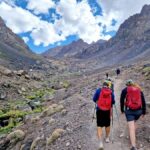
- a small backpack for the desert night
- cash in EUR or MAD for lunches, drinks, and tips
- a passport or ID card (copy accepted)
Plan your luggage:
- Large suitcases stay in the vehicle.
- Camels can’t carry large luggage, so your desert-night items should be in that small backpack.
If you’re using WhatsApp, make sure you have a working number. The operator confirms pickup timing by WhatsApp and chat the evening before.
Should you book this 3-Day Merzouga and Sahara Desert Tour?
Book it if you want the classic Sahara memory: UNESCO kasbahs in the day, dunes at sunset, Berber camp at night, and sunrise over Erg Chebbi. The tour is built like a complete experience, not just transport to a camp.
Skip it (or look for a different format) if you hate early mornings, don’t want long road days, or expect hotel-grade comfort everywhere along the route. This trip gives you the desert payoff, but you have to accept the ride-time trade.
If you do book, pack warm layers for desert night, bring cash for lunch and drinks, and keep your desert essentials in a small backpack. Those three choices make the whole weekend feel easier.
FAQ
What’s included in the tour?
You get hotel or riad pickup and drop-off, air-conditioned transportation, a driver-guide, onboard Wi-Fi, one night in an air-conditioned room with private bathroom, one night at a desert camp near Erg Chebbi (camp type depends on your option), breakfasts and dinners (vegetarian/vegan/gluten-free options available), camel rides or a 4×4 transfer, sandboarding, luggage service, and Berber drumming and music.
Is lunch included?
No. Lunch and drinks are not included, and you’ll want cash for them.
Do you offer vegetarian, vegan, or gluten-free meals?
Yes. Vegetarian, vegan, and gluten-free options are available for breakfasts and dinners. You should inform your driver on the first morning of the tour.
Do I need a local guide at Kasbah Ait Ben Haddou?
A local guide inside Kasbah Ait Ben Haddou is not included. It’s available for an extra €2 per person.
Will I ride camels?
Camel riding is included. Depending on the setup, you may also have a 4×4 transfer as part of the camel approach.
Is sandboarding guaranteed?
Sandboarding is included if available, based on timing and conditions during the desert day.
What should I pack for the desert night?
Bring comfortable shoes, sunglasses, a hat, sunscreen, breathable clothing, and a jacket. You’ll also need a small backpack for the desert night because large suitcases stay in the vehicle.
How cold are desert nights in winter?
From Nov–Feb, desert nights can be around 0°C–5°C. Standard tents don’t have heating (warm blankets are provided), while luxury tents are equipped with heating.
How much cash should I bring?
Cash is needed for lunches, drinks, and tips since ATMs aren’t available in the desert. Lunch is listed at around €10–13 per meal.
How does pickup confirmation work?
Pickup details are confirmed via WhatsApp and GetYourGuide chat the evening before your tour (between 5:00 PM and 6:00 PM).
Can I cancel for a refund, and do I pay right away?
Yes. You can cancel up to 24 hours in advance for a full refund. You can also reserve now and pay later (pay nothing today).