REVIEW · MARRAKESH
Atlas Mountains Trek Azzaden Valley And Imlil 2 Days
Book on GetYourGuide →Operated by Abdlatif agzouln · Bookable on GetYourGuide
Two days in the High Atlas feels like real Morocco. You’ll ride out of Marrakech, start hiking near Imlil (1740m), then climb the pass at Tizi Mzik (2684m) for big mountain views and a clear sense of how people live in the Berber valleys. I love the mix of walking and culture, with village stops where the day feels personal, not staged. I also love that you’re supported by a local team, including muleteers and a cook, so you spend your energy on the trail and the scenery, not logistics.
One thing to think about: your Day 1 walking can be affected by how groups are combined in the real world. In a couple of cases, the trek focus got diluted with extra add-ons before the proper hike—so I’d confirm with the operator that you’re getting a true walking day that matches the planned waterfalls time. Guides I saw called out include Amina on Day 1 and Ali or Omar on Day 2, and that local know-how matters a lot when plans shift.
In This Review
- Quick Hits Before You Go
- From Marrakech to Imlil: What the Start Really Sets Up
- Crossing the Trail to Tizi Mzik (2684m): The Big View Moment
- Tamsoulte Waterfalls: 100 Meters of Stop-and-Stare Time
- Down Azzaden Valley to Tizi Oussem (1850m): Village Life in Motion
- Overnight in a Local Guesthouse: Comfort Where It Counts
- Day 2 from Tizi Oussem to Marrakech: Colorful Valleys and Pass Crossings
- Juniper Forest Switchbacks and Lunch in Walnut Groves
- Price and Logistics: Why $124 Can Be Good Value
- Who This Trek Fits Best (and Who Should Adjust Expectations)
- Booking Check: Questions I’d Ask Before You Pay
- Should You Book This Atlas Trek?
- FAQ
- Where does this 2-day trek start?
- How long do we walk each day?
- What are the main elevation points on the route?
- What is included in the price?
- Is lodging included?
- What languages will the guide speak?
- How big is the group?
- Is insurance included?
- Can I cancel and get a refund?
Quick Hits Before You Go
- Tizi Mzik (2684m) pass views: a high point where the valley and Toubkal area open up.
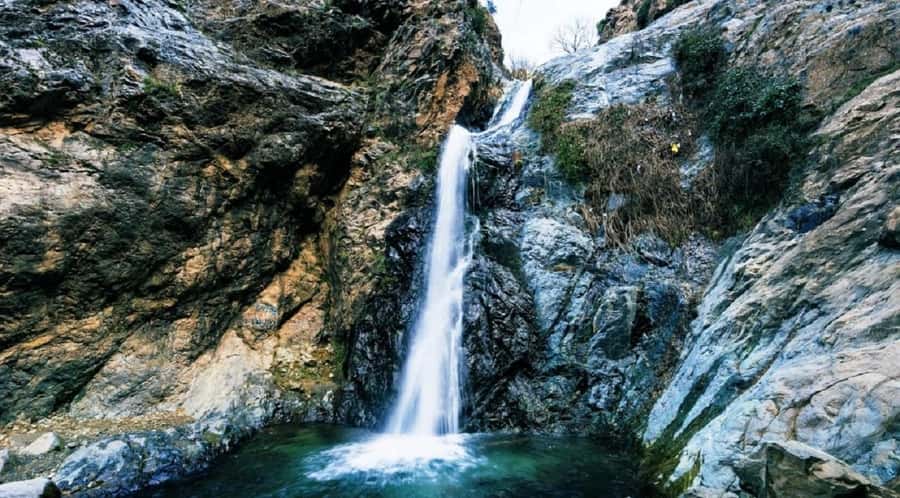
- Tamsoulte waterfalls (100m high): a rare “wow” stop built into a short 2-day itinerary.
- Azzaden Valley down to Tizi Oussem: a real-feeling descent through juniper and lived-in villages.
- A guesthouse night in the village: sleep where the trek community actually gathers.
- Small group size (max 14): easier pace control and fewer crowd moments on the trail.
- Guides like Amina, Ali, and Omar: local context that turns scenery into stories.
From Marrakech to Imlil: What the Start Really Sets Up
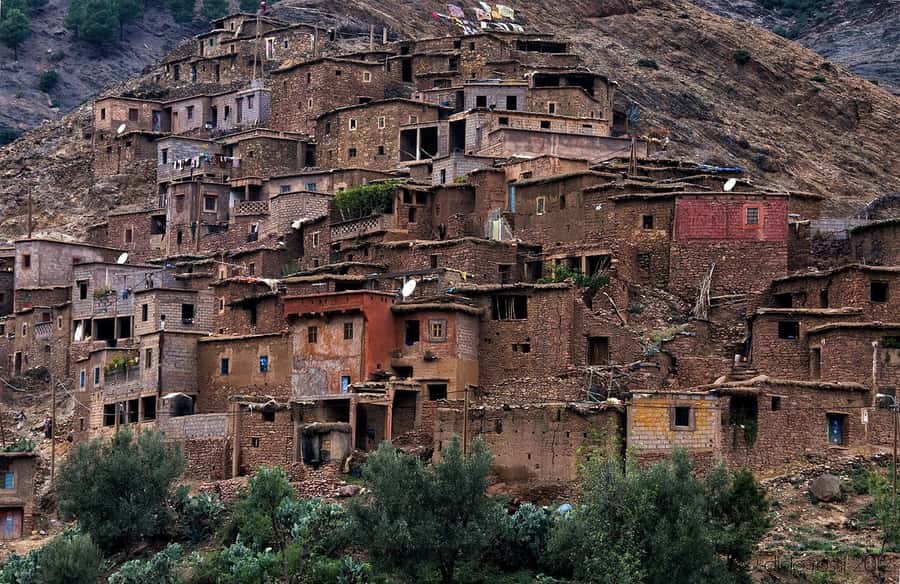
You’ll start with pickup from Marrakech, then head toward the High Atlas through villages along the way. The drive route commonly includes places like Tahanaout, Oued Ghighaya, and Asni—good warm-up scenery before you trade city noise for mountain air.
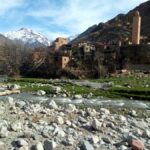
Then you reach Imlil, a mountain base area at about 1740m. This matters more than it sounds. Imlil isn’t just a dot on a map; it’s where the trek rhythm begins. You’ll meet your guide and muleteer team, get oriented, and then start moving. If you’re the type who likes to understand how a day will flow before the first big climb, this start gives you that.
The minibus or 4×4 transport is also a big value piece. It saves you the hassle of finding your own way into the mountains and helps you arrive on schedule—especially useful on a short 2-day trek.
You can also read our reviews of more hiking tours in Marrakesh

Crossing the Trail to Tizi Mzik (2684m): The Big View Moment
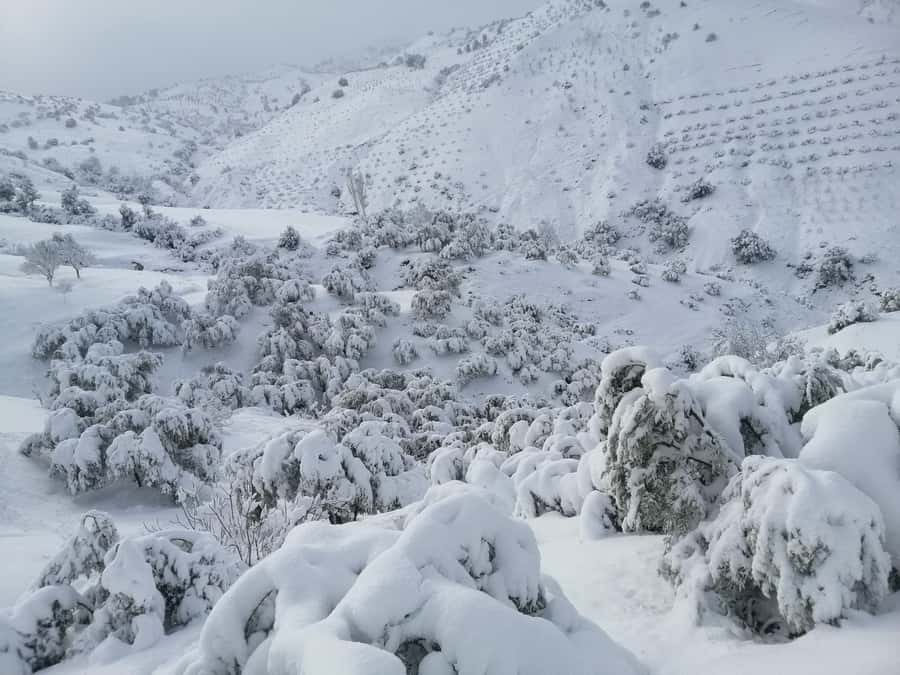
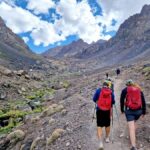
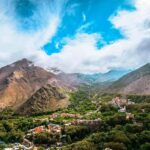
After breakfast, the route pushes uphill toward the Tizi Mzik pass (2684m). This is the steepest “signature” moment of Day 1, and it’s designed as the payoff climb. The moment you gain elevation, you’ll start seeing the valley shape more clearly, including the view across Imlil valley and toward the Toubkal Summit area.
Why this pass is worth it: it’s not just about being high. Passes in the Atlas are where the geography suddenly makes sense. You can see why valleys funnel trade, why villages sit where they do, and why mountain life stays closely tied to seasonal routes.
Practical note: at higher elevation you’ll likely feel the effort more quickly. So if you tend to sprint at the start of hikes, slow your pace early. The pass is long enough that saving energy helps you enjoy the views instead of chasing breath.
Tamsoulte Waterfalls: 100 Meters of Stop-and-Stare Time
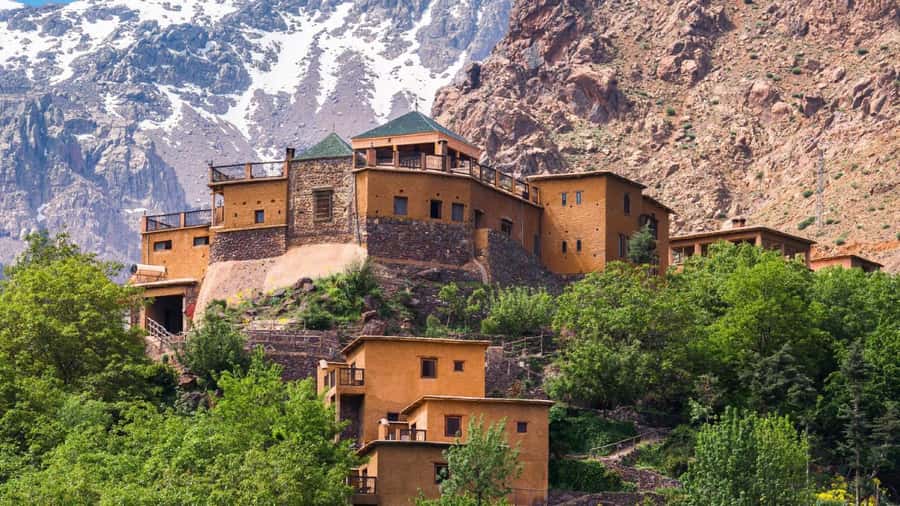
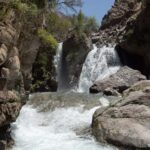
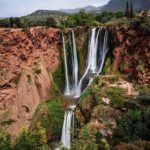
From the pass area, the trek continues toward Tamsoulte waterfalls. These are listed at about 2300m, and the highlight is that they’re around 100m high, considered among the highest waterfalls in the Atlas.
Even if you love hiking, waterfalls are the kind of stop that changes the mood of a day. You’re climbing, then you get a dramatic release: moving water, cooler air around the falls, and a break where you can just stand and take it in.
A balanced expectation here helps. You should treat the falls like a moment of focus, not a quick photo dash. Take time to slow down and let the guide point out what you’re seeing in the valley—water sources, how seasonal flow works in mountain areas, and why locals care about spots like this.
Then it’s back to moving as you descend into the Azzaden Valley through juniper forest—a shift from “big climb energy” to “walk-and-watch” travel.
Down Azzaden Valley to Tizi Oussem (1850m): Village Life in Motion
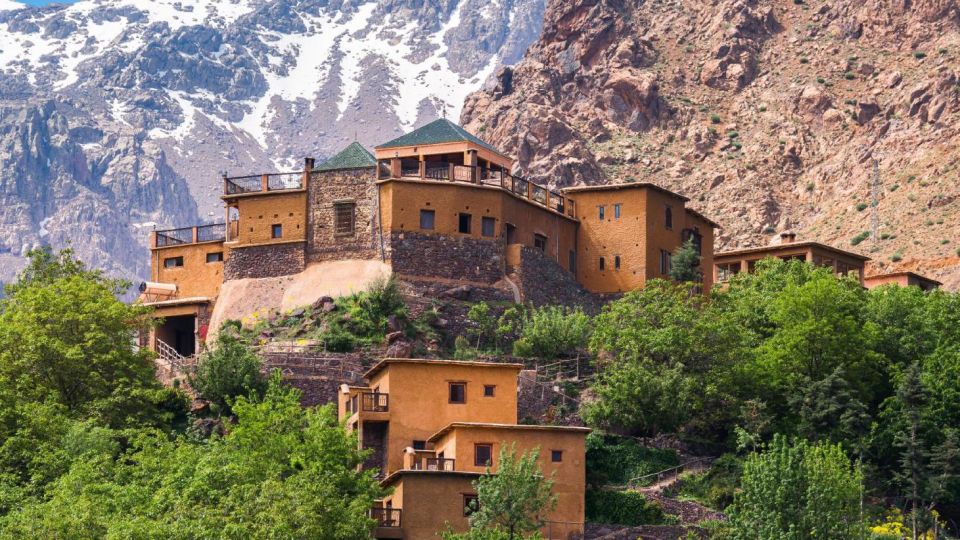
The descent takes you through juniper and down toward Tizi Oussem (1850m), where you’ll sleep for the night. This is one of the best parts of the itinerary because it slows time.
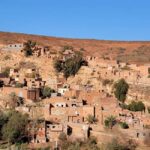
As you get lower, villages come into view more often. You’ll see homes, terraces, paths used by residents, and the kind of landscape detail you miss when you’re only driving through Morocco. The trek format also means you meet people in context—on their way through daily routines, not behind a fence or in a shop queue.
The guide will often connect what you see with how people live: the importance of family and community, and the practical side of living in mountain valleys. In one of the guide-led experiences I saw highlighted, Ali was especially helpful and informative about where people live—exactly the type of explanation that makes a village stop more than a photo opportunity.
By the end of Day 1 you’re walking about 6 hours. That’s a solid trek day for a 2-day trip, but it’s still short enough to feel rewarding rather than exhausting.
Overnight in a Local Guesthouse: Comfort Where It Counts
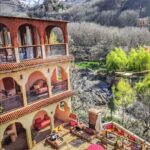
You’ll spend one night at a guesthouse in Tizi Oussem. The setup is simple by design. What you’re buying is location and access—being in the right village for the next day’s hiking, and getting that genuine mountain-community feel.
One review note that aligns with what you should expect: the guesthouses can be clean, roomy, and welcoming, with views that make the evening feel calm. If you’re worried about lodging basics, I’d just plan for “mountain simple,” not luxury resort vibes.
This night is also a pacing tool. You’ll likely get an early, clear night where sleep comes easily after a full day hike. If your goal is to experience the Atlas without turning it into a logistics project, the included village stay is a big win.
A few more Marrakesh tours and experiences worth a look
Day 2 from Tizi Oussem to Marrakech: Colorful Valleys and Pass Crossings
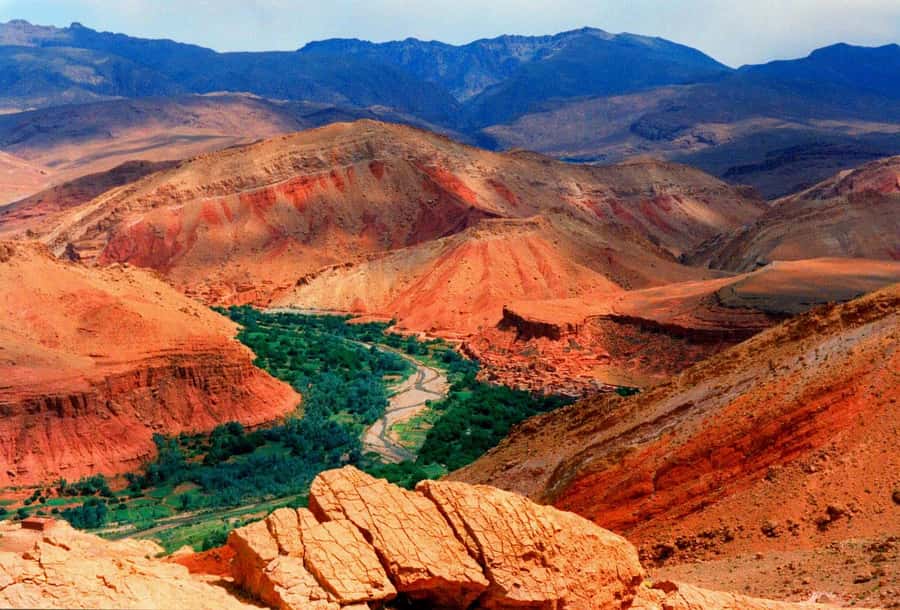
Day 2 starts with breakfast, then you head out to keep moving through valleys and villages. The overall Day 2 vibe is often lighter and more colorful—sunshine, valley walking, and a series of village-and-path stops.
The route heads down from Tizi Oussem (1850m) toward Id Issa (1800m). Then you climb again to Tizi Oudid (2000m), and from there you cross areas like Mattat and Agersioual before transferring back to Marrakech in the afternoon.
On paper, it’s about 5 hours walking, which makes this a good “second day” if you’re pacing yourself well on Day 1. If you went hard on Day 1, Day 2 can still feel like a lot. But if you started Day 1 sensibly, Day 2 is the kind of trek where you enjoy watching the valley evolve as you descend and re-climb.
Juniper Forest Switchbacks and Lunch in Walnut Groves
Between the higher and lower points, the trek passes through thurifer juniper forest and continues across small communities like Matat. The “forest sections” do two useful things. They break up the open-sun exposure, and they give you a different texture to the walk—less about staring at cliffs, more about following a shaded path and seeing changes in plant life.
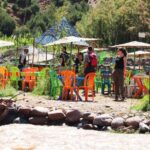
Lunch is another highlight. You’ll eat under walnut groves and also relax near a river. That combination matters in a short trek: it gives your body time to recover without turning the hike into a long sit-down restaurant event.
If you’re wondering what to bring mentally, bring a relaxed mindset. This trek is built for conversation and scenery, not for speed records. The guides can help you understand what you’re seeing, and you’ll feel it most during pauses—like lunch near water—when the day becomes easier to enjoy.
Price and Logistics: Why $124 Can Be Good Value
At $124 per person for 2 days, you’re paying for more than “two days of hiking.” You’re also getting:
- A fully escorted team, including a local mountain guide, muleteers, and a cook
- All meals: breakfast, lunch, and dinner
- One night in a local guesthouse
- Transport by minibus or 4×4
- Tea and water
That package is the core value. In mountain trekking, people often underestimate the real cost of arranging meals, carrying some gear, and having local expertise for routing and timing. The mule team and cook aren’t a small detail here—they’re part of what keeps the trek feeling doable.
On the flip side, insurance isn’t included. If you don’t already have coverage that fits trekking, you’ll want to sort that out before you go.
Who This Trek Fits Best (and Who Should Adjust Expectations)
This trek is best for you if you want:
- Classic High Atlas trekking with village scenes
- A short time commitment (just 2 days) but enough walking to feel like you left the tourist track
- Local guidance and explanations that make Berber villages more understandable than just a stop on a schedule
It’s also a good fit if you like a small group. Limiting the group to 14 helps you keep the day more personal, and it makes it easier for the guide to keep a steady pace.
Now the one expectation to manage. Because groups can sometimes be reorganized, you should confirm that your Day 1 matches the walking-and-waterfall focus you’re expecting. A couple of experiences that didn’t go as planned included things like a less “trek-only” Day 1. If your main reason for booking is the waterfalls and hiking time, ask what your exact Day 1 will include before you lock it in.
Booking Check: Questions I’d Ask Before You Pay
If you want the best version of this trek, I’d ask these directly:
- Will my Day 1 include the climb to Tizi Mzik and the stop at Tamsoulte waterfalls as scheduled?
- Is Day 1 kept as a walking day end to end, or can it be mixed with add-ons?
- Who will be guiding each day (for example, teams like Amina on Day 1 and Omar on Day 2 have shown up in the field)?
You’ll reduce the chance of disappointment just by clarifying what “2 days trek” means for your specific group.
Should You Book This Atlas Trek?
Book it if your priority is authentic village-to-mountain movement—not a quick sightseeing loop. The itinerary has clear, high-impact moments: a real pass climb at Tizi Mzik, the big attraction of Tamsoulte waterfalls, and a village night in Tizi Oussem. Add in included meals and transport, and it’s a straightforward way to get into the Atlas without turning your trip into a planning project.
Hold off or ask extra questions if you’re sensitive to changes in pacing or if your main goal is maximizing walking time on Day 1. The trek can be excellent—just don’t assume every departure runs exactly the same way. A quick check now saves you stress later.
FAQ
Where does this 2-day trek start?
You’ll be picked up in Marrakech and driven to the High Atlas area around Imlil to start the hike.
How long do we walk each day?
Day 1 is about 6 hours of walking, and Day 2 is about 5 hours of walking.
What are the main elevation points on the route?
The trek starts near Imlil (1740m), climbs to Tizi Mzik (2684m), visits Tamsoulte waterfalls (about 2300m), sleeps in Tizi Oussem (1850m), then continues through points including Id Issa (1800m) and Tizi Oudid (2000m).
What is included in the price?
It includes a local mountain guide, muleteers and cook, all meals (breakfast, lunch, dinner), 1 night at a local guesthouse, minibus or 4×4 transport, and tea/water.
Is lodging included?
Yes. You get 1 night at a guesthouse in the village (Tizi Oussem).
What languages will the guide speak?
The live tour guide offers Arabic, French, Spanish, and English.
How big is the group?
It’s a small group limited to 14 participants.
Is insurance included?
No, insurance is not included.
Can I cancel and get a refund?
Yes. Free cancellation is available up to 24 hours in advance for a full refund.