REVIEW · MARRAKESH
Marrakech: Street Food Tour by Night
Book on GetYourGuide →Operated by Marrakech Guided Experience · Bookable on GetYourGuide
Follow your nose through Marrakech at night. I love the stacked tastings that move from sweet to savory, and I love how the guide talks you through tagine and the spices behind it as you eat. One heads-up: it’s a nighttime walk in crowded alleys, so wear comfy shoes and be ready for some foods that are more adventurous than your usual order.
I also like the payoff. After the market hopping, you finish in a cozy café setting with mint tea, and you leave with a local recipe to take home. You can choose a shared group or a private tour, which helps if you want a slower pace or you’re traveling with picky eaters.
In This Review
- Key things I’d put on your radar
- Marrakech Night Street Food: why this format works
- A practical note on expectations
- What’s on the menu: beyond tagine and dates
- Savory standouts
- Sweet and snacky moments
- Salads and herbs that teach you how the cuisine thinks
- Jemaa el-Fnaa to Souk Semmarine: your first taste of Marrakech
- Souk Semmarine: where the route feels most like a street market
- The Mellah and main market: watch food happen, not just eat it
- The “eat while you learn” pacing
- Koutoubia Mosque photo stop: a breather with big-city scale
- Medina side streets and the food you’d miss alone
- Méchoui and the pit-oven show: roasted whole lamb or sheep
- The hidden restaurant stop: tangia, kofte, and bread
- The tea-and-courtyard finale: rooftop mint tea and the recipe souvenir
- Price and value: is $43 a good deal?
- Group vs private: how to choose the right pace
- Who this tour is perfect for (and who should skip it)
- Book it or pass? My practical verdict
- FAQ
- How long is the Marrakesh Street Food Tour by Night?
- How much does the tour cost?
- Where do I meet the guide?
- Is this tour shared or private?
- What’s included in the price?
- Are there hotel pickup and drop-off services?
- What languages is the guide available in?
- Is the tour wheelchair accessible?
- What should I bring?
- Can I cancel for a full refund?
- Can I reserve now and pay later?
Key things I’d put on your radar
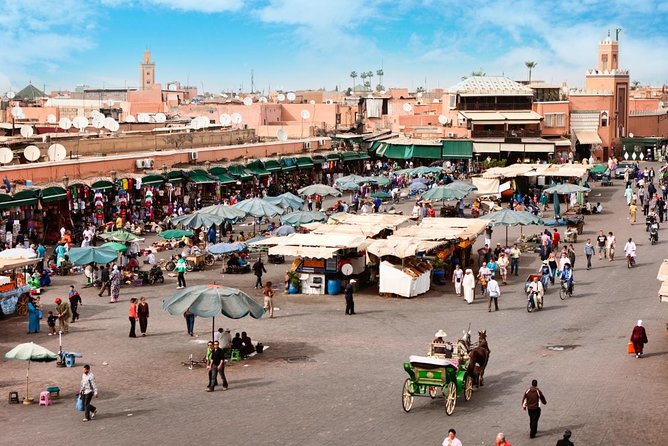
- Jemaa el-Fnaa meeting point: you start where the action is, then the route quickly turns into real local streets.
- Souk Semmarine + main market stops: you get the full sensory hit—spices, roasting smells, and everyday bargaining energy.
- Charcoal tagine + pastry making: you’re not just tasting; you’re seeing how food gets made.
- Pit-oven méchoui moment: the roasted whole lamb or sheep is pure Marrakech theater.
- Rooftop mint tea finale: you end off the main lanes with a calmer courtyard/terrace vibe.
Marrakech Night Street Food: why this format works
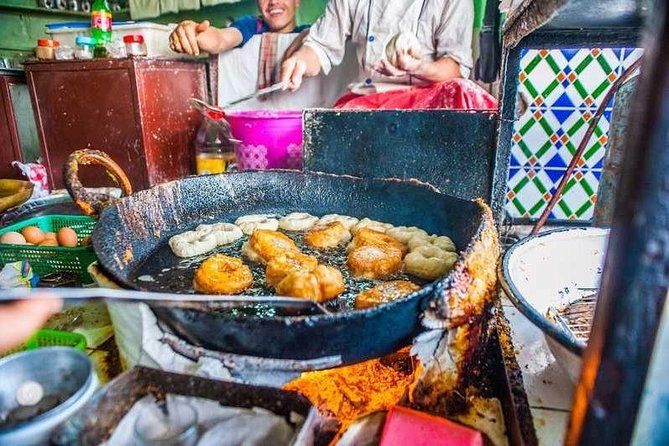
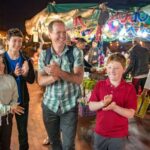
Marrakech at night has a different rhythm. The daytime heat eases off, and the medina’s food culture turns louder and more social. This tour uses that timing well: you start at Jemaa el-Fnaa, then you drift into the souks and side streets where people shop, snack, and argue over prices like it’s normal life.
The smart part is the structure. Instead of one long restaurant meal, you get multiple food stops that build on each other. You’ll taste sweets, olives and dates, salads, soups, and then heavier items. That sequence matters because it helps you understand what Moroccan cuisine is doing across flavors—salt, spice, sweetness, and herbs—rather than treating each bite as a one-off.
You can also read our reviews of more food & drink experiences in Marrakesh
A practical note on expectations
You’re walking through markets and getting lots of small tastings. That’s great if you like street food, but it’s less fun if you hate crowds or you want a sit-down-only evening. Also, this is the medina: uneven stone and tight lanes are part of the experience. Comfortable shoes aren’t a suggestion.
What’s on the menu: beyond tagine and dates
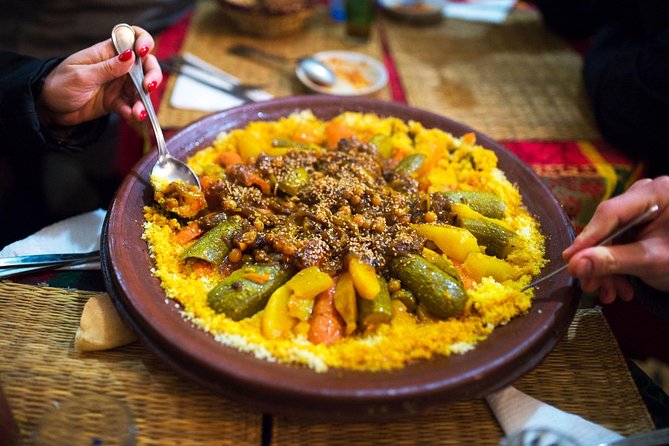
This tour is built around variety. You should plan for a real “food tour” spread, not just a couple of bites. The highlight list calls out tagine, dates, and kofte, and that’s just the start. Here’s the range you can reasonably expect to encounter.
Savory standouts
- Charcoal-baked tagine: you’ll often taste a tagine style tied to charcoal roasting, which gives it a deeper smoky note.
- Kofte: meat-and-spice comfort food that’s easier to sample than a full dish back home.
- Tangia: a slow-cooked style you may taste at a more tucked-away spot later in the walk.
- Soups: harira-style flavors show up on this kind of route, and the weather at night makes soup hits feel extra satisfying.
Sweet and snacky moments
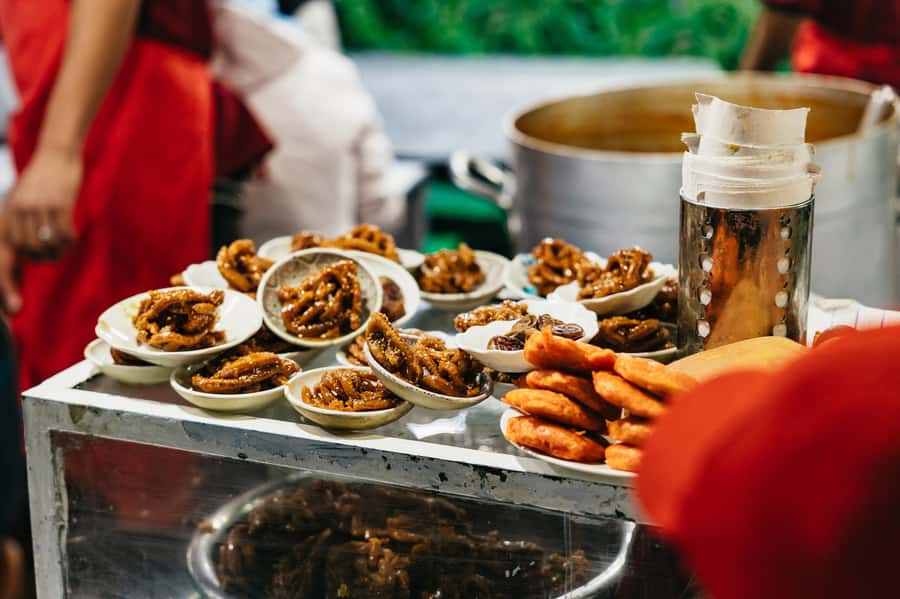
- Moroccan pastry: at one point you may watch artisans make a local pastry, which is one of those small moments that makes the whole tour feel more real.
- Dates and juicy olives: classic medina snack logic—easy, portable, and full of flavor.
- Almond drink: a local almond drink appears as a palate refresh, not just a random beverage.
- Desserts and sweet treats: the tour keeps sweets in the mix so you don’t get stuck in only savory territory.
A few more Marrakesh tours and experiences worth a look


Salads and herbs that teach you how the cuisine thinks
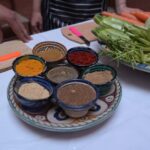
One of the more useful details here is that you can sample three different types of salads made from fresh ingredients. Salads in Morocco aren’t only about lettuce. They often bring the herbs and citrus (or pickled components) that balance heavier dishes, and tasting them in the middle of a food crawl helps you understand why later foods hit differently.
Jemaa el-Fnaa to Souk Semmarine: your first taste of Marrakech
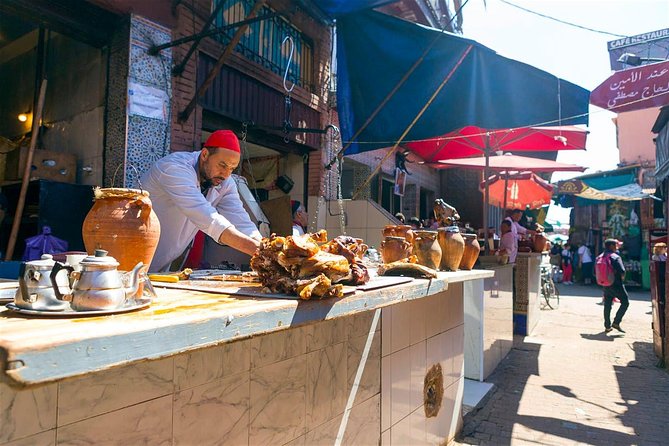
You meet in the heart of it at Jemaa el-Fnaa. This is a good meeting point because it instantly orients you. You see performers, stalls, and people going about their evening. Then the guide leads you forward, and the noise shifts—still lively, but now you’re walking into the market logic rather than just watching the big square.
Expect a photo stop and a short guided walk early on. You’re likely to feel like you’re learning the city’s “shape”—where the main lanes are, which streets turn into souks, and how people move when they’re actually shopping.
Souk Semmarine: where the route feels most like a street market
Next you head to Souk Semmarine. This is one of the areas where you’ll start noticing scent and pace. Food vendors are set up to serve quick tastes. You’ll also start seeing the rhythm of bargaining and negotiation, and the guide can help you interpret it so you don’t feel like you’re just being sold to.
One of the best practical advantages of doing this with a guide: you avoid the time-wasting question of where to eat safely and well. Instead, you’re walking a tested route to stops that match the tour’s food plan.
The Mellah and main market: watch food happen, not just eat it
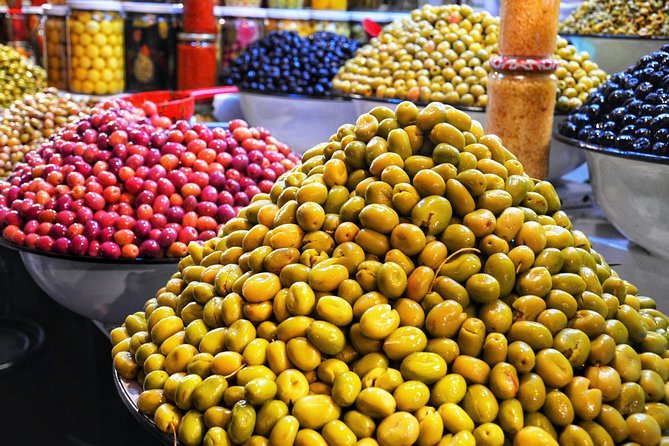
A key part of the route goes toward the Mellah and the main market where you’ll see stalls heavy with produce and fresh goods. This stop is about more than pictures. It’s about understanding ingredients.
You may pass through scenes like:
- fresh fruit, meat, poultry, and vegetables being handled daily
- artisans making a local pastry
- locals haggling like it’s part of the neighborhood sport
This matters because Marrakech’s food culture is ingredient-driven. When you see the raw material and the pace of commerce, the later tastings make more sense. The spices stop feeling mysterious and start feeling practical—what people use every day, and why the flavors layer the way they do.
The “eat while you learn” pacing
The guide doesn’t dump a lecture on you. You get the food, then context. That keeps the walk from becoming a walking museum. It also helps if you’re nervous about trying new things: the guide can frame what you’re tasting, how it’s usually eaten, and what texture to expect.
Koutoubia Mosque photo stop: a breather with big-city scale
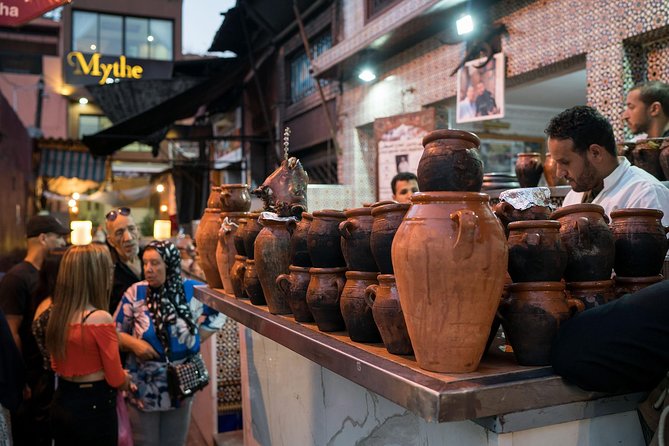
At some point you’ll reach the area near Koutoubia Mosque for a photo stop and guided walk. This is a smart break in the route because it opens your view a bit. Even if you’re only stopping for photos, it gives you that “okay, we’re in Marrakech” anchor point.
It also helps you pace yourself. By the time you’re near Koutoubia, your mouth has been working. A moment with a landmark view lets you reset and pay attention again—without feeling rushed back into the tight lanes.
Medina side streets and the food you’d miss alone
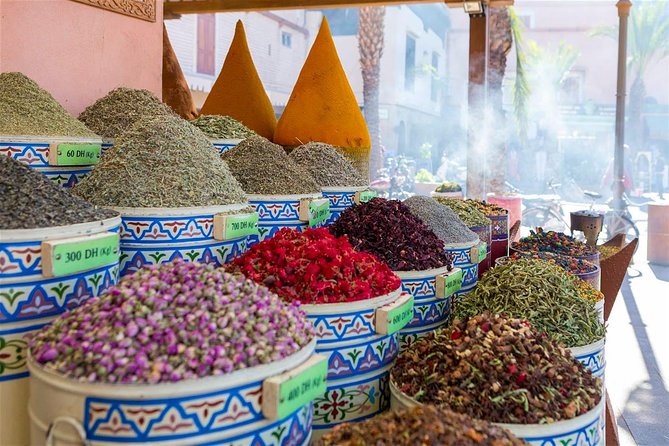
After the main market rhythm, the tour shifts into smaller lanes where you’re more likely to find food stops that casual visitors skip. This is where Marrakech can feel like a maze, and it’s also where a guide pays off the most.
You may see:
- vendors offering olives, dates, and quick bites
- side-street tastings that don’t look like “tour stops” but are still safe and well-known locally
- the kind of roasting setup that makes you stop mid-walk because the smell hits first
And yes, there’s a chance you’ll taste a few items that are out of your comfort zone. That’s part of the value of a guided food tour: you’re not only tasting; you’re also getting help deciding what to try, when, and how.
Méchoui and the pit-oven show: roasted whole lamb or sheep
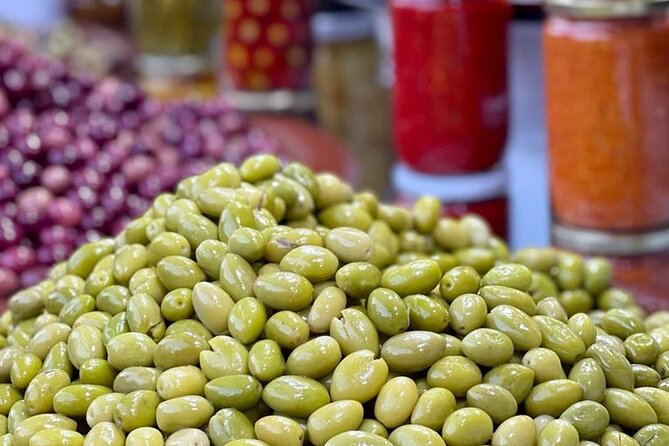
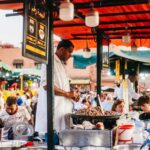
One of the standout moments in the experience is the chance to see a méchoui maker preparing roasted whole lamb or sheep in a traditional pit oven. Even if you don’t know much about Moroccan grilling methods, you’ll understand what’s happening immediately once you see the setup and the process.
Why this moment matters: it links street food to a bigger tradition. Morocco isn’t only about quick snacks. There’s a whole culture of long roasting and communal cooking, and pit-oven food is part of that story.
The hidden restaurant stop: tangia, kofte, and bread
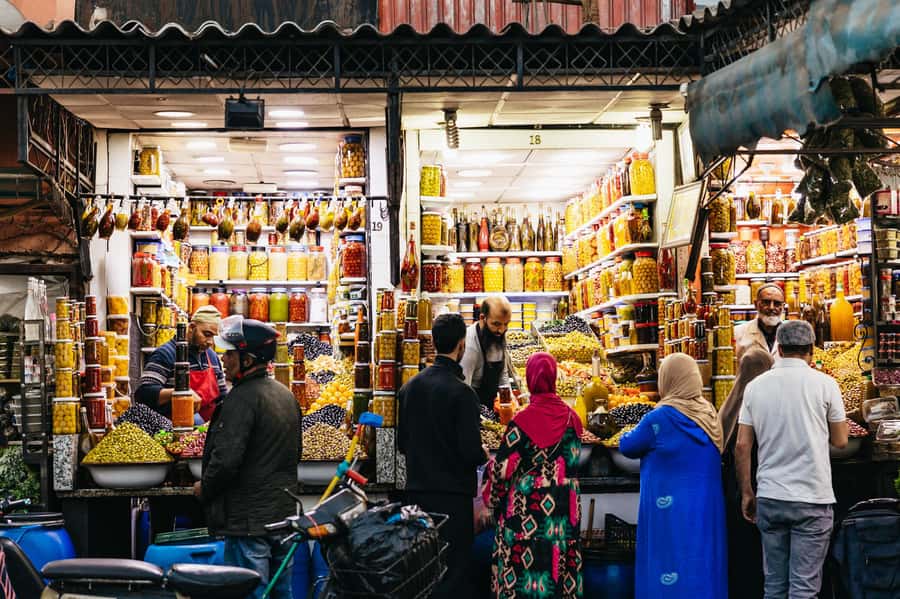
Later, you’ll move to a hidden restaurant area for more substantial bites. This is where you can expect tastes like:
- tangia
- kofte
- freshly baked bread as the flavor delivery system
The key thing here is that the tour stops at places that match the food theme. You’re not just grabbing random snacks to fill time. The menu progression tends to build: start with lighter bites and palate refreshers, then go heavier with breads and slow-cooked flavors.
If you’re worried about dietary needs, you should take it seriously and speak up at the start. One guest experience included extra care for gluten-free needs, with checks made at food vendors. That’s the kind of proactive attitude you want—so don’t wait until the first questionable bite to mention your requirements.
The tea-and-courtyard finale: rooftop mint tea and the recipe souvenir
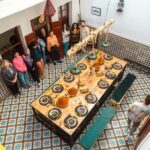
The tour ends in Moroccan style. You sip a glass of mint tea from a rooftop at a cozy café, then you relax a while and admire the setting—courtyard view, rugs, mosaic lamps, and fountains.
This part isn’t just decoration. After a couple of hours of walking and eating, a calmer finish helps the whole evening land well. You get a final taste that’s clearly Moroccan, and you’re not rushing out into the chaos of the square again right away.
You’ll also receive a local recipe as a souvenir. That’s a genuinely useful takeaway. Lots of tours hand you a postcard. This gives you something you can try later, which is a better kind of memory.
Price and value: is $43 a good deal?
At $43 per person for a 2–3 hour guided food walk, this is aimed at people who want more than a snack. The value shows up in three places:
1) Multiple food stops
You’re sampling a range of items—savory, sweet, drinks, and salads—not just repeating the same type of bite.
2) Food + guide time
A guide is doing work that’s hard to DIY at night: routing through the medina, lining up tastings, and explaining what you’re eating.
3) A proper sit-down finish is often part of it
Many experiences like this end with a fuller traditional meal. In this case, the described flow includes a tea finale and a cozy café setting, and the broader pattern of guests’ experiences points to a more generous eating ending than you might expect from a short street tour.
For timing: if you’re arriving for your first evening, paying for a guided intro can save you a second night of guesswork. If you already know exactly where you want to eat, you may prefer using that money on a couple of top restaurant meals. But for most first-timers, $43 is a reasonable way to get your bearings and your stomach on board.
Group vs private: how to choose the right pace
You can book a shared group or a private tour. Here’s how I’d decide.
- Choose shared if you like meeting other visitors and you’re comfortable moving at a group pace.
- Choose private if you want more flexibility with tastings, slower explanations, or you’re traveling with kids or someone who gets tired easily.
The walk is short enough to handle in two to three hours, but it’s still a night circuit. Private is often worth it if you value control over pace and questions.
Who this tour is perfect for (and who should skip it)
This tour fits best if you:
- love street food and don’t mind trying unfamiliar items
- want a first-night plan in Marrakech that also teaches you how the cuisine works
- like getting a local guide’s explanation alongside the food
You might skip it if you:
- hate crowds or tight lanes at night
- want only restaurant-style meals, no street tastings
- have food restrictions and you don’t want to do proactive communication with your guide
Also, a simple tip from the overall flow: come hungry. This is the kind of tour where you’ll likely eat more than you planned, so eat lightly earlier in the day.
Book it or pass? My practical verdict
If you’re in Marrakech for the first time and you want your first night to feel like Marrakech—not just like a checklist—this is an easy yes. You get street-level flavors, a guided sense of direction through the medina, and a calmer rooftop mint tea finish.
I’d only hesitate if you’re sensitive to spice, unusual foods, or nighttime crowding. In that case, a private option plus clear food preferences can make it work better.
If you can swing comfortable shoes, an empty stomach, and a willingness to try things you wouldn’t normally pick off a menu, this tour is a strong first taste of the city.
FAQ
How long is the Marrakesh Street Food Tour by Night?
The tour lasts about 2 to 3 hours.
How much does the tour cost?
It costs $43 per person.
Where do I meet the guide?
You meet at Jemaa el-Fnaa Square (the meeting point may vary depending on the booked option).
Is this tour shared or private?
Both options are available: you can book a shared group or a private tour.
What’s included in the price?
The tour includes a guide, food, and drinks.
Are there hotel pickup and drop-off services?
No. Hotel pickup and drop-off are not included.
What languages is the guide available in?
The live guide is available in English, Arabic, French, German, and Spanish.
Is the tour wheelchair accessible?
Yes, it is listed as wheelchair accessible.
What should I bring?
Bring comfortable shoes.
Can I cancel for a full refund?
You can cancel up to 24 hours in advance for a full refund.
Can I reserve now and pay later?
Yes. The option is listed as reserve now & pay later.