REVIEW · MARRAKESH
Marrakesh: Desert & Mountain Tour with Camel Ride & Lunch
Book on GetYourGuide →Operated by Tours From Marrakech · Bookable on GetYourGuide
Marrakesh gets a makeover in one day. I love the Agafay Desert contrast—rocky, lunar-like country that feels nothing like the Sahara—and I also love the Berber lunch in Ait Souka, which makes the day feel real, not staged. One drawback: the schedule is packed, and the Imlil valley walk can mean real uphill and uneven footing, especially in cooler months.
You’ll drive out of the city with a guide who knows the region and keeps things moving. In the best moments, you’ll hear firsthand stories from locals such as guides like Oussama or Amina, then stop for mint tea and a taste of Amazigh everyday life before the camels and the mountains take over.
In This Review
- Key highlights you’ll actually feel
- Why this Marrakesh desert and Atlas trip is such good value
- The drive out: where the day starts feeling different
- Moulay Brahim first: mountains at your feet
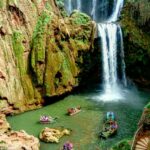
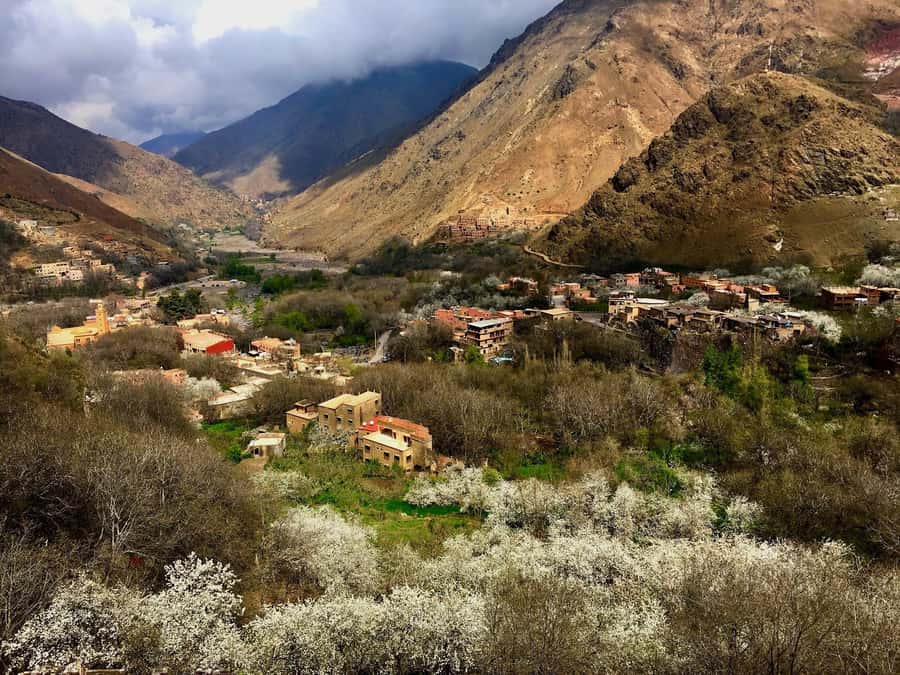
- Imlil valley: the waterfall walk that anchors the day
- The Berber tea break: more than a photo stop
- Camel ride in Agafay: short, scenic, and well-paced
- Ait Souka lunch: home-cooked in a traditional Berber house
- Haouz plain villages on the way back: the quieter, real Morocco part
- Agafay Desert camp time: tea, photos, and “wow” factor
- Guides and drivers: why the experience feels smooth
- Price and logistics: what you’re really paying for
- Who should book this tour (and who shouldn’t)
- What to pack for comfort (simple but crucial)
- Should you book the Marrakesh Desert & Mountain Tour with Camel Ride & Lunch?
- FAQ
- What’s included in this Marrakesh desert and mountain day trip?
- How long is the tour?
- What language is the guide available in?
- Where does pickup happen?
- What activities are part of the tour?
- What should I bring?
- Is this tour suitable for everyone?
Key highlights you’ll actually feel
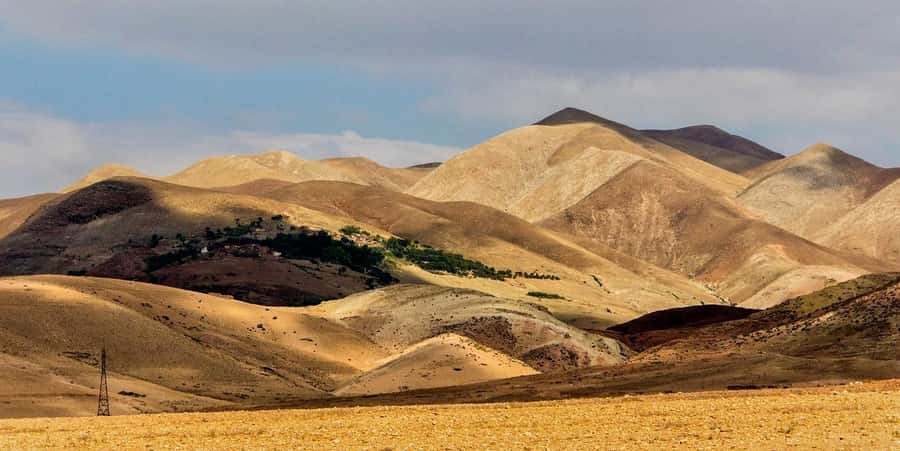
- Agafay Desert, not Sahara dunes: dramatic rock views and photo stops that feel different from the classic desert postcard
- A short camel ride with a clear purpose: about a half hour, more relaxed than a long slog
- Imlil valley hike to a waterfall: guided walking through villages and mountain scenery
- Tea and Berber culture break: a chance to learn everyday traditions, not just history talk
- Lunch in a traditional Berber house in Ait Souka: home-cooked food at village level
- Scenic stops on the way back: Haouz plain villages on the route, plus more viewpoints for photos
Why this Marrakesh desert and Atlas trip is such good value
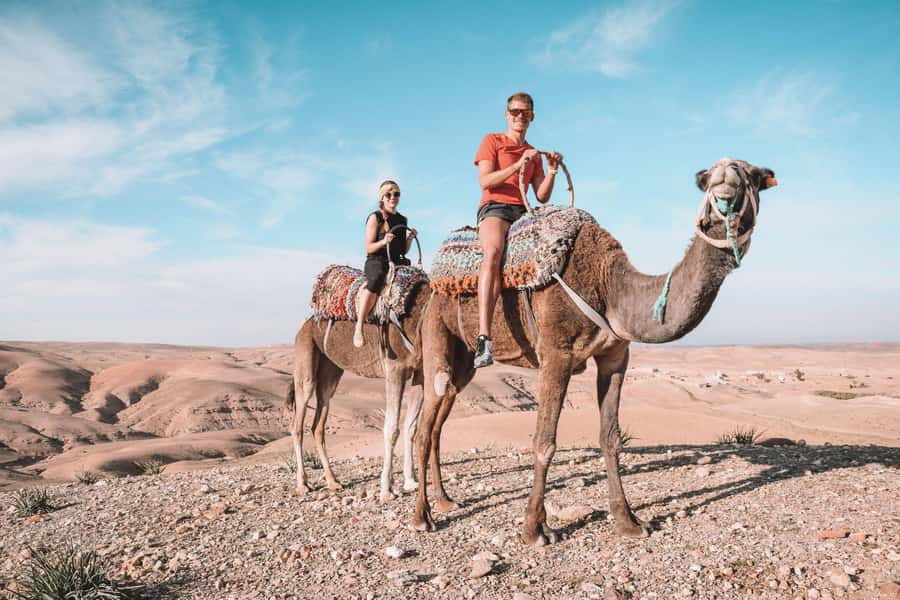
At about $22 per person for a full day, this tour competes with far more basic day trips. What makes it feel like value isn’t just the price tag—it’s the mix of experiences that would normally cost extra if you pieced them together: transportation out of Marrakesh, a guided walk in the mountains, a camel ride, tea with locals, and lunch.
The day also stays close to the real rhythm of the region. You’re not only doing viewpoints. You’re moving through villages and stopping where daily life happens—tea breaks, village visits, and a proper meal in a Berber home setting. That matters because it turns the desert from a set-piece into part of a bigger story: mountains, irrigation valleys, farming communities, then dry rocky Agafay country.
A few more Marrakesh tours and experiences worth a look
The drive out: where the day starts feeling different
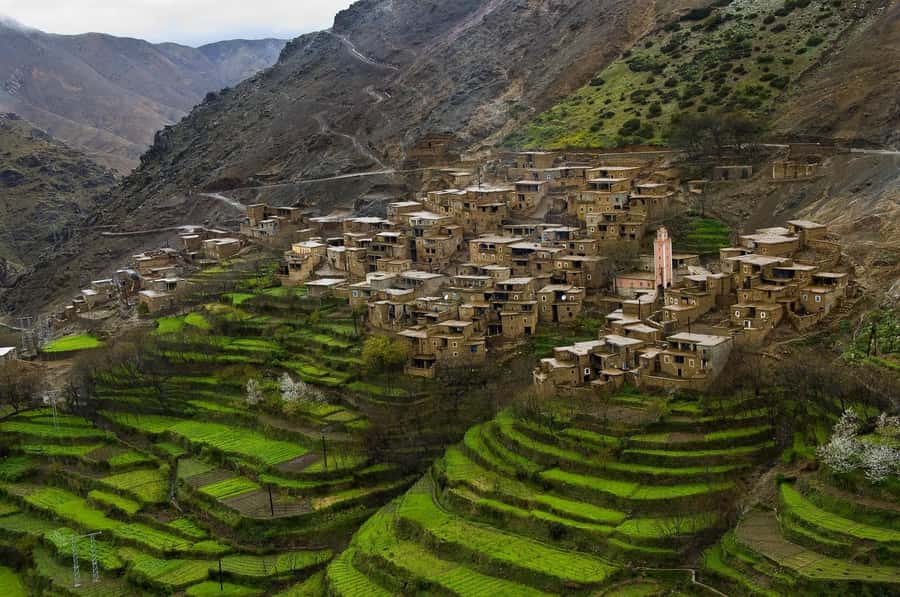
Pickup is the main “logistics” detail to know. You’ll be picked up from your hotel in Marrakesh, or from the nearest accessible point if your exact street isn’t reachable by car. Some Riads require a short walk to the meeting spot, so I’d plan for that possibility and wear shoes you don’t mind using early.
Once you’re on the road south, the change is gradual but obvious: the city noise fades, then green countryside and open areas appear. This matters because the Atlas Mountains and Agafay Desert don’t look like one single theme. The drive gives you the transition time to mentally switch gears from city Morocco to mountain Morocco to desert Morocco.
Moulay Brahim first: mountains at your feet
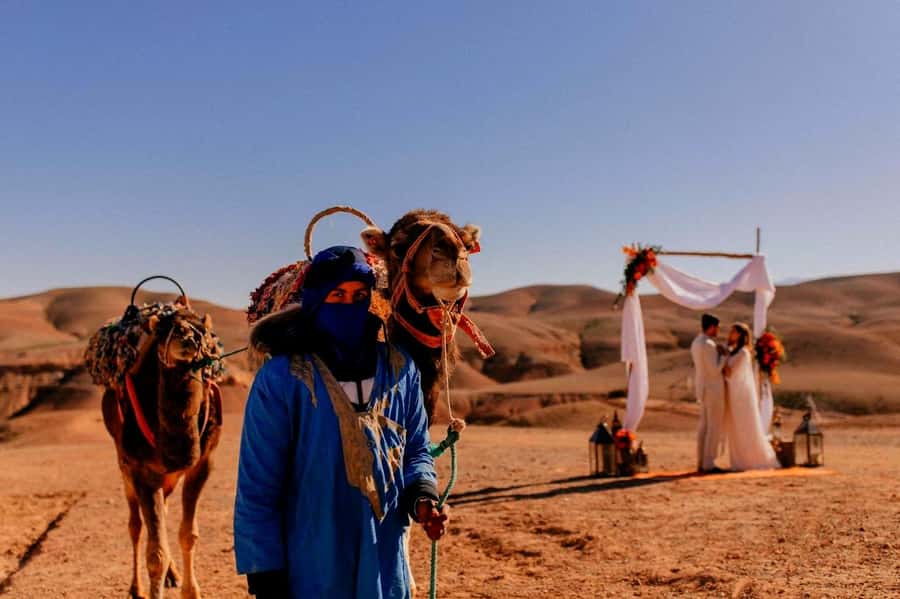
Your first meaningful stop is Moulay Brahim, down at the foot of the High Atlas. It’s a classic kind of transition location: you get mountain presence fast, without needing a big climb right away.
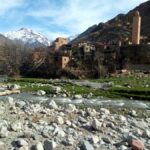
From here, the route heads toward the Imlil area. You’ll start picking up the visual clues of Amazigh village life—terraces, valley paths, and small clusters of homes rather than the big sights you’ll see in Marrakesh.
Imlil valley: the waterfall walk that anchors the day
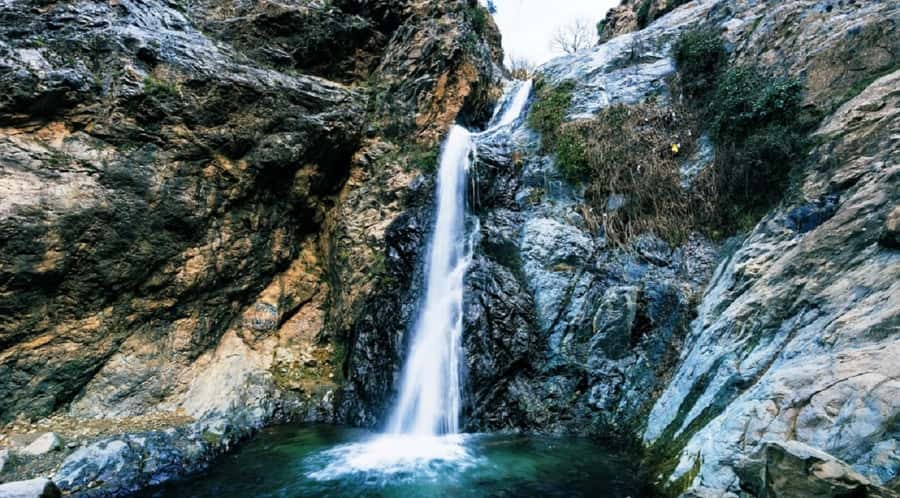
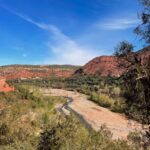
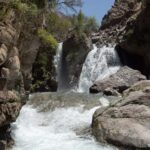
Imlil is the heart of the “active” portion. You’ll cross the valley area, with guides explaining what you’re seeing as you move.
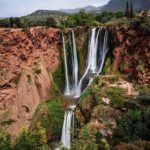
The hike is described as a walk through the valley with a waterfall stop. The walking time and difficulty vary a bit depending on conditions and the exact route that day, but don’t assume this is a flat stroll. Multiple people note that there’s up-and-down and some uneven ground. If you’re comfortable hiking in Morocco’s rocky terrain, you’ll probably find it enjoyable. If you’re not, bring extra patience and consider it a steady, guided trek rather than an easy promenade.
Practical tip: comfortable shoes aren’t optional here. If it’s cold or there’s any chance of wet ground, waterproof or shoes with good grip can make the difference between relaxed walking and constant caution.
The Berber tea break: more than a photo stop
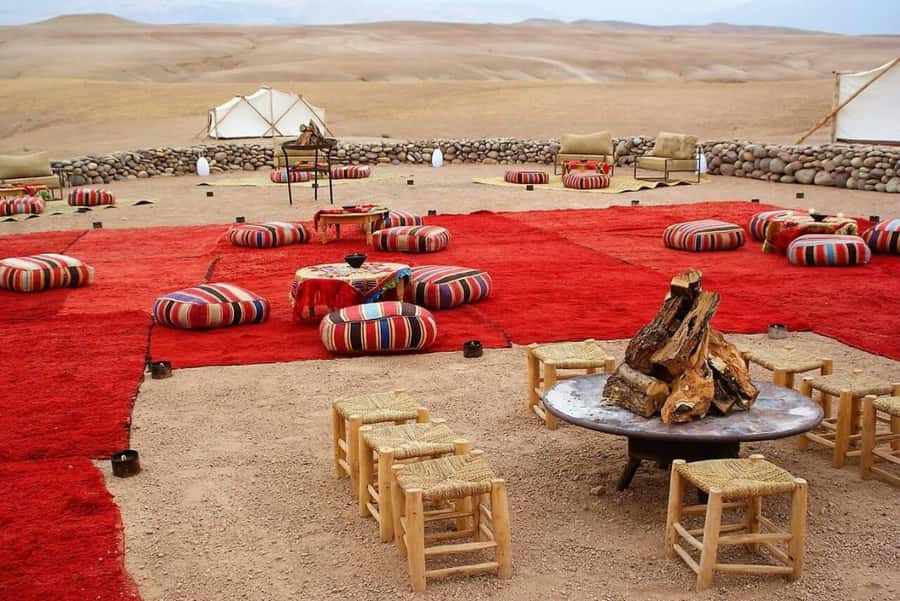
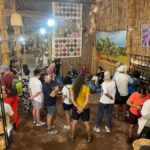
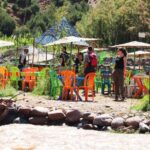
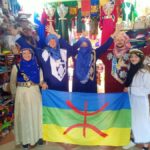
A big reason this tour earns such strong ratings is that it doesn’t treat tea time as a token gesture. You get a tea break with locals where you learn about Berber (Amazigh) culture and traditions in a more personal way.
This is where guides like Oussama and Amina often stand out in comments: they share stories, translate concepts into plain terms, and help you notice details. It’s not just sipping mint tea and moving on. It’s a short cultural lesson wrapped in hospitality.
You’ll want to pay attention here because later stops start to make more sense. When you understand how communities relate to water, agriculture, and seasonal changes, the day’s scenery becomes more meaningful than a set of viewpoints.

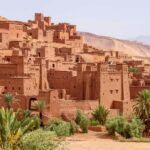
Camel ride in Agafay: short, scenic, and well-paced
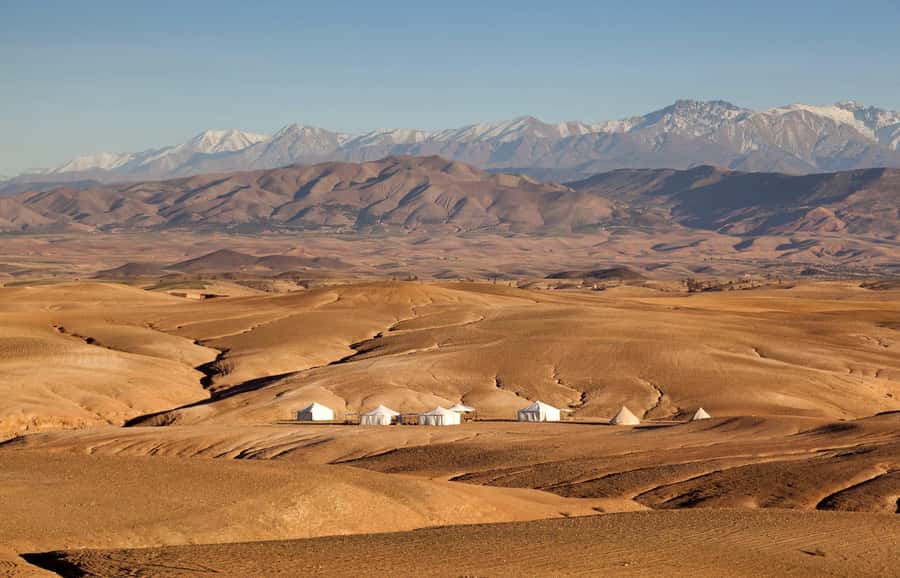
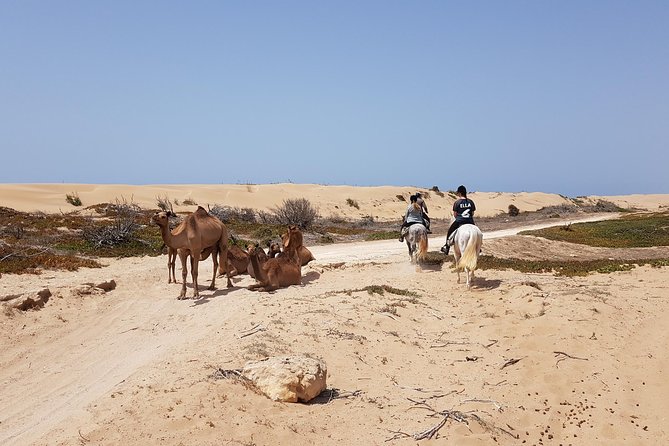
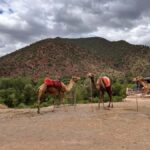
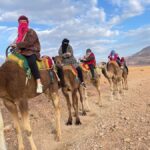
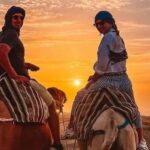
Next comes the 30-minute camel ride in the Agafay Desert area. This is one of those moments where the setting does a lot of the work.
Agafay is rocky and dramatic—rugged terrain with a lunar-like feel, not the wide sandy dunes most people picture for Morocco’s desert. That difference affects the vibe. It tends to feel quieter and more rugged, with great photo angles and a distinct texture underfoot.
Also, the ride length is long enough to feel authentic without swallowing the whole day. Several people mention the camel ride as a highlight that still keeps the schedule moving.
If you’re nervous about riding animals, you’ll likely feel better knowing it’s not an all-day camel trek. It’s a defined activity with time to rest, drink tea, and take pictures.
Ait Souka lunch: home-cooked in a traditional Berber house
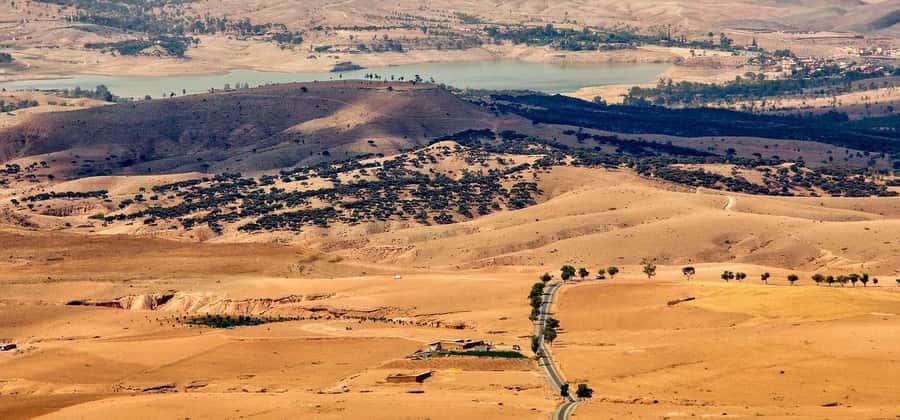
Lunch is the other big anchor of the tour: home-cooked food in a traditional Berber house in Ait Souka Village. This is where you get more than a sandwich-stop meal. The idea is that food comes from local cooking style, served in a family setting rather than a generic restaurant model.
People also mention that food is satisfying and includes Moroccan staples such as tagine in the day. Vegetarian options appear in comments too, so if you eat vegetarian, it’s worth flagging ahead of time so the kitchen can plan.
Here’s the practical value: after mountain walking and desert time, you’ll want a meal that doesn’t reset the day with stomach shock or long waits. A home-style lunch is exactly what helps this tour stay comfortable even with a busy itinerary.
Haouz plain villages on the way back: the quieter, real Morocco part
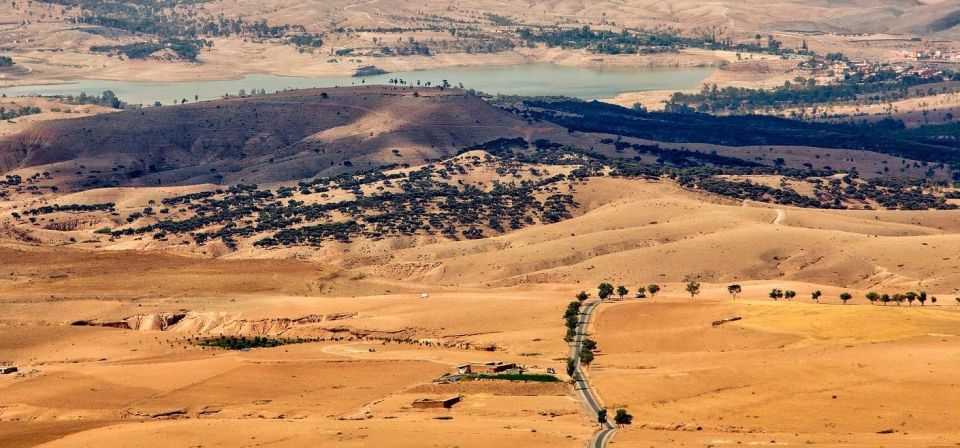
After lunch, the route crosses the Haouz plain with stops along the way in villages such as Asni, Moulay Brahim again, and Tahnaout. This is a good portion of the tour if you like Morocco that isn’t built for tourist speed.
These stops aren’t about one huge monument. They’re about the way life sits in the valley systems and countryside. You’ll get another set of views and photo opportunities before the day returns to the desert highlight zone.
Agafay Desert camp time: tea, photos, and “wow” factor
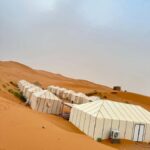
The day ends with the Agafay Desert camp experience, including tea and the camel ride segment you already did earlier in the day (depending on the exact flow that day).
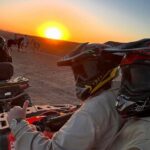
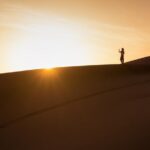
This part is about atmosphere. The rocky desert gives you space to look far, and the contrast with mountains earlier in the day makes the photos more interesting. People consistently call out the views—especially when weather cooperates. In cooler months, the lighting can be dramatic, and even a short stop can feel like a full scene from a movie.
Practical tip: bring sunscreen and sunglasses, even if it feels cool. Desert sun can be sneaky, and you’ll be outside for multiple stretches.
Guides and drivers: why the experience feels smooth
In a day trip, the guide makes or breaks it. The comments here repeatedly praise guides for being attentive, friendly, and helpful, with several mentions of specific names like Oussama, Lahcen, Amina, and Mahmoud.
What you should care about as a reader is this: good guides help you read the day. They point out what you’re looking at in the mountains, explain what you’re seeing in villages, and keep the group moving at a pace that doesn’t feel chaotic.
Driver quality also matters. A safe, confident drive is a big deal on mountain-adjacent roads. Several comments mention the journey feeling relaxed and secure, with efficient timing and careful driving.
Price and logistics: what you’re really paying for
The headline price—$22—is low for a day that includes transportation, an active hike, camel time, tea breaks, and lunch. That’s why this tour has strong value.
That said, a low price can sometimes mean trade-offs, and here the main one is the “packed day” feeling. You’re doing a lot: valleys, villages, tea, a hike, lunch, desert camp time, then the ride back. If you want a slower rhythm, this might feel like you’re always moving.
So my honest take: if you want maximum variety in one day and you’re okay with hiking effort, this is a great deal. If you hate schedules and prefer long, lazy stops, look for a more relaxed itinerary.
Who should book this tour (and who shouldn’t)
This is a smart fit if you want:
- A Marrakesh day trip that hits both Atlas Mountains and Agafay Desert
- A mix of walking, animals, and village culture (not just a scenic bus ride)
- Real Morocco through tea breaks and a Berber home-style lunch
It may not be a fit if you:
- Have health concerns, especially because the tour is not suitable for people with heart problems
- Struggle with walking on uneven ground or don’t want uphill movement during the Imlil valley portion
If you’re traveling with kids, it can work well depending on their comfort with short hikes and time outdoors—some families mention it as a favorite day.
What to pack for comfort (simple but crucial)
Bring comfortable shoes first. Then think sun and cameras:
- Sunglasses
- Sunscreen
- Camera
- A light layer, since morning mountain air and desert lighting can shift quickly
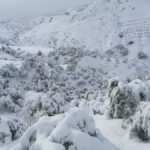
If you’re visiting in winter months, reviews mention snow and cold conditions. You might find warmer layers useful even if it’s sunny.
Should you book the Marrakesh Desert & Mountain Tour with Camel Ride & Lunch?
I’d book it if you want an efficient, low-cost day that actually shows more than one “face” of Morocco: valley life in the Atlas area, Berber hospitality during tea time, a proper meal at a village home, and rocky Agafay desert views with camels.
I’d skip it if you want a slow, minimalist day or you’re not comfortable with hiking effort on uneven ground. Also, if health issues limit physical activity, take the tour’s stated unsuitability seriously.
If you do book, choose wisely with your shoe choice, keep expectations realistic about a busy schedule, and lean into the tea and village stops. That’s where this trip tends to leave the strongest impression.
FAQ
What’s included in this Marrakesh desert and mountain day trip?
It includes pickup and drop-off, transportation, a guide, a camel ride, and lunch.
How long is the tour?
The duration is 1 day.
What language is the guide available in?
The live tour guide can speak English, French, Arabic, Telugu, and Spanish.
Where does pickup happen?
Pickup is included from your accommodation in Marrakesh, or the nearest accessible point if your street can’t be reached by vehicle.
What activities are part of the tour?
You’ll do a drive through the Atlas area, visit villages around the Imlil Valley, take a guided walk with a waterfall stop, enjoy mint tea, ride camels, and end with time in the Agafay Desert area.
What should I bring?
Bring comfortable shoes, sunglasses, a camera, and sunscreen.
Is this tour suitable for everyone?
It is not suitable for people with heart problems, and it involves walking and time outdoors.