REVIEW · MARRAKESH
From Marrakech: Merzouga 3-Day Desert Safari with Food
Book on GetYourGuide →Operated by Ando Travel Ltd · Bookable on GetYourGuide
Camels at sunrise feel like a reset button. This 3-day Marrakech to Merzouga safari is interesting because you get sunset and sunrise camel rides plus an overnight Bedouin camp with Berber drumming, dinner, and breakfast. I also like how the route mixes big sights with enough stops that the long drive feels manageable. The main drawback is practical: desert nights can get very cold in winter, and comfort details like hot water can be hit-or-miss.
You start early, and the day-to-day rhythm keeps changing: High Atlas Mountain crossings, UNESCO-listed Ait Ben Haddou, the Dades Valley, and the Todgha Gorges before you finally reach Erg Chebbi. Guides and drivers make a big difference here, and the names that keep popping up in good experiences include Adil, Moussa, Bajo Muhamad, Muhamed Bakhouz, and Youness, along with calm, safe driving like Hadj and Ajbli. If you want a smoother sleep, you’ll likely choose the luxury camp option for a private bathroom, but you can also go standard for shared facilities.
In This Review
- Quick hits before you go
- The route is the point: how Marrakech to Merzouga actually feels
- High Atlas crossings and the Road of 1001 Kasbahs
- Aït Ben Haddou: UNESCO kasbahs and why it’s more than a movie stop
- Ouarzazate and the Dades Valley: the drive that sets the mood
- Todgha Gorges: where the walking is worth the early start
- Merzouga and Erg Chebbi: the dunes at golden hour
- Bedouin camp night: dinner under stars and Berber drumming
- Food and the real costs that can surprise you
- Comfort, timing, and why the early start matters
- Drivers and guides: the difference between good and great
- Is it safe and suitable for everyone?
- Price and value: why $122 can work or not
- Who should book this Merzouga desert safari
- Should you book this 3-day Merzouga safari?
- FAQ
- How long is the Marrakech to Merzouga 3-day safari?
- What’s included in the price?
- What’s the difference between standard and luxury desert camp tents?
- Are camel rides included for both sunset and sunrise?
- Is sandboarding included?
- Can I choose a different start location besides Marrakech?
Quick hits before you go
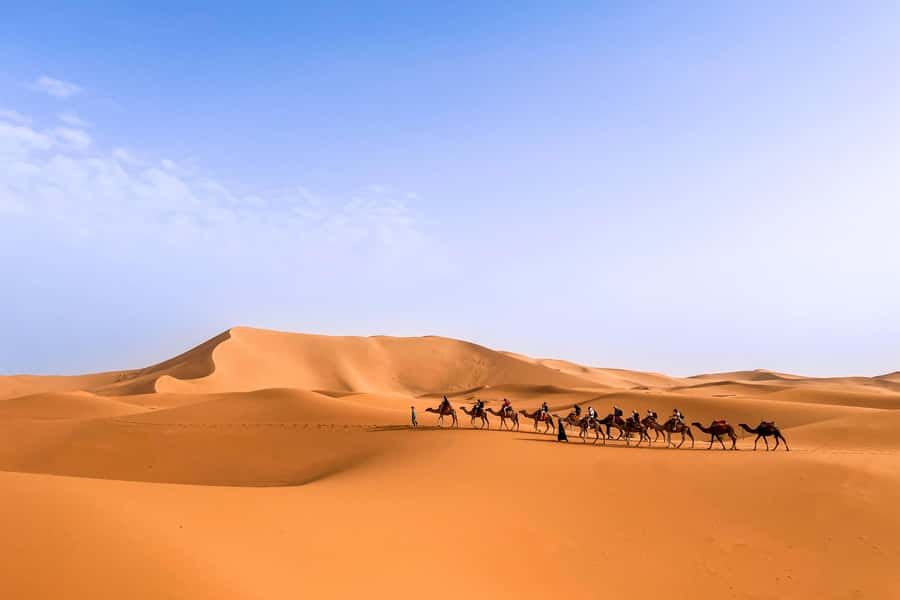
- Two desert moments: camel rides at both sunset and sunrise in Merzouga
- Kasbah + gorge combo: Ait Ben Haddou and Todgha Gorges back-to-back on the same journey
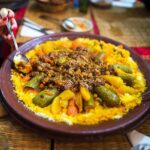
- Food included: Moroccan dinners and breakfasts, with vegetarian options
- Camp comfort is a real choice: standard tents use shared bathrooms; luxury tents include private bathrooms
- Stops are part of the deal: plan for toilet breaks, lunch stops, and some shopping-oriented stops along the route
- Cold-weather reality check: pack warm layers; evenings can be brutally cold in winter
The route is the point: how Marrakech to Merzouga actually feels
This is not just a desert trip. It’s a fast tour of Morocco’s “in-between” zones: mountains first, then kasbah country, then canyon walls, and finally the open Erg Chebbi dunes. The value is that your money buys time in many places, not just one postcard moment.
Day 1 is about getting the big altitude out of the way. You cross the High Atlas past villages, so you see everyday life tucked into rugged terrain rather than only highways and viewpoints. Day 2 continues that shift, moving from Ouarzazate area toward the Dades Valley with scenic drives that help you mentally reset between stops.
By Day 3, the focus tightens. Tinghir and Todgha Gorges turn the scenery vertical, with tall canyon sides that make photos look dramatic even on an average phone camera. Then you transition from gorge walls to sand, meeting your camel caravan and moving toward the camp atmosphere you came for.
You can also read our reviews of more food & drink experiences in Marrakesh
High Atlas crossings and the Road of 1001 Kasbahs
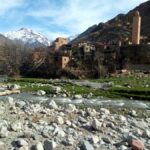
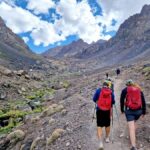
Crossing the High Atlas is one of those things that sounds simple until you’re on the road. You’ll pass Berber villages and see how the landscape changes with altitude, from greener patches to harsher, rockier stretches. This matters because it breaks up the trip from “transport day” into “moving sightseeing.”
The “Road of 1001 Kasbahs” concept is useful here. It’s basically a way to understand why you’ll keep seeing fortified homes and old-style villages along the drive. These aren’t random stops you’ll forget. They’re visual cues that Morocco’s desert stories have roots in mountain communities and caravan routes.
One practical tip: you’re traveling all day, so dress in layers. Morning can feel cool, and then you heat up in the van. By the time you reach the next stop, you’ll want something easy to adjust without carrying a lot.
Aït Ben Haddou: UNESCO kasbahs and why it’s more than a movie stop
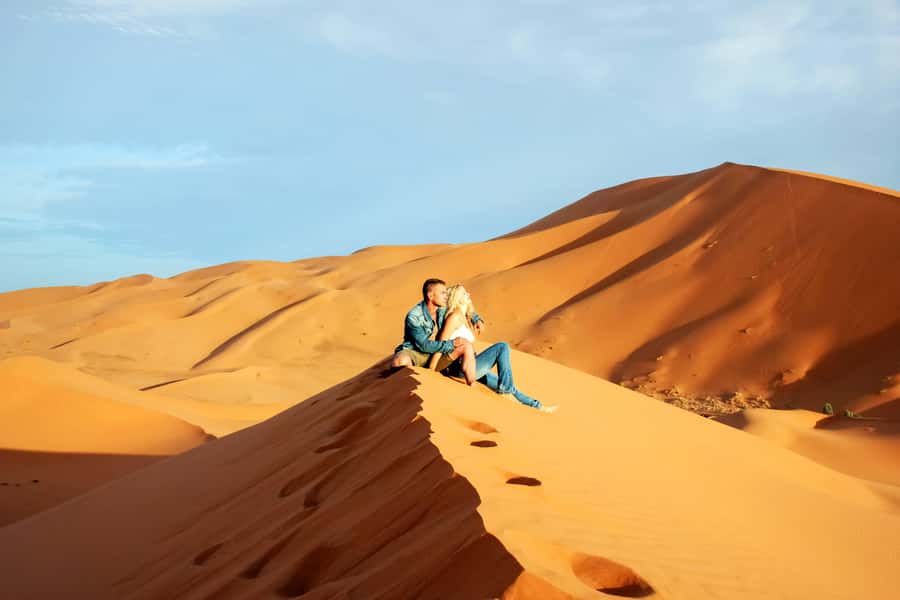
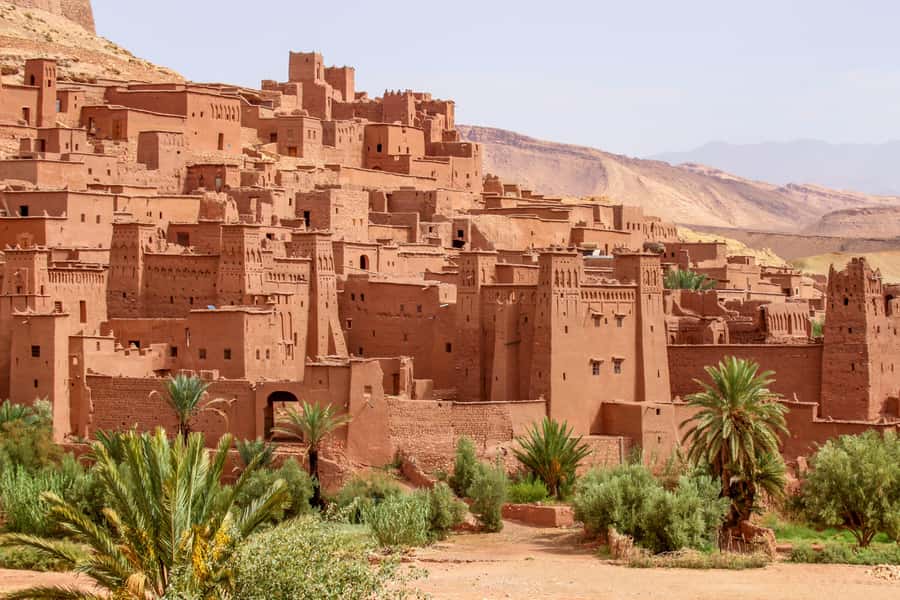
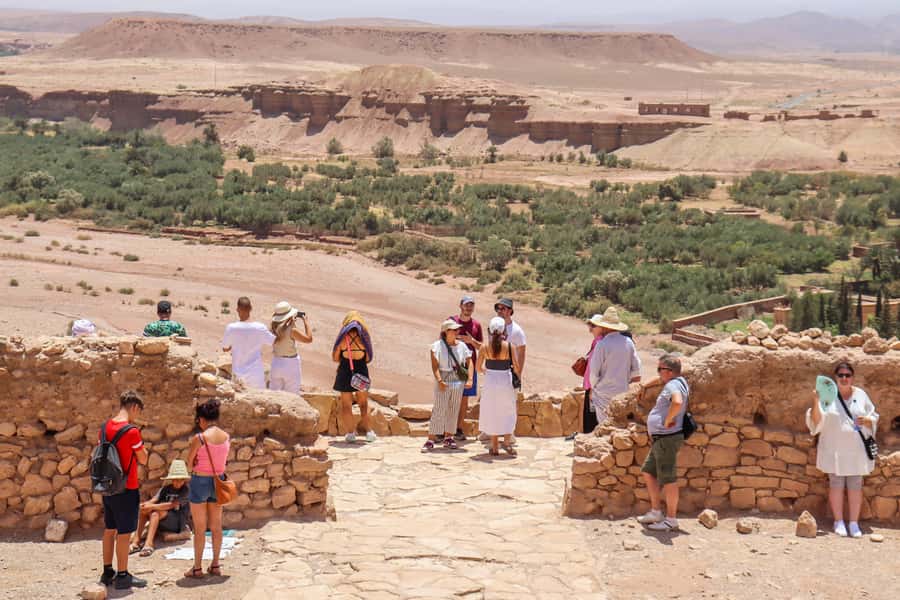
Aït Ben Haddou is the one place most people recognize instantly, even if they can’t name it. It’s a UNESCO-listed kasbah and fortified settlement that has appeared in major film productions, and it’s famous for its mud-brick architecture and layered, stepped buildings.
What I like about the way it fits into this tour is the timing. You typically get leisure time here, not a rushed look-and-go. That gives you a chance to walk the area at your own pace, scan the skyline, and understand why the buildings have lasted through centuries of sun and wind.
If you want extra context, there’s an optional local guide you can hire on-site for a small fee. It can help you decode the design logic of the kasbah—where people lived, how the settlement defended itself, and how the layout affects daily life.
Ouarzazate and the Dades Valley: the drive that sets the mood
Ouarzazate is often called the Gate of the Sahara for a reason: it sits at a crossroads where the mountains start handing things off to desert country. Even if you only pass through, you feel the shift in the air—less greenery, more stone, and a longer horizon.
From there, you move toward Boumalne Dades and the Dades Valley, which is where the trip starts to feel “cinematic.” This is the day you’ll likely notice the road twisting, viewpoints appearing, and stop-and-stare moments turning into mini breaks. Those pauses are not wasted time. They keep the journey from feeling like a long bus ride.
That first night stay usually lands at a Kasbah-style property in Dades or Kelaat Mgouna, with dinner and rest included. Expect a comfortable base rather than a spa hotel vibe. The goal is sleep and recovery so you can handle camel rides and desert cold later.
Todgha Gorges: where the walking is worth the early start
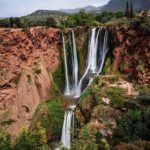
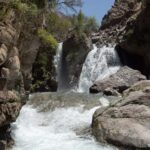
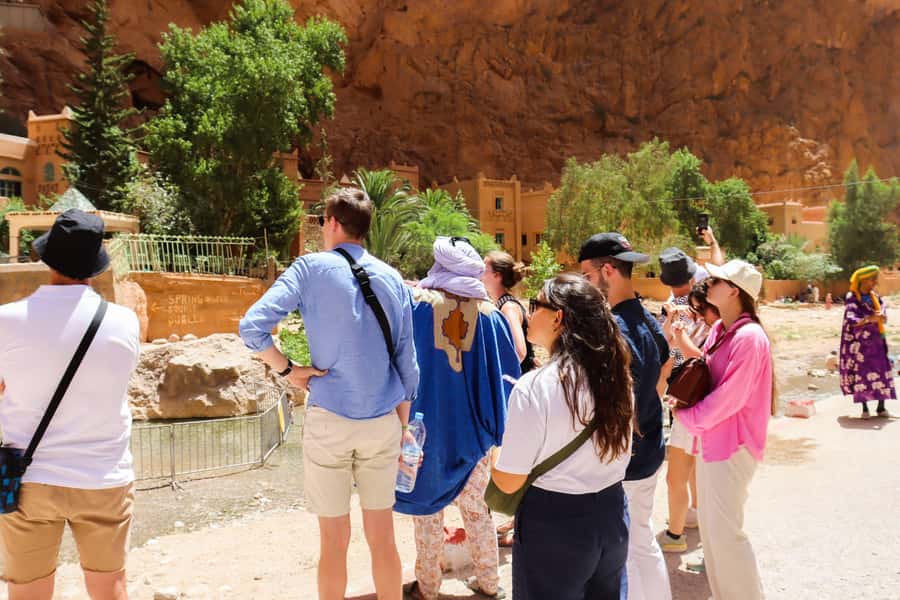
Todgha Gorges is the kind of stop that improves the whole trip. You don’t just drive past it. You get free time to walk and explore the canyon area, and that changes your perspective after days of buildings and roads.
The Todgha canyon walls create strong lines and deep shadows, so even simple steps along the path can look like a photo set. If you like hiking but you don’t want a strenuous day, this is the middle ground: enough walking to feel outdoors, not so much that you arrive exhausted.
You’ll also have lunch around this area, with a local cafe included by the itinerary flow. I treat lunch here as fuel, not a gourmet quest. The bigger food wins are later: the desert camp dinner and breakfast that come after your camel ride.
A few more Marrakesh tours and experiences worth a look

Merzouga and Erg Chebbi: the dunes at golden hour
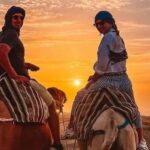
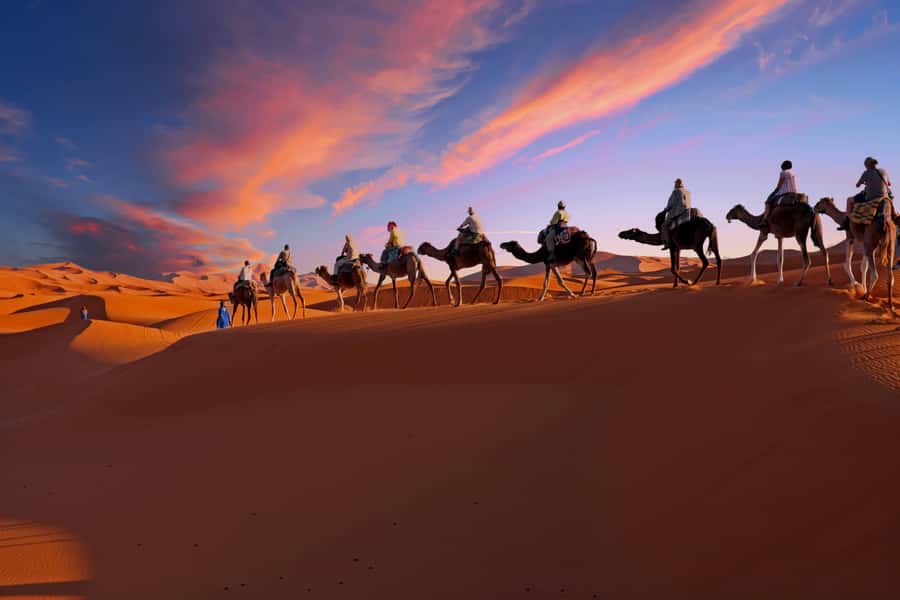
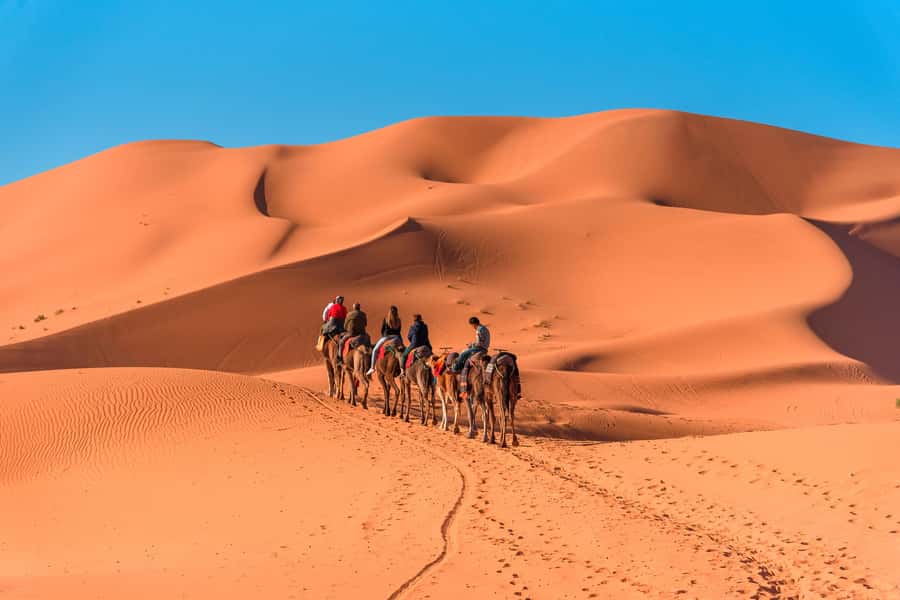
Then comes Merzouga, and Erg Chebbi does what dunes do best: it makes time feel slower. You meet the camel caravan, and the camel ride is your transition from road life to desert life. This is one of the strongest points of the whole experience because it’s not just a ride. It’s scheduled around light.
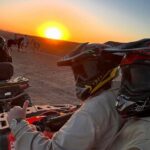
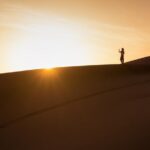
At sunset, the sand turns warm and textured, and the dunes stretch farther than your brain expects. At sunrise, the same dunes look sharper and colder in color, like a different world. Doing both is the difference between “I rode a camel” and “I remember the desert twice.”
Camel rides are included both ways, and you’ll also have the option to adjust your approach if needed. The standard option includes a possible walk to camp instead of camel ride, and there’s a 4×4 transfer option for €50 per car if you want to reduce time on camels.
Bedouin camp night: dinner under stars and Berber drumming
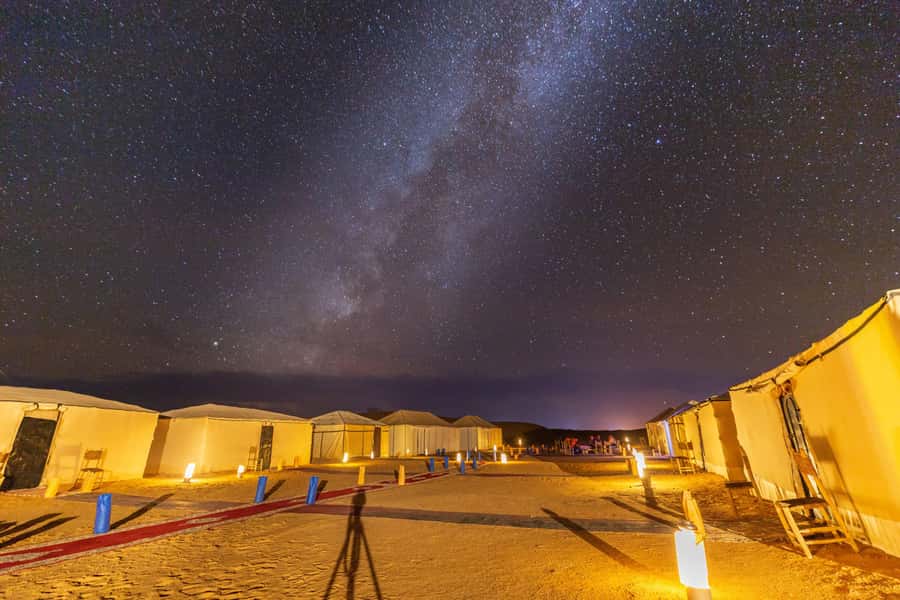
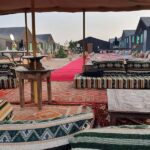
Your desert camp arrival is where the tour becomes personal. You usually reach the camp before nightfall, which matters because it gives you time for dinner, campfire music, and the feel of the place before darkness fully sets in.
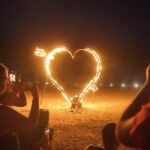
The evening program is typically a Moroccan dinner followed by music and entertainment. You’ll hear Berber drumming, including Tam Tam drum-style performances, and there’s usually a campfire atmosphere that makes it easier to connect with the experience—even if you’re not a big crowd person.
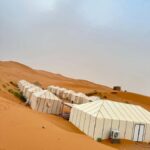
This is also where camp comfort differences show up clearly. Standard tents often mean a shared bathroom setup nearby. Luxury tents are typically private, with private bathrooms inside the tent. In winter, that privacy and comfort can feel worth it because you’re spending more time inside waiting out the cold.
Two things to plan for based on real feedback: pack warm layers, and don’t assume hot water is guaranteed. One traveler specifically flagged hot water issues during winter stays. It’s not the main feature, but it’s the kind of detail that affects how much you enjoy the night.
Food and the real costs that can surprise you
The tour includes Moroccan dinners and breakfasts, with vegetarian options available. That’s a big deal because you don’t have to hunt for meals on the road. It also helps you keep energy for camel rides and gorges walking.
Still, you should budget for what’s not included. Drinks and lunches along the way are not covered, and these can add up quickly if you order like you’re in Marrakech. Also, many stops along the route are set up for quick shopping and stops that can feel a bit touristy. I recommend using your bathroom and water breaks wisely and only buying what you truly want.
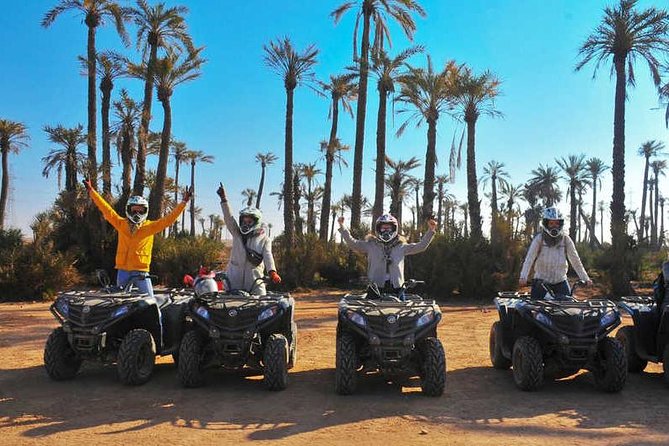
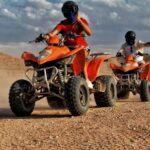
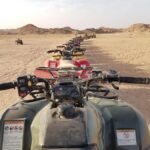
If you plan to do optional activities, factor them in early. Quad biking is optional at €50 per person for about an hour session, and it’s not included. Sandboarding is also optional, but it comes with an important warning: it’s not covered by insurance due to risk, and you do it at your own responsibility.
A small practical note that keeps showing up: bring cash. Some places don’t accept card, so you’ll be happier having enough dirhams for lunches, drinks, and optional add-ons.
Comfort, timing, and why the early start matters
The tour runs for 3 days. It starts at 7:00 AM on Day 1 and ends around 8:00 PM on Day 3, with a stop for lunch halfway on the drive back to Marrakech.
That early start can feel intense if you’re used to vacation mornings, but it’s the only way to fit High Atlas crossings, Aït Ben Haddou, Dades, Todgha Gorges, and Merzouga plus two desert camel rides. Think of it as a trade: you get more sights, but you give up late sleeping.
Your pickup and drop-off are handled from your Marrakech hotel/riad area. If the car can’t reach your specific door in the Medina, you’ll be sent to a nearby meeting point just a short walk away. You’ll also get pickup details via app and WhatsApp the day before, usually by 6 PM, so keep an eye on your phone.
On the comfort side, the van is air-conditioned and includes onboard Wi-Fi. Luggage storage is handled securely, which is helpful because desert tours can otherwise feel like you’re constantly rearranging bags.
Drivers and guides: the difference between good and great
A desert safari lives or dies on the people driving it. The best experiences here share a theme: calm driving, clear communication, and smart pacing with enough stop time for everyone.
Names that come up often include Adil, Moussa, Bajo Muhamad, Muhamed Bakhouz, and Idriss, plus safe, relaxed driving from people like Hadj and Ajbli. Even when the itinerary is fixed, the guide’s approach changes how smooth it feels—whether they answer questions, manage timing, and keep everyone comfortable on long segments.
One thing I’d watch for: some stops can feel like they’re pushing purchases, and the lunch/restaurant pricing can be steep. A good driver-guide helps you avoid unnecessary hassle and makes it clear when you’re taking a break versus being steered into a sales pitch.
Is it safe and suitable for everyone?
This experience is not listed as suitable for pregnant women or wheelchair users. If you have any mobility limitations, you’ll want to think carefully about the long road hours, camel rides or walking alternatives, and the uneven terrain around canyon and camp areas.
For most people, the safety factor is about choosing the right pacing and being prepared. Wear comfortable shoes for Todgha Gorges, bring sun protection for the dunes, and keep your warm clothes for camp nights. One traveler also recommended a portable charger because evenings can mean less access to charging and you’ll want your phone ready for photos.
Price and value: why $122 can work or not
At about $122 per person, this tour can feel like value because it bundles a lot of what normally costs extra: round-trip transport from Marrakech, an overnight hotel with AC in a private room setup, an overnight desert camp, sunset and sunrise camel rides, meals (Moroccan dinner and breakfast), and the camp entertainment.
Where the deal can shift is in add-ons and “along-the-way” spending. Optional quad biking (€50), optional sandboarding (not insured), drinks, and lunches can raise your final total. There’s also a small optional cost if you want a guide at Aït Ben Haddou for €2 per person.
My rule: if you keep extras minimal and bring cash for meals and drinks, you’ll likely feel like you got your money’s worth. If you plan to buy lots of upgrades and snack constantly at tourist stops, your final spend won’t be $122 anymore.
Who should book this Merzouga desert safari
Book this if you want an efficient 3-day route that hits the big Morocco hits without planning every step yourself. It’s especially good if you’re comfortable with early mornings and long drive days, and you want the desert to feel like a full experience, not a single short photo moment.
It’s also a solid pick if you like structure. You’ll know what comes next: mountain crossing, Aït Ben Haddou, Dades, Todgha Gorges, then camel rides and desert camp life. That’s helpful for first-time visitors who don’t want to piece together multiple companies.
If your priority is slow travel, lots of free time, or luxury comfort every night, you may feel rushed. Choose the luxury camp option if comfort matters to you, especially for private bathrooms and the overall feeling of control during the cold night.
Should you book this 3-day Merzouga safari?
Yes, if you want the classic Marrakech-to-Merzouga experience with two camel rides, a desert camp night with drumming and dinner, and meaningful stops like Aït Ben Haddou and Todgha Gorges. It’s one of those tours where the route itself is part of the product, and the included meals reduce headaches.
Before you book, do two things to set yourself up for success. Pack layers for desert cold and bring cash for lunches, drinks, and optional extras. If you do that, this becomes an easy “worth it” decision.
FAQ
How long is the Marrakech to Merzouga 3-day safari?
It runs for 3 days, starting at 7:00 AM on Day 1 and ending around 8:00 PM on Day 3.
What’s included in the price?
The tour includes hotel pickup and drop-off, an air-conditioned minibus or minivan, a multilingual driver-guide, 1 night in an AC private hotel room/suite with private bathroom, 1 night in a desert camp tent (standard or luxury), sunset and sunrise camel rides, Moroccan dinners and breakfasts (vegetarian options available), Berber drumming and campfire music, onboard Wi-Fi, and secure luggage storage/handling.
What’s the difference between standard and luxury desert camp tents?
Luxury tents come with private bathrooms inside the tent. Standard tents use shared bathrooms nearby.
Are camel rides included for both sunset and sunrise?
Yes. Sunset and sunrise camel rides in Merzouga are included.
Is sandboarding included?
Sandboarding is optional and not covered by insurance because it’s considered high-risk. If you choose it, you do it at your own responsibility.
Can I choose a different start location besides Marrakech?
Yes, the tour can also start from Ouarzazate.