REVIEW · MARRAKESH
Moroccan Food Cooking Class with a Local Chef in Marrakech
Book on GetYourGuide →Operated by Discover Atlas Mountain · Bookable on GetYourGuide
Tagine lessons beat restaurant meals every time. This half-day Moroccan cooking class in Marrakesh pairs real kitchen skills with cultural context, starting with a market stop and ending with the meal you helped make. I especially love the mint tea ritual and the practical way you learn tagine seasoning and prep—so you can repeat it at home without guessing.
There’s one catch to factor in: the schedule can shift on the day (pickup/class start times have been reported as later than expected), and in some cases the exact market-shopping flow may vary. If you’re tight on other plans, build in a buffer and confirm details directly.
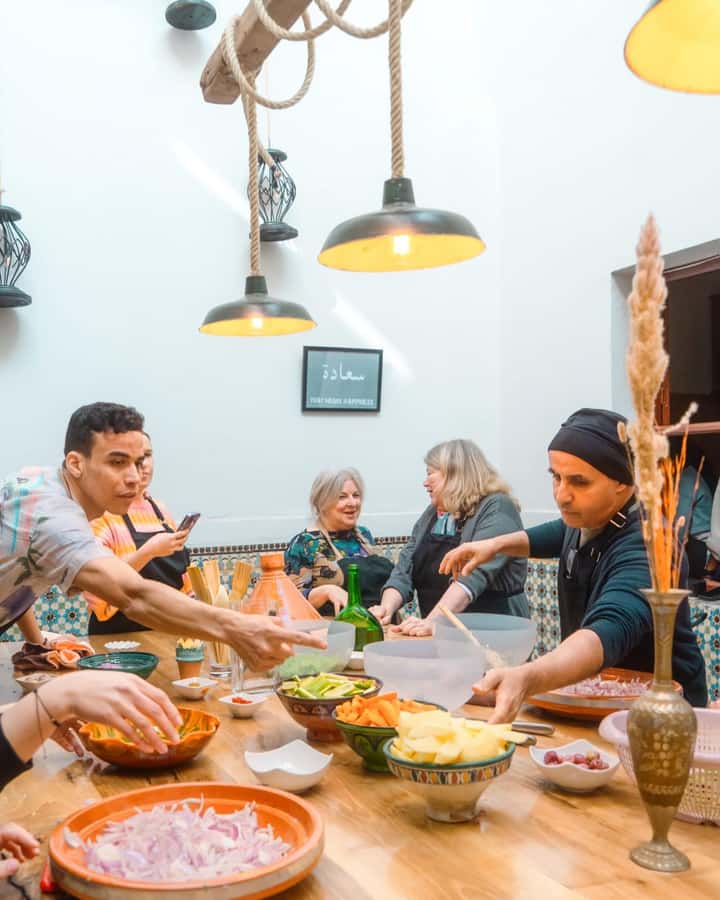
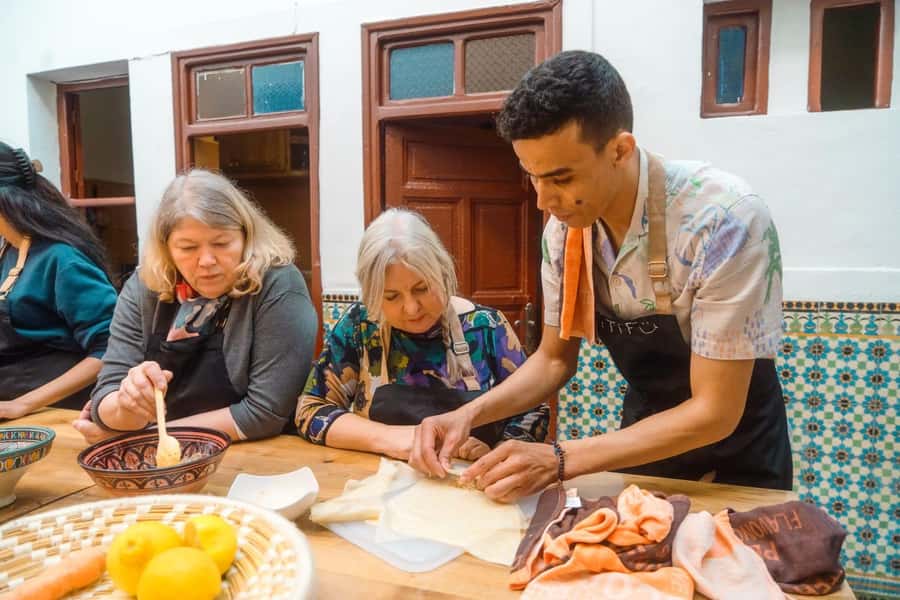
For me, the best part is the confidence. You’ll chop, peel, season, and cook alongside a local guide/chef, typically making 3 to 4 dishes (with options for vegan, vegetarian, and gluten-free needs). The pace is relaxed for vacation time—about 210 minutes—and you’ll get a recipe link later so the whole thing doesn’t disappear after lunch.
In This Review
- Key Takeaways at a Glance
- Half-Day Moroccan Cooking in Marrakech: What You’re Really Learning
- Meeting Up and Timing: How to Avoid a Late Start
- From Pickup to the Local Market: Learning to Shop Like a Marrakchi
- Mint Tea First: The Old-School Pour and the Social Part
- Cooking Techniques That Travel With You: Tagines, Chopping, and Spice Control
- You’ll usually cook 3 to 4 dishes
- Diet-friendly cooking is part of the setup
- Teamwork in the kitchen
- Your guide/chef can make or break the experience
- Eating What You Made: The Meal and Bread Part
- Recipes You Can Cook Again: The Evening Link
- Price and Value: Is $40 a Good Deal?
- Who This Marrakech Class Suits Best
- Should You Book This Cooking Lesson?
- FAQ
- How long is the Moroccan food cooking class?
- What does the $40 per person price include?
- Will we make Moroccan mint tea in the class?
- Does the class include a market visit?
- How many dishes will we cook?
- What languages are the live guides available in?
- Are recipes provided for cooking at home afterward?
Key Takeaways at a Glance
- Mint tea the old-fashioned way: you’ll make it, not just watch it.
- Market shopping with a guide: learn what to buy and why, then use those ingredients right away.
- Tagine seasoning techniques: you’ll get a repeatable approach to spices, chopping, and prep.
- 3–4 dishes in one session: enough variety to learn, not so much you forget it.
- Diet-friendly options: vegan, vegetarian, and gluten-free accommodations are part of the plan.
- Take-home recipes: a link is sent in the evening so you can cook again later.
Half-Day Moroccan Cooking in Marrakech: What You’re Really Learning
This class isn’t just about eating. It’s about getting the rhythm of Moroccan home cooking in a short window. You’ll move through the key steps that make the food work: ingredient prep, spice use, and how tagine flavors build.
I like that the teaching includes more than recipes. While you cook, you also get conversations about Moroccan culinary customs and history, plus how traditions show up in everyday kitchens. That’s useful because it turns a list of ingredients into something you can understand.
Most sessions are built around 3 to 4 dishes, which means you’ll practice more than one technique. One session example included a tagine plus cooked salads, and a traditional crepe. Even if your exact lineup differs, the lesson is similar: you learn methods you can reuse.
You can also read our reviews of more food & drink experiences in Marrakesh

Meeting Up and Timing: How to Avoid a Late Start
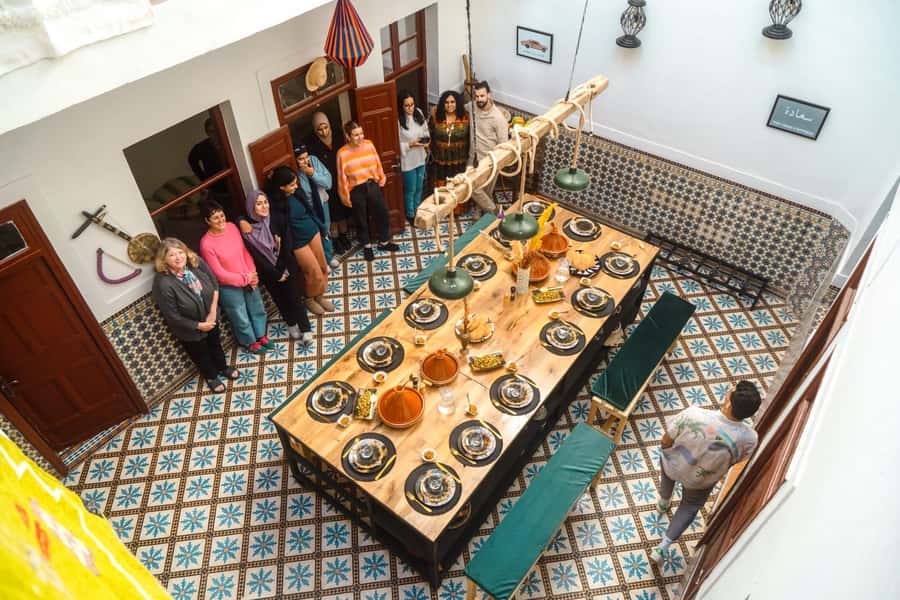
This experience is a half-day, so timing matters. The class runs about 210 minutes, and it usually starts with pickup from your hotel area. You’ll want to have your hotel address details and a WhatsApp number ready, since communication is part of how the day runs.
Here’s what to do to protect your day: give yourself slack afterward. Some bookings have reported pickups and class starts running later than the stated time, and at least one situation involved the class already beginning when the group arrived. That doesn’t mean it’s always chaotic—but it does mean you should treat it like a Morocco schedule, not a Swiss train.
If you have another reservation the same afternoon, plan it for later, not immediately after class.
From Pickup to the Local Market: Learning to Shop Like a Marrakchi
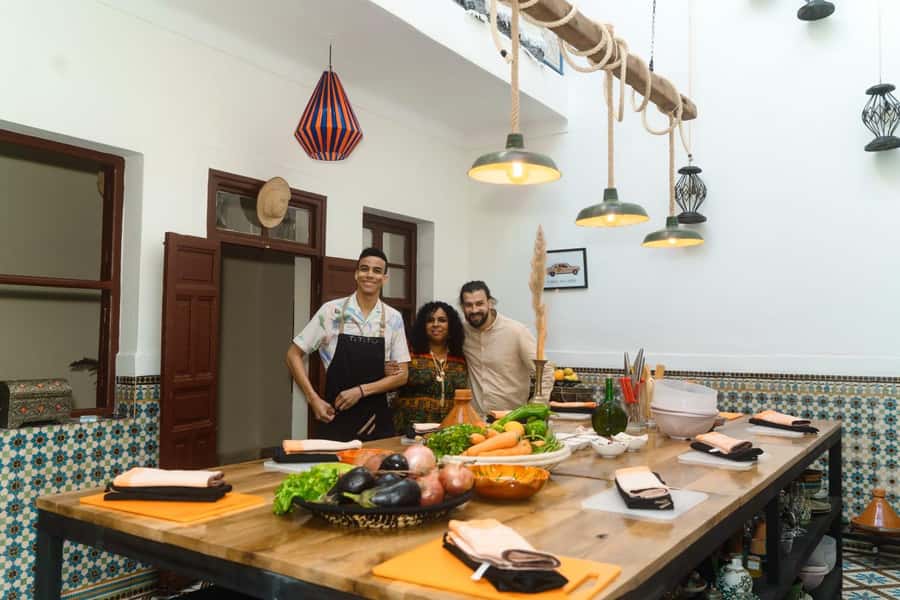
Before you cook, you’ll typically take a quick trip to a nearby local market to pick up vegetables and other supplies. This is the part that makes the class feel grounded. Instead of buying generic items from your home store, you learn what locals look for and how to choose ingredients for the dishes you’re making.
A good market step does two things for you:
- It teaches ingredient logic (what matters for flavor and texture).
- It helps you shop smarter later when you’re recreating the meal at home.
One important consideration: the exact market component may not look identical every time. Some experiences have been described as not including shopping in the way the description suggested. If shopping ingredients is a must for you, message ahead and confirm that your session includes a market stop before cooking.
Mint Tea First: The Old-School Pour and the Social Part
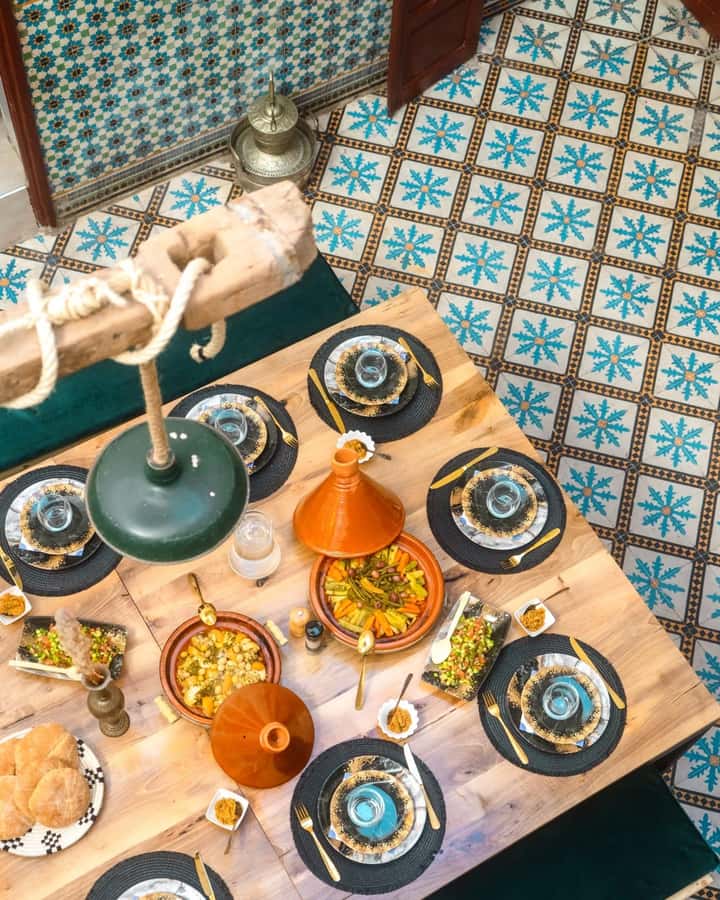
Moroccan mint tea shows up again and again for a reason. It’s not only tasty; it’s a symbol of hospitality and routine. In this class, you’ll learn how to make Moroccan mint tea the old-fashioned manner, and then you’ll sip it as you get to know your guide and chef.
Why this matters for your learning:
- It slows the day down at the right moment.
- It puts you in a Moroccan home rhythm before you hit the cutting board.
- It gives context for spices and hospitality culture, not just cooking steps.
Tea also gives you an easy way to ask questions early. If you’re vegetarian, gluten-free, or vegan, this is a good time to clarify what you need—before the kitchen gets busy.
Cooking Techniques That Travel With You: Tagines, Chopping, and Spice Control
Now for the kitchen part. You’ll learn prep fundamentals that sound simple until you try them the Moroccan way: chopping, peeling, and seasoning. Tagine seasoning is where the class earns its keep, because spices are the engine of flavor.
The lesson style is practical. You’re taught methods like someone’s trying to make sure their kid can cook after they move out—moms and grandparents are referenced as the model, and the teaching reflects that mindset.
A few more Marrakesh tours and experiences worth a look


You’ll usually cook 3 to 4 dishes
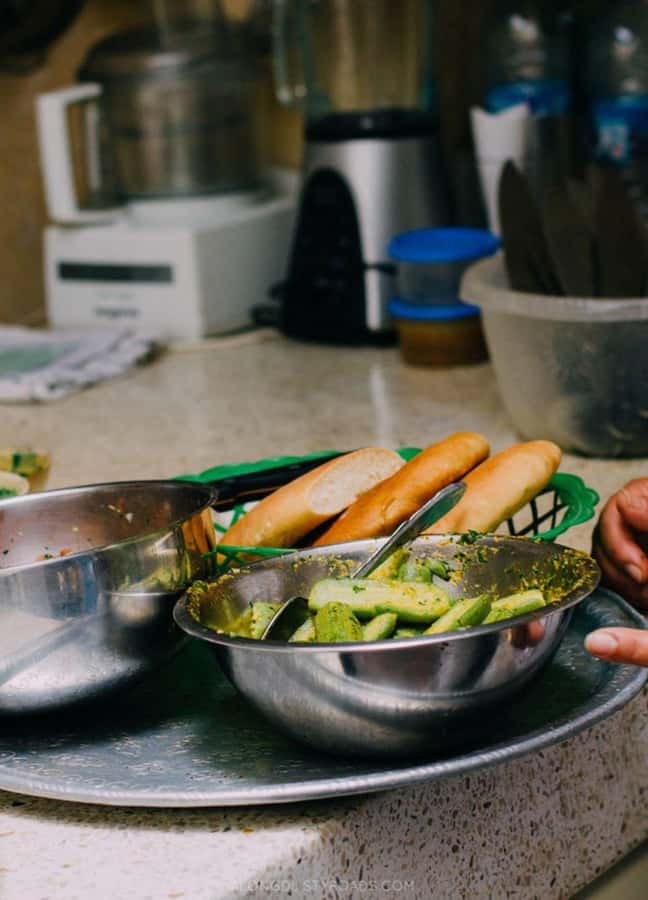
Expect variety, but not chaos. The goal is repetition. When your class plan includes multiple dishes—like a tagine plus cooked salads, or a crepe along with other items—you practice the workflow: prep → spice → cook → adjust.
Diet-friendly cooking is part of the setup
The class notes that vegan, vegetarian, and gluten-free options are included. That’s a big deal because it means you aren’t stuck with a one-size-fits-all plate. Still, since diets can affect spice blends and ingredient choices, communicate clearly what you need before cooking starts.
Teamwork in the kitchen
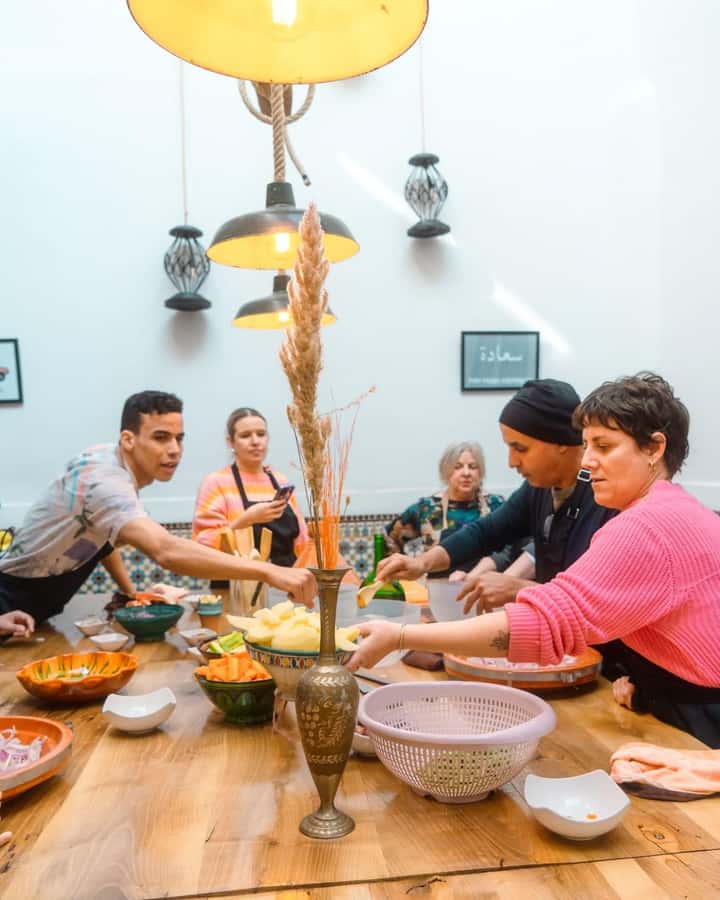
You’ll collaborate as a group. It’s not only social. It also gives you a chance to see multiple approaches to the same task. If someone on your table is faster at chopping, you’ll learn that pacing. If someone understands seasoning better, you’ll notice how they adjust as they go.
Your guide/chef can make or break the experience
Several names have been associated with excellent guidance—Morad, Yassine, and Chef Murad show up in positive feedback. If you see those names tied to your session, you’re likely in good hands. Even when the dish list changes, a strong guide keeps you moving, explains what to do next, and helps you avoid the common spice mistakes.
Eating What You Made: The Meal and Bread Part
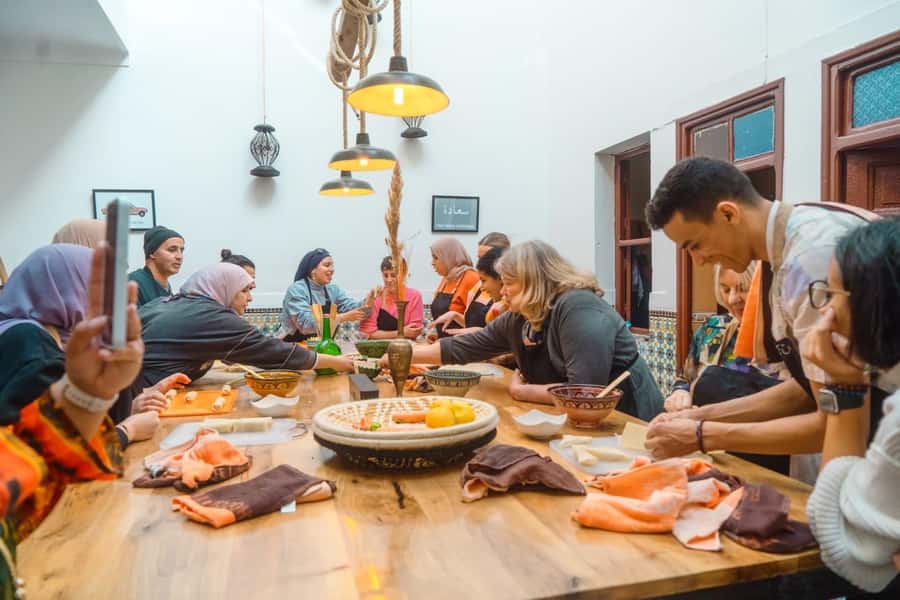
At the end, you sample and eat what you prepared. The class includes meal and bread, plus water and tea. That’s more than a formality. It closes the learning loop.
It also matters that you get to taste your food while it’s still clearly in the window where the techniques made sense. You can connect what you did—chopping size, spice order, cooking time feel—to how the final dish tastes.
And yes, you’ll probably want a few extra bites because you finally understand the flavor logic behind Moroccan spices. It’s one of those rare cooking experiences where the food isn’t just edible; it’s educational.
Recipes You Can Cook Again: The Evening Link
Here’s the part I always watch for in cooking classes: what happens after you go back to your hotel. In this experience, you typically receive a link sent in the evening to recipes for the dishes you made, plus more options you can explore later.
That takeaway makes the class more valuable than a one-time meal. It turns your time into something you can repeat. And if you’re the type who likes cooking later for friends or family, this gives you a straightforward way to do it without reinventing everything from memory.
Price and Value: Is $40 a Good Deal?
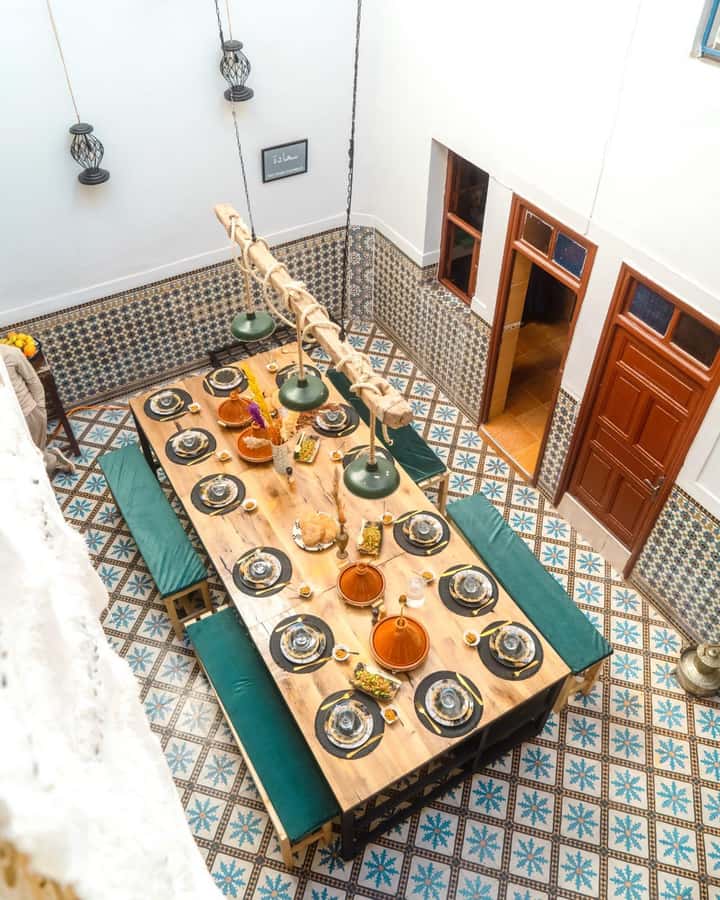
At about $40 per person for roughly 210 minutes, this can be good value—especially because it includes more than instruction. You’re getting:
- a local guide,
- a cooking lesson,
- the meal and bread,
- water and tea,
- and the chance to practice prep and spice techniques that would be hard to learn from a cookbook alone.
Where the value can swing is timing and flow. If pickup runs late or the market-shopping step doesn’t happen the way you expected, the experience can feel less like a full “market-to-kitchen” arc. But if your session runs smoothly, you’re essentially paying for: guided shopping + hands-on cooking + a full meal + a take-home recipe link.
In plain terms: it’s worth it if you want skills and context, not only a short cooking show.
Who This Marrakech Class Suits Best
This works well for you if:
- You want a hands-on cooking experience rather than a sit-and-watch meal.
- You like Moroccan flavors and want to learn how they’re built.
- You’re cooking for dietary needs, since vegan/vegetarian/gluten-free options are part of the plan.
- You want something social but practical—you’ll work as a team, then eat together.
It may feel less ideal if:
- You have strict timing for the afternoon and can’t tolerate schedule drift.
- Market shopping before cooking is a top priority and you need that step guaranteed, every time.
Should You Book This Cooking Lesson?
I’d book it if you want the best kind of travel souvenir: a skill you can use at home, backed by recipes you’ll actually receive. The mint tea start, the tagine seasoning focus, and the chance to cook 3 to 4 dishes make it a strong learning format for a single half-day.
Book with a little common-sense caution. Confirm your pickup timing, keep your next booking later, and ask ahead about the market stop if it’s central to your plan. If everything aligns, this class is one of those Marrakech experiences that turns “I ate Moroccan food” into “I can cook Moroccan food.”
FAQ
How long is the Moroccan food cooking class?
The duration is 210 minutes.
What does the $40 per person price include?
It includes a guide, the cooking class, a meal with bread, and water and tea.
Will we make Moroccan mint tea in the class?
Yes. You learn how to make Moroccan mint tea the old-fashioned way.
Does the class include a market visit?
It typically includes a quick visit to a local market to pick up vegetables and other supplies before cooking. The exact flow can vary, so it’s smart to confirm if market shopping is important to you.
How many dishes will we cook?
You typically prepare three to four distinct dishes.
What languages are the live guides available in?
The live guide offers Arabic, English, and French.
Are recipes provided for cooking at home afterward?
Yes. A link to recipes is sent in the evening, including dishes from the class and additional recipe options.