REVIEW · MARRAKESH
Marrakech: Moroccan Pastries and Tea Class with a Local
Book on GetYourGuide →Operated by Khmisa Workshops · Bookable on GetYourGuide
Fresh pastries, mint tea, and real kitchen know-how. I love how this Marrakech class turns Moroccan pastries into something you can actually recreate, with hands-on steps and clear guidance while you work on traditional shapes like fekkas and Kaab el Ghazal. I also like the finish: you taste what you bake, sip mint tea, and leave with a box of pastries for later. One watch-out: the exact meeting point is sent to you before your date, so don’t assume it’s posted in advance.
This is a small-group workshop (limited to 10 people) run by Khmisa Workshops, so you’re not stuck watching from the sidelines. If you want a break from the souk rush and you enjoy cooking that’s precise but doable, you’ll probably have a good time.
In This Review
- Key things that make this class worth your time
- Marrakech Moroccan pastry class: a break that still feels local
- The 150-minute flow: pastries first, then mint tea with your own hands
- 1) Getting set up and learning the pastry basics
- 2) Working on traditional pastry shapes and flavors
- 3) Baking, tasting, and finishing with tea
- 4) Leaving with a box of pastries
- Moroccan pastry technique: what you’re really learning
- Precision beats guessing
- Aromatics give the pastry its Moroccan identity
- You’ll see what “different” means through hands-on work
- Moroccan mint tea: why this class includes it
- You’re not just drinking tea—you’re making it
- Tea ties everything together
- Price and value: what $40 buys in the real world
- Who should book this Marrakech pastry and tea workshop
- Great fit for
- Consider skipping if
- Practicalities that actually matter (wear, allergies, language)
- What to bring and wear
- Allergy info needs to be shared in advance
- Languages and instructor support
- Small group feel
- Kids and age notes
- Getting the most out of the class (without overthinking it)
- Should you book Khmisa Workshops in Marrakech?
- FAQ
- How long is the Moroccan pastry and mint tea class in Marrakech?
- What is included in the price?
- What is the meeting point like?
- What languages are spoken during the class?
- What should I bring for the workshop?
- Are there any age limits?
Key things that make this class worth your time
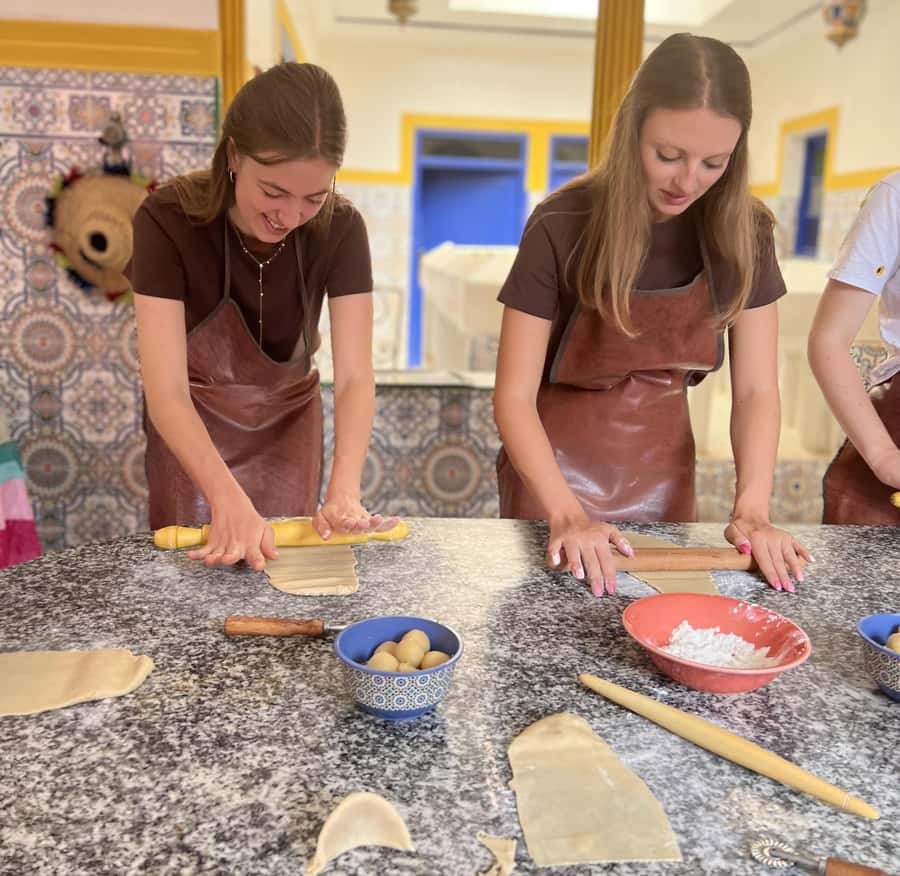
- You bake and taste your own pastries, then take more home in a take-home box
- Fekkas and Kaab el Ghazal flavors show up, so you learn what makes Moroccan pastries distinctive
- Mint tea isn’t just served—you make your own and practice the pouring style
- Small group size (max 10) means more attention when questions pop up
- Hands-on, step-by-step teaching helps even if you’ve never baked before
- You might get extra personal attention if your group ends up smaller than planned
Marrakech Moroccan pastry class: a break that still feels local
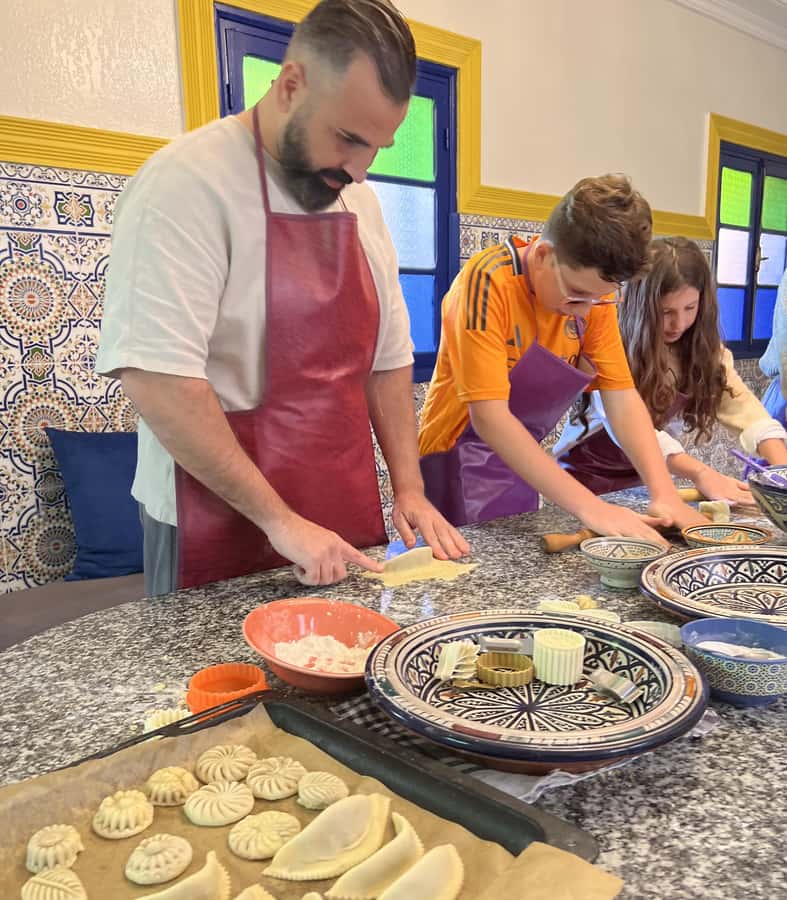
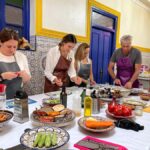
Marrakech can be loud, busy, and full of fast decisions. This cooking class is a calmer pocket of the city. You trade the back-and-forth of the souks for a real working kitchen where you get to do the work—mix, shape, and bake—then eat your results while the kitchen is still warm.
What makes it feel genuinely Moroccan is the focus: pastries that rely on technique (not just ingredients) and tea that’s part science, part ritual. You’re not just tasting something sweet. You’re learning why it tastes the way it does, and what you can repeat at home without guessing.
The class is also designed for a relaxed rhythm. You’ll spend about 150 minutes cooking, tasting, and making tea, with a small group size so you can keep up without feeling rushed.
You can also read our reviews of more tours and experiences in Marrakesh.



The 150-minute flow: pastries first, then mint tea with your own hands
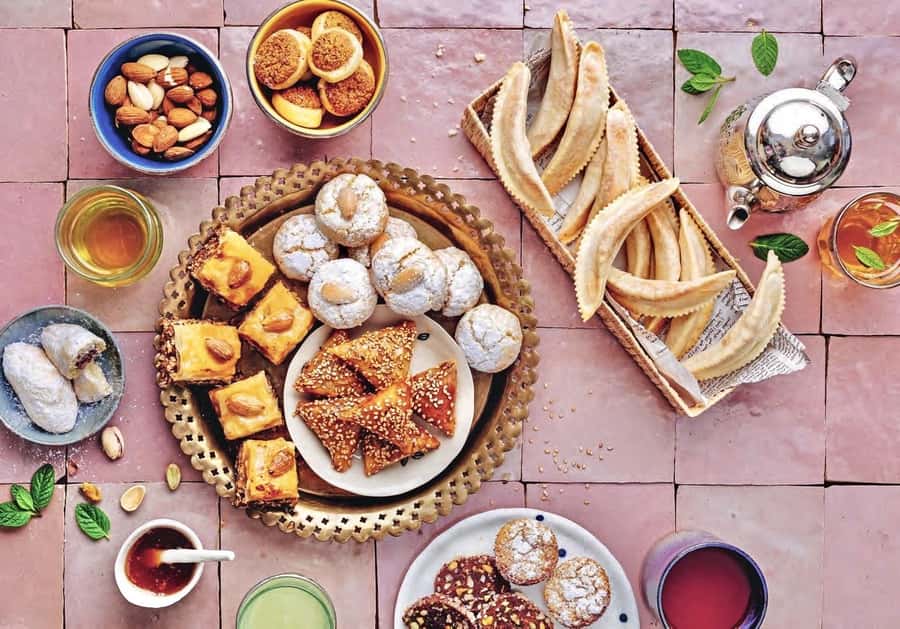
You can think of the experience as two connected parts: baking pastries and brewing Moroccan mint tea. The order matters, because the tea helps you understand the pastry flavors as you taste them—sweet, floral, spiced, and lightly crisp.
1) Getting set up and learning the pastry basics
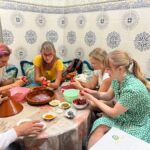
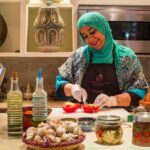
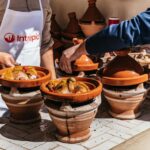
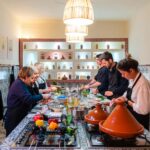
You’ll start with the pastry cooking class using the equipment provided. Since the workshop is built for small groups, you’re not sorting out tools or ingredients yourself. That matters. When you’re learning, you want your mental energy on technique, not logistics.
Then the instructor guides you through the work at each step. A common theme in feedback is how clear the teaching feels—easy to follow, with explanations that stick. If you’ve baked before, you’ll still likely appreciate the Moroccan details that make these pastries different.
2) Working on traditional pastry shapes and flavors
As you cook, you’ll likely make multiple types of biscuits and pastries. One standout set of names that show up are fekkas and Kaab el Ghazal. Even if you don’t know them yet, you’ll learn how they differ in shape and flavor profile so you can tell what you made and why.
You may also use ingredients with a strong Moroccan signature, including fennel seeds and orange blossom water. Those are flavors that don’t always show up in standard Western baking, and they’re a big reason Moroccan pastries taste so specific—warm spice, fragrant sweetness, and an aromatic finish.
3) Baking, tasting, and finishing with tea
Once your pastries are baked, you taste what you made. This is one of the most satisfying parts because you get instant feedback: crispness, sweetness level, and how the aroma changes right when it comes out.
Then you move to Moroccan mint tea. You’ll make your own, and you’ll likely get a chance to practice pouring. Tea pouring in Morocco is more than showmanship. It affects how you serve the mint aroma and how the sweetness balances with the pastry.
A few more Marrakesh tours and experiences worth a look
4) Leaving with a box of pastries
You don’t just walk out with memories. You take a box of pastries home. That’s huge value in a city where you might already be buying snacks elsewhere. Plus, it helps you avoid the classic travel problem where you eat everything at once because you don’t want it to go to waste.
Moroccan pastry technique: what you’re really learning
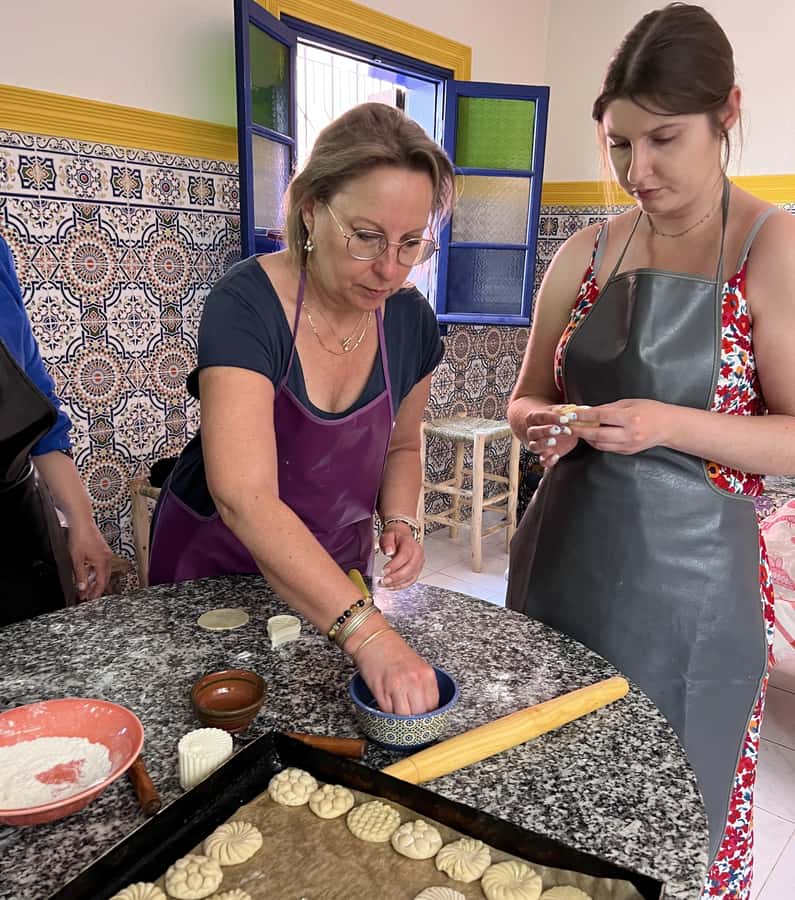
The listing makes a big promise about secrets and tricks, and the practical payoff is this: you learn how Moroccan pastries achieve their texture and flavor, not just a vague recipe card.
Precision beats guessing
Moroccan pastries can look simple, but they’re built on small timing and handling cues. In a class like this, you learn the kind of “small but precise” technique that makes the difference between a pastry that’s merely sweet and one that tastes like it came from a proper kitchen.
That matters because once you’re home, you’re not trying to recreate a tourist version. You’re trying to recreate the real thing: crisp edges, balanced sweetness, and aromatics that aren’t overpowering.
Aromatics give the pastry its Moroccan identity
If you take note of how ingredients are used—especially fragrant ones—you’ll be able to reproduce the vibe later. Ingredients like orange blossom water can be subtle or strong depending on how you measure and when you add it. Fennel seeds bring a warm, almost herbal sweetness that changes the whole pastry experience.
You don’t need to be an expert baker. You just need to understand the role each ingredient plays. That’s the kind of knowledge that actually sticks after the class ends.
You’ll see what “different” means through hands-on work
Learning from a video or a cookbook is one thing. Learning by shaping and tasting is another. When you make pastries yourself, you notice details: how dough behaves, how fillings set, and how baking turns the flavor from raw to finished.
That’s why traditional pastries feel so much more memorable after a class than after a simple food stop.
Moroccan mint tea: why this class includes it
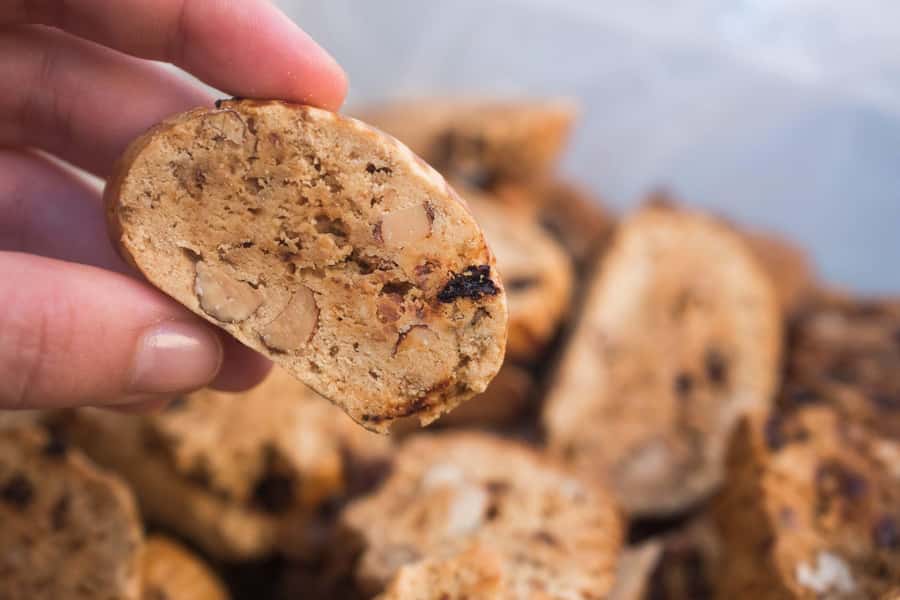
In many cooking classes, tea is a side note. Here, it’s part of the experience and it’s timed right after baking. That’s smart. Tea helps you taste your pastries in a new way—mint cuts sweetness, warmth helps aroma bloom, and the ritual makes the meal feel complete rather than rushed.
You’re not just drinking tea—you’re making it
You’ll make your own Moroccan mint tea, not just watch it being poured. And you’ll likely practice pouring style, which is fun and also gives you a feel for how Moroccan tea is served.
If you’ve ever had mint tea that tastes too strong or too flat, you’ll understand why this matters. The tea isn’t only ingredients. It’s also how you combine them and how you serve.
Tea ties everything together
Once you’ve baked pastries with aromatics like orange blossom and fennel, tea becomes the balancing act. It cools the sweetness, lifts the fragrance, and gives you a reason to slow down and taste properly—rather than rushing to the next activity.
Price and value: what $40 buys in the real world
At about $40 per person for roughly 150 minutes, this is a mid-range activity for Marrakech. The key question is whether you’re paying for entertainment, or for skill and food you can actually take home.
Here’s what you’re getting that pushes value up:
- All necessary equipment is included, so you’re not paying extra to participate
- You get a box of pastries to take home, not just a small snack
- You enjoy a tasting session that includes your own baked goods and Moroccan mint tea
- Group size is small (max 10), which often means you’re not just a spectator
A practical way to think about it: if you were buying pastries and tea on your own, you might spend a similar amount quickly—especially if you’re treating yourself more than once. This turns that spending into a skill you can use later.
Who should book this Marrakech pastry and tea workshop
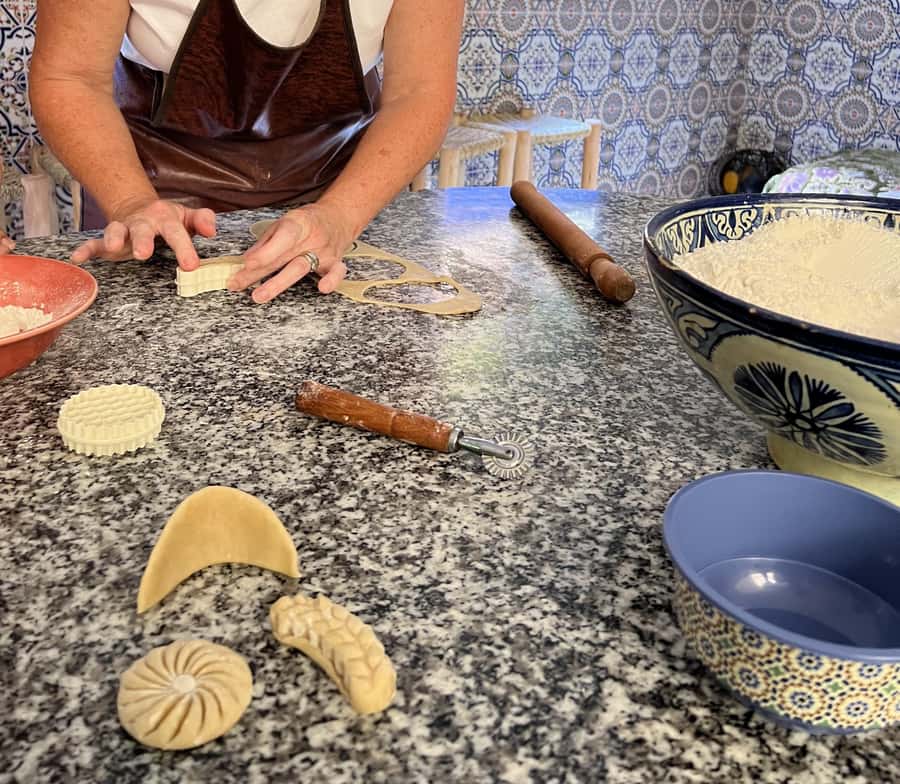
This class fits best if you want a hands-on food experience that’s still relaxed. It’s also a strong family option because the format is interactive and the tea pouring is easy to enjoy.
Great fit for
- Couples and friends who want a break from shopping and sightseeing
- Food lovers who like learning small technique details
- People who’ve never baked before but want a guided first step
- Families with older kids who can follow instructions and enjoy tasting
Consider skipping if
- You’re not comfortable cooking or you hate getting your hands involved
- You’re traveling with a very tight timeline and 150 minutes feels too long
- You’re sensitive to strongly scented ingredients like orange blossom water and want a heads-up on what will be used
Practicalities that actually matter (wear, allergies, language)
This is a cooking class, so you’ll want to show up prepared for an active session.
What to bring and wear
Bring water and wear comfortable clothes you can move in. You’ll be in a working kitchen environment, so comfort beats style.
Allergy info needs to be shared in advance
If you have allergies, you need to provide that information ahead of time. That’s not optional in a class where ingredients and aromatic additives can be central to the pastry style.
Languages and instructor support
The instructor supports Arabic, French, and English, which makes the experience easier to navigate if your language skills are in any of those lanes. Clear teaching is a recurring theme in feedback, and it’s usually easier when you can ask questions in your preferred language.
Small group feel
Because the group is limited to 10 people, you’ll generally have enough time to get unstuck. If your group ends up smaller than expected, you might even get more one-on-one help than you’d assume.
Kids and age notes
The class isn’t suitable for children under 4. Participants under 18 must be accompanied by an adult.
Getting the most out of the class (without overthinking it)
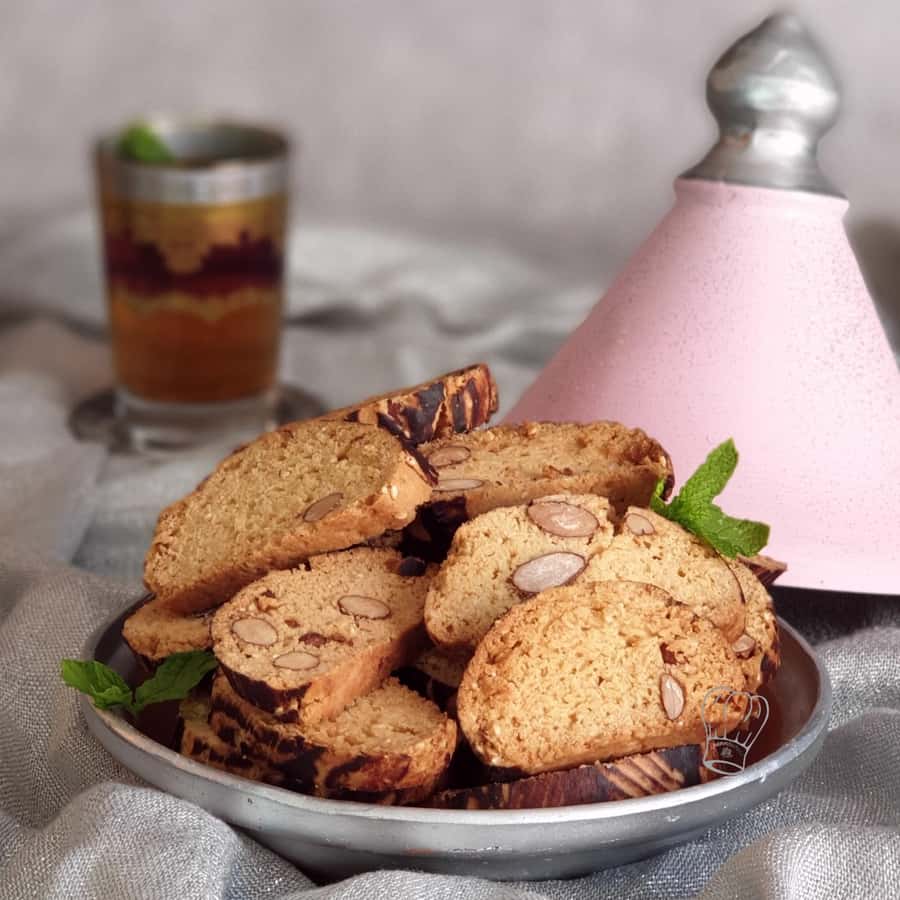
You’ll enjoy this more if you treat it like a skill-building session, not just a snack stop.
Here are a few habits that help:
- Ask for recipes or written details at the end if you want them. Some people find it helpful to request what they need before you pack up.
- Taste slowly during the session so you can identify flavors like fennel and orange blossom water.
- Pay attention to how the tea is made and served, because that’s part of the final Moroccan experience—not just a drink.
Also, this is the kind of activity that can create an easy souvenir that’s not plastic and not generic: the pastries you made, plus the knowledge you carry home.
Should you book Khmisa Workshops in Marrakech?
If you like the idea of Marrakech food but want more than a quick taste, I think this is worth booking. The combination of hands-on pastry making, a guided mint tea session, and a take-home box makes it feel like a complete experience rather than a half-hour diversion.
Book it if:
- You want a practical way to learn Moroccan flavors
- You enjoy cooking with guidance
- You like the idea of eating your way through the results during the class
Maybe skip it if:
- You’re expecting a food tour through multiple sites (this is a single workshop experience)
- You’d rather browse and buy pastries than make them
- You have allergy concerns and haven’t had a chance to share them in advance
If you’re aiming for one memorable food moment in Marrakech that’s both calming and genuinely interactive, this pastry and tea class is one of the smarter bets.
FAQ
How long is the Moroccan pastry and mint tea class in Marrakech?
The experience runs for about 150 minutes.
What is included in the price?
You’ll get the Moroccan pastry cooking class, all necessary equipment, a tasting session with Moroccan mint tea, and a box of pastries to take home.
What is the meeting point like?
The exact location of the workshop is sent to you before your experience date.
What languages are spoken during the class?
The instructor can teach in Arabic, French, and English.
What should I bring for the workshop?
Bring water, and wear comfortable clothes suitable for cooking.
Are there any age limits?
The activity isn’t suitable for children under 4 years old. Participants under 18 must be accompanied by an adult.