REVIEW · MARRAKESH
Marrakech Private Medina Tour: Bahia Palace & Ben Youssef
Book on GetYourGuide →Operated by Intrepid Urban Adventures - Europe · Bookable on GetYourGuide
Four hours, and the medina makes sense. I like that the route ties together Bahia Palace and Medersa Ben Youssef with hands-on stops like a communal bakery and a hammam furnace demonstration, so the story of Marrakech isn’t just walls and doors. The private local guide also helps you move through the souks without wasting time getting turned around.
My favorite part is the food window: warm bread from a farran bakery and the way tanjia is cooked slowly in clay pots using residual heat. One drawback to plan for: the medina is crowded and you do a lot of walking, so you’ll want solid shoes and a calm attitude about narrow lanes.
In This Review
- Key points at a glance
- Bahia Palace to Ben Youssef: What This Tour Actually Gives You
- Meeting at Café France: How to Avoid the Fake-Guide Trap
- Souks and Jemaa el‑Fna: The Route Makes Sense of the Noise
- Bahia Palace: Courtyards, Riads, and the Art of Showing Off
- Farran Communal Bakery: Bread as a Neighborhood Ritual
- Hammam Furnace and Tanjia: The Slow-Cook Logic
- Medersa Ben Youssef: Saadian Design That Rewards Patience
- Private Guide Benefits: Getting Help, Not Just Direction
- Price and Time: Is $176 Worth It for a 4-Hour Day?
- Smart Tips Before You Go (So You Enjoy It)
- Should You Book This Marrakech Private Medina Tour?
- FAQ
- Where do I meet the guide for this tour?
- Which major sights are included?
- Is the bread tasting included?
- How does the tanjia stop work?
- Is the tour private?
- How long is the tour?
- What language is the guide?
- Is the tour environmentally responsible?
- Is Jemaa el‑Fna part of the tour?
- Is it suitable for children?
Key points at a glance
- Bahia Palace entry included so you can focus on the courtyards and details instead of ticket logistics
- Farran communal bakery bread tasting lets you see how families bring dough to be baked
- Tanjia at a hammam furnace explains the slow-cook method using residual heat
- Medersa Ben Youssef with Saadian-era decoration: stucco, zellige, and carved cedar
- Private, licensed local guide in English with a pace you can actually handle
- Jemaa el‑Fna is part of the experience, not just a photo stop, and it’s UNESCO Intangible Cultural Heritage
Bahia Palace to Ben Youssef: What This Tour Actually Gives You
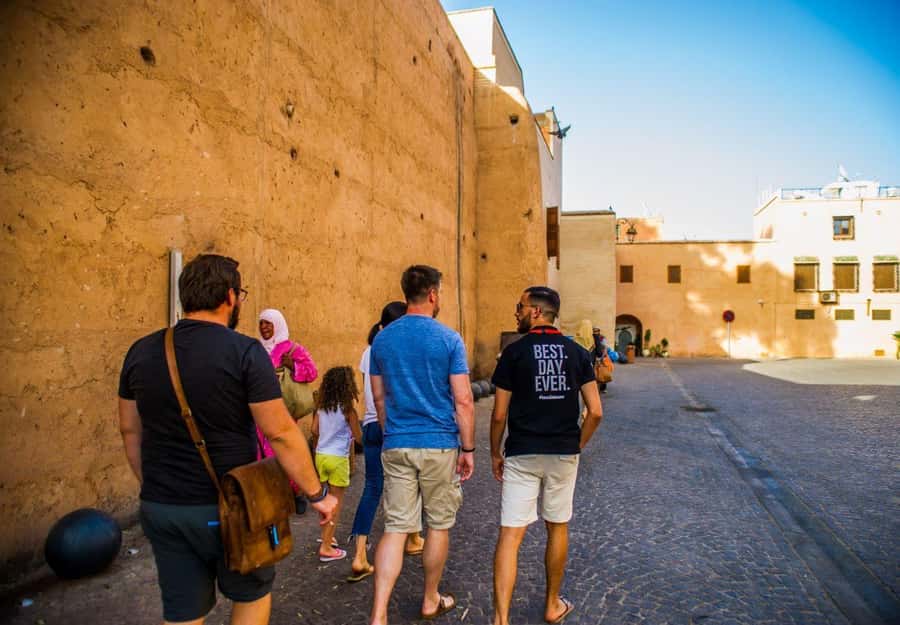
This is the kind of Marrakech day that helps you understand the medina, not just check off attractions. You start at Jemaa el‑Fna, then work inward through the souks toward the places where architecture and daily life overlap. By the time you reach Medersa Ben Youssef, you’re already seeing how design, community spaces, and tradition connect.
I like that the tour doesn’t treat food as an optional add-on. Instead, bread and tanjia show you how Moroccan cooking depends on timing, heat, and neighborhood routines. That makes the palaces feel more human. The marble and mosaics become part of the same living culture, not something separate.
There’s also real value in pairing Bahia Palace with Ben Youssef in one guided flow. Bahia Palace is all about family spaces, reception areas, and layered craftsmanship. Ben Youssef shifts you to education and Saadian-era decoration, including the kind of stucco work and zellige patterns that reward close attention.
You can also read our reviews of more private tours in Marrakesh


Meeting at Café France: How to Avoid the Fake-Guide Trap
Your meeting point is very specific: the front of Café France in Jemaa el‑Fna (Place Jemaa el Fna, Rue des Banques). Walk into the square through the main entrance and look for a three-story café on the right.
Here’s the practical bit that matters: the square can be full of unofficial people trying to direct you. The correct guide should be waiting for you holding an Urban Adventure sign or badge.
I suggest arriving a few minutes early so you can settle your bearings and spot your guide without stress. If you’re traveling solo, this is even more important, because you want the first five minutes to feel easy, not chaotic.
Souks and Jemaa el‑Fna: The Route Makes Sense of the Noise
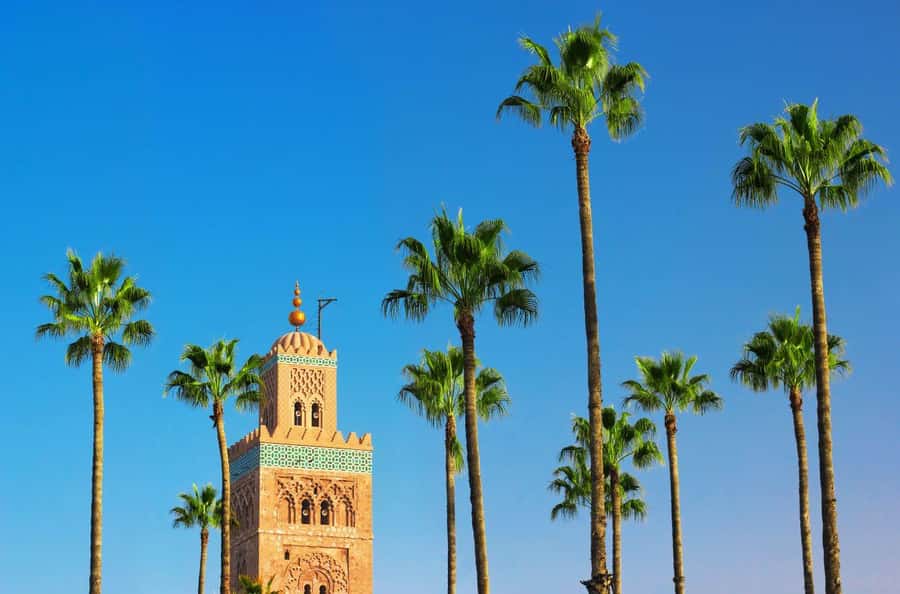
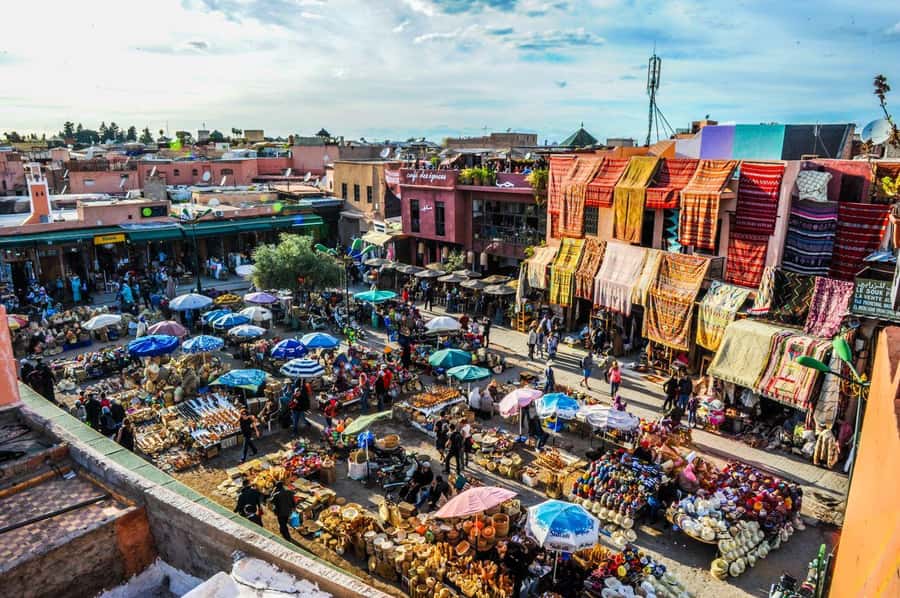
You begin with a short briefing at the square, then head into the souks. This matters because the medina can feel like a maze. With a licensed local guide leading the way, you get a clearer sense of where you are and why you’re going there, instead of drifting from shop to shop.
Along the route, you’ll stroll spice lanes and pass artisan workshops. Even if you don’t plan to buy anything, this is where you start to notice patterns: how lanes form around trades, how goods are displayed, and how the city’s layout supports everyday commerce.
Jemaa el‑Fna also deserves more than a quick walk-through. It’s recognized by UNESCO as Intangible Cultural Heritage, which is a fancy way of saying the place is about ongoing traditions and public culture. Ending the tour back here helps you reconnect the day’s quieter streets with the square’s energy.
Bahia Palace: Courtyards, Riads, and the Art of Showing Off
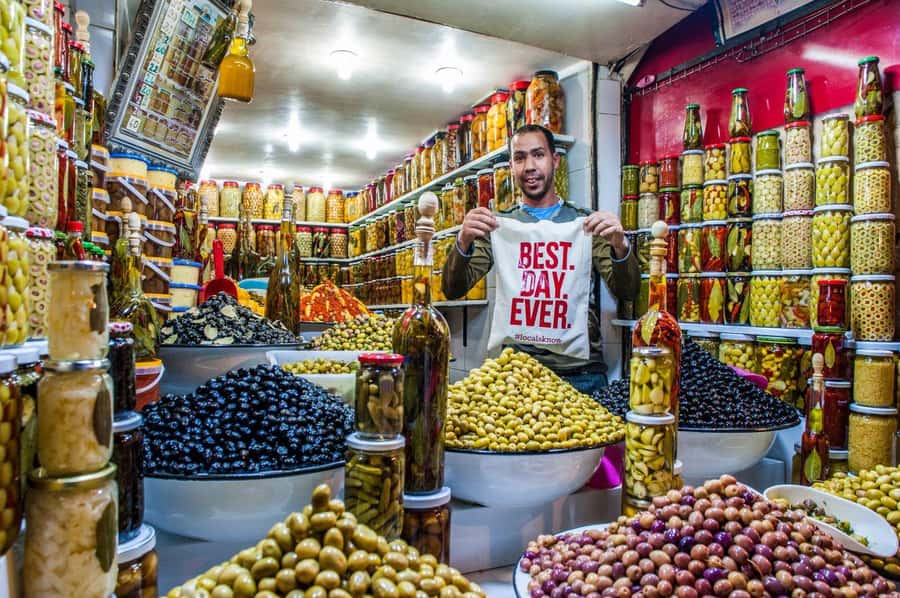
At Bahia Palace, entrance is included, which is a big win because it keeps your time focused. This stop is built around architecture you can actually walk through: courtyards and riads, mosaics, and reception halls that show off the Saadian-era taste for decorative detail.
What you should look for while you’re inside is how the palace is organized for movement. Courtyards create rhythm. Reception halls are about staging visitors. Mosaics and ornamentation aren’t random; they guide your attention as you go deeper.
A guided visit also helps you understand what you’re seeing. You’ll get explanations that connect the design choices to the way the palace functioned, rather than just naming materials. If you care about photography, ask your guide for photo timing and angles while you’re there—some guides are known for pointing out good spots and making picture-taking easier.
The only real caution is not to overbook the rest of your day afterward. Bahia Palace takes enough time that you don’t want to run on fumes, especially if you’re already used to long walking days.
Farran Communal Bakery: Bread as a Neighborhood Ritual
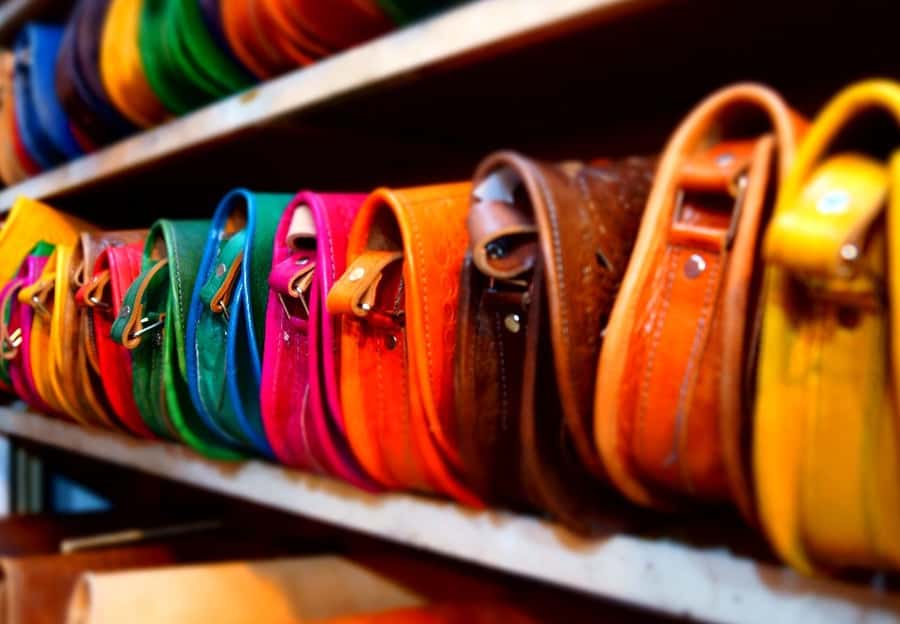
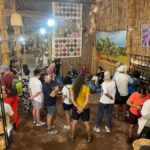
One of the most memorable parts is the stop at a traditional communal bakery (farran). You get to see how families bring dough to be baked, which turns bread from a supermarket product into something you can picture and understand.
And yes, you get to taste. Warm bread straight from the oven is part of the experience, not a souvenir moment. When you’re eating, you’ll have a clearer sense of why the place smells the way it does and why the timing matters.
This stop also adds a grounded pause in the day. After palaces and decorative spaces, it’s a human-scale moment: real work, real heat, and people focused on feeding the neighborhood. If you’re the type who likes to eat thoughtfully while you travel, this will hit the sweet spot.




Hammam Furnace and Tanjia: The Slow-Cook Logic
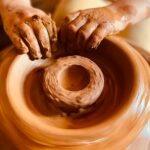
A few minutes away, you’ll stop at a neighborhood hammam furnace and learn how tanjia is slow-cooked in clay pots using residual heat. This is not the kind of cooking explanation you get from a cookbook.
What makes this stop useful is the method. Even if you’ve tried Moroccan stews before, tanjia’s slow-cook approach changes how you think about flavor development. Clay pots hold heat differently. Residual heat gives you that gentle, steady cooking that turns tough ingredients into something tender.
It’s also a cultural bridge. A hammam furnace isn’t just a kitchen trick; it’s part of how neighborhood life works, where heat is repurposed and traditions keep moving. Expect the guide to connect the food to the broader routine of the area.
Medersa Ben Youssef: Saadian Design That Rewards Patience
The final major attraction is Medersa Ben Youssef, one of the most famous religious schools in Marrakech. Entrance is included, and this stop is built around the Saadian-era design that still stands out today.
Here’s what to focus on:
- Stucco details that show careful, layered decorative work
- Zellige tile patterns, the kind that reward slow looking
- Carved cedar elements, where the woodwork feels detailed and intentional
You’ll also hear how up to 800 students once lived and studied there. That scale helps you imagine the space not as a monument, but as a functioning place of learning.
One thing I appreciate about finishing your palace-and-school day here is how the decorations change your mindset. Bahia Palace sets a stage for reception and family spaces. Ben Youssef shifts you to study and community life. By the end, the medina feels less like separate sights and more like one continuing story.
Private Guide Benefits: Getting Help, Not Just Direction
This is a private tour led by a licensed local guide in English. That format matters more than it sounds. In a place like the medina, you don’t just need directions; you need context.
Good guides do three things well:
- They help you move fast through confusing areas
- They explain what you’re seeing in plain language
- They keep the pace realistic so you’re not gasping through the best parts
I’ve found that when the guide is strong, the medina stops feel less stressful. You’re not guessing where to stand, when to move on, or what detail is worth your attention. Some guides, including names like Sarah and Mustafa, have been noted for being friendly, animated, and ready with photo help and spot recommendations.
Because it’s private, you can also ask questions. If you’re curious about history, daily life, or how Marrakech works, this is the time to ask without feeling like you’re holding up a big group.
Price and Time: Is $176 Worth It for a 4-Hour Day?
At $176 per person for about 4 hours, the value mostly comes from what’s included. Entrance fees to Bahia Palace and Medersa Ben Youssef are covered. You also get guided walking through souks and Jemaa el‑Fna, plus two food-and-culture stops: farran bread tasting and the tanjia cooking demonstration at a hammam furnace.
If you were to do this on your own, you’d spend time figuring out tickets, finding the bakery stop, and coordinating a meaningful explanation for what you’re looking at inside palaces and the medersa. Paying for a licensed local guide helps you convert confusion into understanding quickly.
The one cost to plan for: additional food and drink aren’t included. The tour already includes tasting bread, so you won’t leave empty-handed, but you might still want water or a light supplement depending on your day and appetite.
The route also takes enough time to feel like a real experience, not a rushed checklist. Four hours can still be a workout in the medina, so it’s a good length if you want something substantial on your first or second day without burning your whole vacation schedule.
Smart Tips Before You Go (So You Enjoy It)
The medina rewards the prepared.
- Wear comfortable walking shoes. Stone floors and narrow lanes are part of the deal.
- Bring a light layer. Marrakech can feel warmer than you expect depending on the season and time of day.
- Plan to drink water. You’ll be out in the square and lanes where shade can be limited.
- Use the guide’s lead. The square can tempt you with side offers and unofficial directions. Stick with the guide you’re meeting at Café France.
- If you care about photos, ask where to stand. A good guide will often help with angles and timing so your pictures match what you experienced.
Finally, if you’re thinking about this as a first-day orientation, it’s a strong choice. You’ll get a sense of how the medina is laid out and what to prioritize afterward.
Should You Book This Marrakech Private Medina Tour?
I’d book it if you want a 4-hour medina experience that mixes top architecture with real-food culture. The combination of Bahia Palace, Ben Youssef, a communal bakery bread tasting, and a tanjia cooking stop gives you more variety than the usual single-attraction walking tour.
Skip it only if you want a laid-back stroll with minimal walking. This route moves through active areas, and the medina experience is best when you’re ready for crowds, narrow streets, and lots of on-foot time.
Also consider booking if you care about getting explanations in English from a licensed guide. In this part of Morocco, the difference between wandering and being guided is huge.
FAQ
Where do I meet the guide for this tour?
Meet your guide in front of Café France in Djemaa el‑Fna (Place Jemaa el Fna, Rue des Banques). The guide should be holding an Urban Adventure sign or badge.
Which major sights are included?
The tour includes entry to Bahia Palace and Medersa Ben Youssef, plus a guided walk through souks and Jemaa el‑Fna.
Is the bread tasting included?
Yes. You’ll visit a communal bakery (farran) and taste warm bread.
How does the tanjia stop work?
You’ll stop at a neighborhood hammam furnace to learn how tanjia is slow-cooked in clay pots using residual heat.
Is the tour private?
Yes. It’s listed as a private group tour with a private experience from start to finish.
How long is the tour?
The duration is 4 hours.
What language is the guide?
The live tour guide is English.
Is the tour environmentally responsible?
The tour is described as carbon neutral and operated by a B Corp–certified company committed to using travel as a force for good.
Is Jemaa el‑Fna part of the tour?
Yes. Jemaa el‑Fna Square is included, and it’s recognized by UNESCO as Intangible Cultural Heritage.
Is it suitable for children?
It’s described as child-friendly, and children under 6 years old may join free of charge.