REVIEW · MARRAKESH
Marrakech: Atlas Mountains Cooking Class with Berber Family
Book on GetYourGuide →Operated by Atlas Mountains Day Trips from Marrakech · Bookable on GetYourGuide
One drive outside Marrakech and you feel it change. This Berber cooking class in the High Atlas pairs market shopping with a real family kitchen and 3-course lunch.
I love how the day is built around people, not props. I also like that you get hands-on cooking with guidance from the family matriarch, often someone like Yemna or Aunt Yamina. One thing to consider: the schedule can run long, so you’ll want to plan extra time before dinner plans.
In This Review
- Quick take: what makes this day trip worth it
- Key points I think you’ll care about
- Marrakech to the High Atlas: the scenic reset you’re really buying
- Market shopping and women’s cooperatives: where the flavors begin
- The family kitchen experience with guides like Badr or Ibrahim
- What you’ll do (in real terms)
- Expect cozy, not staged
- The 3-course lunch: tagine, couscous, and wood-oven bread
- Dietary needs: plan, don’t panic
- Timing, comfort, and the uphill walk to the house
- Price and group size: what $54 buys you in real life
- Who should book this Atlas cooking class, and who should skip it
- What to pack so the day feels easy
- Should you book this Marrakech-to-Atlas Berber cooking class?
- FAQ
- How long is the Atlas Mountains cooking class?
- Is hotel pickup and drop-off included?
- How many people are in the group?
- What languages does the guide speak?
- What’s included besides the cooking?
- Do you shop for ingredients?
- What do you cook and eat for lunch?
- Is the tour wheelchair-accessible?
- What should I bring, and are pets allowed?
- Is free cancellation available?
Quick take: what makes this day trip worth it
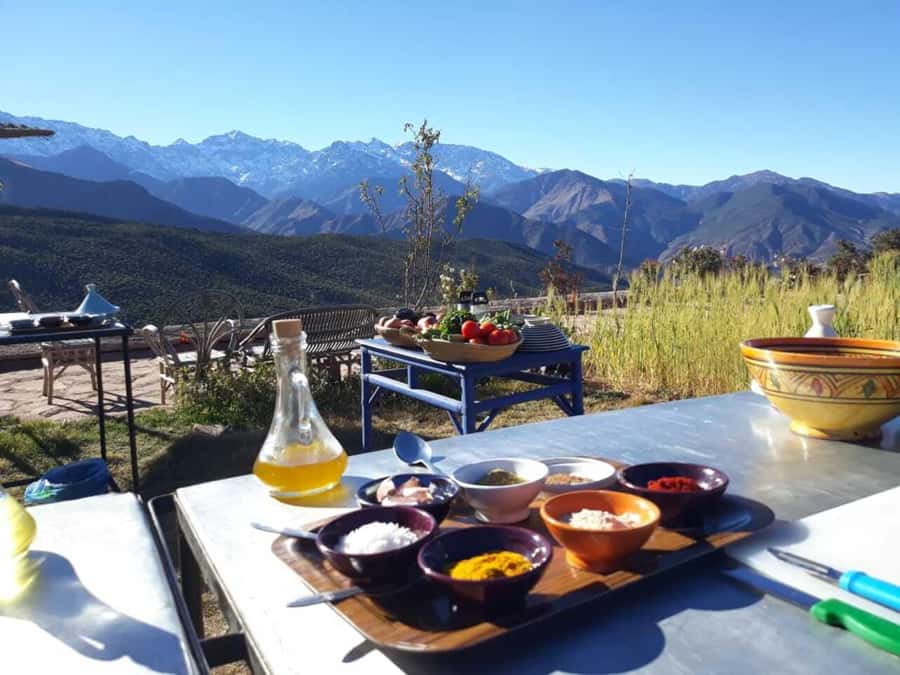
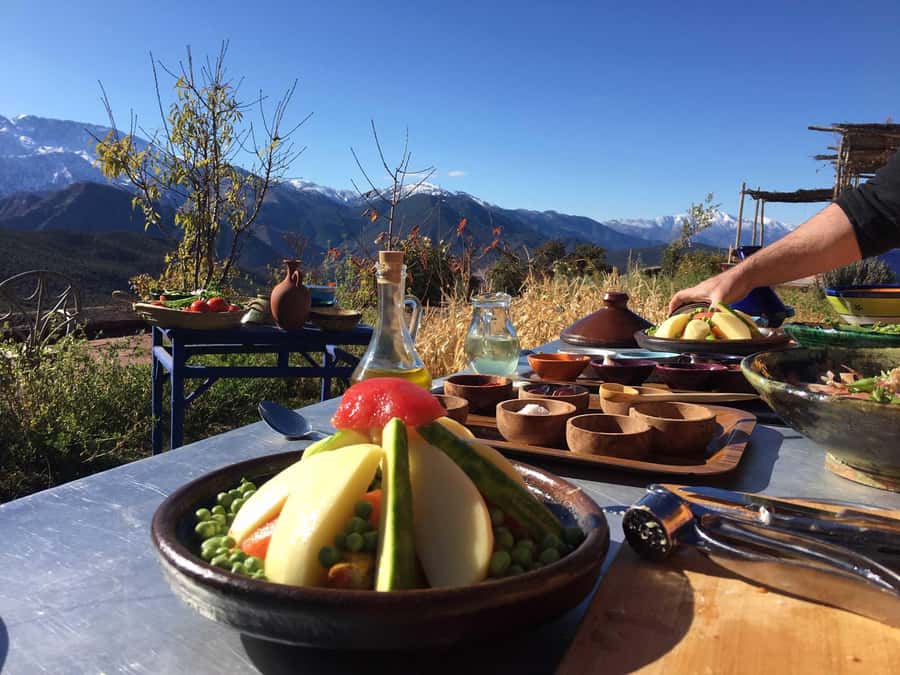
This is the kind of Marrakech escape where the best part isn’t the ticket. It’s the slow, practical rhythm of choosing ingredients, learning techniques, and eating what you made with a Berber family in the mountains. Expect tagine, couscous, and bread in a home setting, plus mountain views that make the drive feel like part of the meal.
A possible drawback is physical effort. There’s typically a short uphill walk to the house (often with steps), and the day may stretch closer to 9 hours depending on the group and lunch timing.
Key points I think you’ll care about
- Small group (up to 10) means more time talking and cooking, not just watching
- Ingredient shopping first helps you understand what goes into Berber staples
- You cook in the family home with a mother/grandmother-style instructor (often called Mama or Aunty)
- 3-course lunch usually includes tagine and couscous, plus wood-oven bread
- The Atlas drive includes Berber villages and big mountain views to reset your brain
- Lunch can land in the early afternoon, so plan around it
You can also read our reviews of more cooking classes in Marrakesh
Marrakech to the High Atlas: the scenic reset you’re really buying
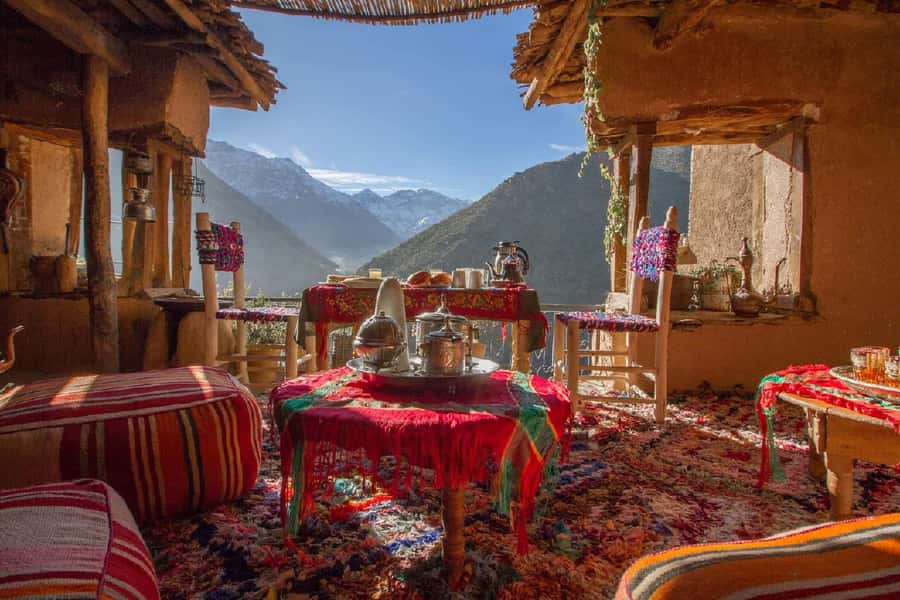
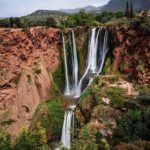
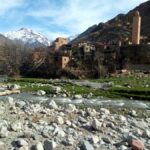
Your day starts with pickup from your hotel in Marrakech in an air-conditioned vehicle. Then you roll out past Berber villages and into the High Atlas countryside, where the air cools and everything slows down a notch. It’s a long enough ride to feel like an actual outing, but comfortable enough that you’re not destroyed before cooking starts.
I like that the trip is designed around contrast: city chaos on one side, mountain calm on the other. On the way, you get regular glimpses of village life and the geography shaping daily routines—very different from the Marrakech medina experience.
One practical note: some days can feel hot on the return ride even with air-conditioning. Bring water (it’s included) and a light plan for comfort: sun hat for the ride out, and a warm layer once you’re higher up.
Market shopping and women’s cooperatives: where the flavors begin
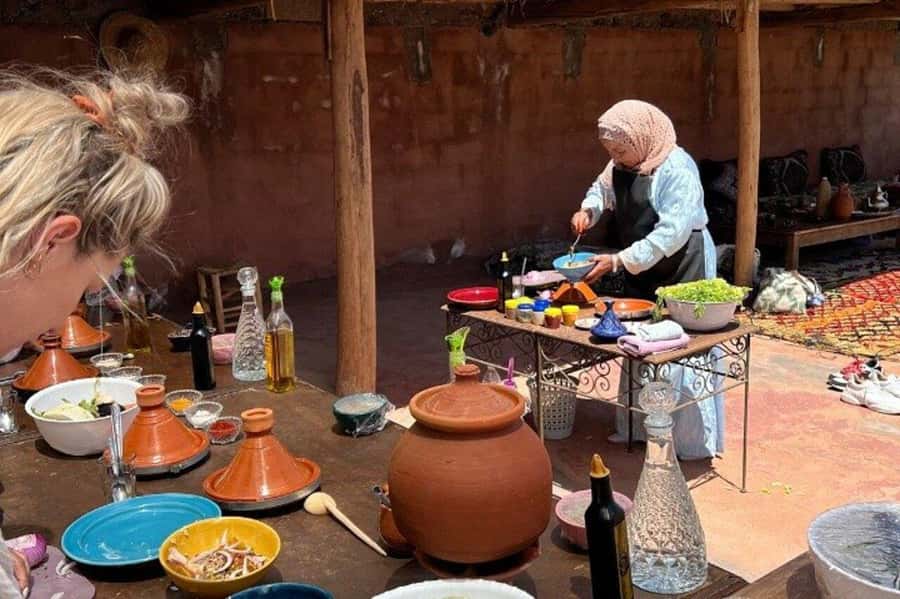
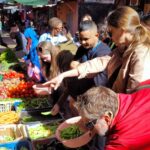
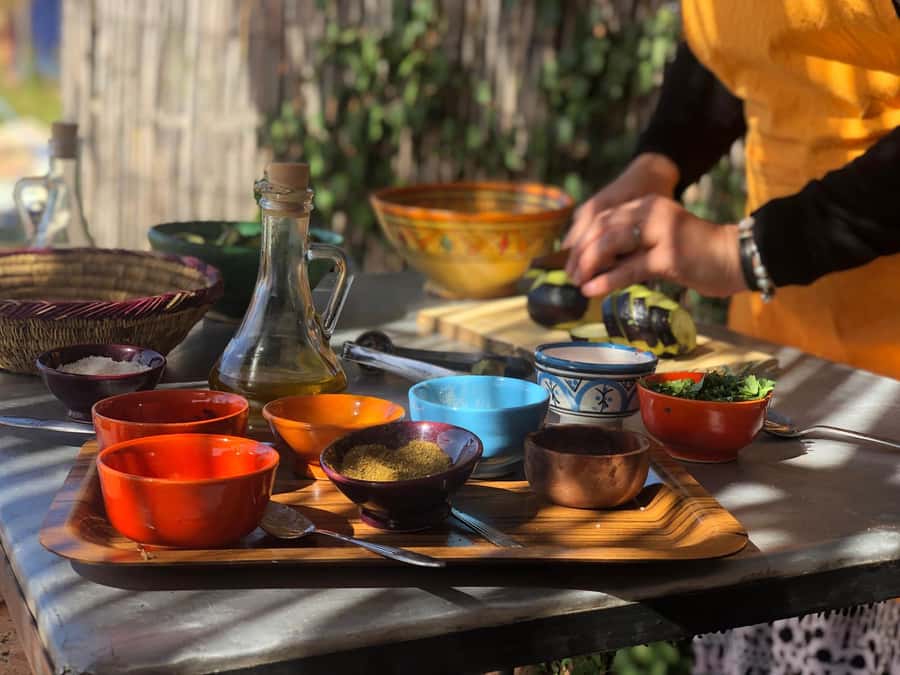
Before you touch a cooking spoon, you shop for ingredients. You’ll stop at a local market where you select vegetables and other essentials for your dishes. I like this part because it teaches you what Moroccan cooking assumes you’ll use: fresh herbs, seasonal produce, and the spices that make everything taste connected.
You may also meet women at a cooperative in the Imlil Valley or Ourika Valley region. This adds context beyond the kitchen—how food and community work together in rural areas. Even if your main goal is cooking, these small stops make the day feel grounded.
If you’re planning to take photos, do it during the market portion. That’s where you’ll get clear, real details: piles of vegetables, everyday tools, and the kind of ingredient choices that make a difference later in the tagine and couscous.
The family kitchen experience with guides like Badr or Ibrahim
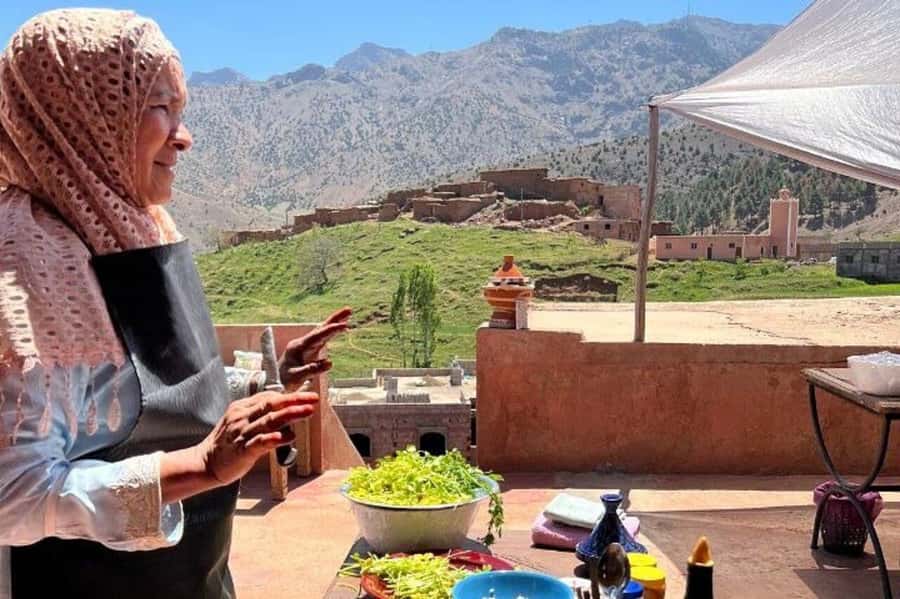
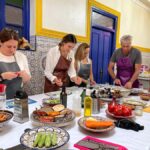
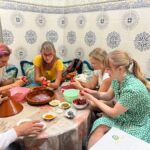
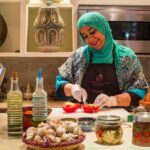
The heart of this tour is the family cooking session in a Berber household. Your live guide (often English or French, depending on the group) stays with you through the day and helps translate so you can actually follow what Mama is doing—not just smile at the process.
Depending on your day, you might connect with guides such as Badr, Ibrahim, Ismail, or Abraham—names that show up in past groups’ experiences. Whoever you get, the tone tends to be friendly and human. You’re not treated like you’re on a factory line; you’re treated like someone they invited for the day.
What you’ll do (in real terms)
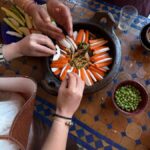
You’ll join the family in preparing the dishes step by step. Many groups cook:
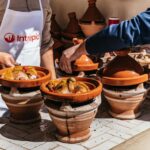
- A tagine (often chicken tagine in the examples guests describe)
- Vegetable couscous
- Traditional bread, frequently baked in a wood-oven
Some days also include quick lessons on herbs and plants around the property. It’s not a lecture. It’s more like learning the “why” behind common choices—what’s used, when it’s added, and how order matters.
A few more Marrakesh tours and experiences worth a look
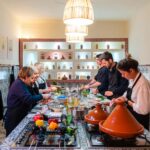
Expect cozy, not staged
Homes like these are warm and lived-in. Some visitors even mention cats around the property, which sounds like a bonus until you remember you’re walking around someone’s daily world, not a museum set.
The 3-course lunch: tagine, couscous, and wood-oven bread
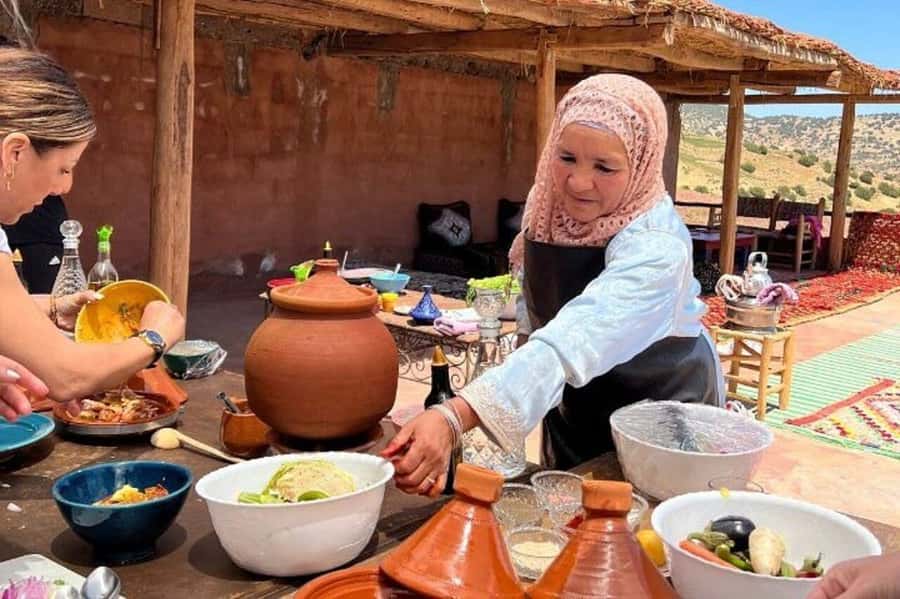
Lunch is built around what you helped make, which changes how it tastes. It’s not just delicious food; it’s food you understand. And that’s the real takeaway you can bring home later.
A typical meal structure includes three courses, with plenty to eat. Guests commonly describe:
- Tagine as a central dish
- Couscous alongside it
- Bread baked on-site and served warm
Timing matters here. Even though the trip is listed as 7 hours, many people find lunch lands around 2:30 to 4:00 pm, and the whole day can run closer to 9 hours. If you’ve got evening plans, I’d schedule something flexible or pick a dinner reservation later than you think you need.
Also, the meal is often plentiful. One reason is simple: in this kind of setting, cooking isn’t just a demonstration—it’s hospitality. So don’t show up hungry and then try to “power through.” Bring a solid breakfast.
Dietary needs: plan, don’t panic
Some guests report accommodations for specific diets, including gluten-free adjustments and handling a nut allergy. That’s a good sign, but you should still flag dietary restrictions when you book so the family can plan safely.
Timing, comfort, and the uphill walk to the house
One detail that matters for comfort: getting to the cooking spot can involve a short uphill walk with narrow paths and steps. Reviews describe anything from about 5–7 minutes to 10–15 minutes uphill, depending on the route and where the house sits.
For you, that means two things:
- Wear comfortable shoes with grip.
- Bring layers. Even in Morocco, the Atlas air can shift fast, especially in cooler months, and you’ll spend time outside during the drive and walking portions.
This is also why the tour isn’t suitable for wheelchair users or people with mobility impairments. The included experience depends on that walk and steps.
If you get car sickness easily, the winding mountain roads can be a factor. A light remedy and a window-seat-style mindset help, and you’ll be glad you brought what works for you.
Price and group size: what $54 buys you in real life
At $54 per person, this isn’t a cheap “nice afternoon” in Marrakech. But it’s also not priced like a formal restaurant tour where you watch while someone else works.
You’re paying for:
- Hotel pickup and drop-off
- Air-conditioned transport
- A local guide in English or French
- Cooking instruction inside a Berber home
- Ingredient shopping stops
- Coffee/tea, bottled water, and a 3-course lunch
- A group that stays small (up to 10 people)
The small group size is a real value point. With fewer people, you ask more questions, you cook more steps yourself, and you get actual conversation instead of hovering at the edge of a group photo.
Is it “worth it” if you just want food? For most people, yes—because you’re not only eating, you’re learning techniques that match how tagine, couscous, and bread are made in a home setting. And the mountain setting adds meaning: you escape the city and spend the day with a family rhythm.
Who should book this Atlas cooking class, and who should skip it
This tour is ideal if you want:
- Hands-on cooking, not passive sightseeing
- A day outside Marrakech with mountain views and village life
- Cultural context focused on everyday life and food
- A small group experience with a family host, often led by someone called Mama or Aunty
It’s less ideal if you:
- Need wheelchair access or step-free routes
- Have limited mobility and can’t do an uphill walk on uneven paths
- Have strict dinner plans at a fixed time, because lunch can push late
If your goal is a calm, meaningful cultural day that connects food to place, this one fits well.
What to pack so the day feels easy
You’ll be glad you packed smart, especially for the mountain part. Bring:
- Comfortable shoes
- Warm clothing (even if Marrakech is hot, it can feel colder higher up)
- Sun hat
- Camera
- Water (you get bottled water, but having some extra doesn’t hurt)
Also consider a light wind layer. Several guests mention wind on the route, and in cooler seasons that can matter once you’re outside longer.
Should you book this Marrakech-to-Atlas Berber cooking class?
Book it if you want a real “day with locals” that centers on cooking and eating in a family home. The price makes sense when you add up transport, guide time, market stops, instruction, and a proper 3-course lunch. Most importantly, the small-group setup keeps the experience personal and interactive.
Skip it if mobility is a concern or if you need guaranteed timing for dinner that same night. For everyone else, it’s one of the better ways to spend a day in the Atlas: you leave with both full plates and better understanding of how Moroccan Berber dishes are put together.
FAQ
How long is the Atlas Mountains cooking class?
The duration is listed as 7 hours. Some days run longer in practice because lunch can land between about 2:30 pm and 4:00 pm.
Is hotel pickup and drop-off included?
Yes. Pickup and drop-off in Marrakech are included. If you’re staying in a riad inside the Medina, pickup is arranged from the nearest accessible point by car.
How many people are in the group?
It’s a small group limited to 10 participants.
What languages does the guide speak?
The live tour guide speaks French and English.
What’s included besides the cooking?
Hotel pickup/drop-off, an air-conditioned vehicle, the cooking class in a Berber family house, coffee and/or tea, lunch, a local guide, and bottled water.
Do you shop for ingredients?
Yes. The day includes shopping for ingredients at a local market before cooking.
What do you cook and eat for lunch?
You’ll cook a traditional Moroccan/Berber dish in the family home, and the lunch is described as a 3-course meal. Common dishes mentioned include tagine, couscous, and traditional bread.
Is the tour wheelchair-accessible?
No. It isn’t suitable for wheelchair users or people with mobility impairments.
What should I bring, and are pets allowed?
Bring comfortable shoes, warm clothing, a sun hat, a camera, and water. Pets are not allowed.
Is free cancellation available?
Yes. You can cancel up to 24 hours in advance for a full refund.