REVIEW · MARRAKESH
Marrakech: Moroccan Cooking Class with Market Visit and Meal
Book on GetYourGuide →Operated by Flavors of Marrakesh · Bookable on GetYourGuide
Souks in, tajines out. This 4-hour class in the Marrakech Medina blends a market trip with a hands-on cooking session for a real feel of how Moroccan meals come together. I especially like the small group size (max 10), because you actually get time to chop, season, and ask questions instead of watching from the sidelines.
The other big win for me is the way the chefs teach technique and culture at the same time, with guides like Kaoutar (Cookie) and Leyla showing you what to look for and why it matters. One consideration: transportation isn’t included, so you’ll want to plan how you’ll get to the meeting point in the center of town.
In This Review
- Key Highlights I’d Prioritize
- Market Visit First: Why the Souk Part Matters
- Inside Flavors of Marrakesh: Kitchen Setup and Group Size
- What You’ll Cook: Tajines, Starters, and Almond Filo Dessert
- Tajines you’re likely to make
- Starters and salads
- The dessert piece: almond filo
- Spices you’ll work with
- Your Guides: Culture Lessons That Actually Connect to Cooking
- Timing and Sessions: Morning Lunch vs Evening Dinner
- Price and Value: Is $57 Worth It?
- How to Prepare: What to Bring and How to Make It Easier
- Who This Cooking Class Is Best For
- Should You Book Flavors of Marrakesh Cooking Class?
- FAQ
- How long is the Moroccan cooking class?
- Is there a market visit included?
- What time are the morning and evening options?
- What’s included in the price?
- How many people are in the group?
- What languages does the tour guide speak?
- Where is the meeting point?
- Will I get recipes to take home?
- Is free cancellation available?
Key Highlights I’d Prioritize
- Market shopping for your ingredients (morning session only) so you cook what you picked
- Tajines, starters, salad, and dessert built into one full meal plan
- Chefs who explain spices and food traditions, including practical notes you can reuse later
- Recipe PDF sent by email so you can repeat the menu at home
- Small group feel with active coaching and plenty of hands-on time
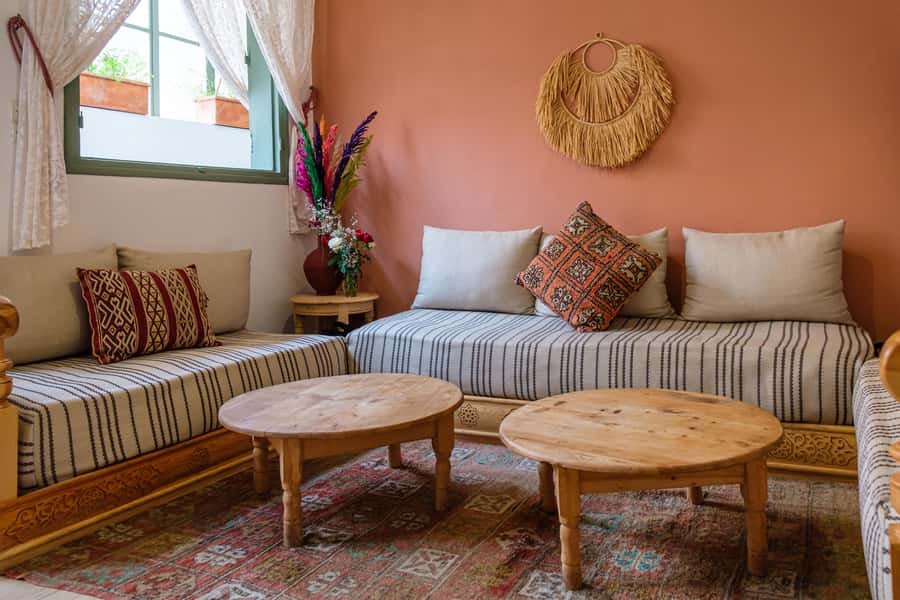
- A sit-down meal in a cozy salon with coffee, tea, and bottled water included
Market Visit First: Why the Souk Part Matters
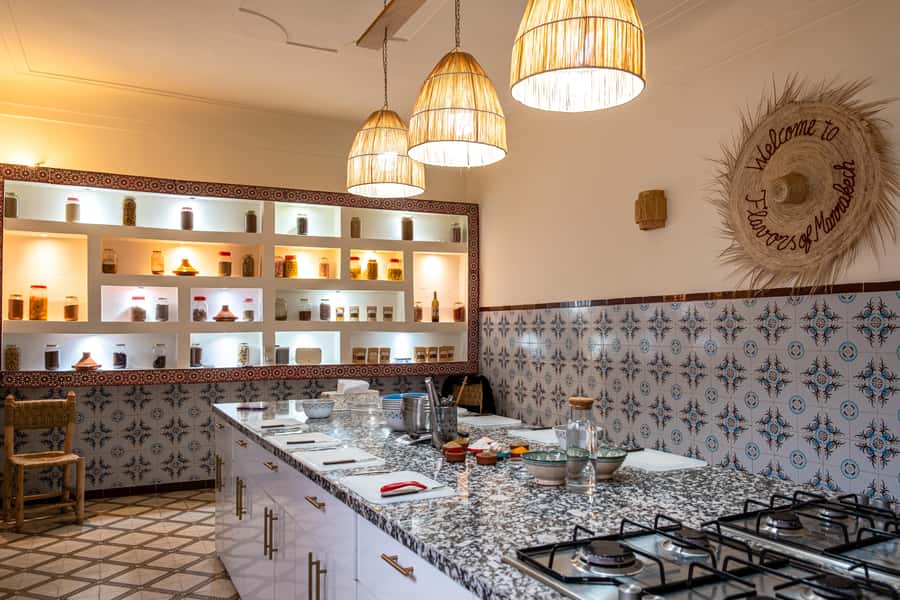
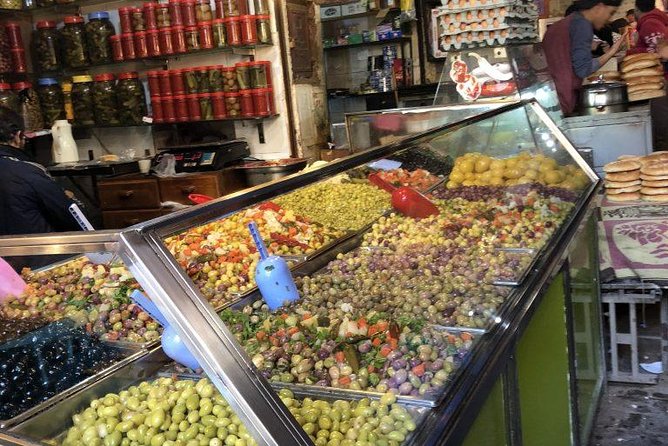
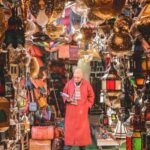
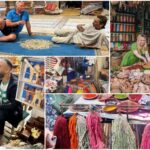
If you only do a restaurant meal in Marrakech, you miss half the story. Here, the experience starts with shopping in the local market (this is for the morning session only). You walk with your guide, learn what’s worth buying, and pick out ingredients that will end up on your plate later the same day.
What I like about this approach is that it turns Moroccan cooking from abstract recipes into something practical. You’ll learn how certain spices and herbs are chosen, and you’ll get a sense of the ingredient shortcuts locals take to make food taste deep and layered. One review specifically calls out that you can end up selecting things like chicken, vegetables, and fresh filo dough for the dessert, which is a great way to connect the dots fast.
A heads-up: the Medina markets are active. Wear comfortable clothes and expect some walking and close-quarters shopping. If you hate crowds or get impatient on foot, the market segment might feel more like an errand than an outing, even though it’s short.
You can also read our reviews of more shopping tours in Marrakesh

Inside Flavors of Marrakesh: Kitchen Setup and Group Size
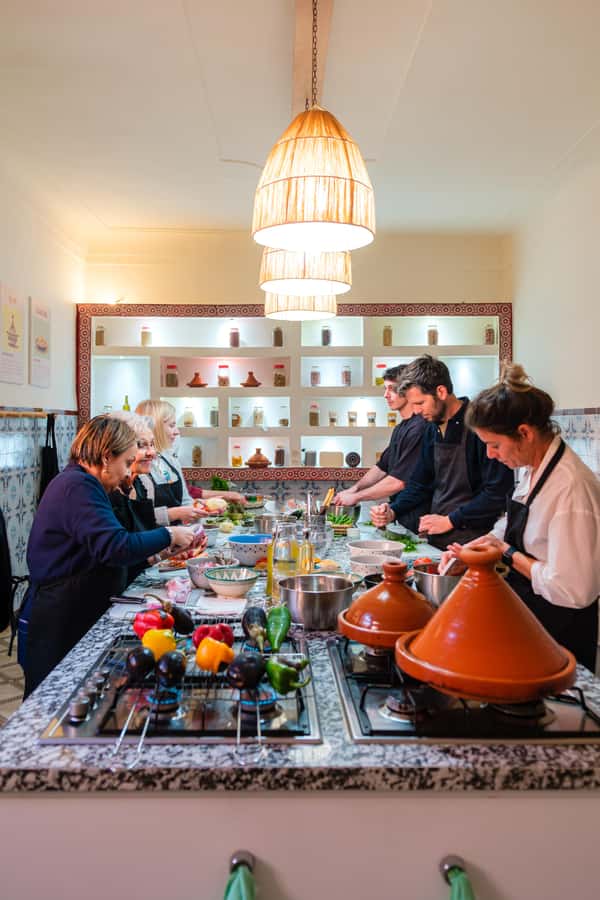
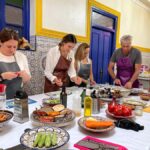
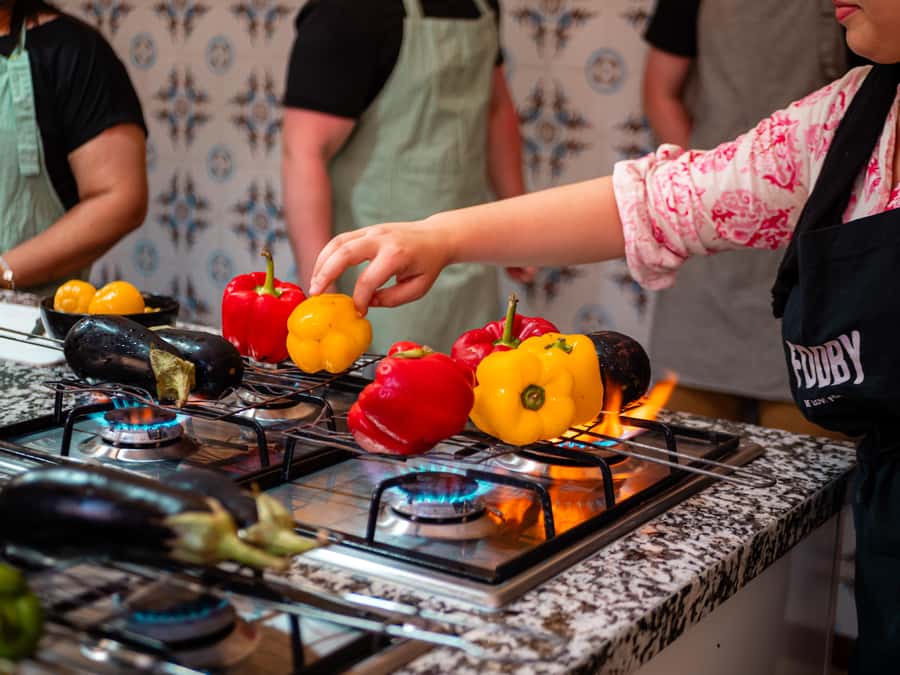
After the market, you head back to the cooking space—a spacious, well-equipped kitchen. The group size stays small, limited to 10 participants, and that’s a big deal in a cooking class. With a larger group, you’d lose time waiting for turns; here, you can usually stay busy.
The kitchen vibe comes across as clean and organized, and many people mention the welcoming feel from the team once you arrive. You’re not sent to a back corner with a utensil and a prayer. You’ll be right in the action: prepping, seasoning, cooking, and tasting as you go.
Also, you get the full meal setting at the end. You sit down in a cozy, beautifully set salon to eat what you cooked. It’s not just a class where you stand up with a spoon. It’s structured as a real shared meal, with coffee and tea included along with bottled mineral water.
One practical note: the class includes free Wi‑Fi, which is handy if you want to save recipe notes on your phone or share photos while you’re waiting for the next step.
What You’ll Cook: Tajines, Starters, and Almond Filo Dessert
This isn’t a one-dish class. You make a full menu, and the exact lineup can vary by session, but the pattern stays very Moroccan. Across the experiences described, you’ll commonly see multiple courses, including tajines, salads/starters, and a dessert.
Tajines you’re likely to make
Many participants highlight learning tajine cooking hands-on. Specific examples mentioned include lemon chicken tajine and vegetable tajines. You’ll get practice with timing and layering flavors—how you season, how you build the base, and how you manage the cooking rhythm so everything comes out tender rather than stewed into mush.
If you’ve never cooked with a tagine before, don’t worry. The class is built for beginners as well as people who already like cooking. The key is you’ll learn the process, not just the ingredient list.
Starters and salads
You may make starters such as Moroccan salad, plus dishes like zaalouk and taktouka show up in the menu descriptions. These side dishes are great because they teach you how Moroccan flavors work beyond the big centerpiece dish. You’ll get used to spice balance and herb-forward flavoring, which makes your whole meal taste more coherent at home.
A few more Marrakesh tours and experiences worth a look
The dessert piece: almond filo
Dessert is often filo-based with almond. Reviews mention an almond filo dessert and the idea of learning about filo preparation. Even if you don’t master pastry in four hours, you’ll leave with a clearer method—and most importantly, a repeatable shortcut for the texture and flavor.
Spices you’ll work with
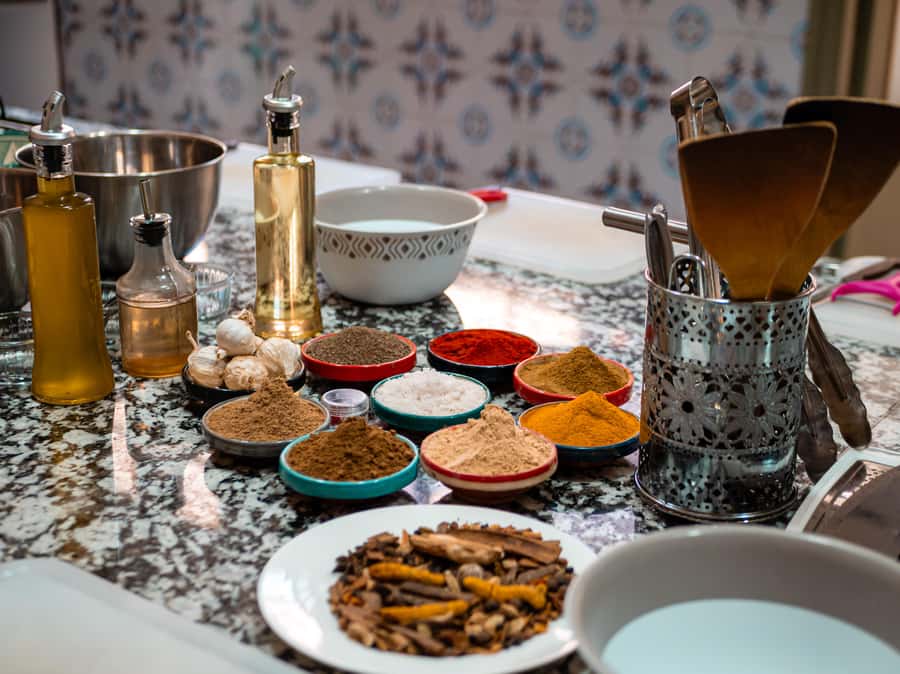
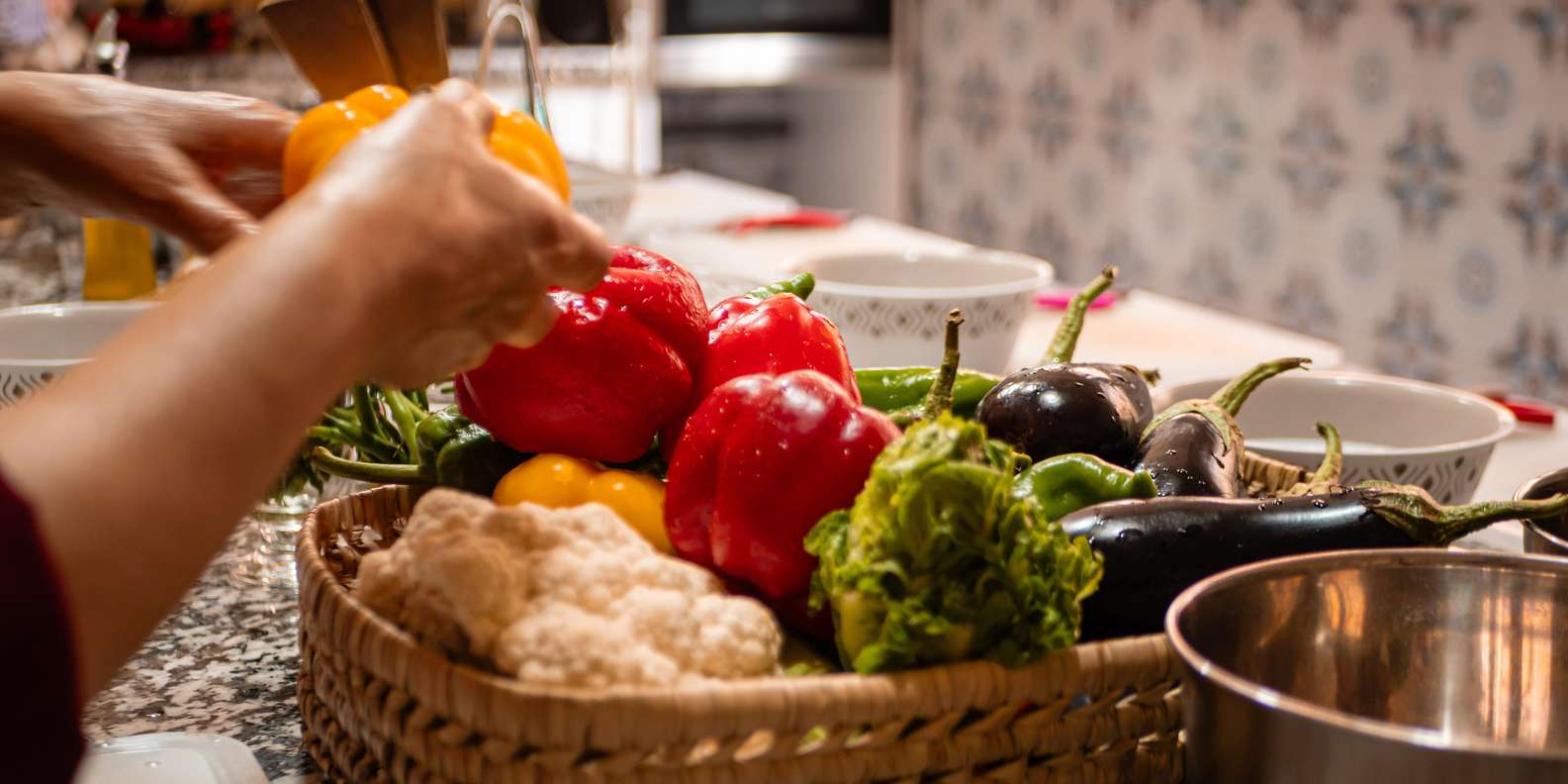
You’ll use Moroccan staples such as Ras El Hanout, saffron, paprika, and cumin. The class doesn’t treat spices like magic dust. You’ll be taught when and how they go in, and how to adjust for taste. That’s how you recreate flavor later, not just the dish name.
Your Guides: Culture Lessons That Actually Connect to Cooking
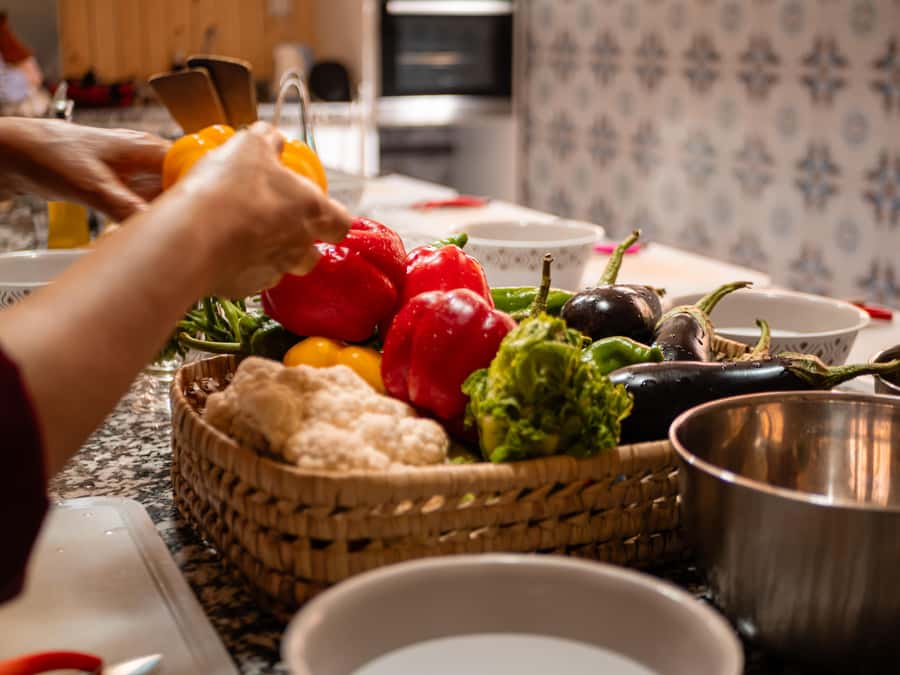
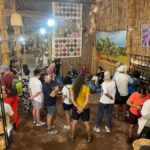
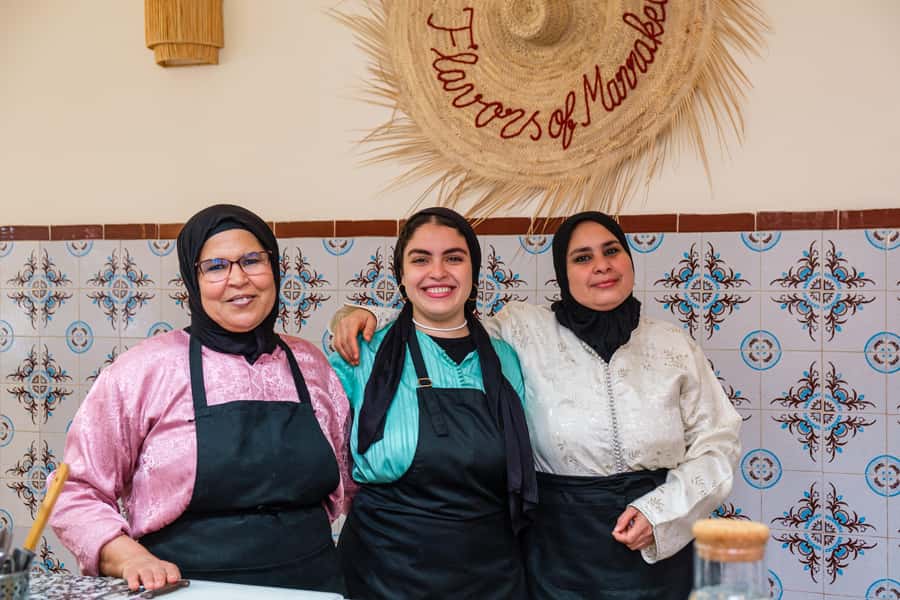
The standout here is not only what you cook, but how you’re taught. The guides are described as friendly, patient, and big on conversation—so you feel like you’re cooking with a family team rather than being processed through a tourist activity.
Names that come up repeatedly include Kaoutar (Cookie) and Leyla, plus team members like Fatima/Fatiha and Bouchra. Different guides lead different sessions, but the teaching style is consistently personal: they explain what you’re doing, why you’re doing it, and what to watch for.
One review adds a detail that’s worth flagging for your comfort level: some sessions include discussion of halal slaughter and butchering traditions as part of the food culture explanation. If you’re sensitive to that topic, you might want to ask your guide what’s covered in your particular session ahead of time.
The culture talk isn’t random trivia either. It ties back to ingredient choices and kitchen technique, which is exactly what makes the cooking class feel more meaningful than a generic recipe workshop.
Timing and Sessions: Morning Lunch vs Evening Dinner
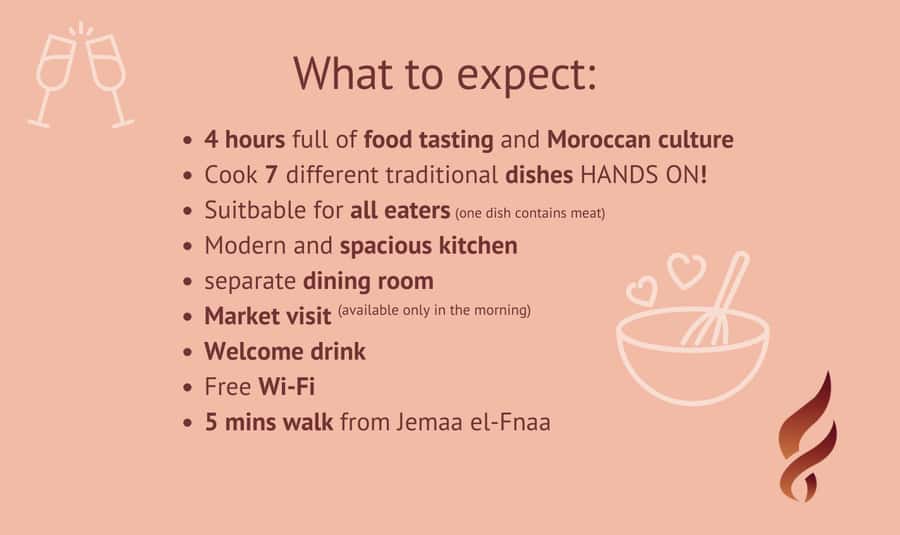
The experience runs in two time slots, both 4 hours: a morning session starting around 10:30 am (lunch) and an evening session starting around 4:30 pm (dinner). The main difference is that the market visit is for the morning session only.
So if you want the full Medina experience—souk walking, spice shopping, and picking produce for your future tajine—choose the morning slot. If you’d rather spend your afternoon exploring the city and you just want a cooking-focused evening, the dinner session still gives you the hands-on cooking and the meal, just without the market stop.
I’d also think about energy. Cooking takes attention: chopping, seasoning, and managing heat. The evening class can work well if you’re not exhausted from the day. The morning class can feel like a strong start because it gives you a win early, plus the market part can sharpen your curiosity for the rest of Marrakech’s food culture.
Price and Value: Is $57 Worth It?
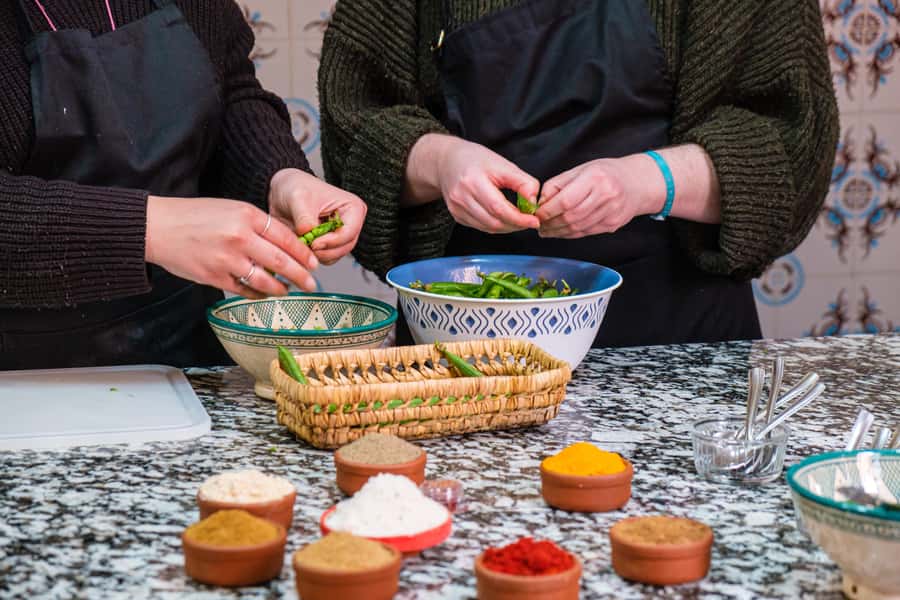
At $57 per person for a 4-hour experience, you’re paying for more than ingredients and a recipe. You’re paying for guided shopping (in the morning session), a full menu cooking experience, and a sit-down meal with drinks. You also get a PDF of all the recipes, sent by email, plus bottled water, coffee, and tea.
Here’s how I’d judge value in a practical way:
- If you’d normally spend the equivalent on lunch alone, this adds a market visit, cooking instruction, and a recipe pack you can actually use later.
- If you want to learn Moroccan technique—not just taste food—this structure is hard to beat for the price.
- The small group size (max 10) improves value because instruction time per person is higher.
It’s not the cheapest cooking class in Marrakech, but based on the way people describe the food quality and the hands-on teaching, it feels like a fair trade for your time.
If you’re booking this early in your trip, you’ll also get an extra bonus: you’ll understand what you’re tasting on restaurant menus afterward. One review specifically suggests doing it early, and that tracks. The spices and methods will make other meals in the city easier to appreciate.
How to Prepare: What to Bring and How to Make It Easier
This class has a simple packing list: bring a camera and wear comfortable clothes. That’s not fluff. You’ll be walking around the market (morning sessions) and you’ll be in a working kitchen for hours.
A few smart tips you can use on arrival:
- Bring a phone battery or a small power bank. You’ll likely take lots of photos of dishes and the spices.
- If you have allergies, the safest move is to tell the team ahead of time. One review notes a nut allergy was accommodated with a dessert substitution and the group didn’t have to handle nuts.
- Keep a small notebook or use your phone notes for spice quantities and steps. The recipe PDF helps, but your notes catch the little tips you’ll forget later.
Also, go hungry. Yes, that sounds obvious, but people often arrive snacking from the souk. With cooking classes, you’ll want room to taste and enjoy the meal you made at the end.
Who This Cooking Class Is Best For
You’ll love this if you want your Marrakech trip to include food learning, not just food tasting. It’s a good match for:
- First-timers who feel nervous about cooking but want a guided process
- Couples and small groups who like hands-on activities
- People who care about local culture, spices, and how dishes connect
- Travelers who want to bring something home—especially because you get the recipe PDF
It’s also a solid family choice in at least some cases. One review mentions doing it with a 9-year-old daughter, and the experience was described as enjoyable. Still, I’d judge based on your child’s comfort with kitchen work and market walking.
If you hate markets or prefer only highly structured sit-down tours, you may find the Medina shopping part a bit much. That’s the main mismatch risk, because everything else is tightly organized.
Should You Book Flavors of Marrakesh Cooking Class?
If you want a Marrakech highlight that’s equal parts market culture and real cooking skills, I’d book it. The repeat praise is consistent: the friendly team, the hands-on teaching, the well-run timing, and the fact that you leave with recipes you can actually reproduce.
The biggest “don’t book” reason is simple: if getting to the meeting point on your own and spending time walking in the market would stress you out, pick another activity or choose the evening session to skip the market segment.
My recommendation: if this fits your schedule, book early in your trip and choose the morning session if you can. You’ll get the shopping story, cook the menu, and come away with a clearer sense of Moroccan flavor—so every later meal in Marrakech tastes more like a lesson.
FAQ
How long is the Moroccan cooking class?
It runs for 4 hours.
Is there a market visit included?
Yes, a local market visit is included, but it’s only for the morning session.
What time are the morning and evening options?
The morning session starts at 10:30 am (lunch) and the evening session starts at 4:30 pm (dinner).
What’s included in the price?
The guide and cooking class are included, along with the market visit (morning only), ingredients and tools, your lunch or dinner meal, coffee and tea, bottled mineral water, an emailed PDF of the recipes, and free Wi‑Fi.
How many people are in the group?
It’s a small group with a maximum of 10 participants.
What languages does the tour guide speak?
English and Arabic.
Where is the meeting point?
Go to Flavors of Marrakech, located next to the BIM store, and go inside to meet the staff.
Will I get recipes to take home?
Yes. You receive a PDF of the recipes used in class via email.
Is free cancellation available?
Yes. You can cancel up to 24 hours in advance for a full refund.