REVIEW · MARRAKESH
Marrakech: Moroccan Cooking Workshop at La Maison Arabe
Book on GetYourGuide →Operated by La Maison Arabe Marrakech · Bookable on GetYourGuide
Tagine class in a clean, modern kitchen? That’s the point. At La Maison Arabe, you’ll cook a traditional Moroccan dish using fresh local ingredients at individual workstations with help from a dada-style cook plus live translation. I like the professional setup and how organized it feels, and I also like that it stays intimate with small groups. The main catch is the price: at $35, it’s higher than some budget classes, so it’s best if you care about comfort, clarity, and a well-run experience.
If you have time, I’d lean toward the 3-hour cooking workshop, which adds more than one course, including a tea ceremony and flatbread making. If you’re short on time (or just want a quick hit of technique), the 1-hour express option gets you cooking fast and ends with what you make. Either way, you’ll start at the front desk of La Maison Arabe, then get pointed to the workshop space—sometimes near the riad area, sometimes in a quieter garden setting.
In This Review
- Key things I think you’ll like
- La Maison Arabe setup: why the kitchen feels different
- Picking the 1-hour express or the 3-hour workshop
- The 1-hour express class
- The 3-hour cooking workshop
- Where you start in Marrakech: front desk meet-up and garden peace
- Tea ceremony and flatbread demo: the culture you can actually taste
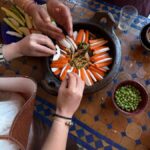
- Hands-on cooking at your own station: tajine technique that sticks
- Eating what you make: sit-down tasting and the end-of-class gift
- Price and value in Marrakech: why $35 can make sense
- Language, timing, and what to bring (so you don’t feel rushed)
- Who this cooking workshop is best for
- Should you book Marrakech: Moroccan Cooking Workshop at La Maison Arabe?
- FAQ
- How much does the Marrakech Moroccan Cooking Workshop cost?
- What’s included in the class?
- How long are the cooking workshop options?
- Where do I meet for the class?
- What languages is the class taught in?
- Do I get to eat what I cook?
- Do I need to bring anything, and can I bring drinks?
- Is transportation to and from the workshop included?
- Is the class suitable for kids or wheelchair users?
Key things I think you’ll like
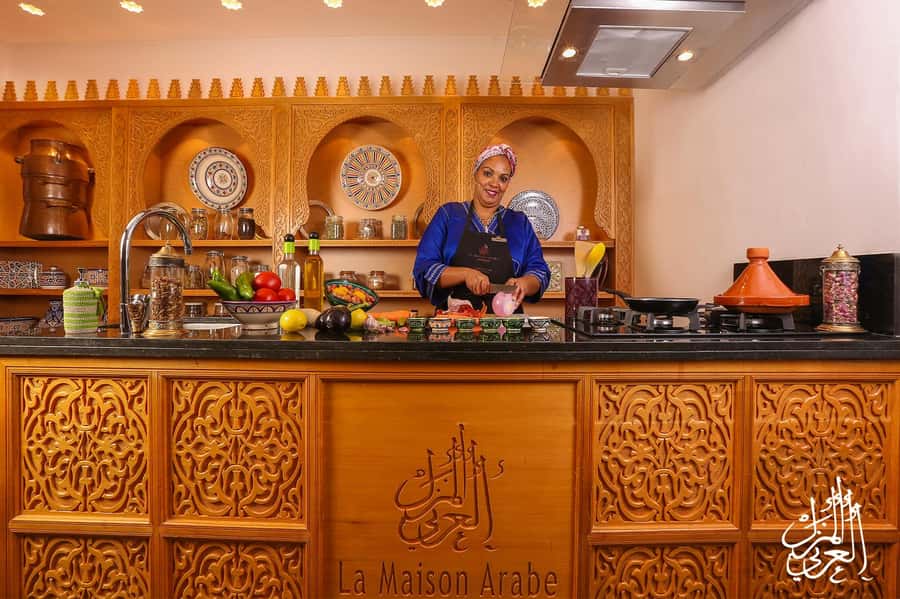
- Individual stations so you’re actually doing the chopping and stirring, not just watching
- Tea ceremony + flatbread-making woven into the cooking flow, not bolted on at the end
- Small-group feel with live translation (Arabic, English, French) so the instructions land clearly
- Clean, organized kitchen noted again and again, which matters when you’re cooking with spices and timing
- You eat what you cook, with a sit-down tasting at the end of the workshop
- A small gift at the end, with multiple guests mentioning a tagine-style takeaway
La Maison Arabe setup: why the kitchen feels different
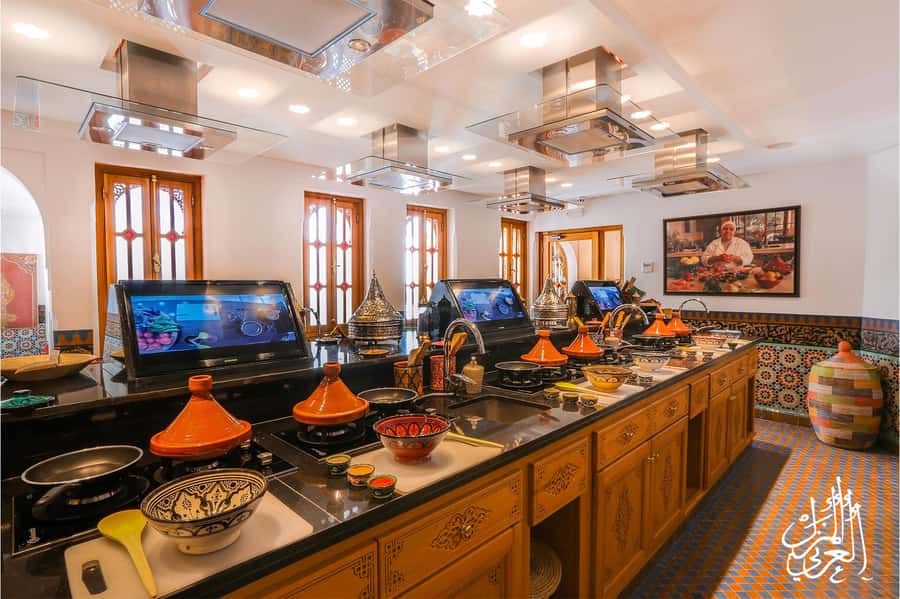
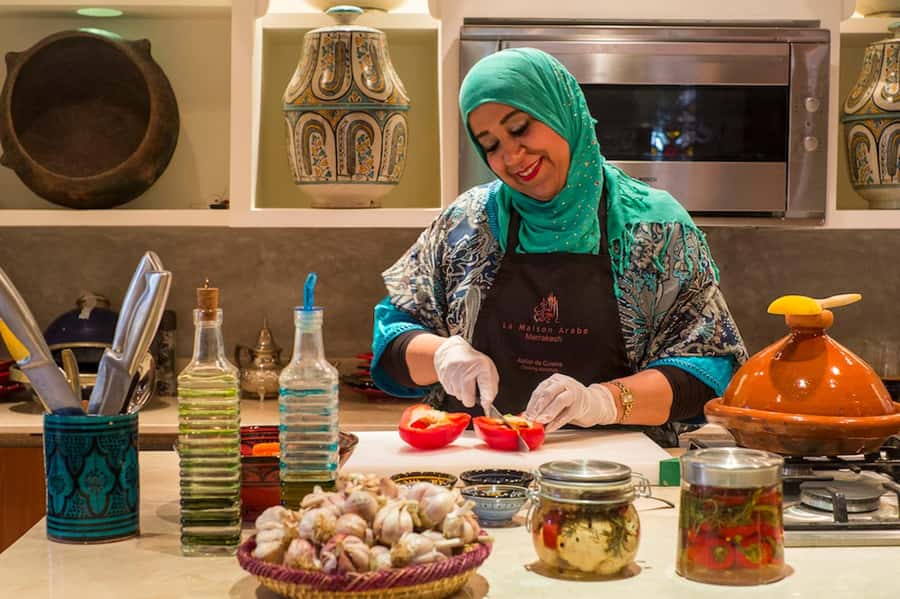
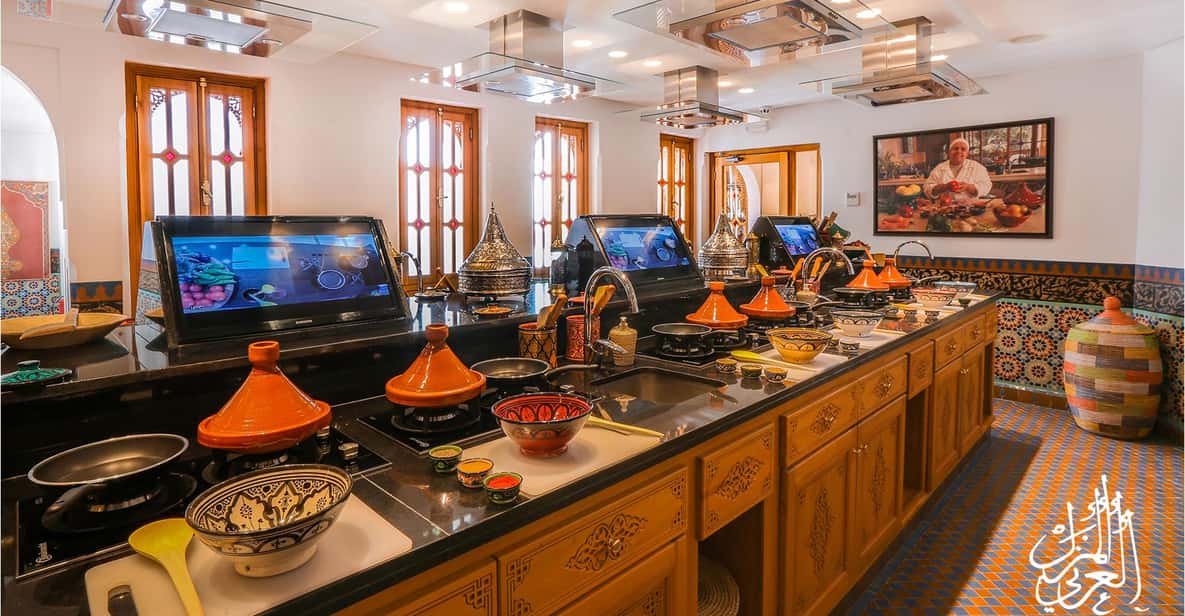
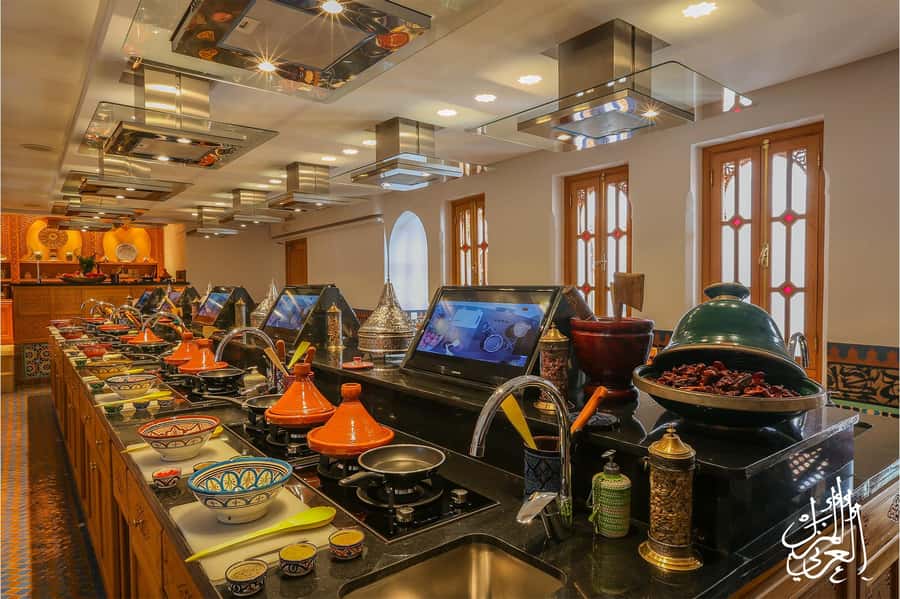
This is one of those Marrakech experiences where the “where” matters as much as the “what.” La Maison Arabe runs the workshop with a modern, tidy kitchen layout, and reviews consistently point to cleanliness and organization. In practice, that means you’re not trying to learn Moroccan cooking in a cramped, chaotic space. You get room to work, clear sightlines, and tools that are ready when you are.
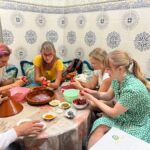
Another smart detail: each participant works at their own station. That keeps you from falling behind and it reduces the common cooking-class problem where one person does all the hands-on steps while everyone else just watches. When you’re working at your own counter, the pace stays manageable, and you can ask questions while the instructor is still demonstrating.
You’ll also notice that the class is built around real technique: spices, timing, and how ingredients behave in Moroccan cooking. The staff don’t treat cooking as a mystery; they treat it like a skill you can pick up with the right steps and the right tools.
You can also read our reviews of more cooking classes in Marrakesh
Picking the 1-hour express or the 3-hour workshop
You can choose between two formats, and the difference is big enough that it should shape your decision.
The 1-hour express class
If you want something simple and fast, the 1-hour express workshop is made for that. Multiple guests describe it as interactive and straight into cooking. In this format, you should expect a more focused session—likely centered on one main dish (many people mention chicken tajine) plus tasting, tea, and demo elements like flatbread.
This option is great if:
- you’re doing Marrakech sightseeing and don’t want a long sit-down activity
- you want a hands-on souvenir you can repeat at home
- you’re traveling solo and want a short, well-structured class
The 3-hour cooking workshop
Go for the 3-hour option if you want the full Moroccan meal arc. The longer session is described as including starters, then tagine or couscous, plus dessert, along with a tea ceremony and flatbread making. One of the best parts of the longer class is that you’re not just making one dish and leaving—you’re learning how the courses connect.
This option is ideal if:
- you want a deeper run through Moroccan flavors and meal flow
- you enjoy lingering a bit and eating together at the end
- you want time to ask follow-up questions and slow down with the recipes
A practical note: a 3-hour class can feel like “just enough time” in Marrakech, especially if you choose an end time that doesn’t force you back into the medina crowd immediately.
Where you start in Marrakech: front desk meet-up and garden peace
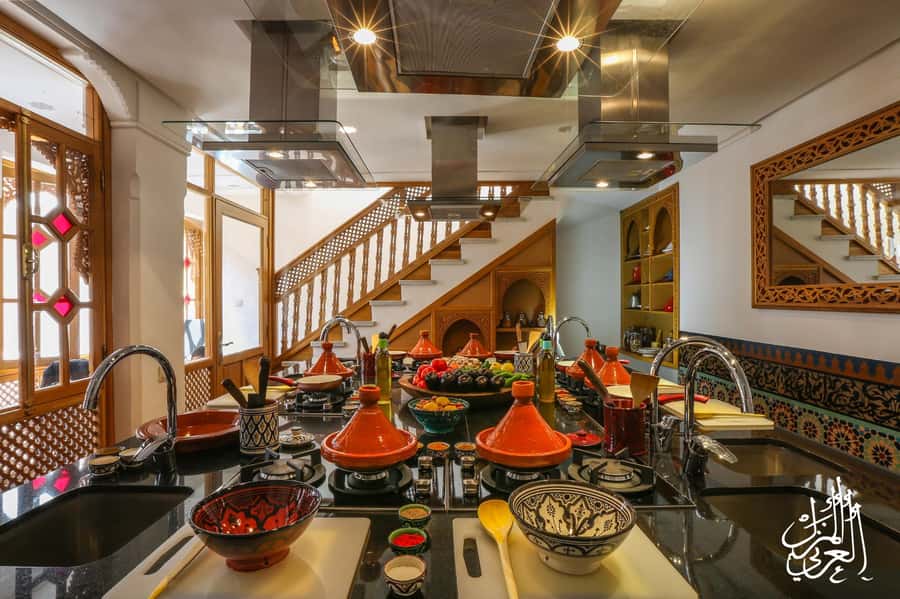
The meeting point is the front desk of La Maison Arabe. From there, you’ll be guided to the cooking space. The class description explains that you may start near the riad-hotel area or in a quieter spot in the secret gardens away from the medina’s press and noise.
For your planning, think of this as a built-in benefit: the cooking workshop is one of the few Marrakech activities that tries to give you calm focus. If you’re tired from walking the medina streets, the transition to a garden or riad setting helps you switch gears before you ever pick up a knife.
In at least one situation described, guests say they had the chance to talk with the team and settle in before cooking starts—exactly what you want when you’re about to learn spices and technique.
A few more Marrakesh tours and experiences worth a look
Tea ceremony and flatbread demo: the culture you can actually taste
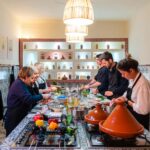
One of the most praised parts of this workshop is the tea element. The class includes an afternoon tea component and a tea ceremony. Guests mention learning about the Moroccan tea ritual, and some specifically call out saffron tea.
This matters because Moroccan tea isn’t just a drink—it’s part of how hospitality works. When the tea ceremony happens during the class, you’re not just drinking something warm while you wait. You’re getting context while you cook, which makes the whole experience feel grounded in local habits.
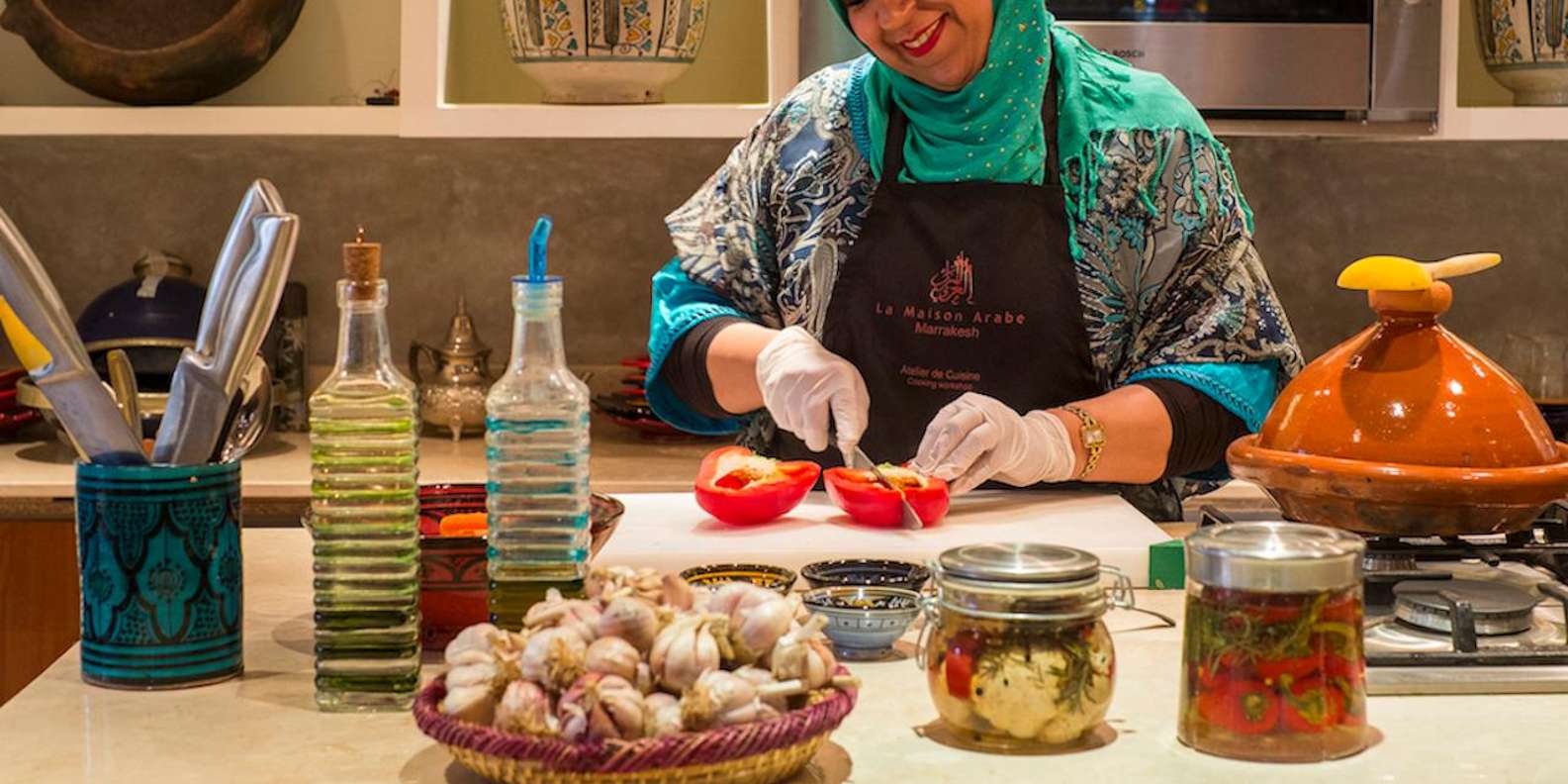
Flatbread is the other centerpiece. The workshop includes a flatbread-making demonstration, and in the longer session it’s part of the overall flow. This gives you a useful skill for home cooking: once you understand the dough basics and how it cooks, you stop thinking of Moroccan bread as something you can only buy in a market.
Also, the class experience is explained in multiple languages with live translation. Guests mention instruction clarity and that the hosts make it easy to follow. If you’re the kind of person who needs to understand both the “how” and the “why,” this structure helps.
Hands-on cooking at your own station: tajine technique that sticks
Most people come for Moroccan cooking, and the workshop delivers on that promise with hands-on steps. The setup is designed so you’re not just tasting at the end—you’re actively preparing ingredients along the way.
Here’s what you can expect at a practical level:
- Fresh local ingredients are used, not pre-made shortcuts. That shows up in flavor, but it also makes the class more educational.
- You work with state-of-the-art equipment (the kitchen is described as modern and professional), which helps with consistency.
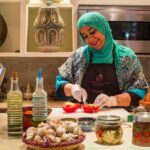
- You cook with guidance from a traditional Moroccan cook (described as a dada) plus a translator so nothing gets lost in translation.
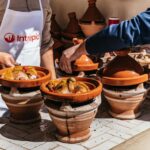
Many guests mention tagine, and chicken tajine comes up repeatedly. You’ll also see mention of couscous and starters in the longer option. The consistent theme: you’re learning how Moroccan cooking builds flavor through spices, layering, and cooking technique—not just through one magic sauce.
One subtle detail I really like from the feedback: instruction is described as clear and easy to follow, with some guests mentioning they could follow along using screens and simple step-by-step explanations. That helps you repeat the recipe later, because you’re not trying to reconstruct the process from memory.
And don’t underestimate the “ask questions” aspect. Multiple guests describe staff as patient and willing to explain spices and Moroccan food culture while cooking. That’s where cooking classes often win or lose—this one leans toward teaching, not just performing.
Eating what you make: sit-down tasting and the end-of-class gift
After cooking comes the part you’re really paying for: tasting your meal. The class includes a food tasting and a lunch component, with tea served as part of the ceremony.
Guests repeatedly say the meal is not rushed and that they get to sit and enjoy what they made. Some mention eating at the end with the group, even in a hotel restaurant setting, and at least one guest describes a rooftop meal atmosphere. You might not get the exact same seating, but the overall takeaway is consistent: you cook, then you eat calmly.
Another highly praised perk is the small gift at the end. Several reviews mention a tagine-style takeaway, and at least one notes it was extra special for a birthday. Even if you don’t need the souvenir, it’s a nice marker of how they treat the workshop as an experience, not just a transaction.
Price and value in Marrakech: why $35 can make sense
At $35 per person, this class costs more than the cheapest cooking workshops you might find in Marrakech. So the honest question is: what are you buying?
From the feedback pattern, you’re buying:
- a clean, well-run kitchen setup
- individual stations that keep you engaged
- live translation so you understand the process
- a real meal plus tea ceremony and flatbread demo elements
- a small end-of-class gift
In other words, you’re paying for fewer headaches. You don’t have to worry about unclear instructions, overcrowded work areas, or a rushed finish. If you’re on a tight schedule, the express option also gives you value by letting you fit a hands-on experience into a shorter day.
If you’re the type of traveler who plans a day around one “anchor activity,” this workshop fits well. It’s structured, friendly, and tuned for visitors who want to learn without feeling lost.
Language, timing, and what to bring (so you don’t feel rushed)
The workshop runs in Arabic, English, and French. Live commentary and translation are part of the experience, and you should feel comfortable following instructions even if you don’t speak Arabic or French.
Timing is straightforward: the class duration is 1 to 3 hours, depending on the option you choose. The most common advantage of the longer session is that it feels like a full meal lesson. The advantage of the express session is that it gets you doing right away and ends with tasting.
What to bring is minimal:
- Water
- comfortable clothes (you’ll be standing, chopping, and cooking)
One rule to plan around: drinks aren’t allowed. Tea is part of the workshop, but you shouldn’t expect to bring other drinks in. If you’re sensitive to heat and spices, keep your water with you (as suggested) and treat tea as your drink during the ceremony.
Also plan for the fact that transportation is not included. If you’re coming from the medina, decide whether you’ll walk, taxi, or use another local option on your own.
Who this cooking workshop is best for
This is a strong choice if you want:
- a small-group experience where you actually cook
- clear step-by-step guidance
- Moroccan cooking you can repeat later at home
- an activity that’s less about “tour performance” and more about technique and flavor
It may be less suitable if:
- you’re traveling with children under 12 (not suitable)
- you use a wheelchair (not suitable)
- you want the absolute cheapest option regardless of how smooth the class runs
If you’re cooking with friends, it’s also a fun group activity because you’ll eat together at the end. If you’re solo, you’ll still be doing hands-on cooking, and multiple guests describe the class as a good fit for solo travelers too.
Should you book Marrakech: Moroccan Cooking Workshop at La Maison Arabe?
Yes, if you value a clean, organized kitchen, hands-on participation at your own station, and a meal that comes at the end (tea ceremony and flatbread included). The $35 price is easier to justify when you compare what’s included and how well the experience seems run: translation, structure, and a calm place to focus.
If you’re traveling on a strict budget and just want a quick taste with no real instruction, you might prefer a cheaper class. But if you want Moroccan cooking you can actually recreate—plus a tea ritual and bread lesson—this one is a smart bet.
FAQ
How much does the Marrakech Moroccan Cooking Workshop cost?
The price is $35 per person.
What’s included in the class?
The package includes afternoon tea, food tasting, lunch, live commentary, and live entertainment.
How long are the cooking workshop options?
You can choose a 1-hour express workshop or a 3-hour cooking workshop.
Where do I meet for the class?
You meet at the front desk of La Maison Arabe. You’ll then be taken to the workshop area (near the riad-hotel or in the secret gardens, depending on the session).
What languages is the class taught in?
The instruction is available in Arabic, English, and French, with live translation.
Do I get to eat what I cook?
Yes. The class ends with a tasting/meal so you can eat what you prepared.
Do I need to bring anything, and can I bring drinks?
Bring water and comfortable clothes. Drinks aren’t allowed.
Is transportation to and from the workshop included?
No. Transportation is not included.
Is the class suitable for kids or wheelchair users?
No. It’s not suitable for children under 12, and it isn’t suitable for wheelchair users.