REVIEW · MARRAKESH
Marrakech: Traditional Moroccan Cooking Class & Market Visit
Book on GetYourGuide →Operated by Khmisa Workshops · Bookable on GetYourGuide
Feed your senses first, then your stomach. This Marrakech class pairs a local souk market walk with the real Moroccan mint tea ritual, taught by women chefs at Khmisa Workshops in an intimate riad in the Medina. I especially like how you shop for ingredients away from the tourist lanes, and how the tea lessons feel like something you could repeat at home. One catch to plan for: there’s no hotel pickup, so you’ll want to show up on time and wear comfortable shoes for the Medina walking.
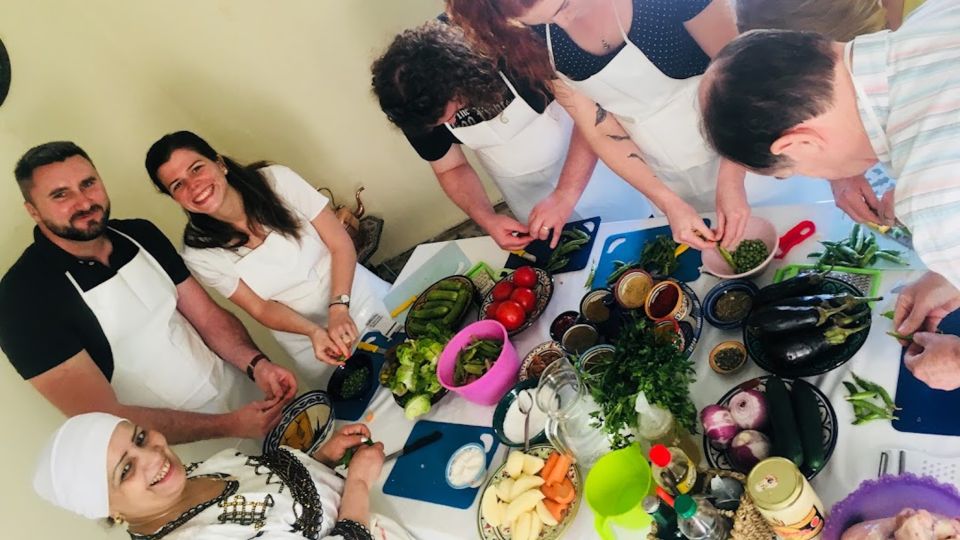
You’re not watching a show. You’re working as a team: prepping, seasoning, and assembling dishes together, then sitting down to eat what you cooked. Expect a group around a dozen people (it can vary), and a warm, family-style atmosphere that keeps the session hands-on from mint tea to dessert.
In This Review
- Marrakech Mint Tea and Souk Cooking: What Makes This Class Different
- Inside Khmisa Workshops: A Medina Riad Meal Setup
- The Souk Market Walk: Buying Spices and Produce Like a Local
- Moroccan Mint Tea Ritual: The Technique Behind the Sweet-Smelling Sip
- Cooking Session Menu: 3 to 6 Dishes, Built for Real Moroccan Flavors
- How the Class Works: Hands-On Team Cooking, Not a Demo
- The Meal at the Table: Eating With the People Who Taught You
- What You Take Home: Recipes by Email and Fresh Spices
- Price and Value: Is $40 Worth It?
- Who This Class Suits Best (And Who Might Want to Skip)
- Practical Tips Before You Go
- Should You Book This Marrakech Cooking Class?
- FAQ
- FAQ
- How much does the Marrakech traditional cooking class cost?
- Is hotel pickup included?
- What languages do the guides speak?
- Do we shop at the local market during the class?
- What will we cook and eat?
- Is mint tea included, and do you learn how to make it?
- Are recipes provided for cooking at home?
Marrakech Mint Tea and Souk Cooking: What Makes This Class Different
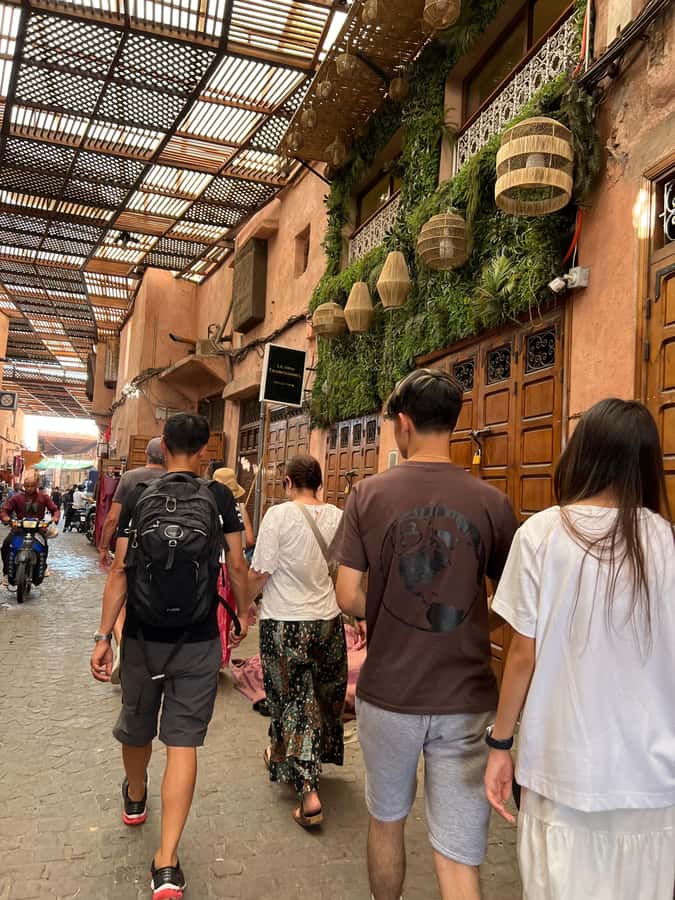
This is a Marrakech cooking class that doesn’t start in a kitchen. It starts in the market, where the ingredients actually come from. That matters, because Moroccan cooking is built on small decisions: which spice blend to choose, how fresh the produce looks, and what the chef says to look for before you buy.
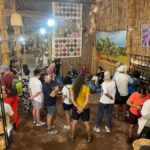
At Khmisa Workshops, you’ll be welcomed in a Moroccan riad in the heart of the Medina. The vibe is intimate and personal, not “factory tour.” The hosts are local women and chefs with years of cooking and catering experience, and the teaching style stays practical. You’ll learn by doing, not by taking notes all afternoon.
A key detail: before heading to the Souk, the group discusses food allergies and restrictions. That’s not just a formality; it sets the tone that you’re part of the meal-making process, not an outsider spectating.
Inside Khmisa Workshops: A Medina Riad Meal Setup
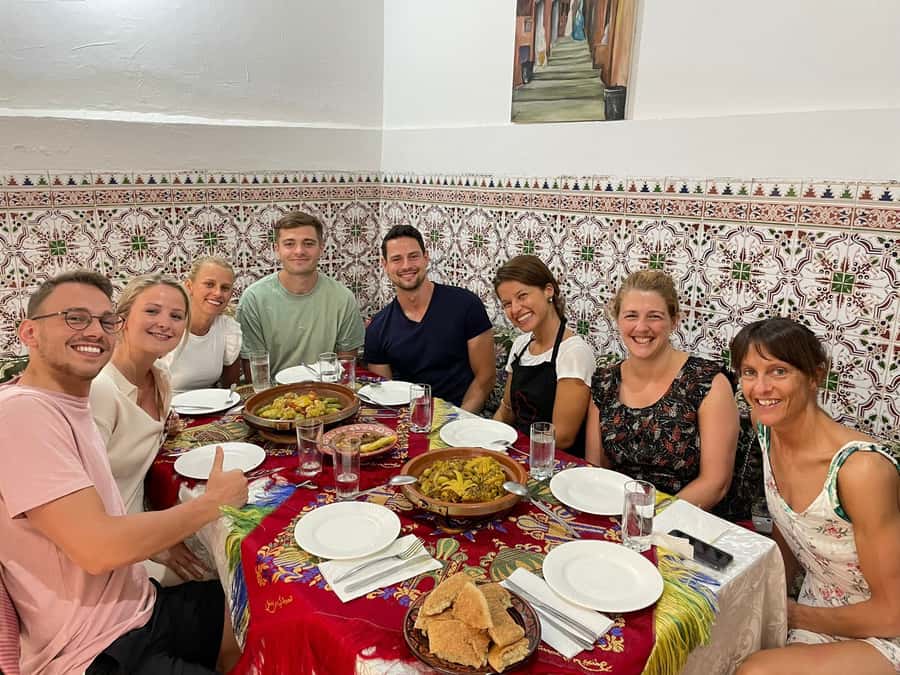
The workshop happens in the Medina area, in a traditional Moroccan-style setting. You’ll arrive for a meal at the workshop/riad, then move into the class flow that includes tea, market shopping, and cooking.
It’s designed for small-group interaction, with group sizes reported around 12 people, though it can be smaller at times. If you like learning in a quieter room where you can actually ask questions, this format is a good fit.
From the reviews, the teaching feels energetic, often led by hosts like Kawtar and Kh/misa (the workshop name and chef presence come through strongly). In at least one case, Ilham translated for the chef, which helped keep the atmosphere lively and professional. Translation matters when you’re learning spice timing and technique, so you’ll be glad the language support is there.
You can also read our reviews of more shopping tours in Marrakesh
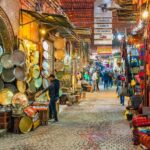
The Souk Market Walk: Buying Spices and Produce Like a Local
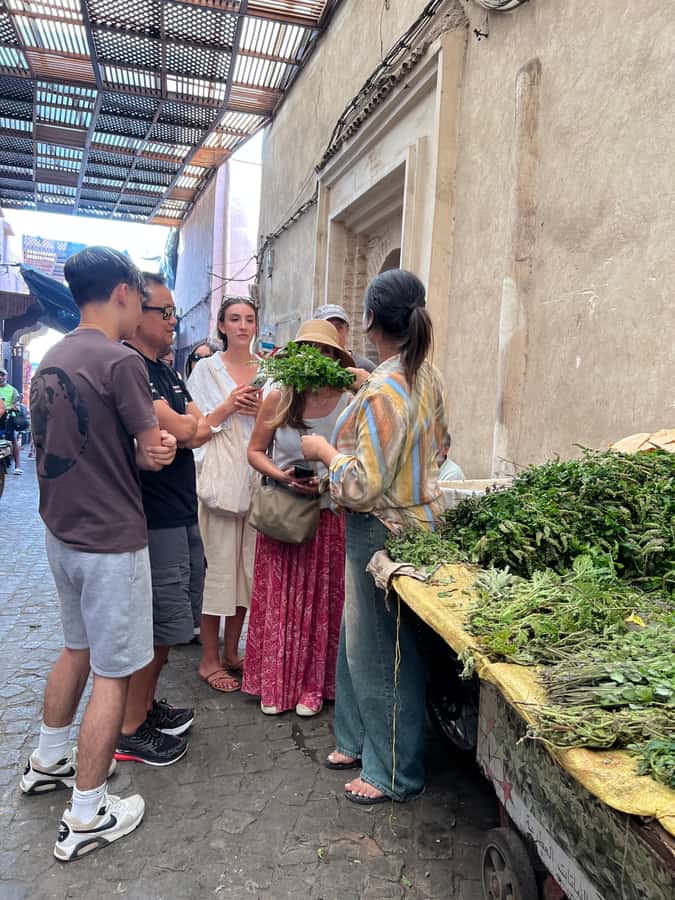
The market visit is one of the best parts, and not just because it’s scenic. You’re going to a local Souk and shopping for fresh groceries with guidance, staying away from the most touristic lanes.
What to watch for on this walk:
- Spices sold in bulk piles, where you can learn what to buy for tagines and starters
- Fresh produce that looks good enough to use immediately
- Traditional items you might not recognize, but that show up in Moroccan kitchens
One useful detail from firsthand accounts: the shopping trip also supports you later in cooking, and sometimes you can buy things like orange blossom water and saffron used in recipes. If you’ve ever tried to recreate Moroccan food at home and ended up with a bland version, this is the moment where you prevent that problem by getting the right ingredients.
Also, the market walk is short, not an all-day trek. Still, the Medina can be uneven and crowded, so comfy shoes are not optional.
Moroccan Mint Tea Ritual: The Technique Behind the Sweet-Smelling Sip
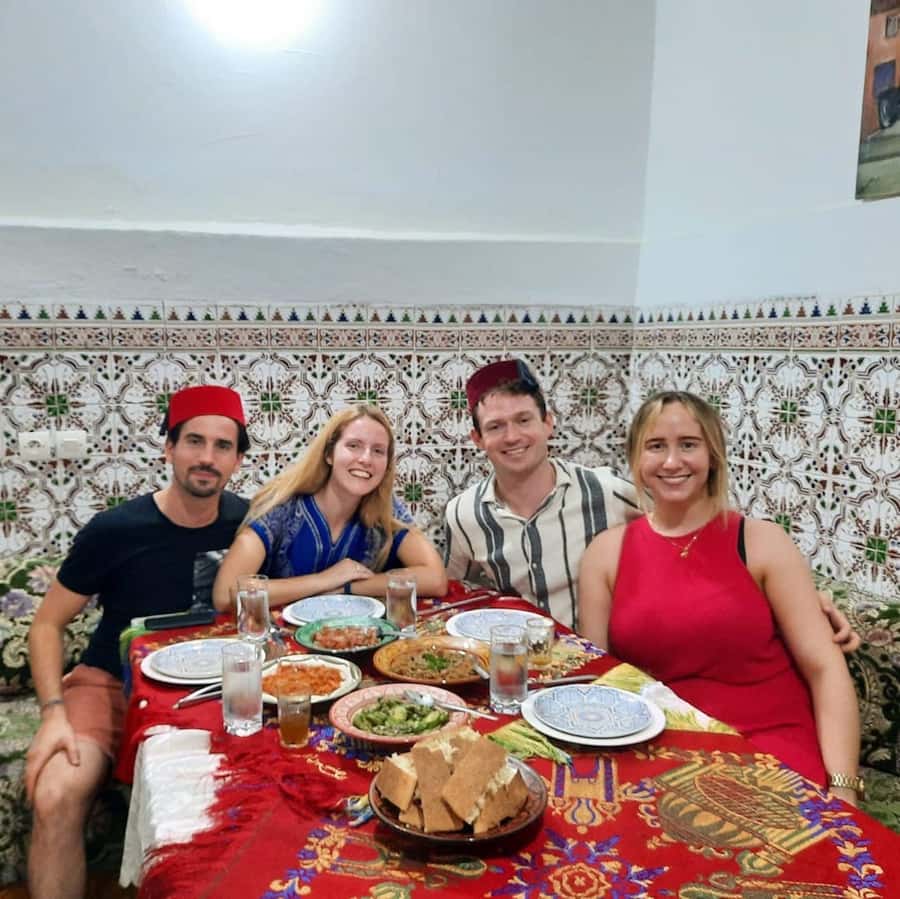
Mint tea in Morocco is not just mint steeped in hot water. The class makes that clear fast.
You’ll be welcomed with traditional mint tea, then walked through the steps of the ritual. You’ll learn how it’s presented and prepared, which changes both flavor and texture. If your mental model was basically mint + sugar + boiling water, this class helps you correct that.
Practical tip: pay attention to the order and how the tea is handled during preparation. In Morocco, small process differences add up. Once you know the method, making it again at home becomes realistic instead of guesswork.
Cooking Session Menu: 3 to 6 Dishes, Built for Real Moroccan Flavors
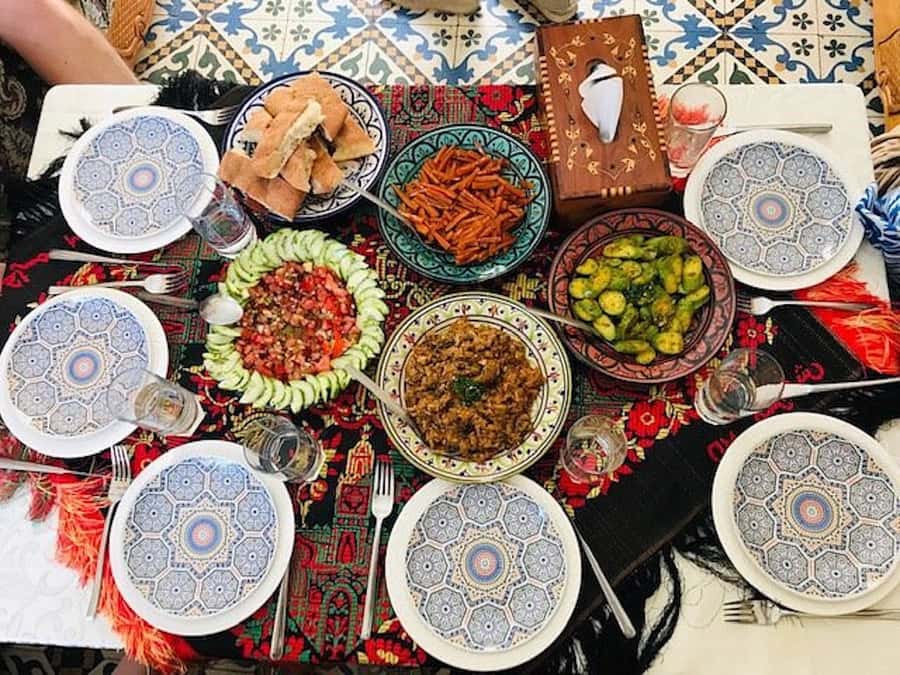
After the tea and shopping, you get into the cooking. The menu is typically composed of typical Moroccan dishes—usually 3 to 6 dishes total—often structured as starters plus main courses and a dessert.
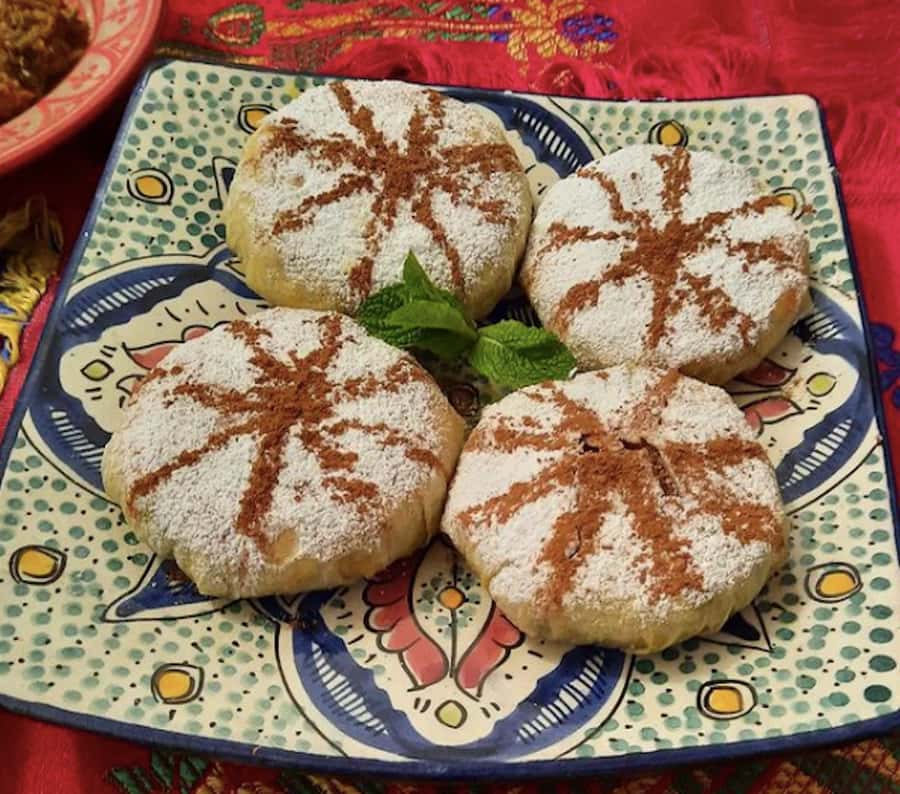
A standout is Pastilla of Milk for dessert. That’s a great choice because it’s different from the usual cake-and-cookie dessert you might expect. It gives you a view into Moroccan sweetness that feels tied to tradition rather than imported trends.
Common dishes you’ll likely see include:
- Moroccan starters and salads (some sessions include multiple vegetarian options)
- Tagines, including chicken tagine and vegetarian tagines
- Dessert such as Pastilla of Milk
From the cooking results people rave about, the tagine section is where technique really shows. One highlight mentioned is making chicken tagine with lemon, and another is chicken tagine being a favorite on the trip. Even if you’re not a confident home cook, the structure of team prep helps you stay on track.
One more helpful detail: the class uses all ingredients provided, so you’re not trying to hunt down hard-to-find items while learning technique. You focus on seasoning, timing, and assembling.
How the Class Works: Hands-On Team Cooking, Not a Demo
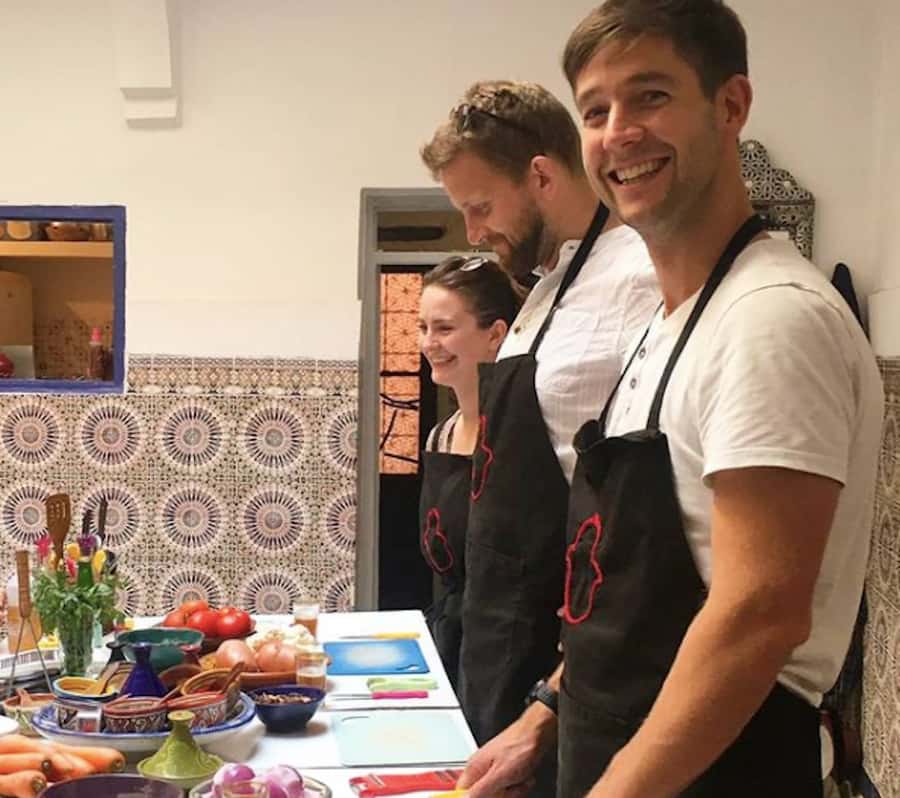
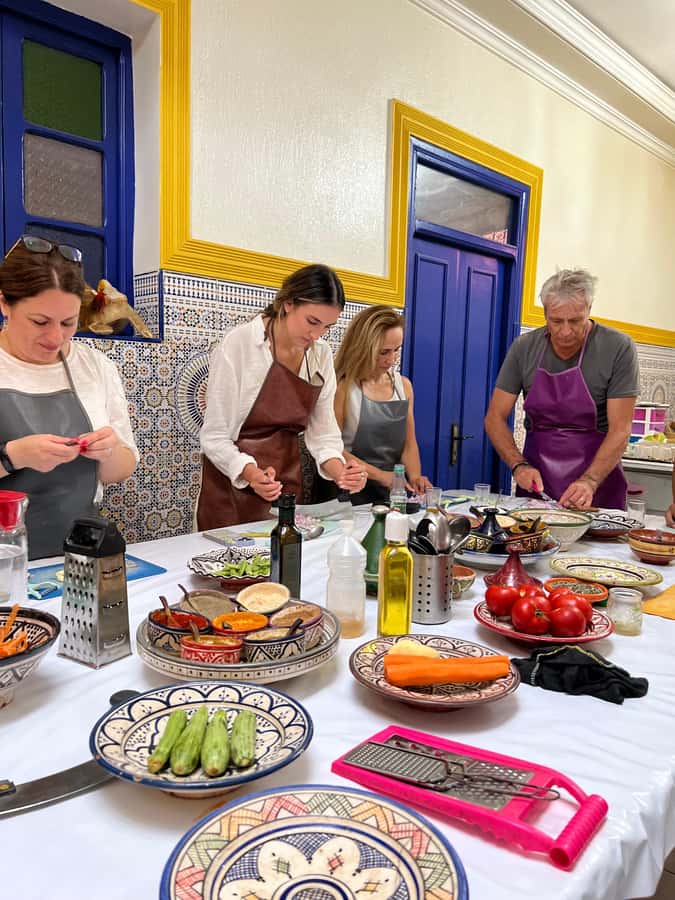
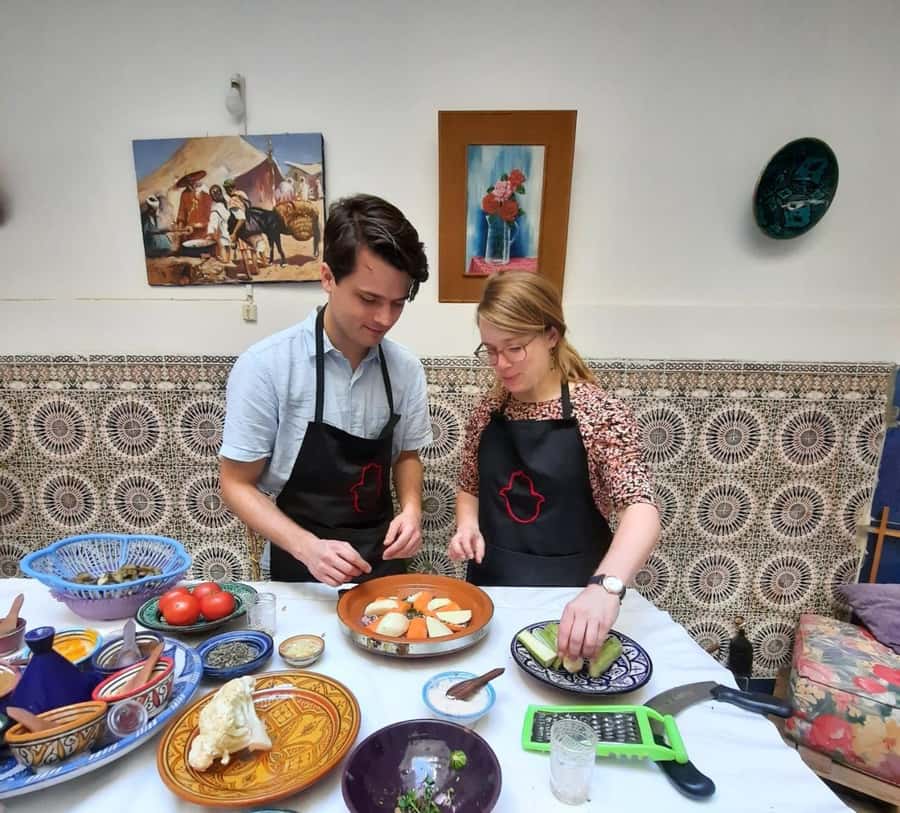
This is a shared class, and that’s a big part of why it feels fun. You’ll prep ingredients, chop and season, then participate in putting dishes together.
Expect a clear rhythm:
- Team starts preparing the dishes together
- You get guidance on Moroccan spices and cooking technique
- You cook through the key steps for your menu
- Then you eat what you made
The hands-on style shows up in how the group is guided. In reviews, people repeatedly say everyone got involved by taking turns with market selections, chopping veggies, adding spices to tagines, and working at the table. That means you’re not stuck waiting for the chef to finish while you hold a plate.
There’s also mention that private sessions are offered on demand. So if you want quieter attention or you’re traveling with a smaller group, you can ask about that possibility.
A few more Marrakesh tours and experiences worth a look
The Meal at the Table: Eating With the People Who Taught You
After cooking, you’ll have time to taste everything as a group. The meal tends to be filling, not tiny “sampling bites.” One review notes the lunch is very filling, and another says it’s among the best meals they had in Marrakech.
This is also where the class pays you back in comfort. You’re not rushing to the next stop. You sit, eat, and digest what you just learned—literally and mentally.
If you like cultural exchange, this part feels natural. The hosts and chef presence keep it warm and family-like. People describe the experience as wholesome and inclusive, with a good balance between instructions and doing the cooking.
What You Take Home: Recipes by Email and Fresh Spices
You don’t just leave with photos. You leave with tools you can use.
You’ll get:
- Electronic recipes sent afterward by email
- The option to get fresh homemade spices before you leave
This is huge for value. Moroccan cooking depends on spice ratios. If you only learned the idea and not the method, you’ll struggle at home. Recipes by email help you repeat the dishes without starting from scratch.
Also, some accounts mention spices being ground at home for the recipes. That’s the kind of practical detail that makes the difference between a fun souvenir and a real cooking skill you can use.
Price and Value: Is $40 Worth It?
At $40 per person, this class is priced in a way that feels fair for Marrakech, especially when you look at what’s included:
- Lunch or dinner
- A short guided market walk
- Mint tea
- Ingredients
- A local chef and multilingual guide (French, English, Arabic)
- Group instruction (around 12 people, but it can vary)
- Recipes sent electronically afterward
The value gets even clearer when you compare this to classes that only teach you how to cook one dish or that skip the market step. Here, the market makes the cooking lesson make sense, and the recipes make it repeatable.
If you’re the type who wants a memorable experience but also wants to bring something home that changes how you cook, this is a strong pick for the price.
Who This Class Suits Best (And Who Might Want to Skip)
This Marrakech cooking class is a great match if:
- You want authentic Moroccan flavors and technique, not just a cooking demonstration
- You like hands-on learning
- You want a story with your meal, from Souk ingredients to mint tea ritual to tagines
It may be less ideal if:
- You have mobility limits that make uneven Medina walking hard (it’s noted as not suitable for wheelchair users)
- You hate group settings or you need nonstop quiet time
- You rely on hotel pickup to get around (there’s no pickup here)
If you’re traveling as a family, it can also work well. One review describes doing it with an 8-year-old, where the child participated and had a good time.
Practical Tips Before You Go
A few small prep choices make the experience smoother:
- Wear comfortable shoes for Medina walking and market paths
- Tie back long hair (you’ll be cooking)
- Plan for a meeting point that can be hard to pinpoint on your own; one note says it may be described as near a mosque, so look for the specific entrance directions you’re given
- Confirm the time if it changes; one account mentions a schedule shift from 10 to 11am and that it was communicated ahead of time
And a simple mindset change helps a lot: treat it like a shared kitchen workflow. When you accept that you’ll chop, season, and taste as part of the process, you get the best version of the day.
Should You Book This Marrakech Cooking Class?
If you want a Marrakech experience that’s practical, cultural, and repeatable at home, I’d book it. The mix of market shopping, a real mint tea ritual, and hands-on cooking with Moroccan women chefs hits the sweet spot between food and learning.
Book it especially if you:
- Care about eating well during your trip and learning how to recreate the flavors later
- Want a class that feels like a home-style welcome in a riad, not a scripted performance
- Prefer ingredients-focused learning over vague cooking tips
Skip it if you need hotel pickup, you’re uncomfortable with Medina walking, or you’re hoping for a purely vegetarian menu without any tagine variations. If you do have dietary restrictions, plan to discuss them up front since the class takes allergies and restrictions seriously.
FAQ
FAQ
How much does the Marrakech traditional cooking class cost?
It costs $40 per person.
Is hotel pickup included?
No. Hotel pickup and drop-off are not included.
What languages do the guides speak?
The experience is offered with guides speaking French, English, and Arabic.
Do we shop at the local market during the class?
Yes. You’ll go with the guide to a local Souk to buy fresh ingredients, away from the touristic side.
What will we cook and eat?
The menu is typically 3 to 6 dishes, including starters, a main course, and Pastilla of Milk for dessert. You’ll eat what you prepare.
Is mint tea included, and do you learn how to make it?
Yes. You’ll be welcomed with traditional mint tea and you’ll learn the steps of the mint tea ritual.
Are recipes provided for cooking at home?
Yes. Electronic recipes are sent afterward by email, and you may also be able to purchase fresh homemade spices before leaving.