REVIEW · MARRAKESH
Marrakech: Tajine Cooking Class in a Traditional Riad
Book on GetYourGuide →Operated by Intrepid Urban Adventures - Europe · Bookable on GetYourGuide
One of Marrakech’s best flavors starts in a souk. This small-group tajine cooking class pairs hands-on cooking in a traditional riad with a real market shopping mission in and around Djemaa el-Fna. I like that it blends food, street-level shopping skills, and local rhythm, not just a cooking demo. The class is also backed by a carbon-neutral, B Corp-certified operator that focuses on community.
Two things I especially like: you get to shop for ingredients with guidance (including practical Arabic food vocabulary), and you cook together with a local chef and helpers in a riad setting that feels lived-in, not staged. You’ll also get Moroccan tea the whole way through, plus a take-home recipe sheet so the flavors stick.
One consideration: there’s no hotel pickup/drop-off, so plan on reaching the meeting point on your own. Also, the medina can be busy, and the experience may take a bit longer than you expect if the group is moving slowly through the souks.
In This Review
- Key Things to Know Before You Go
- Meeting at Café France in Djemaa el-Fna (and Finding the Right Guide)
- Quick dress note for comfort
- Souks Shopping: Spices, Fresh Produce, and Real-Life Haggling Skills
- A reality check on haggling
- Mint Tea First: Why the Welcome Matters for the Cooking
- Traditional Riad Kitchen Cooking: Tajine, Salad, and the Art of Layering
- The tajine style you’ll likely make
- What hands-on really means here
- Vegetarian and dietary options are part of the design
- How the Class Uses Flavor Secrets (Not Just Recipes)
- Small Group Size: Why Up to 12 People Feels Like a Real Class
- The Meal Moment: Eating in a Riad and Not Just Stuffing Food In
- Price and Value: What $57 Buys You in Marrakech Time
- Who This Tajine Class Is Perfect For (and Who Might Want Something Else)
- Should You Book This Tajine Cooking Class in Marrakech?
- FAQ
- Where does the tour meet in Marrakech?
- How long is the tajine cooking class?
- Is hotel pickup included?
- What group size should I expect?
- What language is the guide?
- What food do you cook and eat?
- Can the class handle dietary restrictions?
- Is there a dress code?
- What should I do about guides at Djemaa el-Fna?
- Is the tour cancellable?
Key Things to Know Before You Go
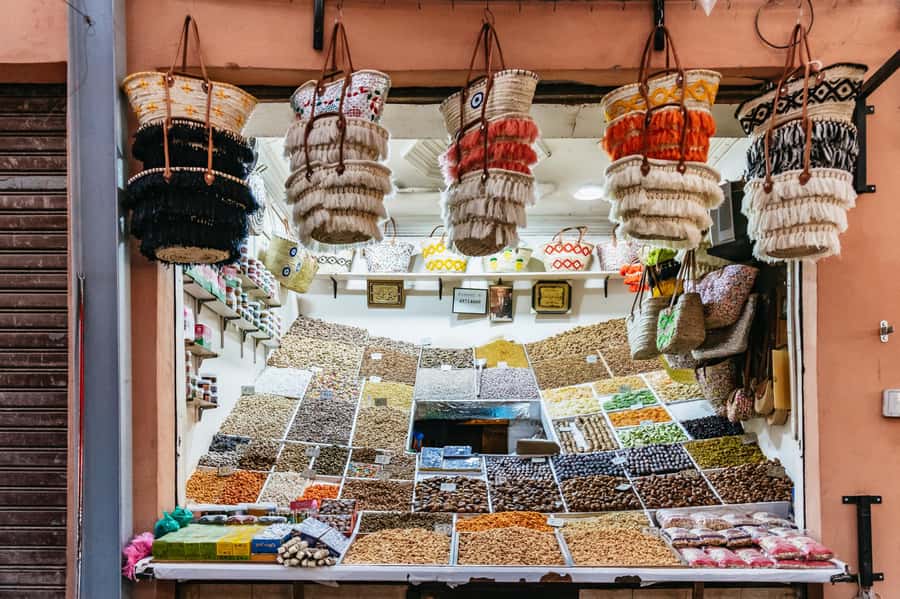
Market shopping with Arabic food vocabulary so you understand what you’re buying.
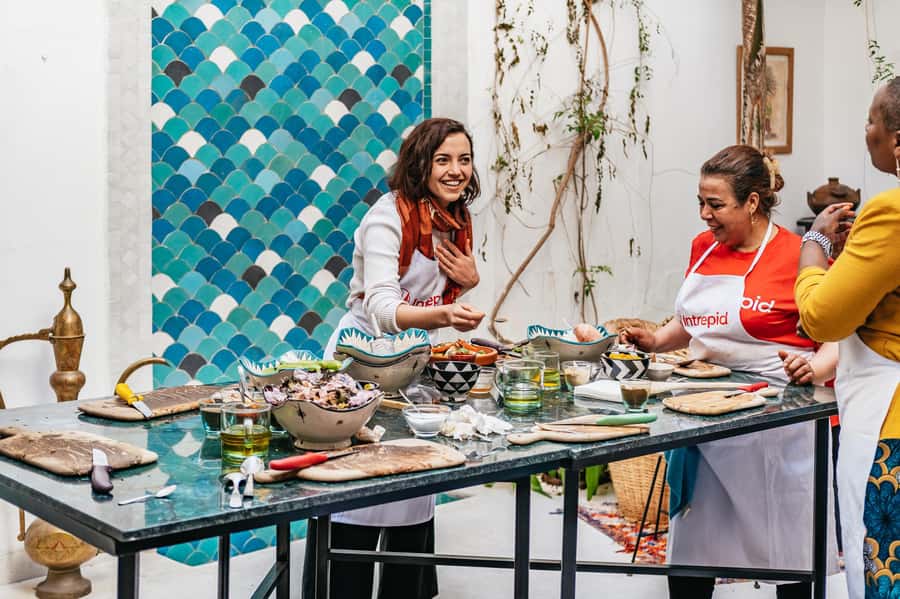
Hands-on tajine cooking in a traditional riad kitchen with local cooks and plenty of guidance.
A small group size (up to 12) that keeps the class interactive.
Mint tea as a real welcome ritual before the chopping and layering starts.
Dietary needs are supported (vegetarian, vegan, gluten-free, and more).
Meeting point clarity matters at Djemaa el-Fna since fake guides can approach you.
Meeting at Café France in Djemaa el-Fna (and Finding the Right Guide)
Start by aiming for Djemaa el-Fna and going straight to the area outside Café France. As you enter the square through the main entrance, look to the right for the three-story café. This matters because Djemaa el-Fna is also where you’ll see people trying to pull you into other tours.
Here’s the simple strategy I’d use: ignore random offers, and only trust the official guide holding an Urban Adventures sign or badge. If you’re unsure, hang back and re-check the meeting point rather than letting someone lead you away. The difference between smooth and stressful here is usually just one thing: finding the correct start.
Also, this is one of those classes where timing is part of the vibe. If you arrive too late, you can miss the clean flow of market shopping and the first tea moment. And since there’s no hotel pickup, build in a buffer for getting across the square and finding your guide.
You can also read our reviews of more cooking classes in Marrakesh
Quick dress note for comfort
Shorts, short skirts, and sleeveless shirts aren’t allowed. Marrakech heat is real, so plan light layers that still fit the rules. Long sleeves or a light scarf can help you stay comfortable and covered at the same time.
Souks Shopping: Spices, Fresh Produce, and Real-Life Haggling Skills
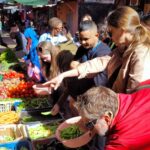
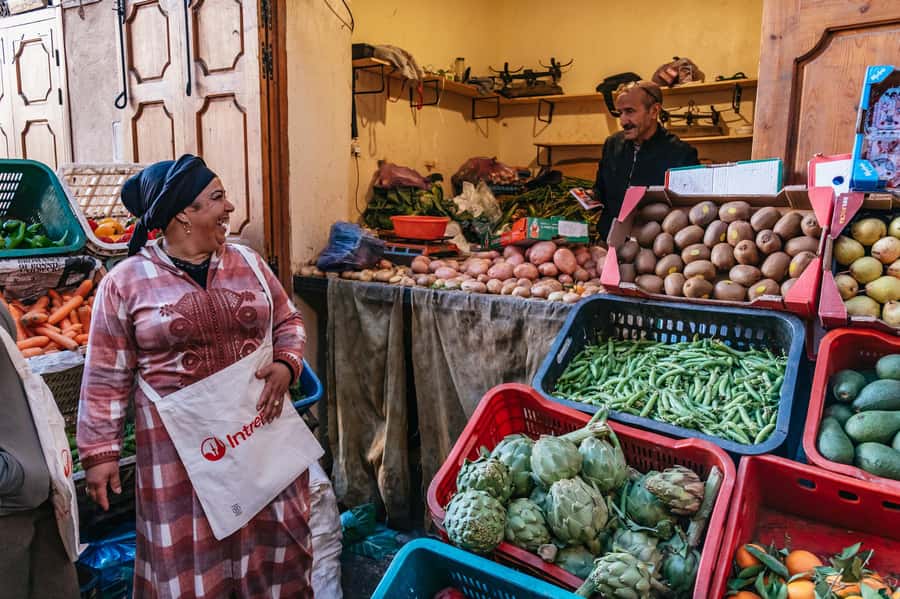
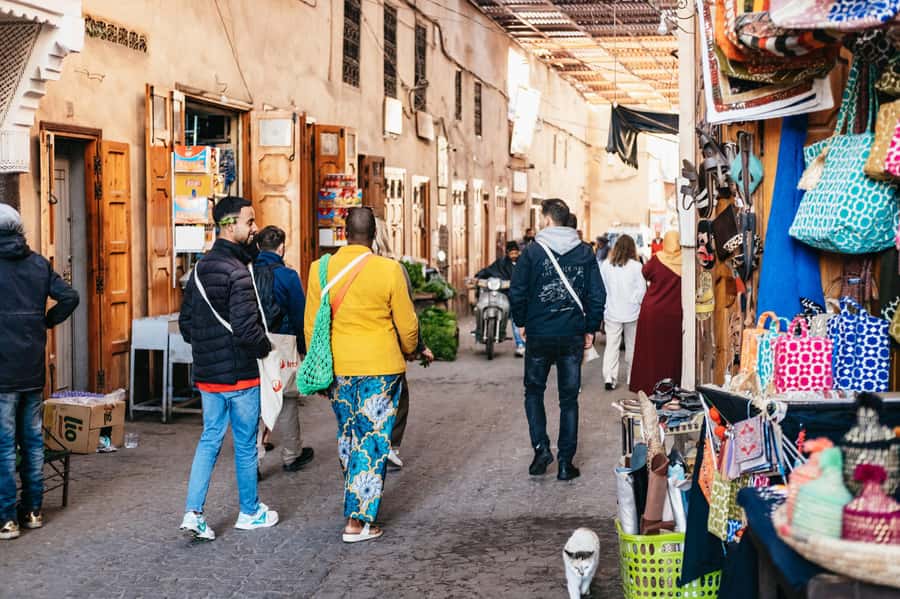
The market portion is where the experience becomes more than a meal lesson. You’ll head into the souks after meeting up, and you’re not just walking for photos. You’re buying ingredients with help—learning how to spot what looks fresh, what smells right, and how spices should feel when they’re whole versus ground.
You’ll also pick up Arabic food vocabulary along the way. That’s not trivia—it’s practical. When you can name common ingredients, you can shop smarter later, even after the class ends. It also makes the whole market trip feel less intimidating. Instead of guessing, you’re matching words to smells and textures.
What I like most about this part is that it trains your instincts. In the medina, quality isn’t always obvious from a distance, and prices can swing. Your guide helps you read the situation—so you learn the difference between a good purchase and a tourist markup.
From the way the class is run, expect the shopping to focus on building flavor foundations: herbs, vegetables, and the spice blend that becomes the backbone of your tajine. People frequently leave talking about the ingredient quality and the confidence they gained from choosing it themselves.
A reality check on haggling
You don’t need to be fearless. Some hosts are more hands-on than others, and the class structure keeps things friendly. But you should still expect that market shopping in Marrakech has bargaining energy. If you’re the type who hates negotiating, you’ll still benefit from learning the cues and knowing what a reasonable price looks like.
Mint Tea First: Why the Welcome Matters for the Cooking
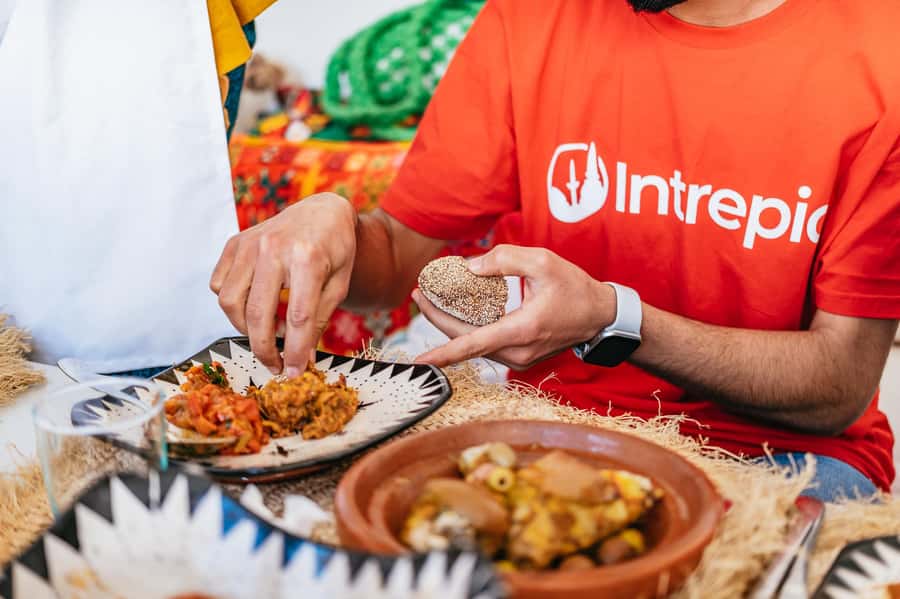
Most cooking classes in Morocco start with the burner. This one starts with mint tea, and that order is smart. It gives you a settling moment before the pace picks up, and it puts you in the local rhythm.
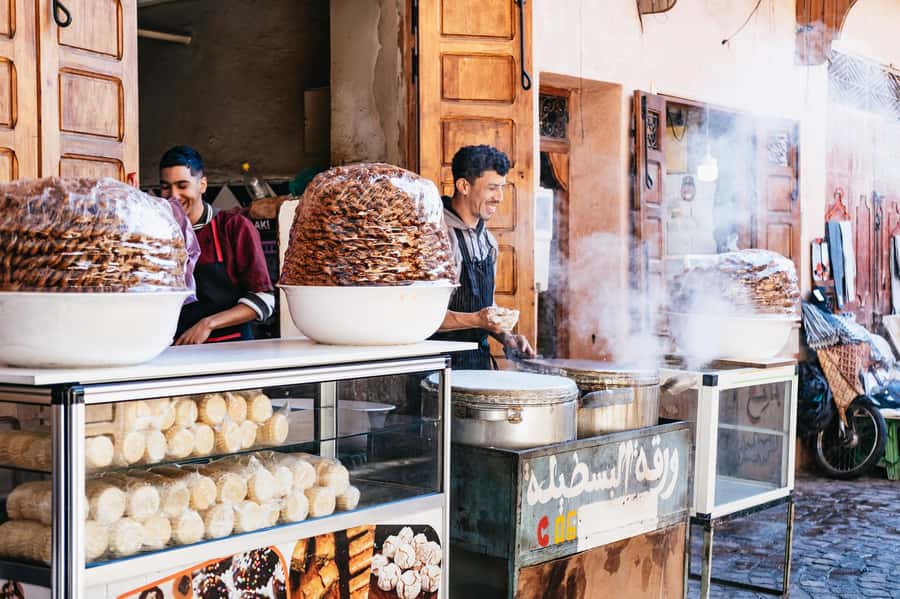
You’ll see how tea is brewed and served patiently, and you’ll be taught the flow so it’s not just something you sip while waiting. In the accounts shared from past groups, guides often start the experience with tea time plus small sweets like ghriba cookies. That’s a nice cultural touch because ghriba aren’t random dessert. They’re part of the sweet side of everyday life.
This first tea round also does something subtle: it helps you understand the chef’s teaching style. If your instructor is funny and relaxed (many guides are), it changes how you feel about cooking. Instead of worrying about messing up, you’re working with guidance.
And because you’re drinking tea during ingredient shopping and while you’re in the riad, you’re less likely to feel rushed or hungry. That matters when you’re chopping vegetables and measuring spices with other people around you.
A few more Marrakesh tours and experiences worth a look
Traditional Riad Kitchen Cooking: Tajine, Salad, and the Art of Layering
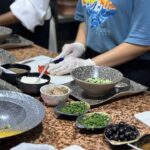
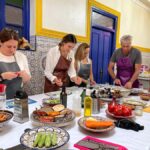
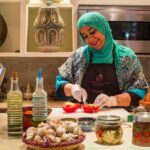
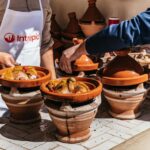
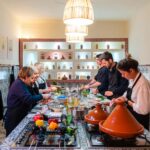
The heart of the class is hands-on cooking in a traditional Moroccan riad. You’re not stuck standing at the side watching someone else do everything. You’ll prepare components, layer ingredients, and follow step-by-step instructions.
The tajine style you’ll likely make
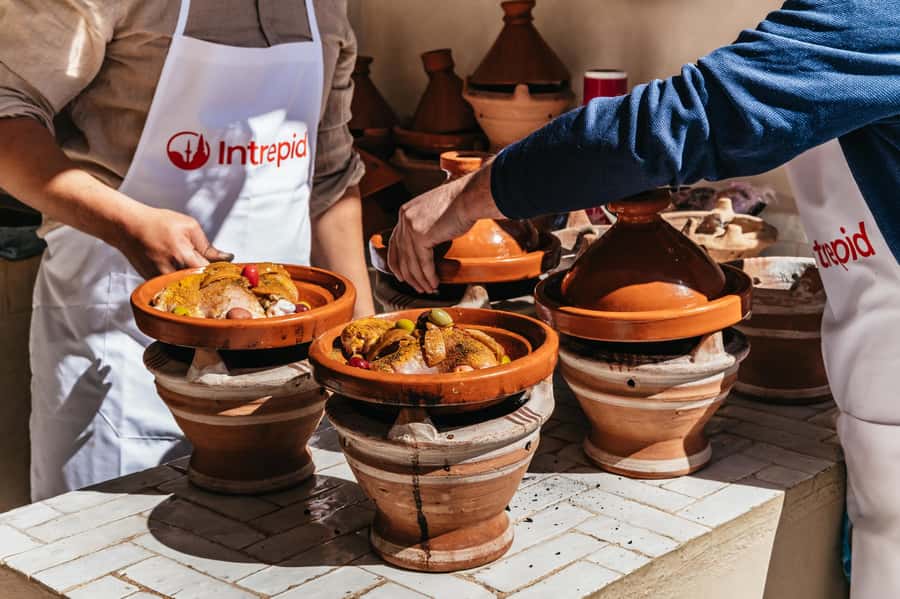
A common main dish in this class is chicken tajine, sometimes featuring flavor highlights like preserved lemon and olives. You’ll also build a Moroccan salad to go alongside it. The exact menu can shift based on what’s available, but the core skill set stays the same: balancing spices, preparing aromatics, and learning the layering logic that makes tajine taste deep instead of flat.
What hands-on really means here
In the best classes, you cook. Here, you do. Past participants have noted that they weren’t only chopping a little garnish; they helped with the process that shapes the final result—prepping vegetables, managing the spice additions, and assembling the dish in the way the chef recommends.
If you’re worried you’re not a strong cook, don’t overthink it. Multiple groups mention the same thing: instructions are clear, steps are patient, and there’s plenty of support from the chef and helpers. Many riads have a team behind the scenes, and in this class you get that help in a friendly way.
Vegetarian and dietary options are part of the design
The class can accommodate vegetarians, vegans, gluten-free, and other restrictions. That’s important because tajine cooking can easily become inflexible in many tours. Here, the structure is built to adjust so you’re still cooking a meaningful dish, not just eating a bland side.
If you have strong preferences, say them clearly before you start the market section. The earlier your guide knows, the more smoothly the ingredient choices can match your needs.
How the Class Uses Flavor Secrets (Not Just Recipes)
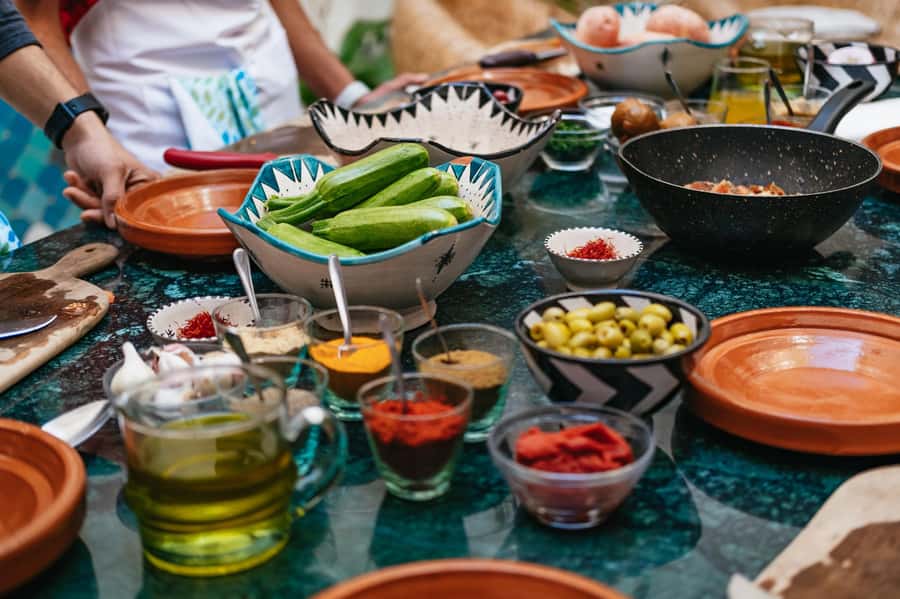
A tajine isn’t one magic spice. It’s timing and technique. The teaching in this class tends to focus on the parts that actually change flavor in your finished pot:
- Spice handling: when to add and how to mix spices so they bloom instead of tasting dusty
- Freshness choices: vegetables and herbs selected for texture and aroma
- Salad balance: getting acidity and brightness so the main dish doesn’t feel heavy
- Tea-and-dessert rhythm: eating in a way that matches Moroccan meal flow
You’ll also learn about medina life as you move through the day—small bits of how people shop, what locals care about, and how food ties into daily rhythms. When someone explains why an ingredient matters, it sticks. That’s why the shopping portion isn’t just a sightseeing walk.
And yes, you get a take-home tajine recipe sheet. But don’t treat it like a souvenir. Treat it like notes from a skill lesson. If you remember the logic of the layering and spice timing, the recipe sheet becomes a repeatable framework you can use at home.
Small Group Size: Why Up to 12 People Feels Like a Real Class
The group cap is up to 12 guests, which is a big deal for a cooking class. It means the chef and helpers can actually check what you’re doing. It also keeps the day from turning into a rushed production line.
You’re likely to meet other English-speaking participants, and guides often guide everyone into the cooking work rather than letting some people hang back. Several accounts highlight that the group energy becomes part of the experience—people chat, laugh, and compare notes on spices and techniques.
There’s also a social side to eating together. You cook, then you sit down and enjoy what you made. Since you’re not competing for space, you can actually savor it.
The Meal Moment: Eating in a Riad and Not Just Stuffing Food In
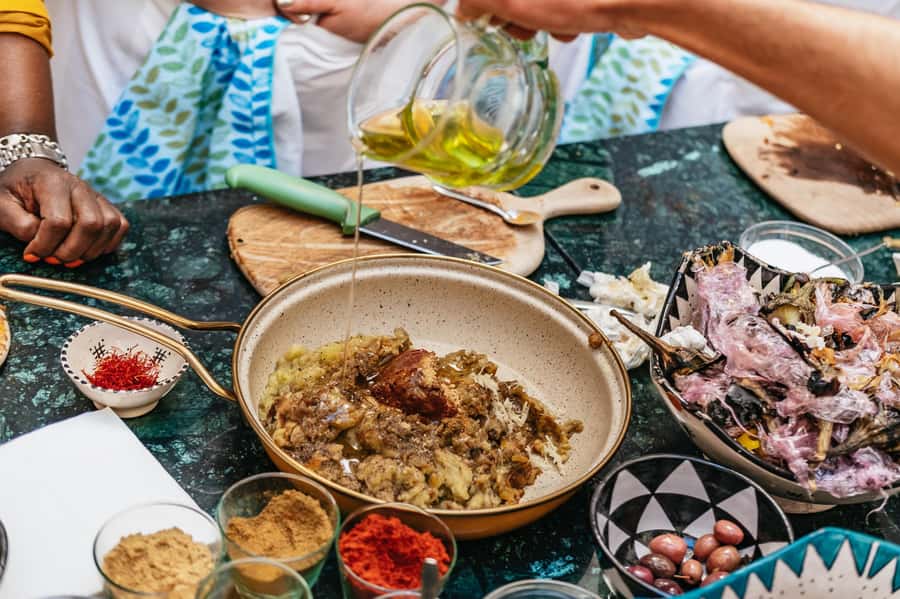
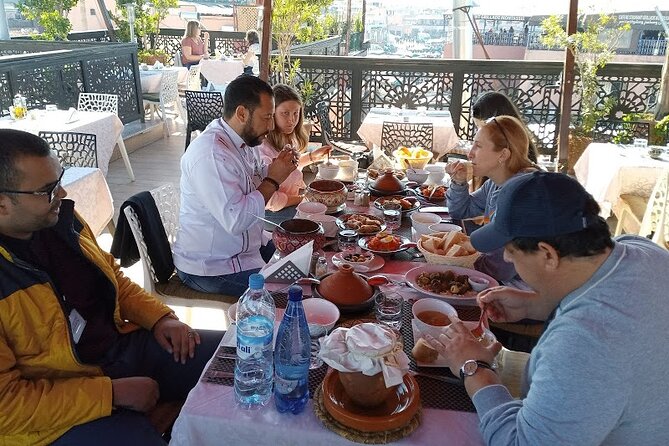
After cooking, you’ll eat the tajine you prepared, with Moroccan tea served during the experience. Many people talk about how good the final dish tastes—often saying it’s the best meal they had in Marrakech, because it’s tied to the ingredients they chose and the steps they followed.
Dessert can vary with availability, but in past experiences you might see sweets like cookies (ghriba) or a fruit-and-spice style dessert such as oranges with cinnamon. The point isn’t what the dessert is. The point is that the meal is paced like a real Moroccan day: tea, then food, then a final sweet note.
If you’re wondering about portion size: it’s not a sample. You should leave full, satisfied, and with that slightly smug feeling of competence—because you helped make it.
Price and Value: What $57 Buys You in Marrakech Time
At $57 per person for about 4 hours, this class is priced like a serious half-day experience. You’re not just paying for cooking instruction. Your money covers:
- the market shopping portion with guided selection
- hands-on cooking in a traditional riad
- ingredients for the tajine (and typically salad, tea, and dessert elements)
- Moroccan tea served during the class
- a recipe sheet you can use later
- local cultural connection through meeting a family and hearing about medina life
- and the operator’s carbon-neutral approach via a B Corp-certified company
The value is strongest if you want more than a restaurant meal. If your goal is to learn how tajine flavor is built, this is a solid use of time. If you only want to eat quickly and move on, you’ll likely consider it more than you need.
Also remember: no hotel pickup/drop-off. That’s not a dealbreaker, but it does affect your total cost and time planning.
Who This Tajine Class Is Perfect For (and Who Might Want Something Else)
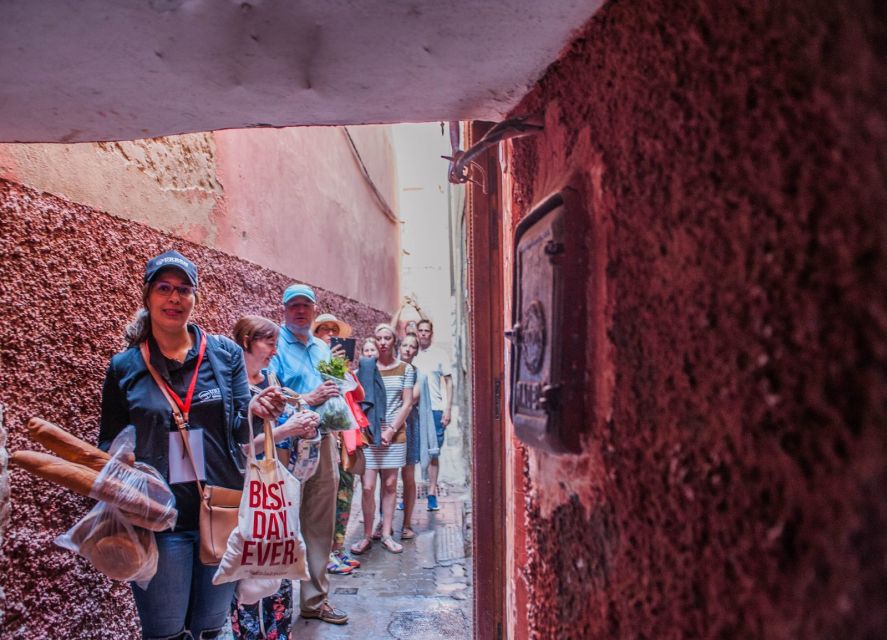
This experience fits best if you’re the type who likes learning by doing. You’ll enjoy it if you want:
- a small-group cooking lesson
- real market shopping guidance
- an authentic riad meal
- practical skills: spices, layering, and how to choose ingredients
It’s also good for people who love culture but don’t want museum fatigue. The medina story comes through food, shopping, and everyday conversation.
You might consider a different option if you want a very hands-off experience, because this is built around participation. And if you hate markets or negotiating even a little, you’ll still learn from the ingredient selection, but the market energy will be part of the day.
Should You Book This Tajine Cooking Class in Marrakech?
I’d book it if you want a Marrakech experience that connects three things people usually do separately: souks shopping, riad cooking, and sitting down to a meal that actually reflects your choices. The small group size, the mint tea welcome, the hands-on tajine work, and the recipe sheet leave you feeling like you gained something you can repeat.
You should also feel good about the setting and intent. The class is run by a carbon-neutral, B Corp-certified operator, and the structure supports local community connection rather than turning everything into a scripted performance.
If you want to make your booking decision easy, ask yourself one question: do you want to learn how to build flavor, not just taste it? If yes, this is a smart use of your time in Marrakesh.
FAQ
Where does the tour meet in Marrakech?
It meets outside Café France in Djemaa el-Fna. When you enter the square through the main entrance, the three-story café is on the right side. Look for the official guide holding an Urban Adventures sign or badge.
How long is the tajine cooking class?
The experience lasts about 4 hours.
Is hotel pickup included?
No. Hotel pickup/drop-off is not included, so you’ll need to get yourself to the meeting point.
What group size should I expect?
It’s a small group, up to 12 guests, which helps keep the cooking portion hands-on.
What language is the guide?
The live tour guide speaks English.
What food do you cook and eat?
You’ll cook a traditional tajine (with ingredients including vegetables, herbs, spices, and chicken) plus a fresh Moroccan salad, and you’ll enjoy the meal you prepare with Moroccan tea.
Can the class handle dietary restrictions?
Yes. The experience can accommodate vegetarians, vegans, gluten-free, and other dietary restrictions.
Is there a dress code?
Yes. Shorts, short skirts, and sleeveless shirts are not allowed.
What should I do about guides at Djemaa el-Fna?
Djemaa el-Fna has people trying to persuade visitors into other tours. Make sure you find the official guide holding an Urban Adventures sign or badge and waiting in front of Café France.
Is the tour cancellable?
Yes. You can cancel up to 24 hours in advance for a full refund.