REVIEW · MARRAKESH
Marrakech to Merzouga: 3-Day Sahara Desert Tour & Camel Ride
Book on GetYourGuide →Operated by MOROCCO DESTINATIONS · Bookable on GetYourGuide
The Sahara hits different when it’s planned down to the sunrise. I loved the camel ride at both sunset and sunrise and the chance to walk through Ait Ben Haddou’s film-famous kasbah streets. One heads-up: this is a long-drive adventure, and if you’re short on time, you’ll want to manage expectations about how many hours you spend in the dunes.
If your goal is stars, silence, and that moment the desert turns gold, this trip delivers. I also like that you get a proper buffer day-by-day: Atlas Mountains, Todra Gorges, then Erg Chebbi in time for the sky show. The main drawback is comfort varies, especially in standard desert camps.
In This Review
- Key things I’d prioritize before you go
- The long drive out of Marrakech is part of the magic
- Ait Ben Haddou: where the old alleys still look like a set
- High Atlas to Dades: the canyon-country in-between night one
- Todra Gorges: the canyon you can stand inside
- Camel rides at sunrise and sunset: why timing is everything
- A quick note on sandboarding
- Desert camp reality check: standard vs luxury
- Meals, lunches, and the part of the day that feels most negotiable
- Who you should book this for (and who should skip it)
- Cost and value: how $125 makes sense when you price it out
- Small downsides worth planning around
- My honest booking advice: should you do it?
- FAQ
- What’s the duration of the Marrakech to Merzouga Sahara tour?
- How much does the tour cost?
- Where does pickup happen?
- What time is pickup?
- Is the desert camp standard or luxury?
- What’s included in the camel ride?
- What meals are included?
- Do you need warm clothes for the desert?
- What languages are available for the guide and audio?
- Who should avoid this tour?
Key things I’d prioritize before you go
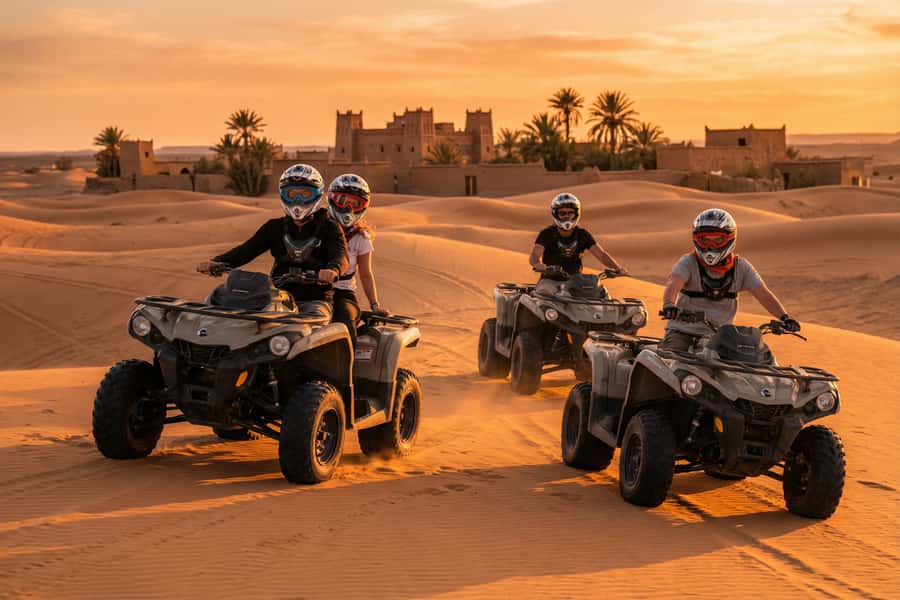
- Two camel rides in Erg Chebbi, timed for sunrise and sunset
- Ait Ben Haddou at UNESCO level, plus major movie filming locations (Gladiator, Game of Thrones, The Mummy)
- Todra Gorges with canyon walls about 300 meters high
- Desert camp choice matters: standard has shared bathrooms; luxury has en-suite
- Plan for driving days with lots of scenic stops along the way
The long drive out of Marrakech is part of the magic
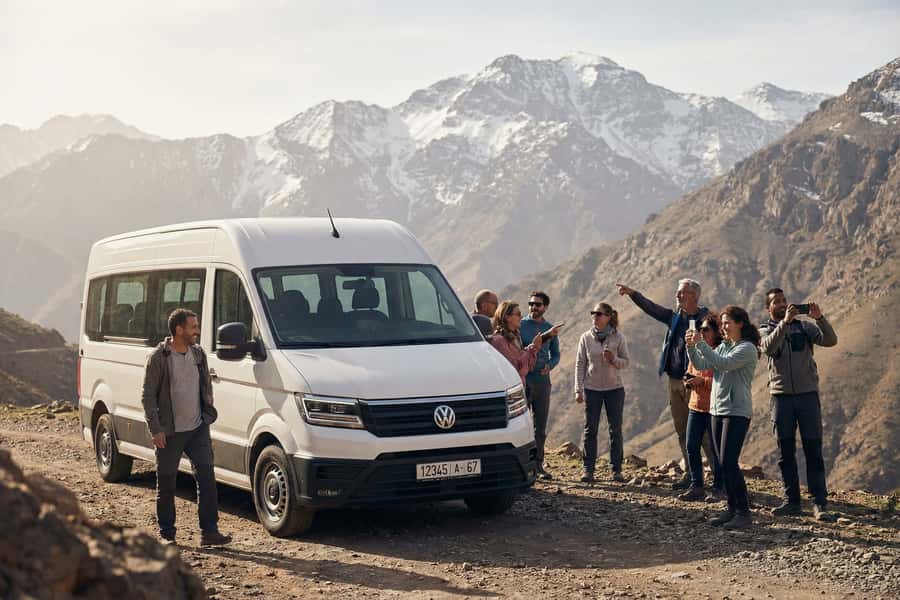
This tour starts early, with pickup typically between 7:00 AM and 8:00 AM. Expect the city to fade fast. Within a couple of hours you’re climbing into the High Atlas Mountains, where the road feels like it’s heading toward the sky.
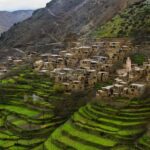
Along the way, you’ll see green valleys, rocky cliffs, and small Berber villages perched on hillsides. It’s not just scenery for scenery’s sake. Morocco’s distances can feel weird until you experience them from the road. This is the kind of trip where every turn helps you understand why people come here again and again.
You’ll also cross Tizi n’Tichka Pass, described as the highest road in Morocco. The benefit of that kind of high pass drive is simple: it gives you sweeping views on your camera (and helps you feel like you really traveled, not just transferred).
If you’re prone to getting stiff on long drives, pack comfort first. Even with an air-conditioned minibus or 4×4, you’ll be sitting for hours. Water and snacks matter, but bottled water isn’t included, so keep that in mind.
A few more Marrakesh tours and experiences worth a look
Ait Ben Haddou: where the old alleys still look like a set
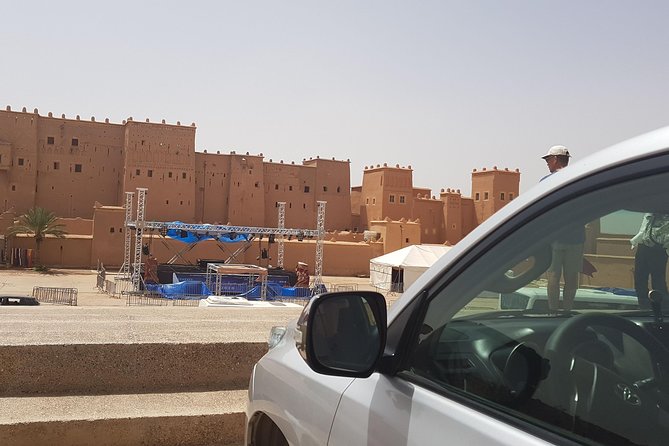
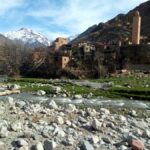
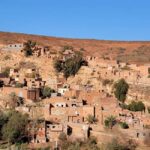
Ait Ben Haddou is the stop that makes the trip feel cinematic right away. This UNESCO site is also a famous filming location, with references like Gladiator, Game of Thrones, and The Mummy. Even if you don’t binge historical epics, the place does something rare: the set is the real thing.
Walking through its ancient lanes, you get a sense of how kasbah life worked. The streets are narrow, the buildings hug the slope, and everything feels designed for defense and heat control. You’re not just looking at ruins; you’re moving through the geometry that shaped them.
What I like best here is the contrast. Marrakech can be loud and fast. Ait Ben Haddou is quiet, textured, and slow. It gives your brain time to catch up before the Sahara takes over.
One practical consideration: the old pathways can be uneven, so comfortable shoes aren’t optional. Also, entrance fees to some monuments or optional museums aren’t included, so plan a little cash if you want to go inside specific parts.
High Atlas to Dades: the canyon-country in-between night one
After Ait Ben Haddou, you’ll keep driving toward the Dades Valley area (or Kelaat M’Gouna, depending on the route). This is where the trip balances big sights with a place to sleep that’s actually comfortable.
Your first night is in a hotel in the Dades Valley with a private room, plus dinner and breakfast. The goal of this night stop is pretty smart: you’re not trying to do everything in one day. You get a real meal, you reset your body, and you wake up ready for Todra.
The Dades area is known for red-rock formations and dramatic cliffs. Even if your schedule is tight, you’ll feel the change in terrain. At night, the sky tends to be clearer than you’re used to from the city.
Then there’s the food rhythm. You’ll have traditional Moroccan dinner here, which is a good way to start thinking like a desert traveler: eat, rest, and save energy.
Todra Gorges: the canyon you can stand inside
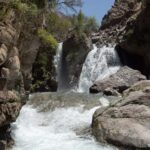
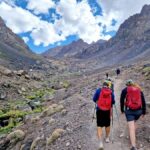
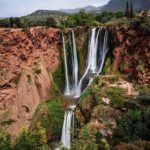
Day two brings Todra Gorges, one of Morocco’s standout natural features. The canyon walls rise roughly 300 meters above you. That’s not a small scale sight. It’s the kind of place where sound changes and the air feels cooler in the gorge.
You’ll spend time walking around the canyon area. The paths can be uneven in spots, so again: shoes you can trust on rock are your friend.
What Todra does well is give you a breather from kasbahs and roads. You’re in a geological “cathedral.” Your photos look good even without fancy camera settings, because the sheer vertical rock makes everything look dramatic.
Then you shift gears again and start the drive toward Merzouga and Erg Chebbi. This part matters because the dunes appear gradually, like the Sahara is arriving in stages. You’re not suddenly dropped into sand with no build-up. That transition helps the desert feel earned.
Camel rides at sunrise and sunset: why timing is everything
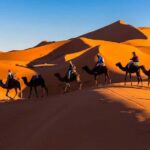
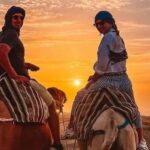
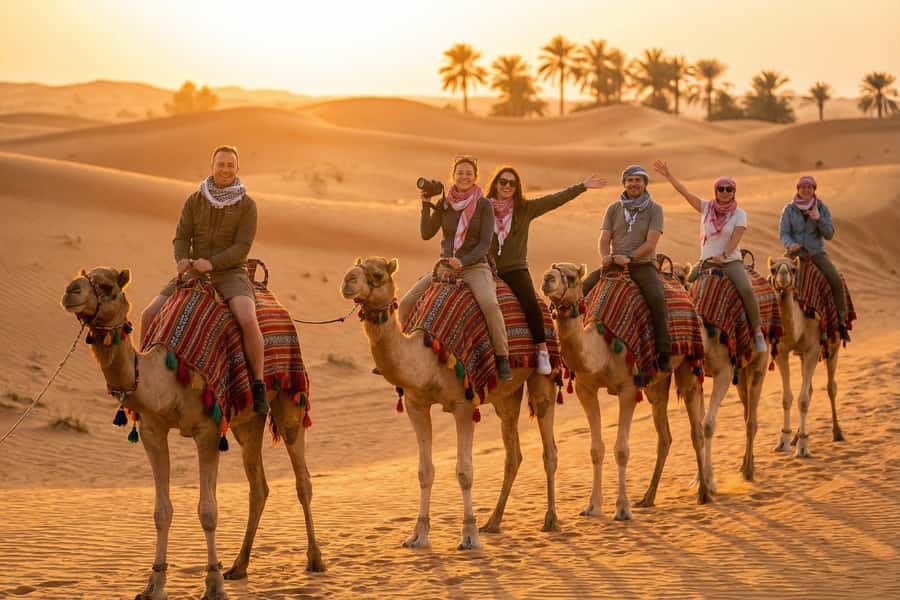
The Sahara portion starts when you leave the vehicle and move into a camel caravan. You’ll ride for the sunset approach and then ride again at sunrise on day three. That repetition is the whole point.
Sunset on the dunes is orange first, then pink, then purple. You’ll watch the dunes change color as the light angles shift. In other words, the desert doesn’t just look beautiful; it looks alive.
Then sunrise is a different vibe. Early light makes the dunes look softer and less harsh. The sand holds warmth from the day before, and then the sky brightens like it’s waking up with you.
A key detail: camel rides may be replaced by a 4×4 transfer for safety. If you have mobility issues or a safety concern, it’s worth discussing that early with your operator so you’re not stuck worrying on the day.
From a comfort standpoint, you’ll want warm layers. People often assume deserts are only hot. Not true. Nights get cold, especially in winter, and sunrise can feel chilly before the sun actually does its job.
A quick note on sandboarding
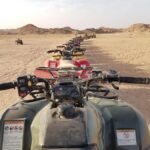
Sandboarding is listed as optional and depends on weather and dune conditions. If it happens, it’s a fun, active break from sitting and staring. If it doesn’t, you still have two camel rides plus desert camp time.
Desert camp reality check: standard vs luxury
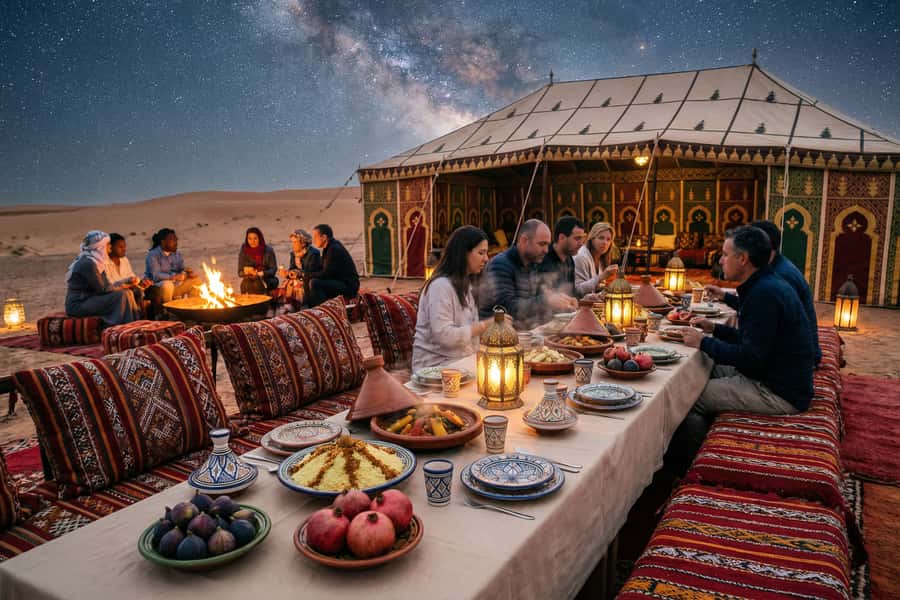
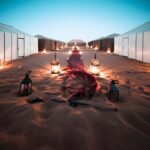
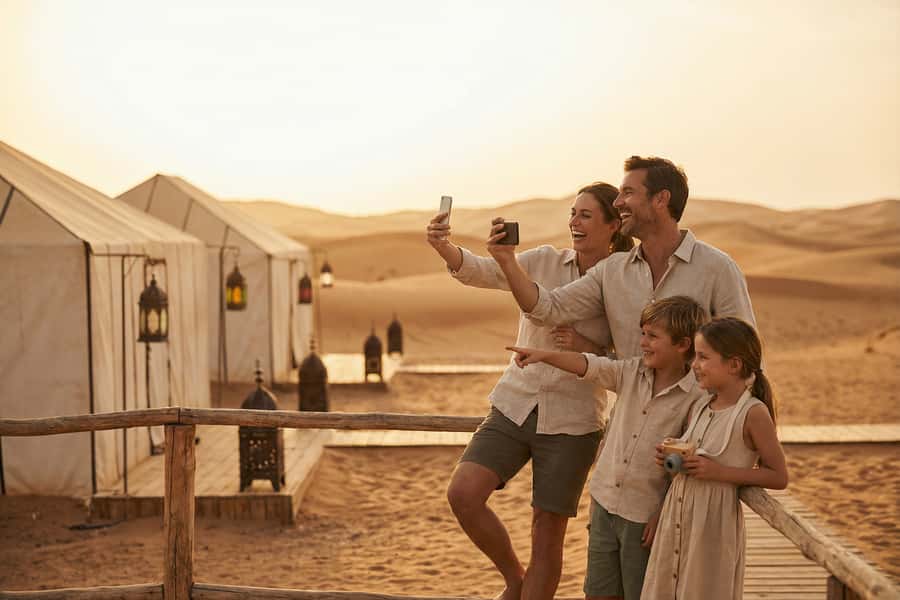
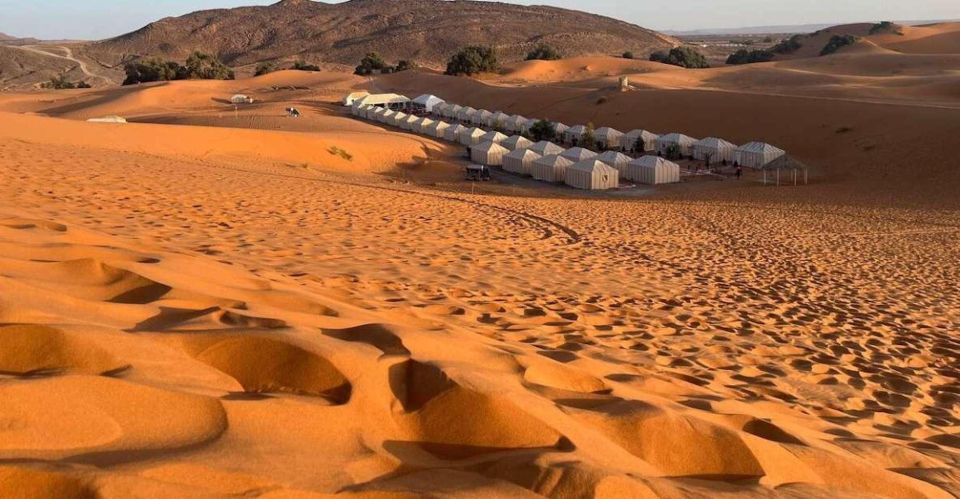
You’ll spend the second night at a desert camp in the Erg Chebbi area. Here’s where your choice really matters.
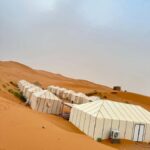
- Standard camp: you get a private tent, but shared bathrooms. Based on firsthand experience in similar camps, this can mean things may get dirty faster than you’d like, especially if many tents use the same facilities.
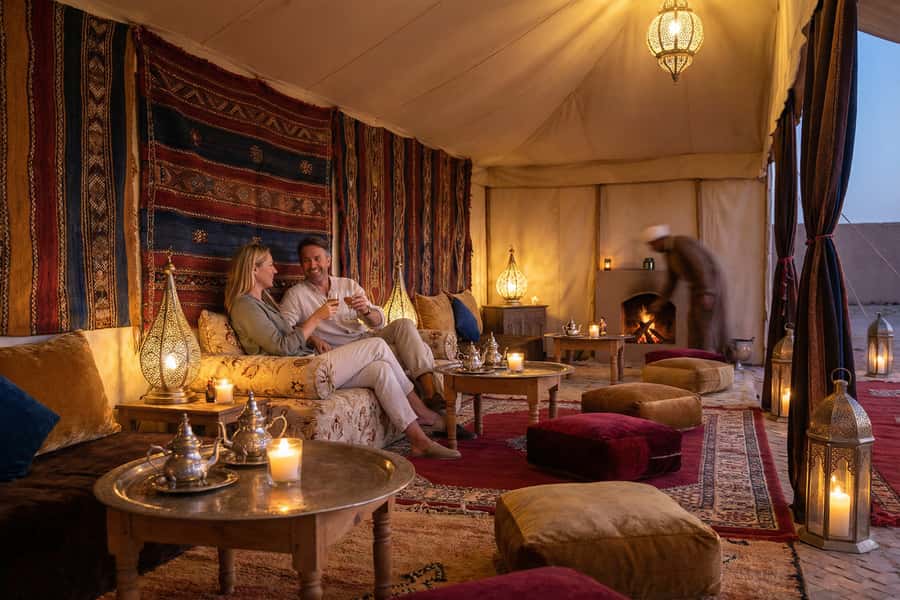
- Luxury camp: private tents plus en-suite bathrooms, and the overall comfort level tends to be higher. One review specifically praised the luxury camp food as well.
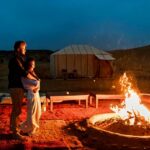
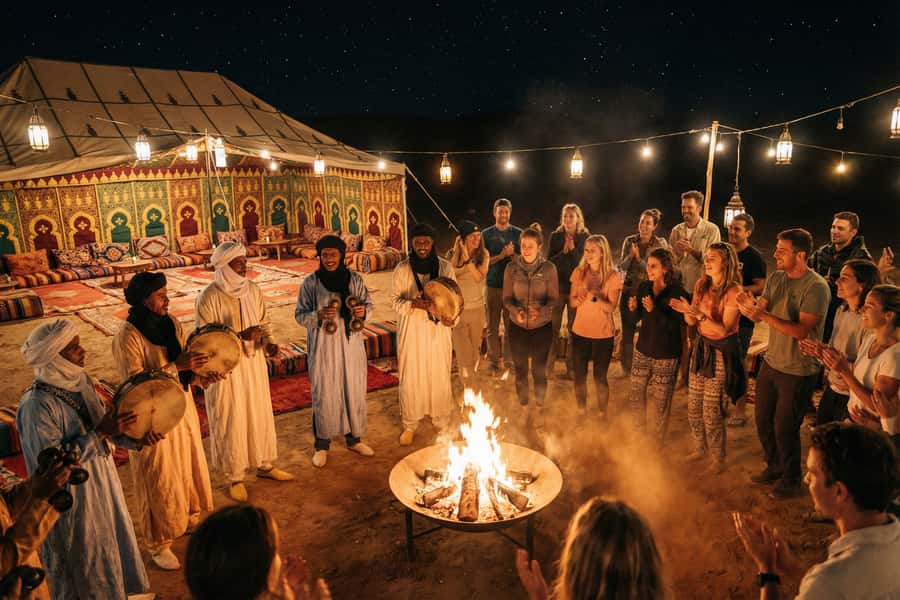
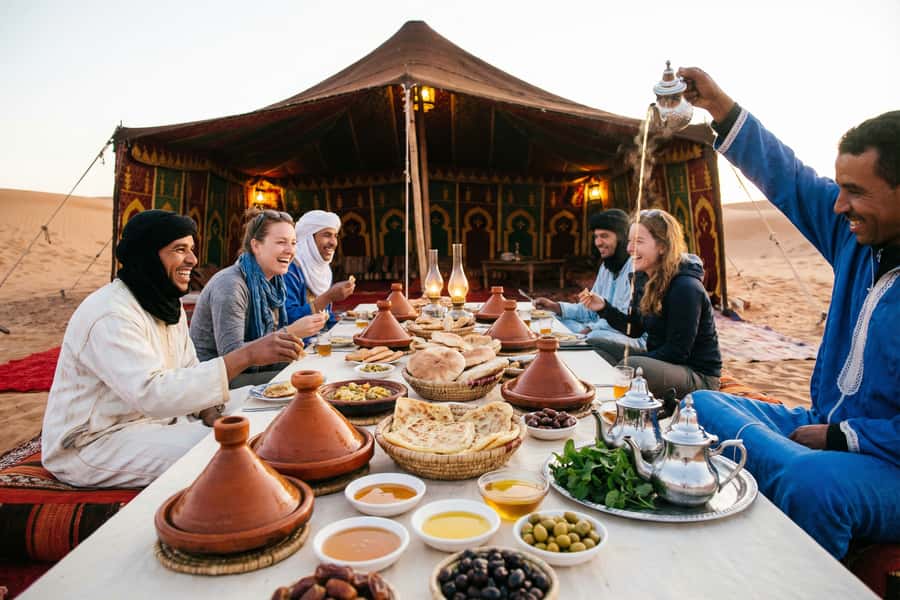
Either way, the camp’s big draw is the night sky. With almost no city light, stars go from “nice to see” to “how is this even real.” You’ll have mint tea when you arrive, and dinner happens around a campfire.
You’ll also hear Berber music out on the dunes. It’s not a concert environment; it’s more like the desert has a soundtrack. The value here is atmosphere. This is exactly where the trip becomes less about checkboxes and more about memory.
Electricity and Wi-Fi can be limited in camps, so think of the desert as a data-mining-free zone. Bring a power bank if you rely on your phone for maps or photos.
Meals, lunches, and the part of the day that feels most negotiable
Dinner and breakfast are included—twice. Lunch is not, and you’ll likely need to budget it separately (it’s stated as roughly €8–€12).
Here’s the practical truth: lunches can be the weak link on this kind of route. Some meals may feel overpriced or repetitive because lunch stops are convenient for buses, not necessarily tuned for great food.
If food quality matters to you, consider carrying a small lunch backup like snacks or something easy. You can’t replace a full meal every day, but you can protect yourself from a bad lunch detour.
Also, don’t expect gourmet breakfast. I’d treat breakfasts as filling, not fancy. A desert sunrise breakfast should be judged by warmth and timing, not restaurant style.
Who you should book this for (and who should skip it)
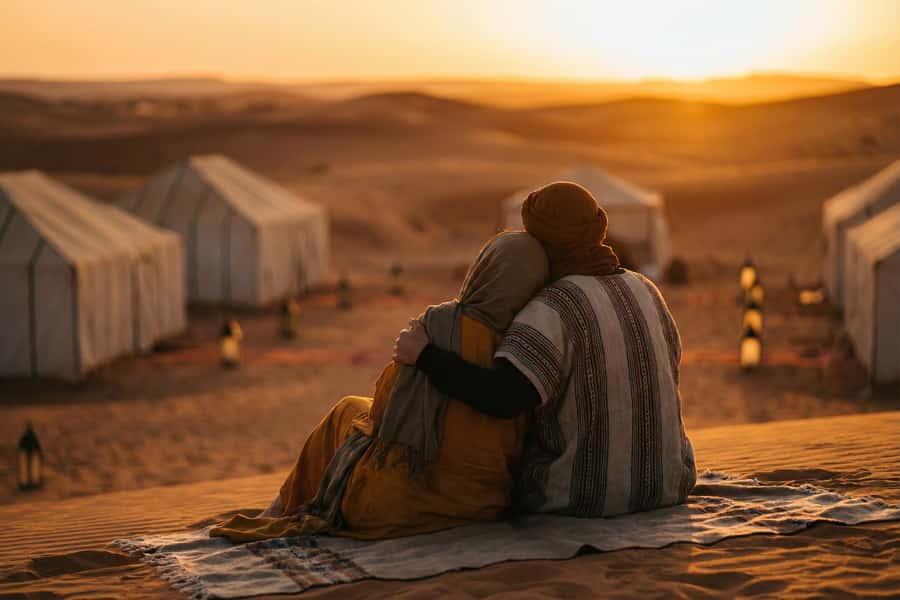
This tour fits best if you want an organized route with real desert time. The camel rides at sunrise and sunset are the headline. If you’re the type who likes to watch light change on sand, you’ll be happy.
It’s also a good fit if you enjoy a “big sights” rhythm:
- kasbah walking,
- canyon time,
- then dunes and stargazing.
It may not be right for everyone:
- children under 5
- pregnant women
- people with back problems
- people with heart problems
Also, the itinerary involves uneven paths at places like Ait Ben Haddou and Todra Gorges, plus long driving hours. If you’re sensitive to that, you’ll have a better time with fewer road days.
If you’re traveling in winter, pack for cold nights. Warm layers aren’t optional. Even if daytime feels pleasant, desert temperatures drop.
Cost and value: how $125 makes sense when you price it out
At about $125 per person for 3 days, the value is mostly in what you don’t have to arrange yourself.
You’re getting:
- Marrakech pickup and drop-off
- air-conditioned transport in a minibus or 4×4
- a driver-guide who speaks English/French/Spanish (with Arabic also available)
- two nights with meals (hotel night + desert night)
- camel rides at both sunset and sunrise
- Moroccan dinners and breakfasts
- campfire time with Berber music
- stops at Ait Ben Haddou and Todra Gorges plus viewpoints
When you break it down, the camel transport and desert camp with meals are the big cost drivers that solo travelers either overpay for or struggle to organize efficiently. The other value is pacing: you’re not worrying about which road, which guide, which camp. You just show up and go.
The tradeoff is that you’ll live with compromises: optional extras like monument entrances and sandboarding depend on timing and conditions. And lunch isn’t included.
If you want the best value-for-comfort ratio, consider upgrading to the luxury camp if en-suite bathrooms are important. The difference matters after a cold desert night.
Small downsides worth planning around
No route is perfect. The issues that pop up most are predictable.
1) Desert time vs number of stops
Some schedules include multiple stops and activities that can eat into how long you actually spend in the dunes. You might arrive in the desert late afternoon, sleep through the night, and leave early the next morning for the return. If your idea of a perfect day is hours of slow dune wandering, you’ll want to be clear-eyed.
2) Shared bathrooms in standard camps
Standard camps can feel fine at first, but shared facilities can get dirty faster, especially when multiple tents use them.
3) Food quality at lunch stops
Dinner and breakfasts are included, but lunch may be the most overpriced and least satisfying part of the trip. A snack strategy helps.
4) Pickup point confusion
If your riad is deep in the medina and not reachable by car, you’ll meet at the nearest accessible point. Keep your phone reachable and double-check your WhatsApp message the day before.
My honest booking advice: should you do it?
Book this tour if:
- you want sunrise and sunset camel rides in Erg Chebbi,
- you want UNESCO kasbah walking at Ait Ben Haddou,
- you like the mix of Atlas Mountains, Todra Gorges, and desert night sky,
- and you’re okay with early starts and long driving hours.
Consider passing or switching to a different style of desert experience if:
- you want lots of unstructured dune time (not just the timed rides and camp moments),
- you’re very sensitive to basic facilities (standard camps have shared bathrooms),
- you hate paying for food extras like lunch every day.
If you book, I’d pick the luxury camp if budget allows, bring warm layers for desert nights, and plan for lunch spending. Then you’ll show up ready to enjoy the part that’s hard to fake: the shift from road dust to a night sky you can’t stop staring at.
FAQ
What’s the duration of the Marrakech to Merzouga Sahara tour?
It runs for 3 days.
How much does the tour cost?
The price is listed as $125 per person.
Where does pickup happen?
Pickup is included in Marrakech. You’ll be picked up from your hotel lobby or the main entrance of your riad, or from the nearest accessible meeting point if your riad is inside the Medina.
What time is pickup?
Pickup starts between 7:00 AM and 8:00 AM, depending on your location.
Is the desert camp standard or luxury?
Both options are offered. Standard camp has shared bathrooms. Luxury camp has private en-suite bathrooms.
What’s included in the camel ride?
You’ll ride camels in Erg Chebbi for sunset and sunrise. Sandboarding is optional and weather-dependent.
What meals are included?
Dinner and breakfast are included for the hotel night and the desert camp night. Lunch is not included.
Do you need warm clothes for the desert?
Yes. Desert temperatures can be cold at night in winter and hot in summer. Warm clothing is recommended.
What languages are available for the guide and audio?
The driver-guide speaks English/French/Spanish (and Arabic is also available). An audio guide is included in Arabic, English, French, and Spanish.
Who should avoid this tour?
The tour is not suitable for children under 5, pregnant women, or people with back problems or heart problems.