REVIEW · MARRAKESH
Marrakech: Moroccan Cuisine Cooking Class in Local Home
Book on GetYourGuide →Operated by Reiseführer Abdo · Bookable on GetYourGuide
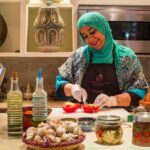
Tagine tastes better when you cook it. In Marrakech, this class takes you into a real local home kitchen in the medina, where you actively make the food instead of watching it happen. I also love how the bilingual guide turns cooking into cultural storytelling, with hosts like Abdo/Abdul (and Ahmed, in some sessions) explaining the why behind the ingredients, spices, and rhythms of daily life.
The main thing to plan for is the medina navigation. You need to meet at a specific spot (not inside the riad) and you may walk through a few tight lanes, so comfy shoes matter more than you think.
In This Review
- Key highlights worth knowing
- Marrakech Medina Home Kitchen: What Makes This Feel Real
- Spotting Your Guide and Finding the Meeting Point Fast
- The 3-Hour Flow: Bread, Salads, Zaalouk, and Two Tagines
- Moroccan Bread-Making: The Skill That Sticks
- Chicken Tagine with Olives and Golden Fries: The Flavor Logic
- Meatball Tagine with Melted Cheese: Comfort With Attitude
- Zaalouk and Eggplant: Learning Vegetable Flavor the Moroccan Way
- Eating Together: Tea Traditions, Stories, and Plating Tips
- Price, Value, and What You Truly Get for $24
- Who Should Book, and Who Should Think Twice
- Should You Book This Marrakech Cooking Class?
- FAQ
- How long is the Marrakech Moroccan cuisine cooking class?
- What is the price per person?
- Where do we meet in the medina?
- How do I recognize the guide?
- What dishes will we cook and eat?
- Is this class suitable for beginners?
- Can the menu be changed for dietary restrictions?
- What languages does the guide speak?
- Is transportation included?
- Can I cancel for a full refund?
Key highlights worth knowing
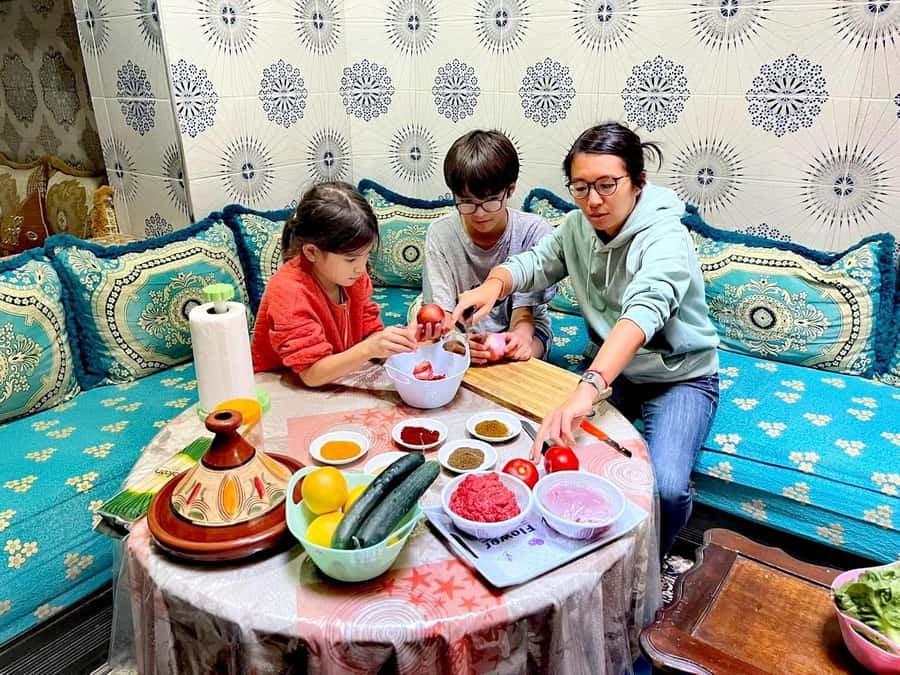
- A local home setting in the medina: you cook and eat where people actually live.
- Hands-on cooking, not a demo: everyone gets tasks, from chopping to bread-making.
- Two tagines plus classic sides: chicken tagine with olives and golden fries, and a meatball tagine with melted cheese.
- Zaalouk and eggplant dishes: you’ll learn how Moroccans build flavor from vegetables.
- Cultural storytelling built into the meal: Moroccan tea traditions and social customs come up during the session.
- Take-home recipes: plating tips and recipes help you recreate the results later.
Marrakech Medina Home Kitchen: What Makes This Feel Real
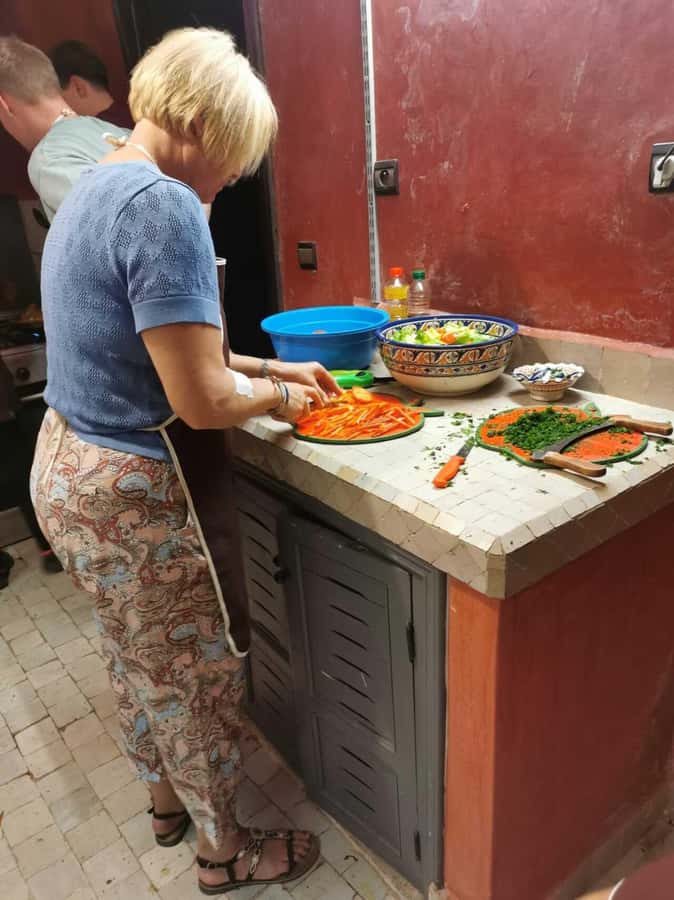
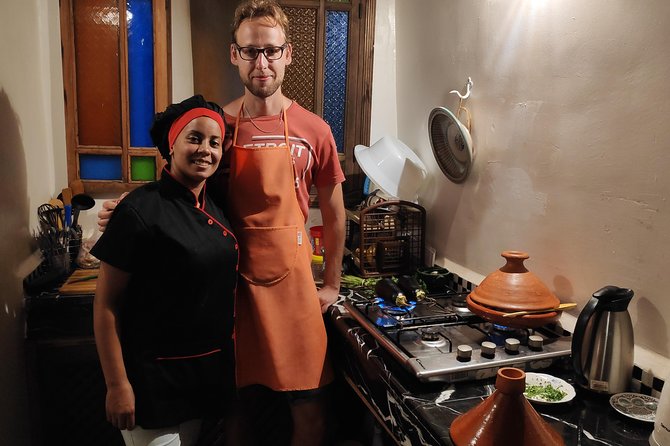
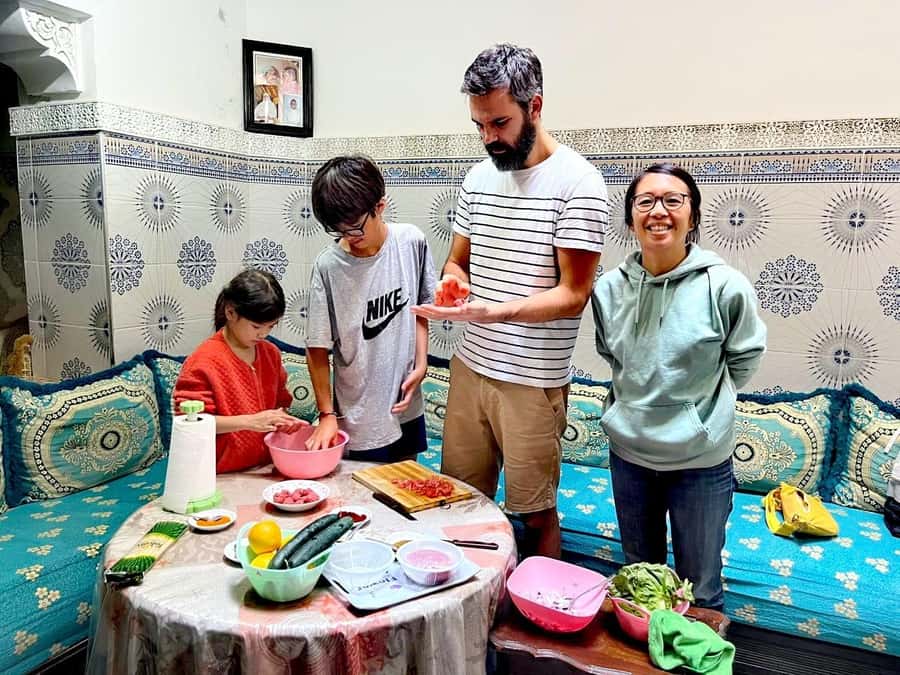
Marrakech has plenty of cooking classes. What makes this one stand out is the setting: you’re not in a big school kitchen, you’re in a Moroccan home in the medina. That changes the whole vibe. You get less of the performance feeling and more of the day-to-day feeling, from how ingredients are handled to how people talk while food is cooking.
You also get a built-in rhythm that makes sense for beginners. The class is structured step by step, with a friendly, bilingual host guiding you while you do the work. You’re learning a process, not just collecting recipes.
And yes, the food is the point. But the better payoff is what happens around it: the stories, the tea conversation, the shared meal. Morocco’s food culture is social by design, and this class teaches that without turning it into a lecture.
You can also read our reviews of more cooking classes in Marrakesh
Spotting Your Guide and Finding the Meeting Point Fast
You meet the guide before you start. The guide waits about 10 minutes before the starting time, and there’s a clear instruction that matters in the medina: meet in front of the riad, not inside.
Your starting reference point is directly in front of Riad les Etoiles Berberes. The guide will be there near that location, and they’ll be easy to identify with a green hat so you can confirm you’ve got the right person and your names match.
A practical tip that came up repeatedly: use Google Maps, not Apple Maps. In the medina, tiny street differences can send you down the wrong lane, and the right map reduces that stress.
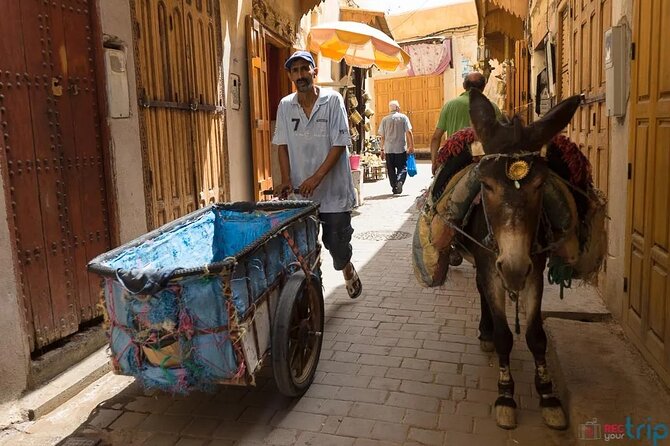
Also plan for a little walking. Some participants mentioned walking through medina streets to the cooking house (around 15 to 25 minutes in at least one case). If you arrive late or on the edge of tired, the walk can feel longer. Go early, drink water, and keep your phone brightness up so you can re-check the route if needed.
The 3-Hour Flow: Bread, Salads, Zaalouk, and Two Tagines
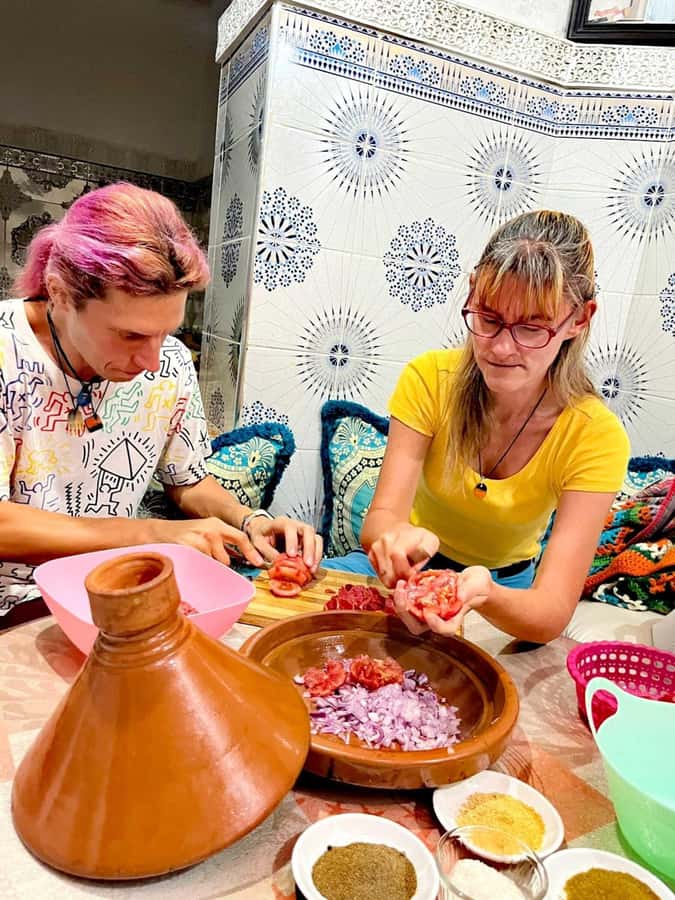
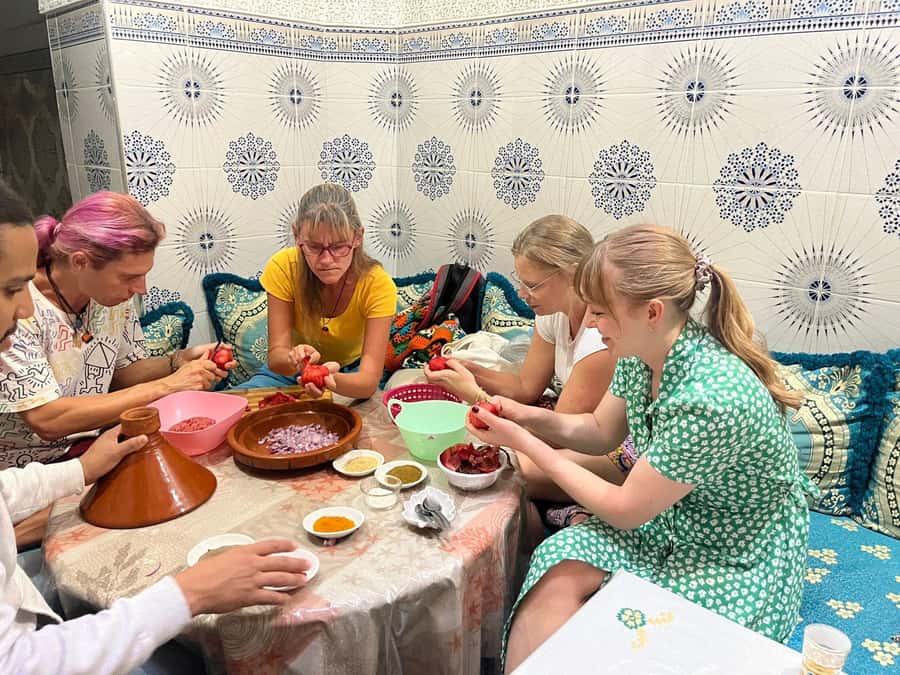
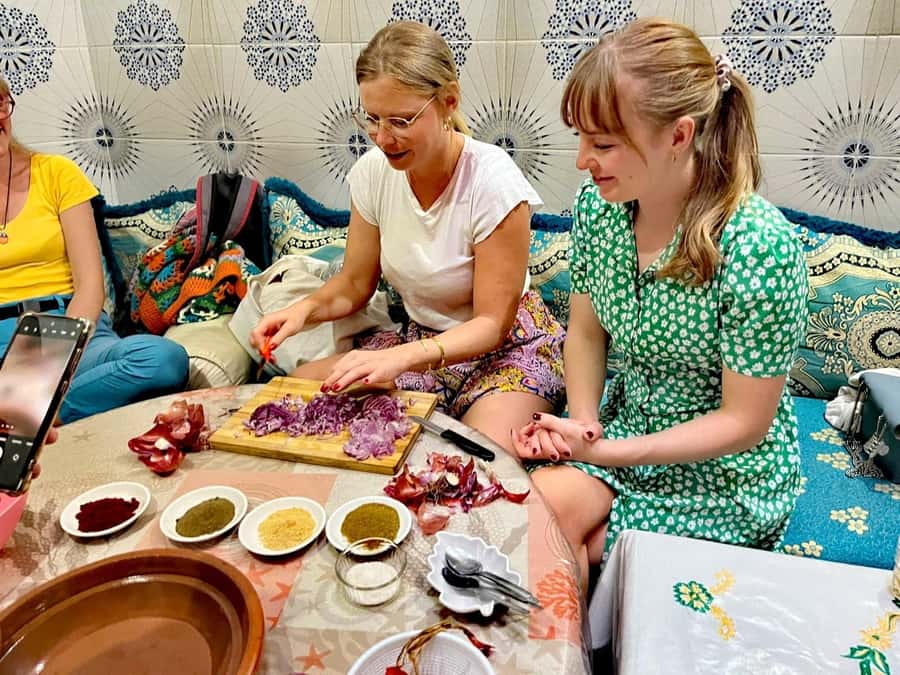
This is a 3-hour session, so the pace is designed to cover several dishes without dragging. In the first part, you’ll get oriented, then start preparing ingredients with step-by-step guidance.
From there, the flow is built around dishes that make sense together: bread for the table, salads for freshness, zaalouk for that smoky-eggplant comfort, and two tagines for the warm, spiced heart of the meal. By the time you sit down to eat, you’ll recognize each dish you helped create.
Here’s what to expect in the kitchen:
- Fresh Moroccan bread: the class includes making bread, and you’ll learn the basics of handling dough and shaping.
- Chicken tagine: including olives and golden fries.
- Meatball tagine: topped with melted cheese.
- Tomato and green pepper salad: a classic, bright side to balance the tagine richness.
- Zaalouk: a traditional Moroccan eggplant dish with big flavor for something veggie-based.
- Fruit salad dessert: a lighter finish after savory cooking.
- Menu flexibility for dietary needs: the menu can change based on restrictions, so you’re not stuck with a one-size-fits-all plate.
You’ll also get small but helpful technique guidance, like plating tips. It sounds minor, but it helps you serve the meal in a more authentic way at home later.
Moroccan Bread-Making: The Skill That Sticks
Moroccan bread is more than a side dish. It’s part of how you handle tagines and pick up sauces at the table. Learning to make it during the class gives you a skill that feels portable, even if your home kitchen isn’t set up the same way.
Expect hands-on instruction, and don’t worry if you’re not a confident cook. The class is designed for beginners and people with prior experience. You’ll be guided through what to do and when, and you’ll get tasks that match your comfort level.
If you’re the type who worries about messing up dough, here’s the comforting truth: because it’s a home setting and the session is paced, you’re not being rushed through a single high-stakes moment. You’re learning a sequence.
And when the bread hits the table fresh, you’ll understand why Moroccan meals often revolve around bread. It turns the meal into a shared, hands-on experience, not just plated food.
Chicken Tagine with Olives and Golden Fries: The Flavor Logic
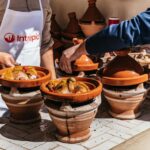
Tagine cooking is about patience and layering. In your session, you’ll build a chicken tagine that includes olives and golden fries. That combo matters: olives add depth and saltiness, while the fries bring a contrasting texture that keeps the meal from being one-note.
What I like about the way this class teaches tagines is that it’s not just about the final taste. You learn the process: preparing ingredients, timing steps, and understanding how flavors come together while cooking.
You also get a tangible reward. When the tagine is ready, you’re not imagining how it should taste. You taste your own choices immediately. That’s what makes the class more memorable than a cookbook lesson.
A few more Marrakesh tours and experiences worth a look
Meatball Tagine with Melted Cheese: Comfort With Attitude
The second tagine takes a different direction: meatball tagine topped with melted cheese. It’s the kind of dish that turns heads because it’s both hearty and satisfying, with a top layer that adds richness.
This is where you learn how Moroccan home cooking can be both practical and playful. Meatballs are a flexible form of cooking, and topping them with melted cheese shows how a meal can feel comforting without losing the Moroccan tagine identity.
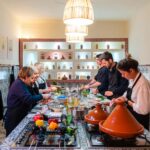
Just as important, everyone has a role. Reviews repeatedly mention that the instructor keeps the group involved, even if the group is bigger. That’s a real value point for you: you’re less likely to feel like a spectator.
Zaalouk and Eggplant: Learning Vegetable Flavor the Moroccan Way
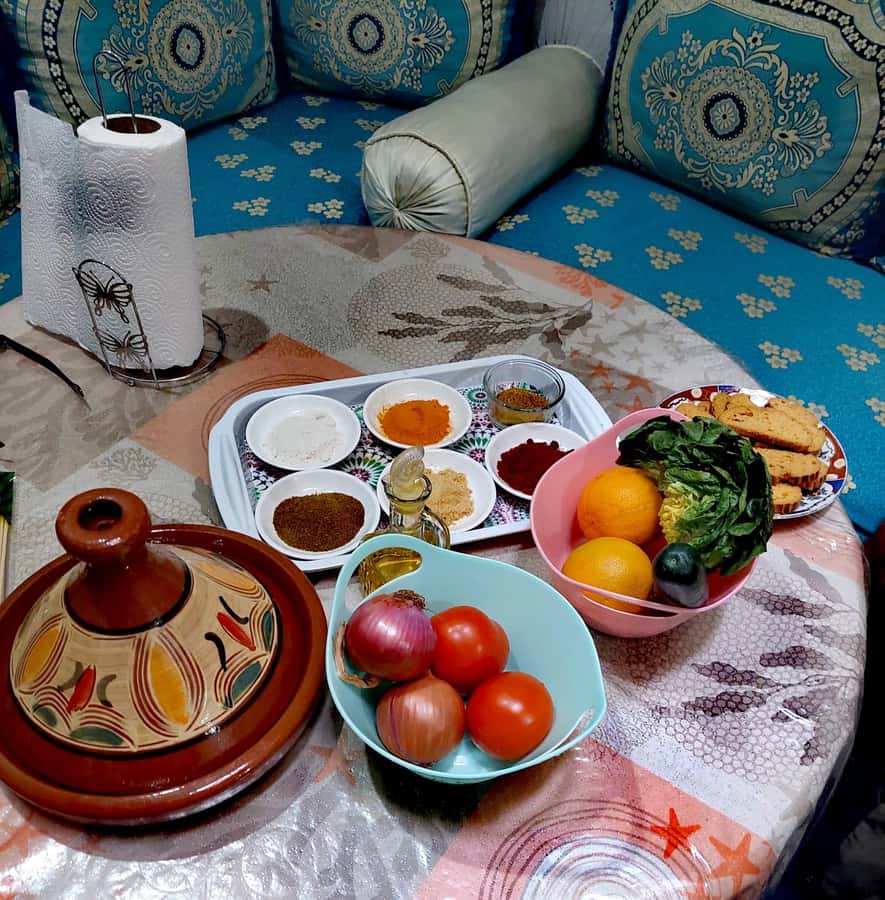
Zaalouk is one of those dishes that can surprise people who think Moroccan food is only about meat. Here, you’ll make zaalouk, a classic Moroccan eggplant dish. Eggplant can be tricky if you’re expecting it to taste neutral. In Moroccan cuisine, it’s a vehicle for smoky, spiced flavor.
The class includes both the zaalouk and an eggplant dish component, so you get exposure to how eggplant is treated in different forms. That’s useful because you’ll see that the key isn’t just the ingredient. It’s how it’s seasoned and cooked.
If you want a takeaway you can actually use at home, vegetable-forward Moroccan recipes are often the easiest to adapt. You can recreate the flavors even if your kitchen gear isn’t the same as Marrakech cookware.
Eating Together: Tea Traditions, Stories, and Plating Tips
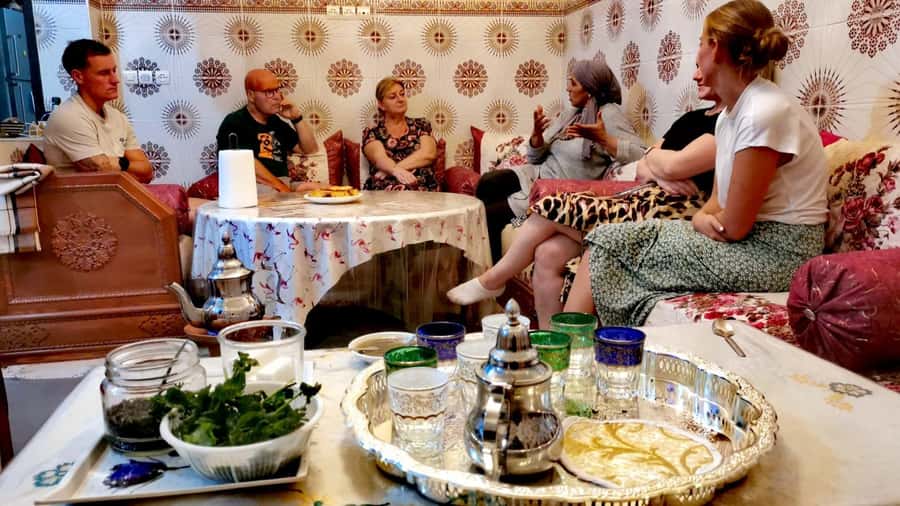
After cooking, you sit down and eat what you made. That part matters more than it sounds. Learning how to cook is one thing. Eating together is where the cultural context locks in.
You’ll be guided during the meal with plating tips and a shared experience that feels like a family table, not a tour-group cafeteria. You also get stories throughout the session, told by your host in a way that ties food to daily life.
Tea traditions show up in many sessions. Several participants mentioned making or learning about Moroccan tea, including mint tea and tea-pouring customs. Even if tea-making itself isn’t your focus, you’ll almost certainly hear about why tea is such a social anchor in Moroccan culture.
Small detail, big value: the guide helps you connect your food to everyday Moroccan habits. That turns your meal into a conversation you can take home with you.
Price, Value, and What You Truly Get for $24
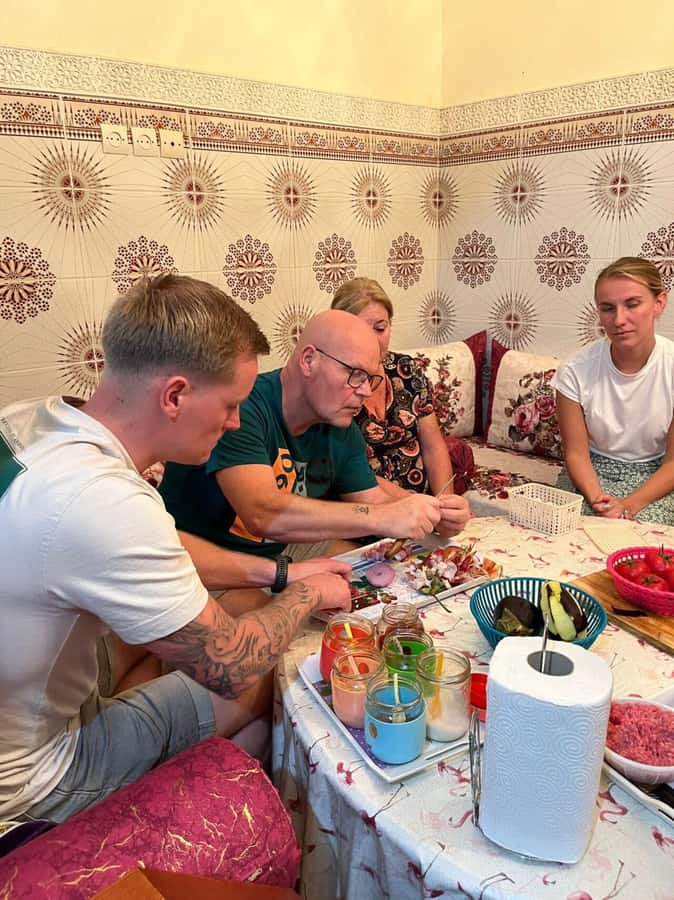
$24 for a 3-hour hands-on cooking class in a local home is strong value. Here’s why it feels like more than the number on the screen.
You’re paying for:
- A real bilingual host guiding you step by step
- Qualitative Moroccan ingredients
- Multiple dishes, including two tagines, salads, bread, and dessert
- Freshly made food you eat as a group
- Take-home recipes so you can repeat the dishes later
It’s also good value because the setting keeps the class personal. The experience has handled small groups (like 5) and larger ones (around 12) with enough room for people to participate. For you, that matters: you want time, not just a line of tasks you can’t keep up with.
One more practical value point: you’ll learn how dishes come together so you can shop smarter when you’re back home. Spices are expensive if you guess. This kind of class helps you understand what to look for and how much you actually need.
Who Should Book, and Who Should Think Twice
This class is ideal if you:
- Want hands-on cooking rather than a sit-and-watch tour
- Enjoy food that’s simple to understand and hard to fake at home
- Like cultural storytelling with your meal, especially if you’re curious about Moroccan daily life
- Travel as a couple, family, or small group and want everyone involved (several past groups included young adults and mixed ages)
It can also be a smart pick on a non-ideal weather day. Marrakech surprises you with sudden rain sometimes, and a three-hour indoor-from-a-home setting works well then.
Who should think twice? If you hate walking in the medina or you’re traveling with limited mobility, plan ahead. While the activity is listed as wheelchair accessible, medina streets can still be challenging depending on route. And if you’re the type who gets flustered by precise meeting instructions, make sure you follow them closely: meet in front of the riad and find the green hat guide.
Should You Book This Marrakech Cooking Class?
Yes, you should book it if you want a meaningful food experience in a format that teaches you more than just recipes. The standout strength is the combination of hands-on cooking plus a real-home atmosphere plus cultural storytelling. For the price, you’re not just getting lunch or dinner. You’re getting context and skills you can reuse.
Book it soon if it fits your schedule, and if lamb is your priority, take a small caution from past participants: check the menu timing. If you’re the last session of your trip, ask what’s being cooked that day so you don’t get stuck hoping.
If you’re still deciding, choose this over a larger impersonal class when your goal is authenticity, interaction, and a meal that feels like it happened inside someone’s life, not on a staged set.
FAQ
How long is the Marrakech Moroccan cuisine cooking class?
It runs for 3 hours.
What is the price per person?
The price is $24 per person.
Where do we meet in the medina?
You meet directly in front of Riad les Etoiles Berberes. The guide waits about 10 minutes before the start time, and you should wait in front of the riad, not inside.
How do I recognize the guide?
The guide will be easy to spot with a green hat and they will check names before starting.
What dishes will we cook and eat?
The class includes hands-on cooking of fresh Moroccan bread, chicken tagine with olives and golden fries, meatball tagine topped with melted cheese, tomato and green pepper salad, zaalouk, a traditional eggplant dish, and a fruit salad for dessert.
Is this class suitable for beginners?
Yes. It’s suitable for beginners and also for people with prior cooking experience.
Can the menu be changed for dietary restrictions?
Yes. The menu is changeable and can be modified based on dietary restrictions.
What languages does the guide speak?
The live guide speaks English, Dutch, French, and Arabic.
Is transportation included?
No. Transportation is not included.
Can I cancel for a full refund?
Yes. You can cancel up to 24 hours in advance for a full refund.