REVIEW · MARRAKESH
Moroccan Cooking Class: Farm-to-Table Tagine
Book on GetYourGuide →Operated by Marrakech Guided Experience · Bookable on GetYourGuide
A tagine lesson on a real farm. Outside Marrakech, you learn Moroccan cooking where the ingredients are grown on-site. You’ll start with mint tea under the olive trees, then roll up your sleeves with fresh, organic produce and build a tagine from scratch.
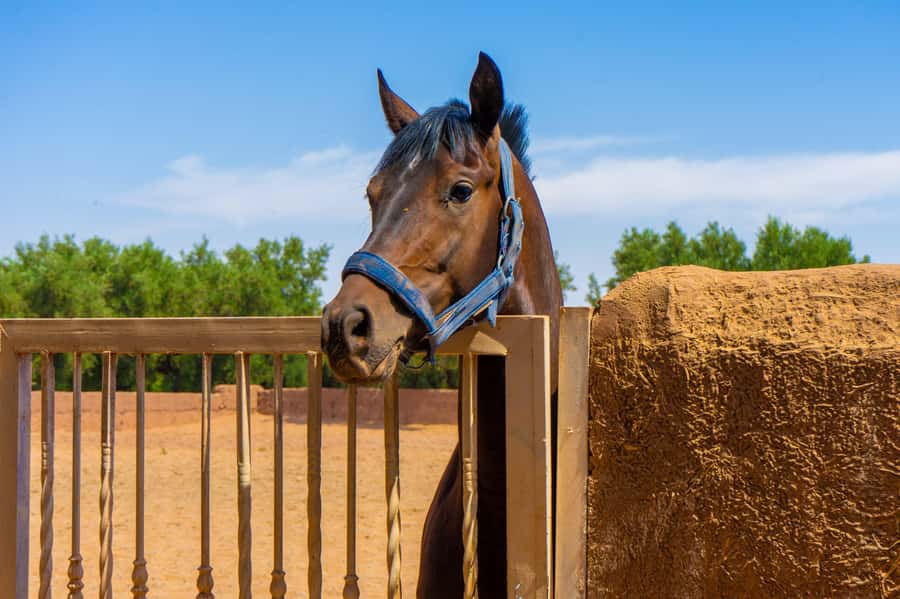
Two things I really like: the hands-on cooking (spices, vegetables, layering flavors, and cooking over traditional heat), and the farm time itself—olive and citrus trees, plus animals like donkeys and horses in a calm rural setting. I also like that the meal you eat is tied to what you cooked, not just a separate show.
One consideration: this is an outdoor, walking-focused experience, and it’s not suitable for wheelchair users or pregnant women. If you’re sensitive to sun and uneven farm ground, plan for comfy shoes and sun protection.
In This Review
- Key things to know before you go
- Why this farm tagine class feels different from Marrakech cooking stops
- Meeting Hanna at the start: mint tea, ingredients, and a clear game plan
- Hands-on tagine cooking: spices, layering, and cooking over traditional heat
- The farm walk: olive and citrus groves, gardens, and animal time
- Lunch at the communal table: bread, olive oil, salads, and fruit dessert
- Price and value: what $94 buys you in real terms
- What to bring and what to wear so you don’t suffer
- Who this tagine class is best for (and who should skip it)
- Should you book this farm-to-table tagine class?
- FAQ
- How long is the Moroccan cooking class?
- Where do I meet in Marrakesh?
- Is transportation to and from the farm included?
- What’s included with the cooking and lunch?
- Do I actually cook the tagine myself?
- Can they accommodate vegetarian food or allergies?
- What languages are available for the instructor?
- What should I bring to the farm?
- Who should not book, and are pets allowed?
Key things to know before you go
- Farm-to-table ingredients: You cook with fresh produce that comes from the working farm.
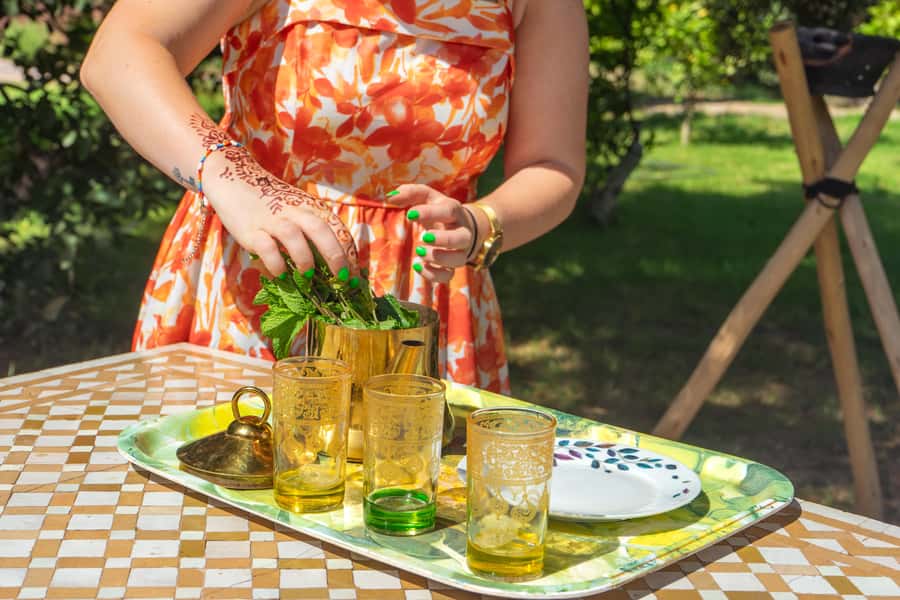
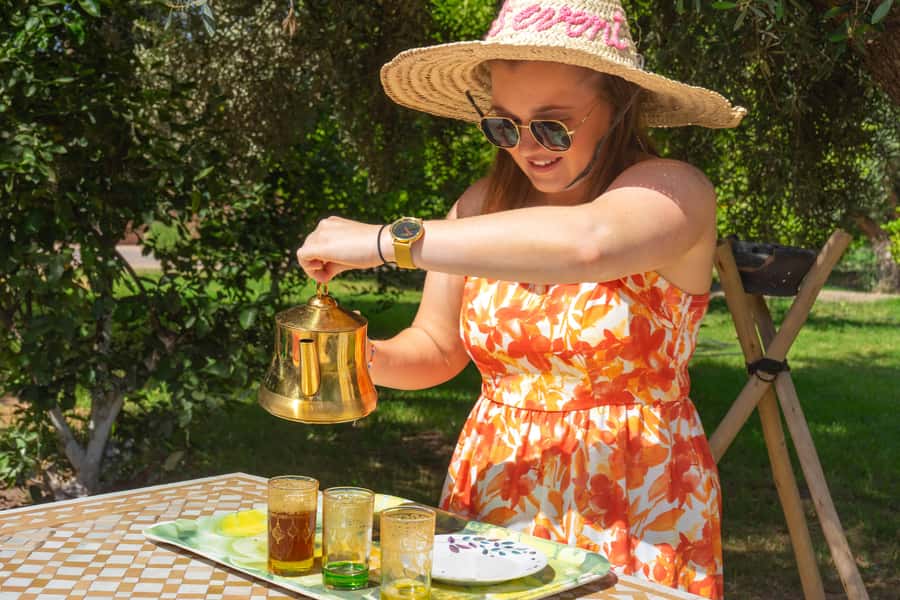
- Mint tea welcome outdoors: Expect Moroccan mint tea under the olive trees as you get oriented.
- Hands-on tagine cooking: You’ll select vegetables, grind spices, and layer ingredients.
- Farm walk plus animals: You’ll see organic gardens and meet livestock (including horses in some groups).
- Communal meal at the end: You eat the tagine you made, with bread, salads, olives, and fruit for dessert.
- Small groups can feel personal: Private or small-group options mean more time with the instructor.
Why this farm tagine class feels different from Marrakech cooking stops
Marrakesh can be loud, crowded, and full of motion. This class gives you a break by taking you out to a working family farm just outside town. That setting changes how you taste everything. When you’ve picked the produce style yourself—seasonal vegetables and herbs—it’s easier to understand how Moroccan flavors actually come together.
You’ll also get a more relaxed rhythm than many city-based cooking classes. The day runs on farm time: tea first, then ingredients, then cooking, then a meal you share at a communal table. It’s the kind of experience that makes the food feel like part of daily life, not a performance.
And yes, the cooking matters here. You’re not just watching someone else make a tagine and calling it a class. You’re actively involved in the key steps that affect the final taste.
You can also read our reviews of more cooking classes in Marrakesh
Meeting Hanna at the start: mint tea, ingredients, and a clear game plan
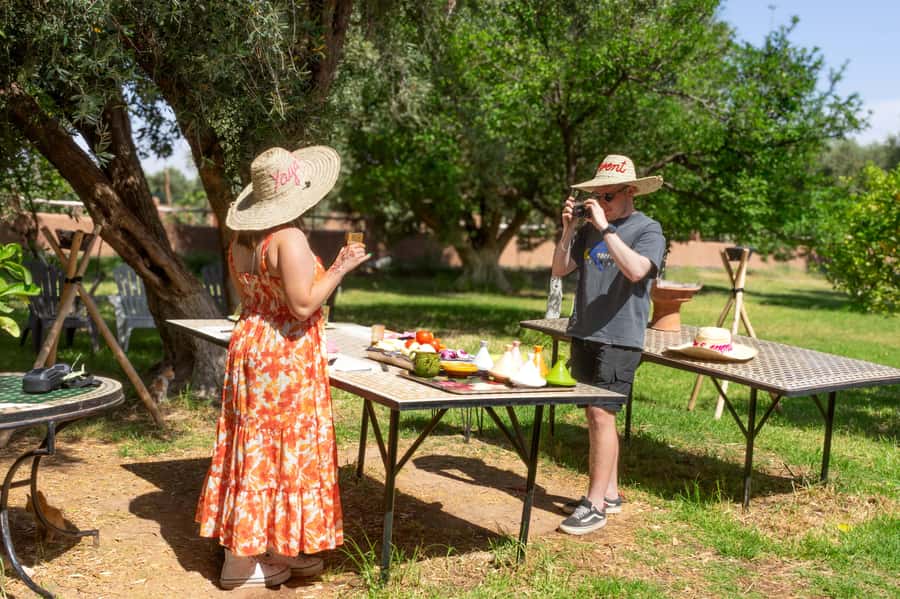
You’ll meet in front of Hotel Ali in Marrakesh. From there, you’ll be picked up and transported to the farm, which helps a lot if you don’t want to wrestle with taxi logistics on a busy day.
When you arrive, you start with Moroccan mint tea under the olive trees. That first pause is more than a nicety—it sets the tone. You’re in the shade, people are calm, and you have time to get oriented before you start working.
Next comes the ingredient and technique introduction. You’ll learn how tagine cooking works in practice: how spices are used, how vegetables are chosen, and how flavors are layered. In this class, the focus is on traditional method, using ingredients grown on-site when possible.
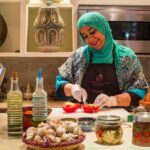
A nice detail: the instructor is set up for English and French, and feedback highlights guides like Hanna/Hannah and her team for being friendly, patient, and clear—especially when questions pop up.
Hands-on tagine cooking: spices, layering, and cooking over traditional heat
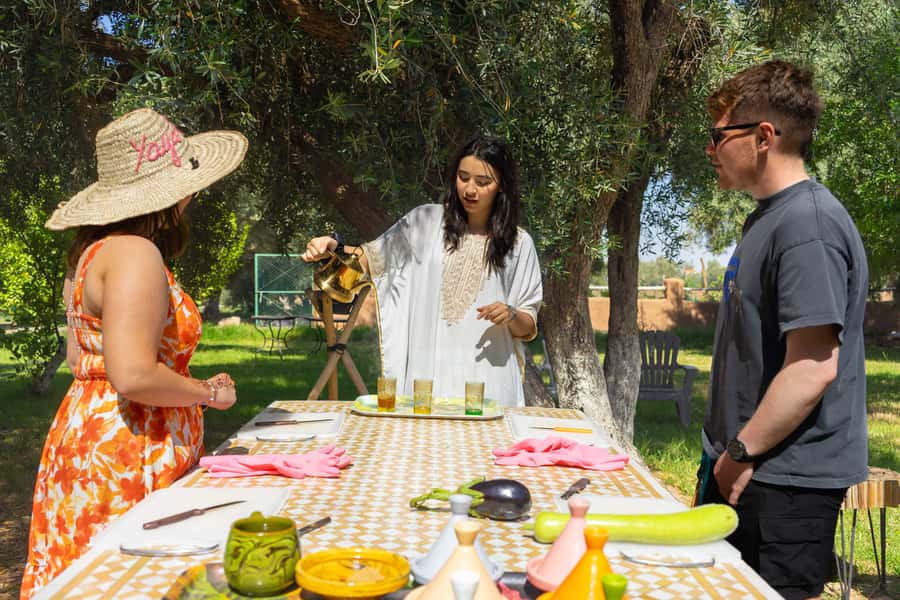
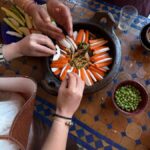
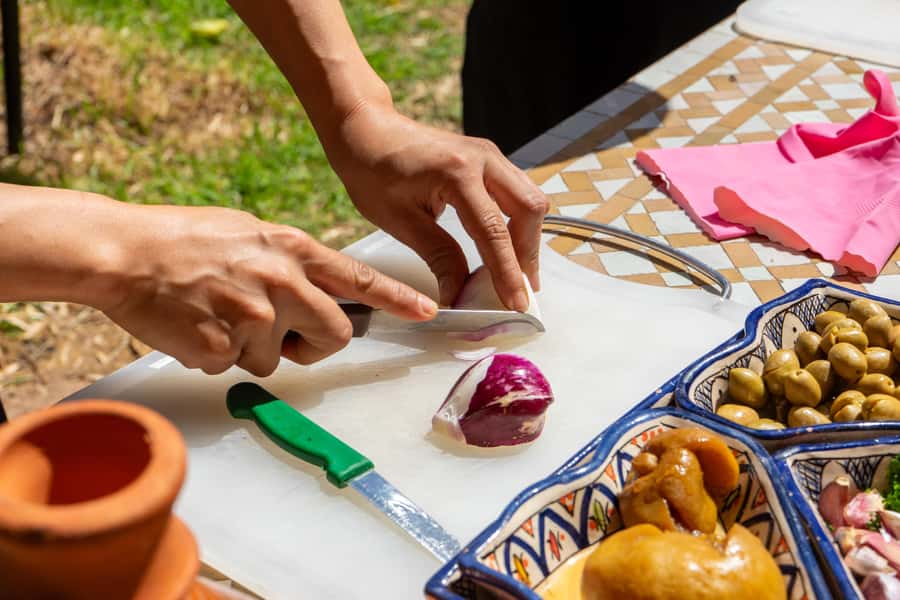
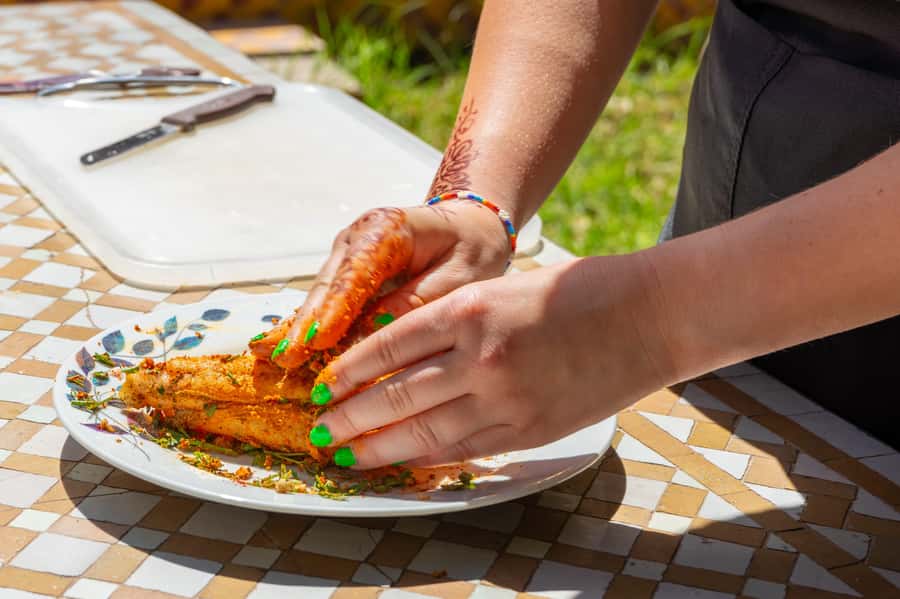
This is the core of the experience, and you’ll spend your time doing the work. After the intro, you’ll choose vegetables, then grind spices. That grinding step is a big deal. Whole or freshly prepared spices smell stronger and taste deeper, and you’ll feel the difference once you start building the layers.
Then you’ll assemble your tagine. Moroccan tagines rely on careful layering and controlled heat to develop flavor while keeping ingredients tender. As your dish simmers over the fire, you’ll get a real sense of why patience is part of the recipe.
Cooking highlights you can look out for:
- Selecting seasonal vegetables and seeing how the farm’s rhythm shows up in the pot
- Grinding spices so you understand how the aromatics build flavor
- Layering the tagine in a way that helps everything cook evenly
- Simmering over a traditional heat source, which changes the way the sauce thickens and clings
In some groups, people have cooked two tagines—often a chicken version and a vegetable version—so you may get more than one flavor profile to learn. But even if you cook one main tagine, you still get the full skill set: spice handling, layering, and timing.
The farm walk: olive and citrus groves, gardens, and animal time
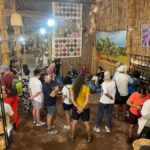
While your tagine cooks, you’re not stuck waiting indoors. You’ll walk around the farm to see the organic gardens and learn about seasonal produce. This part is peaceful and practical. It turns the ingredients you’ll eat into something you can point to in real life.
From the experience details you can expect a mix of:
- Organic garden areas tied to seasonal harvests
- Olive trees and citrus groves (lemon and orange are a common feature of what you’ll pass)
- Livestock and farm animals you can meet up close
Some groups also mention racing horses and peacocks. Even when the exact animals vary, the theme stays the same: you’re seeing a functioning farm, not a staged farm set.
One more small advantage: the farm walk breaks up the cooking. If you’ve spent time wandering Marrakesh markets, you’ll appreciate the reset—shade, space, and a different kind of sounds-and-smells day.
Lunch at the communal table: bread, olive oil, salads, and fruit dessert
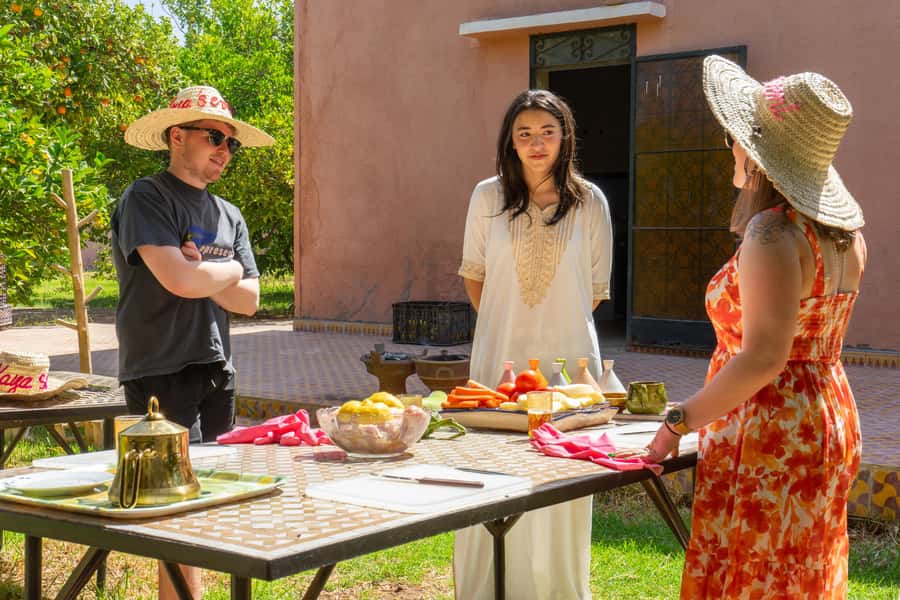
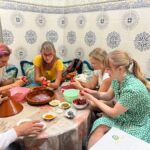
When the tagine is ready, you gather around a communal table and eat what you cooked. This is where the class clicks, because the meal is tied directly to your work.
You can expect:
- The tagine you prepared (with the sauce and vegetables cooked in the Moroccan style you practiced)
- Fresh bread served with the meal
- Tasting components like homemade bread, olive oil, and local side dishes
- Side salads and olives
- Fruit for dessert
The bread and olive oil tasting is especially useful. A lot of Moroccan flavor is built on simple ingredients done correctly—good oil, fresh bread, and a balanced plate around the main dish.
Also, communal dining changes how you experience the food. It’s easier to share tips (“how did you layer yours?”) and easier to enjoy the day with others without the awkward, everyone-watches-the-pot vibe.
If you have dietary needs, it’s worth communicating early. Feedback includes cases where vegetarian food and allergies were handled well, with the instructor adjusting the plan so you still get a satisfying meal.
A few more Marrakesh tours and experiences worth a look
Price and value: what $94 buys you in real terms
At $94 per person for a 3-hour experience, you’re paying for more than cooking instruction. You’re also paying for:
- Transportation to and from the farm
- Organic, fresh ingredients used in the tagine
- The instructor’s time in English/French
- Farm walk and guided introduction to produce and the working farm
- Lunch with what you cooked, plus bread, olive oil, side dishes, and dessert
So the value equation depends on what you want from the day. If you just want a quick cooking demo, this might feel long. But if you want the real skills—spice grinding, layering, and learning how tagine cooking behaves—you’re getting a practical takeaway you can use later.
My advice: treat it like a skill lesson with food built in, not like a ticketed meal. The meal is good, but the main reason this feels worth the money is that you do the cooking steps yourself.
What to bring and what to wear so you don’t suffer
This is farm time outdoors, so pack like you’re going walking in the sun:
- Hat
- Sunscreen
- Water bottle
- Comfortable clothes and shoes for uneven ground
- Camera (there’s plenty to photograph—olive trees, gardens, animals)
Arrive about 15 minutes before the start time so pickup and timing don’t stress you out. If your phone has spotty data, plan ahead for meeting points and pickup instructions.
Who this tagine class is best for (and who should skip it)
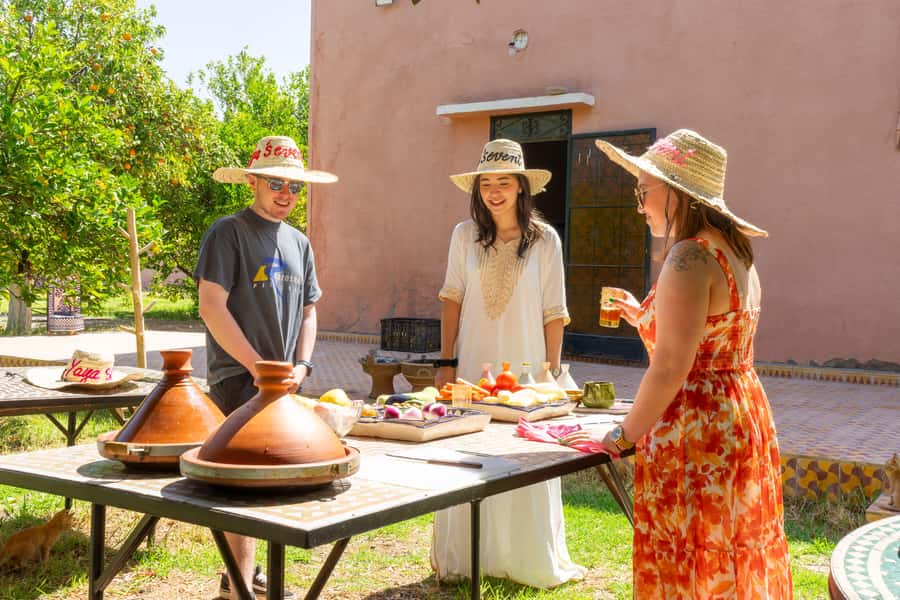
This is a great fit if you want:
- A real, hands-on cooking lesson rather than a sit-and-watch class
- A break from Marrakesh crowds
- A farm setting where you can see how ingredients grow
- An English- or French-speaking instructor
It can also work well for older kids and families, since instructors have shown patience with children in some groups. The class still runs on your ability to participate in cooking and outdoor walking.
Who should skip it:
- Wheelchair users, and
- People who are pregnant (it’s not marked as suitable for those needs)
If you’re unsure, pick a comfort-first approach: ask about physical demands and how much walking is involved.
Should you book this farm-to-table tagine class?
Book it if you like food learning you can repeat at home. This isn’t just about eating tagine; it’s about understanding how flavors are layered and how spices behave once they’re freshly ground. The farm walk also adds meaning, especially if you want Marrakech to feel less like a nonstop rush.
Skip or reconsider if you can’t handle outdoor walking or you need accessibility support. Also, if you’re the type who hates waiting around while something simmers, know that the “waiting” here turns into farm time and tea—not a long idle period.
For most people, the best way to judge fit is simple: if you want a memorable 3-hour hands-on food lesson with lunch included, this is an easy yes.
FAQ
How long is the Moroccan cooking class?
The class runs for 3 hours.
Where do I meet in Marrakesh?
You’ll meet in front of Hotel Ali.
Is transportation to and from the farm included?
Yes. Transportation is included to and from the farm.
What’s included with the cooking and lunch?
You get a tagine cooking class with a local instructor, fresh ingredients, a farm walk, tasting of homemade bread, olive oil, and local side dishes, plus lunch with the tagine you cooked. You’ll also have salads, olives, and fruit for dessert.
Do I actually cook the tagine myself?
Yes. You’ll prepare a Moroccan tagine from scratch, including choosing vegetables, grinding spices, and layering ingredients.
Can they accommodate vegetarian food or allergies?
Vegetarian options have been accommodated, and allergies were handled with care in at least some groups. If you have dietary needs, it’s smart to share them when booking.
What languages are available for the instructor?
The instructor speaks English and French.
What should I bring to the farm?
Bring a hat, sunscreen, a water bottle, comfortable clothes, and comfortable shoes for walking on the farm. A camera is recommended.
Who should not book, and are pets allowed?
The activity is not suitable for pregnant women or wheelchair users. Pets are not allowed. Smoking is also not allowed.