REVIEW · MARRAKESH
Marrakech: Moroccan Cooking Class with Local Chef
Book on GetYourGuide →Operated by ACTIVITIES AND EVENTS · Bookable on GetYourGuide
Tagine smells better with your own hands. This Moroccan cooking class pairs hands-on technique with real Medina life: you start near Jemaa el Fna, shop for ingredients, and cook with Marouane and Abdou at Riad Black Doors, the kind of place where the afternoon feels personal. I especially love the way you learn the Moroccan Mint Tea ritual right before you cook, and how the market visit sends you looking at spices and produce the way local cooks do.
The main possible snag is timing. Tagines can take a while on the heat, so if your menu leans heavily on slow-cooking dishes, you may spend a chunk of time waiting for things to finish.
In This Review
- Key highlights worth putting on your radar
- Cooking in the Medina: From Café de France to Riad Black Doors
- Souq shopping with Marouane and Abdou: what you’re actually learning
- The Moroccan Mint Tea ritual: the part that changes how you cook
- Hands-on Moroccan cooking: technique, spice, and the real pace of tagine
- The one thing to plan for: cooking time
- Private vs group sessions
- What’s on the menu: starters, mains, dessert, and eating together
- Price and value: is $35 a fair deal in Marrakech?
- Logistics that matter: meeting point, no pickup, and how to show up
- Who should book this cooking class (and who should consider another option)
- Tips to get the most from your class
- Should you book this Moroccan cooking class?
- FAQ
- How long is the Marrakesh Moroccan Cooking Class?
- Where do I meet the group?
- What is included in the $35 per person price?
- Is pickup included?
- Is the market (souq) shopping stop always included?
- What language will the guide speak?
- Can I accommodate allergies or dietary restrictions?
- Can I request a private cooking session?
Key highlights worth putting on your radar
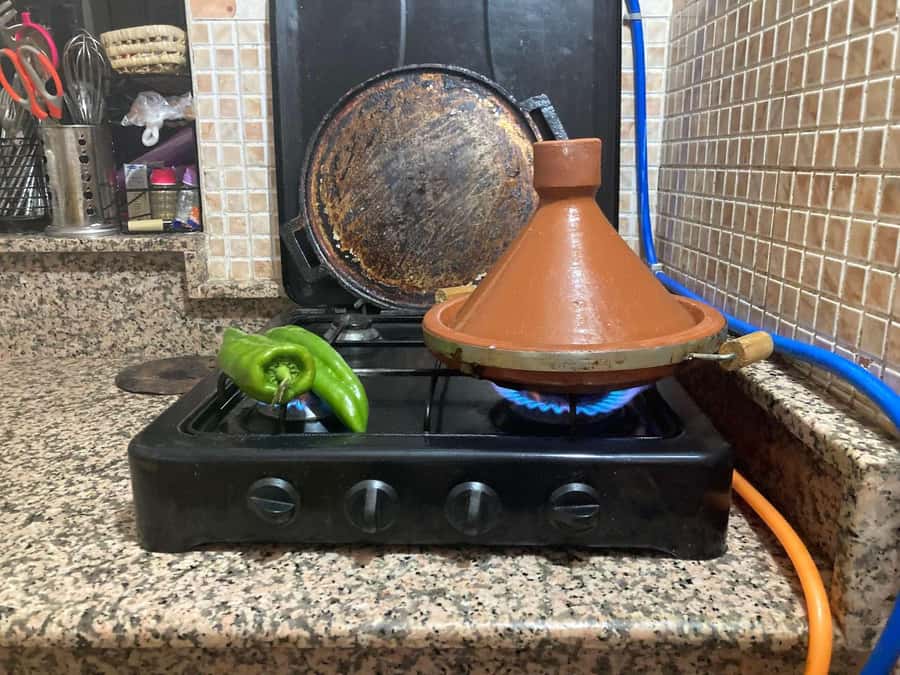
- Local souq shopping for fresh ingredients, usually away from the main tourist strips
- Mint tea ritual taught by the chefs, not just poured and forgotten
- Hands-on teamwork where you actually prep and cook, not stand at the edge
- Clear instructions from friendly, experienced hosts (including Khalid, in some classes)
- A proper meal together right after cooking, with tasting time built in
- Recipes to take home so you can recreate the dishes later
Cooking in the Medina: From Café de France to Riad Black Doors
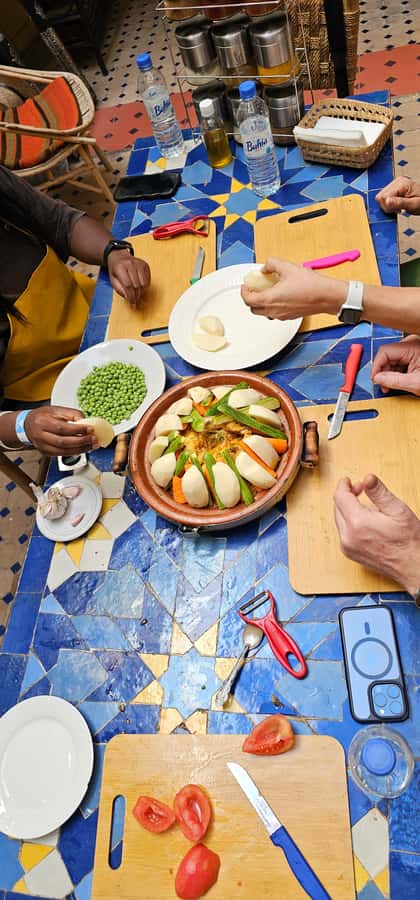
You meet at the front of the principal door of Café de France on Jamaa el Fna Square, which is a smart choice if you want an easy landmark. From there, you take only a short walk (about five minutes) before the class begins.
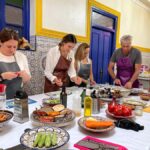
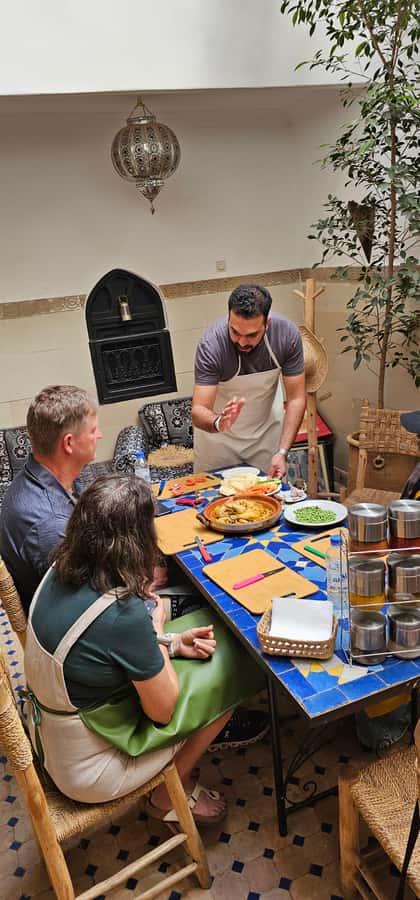
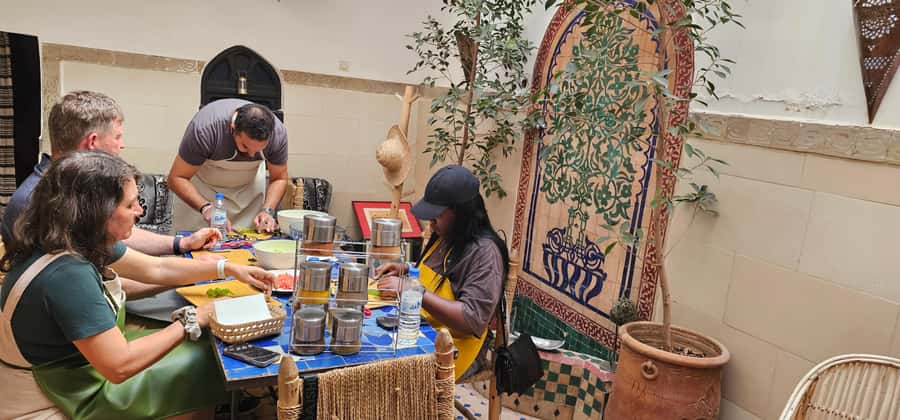
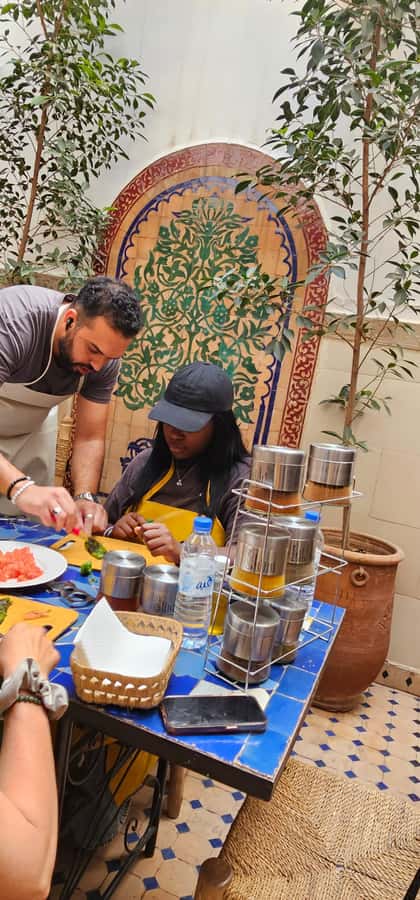
The cooking happens at Riad Black Doors, inside the Medina. Even if you’re not a riad person, the setting helps: you’re in a real home-kitchen rhythm, not a factory-style classroom. That makes it easier to ask questions while you’re working, and it’s the reason the tea moment feels like part of the day, not a separate activity.
You can also read our reviews of more cooking classes in Marrakesh
Souq shopping with Marouane and Abdou: what you’re actually learning
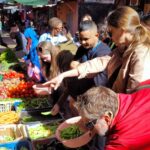
Your experience starts with a market (souq) stop where you buy ingredients before cooking. The big value here isn’t just food shopping—it’s learning how Moroccan cooks think about what they use, from spices to vegetables. The class also notes that this step is not included on Ramadan or Friday, so if your dates fall on those days, expect the cooking to start without the market visit.
Before you shop, you’ll discuss allergies or dietary restrictions. That matters because Moroccan dishes often build flavor from a few key components, so it’s better to plan early than try to fix a dish later at the stove.
Here’s what tends to make this part work well: the walk through stalls isn’t rushed, and it’s not only about buying. You’re given context—why certain ingredients show up together, and how choices affect taste. If you’ve ever cooked at home and wondered why a sauce tastes “off,” this is where the missing pieces usually live.
The Moroccan Mint Tea ritual: the part that changes how you cook
After the market, you’re welcomed back to the riad with traditional mint tea. Then you learn the mint tea preparation method and the ritual around it.
I like that the tea comes before the cooking session, because it acts like a reset button. You’re calm, you’re oriented, and you can focus when chopping and simmering starts. In one recent class description, the tea included a strong anise/absinthe-like flavor experience on the terrace while conversation turned to culture and family—exactly the sort of small detail that makes the day feel warm rather than scripted.
The tea ritual also teaches a practical idea: Moroccan cooking is about balance. Mint sweetness, tea strength, and fragrance set a mindset that fits spices and slow cooking later in the meal.
Hands-on Moroccan cooking: technique, spice, and the real pace of tagine
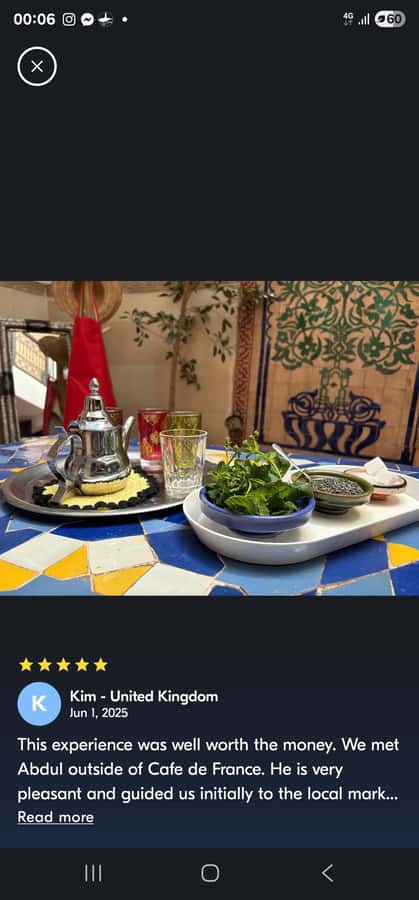
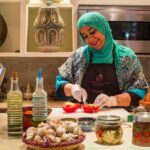
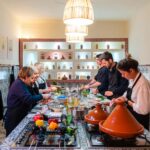
The main cooking block is about 1.5 hours, and it’s designed to be interactive. You’ll prep ingredients, work with the chefs’ guidance, and learn how dishes come together step by step.
This matters because Moroccan cooking techniques are often less about fancy tools and more about method—how long something simmers, when flavors join, and how spices are treated. Marouane and Abdou have cooking and pastry experience and have worked with hotels and restaurants in Morocco and abroad, and they’re joined by Abdou, who also hosts with a passion for Berber culinary traditions.
The one thing to plan for: cooking time
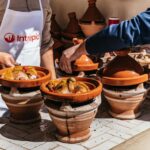
The class can include tagine-style cooking, and tagines take their time. One of the most honest pieces of feedback is that after you finish prep, you may end up waiting 1–1.5 hours for the tagine to be ready. If you’re the type who gets restless, plan your expectations: the waiting is part of slow-cooking reality. You’re still in the riad environment, but it helps to be mentally ready for a longer cook period.
A few more Marrakesh tours and experiences worth a look
Private vs group sessions
You can join as an individual or as part of a group. Private sessions can be arranged upon request. If you want lots of hands-on attention or you’re cooking with specific dietary needs, private can be a smart move.
What’s on the menu: starters, mains, dessert, and eating together
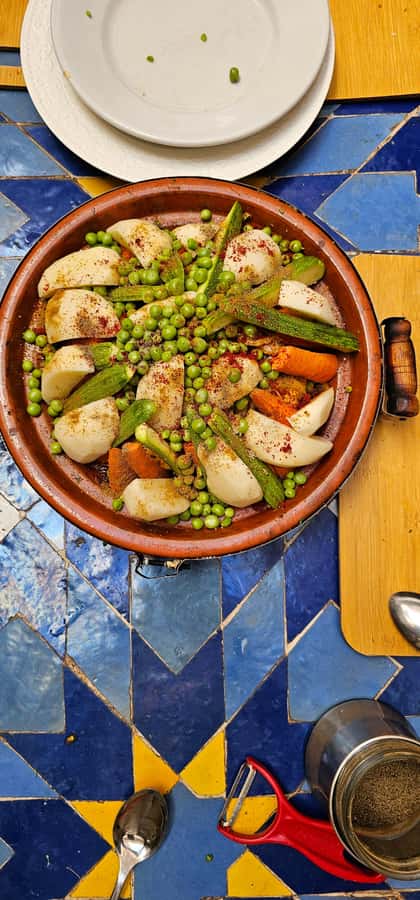
The menu is described as classic Moroccan food with starters, a main course, and dessert. The exact dishes can vary by class, but recent outcomes give you a good sense of what the day might include.
Common examples from past menus include:
- Moroccan salad (a fresh, simple opener)
- Zaalouk (an eggplant dish, often smoky and spiced)
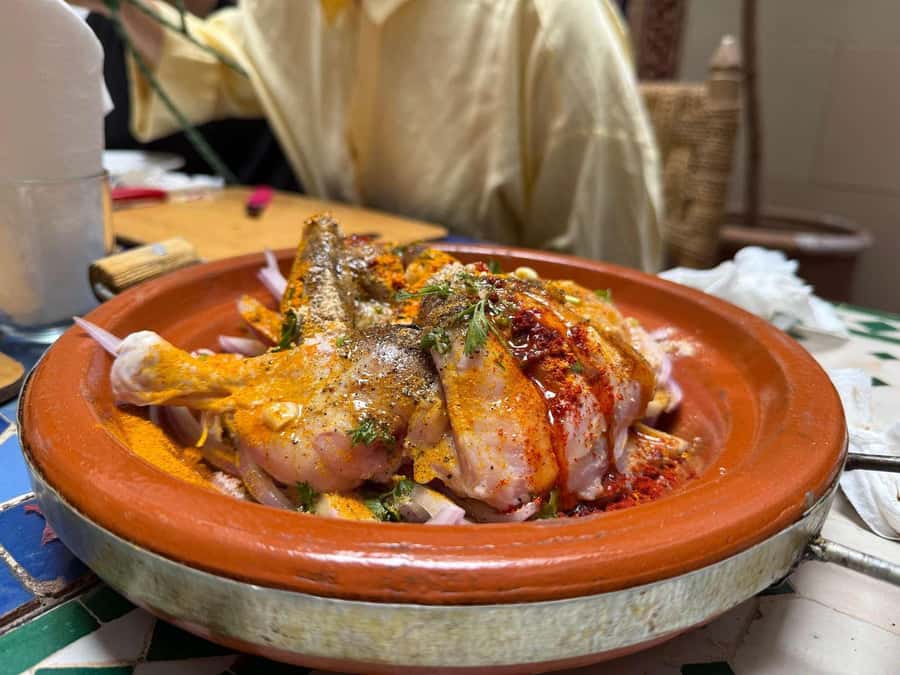
- Chicken tagine (the slow-cooked centerpiece)
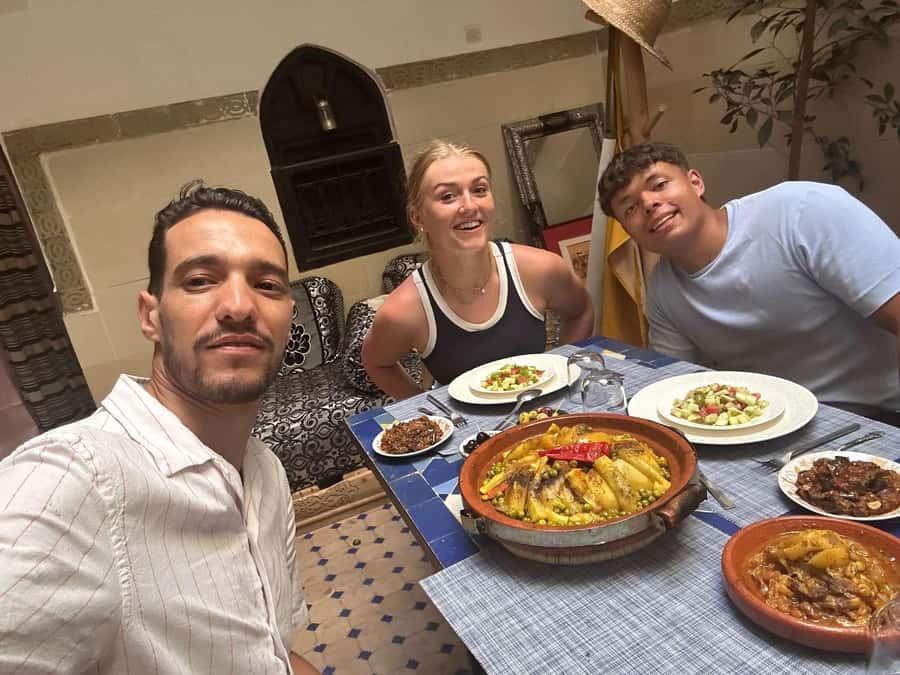
At the end, you eat the meal you helped make. There’s also a dedicated tasting time (about an hour), which is the moment when the day pays off. If you’ve ever made a dish and realized you can’t replicate it later because you didn’t learn what to watch for, the tasting time helps you notice textures and seasoning decisions.
One of the best emotional sides of this experience is the conversation that can happen while you eat. Some hosts share traditions and even discuss Berber origins, and you may also end up chatting with other people in the group. The riad atmosphere makes it feel like community rather than an impersonal class.
Price and value: is $35 a fair deal in Marrakech?
At $35 per person for roughly 5 hours, this is priced like a serious cultural activity, not a quick demo. The value comes from three things you actually get: an ingredient market stop (usually), a guided cooking session, and a meal.
Many cooking classes cost more but give you less. Here, you’re not only learning recipes—you’re buying ingredients, learning mint tea ritual, and then sitting down for what you made. Add that the guides speak English, French, and Arabic, and you’re usually in a more comfortable rhythm because you can follow what’s happening without a language barrier.
The only “value risk” is that tagine timing can stretch the day into waiting time. If you go in expecting a tight schedule, the wait might feel annoying. If you treat it like learning Moroccan pacing—cooking that requires patience—then it turns into part of the lesson.
Logistics that matter: meeting point, no pickup, and how to show up
No pickup is included, so you’re responsible for getting to Café de France on Jamaa el Fna Square. This is simple once you plan ahead: aim to arrive a few minutes early so you’re not hunting for the exact door while everyone else has already moved on.
Wear comfortable shoes. Even though the formal walk is listed as short, you’ll also stroll through market areas during the souq visit. You’ll also spend time standing and moving while you prep, so think practical, not fancy.
If you’re traveling during Ramadan or on a Friday, remember the market step may not happen. The class still includes tea, cooking, and eating—just with a different start.
Who should book this cooking class (and who should consider another option)
I think this class is a great fit if you want:
- A Moroccan cooking day with real local guidance
- A chance to shop for ingredients and learn why they matter
- A warm, family-style atmosphere where questions are welcome
- Mint tea as a taught ritual, not a side note
It may be less ideal if:
- You hate waiting during slow-cooking stages (tagine time can create idle stretches)
- You’re looking for a strict “one dish after another” schedule with nonstop action
If you’re celebrating something, this kind of experience can also be a memorable gift. In one recent example, a birthday was turned into a shared cooking day with friendly hospitality and cultural stories.
Tips to get the most from your class
Keep a simple mindset: ask questions while you cook, not only at the end. When the chefs are teaching spices and technique, you’ll get more out of it if you speak up early.
If you have dietary restrictions, tell the guide clearly before shopping begins (when the market stop is part of your date). The class includes allergy and restriction discussion, and early planning makes adjustments easier.
Finally, pay attention during the tea ritual. It’s not only a drink—it’s training your palate and your sense of balance for what you cook next. You’ll taste the difference later when seasoning and simmering come into play.
Should you book this Moroccan cooking class?
Yes, you should book it if you want a Moroccan cooking experience that feels personal, not staged. You get the full arc—market ingredients (when included), mint tea ritual, hands-on cooking, and an actual meal with tasting time. With English/French/Arabic support and guides who bring family-level tips and hospitality, it’s strong value for $35.
I’d be a little more cautious if you’re easily annoyed by slow-cooking waits, especially if your menu includes tagine. If you can handle that pacing, this class is the kind of Marrakech day you remember when you’re back home trying to recreate the flavors.
FAQ
How long is the Marrakesh Moroccan Cooking Class?
The experience lasts about 5 hours.
Where do I meet the group?
Meet in front of the principal door of Café de France on Jamaa el Fna Square.
What is included in the $35 per person price?
The price includes a guide, tea, the meal, and the cooking class.
Is pickup included?
No, pickup is not included.
Is the market (souq) shopping stop always included?
The souq shopping step is not included on Ramadan or Friday.
What language will the guide speak?
Live tour guidance is available in English, French, and Arabic.
Can I accommodate allergies or dietary restrictions?
Yes. You’ll discuss any allergies or dietary restrictions before you start shopping and cooking.
Can I request a private cooking session?
Private sessions can be arranged upon request.