REVIEW · MARRAKESH
From Marrakech: High Atlas Berber Cooking Class
Book on GetYourGuide →Operated by Marrakech Day Trips - Tours · Bookable on GetYourGuide
Cooking tagine in a Berber home beats museum food. I love hands-on cooking with a Berber family, and I love the Atlas Mountain terrace meal where you eat what you made. One catch: the mountain drive can feel intense for people prone to motion sickness.
For about $32 per person, you get round-trip transport from your Marrakech accommodation, an English-speaking guide/translator, and lunch. This is a great change of pace from Marrakech if you want more culture than a recipe workshop, but it’s not suitable for pregnant women.
In This Review
- Key things that make this day work
- Why a Berber cooking class feels different than a Marrakech workshop
- Getting out of Marrakech: pickup, mountain roads, and how to not stress about it
- The cooking part: what you’ll make and what you’ll actually learn
- Eating the meal: the terrace moment that makes the day stick
- Extra stops in the mountains: argan co-ops and possible camel surprises
- Guides and hosts: why the names you hear matter
- Price and value: how $32 adds up when you count the real costs
- What to bring and how to prepare so it’s comfortable
- Who this tour suits best (and who should rethink it)
- Should you book the Marrakech-to-Atlas Berber cooking class?
- FAQ
- How much does the High Atlas Berber Cooking Class cost?
- How long is the tour?
- How big is the group?
- Will I have pickup from my hotel in Marrakech?
- What languages are available during the tour?
- Is lunch included?
- What should I bring?
- Is this tour suitable for pregnant women?
- Is there free cancellation?
- What’s not included in the price?
Key things that make this day work
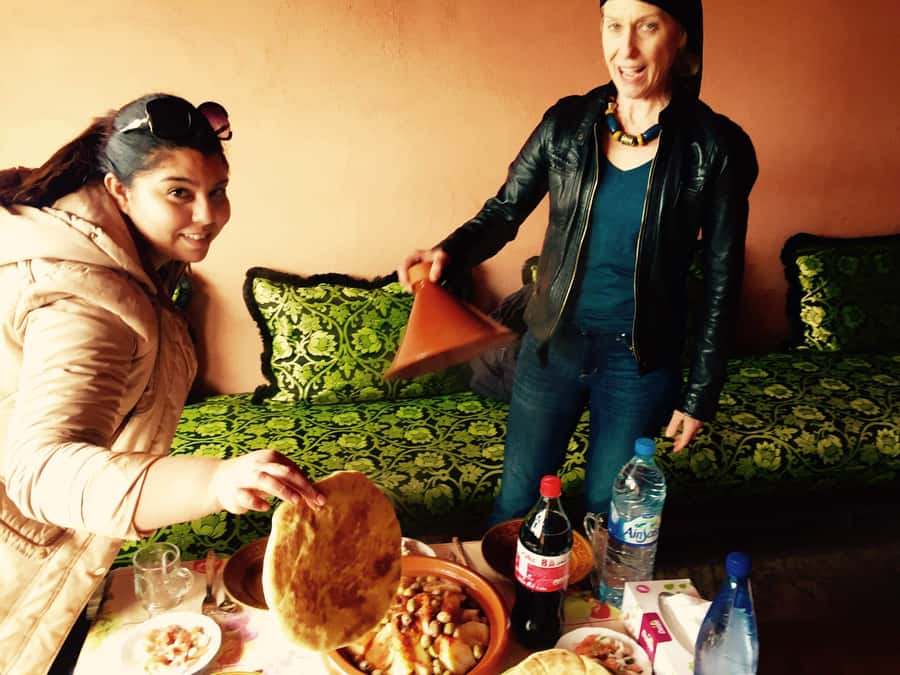
- Small group (up to 6) means questions actually get answered.
- Berber household cooking: you prepare a full meal, not just one dish.
- Mint tea and spice talk help you understand what you’re smelling and tasting.
- Terrace dining with big Atlas views while food finishes cooking.
- Add-on stops may happen (like argan co-ops and even camel rides), which can make the day longer.
- Round-trip transport is air-conditioned, but road conditions and driving style can vary.
Why a Berber cooking class feels different than a Marrakech workshop
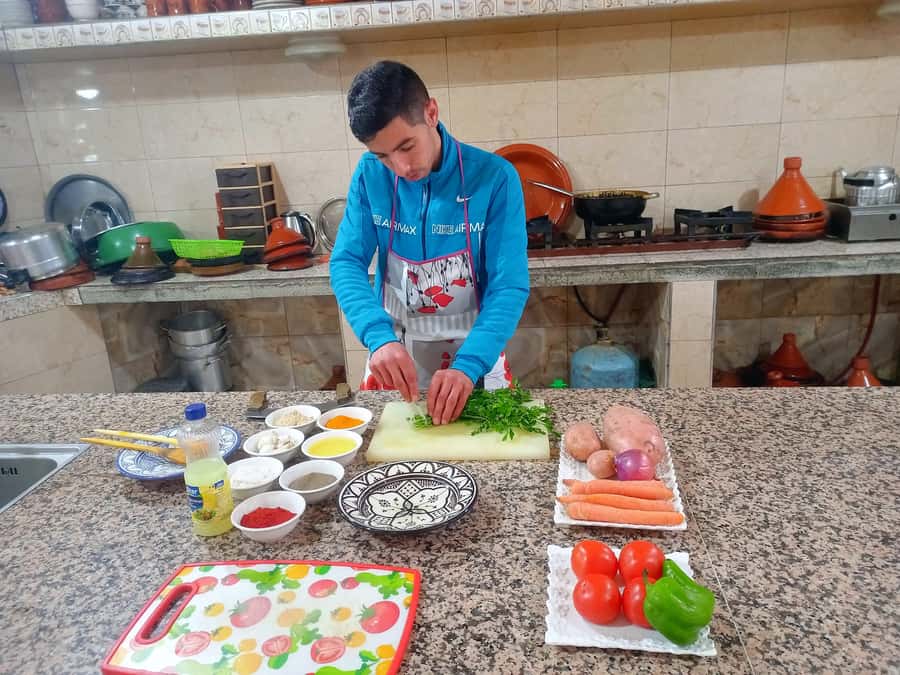
This isn’t just about learning how to cook Moroccan food. The real value is that you’re doing it in a Berber household setting, with a translator and family members around you. That changes how the day feels: you’re not “watching a class,” you’re being folded into someone’s routine.
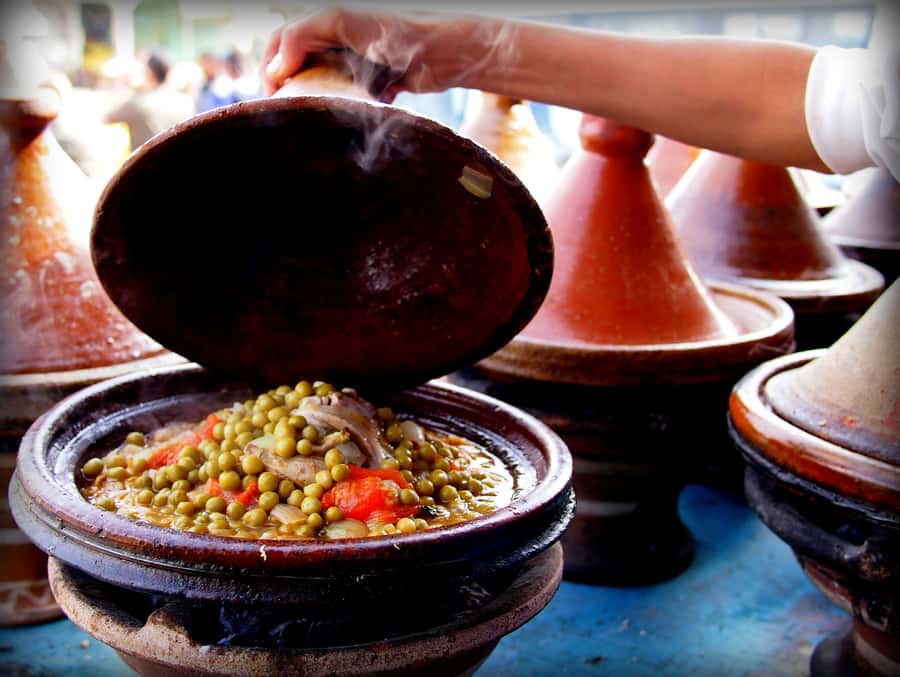
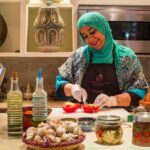
In the kitchen, you’ll usually get the basics of cooking from scratch—things like washing and cutting vegetables and then learning how spices and timing work in dishes such as chicken tagine. People consistently rate the food highly because it’s not a gimmick. You make it, you taste it, and you get the small explanations that make it easier to repeat later.
There’s also a cultural layer that comes through in tiny moments: mint tea rituals, how the family talks about ingredients, and the way the guides connect daily food with life in the mountains. That’s the difference between collecting recipes and actually understanding Moroccan flavors.
You can also read our reviews of more cooking classes in Marrakesh
Getting out of Marrakech: pickup, mountain roads, and how to not stress about it
The day starts with pickup from your accommodation in Marrakech. If you’re staying inside the Medina, you’ll be taken to the closest spot a vehicle can reach, which is normal for this part of the city.
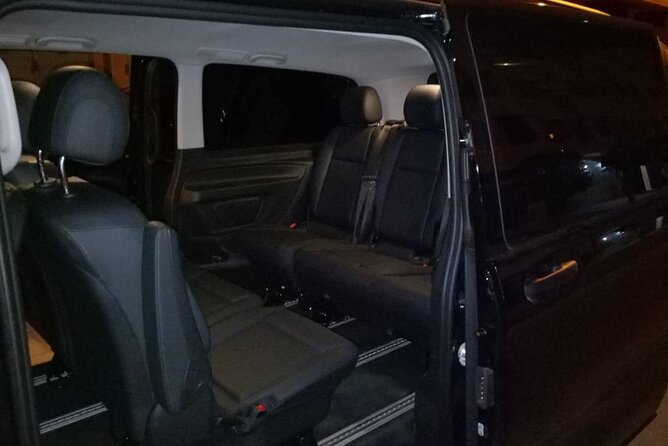
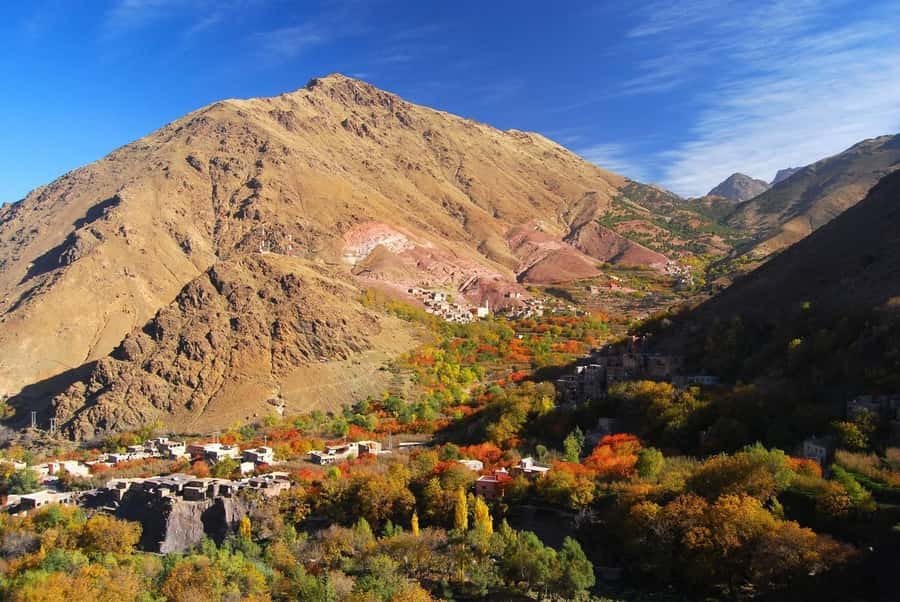
Once you leave town, you’re on Atlas roads. The tour includes air-conditioned round-trip transport, and that matters on warm days and when the driving gets slow and winding. Still, you should know what you’re signing up for: some guests have noted driving that felt risky, while others praised skilled drivers handling tricky roads with confidence.
If you’re sensitive to motion, take that seriously. A few reviews mention motion sickness and wanting a chance to sit a bit longer after eating. If that’s you, plan for it—ask your guide about timing during transfers and consider bringing motion-sickness medication before you go.
Also, language can be a factor. The tour provides an English-speaking guide/translator, but occasionally the driver may not speak English well. In those cases, the guide and host typically keep the day moving smoothly, but it can still be helpful to have a simple attitude: ask questions, use gestures, and don’t expect every sentence to land perfectly.
The cooking part: what you’ll make and what you’ll actually learn
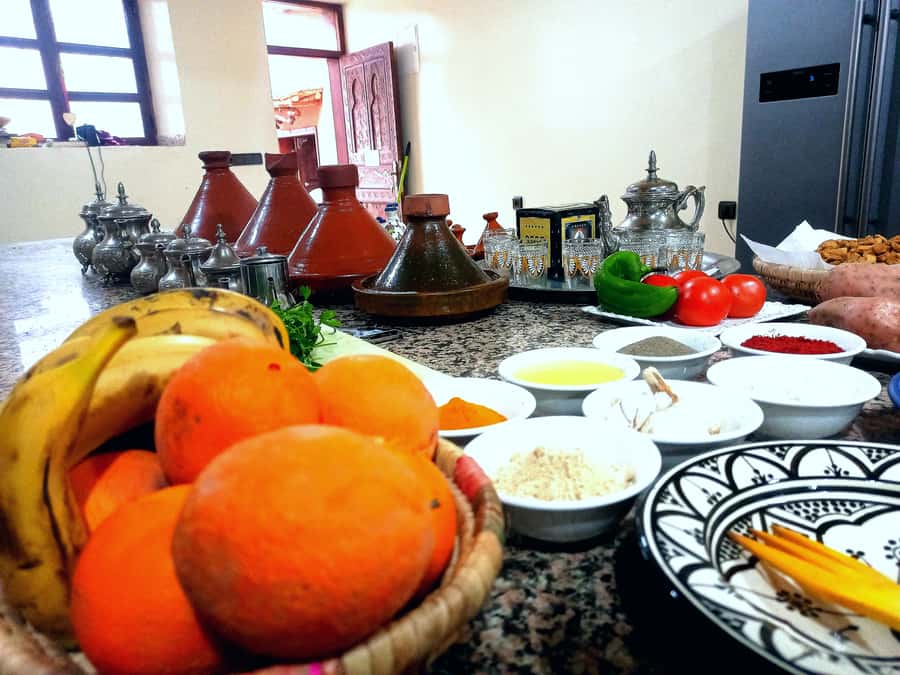
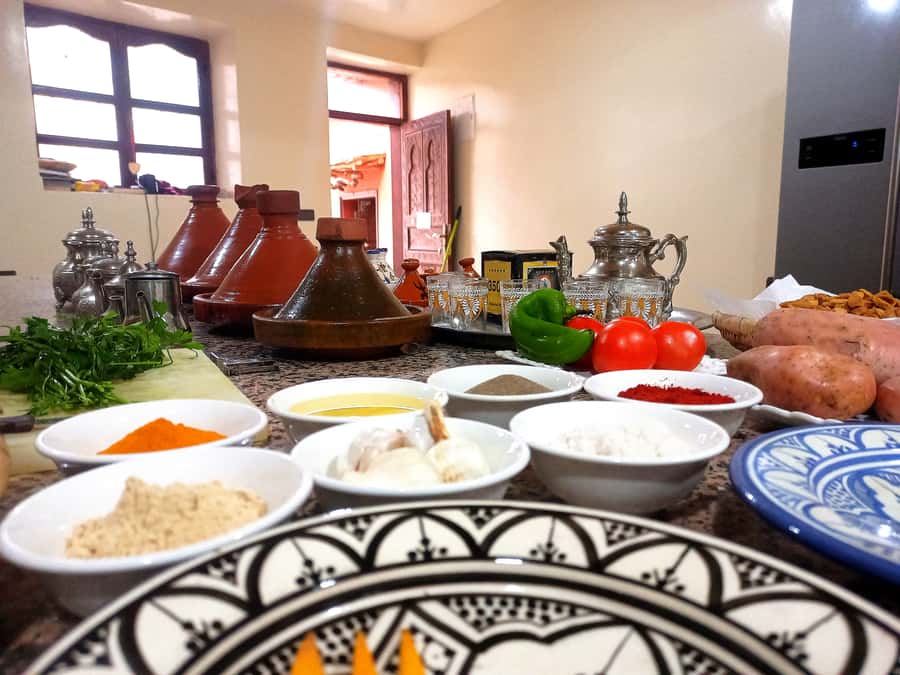
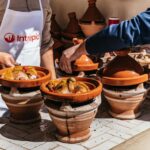
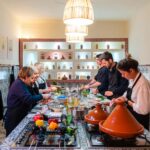
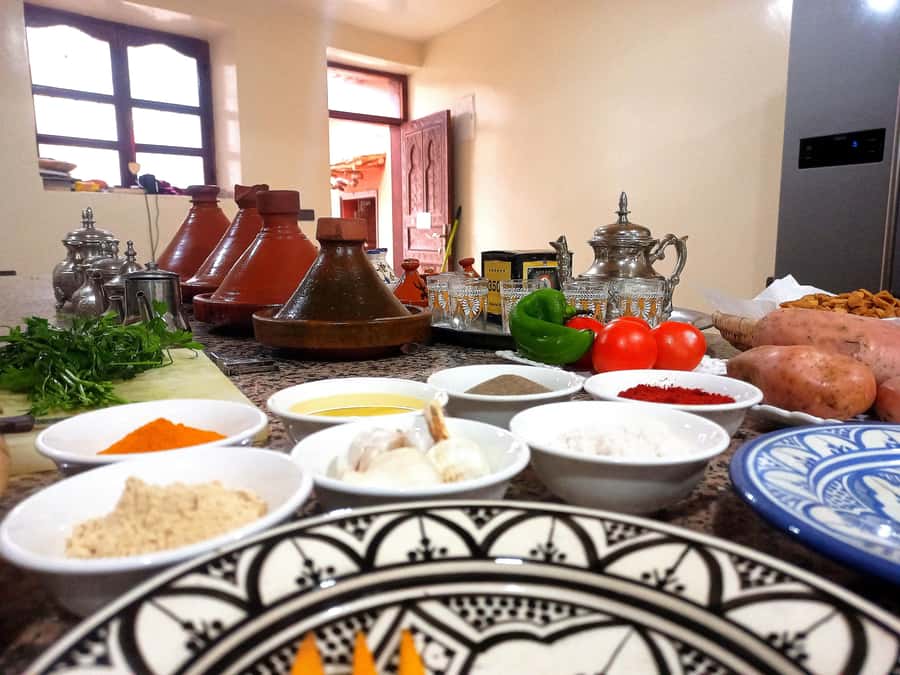
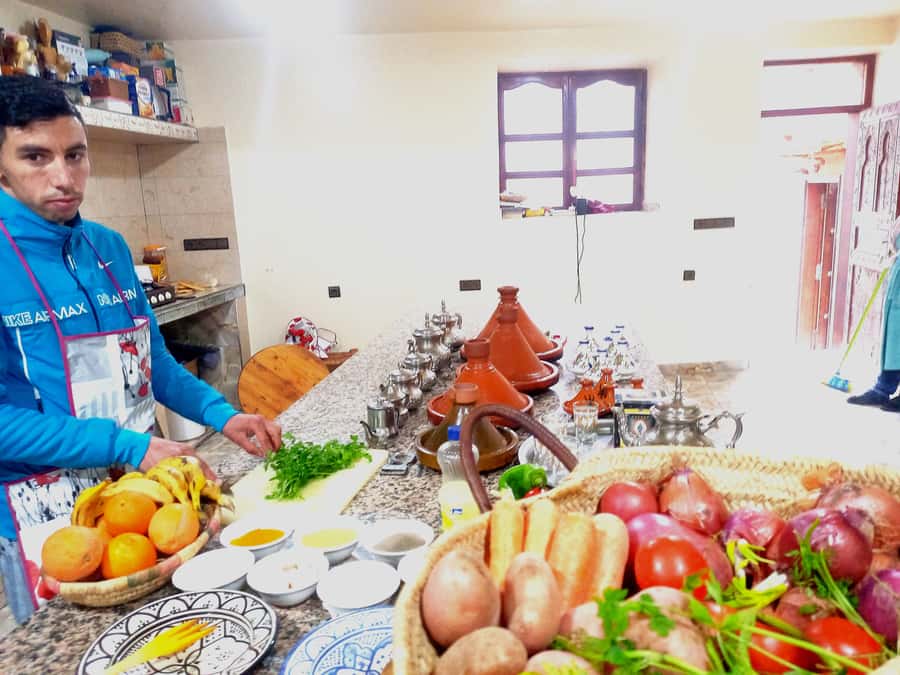
This experience centers on preparing a meal together with a Berber household family. You’ll work through appetizers, a main course, and dessert, guided step-by-step. In practice, the main dish often focuses on tagine—especially chicken tagine—because it’s a classic, teachable dish that rewards patience.
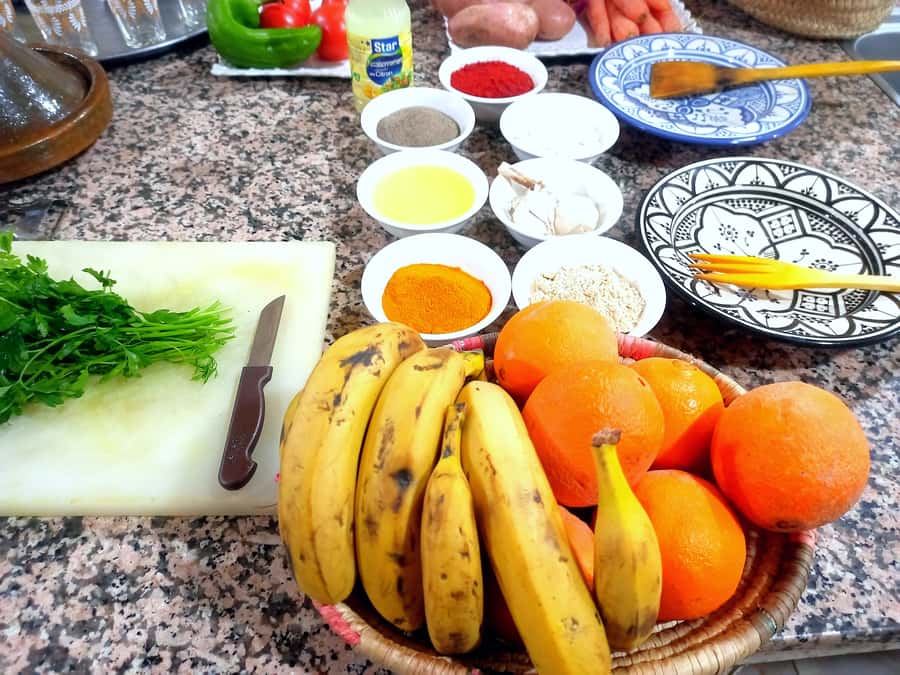
You’ll likely do some real prep work rather than standing on the sidelines: chopping vegetables, handling spices, and learning how the ingredients should look before they simmer. One of the most useful takeaways is understanding how spices behave in Moroccan cooking—not just which ones, but when they’re added and what heat level does to flavor.
Mint tea is another big part of the day. Even if the “tea moment” sounds small, it usually gives you context: how people talk about hospitality, how sweetness balances bitterness, and why tea is more than a drink in Berber culture. Reviews repeatedly mention mint tea as a highlight alongside the food.
How advanced is it? Most people find the instructions clear and hands-on, and the hosts tend to be patient—especially with cooks who aren’t confident. Still, one review described the cooking as more basic than expected. If you’re a serious home cook looking for high-level technique, you might want to treat this as cultural cooking practice with solid fundamentals rather than a chef-level masterclass.
Eating the meal: the terrace moment that makes the day stick
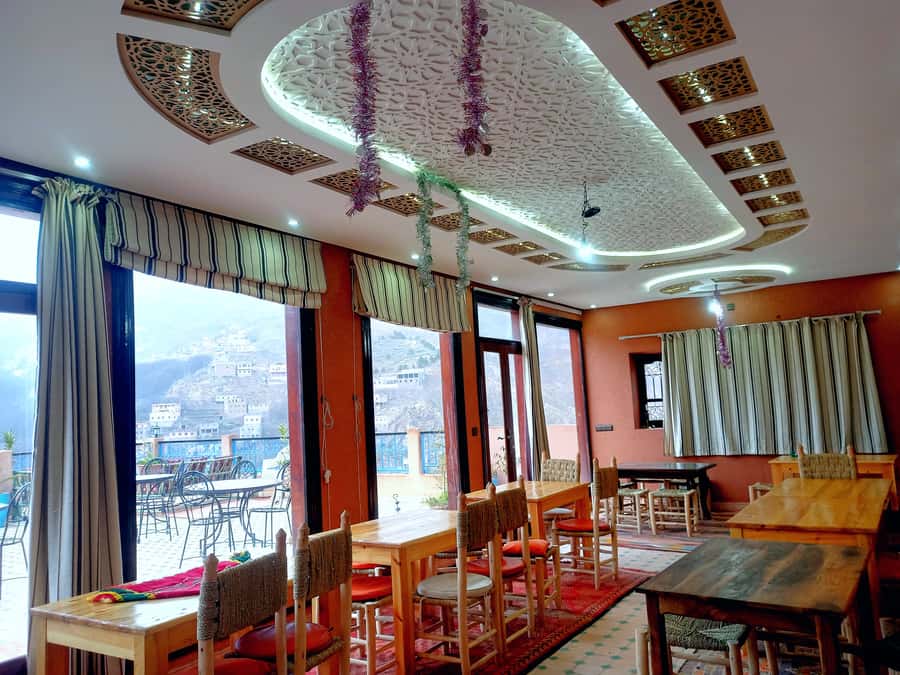
After cooking, you eat what you made—often on a terrace with Atlas Mountain views. This is a key part of the value. You don’t just learn; you also experience what mountain hospitality looks like when the food is ready.
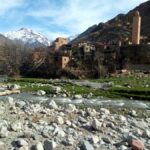
Many guests mention the payoff as the view while you relax. One description calls out eating on a terrace with snow-capped mountain scenery. Even if the view isn’t the same every day, you can expect that “food is simmering, tea is poured, and the mountains are in front of you” rhythm.
This is also where the guide’s translation matters. You’ll hear explanations about ingredients and culture as you eat. Those small narratives help you connect the plate in front of you to the place you’re in.
The only timing note to consider: some guests say they had to leave shortly after the meal. If you’re hoping for a long sit-down and a slow, no-rush goodbye, keep your expectations flexible because transport and group scheduling can shorten that window.
Extra stops in the mountains: argan co-ops and possible camel surprises
While the core promise is the Berber cooking household, the day often includes additional mountain moments. In several accounts, there was a stop connected to argan oil production—described as a women’s cooperative, sometimes alongside argan/honey items. You may also get time to see the process and, if you want, purchase products.
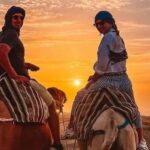
Some tours also include a camel ride surprise on the return route, along with tea. This isn’t guaranteed in the way the cooking is, but it shows up often enough that you should plan for it. For people who love small detours, it can add a memorable “I didn’t expect that” chapter.
The trade-off is time. A few reviews describe the full day running longer than a quick half-day escape—out around 9 and back around 5. If you’ve got dinner plans back in Marrakech, build in a buffer or plan something flexible for that night.
A few more Marrakesh tours and experiences worth a look
Guides and hosts: why the names you hear matter
The best part of this tour is the people who translate it into something personal. Some guests explicitly praise the driver and guide team, naming people like Omar, Yusuf, Taib, Abderrazak, Abderriham, Oussama, Hassan, and Rashid.
The hosts are often just as important. Several reviews thank host family members and describe a feeling of being welcomed like family. Names that come up include Bouchra, Idris, Rachid, and Bushra as a teaching presence in the household context. When the host is confident and patient, you get better explanations and a smoother cooking flow—especially if language is a bit mixed.
Even with a translator, you’ll learn a lot through hands-on demonstration. When someone shows you how to handle a spice mixture, how to portion ingredients, or what to watch while the tagine simmers, that’s knowledge you can carry home.
Price and value: how $32 adds up when you count the real costs
At around $32 per person, this tour is priced like a budget-friendly escape, but it includes more than you might expect for that amount.
You’re paying for:
- Round-trip transport from Marrakech in an air-conditioned vehicle
- An English-speaking guide/translator
- A hosted Berber cooking experience with a meal
If you’ve done city cooking classes before, you know how quickly costs climb once you add transportation, a guide, and a real meal. Here, the transport and guide support are built in, and the “meal you made” component is a meaningful part of the value rather than a small afterthought.
That said, there’s some variance in experience quality based on logistics. Some reviews mention vehicles that felt dirty or uncomfortable, while others praise the drive as smooth and professional. If you want to minimize risk, you can ask your hotel or the pickup contact what the pickup will look like for your location, and be ready for different driving styles depending on the driver.
Also remember what’s not included: personal expenses. If you plan to shop at an argan cooperative or buy gifts, budget for it.
What to bring and how to prepare so it’s comfortable
This one-day trip is outdoors and involves movement. The basics you’ll want:
- Comfortable shoes (there may be a short walk to the cooking area in the mountains)
- Sunglasses (sun can be strong at higher altitude)
A practical mindset helps too. This is a hands-on day in someone’s home environment. You’ll likely get close to ingredients and cooking surfaces, so dress in layers you can adjust as the temperature changes between Marrakech and the mountains.
If you’re sensitive to motion sickness, plan ahead. If you’re camera-ready, pack for scenery and food. And if you’re the type who likes to remember recipes, bring a note app or small notebook—because the explanations about spices and timing are the parts that make the food easier to redo later.
Who this tour suits best (and who should rethink it)
This is a strong fit for you if:
- You want hands-on cooking in a real household setting
- You enjoy learning through conversation and food, not just watching
- You’d rather trade Marrakech crowds for mountain air and views
- You like small groups, where you can ask questions and get answers
It may be less ideal if:
- You’re dealing with motion sickness, since mountain transfers can be rough
- You’re hoping for a long, slow hangout after the meal (some schedules leave quickly)
- You’re looking for very advanced culinary training, because the cooking can be described as more basic by some guests
And there’s a clear no: it’s not suitable for pregnant women, based on the tour’s stated guidelines.
Should you book the Marrakech-to-Atlas Berber cooking class?
I’d book it if you want your Morocco trip to include more than tagine as a restaurant dish. This tour gives you the “why” behind the flavors: spice choices, timing, hospitality, and a shared meal in the mountains.
It’s also good value at $32, mainly because the day bundles transport, translation, and lunch with a family-led cooking session. If you treat it like a cultural food day—not a technical cooking course—you’ll likely walk away happy and fed.
My main caution is practical: the road journey is part of the experience. If you’re prone to motion sickness or you’re uneasy with driving risk, consider whether you’d be comfortable with the mountain ride and ask questions before you go. For everyone else, this is the kind of day that turns Morocco from photos into something you can taste.
FAQ
How much does the High Atlas Berber Cooking Class cost?
It costs $32 per person.
How long is the tour?
The duration is listed as 1 day.
How big is the group?
It’s a small group limited to 6 participants.
Will I have pickup from my hotel in Marrakech?
Yes. Pickup is included from your accommodation. If you’re staying inside the Medina, pickup will be at the closest point a vehicle can access.
What languages are available during the tour?
The tour provides live guiding in Arabic, English, and French.
Is lunch included?
Yes. Lunch is included.
What should I bring?
Bring comfortable shoes and sunglasses.
Is this tour suitable for pregnant women?
No, it is not suitable for pregnant women.
Is there free cancellation?
Yes. You can cancel up to 24 hours in advance for a full refund.
What’s not included in the price?
Personal expenses are not included.