REVIEW · MARRAKESH
From Marrakech: 3-Day Merzouga Sahara Desert Tour
Book on GetYourGuide →Operated by Desert Family Tour · Bookable on GetYourGuide
Sahara stars start after a long drive. You’ll cross the High Atlas via Tizi n’Tichka Pass and spend time at UNESCO Ait Ben Haddou, then finish with sunrise and sunset over the Erg Chebbi dunes. The main thing to weigh is time: this is a big-road trip with early starts, plus a few optional extras along the way.
This 3-day route is built for first-timers who want real desert time without complicated logistics. The small group size (up to 17) helps, and the guides make the difference—people have praised Hicham and Terwi for culture talk, plus Hamza for turning the drive into a story. Still, expect long days with some shop stops, and don’t count on luxury hotel pacing.
In This Review
- Key moments you’ll remember
- Why a 3-day Marrakech to Merzouga trip actually works
- High Atlas and Ait Ben Haddou: the day that sets the tone
- Ait Ben Haddou takes your photos from pretty to meaningful
- Dades Valley or Tinghir: your first night base
- Todra Gorges, Berber villages, and arriving for real dunes
- Todra Gorge: a canyon walk if you want the payoff
- A cooperative stop adds texture (and you can keep it quick)
- Camel trek: small overnight bag, one camel each
- Sunrise, sandboarding, and the desert camp reality check
- Camel back to Merzouga
- The trip back is lighter, but not short
- Included extras worth knowing: sandboarding and towels
- Price and what your $76 is really buying
- Group size, pickup timing, and how to avoid morning stress
- A few tradeoffs to know before you go
- Long days and lots of stops
- Hotel updates vary
- Desert camp basics: plan around shower water
- Should you book this 3-day Merzouga tour?
- FAQ
- What time is pickup in Marrakech?
- How many people are in the group?
- What nights do I sleep on this tour?
- Are meals included?
- Do I ride a camel during the desert portion?
- Is sandboarding included?
- Can I request vegetarian meals?
- Do I need to pay extra for guides or site fees?
- What time do we return to Marrakech?
Key moments you’ll remember
- Tizi n’Tichka Pass: big mountain views plus photo stops to break up the early travel.
- Ait Ben Haddou (UNESCO): about an hour exploring with a local guide, with famous film locations you’ll recognize.
- Todra Gorge cliff walk: a canyon walk option (extra cost) if you want to stretch your legs on Day 2.
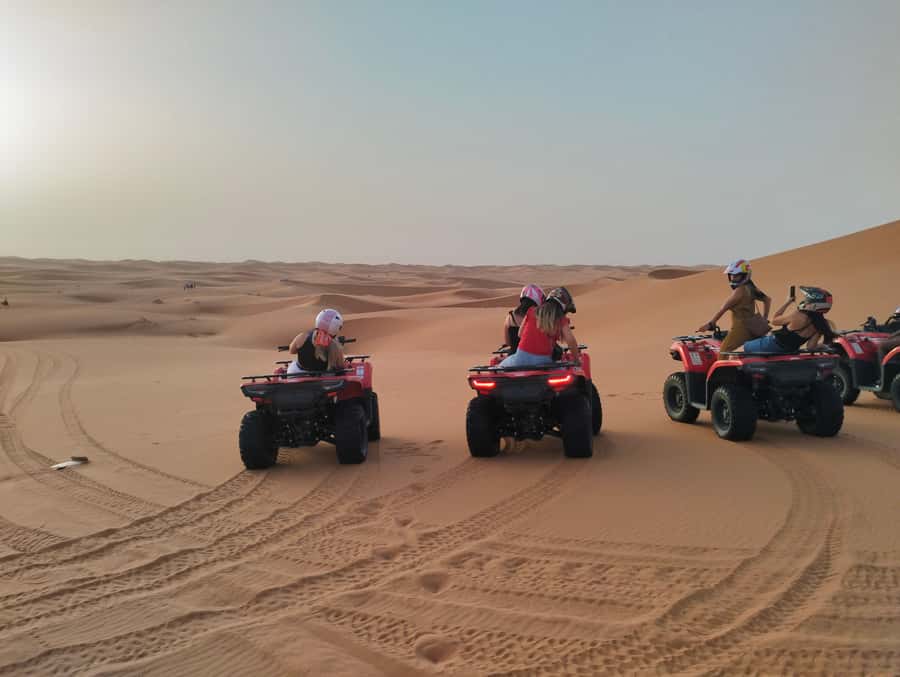
- Erg Chebbi sunrise and sunset: two dune moments that make the desert feel real fast.
- Camel trek + desert camp dinner: one camel each, plus a night under stars and drum music.
- Sandboarding and a hotel pool: included extras that add fun beyond the standard ride-and-bed rhythm.
Why a 3-day Marrakech to Merzouga trip actually works
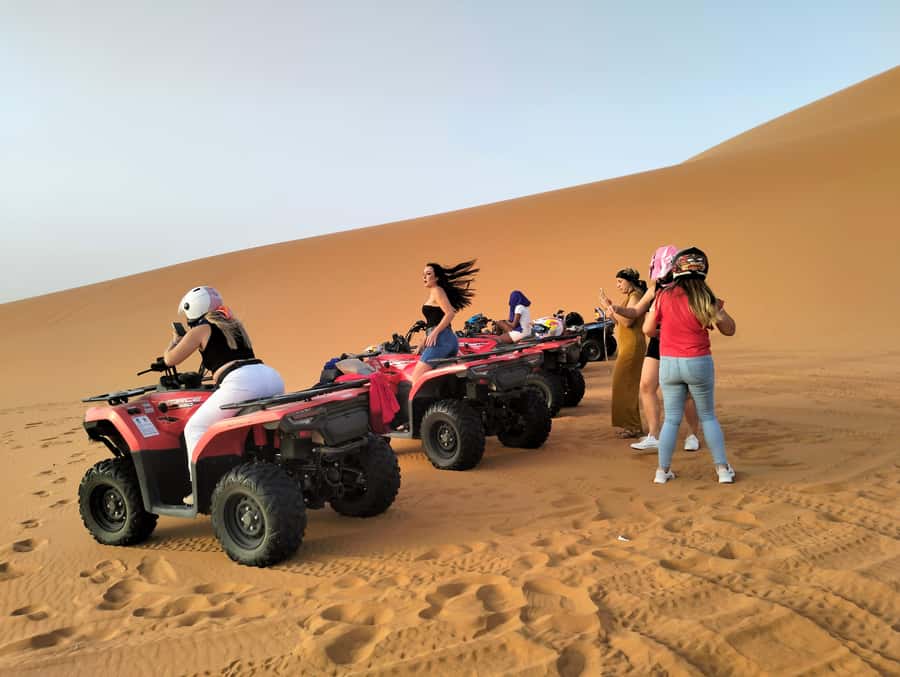
If you’re short on time but want the Morocco that feels far away from cities, this is one of the cleanest ways to do it. You’re not just taking photos. You’re moving through three different “moods” in one go: mountain roads, canyon cliffs, then sand dunes.
The timing is also smart for most people. You start early in Marrakech (usually 7:00–8:00 AM pickup), reach the first countryside stop with daylight, sleep in a proper hotel (Day 1), then sleep in the desert (Day 2 night). That means you get a real change of pace instead of one huge overnight bus ride.
And if you’re the type who enjoys cultural context while you travel, you’ll likely appreciate how guides like Hicham, Terwi, and Hamza have been described: they don’t just drive. They add background as you pass through Berber villages and stops along the route.
A few more Marrakesh tours and experiences worth a look
High Atlas and Ait Ben Haddou: the day that sets the tone
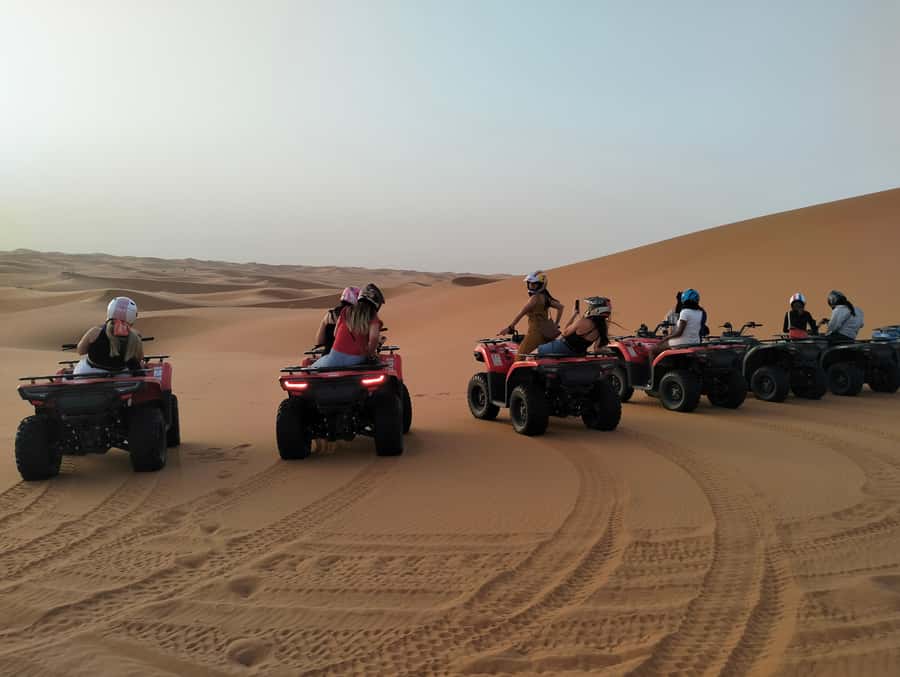
Day 1 is the backbone of the trip. You leave Marrakech early and head east past villages, then climb into the High Atlas. There are small rhythm breaks built into the drive—think stretching your legs and a quick coffee stop—so it doesn’t feel like nonstop sitting.
The star moment is crossing Tizi n’Tichka Pass. Even if you’ve seen mountain passes before, this one hits different because the road climbs fast and the views open wide. It’s the kind of scenery that makes the rest of the trip feel more meaningful. You’re literally moving toward the desert.
Ait Ben Haddou takes your photos from pretty to meaningful
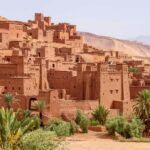
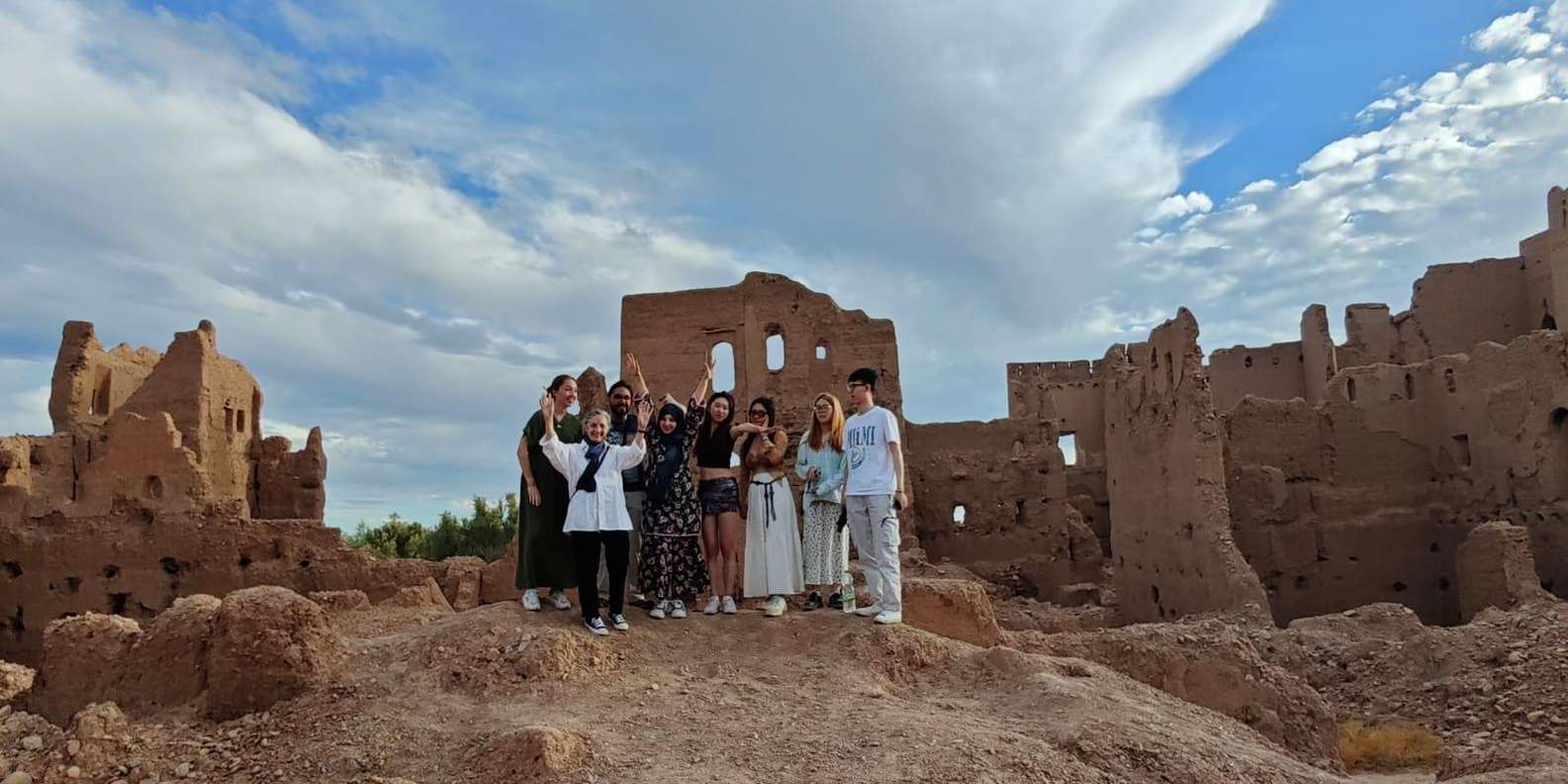
After Ouarzazate-area roads, you reach Aït Ben Haddou Kasbah, the UNESCO World Heritage site. You’ll get about one hour exploring with a local guide. This is where the trip turns from “driving through Morocco” into “understanding a place.”
You may also recognize it from major films. The tour description specifically points out filming locations from Gladiator, Lawrence of Arabia, and Kingdom of Heaven. That’s not just trivia. The kasbah’s layout and fortified walls make more sense once you connect the site to how it’s been used on screen.
A small detail to know: the tour price lists the Ait Ben Haddou guide fee (around €2) as not included. If you want the extra context at the site, you’ll want to carry a little cash for that.
Dades Valley or Tinghir: your first night base
Once you leave Aït Ben Haddou, you continue toward Dades Valley or Tinghir (your exact hotel depends on availability and daily logistics). You reach late afternoon or early evening, which is perfect for settling in, showering, and eating without rushing.
What you’re looking at here is a comfortable pause. Dinner and breakfast are included for this first night, and the listed hotel option (Kasbah Safari Rose or similar) includes a swimming pool, which is a nice reset after the mountain driving.
Lunch isn’t included, even though you’ll have time for it. Plan on buying lunch during stops.
Todra Gorges, Berber villages, and arriving for real dunes
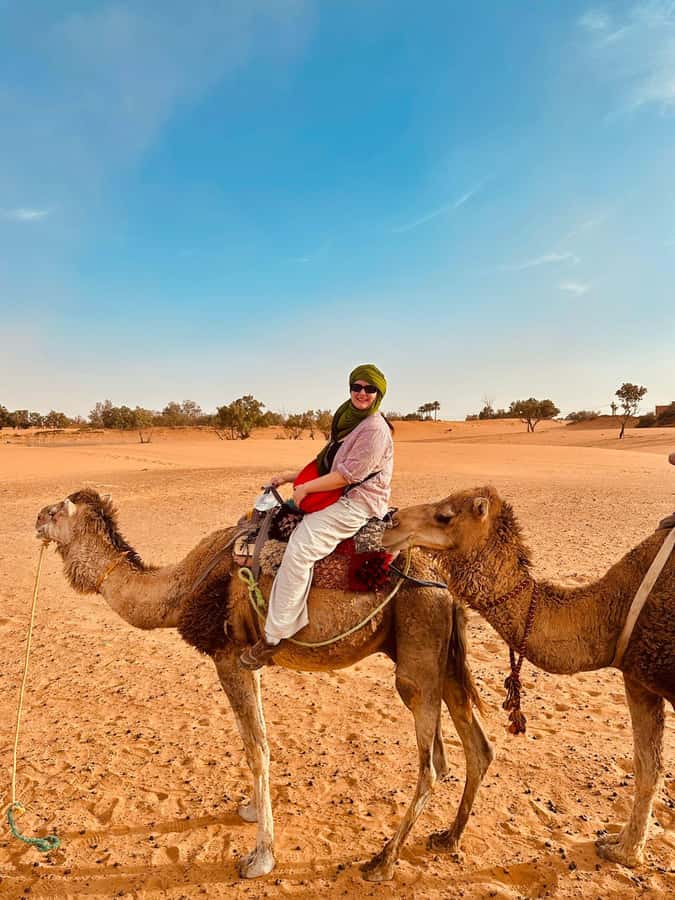
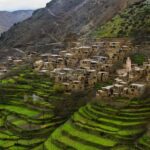
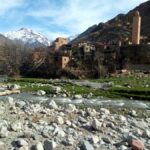
Day 2 is where the scenery shifts. After breakfast, you drive toward Erg Chebbi dunes. Along the way, you pass through Berber villages and the kind of valley roads that make you realize how much of Morocco is lived-in—not just visited.

Todra Gorge: a canyon walk if you want the payoff
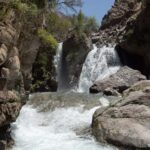
You’ll stop at Todrа Gorges, where towering cliffs create a canyon feel you can’t get from a quick look. There’s a walk option through the canyon, described as optional with an extra €2 per person cost for the local guide.
I like this stop because it’s active but not exhausting. It gives your legs something to do, and it helps you arrive at the dunes feeling like you’ve already “earned” the desert night. If you tend to get bored by long car days, this is your anchor.
A cooperative stop adds texture (and you can keep it quick)
You’ll also visit a traditional local cooperative to learn about regional crafts and products. Even if you’re not shopping, it’s a good break from the road. It also helps explain the economy around these places, not just the views.
Then you push onward toward Merzouga and the dunes.
Camel trek: small overnight bag, one camel each
Once you arrive, the rhythm is:
1) relax for a bit,
2) pack a small overnight bag (your main luggage stays in the vehicle),
3) start the camel trek.
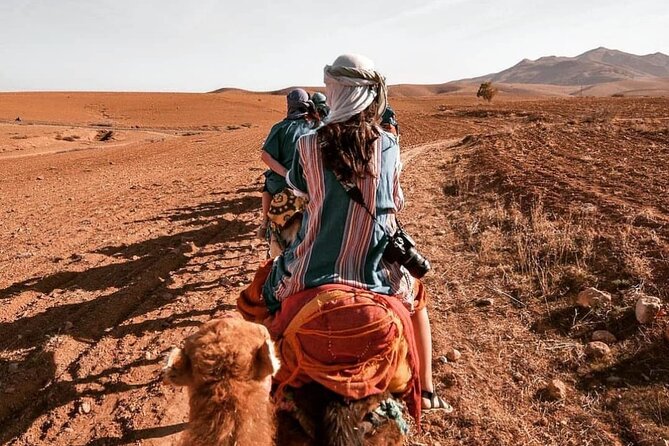
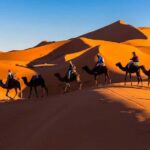
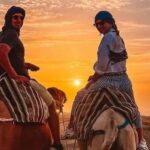
This is one camel each, which matters. Sharing can feel awkward if you’re tall, short, or just prefer your own space. When you reach the desert camp, you’ll be in time to walk up the dunes and watch the sunset.
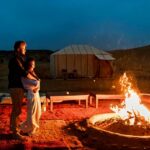
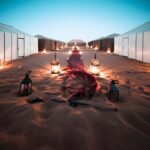
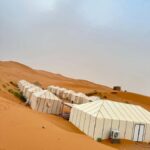
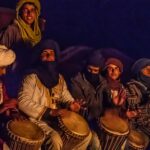
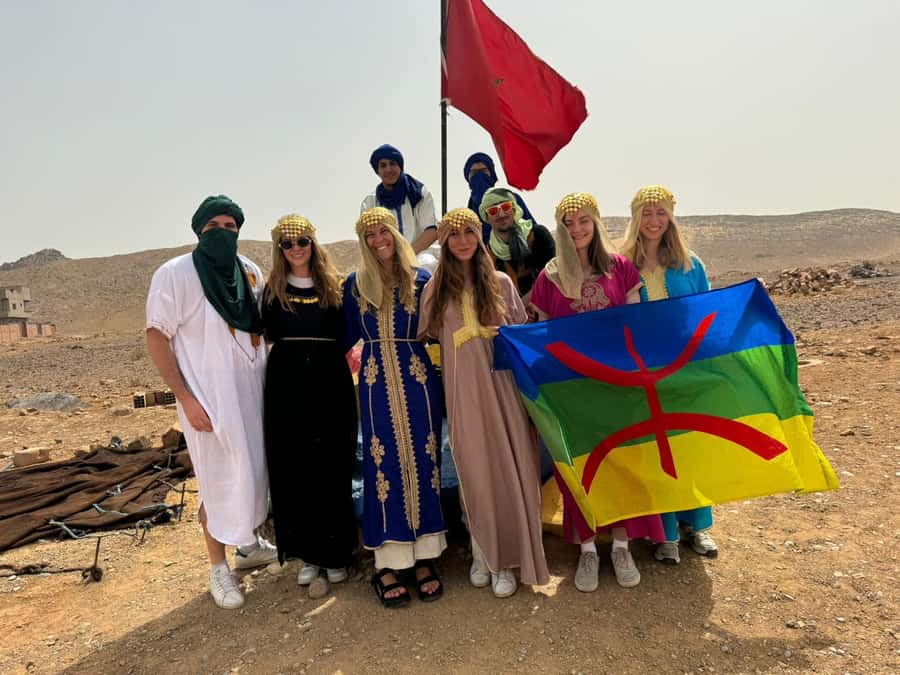
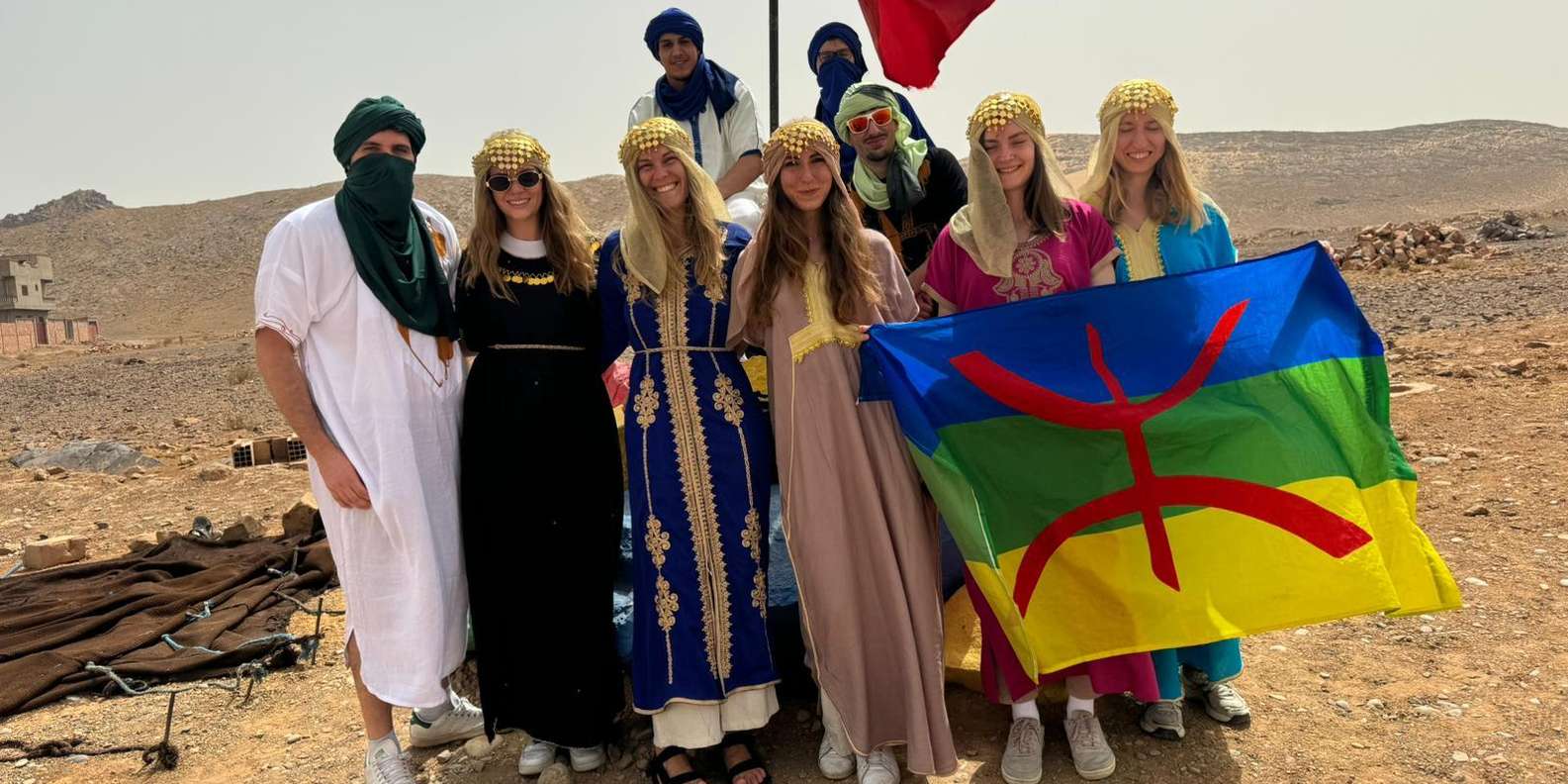
Evening here includes dinner, and the experience includes traditional drum music around the campfire. You sleep in a desert camp with Berber nomad tents and a sky full of stars—the part everyone imagines before they come.
Sunrise, sandboarding, and the desert camp reality check
Day 3 begins early for a reason: you’ll be there for sunrise over the dunes. That’s your payoff for the early wake-up call. If you only cared about the camel ride, you might skip the morning. But if you want that desert feeling to land properly, this is one moment you shouldn’t miss.
Camel back to Merzouga
After breakfast at the camp, you ride camels back to the village of Merzouga. Your driver is waiting so you don’t have to worry about the next leg. Then the return to Marrakech begins.
The trip back is lighter, but not short
On the way back, you travel through the Rose Valley and stop in Kalaat M’Gouna for lunch and a break, then continue via Ouarzazate and the High Atlas Mountains.
Expect an evening arrival in Marrakech around 7:00–9:00 PM, depending on traffic and conditions.
Included extras worth knowing: sandboarding and towels
This tour includes sandboarding, which is a fun add-on if you want something more physical than just walking on the dunes. Towels are also provided in the accommodations.
Price and what your $76 is really buying
At $76 per person for a 3-day trip, the value comes from the structure: you’re paying for transportation plus two overnight stays and multiple included meals.
Here’s what stands out as “you’d pay extra elsewhere”:
- Hotel night in Dades/Tinghir with dinner and breakfast included
- Desert camp night near Erg Chebbi with dinner and breakfast included
- Camel ride (one camel each)
- Sandboarding
- Driver support across the full route
What isn’t included affects the true out-of-pocket cost:
- Lunch (on multiple days)
- Drinks
- Entrance fees if applicable
- Optional guide fees such as the Ait Ben Haddou guide fee (~€2) and the Todra canyon walk option (extra €2)
So the honest math is: $76 covers the core “getting there + sleeping there + desert activities,” but you should budget a little for meals and small on-the-ground add-ons. If you’re the type who spends more on drinks and full sit-down lunches, your total may climb fast.
Group size, pickup timing, and how to avoid morning stress
This tour runs as a small group (limited to 17). That’s a sweet spot: big enough for shared energy, small enough that you’re not spending half the day playing waiting games.
Pickup in Marrakech usually happens between 7:00 and 8:00 AM, and the driver confirms the exact time the evening before by WhatsApp or phone. If you’re in the Medina, direct door pickup may not be possible because the streets are narrow, so you’ll likely meet near a main accessible point such as Jemaa el-Fna Square or a nearby parking area.
My practical advice: set your alarm for earlier than you think. Be ready at least 10 minutes before pickup. Even a small delay can throw off the whole day’s timing in a group tour.
A few tradeoffs to know before you go
This is one of those experiences that’s wonderful, but it’s not a quiet private retreat.
Long days and lots of stops
One past guest noted the trip can feel long, with many stops that include shop time. That’s common on this kind of route because stops are built in for breaks, viewpoints, and sometimes commissions. If you hate “stop-and-shop” pacing, manage expectations and treat those stops as fuel stops rather than shopping trips.
Hotel updates vary
There’s also a note that the Dades/Tinghir hotel could use modernization. The practical takeaway: don’t expect a brand-new luxury property. You’re mostly there for a comfortable sleep and meals before the desert night.
Desert camp basics: plan around shower water
In the desert camp, there are notes that evening showers happen, but in the morning water can be limited and cold. That doesn’t ruin the experience, but it changes the comfort level. If hot water is a must, plan to skip any “spa” expectations and focus on the stars and dunes.
Should you book this 3-day Merzouga tour?
Book it if you want a well-paced introduction to Aït Ben Haddou, Todra Gorge, and the Erg Chebbi dunes without building a plan from scratch. The included desert camp night, camel ride, sandboarding, and the two big light moments (sunset and sunrise) are the core wins.
Skip it (or choose a different format) if you hate early mornings, don’t handle long road days well, or you want a more hands-off experience with fewer scheduled stops. This route is efficient, but it’s still a road trip.
If you do book, bring a small overnight bag for the desert trek, pack light, and keep some cash for the small extras at Aït Ben Haddou and Todra. You’ll enjoy the main event more when you’re not juggling surprises.
FAQ
What time is pickup in Marrakech?
Pickup is typically scheduled between 7:00 AM and 8:00 AM, depending on your exact location and route. If you’re in the Medina, pickup may be at the closest accessible meeting point rather than your riad door.
How many people are in the group?
The tour runs as a small group, limited to up to 17 participants.
What nights do I sleep on this tour?
You’ll have two overnight stays: one night in Dades Valley or Tinghir (in a hotel) and one night in a desert camp near Erg Chebbi dunes.
Are meals included?
Dinner and breakfast are included for both overnight stays. Lunch and drinks are not included.
Do I ride a camel during the desert portion?
Yes. You’ll do a camel trek across the dunes, with one camel each. You also ride camels back to Merzouga on Day 3.
Is sandboarding included?
Yes, sandboarding is included.
Can I request vegetarian meals?
Yes. The tour includes a vegetarian option for dinner and breakfast, as long as you inform the provider in advance.
Do I need to pay extra for guides or site fees?
Some small extras are listed as not included, including an Aït Ben Haddou Kasbah guide fee (around €2) and the optional Todra canyon walk cost (extra €2 per person).
What time do we return to Marrakech?
Return time depends on traffic and conditions, but it’s typically in the evening, around 7:00–9:00 PM, with drop-off at your accommodation or the nearest accessible meeting point.