REVIEW · MARRAKECH
Moroccan Hands on traditional pastries & Tea class in Marrakech
Book on Viator →Operated by Marrakech Cooking Class With Chef Khmisa · Bookable on Viator
Moroccan pastry tastes like a daily ritual, not a food show. I love the home-kitchen setting where you learn from a host and her family, and I also like that you’re doing real hands-on baking (including mint tea) for a full 3 hours. One thing to consider: timing matters—if you show up late or arrive confused about the time slot, you can miss the experience.
This is a small class in the Marrakech medina (max 10 people), priced at $40.65, with flexibility thanks to multiple time slots. You’ll meet near Rue Bab Doukkala, sip Moroccan mint tea or coffee, then learn how to make traditional filled pastries such as corne de gazelle and cookies like ghriba, plus additional Moroccan pastries. If you want a cozy, practical class with a take-home box, it’s a strong fit.
In This Review
- Key Highlights You’ll Actually Use
- Meeting in the Marrakech medina: Chef Khmisa’s kitchen vibe
- What to watch for at the start
- The tea ritual: learning Moroccan mint tea with your host
- Why this tea lesson is valuable
- Baking session: corne de gazelle, ghriba, and more
- What you’ll do during class
- Corne de gazelle: learning the filled-pastry feel
- Ghriba: cookie texture and simple precision
- Hands-on techniques without industrial equipment
- What you can learn even if you only bake occasionally
- The tasting, the chat, and the take-home box
- Price and value: $40.65 for 3 hours in a home kitchen
- Who this class fits best (and who might want to pick another option)
- Who should think twice
- Practical planning: meeting point, mobile ticket, and getting there
- Should you book this Moroccan pastries & tea class?
- FAQ
- How long is the Moroccan pastries and tea class?
- Where does the experience start and end?
- How much does the class cost?
- Is there hotel pick-up included?
- What time flexibility do you have?
- What’s included in the price?
- Do I get a recipe to take home?
- How many people are in the group?
- What ticket do I receive?
- What happens if the weather is bad?
Key Highlights You’ll Actually Use
- Private home experience in the medina: learn in a real household setting, not a demo kitchen
- Mint tea basics taught properly: learn the method behind the classic Moroccan pour and flavor
- Bake traditional pastries like corne de gazelle and ghriba: specific, named recipes you can recreate later
- No industrial equipment approach: techniques designed around items you can find at home
- Warm tasting at the end: enjoy what you baked straight from the oven
- Take-home box + recipe: leave with both the food and the written how-to
Meeting in the Marrakech medina: Chef Khmisa’s kitchen vibe
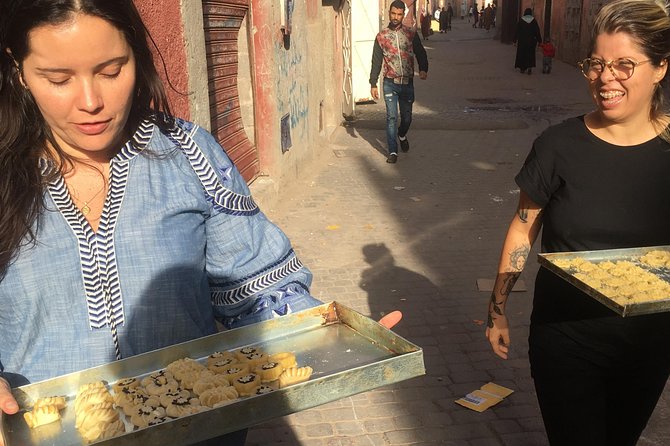
You start at Rue Bab Doukkala and then move into a private home in the medina for the class. That location choice matters. Marrakech medina cooking is shaped by everyday rhythms—how tea is served, when dough gets worked, how families time baking—so the class feels less like a performance and more like you’ve been invited into someone’s routine.
This experience is run under the umbrella of Chef Khmisa, and at least some sessions include strong English support from the cook-guide Spike. That combination helps a lot if your Arabic or French is limited: you can still follow steps clearly and ask questions while you’re mixing, shaping, and baking.
You can also read our reviews of more tours and experiences in Marrakech.


What to watch for at the start
There’s one clear caution that comes up: the timing needs your attention. One guest reported confusion about a time change and said they missed the session. I’d treat that as a practical reminder. When you book, double-check your exact time slot instructions and plan to arrive early enough to find the meeting point without stress.
The tea ritual: learning Moroccan mint tea with your host
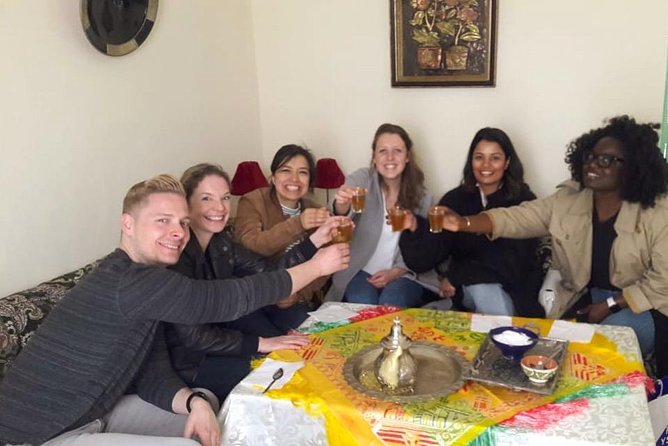
In Moroccan life, tea is not just a drink—it’s part of how people slow down and connect. In this class, tea becomes the teaching tool. You’ll be offered Moroccan mint tea or coffee, and you’ll learn how to make mint tea as part of the course, not as an afterthought.
You also get to taste pastries while the tea is happening, which is a smart structure. You’re not waiting until the end to find out if the flavors work. You can compare what you’re making to what you’re sipping right away, then adjust your approach as you go.
Why this tea lesson is valuable
If you’ve ever made mint tea at home and it tasted flat, watery, or too sharp, the fix is usually technique, not just ingredients. Here, the class frames mint tea as something learned in a home routine—so you’re getting practical guidance rather than guesswork.
And because you’ll taste what’s being served while you learn, you’ll start noticing the difference between good tea and just-correct tea. That’s the kind of skill you can reuse long after you leave Marrakech.
Baking session: corne de gazelle, ghriba, and more
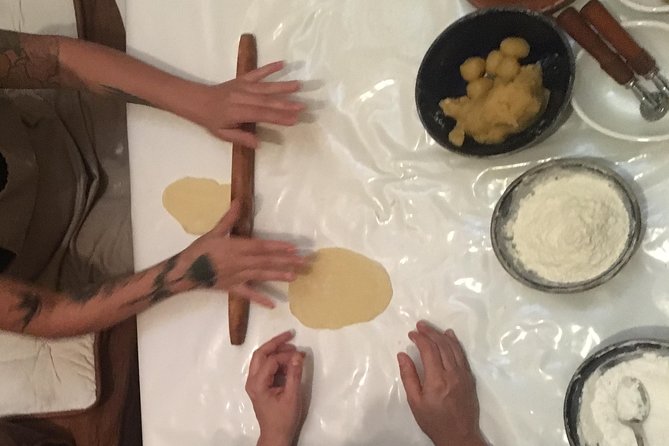
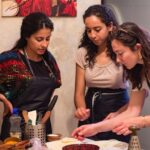
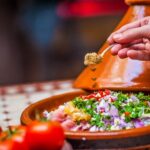
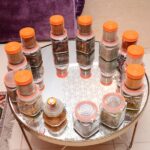
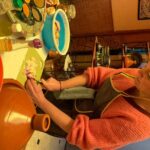
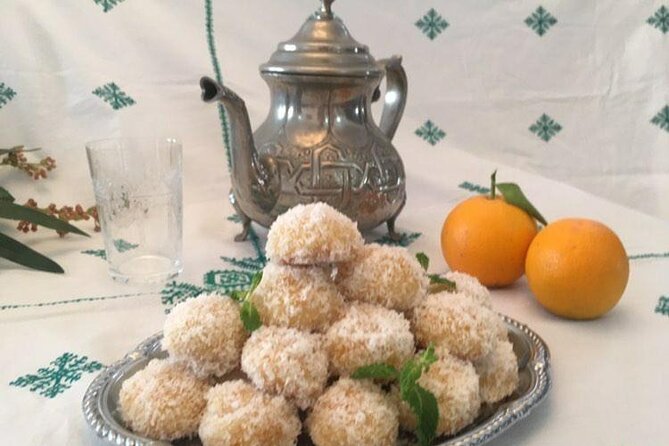
The main event is the pastries. The class is built around learning intricate Moroccan pastry work using straightforward methods and ingredients you can find at home. Your named highlights include corne de gazelle and ghriba, and the course also references additional Moroccan pastries beyond those two.
A few more Marrakech tours and experiences worth a look

What you’ll do during class
The flow generally follows this rhythm:
- You start with tasting and a short welcome with the host family
- You then work on pastry steps taught in the course
- You make multiple types, not just one cookie
- At some point you bake, and later you taste hot pastries fresh from the oven
- You finish by taking home a boxed set of what you made
Guests who liked the class most often mention doing two quite different types of Moroccan cakes/pastries. That’s a useful way to learn: different pastries train different skills—shaping, filling, texture, and bake control.
Corne de gazelle: learning the filled-pastry feel
Corne de gazelle is all about the mix of tender dough and a filling that stays flavorful without turning messy. In a home class, the value is watching how the pastry is handled—how it’s shaped, how the filling is portioned, and what “enough” looks like. Even without industrial tools, you can learn the feel and timing that makes the final result crisp outside, tender inside.
Ghriba: cookie texture and simple precision
Ghriba is often easier to start but harder to perfect, because texture is everything. The big lesson you can take home: Moroccan pastry isn’t just about ingredients; it’s about working the dough correctly and baking until you get the right crumb and snap.
One review calls out that the experience can feel more child-friendly and straightforward than expected, suggesting some portions might already be prepared (like doses measured in advance). If you’re an advanced baker, keep your expectations realistic: this class is set up for learnable success, not a hardcore pastry boot camp.
Hands-on techniques without industrial equipment
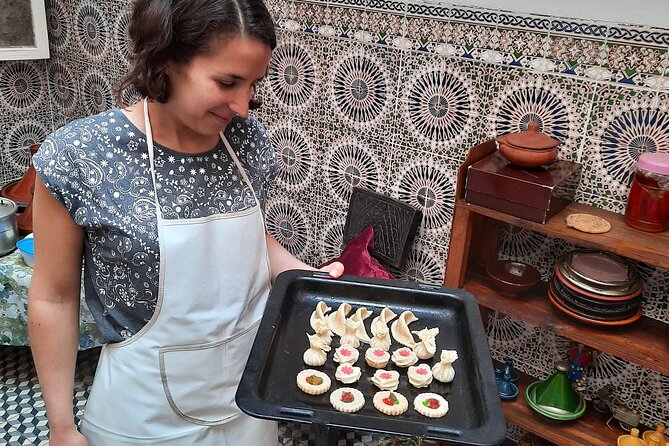
One of the strongest promises in the class description is that you’ll learn techniques using items you can find at home, without industrial equipment. That’s the difference between a souvenir class and a class with real transfer value.
From the way the experience is taught, the focus is on simple but precise steps. That includes:
- learning how to assemble and shape pastries correctly
- using measurements and methods that translate to home kitchens
- understanding how mint tea and pastries fit together as a set, not separate projects
What you can learn even if you only bake occasionally
Even if you don’t bake often, you’ll leave with a workflow you can repeat:
1) make the dough and filling method,
2) shape consistently,
3) bake to the correct outcome,
4) pair it with mint tea.
The best part is the take-home package. You’re not just tasting during the class; you get a box of pastries to bring home along with a recipe, so you can try again soon while the steps are still fresh in your head.
The tasting, the chat, and the take-home box
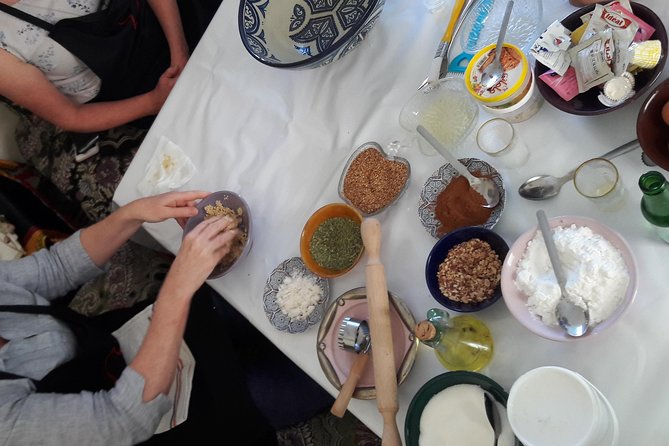
After you bake, the class ends the way it should: with food. You’ll taste the pastries you baked, alongside a cup of coffee or tea. This is one of the most praised elements, especially when the pastries come out warm and fresh from the oven.
There’s also a social piece. The class description notes that you can chat about your trip to Morocco, and the host is happy to share culinary advice and recommendations. That matters for value. In a lot of cooking classes, you leave with food but not with guidance. Here, the conversation helps you turn your new skills into practical next steps.
Finally, you get:
- a recipe (so you can recreate at home)
- a box of pastries (so you don’t leave empty-handed)
If you’re traveling with someone who wants a food memory but also wants something tangible to bring home, this structure is a win.
Price and value: $40.65 for 3 hours in a home kitchen
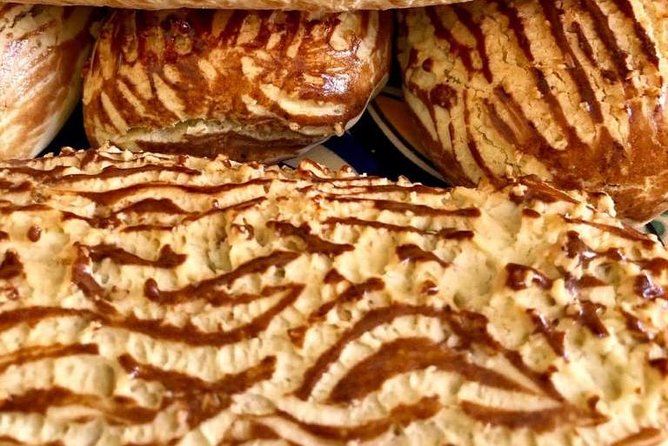
At $40.65 per person, this class isn’t free, but it’s also not a luxury splurge. The value comes from the full mix you get in one sitting:
- a 3-hour hands-on baking lesson
- mint tea or coffee as part of the experience
- multiple pastries, including named classics like corne de gazelle and ghriba
- recipe handout and a take-home box
It also helps that the group is capped at 10 travelers, which is small enough that the host can usually keep an eye on your progress and answer questions while you’re working.
One more value note: there’s no hotel pick-up included. That can save money for you, but it also means you need to handle getting to the meeting point on your own. The good news is it’s described as near public transportation, so you’re not stuck doing a complicated logistics puzzle.
Who this class fits best (and who might want to pick another option)
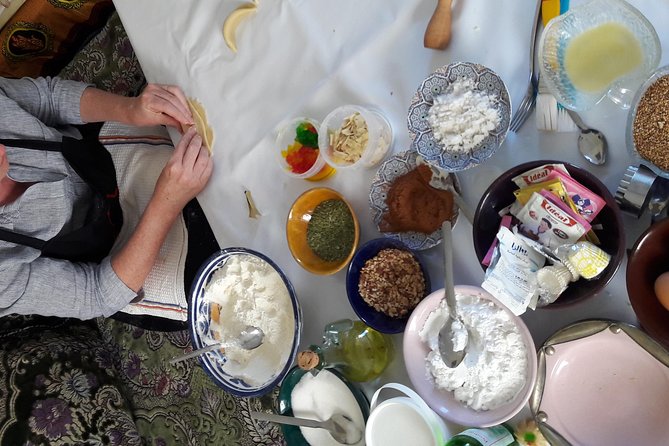
This experience is best for people who want Moroccan cooking to feel like daily life. You’ll enjoy it if you like:
- baking basics with real guided steps
- learning traditional flavors you can actually remake
- a small, family-style class rather than a theater-style demo
It’s also a great match for couples or friends who want a shared activity that ends with warm food and a takeaway.
Who should think twice
If you’re an advanced pastry person expecting a lot of complex variations, you might find it more basic than you hoped. One guest felt they learned only two main types and that some prep may be simplified (like portions already measured). That doesn’t make the class bad—it just means it’s aimed at getting you to success, not training you for a professional pastry kitchen.
And if your schedule is tight, remember the time slot and punctuality issue. Plan to arrive with breathing room.
Practical planning: meeting point, mobile ticket, and getting there
Start at Rue Bab Doukkala in Marrakech, and the activity ends back at the same meeting point. You’ll also have a mobile ticket, and confirmation is typically received within 48 hours of booking, based on availability.
Because there’s no hotel pick-up, you’ll want to be confident about finding Rue Bab Doukkala and moving through the medina on your own with local help if needed. The class is also described as near public transportation, which makes it easier to reach without paying for private transfers.
Weather matters, too. The experience notes it requires good weather, and if it’s canceled due to poor weather, you’ll be offered a different date or a full refund.
Should you book this Moroccan pastries & tea class?
I think you should book this class if you want a real home-kitchen experience where you leave with both skills and food. The highest praise centers on the cozy atmosphere, the hands-on baking, and learning mint tea properly—plus the bonus of warm pastries right after they come out of the oven, and a box you can carry home.
Skip it—or choose carefully—if you’re the type who needs a complex, multi-recipe pastry deep training session. Also, be strict about timing. This experience can be great, but it’s not designed for late arrivals or last-minute confusion about the slot.
If you’re curious about Marrakech food beyond tagine and couscous, this is one of the better “learn something you’ll use later” choices.
FAQ
How long is the Moroccan pastries and tea class?
The class lasts about 3 hours.
Where does the experience start and end?
It starts at Rue Bab Doukkala, Marrakesh 40000, Morocco and ends back at the same meeting point.
How much does the class cost?
The price is $40.65 per person.
Is there hotel pick-up included?
No. Hotel pick-up is not included.
What time flexibility do you have?
The experience offers different time slots, so you can pick a time that fits your schedule.
What’s included in the price?
Coffee and/or tea are included, along with pastries and Moroccan pastries, plus a recipe.
Do I get a recipe to take home?
Yes. A recipe is included.
How many people are in the group?
The group size has a maximum of 10 travelers.
What ticket do I receive?
You receive a mobile ticket.
What happens if the weather is bad?
The experience requires good weather. If it’s canceled due to poor weather, you’ll be offered a different date or a full refund.