REVIEW · MARRAKECH
3 Day Tour from Marrakech to Merzouga with Camel Ride Included
Book on Viator →Operated by Sahara Desert Trip · Bookable on Viator
Morning starts early and ends under stars. This Marrakech to Merzouga route is a fast, organized way to see Morocco’s classic desert build-up: mountain passes, kasbah towns, and limestone gorges before the dunes. I love how the trip is well-timed for photos and cool light, with camel rides at sunset and sunrise. I also like that you’re not left to figure anything out—your driver and local guides handle the big transitions. The only real drawback to consider is that the days are long and the ride is in a minibus, so you’ll want to be patient and ready for bumpy stretches.
Over three days you’ll sleep twice—once in a hotel in Boumalne Dades and once in a shared desert camp near Erg Chebbi. You’ll also get guided time in Tinghir oasis and the Todra gorges, plus plenty of stops designed for quick, satisfying looks rather than endless wandering. One practical consideration: lunch and drinks are not included, so you’ll be doing some on-the-go spending.
In This Review
- Key moments that make this tour work
- Road Trip Start: Marrakech to Tizi n Tichka Pass Views
- Ait Ben Haddou: Kasbah Time Without the Headache
- Ouarzazate Stop: A Quick Reset Before the Dades
- Hotel Night in Boumalne Dades: Comfort Before the Sand
- Tinghir Oasis and Todra Gorges: Guided Time in Real Rock Country
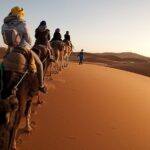
- Erg Chebbi at Sunset: Camel Ride and the Desert Rhythm
- Night in a Shared Camp: Under Stars, With No Real Front Row Seat
- Sunrise Camel Ride + Breakfast: The Best Light, the Same Route
- El Kelaa M’gouna Kasbah Stop: A Final Morocco Touch
- Price and Value: Why $93.05 Can Make Sense Here
- Who Should Book This Tour (and Who Might Want Something Else)
- Practical Tips That Improve the Day
- Should You Book This 3-Day Marrakech to Merzouga Tour?
- FAQ
- What does the tour include?
- What times are the camel rides?
- Where do I sleep during the 3 days?
- Are meals fully included?
- Are drinks included?
- Do I need a guide for Ait Ben Haddou?
- How large is the group and what transport is used?
- What time does the tour start?
Key moments that make this tour work
- Tizi n Tichka viewpoint for fast, high-impact mountain photos
- Ait Ben Haddou kasbah stop built for a real walkabout (2 hours)
- Todra gorges with a guide plus that special Tinghir-area feel
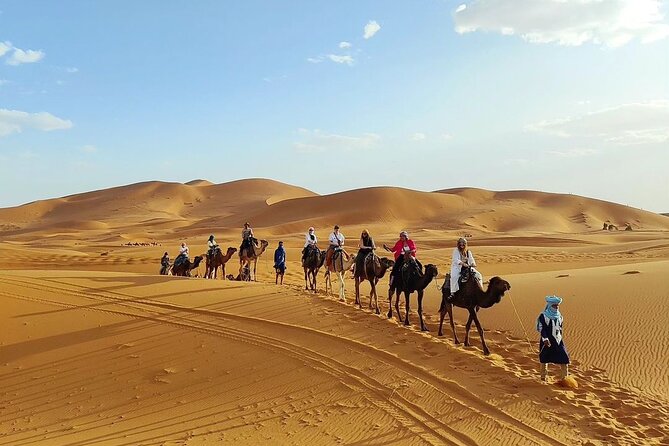
- Erg Chebbi sunset camel ride followed by dinner in camp
- Sunrise camel ride plus breakfast before heading back
- Small-group feel with a maximum of 17 people
Road Trip Start: Marrakech to Tizi n Tichka Pass Views
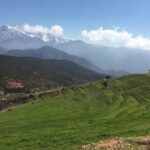
You kick off around 7:00 am, heading out of Marrakech toward the Atlas high country. The first timed stop is Tizi n Tichka, where the point is simple: get out, look far, and snap the kind of mountain photos that usually take a full day of solo driving. There’s a short stop (about 10 minutes), so your camera needs to be ready before you arrive.
This is one of those “short but important” breaks. You’re not stopping so long that you lose momentum, but you still get that wow-factor perspective change from flat city life to high-road Morocco.
Tip: bring a light wind layer. Even in warm months, mountain air can feel sharp when you stop and stand still.
A few more Marrakech tours and experiences worth a look
Ait Ben Haddou: Kasbah Time Without the Headache
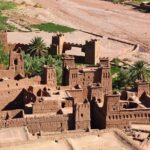
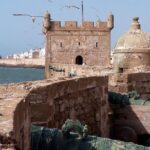
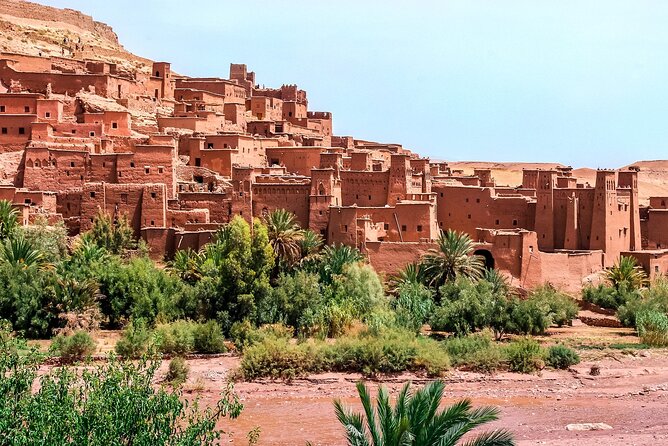
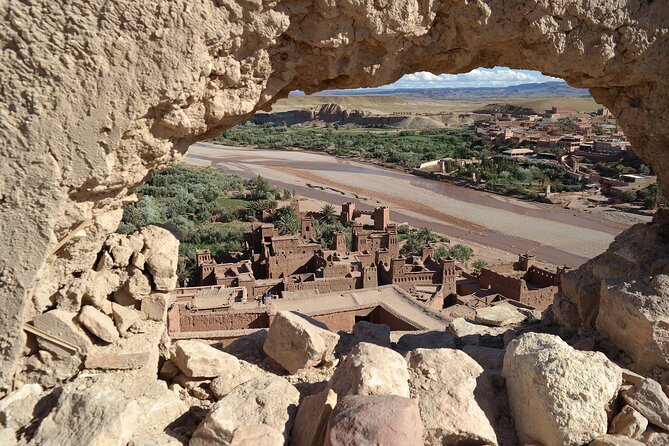
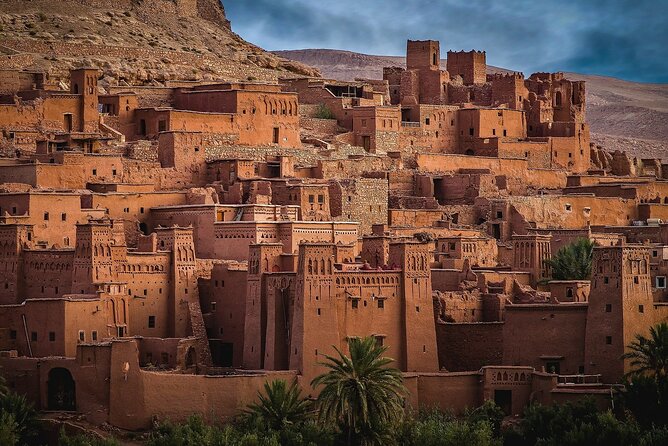
Next up is Ait Ben Haddou, the famous kasbah that’s been used as a backdrop for films and stories for generations. Your stop is about 2 hours, which is just enough time to wander the lanes and take in how the whole settlement fits together without feeling rushed. Admission is included, so you don’t have to manage extra payments for entry.
Here’s the part to plan around: an additional guide inside the kasbah area is optional, and it costs about 3 EUR per person. If you want names, details, and context as you walk, it can be worth it. If you just want to photograph and soak up the atmosphere, you can probably skip it and keep things moving.
If you care about pictures, focus first on angles. Then take a second pass for close-ups. Kasbahs look great from a distance, but they also reward you when you get near the textures and doorways.
Ouarzazate Stop: A Quick Reset Before the Dades
After Ait Ben Haddou, the route passes through Ouarzazate for a shorter break of about 45 minutes. You can opt to visit the Kasbah of Taourirt, and there’s also a supermarket stop to grab supplies.
This kind of stop matters more than it sounds. In desert tours, comfort becomes your superpower. If you buy snacks, bottled water, or anything you might want for the evening, you’ll feel better later—especially since lunch and drinks aren’t included.
I like that this stop isn’t trying to cram in more sightseeing. It gives you a reset: stretch your legs, replenish, and move on.
Hotel Night in Boumalne Dades: Comfort Before the Sand
You spend the night in a hotel in Boumalne Dades, with about 12 hours allocated for the stay. This is a big value piece of the tour design. You’re not rolling straight from gorges to dunes with zero recovery time.
Why it helps: your second day is longer and more active, and you’ll want decent rest after the driving. A hotel night also gives you a proper place to wash up and reset your bag.
What to expect in practice: you’ll likely be tired. So aim to pack in a way that lets you find essentials quickly—phone charger, basic toiletries, and whatever layer you’ll want for night air.
Tinghir Oasis and Todra Gorges: Guided Time in Real Rock Country
Day two starts with a guided visit to Tinghir oasis (about 1 hour). This is where the landscape begins to shift from “mountains and towns” into “water, palms, and survival geography.” With a guide, you’ll get more than just photos—you’ll understand what you’re looking at and why it exists in this setting.
Then you head to the Todra gorges for about 30 minutes with a guide. The gorges are dramatic in a way that’s hard to explain until you’re standing there. The walls rise quickly, making the space feel like a canyon you could shout into.
One of the charming details you might notice in this area is the mention of Monkey Fingers (a local name tied to the shape of certain plants in the gorge setting). Even if you don’t go into plant identification mode, it’s a fun visual detail that makes the gorge feel more specific, not generic.
Practical note: this leg is guided but time is limited. Wear shoes you trust on uneven ground, because you’ll want stable footing for both photos and short walks.
Erg Chebbi at Sunset: Camel Ride and the Desert Rhythm
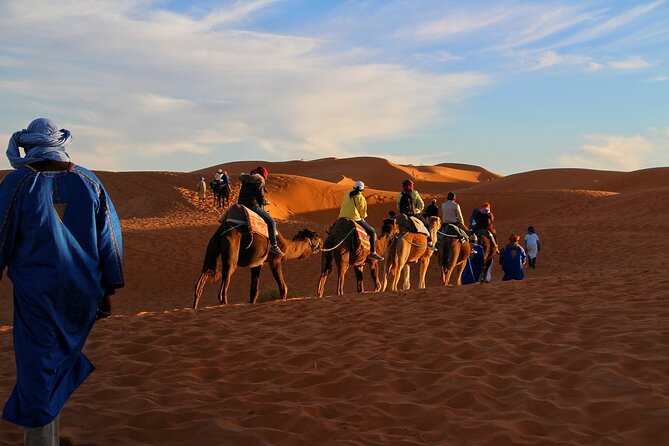
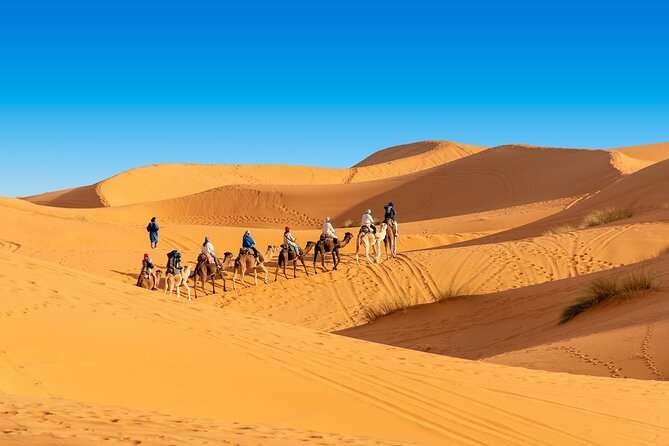
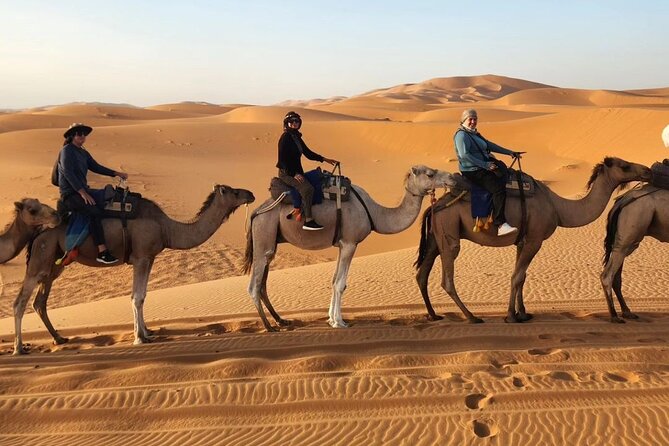
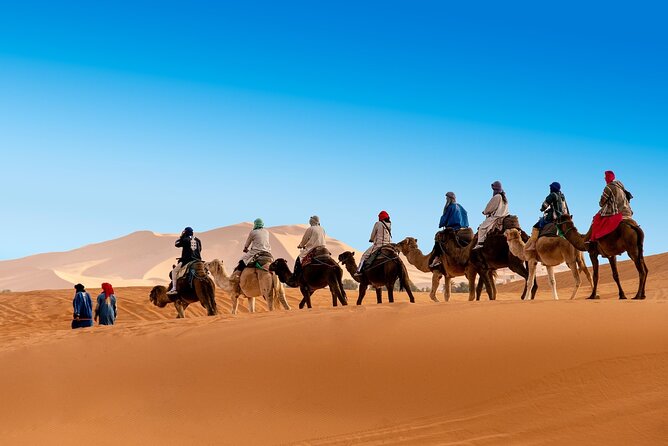
Now the tour really changes gears. You reach Erg Chebbi for the big desert chunk, with about 14 hours from afternoon through night. The core experience here includes a camel ride at sunset, plus dinner and a night in the desert camp.
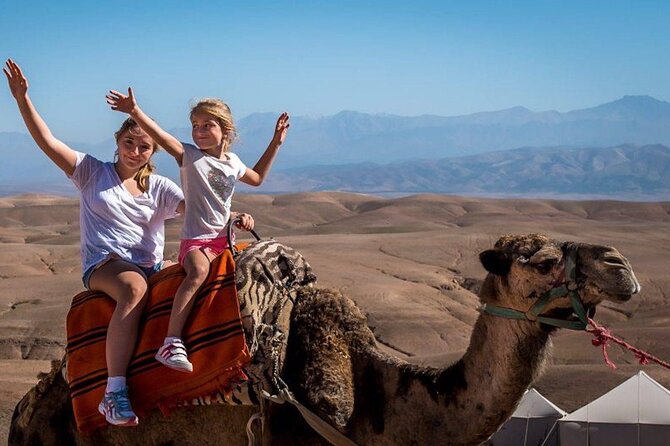
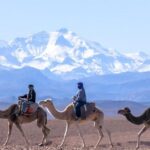
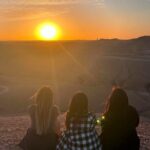
That sunset ride is the main reason to book this kind of trip. The dunes look different as the light drops, and the ride gives you that classic desert memory you can’t really replicate from the road. It also puts you in the right mood for the evening meal and the star-filled atmosphere back at camp.
I’ll add a reality check: a camel ride is a slow, physical experience. It’s not a theme-park ride. Go with relaxed expectations and focus on the view and the moment, not the comfort level.
Also, drinks aren’t included. If you think you’ll want extra water during the ride or after, plan ahead with purchases at the Ouarzazate stop.
Night in a Shared Camp: Under Stars, With No Real Front Row Seat
You sleep in a shared camp in Merzouga. That’s the trade-off for desert magic. A shared setup keeps the tour price manageable and makes the experience feel social, but it also means you’re not expecting private luxury.
The upside is the atmosphere. Desert camps tend to feel like one long exhale: you arrive, you eat, then you settle into the sky. Since the camp is part of a planned schedule, you’re not wandering around trying to find your bearings.
Tip for photos: keep your camera settings simple. The lighting shifts quickly. It’s easier to get a few strong shots than to fight the tech for hours.
Sunrise Camel Ride + Breakfast: The Best Light, the Same Route
On day three, you’re back at Erg Chebbi for a sunrise camel ride and breakfast at an ouberge (the place you eat before heading back). This is another highlight because sunrise light tends to be soft and forgiving, which is exactly what sand and shadows need.
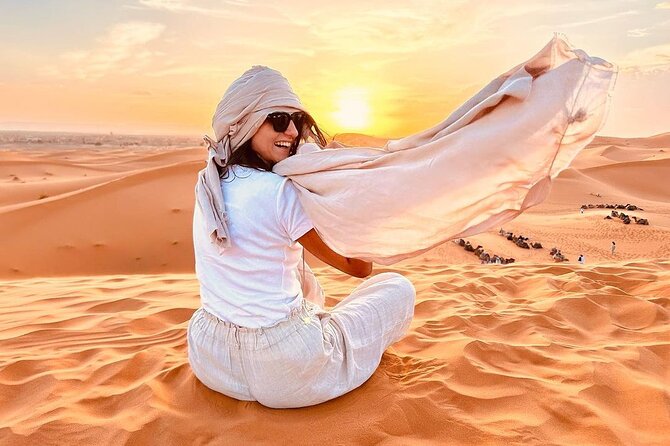
Why it’s worth it: sunset is dramatic, but sunrise can be calmer and more detailed. You often get the best sense of the dune shapes in early light. If you’re hoping to come home with desert photos you actually like, this is the time to aim for them.
Timing matters here. After breakfast, you’ll continue on instead of dawdling. So once the sun starts doing its thing, commit your attention to watching it unfold.
El Kelaa M’gouna Kasbah Stop: A Final Morocco Touch
After the dunes, you stop at El Kelaa M’gouna for about 1 hour at the kasbah there. This isn’t the only kasbah on the route, but it adds variety at the end of the trip, helping you avoid the feeling that day three is just a straight drive home.
If you like architecture details, this is a good “last look” before Marrakech. If you’re more focused on the desert itself, treat it as a bonus stop.
Then you return to your meeting point, so the trip wraps neatly instead of turning into another night on the road.
Price and Value: Why $93.05 Can Make Sense Here
At $93.05 per person, this tour is aiming for real value: you’re paying for transportation, two meals (breakfast twice and dinner twice), two sleeping setups (hotel plus camp), and camel rides at both sunrise and sunset. That’s a lot of “big-ticket effort” bundled together.
The price also reflects what’s not included: lunch and drinks. Those costs add up if you don’t plan, but they’re also easy to manage since there are stops where you can pick up what you need.
One more value point: this is a small-group style tour with a max of 17 travelers, and it runs by minibus (8 or 17 seats). Smaller groups tend to feel less chaotic during stops and give you a better chance of getting your photo angles without constant crowd pressure.
My advice for value: treat the included meals as the foundation, then budget a little for water and snacks so you don’t pay convenience prices later.
Who Should Book This Tour (and Who Might Want Something Else)
I think this tour fits best if you want structure. If you hate the stress of self-driving long distances, this route gives you the classic highlights with guidance at the stops that really benefit from it.
It also suits people who want a desert first-timer experience. You get both sand and a “proper transition day,” with hotel comfort in Boumalne Dades and desert time in Erg Chebbi.
You might want to consider a different style of trip if you’re chasing total calm. The schedule is packed, and the long driving means you’ll be tired by the end of each day.
Group dynamic matters too. Some people love the shared vibe of a shared camp; others prefer private accommodations.
Practical Tips That Improve the Day
A few small things can make this tour feel smoother:
- Pack for motion: you’re on a minibus a lot, and you’ll want layers for cooler pauses.
- Charge everything: you’ll be photographing mountain viewpoints, kasbah stonework, and gorge walls.
- Bring a water plan: drinks aren’t included, so grab what you need when you have a chance.
- If you care about stories at Ait Ben Haddou, consider the optional kasbah guide (about 3 EUR per person). If you prefer to keep it casual, skip it and focus on walking and photos.
- Keep your most-used items easy to reach. Morning starts are early, and you won’t want to dig through your bag.
Should You Book This 3-Day Marrakech to Merzouga Tour?
I’d book this tour if your priority is a classic desert experience with minimal planning stress: Erg Chebbi at sunset and sunrise, hotel-and-camp sleeping, and guided time in Tinghir oasis and the Todra gorges. It’s also a smart fit if you like well-timed stops that let you see a lot without turning the trip into a full-time driving marathon.
Skip it if you want long, slow explorations or if you’re very sensitive to long days. This is a “see the highlights” format, not a quiet retreat.
If you’re ready to trade a bit of comfort and free time for big sights and an easy path from Marrakech to the dunes, this one is a strong choice.
FAQ
What does the tour include?
It includes pick-up and drop-off from your residence location, hotel accommodation in Boumalne Dades, shared camp accommodation in Merzouga, camel rides at sunset and sunrise in Merzouga, breakfast (2) and dinner (2), and transportation by minibus. A local guide is included for Tinghir oasis and Todra gorges.
What times are the camel rides?
You’ll do a camel ride at sunset in Merzouga on day two, and another camel ride at sunrise on day three.
Where do I sleep during the 3 days?
You sleep in a hotel in Boumalne Dades on day one, and then in a shared camp in Merzouga for the night on day two.
Are meals fully included?
Breakfast (2) and dinner (2) are included. Lunch is not included, and you can buy what you want at restaurants during the trip.
Are drinks included?
No. Drinks like water and soft drinks are not included.
Do I need a guide for Ait Ben Haddou?
Ait Ben Haddou admission is included, but a guide inside the kasbah is optional. The optional kasbah guide is listed as about 3 EUR per person.
How large is the group and what transport is used?
The tour has a maximum of 17 travelers. Transportation is by minibus with 8 or 17 seats.
What time does the tour start?
The tour starts at 7:00 am, and it ends back at the meeting point.