REVIEW · MARRAKECH
Atlas Mountains and Berber villages & Waterfalls with Camel ride
Book on Viator →Operated by Marrakech Tour Experience · Bookable on Viator
A day trip with real mountain beats. You’ll leave Marrakech in the morning and spend the day weaving through the Atlas Mountains and three valleys (Imlil, Asni, Amizmiz) with a stack of Berber villages, tea, a women’s argan oil stop, and a camel ride. What I like most is the way you get multiple valley views and village moments in one outing, and the chance to learn how argan oil is made through a women’s cooperative visit.
One thing to keep your expectations sharp: the experience is advertised as private, but details like language and how strictly it stays just your party can vary, so it’s worth confirming if you need a locked-in private setup.
In This Review
- Key points worth knowing
- Atlas Mountains and Berber villages from Marrakech: what you’re really buying
- The morning route: Marrakech pickup and the valley rhythm
- Imlil, Asni, and Amizmiz: why these three valleys matter
- Berber villages and tea with local families: what it feels like
- Argan oil at a women’s cooperative: the hands-on part
- Atlas waterfalls and the hike: shoes, pace, and wet feet
- Camel ride in the Atlas region: what’s included and what to expect
- Price and value from Marrakech: how $17.45 adds up
- Guides and drivers: why the right person can make the day
- Timing, comfort, and how to avoid the common annoyances
- Who should book this Atlas Mountains and Berber villages tour?
- Should you book it?
- FAQ
- What time does the tour start?
- Where do I meet the guide if I’m staying in Marrakech or the Medina?
- How long is the tour?
- Is the camel ride included?
- Does this include hotel transfers?
- Is the tour private?
- Do I get a mobile ticket?
- Are admission tickets free?
- What is the cancellation window?
Key points worth knowing
- Atlas valleys, not just one viewpoint: Imlil, Asni, and Amizmiz are part of the day
- Argan oil learning at a women’s cooperative: you’ll see the process, not just hear the slogan
- Camel ride is included: plan for a short ride as part of the day
- Waterfalls mean a real walk: comfortable shoes matter on uneven paths
- Marrakech pickup saves time: start in the city, return before evening
- Value is strong for the price: but lunch and strict “private” can be where details matter
Atlas Mountains and Berber villages from Marrakech: what you’re really buying
This is the kind of day trip you book when you want a lot of Morocco in one hit—mountain scenery, Berber village life, tea rituals, and hands-on cultural stops—without spending your whole day stuck on a bus. You leave Marrakech at 9:00 AM, head into the Atlas Mountains, and return early evening.
At a glance, it sounds like a checklist tour. In practice, the value comes from how the stops are grouped: valleys first, then villages, then the waterfall area, and later the camel and cooperative/tea moments. That order keeps the day varied and helps you avoid the classic problem of spending hours on transportation for one photo stop.
Two parts are especially strong. First, you get repeated village context: you’re not just driving past places and calling it culture. Second, the women’s argan cooperative visit adds substance—you’re learning the work behind a product people talk about in souvenir shops.
You can also read our reviews of more tours and experiences in Marrakech.

The morning route: Marrakech pickup and the valley rhythm
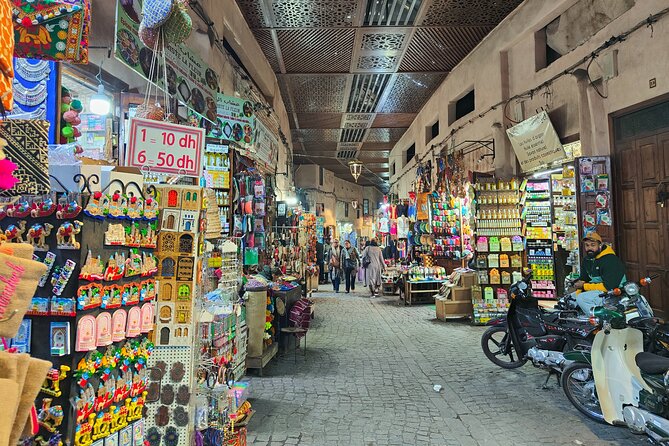
The day begins with hotel transfers (pickup is offered) and the tour starts at 9:00 AM. If you’re staying in the Medina area, you may meet at Restaurant Cafe de France in Jemaa el-Fna square. Either way, you’re out of the city early enough to feel like you left Marrakech behind instead of squeezing countryside into the end of the day.
What you should expect here is a steady rhythm: drive, brief stop, walk, more driving, then another short village/tea moment. It’s not a constant hiking day, but it does have enough movement to keep it from feeling static. One advantage: you’re not waiting around all day for one big entrance. The day is structured to keep you moving through the mountains and valleys in a logical way.
Timing-wise, go in with a little flexibility. The tour is described as about 6 hours, but real-world drive time through the Atlas can stretch longer depending on road conditions and how pickups work. If your schedule is tight later that evening, give yourself slack.
Imlil, Asni, and Amizmiz: why these three valleys matter
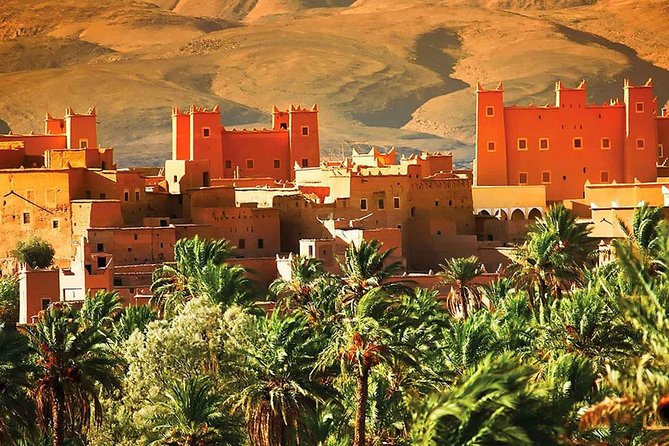
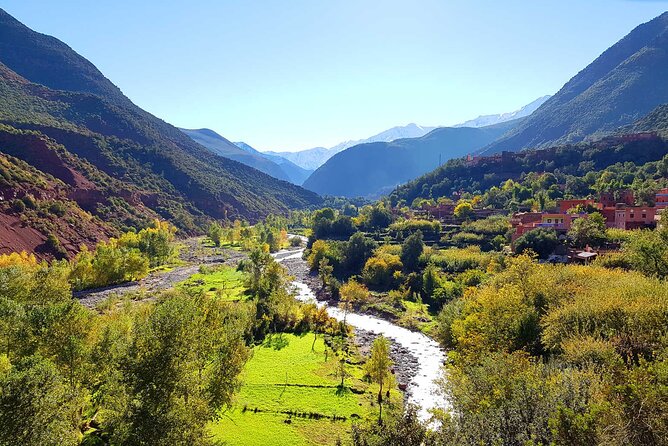
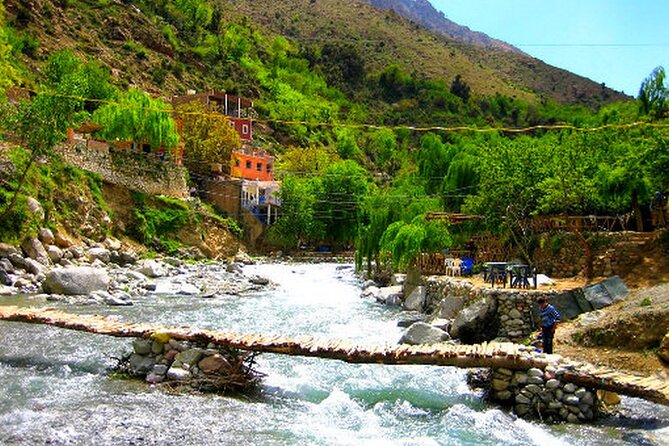
This tour’s big selling point is the three-valley route—Imlil, Asni Valley, and Amizmiz Valley—plus time around Berber villages. If you’ve only ever seen Marrakech with a quick trip outside town, this is your chance to see how quickly the geography changes once you start climbing into the Atlas.
Imlil is the name most people recognize, but Asni and Amizmiz are what prevent this from feeling like a one-note visit. Together, they help you understand why the region looks different from valley to valley: different angles, different village clusters, and different spots where people farm and live with the mountains as a constant backdrop.
This also affects your photos and your comfort. You’ll be taking pictures at multiple points, not one big scene. And you’ll feel the day shift from city-to-mountains, then into village scale, then back to wider views again.
Berber villages and tea with local families: what it feels like
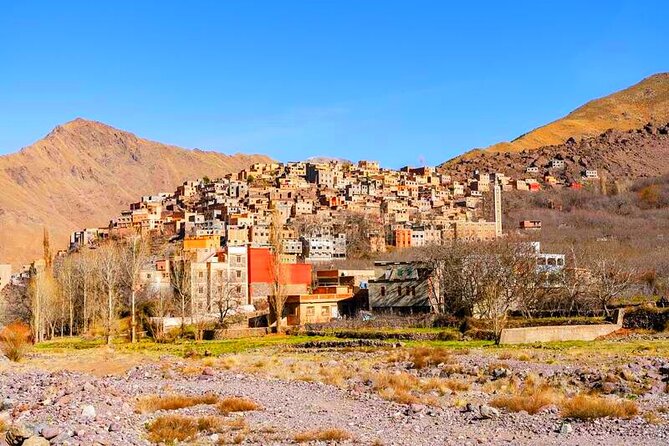
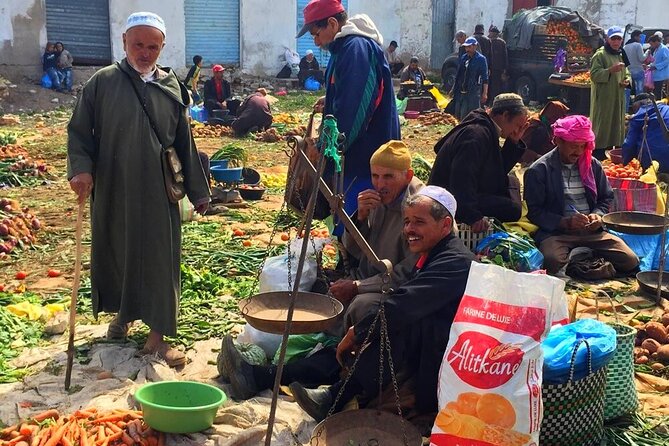
You’ll spend time visiting Berber villages—around 9 villages are mentioned—and you’ll also sit down for tea with a Berber family. That combination is the difference between “we parked near something” and “you got a human connection.”
In practical terms, the tea stop is usually where the day stops being about geography and becomes about manners and conversation. Even when you don’t speak the local language, tea time is a cultural shortcut: you see how the setting works, how hosts pace the conversation, and how hospitality is built into daily life. It’s the moment that makes the day feel less like sightseeing and more like a shared afternoon.
One note: conversation and language can be a wildcard. If you’re counting on a specific language, don’t assume it will match what you booked. If language matters a lot to you, message the provider ahead of time and confirm.
Argan oil at a women’s cooperative: the hands-on part
A women’s cooperative visit is one of the most meaningful stops on this kind of route, and it’s a core part of this day. You’ll learn about how argan oil is made, and you’ll see the work behind the product.
Why this is worth your time: argan oil is often treated like a miracle ingredient in tourism marketing. At the cooperative, it becomes grounded—labor, process, and a community tied to the product. It helps you understand why the cooperative model is important: the work supports local women and keeps the production rooted in place, not shipped off and detached from the community.
If you buy products after you learn how they’re made, you’ll shop with better instincts. You’ll also ask smarter questions, since you’ll already know the basic process.

Atlas waterfalls and the hike: shoes, pace, and wet feet
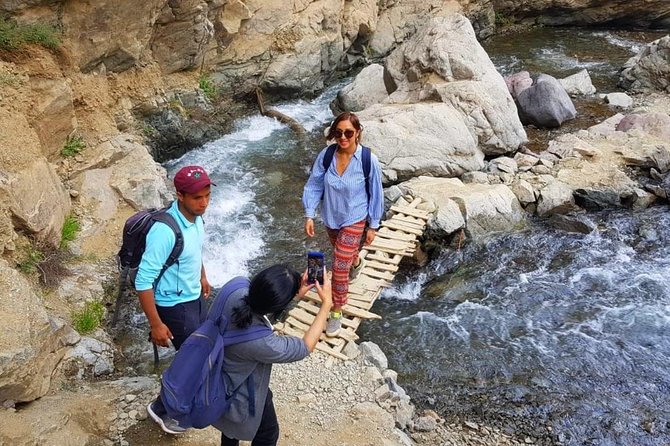
Waterfalls are on the plan, and they come with a walk. You should assume it’s not a paved stroll. The path can be uneven and rocky, and the hike can take you about an hour or more depending on pace and timing at the waterfall area.
This is the main place where preparation matters. Bring comfortable closed-toe shoes. If you show up in flip-flops, you’ll feel it fast. One realistic detail: your feet may get wet, so socks can be a good idea if you hate cold/wet discomfort.
Pace matters too. The waterfall area is stunning, and you’ll want time to pause and take photos, but you don’t want to burn all your energy before the ride/tea/camel parts of the day. I’d treat the hike like a warm-up: steady effort, short breaks, and save your big push for enjoying the falls instead of surviving the path.
Camel ride in the Atlas region: what’s included and what to expect
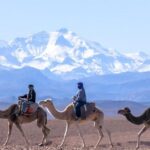
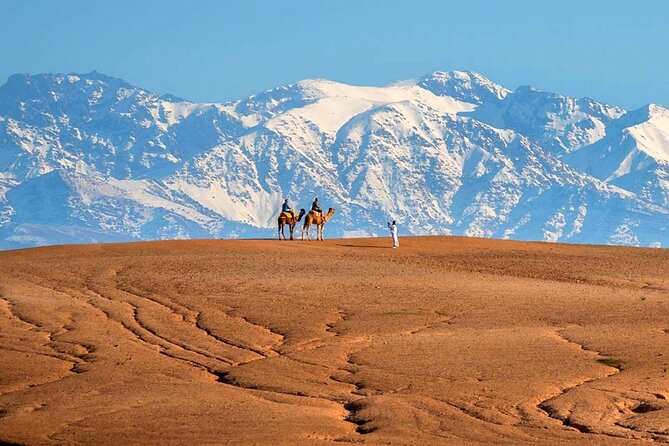
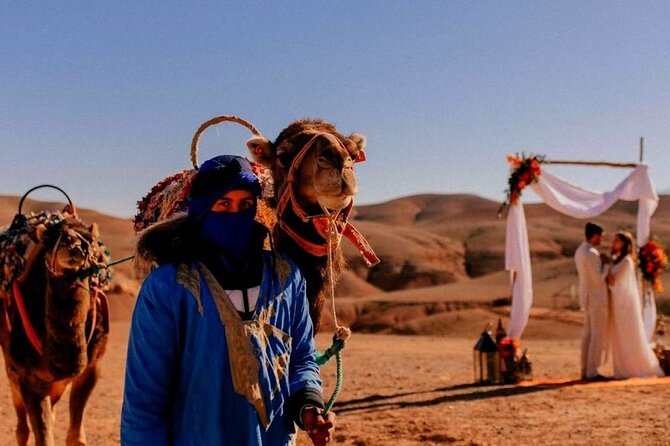
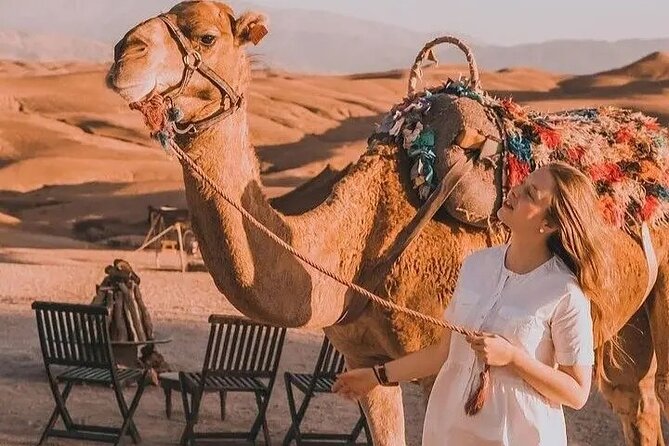
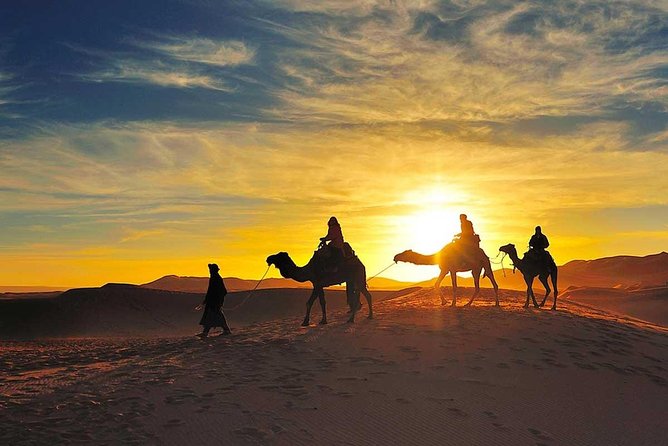
A camel ride is included. The ride itself is usually short—one report described about 30 minutes—so treat it as a fun experience rather than a full trek. You’ll typically start near a camel farm area, get dressed or positioned for the ride (sometimes with Berber-style attire), and then do a controlled loop.
What to wear: you’ll be on a saddle for the ride, so skip anything restrictive. If you’re sensitive to bouncing, plan for that small jolt. Also, keep your phone secure. Mountain bumps are not gentle.
The best part of adding a camel ride to a valley-and-villages day is contrast. It gives you a moment that feels distinctly “Atlas Morocco,” without turning the day into an animal-only activity. It’s a highlight, not the entire point.
Price and value from Marrakech: how $17.45 adds up
The listed price is $17.45 per person, which is low enough that it forces you to think about what’s actually included. Based on the tour description, you get: a guided experience, pickup/round-trip transfers, time in valleys/villages, a women’s argan cooperative visit, tea, and a camel ride.
The value part is the bundle. Instead of coordinating transport to multiple mountain stops plus a guide plus a cooperative visit, you’re paying for one organized day that does those things together.
Where you need clarity: lunch is not clearly stated as included in the core price. Some people reported paying around €6.5 to €7 for lunch at the meal stop. If you want to eat in a specific style or budget tightly, plan on lunch being an extra cost and bring a bit of cash just in case.
Also, strict “private” can be a detail you want to confirm. Some people said it wasn’t truly only their party unless extra was paid. If you’re traveling for a quiet, customized day, message ahead and ask exactly how many people might be in the vehicle and guide group.
Guides and drivers: why the right person can make the day
A big theme in the experiences connected to this tour is strong guiding. Names that came up include Youseff, Moubarak, Rachid, Hamza Ibibi, Hasan, and Redouane. Drivers like Aziz, Jaafar, and Abslem were also highlighted.
Here’s why that matters for you: in the Atlas Mountains, the drive is gorgeous, but the value is in the context. A good guide helps you read what you’re seeing—why villages sit where they do, what’s seasonal, and how Berber life connects to the landscape and valleys (even when you’re just looking from a road).
If your guide is talkative and patient—especially with families or slower walkers—you’ll feel like the day has a heart, not just checkpoints.
Timing, comfort, and how to avoid the common annoyances
This day trip starts early, and it can include waiting if the pickup schedule gets shuffled. If you’re in the Medina area, being at the meeting point on time helps a lot. One practical tip: arrive 10–15 minutes early at the start point.
Transport comfort is another variable. Some descriptions mention a small van and heat concerns (like limited air flow). So, pack for comfort: a light layer, water, and something to cover sun exposure.
A small bottle of water may be provided, but don’t assume it will cover a long day. Bring your own water too. Mountain trips go faster when you aren’t dehydrated.
Finally, check language expectations early. If you booked Spanish (or another language) but the guide arrives speaking English, it can dull the experience even if the tour is still fun.
Who should book this Atlas Mountains and Berber villages tour?
This tour is a good fit if you want:
- A single-day Atlas hit from Marrakech with mountains + villages + waterfall
- Time at Berber villages and a tea moment
- A women’s argan cooperative stop that explains what you’re buying
- A camel ride included without extra planning
It’s also fairly approachable because the hike to the waterfall is the standout walking segment, and it can be managed with a steady pace. Some accounts describe it as friendly for beginners and families.
But choose carefully if:
- You have mobility limitations and struggle on uneven rocky paths
- You need a fully private setup with guaranteed headcount
- You want a very long camel experience or a long structured hike (this is not that kind of trip)
Should you book it?
I’d book this if you’re doing Marrakech and you want one day that changes your view of Morocco—from city streets to Atlas valleys, Berber villages, waterfalls, and a camel ride—without the hassle of planning each stop yourself.
Skip or at least confirm details if private “just our party” and language matching are non-negotiable. Also, treat the waterfall area as the day’s physical test: bring proper shoes and expect some uneven ground and possibly wet feet.
If you can handle a day that’s active (but not extreme) and you’re okay with lunch possibly costing extra, this is strong value for the mix you get.
FAQ
What time does the tour start?
The tour starts at 9:00 AM.
Where do I meet the guide if I’m staying in Marrakech or the Medina?
If you’re staying outside the Medina, pickup is offered at your accommodation. If you’re in the Medina, you can meet at Restaurant Cafe de France in Jemaa el-Fna square.
How long is the tour?
The duration is listed as about 6 hours.
Is the camel ride included?
Yes. A camel ride is included in the tour cost.
Does this include hotel transfers?
Yes. Round-trip hotel transfers are included.
Is the tour private?
The tour is described as a private tour/activity, meaning only your group participates. If you need strict privacy, it’s smart to confirm details at booking.
Do I get a mobile ticket?
Yes. A mobile ticket is listed for this experience.
Are admission tickets free?
The listing notes admission ticket free.
What is the cancellation window?
You can cancel for a full refund if you cancel at least 24 hours before the start time.