REVIEW · MARRAKECH
Merzouga Desert Highlights: 3-Day Guided Tour from Marrakech
Book on Viator →Operated by CLICK EXCURSIONS · Bookable on Viator
Camel trails beat city tours. This 3-day guided route out of Marrakech takes you over big Atlas passes, past famous Kasbahs, into the canyon country, and finishes with a real night at a Berber desert camp near Merzouga’s dunes. You’ll cover far more than a day trip can manage, with a driver, pickup, and a planned pace.
What I like most is how the trip strings together Morocco’s “big three” looks: mountain road drama, UNESCO-style architecture, and Sahara desert stillness. You also get camel riding timed for sunset and sunrise, which is when the dunes turn into that orange-gold photo magic.
One thing to think about: you spend a lot of time in the vehicle. And desert camp comfort can vary—one recent guest noted limited food options and not enough heating—so pack for cool nights and expect simple, not fancy.
In This Review
- Merzouga by way of Col Tichka and UNESCO Ait Benhaddou
- Ouarzazate film studios: where Morocco turns into movie magic
- Dades Gorges nights: Atlas canyons and a break from the road
- Todra Gorge and the road east: canyon walking time
- Erfoud fossils and Merzouga: transitioning from Atlas to Sahara
- Camel ride to the desert camp: the sunset-to-night switch
- Sunrise Merzouga and the final return via High Atlas
- Price and value: what $196.96 really buys you
- Guides, comfort, and the little things that can change your trip
- Who should book this Marrakech to Merzouga 3-day tour
- Should you book this tour?
- FAQ
- How long is the Merzouga Desert highlights tour from Marrakech?
- What time does the tour start in Marrakech?
- Is pickup and drop-off included?
- What’s included in the price?
- Are meals like lunch included?
- Do I need to pay for entrance tickets at every stop?
- How many people are on the tour?
- Is the camel ride included, and how does it fit in?
- What’s the cancellation policy?
- Are children allowed?
Merzouga by way of Col Tichka and UNESCO Ait Benhaddou
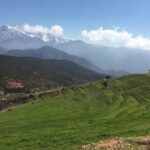
This is the kind of trip where the journey is half the point. Day one starts with an early push out of Marrakech and straight toward one of Morocco’s signature mountain drives, the Col Tichka crossing at about 2260 meters. The air feels different up there, and the views reward you every time you stop for photos. If you like getting your bearings quickly through scenery, this opening leg is strong.
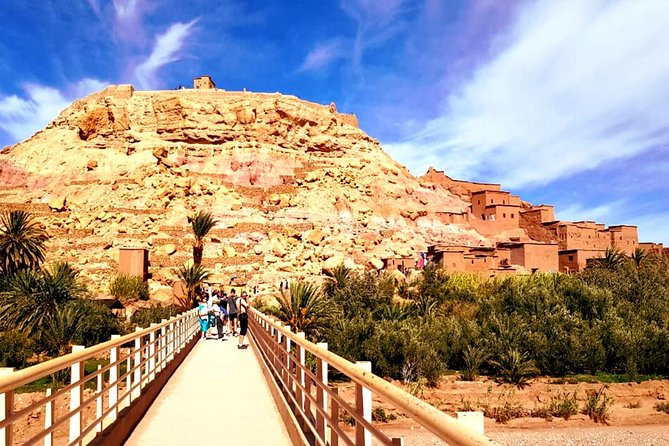
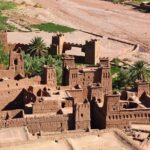
Next comes Ksar of Ait-Ben-Haddou, the UNESCO-listed Kasbah area that shows you how power and survival worked in the old Atlas world. You walk through the tight, high-walled village layout, with viewpoints that make it easy to understand why this spot became so famous. It’s also a movie-famous location, and seeing the setting in person helps you grasp why directors return again and again.
A practical note: the route indicates admission for Ait-Ben-Haddou is not included. That’s normal for sights in Morocco, but it’s good to budget a bit so you’re not caught short at the gate. If you’re the type who enjoys stopping for short explanations, you’ll get more out of this site with a guide who can connect the architecture to daily life.
What makes day one worth it: you move from altitude drama to a historic fortress setting without losing momentum. It’s not a “sit and stare” day. You’re active—walking the Kasbah, snapping photos at the pass, then switching gears toward Ouarzazate.
Ouarzazate film studios: where Morocco turns into movie magic
Ouarzazate is famous for a reason: the area is cinematic. You’ll go through the city and visit the Atlas Film Studios area (time permitting, and admission is listed as not included). This is a chance to see how Morocco’s colors, textures, and wide skies become film sets—yes, including blockbuster productions you might recognize from TV and movies.
I like this stop because it’s not just sightseeing for scenery. You start noticing how location scouts think: light angles, open spaces, and backdrops that can double for multiple worlds. Even if you’re not a hardcore film person, it’s still a useful lens on the local economy and why parts of the region have grown tourism in a very specific way.
The itinerary also includes a museum/theatre stop tied to Ouarzazate. That means you’re not only doing outdoor views—you get something indoor and educational. Just remember: since admission isn’t marked as included here, you’ll want a little cash or card ready for tickets.
You can also read our reviews of more guided tours in Marrakech
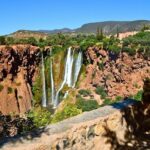
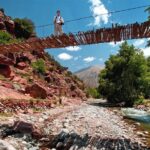
Dades Gorges nights: Atlas canyons and a break from the road
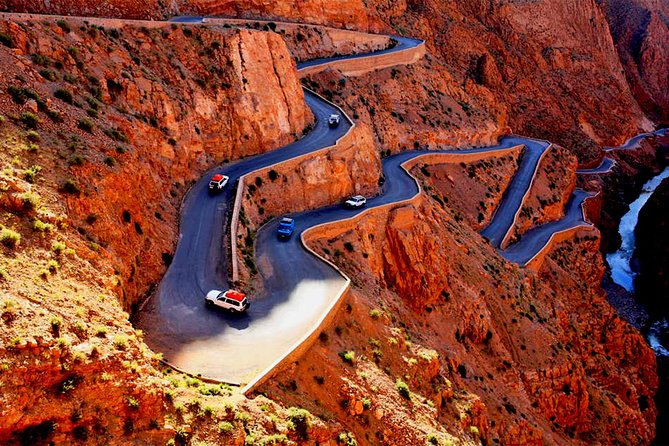
After the UNESCO stop and Ouarzazate, the trip shifts toward the Dades region—canyon roads and steep rock formations that make every turn feel like a new scene. You’ll spend the night in the Dades Gorge area, with admission noted as included for that segment.
This is also where the “value” of the tour starts to show in a real-world way. Your tour package includes dinner and breakfast while you sleep in a good riad on the first night. That matters because it means you’re not trying to hunt for a restaurant after a long day, or negotiating your way through meal prices in a town with limited options for non-locals.
From a comfort standpoint, the riad night is usually the easiest win. You get a proper place to wash, sleep indoors, and reset before the tougher canyon day on the second schedule. If you care about pacing, this is a good setup: long driving days, then at least one more comfortable “base” night before the desert bivouac.
Todra Gorge and the road east: canyon walking time
Day two keeps the momentum going but swaps out the big “wow-pass” feeling for a tighter experience: Todra Gorge. This is the kind of place where the rock walls feel close and the walking route is straightforward enough to enjoy without needing technical gear. The canyon is described as limestone river canyons, and that background matters because the shape creates the echo and water sound you’ll hear while moving through.
Admission is listed as included for Todra, which is a nice plus. The itinerary notes a short walk experience and a comfortable feel because there are lots of visitors—meaning the path is established. I’d still wear good walking shoes. After hours in a vehicle, even an easy walk can feel long if your feet aren’t ready.
After Todra, the route moves through the eastern High Atlas toward Errachidia/Erfoud direction (the itinerary includes a stop at the Tinjdad/Taxis Station area, plus a lunch break). You’ll also pass through arid mountain country, which is a different visual rhythm from the Dades side. If you like to see Morocco evolve day by day, this part delivers.
Erfoud fossils and Merzouga: transitioning from Atlas to Sahara
Erfoud is all about ancient time. The itinerary includes a museum stop where you can learn about paleozoic rocks and fossils, with a fossil cooperative visit mentioned as part of the experience. That’s a fun detour because it reminds you the Sahara isn’t just sand dunes—it’s built on geology that’s far older than any human story.
Admission is listed as included for this segment, which helps keep the day predictable. It’s also one of those stops where you can ask questions and get answers you won’t find from photos. Even a short visit can make the dunes in the distance feel more grounded (literally) once you understand what you’re standing on.
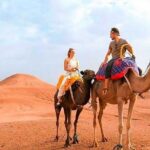
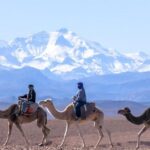
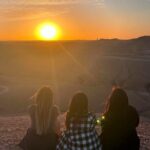
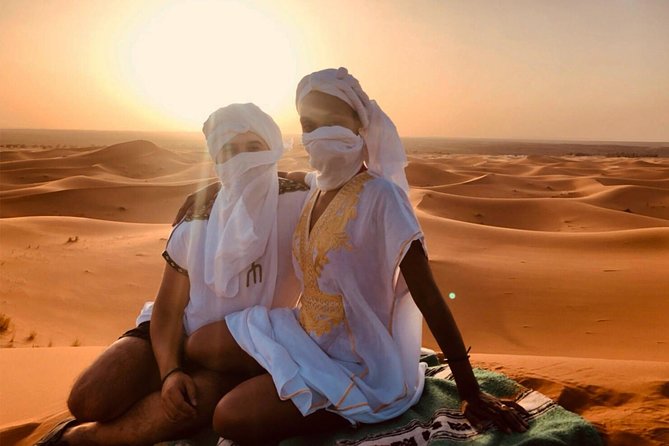
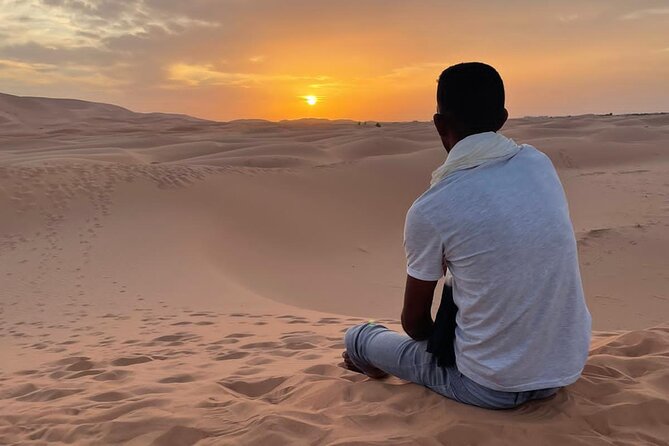
Then comes Merzouga and the dunes of Erg Chebbi. The tour reaches the desert area and shifts into camel mode. The itinerary describes arriving near the dunes, then camel riding to reach the desert camp timed with sunset views. This is the moment where the trip stops feeling like “transport between stops” and starts feeling like a story you’re actually inside.
Camel ride to the desert camp: the sunset-to-night switch
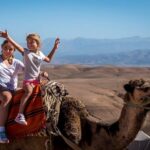
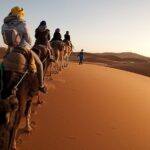
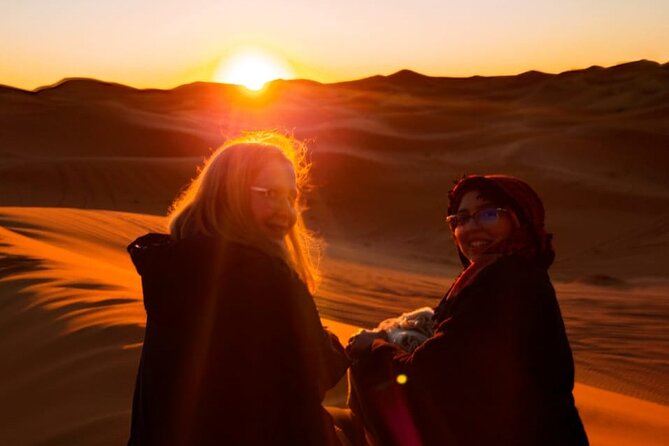
The camel trek is usually the highlight for first-timers, and this tour is built around it. You’ll ride with the aim of reaching the camp around sunset, then spend the night at a traditional Berber camp in the dunes area. The camp is described as having Sahrawian music as part of the evening entertainment.
Now, here’s the part you should plan for: desert nights can be cold, even in seasons when Marrakech feels mild. One review specifically flagged that the desert camp wasn’t pleasant because it didn’t have proper heater and the food options felt limited. That doesn’t mean every camp is the same, but it does mean you shouldn’t assume luxury.
My practical take: pack layers you’ll actually wear, not just “nice to have.” If you tend to get cold, bring a warm hat and a lightweight sleeping liner if you own one. The tour includes half board at the bivouac (dinner and breakfast), so you’re not paying for meals in camp, but the “style” of desert camp dining can be simple.
Also, set expectations for the camel ride itself. It’s not just a photo moment. You’ll spend enough time on the camels to feel the ride’s rhythm. If you have strong back concerns, it’s worth considering, but the overall participation note says most travelers can take part.
A few more Marrakech tours and experiences worth a look
Sunrise Merzouga and the final return via High Atlas
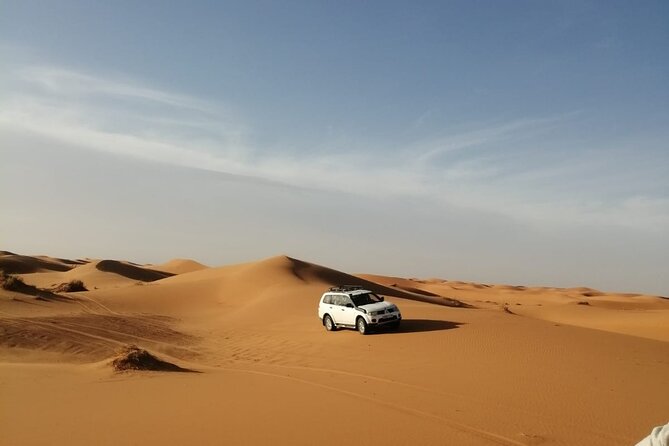
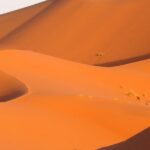
Day three starts early for sunrise. The itinerary describes waking up to enjoy sunrise beauty in the desert and taking photos before riding back on camels to Merzouga. Sunrise is when Erg Chebbi looks the most sculpted—shadows stretch, and the sand texture pops. If you only do one “desert timing,” do the sunrise. It feels calmer than sunset and usually less crowded.
After the camel return, you head back toward the Atlas mountains. There’s a lunch stop in Ouarzazate (lunch is listed as not included, so bring budget for it). Then the schedule includes a small Kasbah visit and a cinema studio look depending on timing availability.
This is where your guide’s rhythm matters. Some guides keep the stops efficient, some will linger a bit if the timing lines up. Either way, you’ll end with a drive back to Marrakech in the evening, returning to your meeting point.
One more value point: the tour includes hotel pickup and drop-off and has a maximum group size of 15 travelers. That limit helps keep the ride from turning into a giant bus situation, especially during the long driving stretches.
Price and value: what $196.96 really buys you
At about $196.96 per person for a ~3-day, guided Marrakech-to-Merzouga route, the value is mostly in what the package covers. You get round-trip transport, a driver/guide, camel ride, one night in a riad with dinner and breakfast, and one night in the desert bivouac with dinner and breakfast. For many people, that’s the difference between making the trip happen smoothly versus spending time coordinating everything separately.
It’s also good value because the itinerary threads multiple “big-ticket” regions: Col Tichka, Ait-Ben-Haddou, Dades Gorges, Todra Gorge, and the Merzouga dunes. Doing those in independent planning would mean multiple bookings, changing transport, and a lot of guesswork.
What can make the price feel less “all-in” is the items explicitly listed as not included—like drinks and lunch, plus admission for certain stops (Ait-Ben-Haddou and the Ouarzazate studio/museum segment). I’d budget extra for meals and any tickets not listed as included. If you do, the overall price tends to feel fair for the time and logistics.
Guides, comfort, and the little things that can change your trip
The reviews you’d see for this style of tour often come down to guides and the small comfort details. Names like Mohamed Youssfi, Simo, Khalid, MoHa and Aissam, Ayoub, Adil, Abdul, Rarhib, Mouhcine and Rachid, Karim and Sharif, and Anwar pop up as standout team members. The common thread isn’t just friendliness—it’s organization and care with timing, plus help with photos and explanations during the drive.
Still, there are a couple of “watch-outs” you can plan around:
- Desert camp comfort can vary. If you run cold at night, pack accordingly.
- Some guides may have their own taste in music. One review described party music on part of the drive, which might not match your vibe. If you care, you can politely mention your preference early on.
On transport comfort: bus/vehicle comfort is mentioned positively in multiple notes, including having water available and the sense that breaks are built into the schedule. It’s also good that the tour starts at 7:00 am, so the driving days don’t drag as long as they would if you started later.
Who should book this Marrakech to Merzouga 3-day tour
Book this if you want a well-paced “route tour” with guided stops and don’t want to worry about transport between regions. It fits best for:
- First-timers to the Sahara who want the classic camel + camp experience
- People who like seeing Morocco’s Atlas regions in one go
- Anyone who prefers planned meals (breakfast/dinner included) over last-minute searching
You might think twice if you:
- Have limited patience for long drive time. This is a lot of hours in the vehicle across 3 days.
- Expect camp life to feel like a hotel. It’s traditional and simple, and one guest noted heater/food limitations.
- Are extremely sensitive to noise. Most trips are fine, but music preferences can differ guide to guide.
If you want the best chance of a smooth experience, bring layers, keep a small snack handy for long car stretches, and communicate what you need early.
Should you book this tour?
Yes—if you’re aiming for Morocco’s “best hits” on a single 3-day push without dealing with logistics. The included riad + bivouac half board, the camel ride to Merzouga, and the combination of Col Tichka, Ait-Ben-Haddou, Dades, Todra, and Erfoud make it a strong value compared with piecing it together yourself.
If your top priorities are luxury comfort and quiet refinement, you’ll likely be happier with a different style of desert stay. For this one, go in ready for road time and simple desert basics—and you’ll get the kind of trip that stays vivid long after the photos fade.
FAQ
How long is the Merzouga Desert highlights tour from Marrakech?
It runs for about 3 days.
What time does the tour start in Marrakech?
The start time listed is 7:00 am.
Is pickup and drop-off included?
Yes. The tour includes hotel pickup and drop-off in Marrakech, and it ends back at the meeting point.
What’s included in the price?
The package includes a camel ride trek, accommodation on half board (dinner & breakfast) for the desert camp and the riad night, and transport with a driver/guide. Breakfast is included for 3 mornings and dinner for 2 nights.
Are meals like lunch included?
No. Drinks and lunch are not included.
Do I need to pay for entrance tickets at every stop?
Not all stops are the same. The route notes admission included at some places (like Tizi n Tichka and several gorge/fossil-related stops) and not included at others (like Kasbah Ait-Ben-Haddou and parts of the Ouarzazate studio/museum visits).
How many people are on the tour?
It has a maximum group size of 15 travelers.
Is the camel ride included, and how does it fit in?
Yes, the itinerary includes a camel ride to reach the desert camp around sunset and another camel ride on day three around sunrise.
What’s the cancellation policy?
You can cancel for a full refund up to 24 hours before the experience’s start time.
Are children allowed?
Children must be accompanied by an adult, and the tour notes that most travelers can participate.