REVIEW · FEZ
Luxury 2-Days Desert Trip from Fes to.:( fes or marakech)
Book on Viator →Operated by MOROCCO TRIP DESERT · Bookable on Viator
Sahara sunrise hits different out here. This 2-day drive from Fez to Erg Chebbi turns into an overnight Berber camp stay, with camel riding, dinner under the stars, and the big payoff: sunrise and sunset over the dunes. What I really like is how the trip compresses a lot of Morocco scenery into one tight schedule, without skipping the core desert experience.
The other big win is the comfort for an overnight in the dunes: a private tent with an attached bathroom in a luxury-style desert camp (and that door-to-door pickup means you start and end with less hassle). My only caution is that the journey is long in the vehicle, and the camp can run cold early in the morning, so pack warm layers.
In This Review
- Key things that make this trip worth your time
- Fez to Erg Chebbi: why the long drive is part of the experience
- Ifran and Azrou cedar forest: Morocco’s mountain face before the desert
- Midelt, Tiz Ntalghamt pass, and Ziz Gorge: the route you’ll keep photographing
- The High Atlas plateau to Merzouga: when the desert starts to feel real
- Camp arrival for sunset: dinner, Berber music, and the night sky
- Camp comfort: what you’re paying for at night
- Camel riding and sandboarding in Erg Chebbi: what to expect, and what to question
- Cold morning reality check
- Sunrise on the dunes: the moment the itinerary earns its name
- Returning to Fez: long ride, more stops, and a smoother arrival
- Group size, guide style, and the pickup/drop-off question
- Price and value: what $139.03 really covers
- Practical tips I’d use before you go
- Should you book this Fez-to-erg-chebbi overnight?
Key things that make this trip worth your time
- Small group (max 9) keeps the desert feel more personal
- Door-to-door pickup from your hotel/riad at 8:00 am reduces logistics stress
- Cedar forest stops near Azrou can mean Barbary macaques on the route
- Mint tea + Berber camp dinner gives you the cultural pause you need after driving
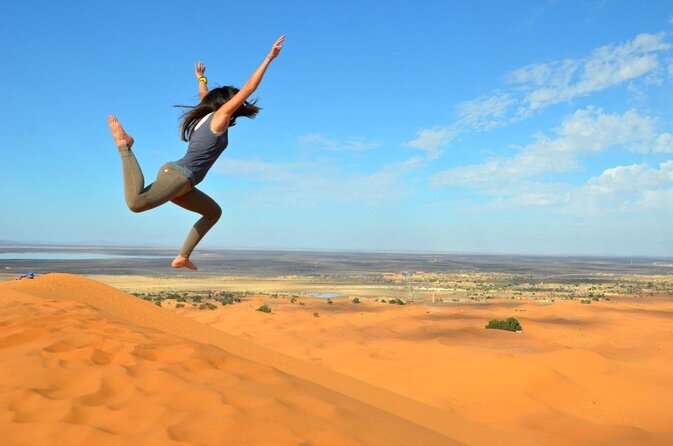
- Erg Chebbi sunrise is the moment you remember later
- Camel riding and sandboarding are included, but time can vary once you’re in the dunes
Fez to Erg Chebbi: why the long drive is part of the experience
On this kind of overnight Sahara trip, the drive is not just transportation. You’re traveling through Morocco’s changing geography in a single day: Middle Atlas, cedar forests, the Atlas highlands, then the approach toward the High Atlas plateau and down into the desert region where Erg Chebbi lives.
If you’re the type who gets antsy during long road days, this is the one thing to plan for. You’re leaving Fez at 8:00 am, and the route is scenic but still long. Several guides on similar departures (and names like Hassan, Imad, and Hussein show up in past experiences) tend to make the time easier by explaining what you’re seeing and driving with confidence. The car comfort is also part of the deal: you travel in an air-conditioned vehicle.
Think of the day like a moving tour of Morocco’s variety. You stop often enough to stretch and take pictures, but not so much that you’re constantly waiting around.
A few more Fez tours and experiences worth a look
Ifran and Azrou cedar forest: Morocco’s mountain face before the desert
After pickup from your hotel or riad, the route typically takes you toward Ifran, a mountain town people describe as Morocco’s Switzerland, then on to Midelt. This first leg is where you start to see how quickly the environment shifts from city to highland.
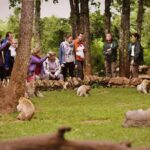
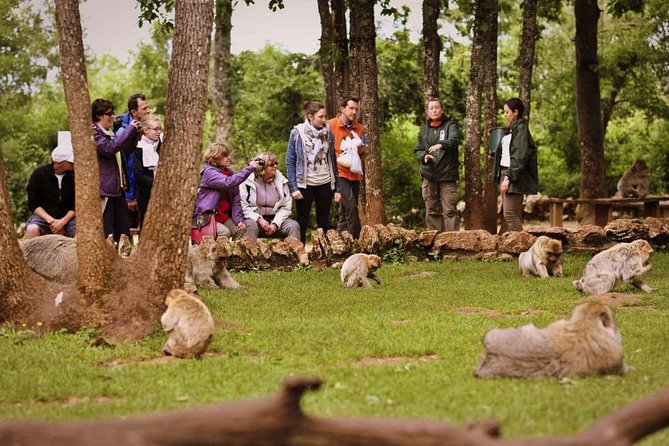
A key stop is Azrou, a Berber village in the largest cedar forest in Morocco. This is where Barbary apes may show up. I like this stop because it feels less like a rushed photo stop and more like a real break in pace. It also sets expectations: once you reach Erg Chebbi, you’re trading green mountains for gold dunes.
One practical point from past desert-day advice: it can be tempting to feed animals. If you do bring small snacks like fruit, I’d treat it as a follow-the-guide situation and only do what’s allowed where you stop. Don’t assume feeding is welcome everywhere, and always keep your distance from the animals.
Midelt, Tiz Ntalghamt pass, and Ziz Gorge: the route you’ll keep photographing
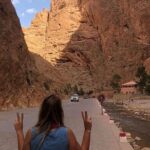
As you move from Midelt toward the higher sections of the journey, the drive includes Tiz Ntalghamt pass and the Ziz Gorge. These are the kinds of stretches that make the hours in the car feel justified, because the views are wide and the route bends through different layers of terrain.
What makes these stops valuable is timing and variety. You’re not just riding from one attraction to the next. You’re getting a sense of altitude and climate change as the day moves on. Even if you’re not a scenery-collector, the pass-and-gorge sections help you understand why the desert feels so dramatic when it appears.
These parts of the day can include short stops for photos, and then you’re back on the road. If you prefer deeper museum-style stops, you may wish you had more time in each region. But for a 2-day itinerary, this is the tradeoff: Morocco’s highlights, compressed.
The High Atlas plateau to Merzouga: when the desert starts to feel real
As the day continues, the route passes through the broader High Atlas plateau zone, and you start picking up those desert-adjacent textures: drier ground, wider horizons, and the sense that the dunes are closer than they seem.
In the Merzouga area, that transition is the mental shift from road trip to overnight desert stay. This matters because once you reach camp, you’ll be tired, you’ll be cold at times, and you’ll still want to catch sunset and the early evening rhythm.
That’s also when the itinerary focus tightens. You get the desert welcome pieces: you’ll enjoy a glass of mint tea before heading out with camels. It’s a small detail, but it helps the day feel intentional, not just like a transfer.
Camp arrival for sunset: dinner, Berber music, and the night sky
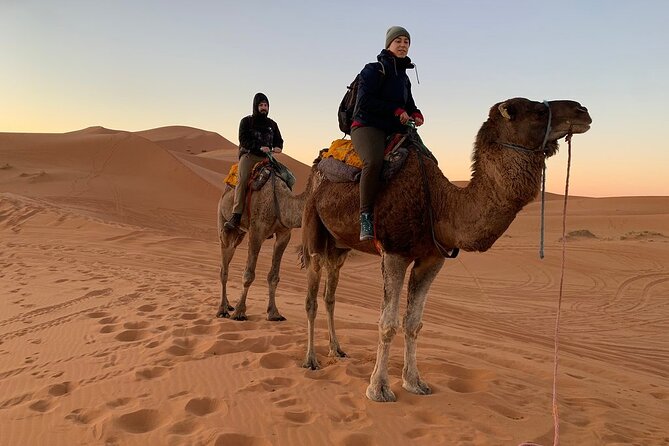
The best desert camp moments don’t happen at lunch. They happen after you’ve arrived, settled, and watched the sky shift.
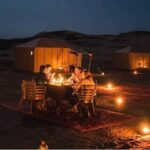
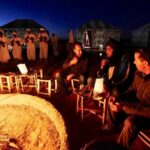
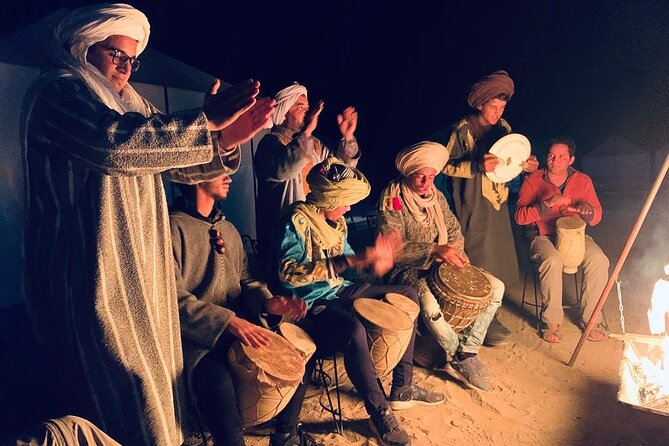
When you reach the camp, you’ll have time for the big evening sequence: sunset in the dunes, then back to camp for dinner. Camp includes dinner, and many people remember the atmosphere: music, firelight, and a social vibe that feels distinctly Moroccan. Past experiences also highlight the night sky as a top memory point. When the desert is really dark, stars don’t look like background decoration. They look like the show.
This is also where guides make a difference. Names like Tarek, Hassan, and Imad appear as helpers who keep things running smoothly and share context while you’re waiting for camel departures or settling into camp. Even if your own schedule is the same, the human pace can be the difference between stressed and wow.
A few more Fez tours and experiences worth a look


Camp comfort: what you’re paying for at night
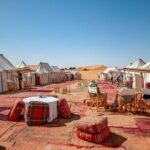
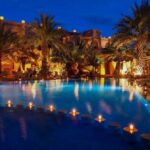
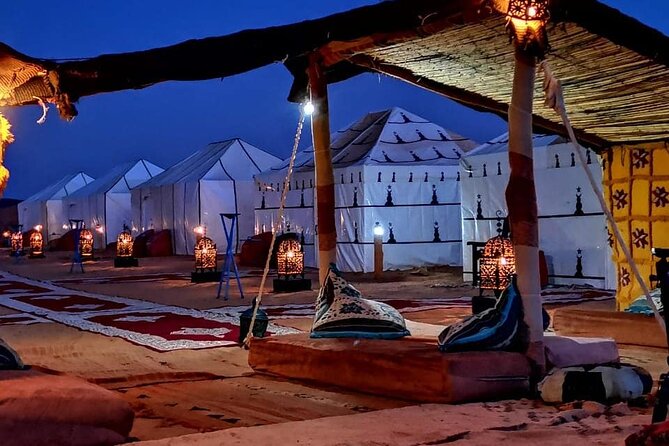
Your camp stop includes a private tent with an attached bathroom, and that’s a real upgrade compared to the spartan versions many people imagine. Several experiences mention electricity and decent tent setup.
Still, be aware of the variability you might run into. Some people found camp privacy less ideal if the camp feels busy, and some noted thick fabric separation around the bathroom area. If privacy is your number one requirement, I’d go in with realistic expectations: it’s still an overnight camp setup in the desert, not a hotel.
Camel riding and sandboarding in Erg Chebbi: what to expect, and what to question
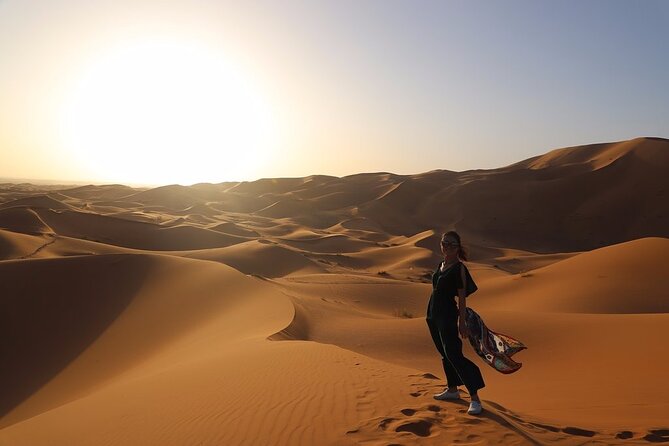
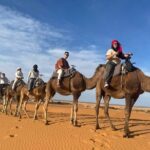
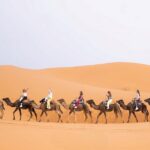
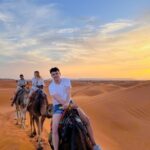
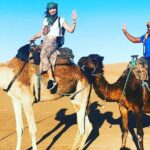
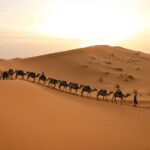
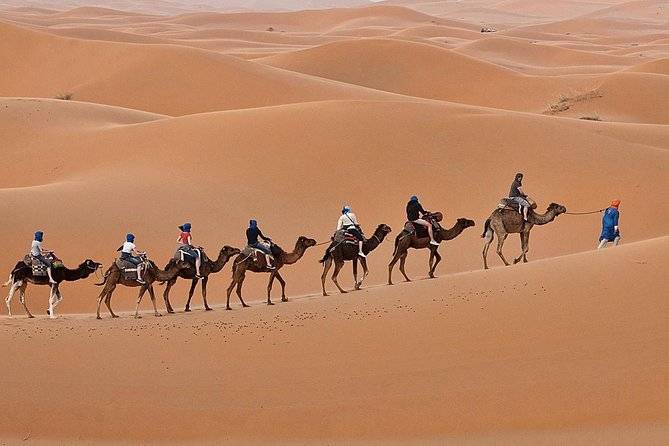
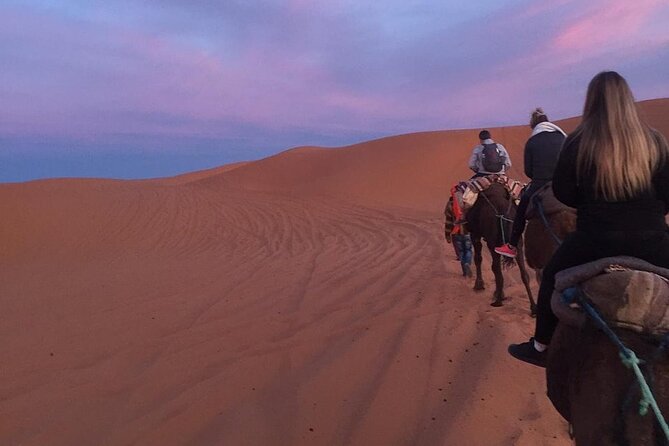
The core desert activity sequence is simple and effective: after sunset, you ride camels through the dunes, then later you ride back. You’ll also have sandboarding included, though real-world timing can vary.
In practice, here’s what you should expect to feel:
- The dunes at Erg Chebbi are dramatic. Even one camel ride segment can feel like a full memory.
- The camel ride itself is usually short compared to what people imagine from the word overnight. You might get one camel riding stretch (not a full two distinct rides), and that’s enough to enjoy the movement through the sand.
- Sandboarding can feel limited. Some experiences mention only one sandboard or short time on it.
None of that makes the experience bad. It just helps you adjust your expectations. The main point is not becoming a dune athlete. The point is watching the desert change color, moving across the sand on camelback, and then being in camp for that calm desert night.
Cold morning reality check
Erg Chebbi mornings can be cold. Even if your tent is comfortable, you’ll want warm layers for early hours. Some experiences mention that heaters may come with an extra cost (one figure given was 150 DH per person), so bring a warm layer rather than relying on heaters.
If you tend to travel light on purpose, don’t do that here. This is one trip where packing for cold pays off.
Sunrise on the dunes: the moment the itinerary earns its name
Day 2 is built around the big payoff: sunrise in the Erg Chebbi dunes. After an overnight in the camp, you’ll ride back and then have breakfast, but the sunrise moment is what organizes the whole memory.
Sunrise in the desert is different from sunrise anywhere else because the dunes catch light in layers. That’s why Erg Chebbi is such a popular choice: those dunes are easy to see, easy to frame, and they look like they were designed for glowing mornings.
After sunrise and the return camel ride, you’ll have a shower and breakfast in camp. This is one of the practical benefits of choosing a camp that aims for comfort. You’re not just doing a scenic activity. You’re also rebuilding your energy for the drive back.
Returning to Fez: long ride, more stops, and a smoother arrival
Leaving the dunes area, you head back toward Fez. The route includes passes and stops through areas like Rissani, Erfoud, Errachidia, and Midelt, plus a lunch stop along the way. You may also stop again in the cedar forest region near Azrou for pictures (including the chance to spot macaques).
Expect a long travel day, but it’s not nonstop driving. Stops for bathrooms and photo opportunities help. One practical tip that comes up often: bring snacks and water for the ride. Even with stops, it’s still a long day, and having your own backup makes you feel more in control.
Arrival timing is scheduled for about 18:30 back to Fez. If your journey is connected to Marrakech as well, return time is noted around 19:30. Either way, plan your evening in Fez lightly. You’ll be tired in a good way, but still tired.
Group size, guide style, and the pickup/drop-off question
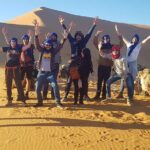
This tour caps groups at nine travelers, which matters. Smaller groups mean less crowding and generally less chaos when moving between camels, dunes, and camp.
It also explains why guide personality shows up so strongly in experiences. When a guide is calm and organized, the day feels like a guided flow. When communication gets weak, the long drive makes any disruption feel worse.
So here’s my balanced advice: the experience itself tends to be memorable, and the guides named in past experiences like Hassan, Hussein, Imad, and Tarek are often highlighted for friendliness and helpfulness. But you should still be prepared for the fact that rural travel logistics can be messy. Keep your phone handy, confirm meeting points on arrival, and don’t wait until you’re fully stressed to check in.
Also keep in mind that pickup and drop-off can be described as sometimes disorganized. Door-to-door is included, but if you’re picky about being exactingly on-time at your hotel door, treat it as a “meet and go” day, not a “precision shuttle” day.
Price and value: what $139.03 really covers
At about $139.03 per person, this 2-day desert overnight is positioned as a midrange option: not the cheapest way to get to Erg Chebbi, but not a luxury train-style package either.
You’re getting meaningful inclusions:
- Air-conditioned vehicle for the long ride
- Door-to-door round-trip transfers
- Camels trek
- Dinner and breakfast
- Sandboarding included
- Private tent with attached bathroom in camp
Lunch is not included, so budget for that meal on day 2.
Why that price can be good value is the combo. A lot of cheaper desert trips will include the dunes but cut corners on comfort or meals, or they skip the private bathroom setup. Here, the camp structure is part of the price. When it works smoothly, it feels like you’re paying to reduce friction: less searching, fewer logistics headaches, and a real overnight base rather than a rushed stop.
Is it worth it for everyone? If you want lots of time in each mountain stop, or you hate early mornings and long driving, you’ll struggle with the format. If you want the desert highlight—sunset, sunrise, camel time, dinner atmosphere—then the schedule matches the goal.
Practical tips I’d use before you go
A few things will make your desert overnight feel smoother and more comfortable.
1) Pack warm layers for the morning.
Even if you’re coming from a warm day in Fez, desert nights chill fast. Warm socks and a hat help more than you’d think.
2) Bring a few snacks and water for the drive.
Stops happen, but the day still runs long. Snacks keep you from getting stuck waiting with a low-energy mood.
3) Plan your photos for sunrise and sunset.
You’ll want to be ready when those windows open. If you’re fumbling with chargers, you’ll miss the easy moments.
4) Do not over-idealize sandboarding time.
It’s included, but time with equipment can be short once you’re in the dunes schedule. Treat it as a fun add-on.
5) Expect camel riding to be a highlight, not a marathon.
The ride segments are part of the experience, but don’t assume multiple extended rides back-to-back.
6) Keep your contact and meeting details ready.
Because pickup coordination can be uneven, being proactive protects your peace.
Should you book this Fez-to-erg-chebbi overnight?
Book it if you want a classic Sahara overnight that hits the essentials in two days: Erg Chebbi dunes, camel riding, camp dinner atmosphere, and the headline moment of sunrise. The small group size and the included private tent with attached bathroom are strong reasons to choose this style of trip rather than a super-budget option.
Skip it (or choose another format) if you’re allergic to long road days, need maximum privacy in the camp bathroom setup, or expect sandboarding to be a long session. Also, if you’ve had bad luck with local communication before, you’ll want to go in with a calm plan for check-in.
If you’re the type who loves big, simple memories—gold dunes at sunrise, stars overhead, and a Berber-camp night—this trip is a very solid match for your time in Morocco.