REVIEW · MARRAKESH
From Marrakech: Ourika Valley Tour with Lunch & Camel Ride
Book on GetYourGuide →Operated by Mount Toubkal Treks · Bookable on GetYourGuide
Atlas waterfalls without the long journey. This Ourika Valley day trip from Marrakech pairs Berber village time with views of the Setti Fatma area, plus lunch and a camel ride. You’ll spend the day moving through the Atlas Mountains at a relaxed pace instead of just rushing sights.
I especially like the guided 2–3 hour walk through the Ourika area with local guides such as Abdul, Khalid, or Larbi, who help you spot what matters in everyday village life. The best part for me is that the walk includes breaks for photos and regrouping, so it feels like a day out, not a nonstop trek.
One thing to plan for: this tour includes real walking, and it’s not suitable for pregnant women—so wear supportive shoes you trust on uneven ground.
In This Review
- Key highlights at a glance
- Entering Ourika Valley from Marrakech’s doorstep
- The Atlas drive: what you’ll see before you start walking
- The guided walk: Berber village life plus Setti Fatma views
- Picnic lunch near Arhbalou or along the Ourika River
- Arhbalou village restaurants: traditional meals in a riverside setting
- T’nin Ourika market time: shopping and local life
- Camel ride near the end: fun, scenic, and easy to love
- Price and value: what $18 really covers
- Guide and driver quality: names you’ll hear and why it matters
- What to bring (and what to skip)
- Who this Ourika Valley tour is best for
- Should you book the Ourika Valley day trip?
- FAQ
- What does the tour cost?
- What’s included in the tour?
- How long is the drive from Marrakech to the valley?
- How much walking is involved?
- Will I see Setti Fatma waterfalls?
- Where is lunch or the picnic served?
- Is there a camel ride?
- Are there markets during the tour?
- What languages will the guide speak?
- What should I bring for the day?
- Is the tour suitable for pregnant women?
Key highlights at a glance
- Setti Fatma waterfalls views from the Ourika region
- 2–3 hour village guided walk with local Berber context
- Picnic by the river or Arhbalou Cascades for a low-stress lunch stop
- Arhbalou riverside restaurants run by Berber families
- T’nin Ourika market activity on Mondays (and also Thursdays)
- Camel ride near the end with Atlas scenery in the background
Entering Ourika Valley from Marrakech’s doorstep
This is the kind of day trip you’ll be grateful for when you only have a short window in Marrakech. You meet your driver in town and head out toward the Atlas Mountains, with the Ourika River and its valley beginning to feel more present as you get closer. The drive is about an hour, so you don’t spend the whole day stuck in a bus.
What makes it work is pacing. You get transportation, a guide for the walking portion, food, and the camel ride without needing to coordinate details yourself. And because you’re moving through a valley that locals actually live in, the day has more texture than a standard “waterfall and back” outing.
A few more Marrakesh tours and experiences worth a look
The Atlas drive: what you’ll see before you start walking
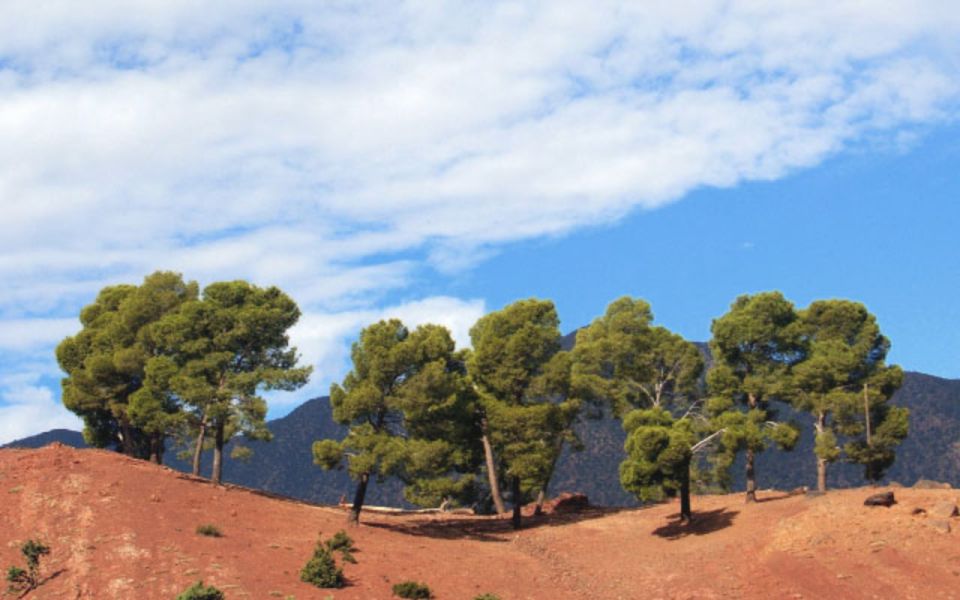
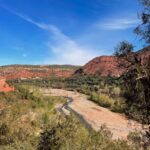
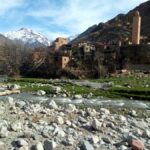
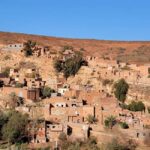
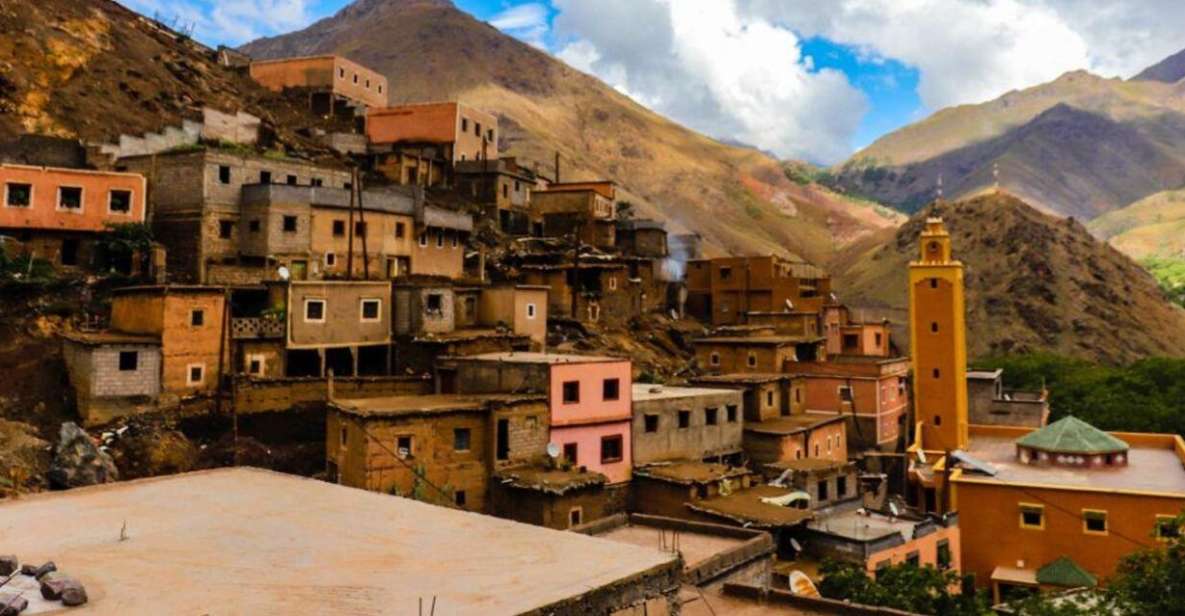
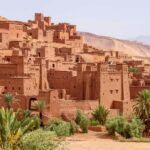
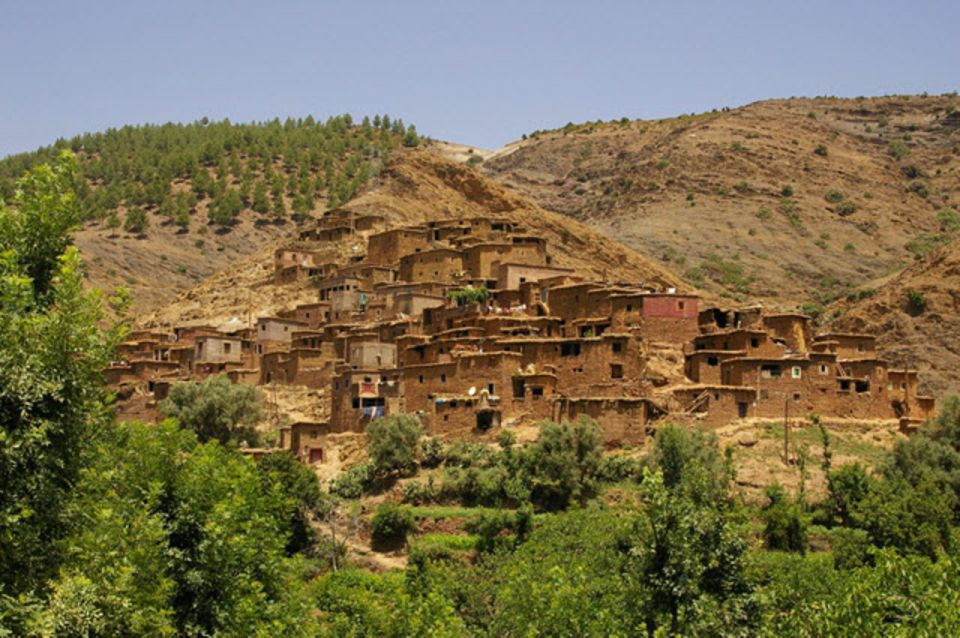
The day begins with pickup in Marrakech, then a roughly one-hour drive to the Ourika Valley. Along the way, you pass picturesque Berber villages and hillside homes—those small clusters of houses that cling to slopes and feel built into the terrain rather than placed on flat land.
This stretch matters more than it sounds. You’ll spend the ride orienting yourself to the region: the mountain air, the river valley shape, and the way small settlements connect by winding roads. If you’re the type who enjoys watching a place change as you move toward it, this part of the day delivers.
The driving also gets mentioned often in a positive way. Guides and drivers like Omar, Hassan, and Anwar are described as punctual and informative, which helps if you want a day trip that feels organized instead of chaotic.
The guided walk: Berber village life plus Setti Fatma views
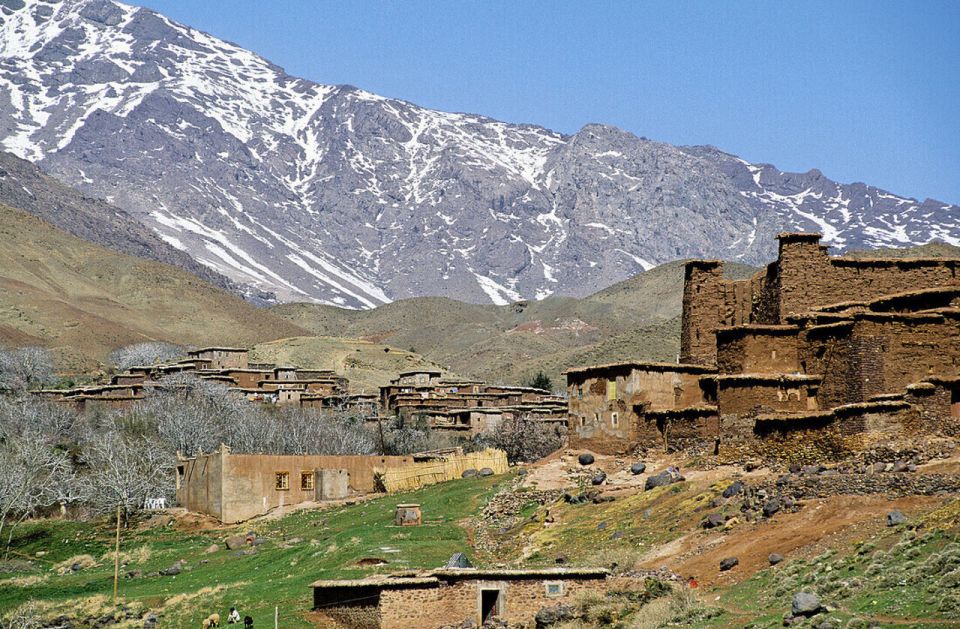
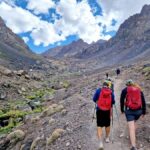
Once you reach Ourika, you join a local guide for a 2–3 hour walking tour. This is the core of the experience, and it’s where the valley becomes more than scenery.
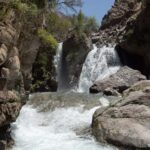
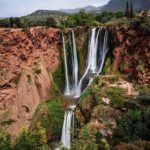
Your guide leads you through village paths and viewpoints tied to daily life in the Berber community. Expect plenty of opportunities to look out over cascading water and the valley’s rhythm. Setti Fatma is the headline here: you’re in the area where the waterfalls are known for roaring sound and dramatic presence, and your walk is structured around getting you to the right vantage points.
What you should know before you set out:
- Wear comfortable shoes with good grip. Some people specifically call out slipperiness on parts of the route.
- Bring water, sunglasses, and sunscreen, especially if the weather turns bright.
- Plan for tiring moments. Even when the climbing isn’t described as extreme, you will still be walking for hours on uneven ground.
This is also where the guide quality shows. Abdul is praised for safety and help on tougher spots, while Khalid and others are noted for sharing lots of mountain and area context. If you want photos, guides often help you get to the best spots without making the day feel rushed.
Picnic lunch near Arhbalou or along the Ourika River
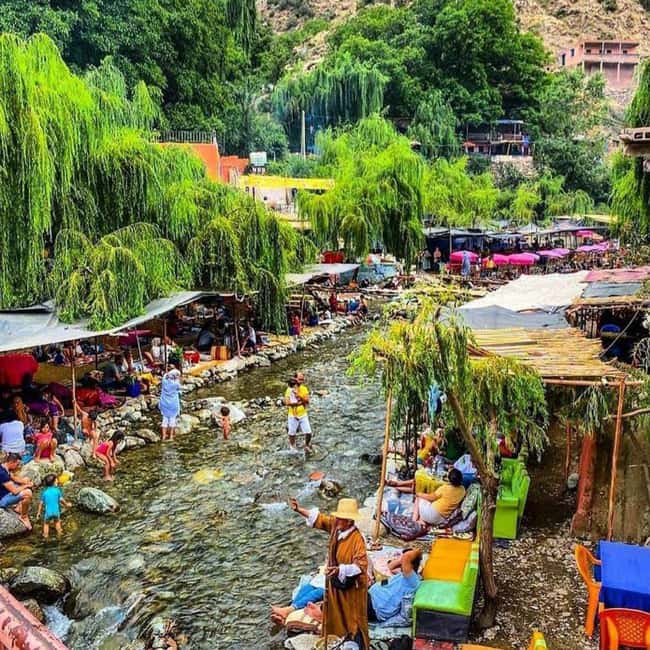
After the walk, you’ll eat. The tour includes a light picnic at either Arhbalou Cascades or along the banks of the Ourika River. Both choices keep you close to the water, so lunch doesn’t feel like a break trapped inside a room. You’re eating with the valley around you instead of away from it.
The food setup is simple, which is a good thing for a day trip like this. You’re not stuck with a multi-course wait. Instead, you get a meal, a chance to rest, and a moment to refuel before the rest of the afternoon.
One detail that stands out from the way guides handled the day: groups are supported. If someone struggles on the walk, guides are described as going above and beyond to keep everyone comfortable and safe. That support helps turn “hike day” into “I can actually enjoy this day.”
Arhbalou village restaurants: traditional meals in a riverside setting
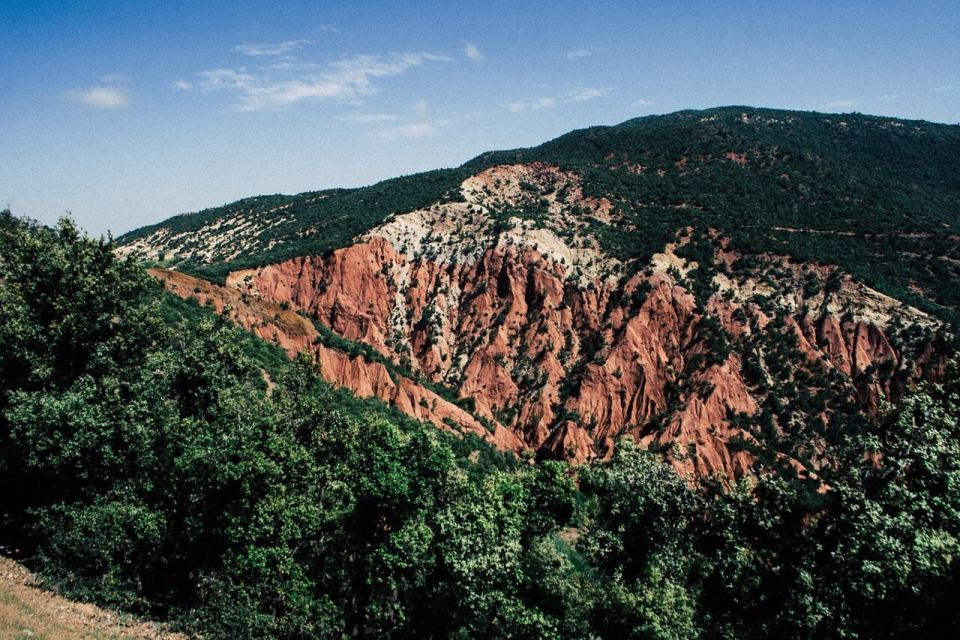
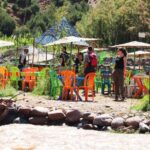
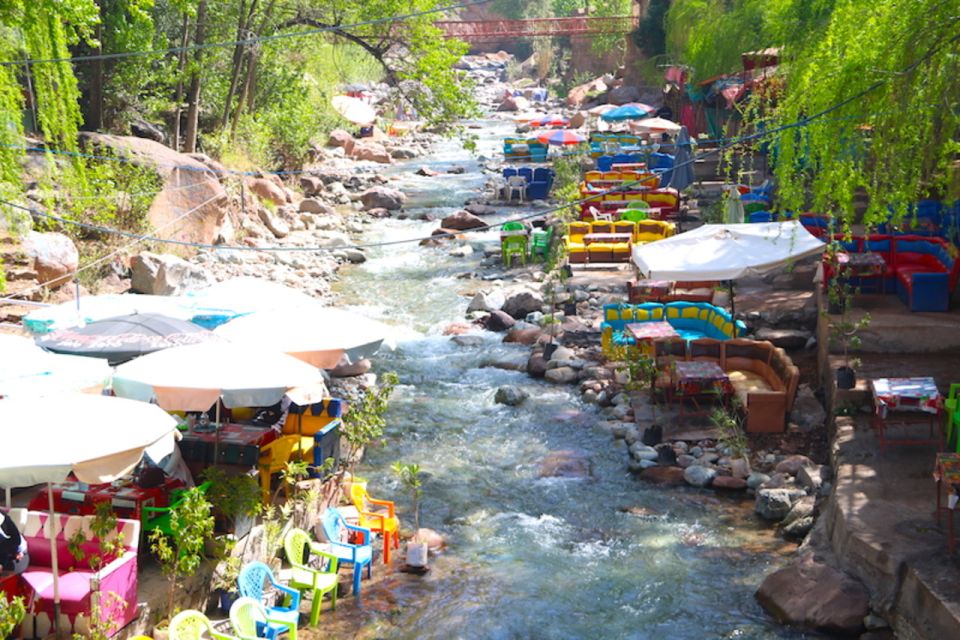
Next, the route brings you into Arhbalou, where you can find several small riverside restaurants owned by Berber families. This is a great part of the day if you like eating where locals actually host meals. It’s casual, it’s close to the water, and it feels connected to the valley rather than staged for tourists.
You’ll likely be tempted to try what’s on offer, because this is the kind of setting where the meal feels like part of the landscape—without being the overly formal, tourist-menu version of “Moroccan food.”
Also, if your stomach likes steady routines, Arhbalou can be a nice change after the walking. It’s a calmer pace: sit down, eat, watch the river flow, and reset.

T’nin Ourika market time: shopping and local life
Later, you’ll visit T’nin Ourika, known for a lively market on Mondays. The tour description also mentions market days on Thursdays, so this can affect what you see depending on your departure date.
Even if you’re not there to shop, a market stop gives you a real look at local social life. People gather, browse, talk, and move through the day with purpose. It’s also a chance to pick up small items that feel handmade or at least distinctly local compared with the standardized stalls you’ll find closer to Marrakech.
One practical note: markets and side-of-road selling can mean strong pricing. One review specifically flagged that locals selling products can feel expensive if you’re not careful. If you want souvenirs, go in with a calm mindset and ask around if the price seems high. If you’re mainly there for the atmosphere, focus on people-watching and leave with photos rather than purchases.
Camel ride near the end: fun, scenic, and easy to love
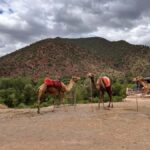
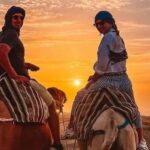
At the end of the day, you get the camel ride. People consistently describe it as “very cool,” and it’s the kind of moment kids tend to love too. Even if you’re an adult who prefers not to do animal rides, it’s short enough to feel like a memorable finish rather than a long activity you have to endure.
There’s also a strong visual payoff. The ride happens with Atlas Mountain scenery in the background, so you’ll get that classic valley-photo feeling without needing a full day devoted to equestrian tourism.
This is also where having a friendly, capable guide helps. Some reviews mention guides who also handle photos and keep things organized while you ride. If you’re camera-ready, this is often the best time of day to capture a few frames before heading back.
Price and value: what $18 really covers
At about $18 per person, this tour has strong value for a day out that includes:
- Hotel pickup and drop-off
- A guided walk
- Lunch/picnic
- A camel ride
- A local guide during the key parts of the day
In Morocco, transport and a solid guide can easily cost close to that by themselves if you book separately. So the value here is in bundling: you don’t have to manage timing, route changes, or where to eat.
Is it perfect value for everyone? If you hate walking, you might find the day too active for the price. But if you’re comfortable with a few hours outdoors, you get a lot packed in without feeling like a rushed checklist.
Guide and driver quality: names you’ll hear and why it matters
The best thing about this tour is how the people run the day. Multiple guides are highlighted by name, and the pattern is clear: drivers are punctual and explanatory, while walking guides help you feel safe and informed.
You might be guided by:
- Abdul, praised for knowledge, patience, and safety help during tougher parts
- Khalid, described as helpful with photos and full of mountain area details
- Larbi, praised for being informative and patient with the group
- Omar, arriving on time and driving safely
- Hassan or Anwar, described as friendly, supportive, and informative during transit
- Maoud (mentioned in one review) as part of the team
Why this matters to you: a day trip to waterfalls can go one of two ways—stressful crowd herding, or a calm guide-led experience. The positive notes focus on patience, safety, and small human touches, which is exactly what you want when the walk lasts 2–3 hours.
What to bring (and what to skip)
The tour gives clear essentials, and you’ll feel it when you’re out there. Bring:
- Comfortable shoes (non-slip is a smart upgrade)
- Sunglasses
- Sunscreen
- Water
- Weather-appropriate clothing
What I wouldn’t overpack: heavy layers you won’t use. You’re out in the Atlas, but you’re also walking. Lightweight sun protection and breathable clothing usually make the difference.
Who this Ourika Valley tour is best for
This is a great fit if you want a balanced day with:
- A guided walk that’s long enough to feel real, but supported with breaks
- Waterfall scenery tied to actual village walking, not just a pull-off photo stop
- A meal and time to sit down near the river
- A fun camel ride finish
It’s less ideal if you:
- Don’t handle uneven walking well
- Need a fully non-walking day
- Are pregnant (the tour states it’s not suitable)
Should you book the Ourika Valley day trip?
If you want an Atlas day that actually feels connected to Berber life—not just a quick photo—you should seriously consider booking. The strongest reasons to go are the guided walk with helpful local guides and the end-to-end value: pickup, lunch/picnic, waterfall-area views, and a camel ride for a low price.
I’d book it if you’re comfortable with a 2–3 hour walk and want to trade long city sightseeing for river sound, village paths, and a relaxed meal break.
I’d skip or look for an easier version if walking tires you fast or you’re not comfortable on uneven terrain. In a day trip like this, the walking is the main trade-off—and it’s worth it only if you’re in that mood.
FAQ
What does the tour cost?
The price is $18 per person.
What’s included in the tour?
Hotel pickup and drop-off, lunch, a guide, and a camel ride are included.
How long is the drive from Marrakech to the valley?
It’s about a 1-hour drive to the Ourika Valley.
How much walking is involved?
You’ll take a guided walk that lasts about 2–3 hours.
Will I see Setti Fatma waterfalls?
Yes, the tour highlights Setti Fatma waterfalls, and the walking portion is geared toward waterfall views.
Where is lunch or the picnic served?
Lunch/picnic is a light picnic at either Arhbalou Cascades or along the banks of the Ourika River.
Is there a camel ride?
Yes, a camel ride is included near the end of the tour.
Are there markets during the tour?
Yes. A typical Berber market in the area is part of the experience, with market days on Mondays and Thursdays. T’nin Ourika is noted for a lively Monday market.
What languages will the guide speak?
The tour is offered in Arabic, English, and French.
What should I bring for the day?
Bring comfortable shoes, sunglasses, sunscreen, water, and weather-appropriate clothing.
Is the tour suitable for pregnant women?
No, it’s not suitable for pregnant women.